
Last updated: Apr 19, 2026
Cave Creek has hot, dry summers followed by a defined monsoon season, so replacement timing directly affects tear-off exposure risk and scheduling reliability. When you push a roof replacement into the monsoon window, you're gambling with sudden downpours, wind-driven rain, and airborne debris that can turn a planned tear-off into a soggy, high-risk job. The desert heat that bakes roofs in July and August also wears on crews, slows material handling, and compounds the risk of blistering and tarped leaks if work stalls. Choosing timing that lines up with a dry stretch helps keep the project on track and reduces the chance of surprises that cost you time and risk.
Summer monsoon storms in the area bring wind, rain, and debris that can interrupt open-roof work and create leak risk if a project spans multiple days. Tile roofs-whether clay or concrete-are particularly sensitive to wind-driven debris that can dislodge tiles or loosen fasteners if crews are forced to pause mid-install. Low-slope or flat sections accentuate water routing challenges during sudden downpours, making it even more critical to stage complete, sheltered work sequences. If your home features Southwestern tile or a low-slope addition, coordinate with your contractor to finish sequentially so no portion remains exposed through a storm window. In practice, this means scheduling a start with a clear block of dry, stable weather and expecting potential delays if the forecast shows monsoon activity within the planned window.
Extreme summer heat in the northern Sonoran Desert around Cave Creek can slow installation pace and affect handling of roofing materials during peak afternoon conditions. Asphalt shingles and synthetic materials can blister or become awkward to manage when temperatures spike, and metal or tile edging may become dangerously hot to touch. Crews often adjust daily targets to morning and late-afternoon hours, with peak work paused during the hottest hours. If a project must cross a few hot days, plan for shorter daily work sessions and repeatable securing steps to prevent wind uplift or material damage. A thoughtful schedule block-early start, midday break, late finish-keeps crews safe and material quality intact while reducing the likelihood of rework.
Ask for a call-ahead weather plan that ties in with your project milestones: an estimated tear-off window, weather buffers for tile拆ts, and a contingency for sudden storms. Insist on secure, wind-rated tarping and robust temporary weather protection for all open areas, not just the main roof surface. For tile installations, confirm that the contractor uses full-bed mortar or appropriate mechanical fasteners, and that waste containment is in place to prevent debris from washing into dry washes or landscaping during a rain event. If your home includes low-slope sections, ensure drainage is tested in a dry run to verify flow paths and that membrane laps are reliably heat-sealed before a forecasted monsoon lull ends. The goal is to minimize exposed roof surface during shifting monsoon conditions and keep operations continuous when a window opens.
Target a dry period with a confirmed forecast window of several consecutive days. In practice, you want to avoid starting just as the monsoon season is predicted to ramp up and avoid letting the crew chase after weather fronts. A well-timed replacement prioritizes dry, predictable days, a complete tear-off, and secure re-sealing before any forecasted storm risk. Communicate a firm deadline with your contractor, but stay flexible for a weather-driven pause rather than exposing your roof to intermittent, stress-filled cycles of rain and heat. You're aiming for a clean, weather-smart finish, not a rushed job that invites leaks or fragile tile fallout the moment the first gust hits.
Clay tile and concrete tile define the skyline in this desert climate and drive most maintenance conversations. The region's Southwestern and desert-style architecture favors these materials for both aesthetic and performance reasons. Homes often showcase steep visible tile roofing on the main living areas while featuring flat or low-slope sections over patios, garages, or additions. That combination creates mixed-system maintenance needs, since tile surfaces and flat sections respond differently to heat, moisture, and debris. In practice, you'll be addressing a tile roof and a separate flat roof, sometimes in the same property, each with its own set of routine checks.
Clay and concrete tiles excel at shedding heat and resisting UV damage when kept in good alignment. However, sun-baked edges, cracked tiles, or slipped fasteners can create leaks that travel along underlayment or into junctions with vent boots and chimneys. In a typical Cave Creek home, it's common to find minor tile breakage after monsoon-season debris or a high wind event. Regular inspection should focus on identifying cracked or chipped tiles, broken fasteners, and any mortar or underlayment issues where tiles meet transitions to other roofing types. Cleaning should be selective: remove loose debris, inspect for rusted hardware in metal-only flashings, and avoid aggressive pressure washing that can degrade surface coatings.
Low-slope sections over patios, garages, and additions present a different risk profile. The heat of the Sonoran summer can accelerate membrane aging, and monsoon-season rain can reveal flaws that aren't obvious in dry months. Expect periodic seam and flashing checks, especially around penetrations such as skylights, plumbing stacks, and edge walls. Because these areas sit closer to the ground and often collect shade or organic matter, there's a higher likelihood of localized ponding and debris buildup. A practical habit is to inspect for blisters, blistering, or granule loss on modified bitumen or single-pply membranes, and to monitor edge flashing for lifting or separation after heavy rain events.
Monsoon exposure has a direct impact on both tile and low-slope roofs. Timing your replacements or major repairs to avoid the core monsoon window reduces the chance of storm-related setbacks and minimizes the need to reopen work mid-project. For tile roofs, plan around a window with dry weather to preserve tile integrity during installation and ensure proper bed and sealant curing. For flat roofs, ensure any membrane work can run to completion during a stretch of predictable dryness, with contingencies for rain delays that can extend timelines. Coordination with an experienced local contractor who understands how desert storms shape roofing schedules pays off in fewer re-dos and better long-term performance.
In this market, you'll often encounter stopped-up gutters, leaf debris from nearby vegetation, and flashings that have lifted slightly due to heat cycles. Quick checks include ensuring gutters and downspouts are clear, resealing minor flashing gaps, and verifying tile alignment after high-wind events. For flat sections, a basic drill-down of seam integrity and edge sealant condition helps prevent small leaks from becoming bigger problems during the next storm. Locals report that a steady rhythm of seasonal inspections-late spring through fall-keeps both tile and low-slope systems in solid shape without surprises.
The local contractor market shows strong prevalence for both tile roofing and flat-roof work, indicating these roof types are a routine concern. When selecting a nearby pro, verify experience with tile roof installations, underlayment compatibility, and low-slope membrane specifics. Ask for references that involved mixed systems, and request a staged inspection plan that aligns with monsoon-season timing so you're not caught mid-project during a storm. A reliable craftsman will provide both practical on-site assessments and a clear, material-appropriate maintenance plan that respects the region's climate realities.
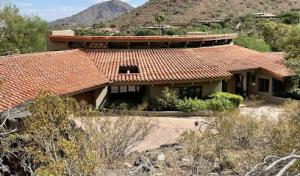
Find contractors who specialize in clay and concrete tile roofs, known for their durability and curb appeal.
Desert State Roofing
(602) 529-2720 www.desertstateroofing.com
35241 N 51st St, Cave Creek, Arizona
5.0 from 143 reviews
Ready Roofing AZ
29455 N Cave Creek Rd suite 118-447, Cave Creek, Arizona
5.0 from 132 reviews
Dove Valley Roofing
(480) 504-1980 dovevalleyroofing.com
33209 49th Pl, Cave Creek, Arizona
5.0 from 7 reviews
Desert State Roofing
(602) 529-2720 www.desertstateroofing.com
35241 N 51st St, Cave Creek, Arizona
5.0 from 143 reviews
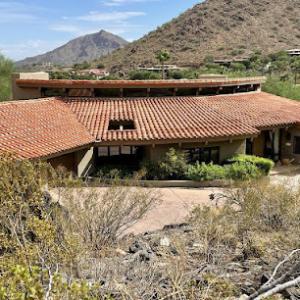
Established in 2016, Desert State Roofing provides dependable residential roof repair, commercial roof repair, roof replacement, and commercial roof maintenance in Cave Creek, AZ, Scottsdale, AZ, Anthem, AZ, and surrounding areas. The team focuses on communication, integrity, and quality workmanship while delivering efficient service for every roofing need. Skilled in metal, tile, shingle, and foam systems, Desert State Roofing supports property owners with repairs, replacements, and new installations throughout Cave Creek, Scottsdale, Anthem, and nearby areas.
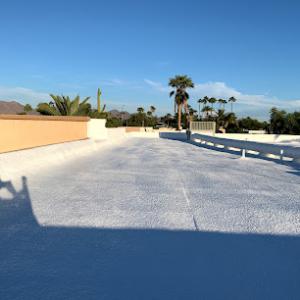
Ready Roofing AZ
29455 N Cave Creek Rd suite 118-447, Cave Creek, Arizona
5.0 from 132 reviews
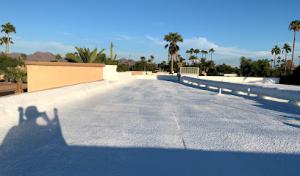
A full service Roofing Company. All types of Roof replaced including Tile, Shingles, Flat Foam Roofs, Walking Decks and Patios! We are doing repairs but currently on a limited basis.
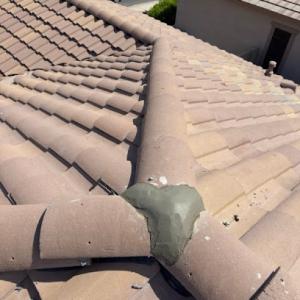
Dove Valley Roofing
(480) 504-1980 dovevalleyroofing.com
33209 49th Pl, Cave Creek, Arizona
5.0 from 7 reviews
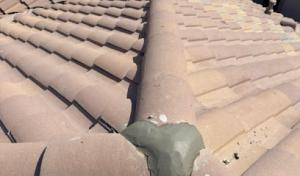
We specialize in residential re-roofs, inspections, and repairs. Whether your roof needs a small fix or a complete replacement, our team is ready to help. List of Services: Full Residential Re-Roofs Roof Inspections & Reports Storm & Monsoon Damage Repairs Tile & Shingle Replacements Leak Detection & Flashing Repair Preventative Maintenance Programs
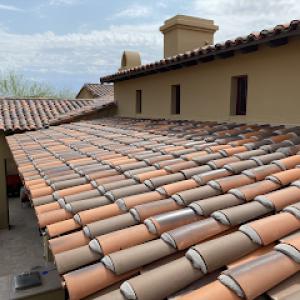
Klymit Roofing
(602) 402-9854 klymitroofing.com
Serving
4.9 from 41 reviews
Klymit Roofing delivers professional and personalized solutions for all your roofing needs, from new construction to repairs. Local to the North valley area, we offer a range of services including metal, tile, coating, foam, shingle and more! We take pride in restoring the individualized approach commonly missed in this industry, aiming to bring quality workmanship and customer satisfaction back to the forefront. To schedule your appointment, visit our website or give us a call.
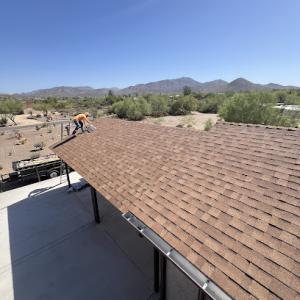
Four Peaks Roofing Solutions
(480) 904-6115 fourpeaksroofingsolutions.com
Serving
4.8 from 27 reviews
Protect your home with confidence— Four Peaks Roofing Solutions delivers top-notch craftsmanship and reliable service for all your roofing needs. Trust them to cover your home, one peak at a time. 🏠🔨
Top Notch Southwest Roofing
Serving
4.6 from 11 reviews
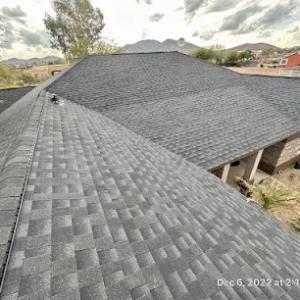
Top Notch Southwest Roofing is a local, licensed, bonded, and insured roofing contractor serving Phoenix and surrounding areas. With over 40 years of roofing experience, we specialize in roof repairs, full roof replacements, storm and hail damage, insurance claims assistance, flat roofs, foam roofing, TPO, metal roofing, tile, and asphalt shingles for both residential and commercial properties. We work directly with insurance adjusters to ensure homeowners receive proper coverage and quality workmanship. Our owner is local and personally involved in every project to ensure top-quality results, clear communication, and complete customer satisfaction. 602-686-5922 | ROC #339754
Paragon Contracting
(928) 414-7353 www.paragonbuiltaz.com
Serving
4.9 from 104 reviews
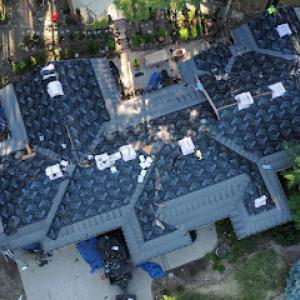
Paragon Contracting, LLC in Scottsdale, AZ provides expert roof replacement services built to withstand Arizona’s harsh desert climate. Our team specializes in replacing worn or sun-damaged roofs, helping homeowners protect their properties from extreme heat, monsoon storms, and UV exposure common in the Valley. We focus on precision, durability, and aesthetic appeal with every project, ensuring long-term protection and value. Known for professionalism and quality craftsmanship, Paragon Contracting, LLC is the trusted roofing contractor Scottsdale residents rely on for dependable service and lasting results.
Elevate Roofing Pros
(623) 303-8206 elevateroofingpros.com
Serving
5.0 from 96 reviews
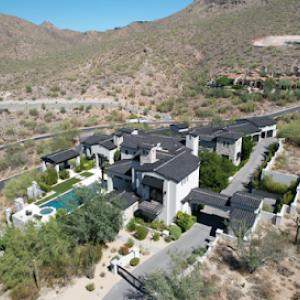
Welcome to Elevate Roofing Pros, your premier destination for unparalleled roofing services across Arizona and beyond. With 15 years of combined experience gracing every corner of the United States, we’ve proudly always called Arizona our home, serving the communities we love with unmatched dedication and expertise.

Exact Roofing & Construction
(480) 332-9339 www.xroofing.com
Serving
4.4 from 34 reviews
Family owned and operated roofing company and home remodeling service for over 20-years and counting. Why Choose Us? 100% Recommended by Customers (HomeAdvisor) Elite & Top Rated Service on HomeAdvisor Over 25-Five Star Reviews Online Insurance Claim Specialist

Precision Roofing LLC - Roofing Contractors Phoenix
(602) 456-0323 precisionroofingaz.com
Serving
4.8 from 19 reviews
Precision Roofing is the premier roofing company for all of your roofing needs. As a top-rated roofer, we specialize in roof repair, roof replacement, commercial roofing, and residential roofing services. Our team of experienced and skilled local roofers is dedicated to providing exceptional quality workmanship and superior customer service. We service Scottsdale, Phoenix, Mesa, Tempe, Peoria, Glendale, and the entire Valley. We prioritize customer satisfaction above all else, ensuring that every project is completed to the highest standards. Our roofing contractors are committed to delivering top-notch results, no matter the size or scope of the job. Contact us today for a free estimate for your roof repair or your roof replacement.

SUNVEK Roofing
Serving
4.9 from 187 reviews
Being the area's top choice for roofing solutions in the Phoenix Valley of the Sun since 1984 is something we at SUNVEK Roofing are proud of. As a leading Arizona Roofing Company, we have established ourselves with 40 years of devoted service. SUNVEK Roofing is prepared to exceed your expectations whether you need roof replacement, roof repair, roofing for multi-family homes, or commercial and industrial roofing. Our roofers service Phoenix, AZ in addition to Anthem, Carefree, Cave Creek, Chandler, Fountain Hills, Gilbert, Glendale, Mesa, Peoria, Scottsdale, Surprise, Tempe and the surrounding areas.
Fountain Hills Roofing
Serving
5.0 from 39 reviews
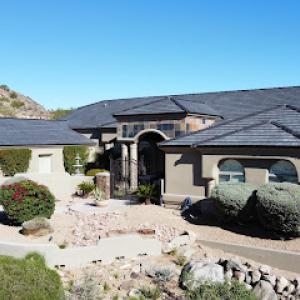
At Fountain Hills Roofing, we take pride in being a licensed and reliable source in the roofing industry. With a legacy of 40 years, we have consistently provided top-notch roofing solutions to the Fountain Hills, Rio Verde, and Scottsdale communities. Our commitment to excellence and customer satisfaction has made us a go-to choice for roofing needs.
Hail and wind events in this desert town are not rare storms to dismiss. Arizona roof claims are common after these events, and homeowners may face insurer scrutiny tied to local weather patterns and prior claim history. That scrutiny can influence how quickly a claim moves from notice to approval, and whether a roof replacement is treated as a repair or a full replacement. When a storm shakes roofs along the ridges and tile edges, the reaction from insurers tends to be gradual and cautious, not instant. Knowing that ahead of time helps set expectations for the process and reduces frustration when a claim decision drifts.
Monsoon season brings sudden downpours and localized hail, especially during late summer. Timely photo documentation after monsoon or hail events is especially important because adjuster scheduling can delay claim decisions and extend temporary protection needs. Take clear, dated photos of the affected areas from multiple angles, including close-ups of damaged tiles, flashing, and any interior signs of water intrusion. If possible, capture a wider shot that shows the roof's overall condition and the surrounding terrain. Store these images in a cloud-backed folder labeled by date and storm event. Quick, organized evidence helps a local adjuster see the scope of impact without the back-and-forth that drags the process.
The local contractor market has meaningful prevalence for storm-damage and insurance-claims work, reflecting how often roof projects are tied to weather events rather than planned replacements alone. That means during and after big storm events, leading crews can be booked, and scheduling may skew toward response work rather than routine upgrades. Don't be surprised if a trusted local roofer has limited availability right after a severe storm. Planning with a reliable contractor who understands the terrain-tile roofs, low-slope sections, and the way monsoon moisture interacts with flashing and parapets-can prevent delays. If a claim finally moves forward, expect a sprint through assessment, material coordination, and installation windows that are measured in weeks rather than months, provided the paperwork clears smoothly. The best approach is to assemble your documentation early, align with a contractor who has proven response times, and keep a realistic timeline in mind for weather-driven waves of activity. In short, storms shape both the need and the pace, so preparedness and clear photos can keep your project from stalling when the next monsoon rolls in.
Find local contractors experienced in assessing and restoring roofs after hail, wind, and severe weather events.
Desert State Roofing
(602) 529-2720 www.desertstateroofing.com
35241 N 51st St, Cave Creek, Arizona
5.0 from 143 reviews
Dove Valley Roofing
(480) 504-1980 dovevalleyroofing.com
33209 49th Pl, Cave Creek, Arizona
5.0 from 7 reviews
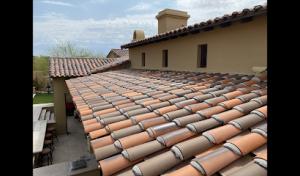
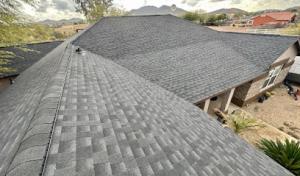
Clay tile, concrete tile, and the mixed tile-and-skyline layouts you see around town push project costs higher than basic shingles. Typical local pricing sits around $350-$650 per square for asphalt shingles, $600-$1200 for metal, $900-$2100 for clay tile, $800-$1500 for concrete tile, $550-$1100 for wood shingles or shakes, and $450-$900 for synthetic or composite shingles. Those ranges reflect Cave Creek's hot days, strong sun exposure, and the demand for durable, long-lasting roofs on custom homes.
In this area, asphalt shingles stay a practical, budget-conscious choice when renewal timelines or HOA constraints allow. Expect to land closer to the lower end if the roof is straightforward, with simple geometry and no significant penetrations. However, even small, curvy homes with some tile-adjacent features can push the price toward the midrange as crews navigate heat-drenched midday work and schedule nuances tied to the region's busy season.
Metal remains a solid option where ultra-long life and resistance to heat are priorities. In Cave Creek, metal projects often command the higher end of the range due to panel profiles, installation over existing layers, and fitments around attic venting and skylights common on desert lots. If a home uses a mezzanine or complex parapet, you'll see additional costs for flashing and detailing. The payoff is a roof that handles monsoon pulses with less risk of hail or wind-driven damage.
Clay tile dominates the local landscape and drives costs up. Expect premium pricing for curved or interlocking profiles, tear-off of existing substrates, and careful pocketing of drains and parapets. Tile roofs require careful sequencing and expert handling to avoid breakage during replacement, which contributes to the higher per-square price. Even small reductions in weight or alterations to tile pattern can shift material and labor budgets meaningfully.
Concrete tile sits between clay and asphalt in durability and price. In our market, its weight and versatility for custom rooflines push costs into the mid-to-upper range. Proper substrate preparation and tile-specific fastening are essential for long-term performance under monsoon winds and intense desert sun.
Wood options appeal to distinct architectural styles but carry a higher maintenance profile here. Expect higher installation and potential protection costs, particularly where moisture and sun exposure necessitate underlayment considerations to avoid rapid shrinkage or swelling.
Synthetic options provide a flexible, cost-conscious alternative that can mimic higher-end materials. In Cave Creek, these can be a practical compromise when a homeowner wants decent aesthetic variety without reaching clay or concrete tile prices, though labor complexity and warranty terms influence final quotes.
Monsoon-season timing can affect labor availability and scheduling pressure as storm-related demand rises across the north Phoenix and Scottsdale foothills area. Planning ahead around shoulder months can reduce rush costs and help ensure crews secure the right materials and access during peak activity.
Explore specialists in steel, aluminum, and standing seam metal roofs built to last 50 years or more.
Desert State Roofing
(602) 529-2720 www.desertstateroofing.com
35241 N 51st St, Cave Creek, Arizona
5.0 from 143 reviews
A full roof replacement in Cave Creek typically requires a building permit through the Town's Planning and Building Department. Before any tear-off begins, a contractor should confirm that the project scope, roof type, and materials align with local code requirements and any applicable zoning rules. The process typically starts with submitting project plans that show roof dimensions, slope, and the approved material class. Plan review ensures drainage, ventilation, and structural considerations meet the desert climate realities, including heat exposure, wind loading, and monsoon-season considerations. When plan review clears, a permit is issued and work can proceed in a compliant sequence. Expect an inspection after tear-off to verify that old materials have been removed safely, that sheathing is sound, and that new underlayment and fasteners meet current standards. A final inspection after installation confirms everything is flush with code and project documents.
In Cave Creek, some neighborhoods require separate HOA approval in addition to the municipal permit. HOA review can add a layer of timing to the project, so it is wise to submit documents for both reviews early in the planning stage. Homeowners should provide the HOA with the same technical details used for the planning department-roof type, color, and compatibility with architectural guidelines-so decisions aren't stalled by missing information. If the HOA has color or material boards, make sure the chosen materials align with the community aesthetic to avoid revision rounds. Coordinating with the HOA early can help prevent delays that would otherwise push the start date into tighter windows when monsoon patterns begin to shift weather toward late summer.
Permit turnaround in this area is often about 1-2 weeks depending on workload. Given the desert climate and seasonal variability, it is prudent to align the permit timeline with monsoon forecasting to avoid last-minute pacing that could conflict with weather windows. As soon as both municipal and HOA approvals are in hand, coordinates with the contractor to schedule tear-off and installation in a sequence that minimizes exposure to rain and wind. Builders typically stage work so the biggest disruption-the tear-off-occurs during a dry spell, followed by underlayment and tile or shingles installation when daily conditions permit. Communication with the local building department helps anticipate inspection dates, keeping the project on track despite seasonal fluctuations.
Keep a dedicated file of permit numbers, plan sets, and HOA correspondence for quick reference. Ask the contractor to provide a pre-inspection checklist to anticipate common issues during the tear-off and installation stages. If a monsoon front appears on the forecast, discuss temporary protective measures and scheduling flexibility with the crew to prevent weather-related setbacks. For tile systems, verify that underlayment and fastener choices comply with regional wind and heat considerations, and confirm that flashing and edge details meet the anticipated stress from heavy summer storms. In all cases, milestones-permit issuance, plan approval, tear-off inspection, and final approval-should be clearly tracked to minimize delays and keep the project moving.
The desert climate here exposes roofs to prolonged heat and sun, so thermal stress becomes a central factor in material selection and replacement timing. Monsoon season can bring sudden moisture that tests newly installed roofs, especially when summer heat has already weakened underlayment or fasteners. Plan replacements so that the hottest part of the year doesn't overlap with the critical curing or setting periods for the chosen system. If a replacement needs to occur during monsoon, ensure crews have quick-drying materials and weather-ready sequencing to avoid moisture-trapped sections.
Tile, metal, asphalt, wood, and synthetic systems are all present locally, but each performs differently under hot, dry conditions and sudden moisture swings. Clay and concrete tile stand up well to heat but weigh heavy and can crack if installation tolerances aren't respected or if temperature swings are extreme during fastening. Metal roofs shed heat efficiently but may experience expansion and contraction that requires precise panel alignment and fastener layouts. Asphalt shingles offer speed and versatility but can become brittle in persistent sun exposure; synthetic options can blend heat tolerance with lighter weight. Wood shingles struggle in intense sun and monsoon moisture, so expect higher maintenance for edges and fasteners. In long, dry spells you'll see faster aging on lighter colors and lower-slope sections where sun exposure is greatest.
Occasional winter cool snaps can delay morning exterior work, even though the dominant roofing challenge is heat rather than cold. Those cooler mornings can slow adhesive cure times or moisture-sensitivity in certain products. When planning a replacement window, target a period with predictable afternoon warmth for finishing and a dry forecast for the first 24 to 48 hours post-install. Short, cool mornings followed by warm afternoons help materials reach proper set, but erratic cold spells can push work into riskier conditions.
Because tile and low-slope systems respond differently to heat and moisture, align the work window with the sun's peak and typical monsoon timing. Schedule completion before the highest heat of summer in clear, dry conditions and reserve contingency for sudden storms. For tile and low-slope jobs, ensure roof penetrations and flashings are coordinated to minimize water intrusion during unexpected showers. Tie the timeline to your chosen material's expansion, contraction, and setting needs, so the roof ages uniformly rather than developing stress points after installation.
Extend the life of your existing roof with reflective or waterproof coatings that protect against UV and moisture.
Desert State Roofing
(602) 529-2720 www.desertstateroofing.com
35241 N 51st St, Cave Creek, Arizona
5.0 from 143 reviews
Dove Valley Roofing
(480) 504-1980 dovevalleyroofing.com
33209 49th Pl, Cave Creek, Arizona
5.0 from 7 reviews