
Last updated: Apr 19, 2026
The July-through-September monsoon season in the high desert brings sudden wind bursts and heavy downpours that can wreck a tear-off schedule in a heartbeat. If a roof is opened during peak monsoon weeks, exposure risk climbs sharply as unpredictable gusts threaten loose material, shingles, and underlayment. The pattern here is clear: dry, hot days in early summer accelerate aging shingles, then you hit the monsoon window where even a small lapse in timing can turn into a costly emergency. Plan around the weather rather than against it, and treat the monsoon as the primary timing boss for any roof work that involves removal or full replacement.
Spring or fall become the practical sweet spot when avoiding the bright scorch and monsoon pressure. In spring, you catch mild temps and lower storm risk, giving crews a stable window to tear off old layers and lay new underlayment before monsoon winds arrive. Fall provides a similar buffer: temperatures are cooler, and the monsoon usually retreats enough to finish projects without weather-driven delays. If a roof is significantly aged, you aim to complete the project before the July heat and August rain begin, so the new system isn't left vulnerable to early-season storms. Your goal is a completed, weather-tight roof before the heart of monsoon season hits.
When guiding a tear-off, the team must minimize exposed roof deck during windy, rain-prone periods. Prescott Valley's combination of blistering sun and sudden storms makes underlayment durability non-negotiable. If a tear-off stretches into late spring or early summer, ensure the crew uses high-quality, weather-ready underlayment and adheres strictly to wind-proofing details. Delays due to anticipated monsoon events are not just inconvenient-they increase the risk of decking damage, moisture intrusion, and stray debris entering the home interior. The safer practice is to coordinate a tight, weather-aware sequence: removal, inspection, underlayment, and shingle installation wrapped up before the hottest, driest part of summer gives way to monsoon unpredictability.
Local contractor signals show unusually strong demand for emergency repairs, storm damage service, and insurance-claim support. That pattern underscores how quickly a roof can shift from routine replacement to storm-response work. If you notice curling shingles, granule loss, or unusual leaks after a monsoon storm, treat it as urgent and document damage promptly for insurance review. Storm readiness means maintaining a fast-response plan: know your contractor's call-back window, have temporary tarp readiness, and understand where to coordinate temporary protection should a sudden storm threaten an ongoing project.
If you're aiming for spring or fall replacement, lock in a start window before the monsoon ramp-up and communicate weather contingencies with the contractor. Maintain a visible plan for tarp-ready protection during any interim days with weather alerts. When storms threaten, prioritize securing the site and promptly initiating repairs to prevent moisture intrusion into attic spaces and ceilings. In peak monsoon weeks, expect possible delays and stay flexible, but insist on continued protection of the deck and interior from wind-driven rain.
The dominant materials in Prescott Valley span asphalt shingles, metal roofing, clay tile, concrete tile, wood shakes, and synthetic/composite shingles, reflecting a mix of Southwestern and newer suburban housing styles. That variety isn't random-each material answers a local balance of sun exposure, wind, and seasonal shifts. A typical home may pair a sun-facing facade with metal panels for long life and reflectivity, while front elevations lean toward clay or concrete tile for texture and heat deflection. When choosing a roof, consider how the profile fits the home's plane and eaves, because the slope and fascia details influence both performance and installation approach. Surface color and finish matter, but the best choice hinges on how the roof interfaces with underlayment, fasteners, and edge detailing.
Tile and metal matter more here than in many markets because local contractor specialization is notably strong for tile roofing and present for metal roofing, matching the area's common roof profiles and climate demands. Monsoon-season storms bring sudden wind and rain, testing fasteners and edge trim. For clay, concrete, and metal roofs, ensure the installation uses corrosion-resistant fasteners and a wind-resistance protocol designed for high-desert gusts. Asphalt shingles, while common, need a robust underlayment and staggered shingle layout to resist wind-driven rain. In all cases, consider upgrading to a more durable underlayment that holds up under UV exposure and winter expansion, and insist on meticulous roof-to-wall flashing to reduce leakage paths after heavy storms.
Prescott Valley's combination of intense UV exposure, monsoon wind, and winter expansion-contraction cycles means material choice is closely tied to underlayment performance and fastening quality, not just surface appearance. Prioritize high-quality synthetic underlayment or a self-sealing asphalt layer with a breathable vapor barrier for older roofs. Fastening should account for desert winds with appropriate nailing patterns and ring shank screws where metal is used. Edge detailing matters more than it looks; plan for secure rakes and valley flashing that won't peel in a sudden downpour. A well-sealed attic/roof junction helps the system breathe while keeping bulk moisture out, a small detail that pays off during the stormiest months.
Tile and metal surfaces each bring advantages in this climate. Tile offers excellent heat deflection and a long service life when properly fastened, but requires precise deck preparation and integration with underlayment to handle winter movement. Metal roofs excel with UV resistance and fast installation, yet accuracy in seams and flashing is essential to stop wind-driven leaks. If the home features a tall or angular roof, metal may install more cleanly and resist monsoon winds with fewer penetrations. For homes with complex ridges or curved profiles, clay or concrete tile can capture the architectural character while delivering durable performance-provided the underlayment and fasteners are matched to the roof plan.
Clay and concrete tile roofs often outlast the underlayment beneath them, making hidden water-shedding layer failure a more relevant issue than broken field tile alone. In this high-desert climate, sun-driven drying and occasional monsoon moisture can push underlayment materials to the limit even when the visible tiles look intact. A recurring sign is moisture intrusion where rafters and interior ceilings meet at flashing joints, not necessarily where a tile is cracked. Regularly inspect attic spaces for subtle signs of moisture, such as staining, musty odors, or drywall ripples, and treat early, because a failed underlayment can compromise the roof deck long before surface damage appears.
Monsoon wind can dislodge edge and ridge components on tile systems, while the region's temperature swings can stress flashings and penetrations over time. The edge interlock and ridge caps are especially vulnerable when wind gusts whip through gaps, and sun-baked mornings followed by chilly evenings can cause tile-to-metal and sealant expansion-contraction cycles. Over time, that motion creates micro-cracks and slower lagging of fasteners. A practical approach is to schedule a careful seasonal inspection after the monsoon passes, paying close attention to ridge lines, corner edges, and any displaced tiles. If a loose cap or displaced edge tile is found, address it promptly-waiting can allow water to creep under the underlayment and behind the fascia.
Because tile roofing is a strong local specialty signal, homeowners here are more likely than in many cities to be choosing between tile repair, lift-and-relay work, and full replacement decisions. A single storm can generate a cascade of small issues that add up to a bigger project if not managed early. Repair might be feasible where tiles remain sound and underlayment is intact, but lift-and-relay can be a worthwhile option when tiles show uneven wear or alignment is compromised, preserving a tile aesthetic while restoring proper water shedding. In some cases, full replacement becomes the prudent choice, particularly when the underlayment has aged or when multiple sections show inconsistent performance. The decision hinges on the overall roof condition, age, and how much of the system has been affected by prior storms.
Start with a proactive maintenance mindset rather than a reactive one. Schedule a mid-year roof check focusing on ridge lines, edge fasteners, and sealant joints. Have a professional assess the underlayment condition behind the tiles in representative areas to gauge whether it still provides a continuous water barrier. If any flashing shows signs of cracking, lifting, or corrosion, plan for timely resealing or flashing replacement before winter swings stress the system. Keep tree branches trimmed away from the roofline to reduce debris and wind-borne impact on edge tiles. Finally, document and photograph any changes after storms so you can track wear patterns over multiple monsoon seasons and make informed prevention choices.
Find contractors who specialize in clay and concrete tile roofs, known for their durability and curb appeal.
Arrow Roofing
(928) 443-8633 arrowroofingaz.com
8991 E Valley Rd, Prescott Valley, Arizona
4.7 from 215 reviews
TSM Roofing
8516 E State Rte 69 F, Prescott Valley, Arizona
4.8 from 62 reviews
Bradshaw Mountain Roofing
(928) 224-1319 www.bradshawmountainroofing.com
8734 E Long Mesa Dr, Prescott Valley, Arizona
4.7 from 31 reviews
Valor Contracting
(928) 699-2625 valorcontracting.co
9551 E Lorna Ln J, Prescott Valley, Arizona
4.9 from 184 reviews
Valor Contracting is a premier roof restoration company, restoring residential, commercial, and industrial properties across Arizona. We know each project is deeply connected to someone's home or livelihood. We offer efficient roofing and restoration solutions, ensuring that you can resume living and making a better home for your family.
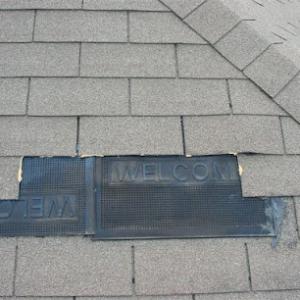
Carl Johnson - Roofing
(928) 910-1878 www.yavapai-roofing.com
Prescott Valley, Arizona
4.9 from 49 reviews
Contact me for any or all of your roofing needs
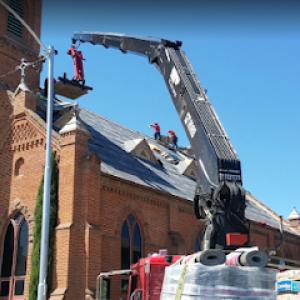
Arrow Roofing
(928) 443-8633 arrowroofingaz.com
8991 E Valley Rd, Prescott Valley, Arizona
4.7 from 215 reviews
We are a premier, fully licensed, and certified local roofing company serving the tri-city area of Prescott, Chino Valley, and Prescott Valley, along with Northern Arizona for over 14 years. Our commitment is to deliver unparalleled value, saving you time, money, and stress while providing top-quality roofing solutions. At our business, client satisfaction is paramount. We prioritize your needs and ensure every project exceeds expectations. With a relentless focus on innovation and efficiency, we've earned a reputation for reliability and excellence. By staying ahead with the latest industry trends and technologies, we consistently deliver superior results. Discover why countless locals trust us as their preferred roofing experts.

TSM Roofing
8516 E State Rte 69 F, Prescott Valley, Arizona
4.8 from 62 reviews
Looking for a top-rated, reliable roofing contractor in Prescott? TSM Roofing is your local, family-owned roofing contractors for both residential and commercial roofing services. As a fully licensed and insured company, we handle everything from roof repairs and maintenance to complete roof replacements and new construction. We are experts in shingle, metal, tile, and flat roof installation. Dealing with storm damage? We are your trusted partner for storm restoration and insurance claims. Contact our professional team for your free estimate! Financing options are available.
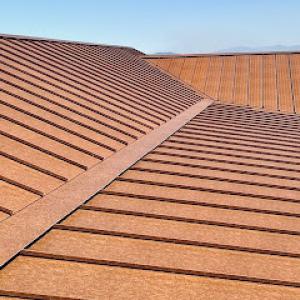
Aspen Roofing
(928) 863-8528 aspenroofingaz.com
Prescott Valley, Arizona
5.0 from 17 reviews
Aspen Roofing comes from a tradition of Northern Arizona roofing contractors who believe that your family deserves the best. The details matter, and we take careful, calculated steps to ensure your new roof will fit your home and its uniqueness. We love getting questions from our customers because we value trust and transparency. For 15 years now, we have contributed to better homes and happier families in the Northern Arizona area, delivering a superior product, process, and customer service. We are proud to serve our local communities in Flagstaff, Prescott, and Sedona.
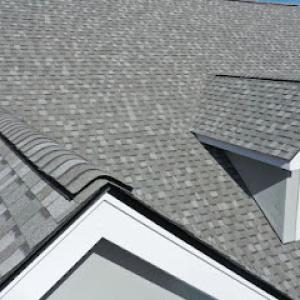
Bradshaw Mountain Roofing
(928) 224-1319 www.bradshawmountainroofing.com
8734 E Long Mesa Dr, Prescott Valley, Arizona
4.7 from 31 reviews
Bradshaw Mountain Roofing, INC provides new roof installations, re-roofing, roof maintenance, roof repairs, and solar panel cleaning to the Prescott, AZ area.
Sebastian & Sons Roofing
(928) 925-8501 www.sebastianandsonsroofing.com
7411 E Addis Ave suite a, Prescott Valley, Arizona
4.7 from 38 reviews
We’re a family of roofers who went into business because we believed people and families like yours deserve a roof that is built to last for many years, built by a team you can trust will always do the right thing. Providing top tier quality roofs isn’t just our job, it’s the only thing that matters. We take pride in our craftsmanship and are passionate about the results we deliver. We believe in the quality of our work, and we stand by it with an exceptional workmanship warranty on all our new roof or re-roofs we install.
Strong Roofing
9144 Florentine Rd Unit 11, Prescott Valley, Arizona
4.7 from 42 reviews
Strong Roofing provides roofing, re-roofing, metal roofing, tile roofing, roof repairs and roof inspections to the Prescott, AZ area.
Badger Roofing
(928) 771-8770 www.badgerroofing.net
8800 E Long Mesa Dr, Prescott Valley, Arizona
4.2 from 34 reviews
Badger Roofing – We've got you covered At Badger Roofing, we specialize in high-quality residential roofing services with a focus on asphalt shingles and metal roofing systems. Whether you need a full roof replacement, storm damage repair, or an annual inspection, our team brings professionalism, transparency, and craftsmanship to every job. We proudly serve homeowners, property managers, and real estate professionals with honest evaluations and long-lasting solutions. As a local company, we understand the unique roofing challenges of Arizona’s climate and tailor our work to protect your home from sun, wind, and hail. From detailed inspections and insurance coordination to premium material upgrades and ongoing maintenance.
Northridge Roofing
8625 N Cimarron Trail, Prescott Valley, Arizona
5.0 from 5 reviews
Roofing Contractor
Mission Restoration
(800) 339-6762 www.missionrestoration.com
9144 Florentine Rd #16, Prescott Valley, Arizona
5.0 from 4 reviews
Mission Restoration is a trusted roofing and restoration company specializing in storm damage inspections, insurance claims support, and high-quality roof replacements. We deliver precision workmanship, clear communication, and industry-leading warranties. From free inspections to clean, efficient installs and reliable follow-up, we’re committed to protecting your home and delivering exceptional service every step of the way.
Allegiant Roofing
(928) 963-0506 www.allegiantroofingaz.com
Prescott Valley, Arizona
5.0 from 1 review
Allegiant Roofing is a trusted roofing contractor in Dewey. Our team is dedicated to providing reliable roofing services, from installations to repairs. We ensure every project is completed with attention to detail and a focus on quality, so you can know your roof is in good hands. Whether you need a new roof or maintenance for your existing one, we have you covered.We also specialize in flat roof repair in Dewey. If your flat roof is showing signs of wear or damage, we can help. Our team has experience working with various types of flat roofs, providing effective repairs that address leaks, cracks, and other issues. We ensure the repair is done correctly the first time, restoring your roof’s integrity and extending its lifespan.
In this market, the choice of roofing material drives the yearly energy and repair bills as surely as the monsoon season drives downspouts. Provided local cost ranges run about $350-$550 per square for asphalt shingles, $700-$1100 for metal, $900-$1700 for clay tile, $800-$1500 for concrete tile, $800-$1300 for wood shingles or shakes, and $600-$1000 for synthetic/composite shingles. For most homes with a basic asphalt system, plan for the lower end if you keep the underlayment and flashing in good shape, and expect the higher end if you're upgrading to metal or a tile option that suits the roofline. When budgeting, add a contingency for underlayment quality, attic insulation, and venting needs, since the desert sun and strong summer winds can accentuate heat transfer and roof deck stresses.
Costs in Prescott Valley can rise when monsoon-season demand surges after wind or hail events, especially for emergency dry-in work and insurance-related replacement scheduling. If a storm hits and your roof needs rapid protection, anticipate premium crews and faster material turnarounds. Having a pre-storm plan with a reputable supplier helps keep the price spikes contained, but emergency work still carries higher labor and logistics costs. Track local storm history and be prepared with a short-list of vetted contractors who offer 24/7 dry-in service and clear temporary protection options to minimize interior damage before permanent repair.
Tile-heavy roof designs common in this market can increase labor and accessory costs compared with basic shingle roofs, while permit fees vary by project value through the local building department. Clay and concrete tiles require careful handling, longer installation times, and more careful flashing integration, which adds to the bottom line even before weather-driven demand. If your home features a tile roof or you're replacing one, budget for extra fasteners, underlayment, and potential ridge cap work. Consider sourcing matching tile colors and profiles in advance to reduce milling and waste on site.
Many homeowners find the best value by staging replacements after the monsoon window passes, aligning with insurance timelines and dry-in requirements. This approach reduces emergency premiums and keeps crews available when weather allows. Regardless of timing, maintaining a solid underlayment and clear, storm-ready flashing is essential for a long, leak-free season. If you anticipate future roof work, start conversations with multiple crews early and ask for itemized estimates that separate materials, labor, and contingencies for storm-related delays.
Get a clear picture of your project costs upfront - no commitment required.
TSM Roofing
8516 E State Rte 69 F, Prescott Valley, Arizona
4.8 from 62 reviews
In this area, a building permit is typically required for a full roof replacement, and the Town of Prescott Valley Building Department handles the permit review. That means your project will go through an official check for code compliance, underlayment requirements, fastener standards, and venting details before work begins. Start with a careful plan that includes venting, attic access, and any insulation revisions you anticipate, so the review can be smooth. Because this is a high-desert climate with intense sun exposure, the reviewer will look closely at material compatibility with the local weather patterns and how the chosen system performs in monsoon winds. Your contractor should submit a complete package, including wind-resistance considerations, to avoid delays.
Local inspections generally occur after tear-off and again at completion. Scheduling these inspections matters, especially if weather is unsettled or monsoon activity is ongoing. Tear-off work exposes roof decks to sun and sudden rain, so having a contingency window for weather can expedite the process. Coordinate with the contractor to align tear-off, underlayment, and final inspection windows. If a storm is approaching, ask your contractor to pre-book inspection slots and to communicate any possible rescheduling needs promptly. A well-timed inspection plan reduces the risk of re-work and helps ensure the new roof remains compliant with local standards through the next cycle of weather shifts.
Lead times and permit review durations vary by project value, which can affect replacement timing during busy storm-recovery periods. In practice, that means a roof project may require patience when monsoon season creates higher demand for inspections and approvals. Plan for potential backlogs and communicate early with the Building Department about your anticipated start date and any dependencies tied to weather. Your contractor should track permit milestones and maintain an organized timeline so that permit approval, material deliveries, and crew scheduling stay aligned, even as storm-recovery activity peaks. Staying proactive with documentation and clear contact points helps keep the project on track.
Arizona's hail and wind events influence roofing claims in Prescott Valley, and insurers often expect detailed photos, scope documentation, and pre/post replacement estimates. In this high-desert climate, the sun can dry out materials quickly, but a sudden monsoon can reveal vulnerabilities. When a hail event hits, the focus often expands beyond a single roof facet to the surrounding components that work with it. Knowing that can help you approach the process with a practical, prepared mindset rather than a rush-to-repair impulse.
After significant hail events, adjusters may inspect more than the roof alone, so homeowners benefit from documenting gutters, flashings, vents, and other affected components. Take clear, wide-angle and close-up photos of every visible impact area, including edges, valleys, and any dented flashing or dented vent caps. Create a simple ran list with dates and locations of visible damage, and keep a dated log of any temporary fixes you perform. If you have central cooling or attic ventilation, note any related signs of moisture intrusion or roof deck staining. This habitat-specific documentation helps prevent back-and-forth delays and supports a more accurate claim scope.
Carrier coverage levels may shift after major storm periods in Arizona, making claim timing, policy review, and contractor documentation especially important in this market. When a monsoon hits, carriers sometimes reassess risk exposure, so timing your claim with careful recordkeeping can influence how much coverage is available for a full replacement versus partial repairs. If you anticipate waiting for better daylight or wind lull windows, document interim measures and keep receipts for temporary protection. Honest, thorough records reduce confusion during a claim review and help protect long-term roof performance in this climate.
In Prescott Valley, adjusters will expect clarity and consistency between what was observed and what you report. Have a pre-event photo library if possible, and share your documentation in an organized package. When choosing a contractor, prioritize teams that understand the local sun exposure, wind patterns, and the stubborn nature of monsoon moisture. A careful, stepwise approach-thorough inspection, comprehensive documentation, and measured repairs-reduces the risk of re-damage and keeps the project moving, even when storm seasons swing back-to-back. Here, in this mountain-desert corridor, preparedness matters as much as any one repair.
Connect with contractors who help homeowners navigate the claims process from damage assessment to final approval.
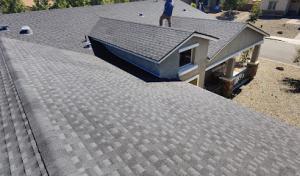
Valor Contracting
(928) 699-2625 valorcontracting.co
9551 E Lorna Ln J, Prescott Valley, Arizona
4.9 from 184 reviews
Arrow Roofing
(928) 443-8633 arrowroofingaz.com
8991 E Valley Rd, Prescott Valley, Arizona
4.7 from 215 reviews
TSM Roofing
8516 E State Rte 69 F, Prescott Valley, Arizona
4.8 from 62 reviews
In the hot, dry summers, asphalt-based products that sit exposed to sun tend to age faster. Pebble-coated or fibrous shingles can chalk, lose flexibility, and become brittle when exposed to relentless UV rays. Metal roofing might show color fading or standing seam panels expanding and contracting with the heat. The glare from clear skies and high sun can also accelerate deterioration of surface granules or coatings, leaving underlying substrates more vulnerable to rapid wear. A practical response is to choose materials with proven UV resistance and to keep the roof surface clean of seasonal debris that can trap heat. Regular inspections after peak summer heat help catch early signs of sun exposure before small issues become leaks or structural concerns.
Cooler winters paired with daily temperature swings create repeated expansion and contraction in roofing assemblies. This can loosen fasteners, widen existing microcracks, and stress underlayment seams. In Prescott Valley, that cycle is a frequent contributor to edge wear and flashing failures, especially where roofs meet walls or parapets. Materials with higher thermal flexibility and robust flashing details perform better over time. Pay attention to ridge lines, hips, and transitions; these are common stress points. If a roof shows loose shingles, popped nail heads, or inconsistent nail lines after seasonal temperature shifts, scheduling a targeted inspection can prevent leaks and extend the system's life.
Spring winds carry dust that abrades surfaces and deposits gritty debris into valleys and gutters. This not only accelerates surface wear but also creates a ready path for moisture intrusion once monsoon rains arrive. Regularly sweep and rinse exposed surfaces, particularly around penetrations, flashings, and vent stacks. Debris buildup in valleys and on the surface can trap moisture and heat, accelerating decay in asphalt products and gapping in metal seams. Before monsoon season, ensure debris is cleared, edge detailing is intact, and any surface scratches or moss-like growth is treated to maintain water shedding efficiency. A well-maintained surface reduces the chance of wind-driven damage and helps existing underlayment do its job when storms arrive. Prescott Valley's distinct mix of sun, wind, and seasonal dust makes these targeted checks a dependable habit.
Flat and low-slope roofing is a meaningful local specialty even though steep-slope systems dominate the market, indicating a real subset of homes and additions need different drainage and membrane guidance. When rain from the summer monsoon hits, drainage performance becomes a critical factor on low-slope sections. Inspect expectant low spots, scuppers, and edge drains after the first major storm of the season. If water tends to pond longer than 48 hours, plan a targeted remedy-improve slope where feasible, clean and reseal drainage paths, and confirm flashing details at parapets and transitions. Remember that seamless drainage hinges on clean drains and unobstructed flow, especially around AC curbs and skylight penetrations.
Roof coating appears as an active but smaller specialty locally, suggesting restoration is relevant for selected low-slope systems rather than the default solution across the city. For built-up or single-pply membranes, consider a reflective coating only after a professional inspection confirms the membrane is structurally sound and free of open blisters or punctures. In this climate, coatings are most practical as a mid-life refresh rather than a cure-all. Choose coatings that emphasize UV resistance and elastomeric performance, and verify compatibility with any existing granule or gravel ballast. For flat roofs exposed to monsoon wind, ensure coatings maintain surface slip resistance and do not create slick patches near edges or pathways.
Preservation hinges on timely maintenance twice per year and after severe storms. Inspect for flashing integrity, especially around vents, penetrations, and parapet terminations, where high-desert winds can lift small seams. Monitor membrane edge detailing for signs of edge delamination after heavy rain events. Keep a close eye on ponding sites for early signs of leakage, and address minor delamination before it becomes a full penetration issue. Establish a simple seasonal checklist you can repeat each spring and fall to catch weather-induced wear early.
Choose installers with proven experience in low-slope systems and local conditions, including drainage-aware detailing and wind-rated flashings. Request a written plan that addresses scuppers, edge drains, parapet terminations, and penetrations, with explicit testing steps after rainfall. On new work, specify a membrane substrate that's compatible with the chosen coating system and allows for extended clearances around potential ponding zones. For retrofits, verify existing deck finish and moisture content before any coating program to prevent blistering or adhesion failure in the high-desert sun.
Find specialists in TPO, EPDM, and built-up flat roofing systems for residential and commercial properties.
TSM Roofing
8516 E State Rte 69 F, Prescott Valley, Arizona
4.8 from 62 reviews
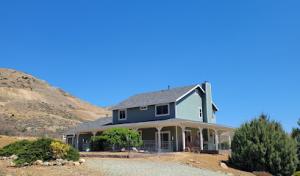
Badger Roofing
(928) 771-8770 www.badgerroofing.net
8800 E Long Mesa Dr, Prescott Valley, Arizona
4.2 from 34 reviews
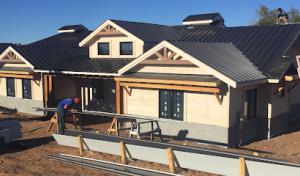
Northridge Roofing
8625 N Cimarron Trail, Prescott Valley, Arizona
5.0 from 5 reviews
In this high-desert climate, storms can slam a roof overnight, and homes stay occupied. Local homeowners look for contractors who respond quickly, finish cleanup promptly, and keep driveways and gutters clear without delays. The emphasis is on someone who can mobilize fast after a monsoon storm and minimize downtime for living spaces. Scheduling clarity matters: you want a contractor who confirms arrival windows, communicates disruption and daily progress, and leaves the yard and street swept clean each day. A quick turnaround on temporary measures-tarps, debris containment, and securement-keeps interior rooms protected during the repair window.
The market includes many long-established, locally owned, and family-owned outfits, so reputation and local tenure carry real weight. Ask for references from Prescott Valley neighbors who had similar roof types or storm repairs recently. Look for a portfolio that shows work on homes with similar materials and underlayment needs given the arid-to-monsoon swings. Local crews who have stood the test of time tend to be more prepared for the specific wind-driven debris scenarios common here and understand how to coordinate with nearby neighbors during a repair in an occupied home.
Warranty offerings are a notable specialty signal in this market. Compare not just the contractor's workmanship coverage but how manufacturer-backed system eligibility is preserved after a storm repair. In practice, that means asking how roof penetrations, flashing integration, and underlayment transitions are guaranteed over time, and whether the warranty follows the original installation team or remains with the home. A dependable contract will spell out what is covered, for how long, and what factory or product guarantees extend to mitigation steps after monsoon events. This helps ensure that if shifting desert temperatures or seasonal rains stress the roof, the protection is still valid.