
Last updated: Apr 19, 2026
Spring in this area brings a high frequency of hail and wind events that can strike with little warning. The storms disrupt repair timelines and push full replacements deeper into the calendar when crews are stretched thin and weather windows close. Your roof is already dealing with a humid subtropical climate that loosens fasteners and stresses underlayment. When the spring microbursts hit, damage can appear minor at first glance but compromise structural decks, ventilation, and the integrity of the roof system over time. Stay vigilant after every storm: what looks like a missing shingle or a dented edge may hide a compromised seal, a breached underlayment, or wind uplift that shifts moisture pathways into attic spaces. The goal is proactive assessment before the next event, not reactive scrambling after it's too late.
Weather-driven damage has a short fuse for liability timelines, so immediate, dated evidence is crucial. In storm season, claim activity closely tracks atmospheric conditions, and the carrier will want a clear trail: date-stamped photos, contractor assessments, and itemized invoices showing the scope of work. When shoring up a claim after a hail hit, you need documentation that captures the roof's surface, the extent of denting, granule loss, and any hidden penetrations that aren't visible from the ground. Keep a repair log that aligns photo timestamps to the storm date, and ensure your contractor's report links directly to the photos. If a wind event causes uplift or soffit damage, note attic signs of moisture, off-slope shingles, or lifted underlayment. This evidence streamlines approvals and prevents delays in getting necessary repairs scheduled.
Wind uplift is more than a pestering detail; it's a recurring local issue that shapes insurance conversations and inspection findings. Roofs in this area often experience sustained or gusty winds that peel back edges, loosen fasteners, and push moisture into vulnerable seams. In conversations with adjusters, emphasize ongoing uplift potential, especially around hips, ridges, and corners where wind forces concentrate. Ventilation plays a pivotal role: insufficient attic airflow can trap heat and humidity, accelerating shingle deterioration and deck rot after a storm. When planning repairs or replacement, insist on a comprehensive uplift assessment, a robust fastening pattern, and proper underlayment over the entire deck. A well-ventilated, securely fastened roof resists recurring storm stress better and reduces the chance of repeat claims.
Spring's unpredictable schedule means you'll be juggling contractor availability with weather forecasts and material lead times. The goal is to stabilize the roof before the next round of weather hits, but never cut corners on underlayment, fastener density, or ventilation details. Coordinate with your contractor to lock a realistic start date that accounts for potential hail swathes and wind advisories. If a full replacement is on the table, align the project with expected seasonal conditions so that ventilation upgrades, drip edge installs, and attic sealing can be completed before extreme heat or heavy rains return. In this market, proactive scheduling plus precise documentation reduces risk, minimizes downtime, and keeps the roof resilient through the next spring storm cycle.
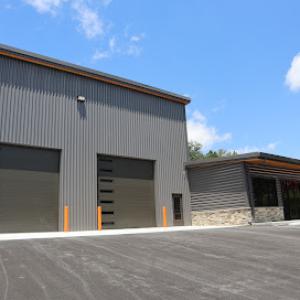
HD Roofing & Construction | Conway, AR
(501) 428-0429 www.hdroofing-construction.com
4 Hart Ln, Conway, Arkansas
5.0 from 157 reviews
Located in Conway, and leading with professionalism, we provide all types of roofing services including, flat, sloped, shingles and membranes. We offer fluid applied and metal roof systems for residential and commercial roofing applications in Central Arkansas. We are licensed, bonded, and insured, making your roof installation or repair a painless process. Our team will assist with any insurance claim that arises. Inspections are always free, and with us you get the highest quality material and craftsmanship possible. Filing an insurance claim for your restoration project can be overwhelming, but we will guide you through every step of the process, helping to reduce your stress and ensure a smooth experience from start to finish.
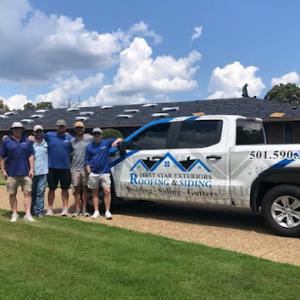
First Star Exteriors
(501) 590-3716 www.firststarexteriors.com
1970 E Oak St, Conway, Arkansas
5.0 from 61 reviews
Serving Conway and Little Rock Arkansas areas, First Star Exteriors specializes in roofing, siding, gutter installation and repair. We also provide deck and fence installation / repair, new windows and doors and so much more. Using experienced crews and seasoned supervisors, we guarantee excellent service and quick turnaround time at a price that is right for you. Get a free quote today for any residential or commercial project!
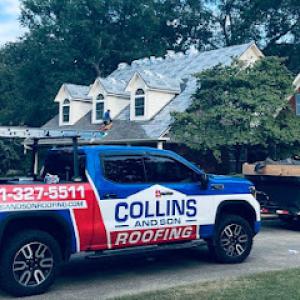
Collins & Son Roofing
(501) 327-5511 collinsandsonroofing.com
2745 Prince St, Conway, Arkansas
4.9 from 200 reviews
Collins & Son Roofing is a third-generation family-owned roofing company with over 30 years of experience serving Conway, Arkansas. With a legacy spanning over 75 years, we take pride in our commitment to customer satisfaction. In an age of short-lived companies, we believe in the value of experienced, local contractors who prioritize doing the right thing. At Collins & Son Roofing, we are dedicated to respecting our customers and ensuring their satisfaction. We stand behind our workmanship warranty and go the extra mile to make sure you are entirely satisfied. Choose us for trusted roofing services. 🏠🔨 #CollinsAndSonRoofing #RoofingExcellence #LocalContractors
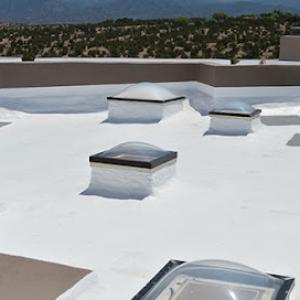
Diamond State Restoration
(501) 764-2103 www.diamondstaterestoration.com
1520 Old Morrilton Hwy, Conway, Arkansas
4.9 from 81 reviews
Diamond State Restoration is a locally owned and trusted Central Arkansas roofing company delivering honesty, quality workmanship, and dependable results. Based in Conway and serving surrounding areas, we specialize in residential roof repairs and replacements, storm and hail damage restoration, and long-lasting commercial roof coatings. We offer FREE roof inspections and clear guidance so you know exactly what your home needs. As a licensed and bonded contractor, we work directly with your insurance provider to simplify your claim and protect your property with confidence.
Arkansas Roofing Kompany
(501) 513-9119 arkansasroofingkompany.com
1910 Walkers Trl, Conway, Arkansas
4.8 from 141 reviews
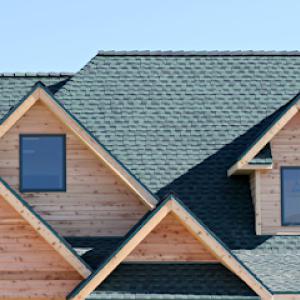
We specialize in commercial exteriors and roofing applications - Silicone Seal Coats, Acrylic Seal Coats, Urethane Seal Coats, TPO, PVC, Modified, Standing Seam, Structural Panels, R-Panel, and Designer. Our technicians are certified employees and we offer the highest workmanship and warranty within the industry. Don't hesitate to reach out for your roofing an exterior needs so we can show you Arkansas Roofing Kompany has been top choice for over a decade.
Majestic Roofing & Restoration
1265 Sturgis Rd, Conway, Arkansas
5.0 from 21 reviews
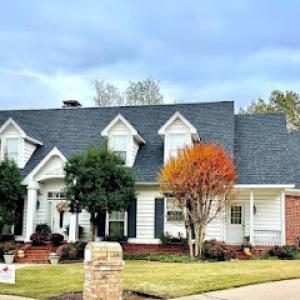
Majestic Roofing and Restoration delivers high-quality roofing, home improvement, and exterior upgrades across Conway, Little Rock, Greenbrier, Bryant, Benton, and surrounding Arkansas communities. With roots in Southlake, TX, and advanced knowledge in modern building technology, the team takes pride in delivering dependable craftsmanship, flexible payment solutions, and honest service. From roofing and gutters to concrete, siding, decks, and windows, every project is built to last with exceptional customer care.
Pro Ridge Roofing
(501) 497-2690 proridgeroofingar.com
1201 Oak St, Conway, Arkansas
5.0 from 19 reviews
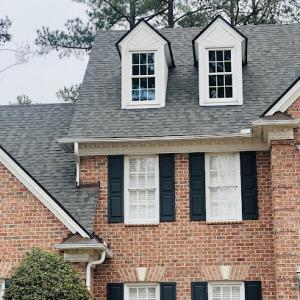
Pro Ridge Roofing delivers expert roofing solutions to homeowners and businesses in Conway, Atkins, and Morrilton, Arkansas. With a steadfast commitment to quality craftsmanship, Pro Ridge Roofing provides reliable protection for your most valuable asset.
Arkansas River Valley Roofing
552 Locust St Suite D, Conway, Arkansas
5.0 from 13 reviews
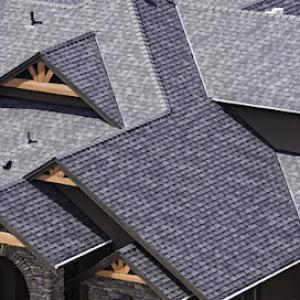
Our residential roof installation and repair services have been refined through years of experience. Our roofers are skilled in most roofing materials and have the experience to fix almost any type of damage. We also provide remodeling and restoration services. Call us today for a free quote!
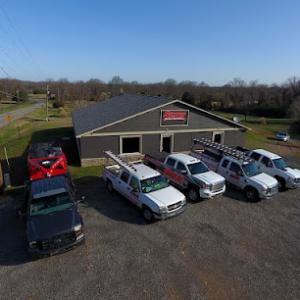
Simon Roofing & Restoration
(501) 327-9999 www.simonrandr.com
498 Saltillo Rd, Conway, Arkansas
4.3 from 21 reviews
We are a highly skilled team of contracting, roofing, and restoration individuals operating outside of Conway, Arkansas. Though we operate out of Conway, we conduct business all around the Southeastern United States. We deliver quality and friendly service to all of our customers and try to meet their needs to the best of our abilities. Through our hard working crew and variety of contacts in the industry, we are able to get tasks completed in a timely manner. From the moment you contact our office, to the last handshake, you will have an excellent experience. Hiring the name Simon not only brings assurance of quality craftsmanship, but also fair pricing techniques and assistance with insurance, and the needs of your property.
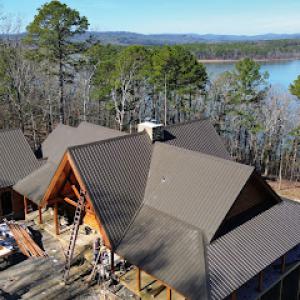
Arkansas Roofing & Construction
1160 Westfield Dr, Conway, Arkansas
5.0 from 3 reviews
Arkansas Roofing & Construction is an elite Residential and Commercial Roofing and Construction Company, providing Professional Services across the state of Arkansas.


Collier Roofing
(501) 733-5163 www.collierroofingllc.com
Serving
4.9 from 113 reviews
A dependable roof is a critical component of any home or business. Collier Roofing is the leader in quality workmanship and service. As a full-service residential and commercial roofing company, we serve Conway, Arkansas and surrounding communities and provide customers peace of mind with new roofing, repair, seamless gutters, metal roofing, fluid-applied systems, and singly ply roofing. Give us a call today to learn about our hassle-free, no-obligation inspection.
In Conway, asphalt shingles and metal roofing are the practical backbone of most homes. Asphalt shingles offer straightforward installation, decent weather resistance, and a wide selection of profiles that handle spring hail and summer heat without overly specialized maintenance. Metal roofing provides excellent durability against wind and hail and tends to perform well in the heat, provided the underlayment and ventilation are properly matched to the system. Tile, wood shake, and slate exist but are less common and typically more specialized, often driven by architectural style, weight considerations, or the desire for a longer-term surface. If a home features any of these materials, expect tighter maintenance planning and more attention to underlayment and attic ventilation to prevent heat-related aging.
Conway's hot, humid summers accelerate aging of shingles and underlayment. This isn't just about a new felt or synthetic underlayment breaking down; the attic environment matters too. A roof that breathes properly reduces heat buildup, slows deterioration, and keeps seal-down from prematurely failing after hail events. Shingles respond to heat with faster granule wear and accelerated drying of seals, which can shorten their effective life if ventilation is insufficient. Metal roofs can handle high heat and storms, but glare and expansion must be accounted for with proper fastener patterns and roof deck preparation. In short, heat tolerance and attic ventilation are more critical here than in milder Arkansas locations, and that means selecting products with proven heat resilience and pairing them with solid ventilation strategies.
Clay tile and concrete tile offer distinctive aesthetics and strong hail resistance in many markets, but in Conway they are heavier and require structural checks for weight and for proper installation of underlayment and radiant-barrier strategies. Wood shingles and shakes bring character but are especially susceptible to humidity-related rot and insect pressure if attic or roof venting isn't up to spec. Slate delivers long life and a refined look, yet its weight and installation complexity make it uncommon for typical Conway homes. If choosing these materials, a careful evaluation of roof framing, attic ventilation, and underlayment compatibility is essential, and a local contractor with tile or slate experience becomes a practical prerequisite.
Underlayment choice matters more in Conway's heat. A high-quality synthetic or rubberized underlayment paired with a heat-tolerant fastener pattern helps preserve seal integrity after hail. Ventilation plays a central role: enough intake and exhaust vents, plus properly sized soffit and ridge lines, prevent attic temperatures from spiking, which in turn protects both shingles or metal panels and their seal-down. For asphalt and metal roofs, ensure the fastener pattern is designed to resist wind uplift and to accommodate potential expansion from heat. A roof with robust ventilation not only lasts longer but maintains better performance through spring storms and the follow-up heat waves.
Seasonal installation timing in Conway often favors spring or fall because peak summer heat and severe weather can affect crew productivity, seal-down performance, and scheduling. Planning for milder temperatures helps installers achieve clean seals, consistent fastening, and thorough inspection after weather events. If spring storms bring hail, use a cautious window for repair or replacement to ensure underlayment and ventilation work are integrated with the chosen material. For longer-term durability, align material choice with the home's structure and the local climate realities, then couple that with careful attic venting and a considered installation sequence.
In this market, material pricing tends to sit in predictable bands, with asphalt shingles the most common starting point for homes across the area. Typical Conway material pricing runs about $400 to $700 per square for asphalt shingles, $700 to $1300 for metal, $1200 to $2600 for clay tile, $900 to $1700 for concrete tile, $600 to $1200 for wood shingles or shakes, and $1500 to $3200 for slate. Those ranges reflect the mix you'll encounter on spring-season projects after hail events, when choices shift toward durability and local weather resilience. If you're replacing after a hail storm, you'll often see quick turnovers to re-roofing, with materials selected partly by what the storm actually compromised on your roof and what the crew can source quickly.
Storm-driven surges in reroof demand can affect pricing and lead times because the local contractor market is heavily oriented toward re-roofing and quick-response work after weather events. After a hail event, crews may be booked weeks out and suppliers can experience short-term shortages on certain underlayment or fasteners. Expect prices to clamp up temporarily, especially for higher-end options like metal, clay tile, or concrete tile if lead times tighten. If you're planning a replacement in the spring after a hail hit, budgeting with a buttoned-up timeline helps you avoid delays that push your project into the next storm window.
Costs in Conway can rise when inspectors require corrections to underlayment, fastener pattern, or ventilation components during the local permit and final inspection process. If the project needs upgraded underlayment or a more rigorous nailing pattern to meet the inspection checklist, the material and labor spend climbs accordingly. Ventilation upgrades-such as adding more soffit or ridge vents, or upgrading to high-capacity vents-can also shift the total. Plan for a cushion in your budget if the roof plan needs tightening on those elements to pass final inspection. This is a reality you'll encounter more often on spring repairs where storm damage prompts a full or partial re-roof rather than a simple repair.
Begin with a realistic replacement window that aligns with spring weather chances and typical lead times after a hail event. Prioritize material choices that balance upfront cost with long-term durability against wind, hail, and moisture exposure common to humid subtropical conditions. When selecting a contractor, verify they've planned for common underlayment and ventilation requirements that inspectors scrutinize, and confirm they can source the materials you're considering within your desired timeline. If you're weighing asphalt against metal or tile, remember that the upfront difference often pays off in longer-term performance during Conway's storm seasons, with faster installation times for asphalt sometimes easing scheduling pressure during surge periods.
Get a clear picture of your project costs upfront - no commitment required.
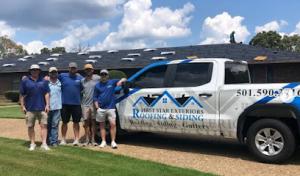
First Star Exteriors
(501) 590-3716 www.firststarexteriors.com
1970 E Oak St, Conway, Arkansas
5.0 from 61 reviews
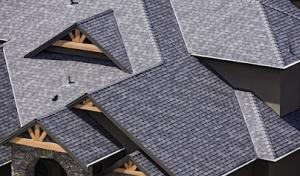
Arkansas River Valley Roofing
552 Locust St Suite D, Conway, Arkansas
5.0 from 13 reviews
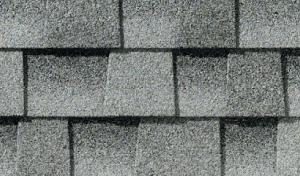
A full roof replacement in Conway typically requires a permit through the City of Conway Building Department. Before any shingle tear-off begins, you should submit the project details, including a roof plan, venting layout, and typical materials, to align with local expectations. Permit timing can influence the project scheduling, especially if weather windows shift due to spring storms. Planning ahead helps ensure inspections are not delayed and that the work proceeds smoothly through the week when crews and inspectors are available. In practice, the permit process also encourages a careful review of underlayment, fastener patterns, and ventilation from the outset, so coordinating with your contractor on these details early is advantageous.
Conway coordinates inspections for permitted roof replacements and usually includes a final inspection after the work is complete. The inspection sequence typically starts with a rough-in or staged check while the roof is open, followed by a close-out inspection after installation. During these inspections, inspectors verify that the underlayment is properly installed, that fastener patterns align with the chosen roofing system, and that ventilation components meet minimum requirements for attic air flow. Because spring hail and wind events are common in this climate, expect questions about fastener spacing around eaves, hips, and ridges, as well as the integrity of drip edges and valley protection. Being prepared with a detailed installation record can help the process move efficiently.
To avoid back-and-forth during the permit and inspection process, keep a ready set of installation details on site. This includes the shingle or metal panel layout, nailing schedule, and vent placement relative to existing attic spaces. If your contractor uses attic-to-attic ventilation or includes a radiant barrier, have the exact product specifications and installation notes on hand. In Conway, inspectors are trained to look closely at how the roof system integrates with the overall building envelope, so ensure that soffits, attic baffles, and exhaust vents are accessible for review. After work is complete, verify that the final inspection card is clearly posted and that any required warranty documentation or manufacturer compliance statements are filed with the permit record. A well-documented project reduces the chance of re-inspection and helps confirm the roof meets local standards for long-term performance.
When a spring storm rolls through, the first thing you should do is acknowledge the likelihood that the claim process will hinge on solid documentation. Hail dents, wind-stripped shingles, and lifted flashing can be subtle at first glance, but insurers will be looking for a clear link between the storm event and the damage. If you wait too long to inspect, gaps can form between what you saw and what the adjuster notes, and those gaps often become the hinge on whether a full replacement or a partial repair is approved.
Take clear photos from multiple angles as soon as it's safe to do so after a hail or high-wind event. Shots of the entire roof, edges, valleys, and any exposed decking help an adjuster understand the scope. If you can, laboriously note dates and visible damage-this helps when you're coordinating with a contractor later. Keep copies of any contractor invoices, quotes, and communications. Insurers often prefer these documents to establish both the existence of damage and the work needed for replacement or repairs. If you're able to secure a temporary fix to prevent further damage, document that work as well, including materials used and labor time. In Conway, where storm-related roofing issues recur, timely, organized documentation can smooth the process and reduce back-and-forth.
Understand that how your roof was installed matters to the claim outcome. If the installation didn't meet wind-resistance expectations or if underlayment and venting were not up to standards, adjusters may adjust the scope of replacement or require upgrades. Photos should capture attic ventilation, underlayment, and any retrofit work that relates to wind performance. If a prior repair or retrofit exists, document it with dates and contractor details, since these details can influence what the insurer covers now. In this market, the alignment between actual damage, installed materials, and code-adjacent details often steers both acceptance and the extent of replacement. Being precise about what failed, how it failed, and when it was installed helps you advocate for a fair resolution without creating future landmines for your roof system.
Connect with contractors who help homeowners navigate the claims process from damage assessment to final approval.
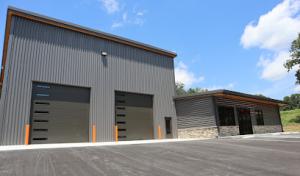
HD Roofing & Construction | Conway, AR
(501) 428-0429 www.hdroofing-construction.com
4 Hart Ln, Conway, Arkansas
5.0 from 157 reviews
First Star Exteriors
(501) 590-3716 www.firststarexteriors.com
1970 E Oak St, Conway, Arkansas
5.0 from 61 reviews
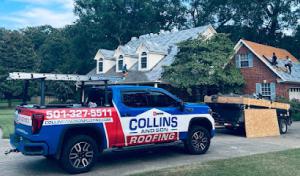
Collins & Son Roofing
(501) 327-5511 collinsandsonroofing.com
2745 Prince St, Conway, Arkansas
4.9 from 200 reviews
When a spring storm tears at shingles or decking, a rapid leak control plan is essential. The local climate mixes heavy moisture with sudden wind and hail, so exposed rafters and attic spaces can soak through within hours. If a roof shows active leaks after a storm, prioritize stopping further intrusion to protect ceilings, insulation, and interior finishes. Quick tarping and temporary sealing reduce the risk of mold growth and wood rot that can accelerate in the humid air.
Start with a sturdy, weatherproof tarp secured along the edges with weighted fasteners or rocks, ensuring it overlaps the damaged area by several feet. Seal any obvious gaps at ridges or penetrations with reinforced roofing tape and roof cement where appropriate. If attic ventilation is interrupted by the damage, set up a temporary venting plan to balance moisture until a permanent fix can be scheduled. Regularly check the tarp after wind events and re-secure as needed; a loose cover can fail in a sudden squall.
The local contractor market shows strong demand for emergency response and quick turnaround, reflecting how homeowners handle storm-related roof failures. Contact a reputable local roof team that can provide emergency service without delays, and document the damage with photos for your insurer and the contractor. Expect prioritization of tarping and a clear, phased plan for temporary repair followed by a full replacement path when weather and scheduling allow.
Fast temporary protection matters in the humid conditions, because prolonged moisture exposure can worsen decking and interior damage. Once tarps are in place, keep indoor humidity in check with fans and dehumidifiers in damaged spaces, and arrange for a reassessment after the first dry spell to ensure all hidden leaks are identified before any permanent roof work begins.
When you can't wait, these contractors offer fast response times to stop leaks and prevent further damage.
Collins & Son Roofing
(501) 327-5511 collinsandsonroofing.com
2745 Prince St, Conway, Arkansas
4.9 from 200 reviews

Fall winds and debris are a named seasonal roofing risk in Conway and can create maintenance issues even outside major storm season. After a hot summer, roof systems can be heat-aged and more brittle, making edges, flashing, and fasteners more susceptible to damage when brisk autumn gusts arrive. The pattern matters locally because roofs tend to enter fall with accumulated wear from heat and humidity, which compounds the impact of fallen leaves, pine needles, and small branches.
When you pull gutters, clear valleys, and inspect edges, start with a fall debris sweep that matches the season's typical yard debris. Leaves and needles gather at eaves and in gutters, which can trap moisture and accelerate underlayment wear. Look for granule loss on shingles, small shingle tabs loosened by wind, and any soil or organic matter that has settled against fascia boards. Debris near vents and attic openings should be removed to maintain proper ventilation and avoid moisture buildup.
Edge damage shows up as lifted shingles, bent edge nails, or loose drip edges after windy days. Inspect fascia boards, drip edges, and valleys for signs of movement or lifting, especially after a strong front passes through. Missing or damaged edge materials can funnel wind-driven water under the roofing system and accelerate deterioration of underlayment and fasteners. If you find loose pieces, address them promptly to prevent a small issue from becoming a leak.
Ventilation plays a crucial role once fall conditions set in. Inspect ridge and soffit vents for obstructions from debris or bird nesting, which can trap heat and humidity in the attic. A correctly vented attic reduces heat buildup that can stress roof sheathing and underlayment, extending the life of a roof that has already endured a humid subtropical climate.
Schedule a mid-fall inspection after the first few strong winds and again after an extended windy period. Focus on edge stability, flashing seals, debris removal from gutters and valleys, and vent clearance. Keep a simple record of areas showing wear; address them before winter, when storms tend to intensify and access becomes harder.
Although this area is primarily a residential re-roof market, some local contractors actively advertise flat-roof and coating work, indicating a meaningful low-slope segment in the city. The flat-work you see tends to cluster around aging multi-structure homes, back additions, and standalone garages where perceived ease of install and quick turnaround matter. In practice, a low-slope decision still carries the same demands for proper underlayment, fastener patterns, and ventilation that influence any steep-slope project in this climate.
In Conway, low-slope roofs must be treated with the same attention to climate realities as steeper roofs. Humid summers and spring storms increase the risk of edge leaks and wind-driven moisture infiltration. Choose a low-slope system that emphasizes a continuous, well-sealed underlayment, robust flashing details around penetrations, and careful drainage planning to prevent ponding. A common approach is to pair a proven membrane or modified-bitumen assembly with good roof-to-wall transitions and a degree of slope compatible with local rain patterns. For detached structures or covered patios, consider the practicalities of maintenance access and inspection, since frequent spring hail can expose vulnerable seams if access is limited.
Roof coatings are a niche but present option where homeowners seek to extend service life rather than replace immediately after weathering. In these applications, a properly selected coating can provide a temporary shield against UV exposure and small hail impacts, but it relies on a sound substrate and compatible weather seal around joints. Coatings shine when you expect to buy time between full reroofs, particularly on flat or low-slope sections of aging homes or metal decks.
Low-slope systems in this area benefit from a proactive maintenance plan that treats seasonal storms as a trigger for inspection rather than a single event. After hail seasons, inspect for edge distortion, pooling, and flashings around skylights or vents. Because heat and humidity can accelerate degradation, schedule mid-season checks to verify that vented areas remain properly sealed and that insulation beneath the deck remains dry. In practice, a thoughtful combination of durable detailing, selective coating where appropriate, and timely resealing around penetrations helps sustain performance on low-slope portions of a Conway home.
Find specialists in TPO, EPDM, and built-up flat roofing systems for residential and commercial properties.
HD Roofing & Construction | Conway, AR
(501) 428-0429 www.hdroofing-construction.com
4 Hart Ln, Conway, Arkansas
5.0 from 157 reviews
Arkansas Roofing Kompany
(501) 513-9119 arkansasroofingkompany.com
1910 Walkers Trl, Conway, Arkansas
4.8 from 141 reviews