Roofing in Arkansas
Last updated: Feb 28, 2026
Here in Arkansas, your roof works as hard as your air conditioner does. Our hot, humid summers push shingles to the limit, and spring storms—often with hail—test every seam. The humidity invites moss and algae to creep into shaded spots, and heavy rainfall can challenge gutters and valleys. Winters aren't always picture-perfect either; those occasional freezes and thaws can stress flashing and seals if attic ventilation is lacking. All of this means that in Arkansas, the best roofing plan is a thoughtful mix: the right materials, proper installation, and a smart maintenance routine that fits real life and real budgets. With the right approach, you'll get durable protection, energy savings, and a home that keeps its curb appeal even after a storm season.
On this Arkansas page you'll find practical, neighborly guidance tailored to our conditions. It offers a clear look at how climate shapes roofing decisions, from selecting materials that stand up to heat and moisture, to budgeting for long-term upkeep. You'll learn the pros and cons of common Arkansas options, get a sense of typical costs in our area, and discover what permits and local regulations often require. And you'll see how architectural trends here—gable and hip roofs, dormers, and the way we blend barns, porches, and brick—affect both performance and curb appeal. In short, you'll get a practical framework for choosing, installing, and caring for a Arkansas roof that keeps your home comfortable and efficient.
All advice here is grounded in Arkansas realities and backed by local resources—local suppliers, building departments, and licensed roofers who know how our weather and local codes interact with roofing projects. The guidance emphasizes safe, code-compliant work, and it points you to trusted professionals when a project falls outside DIY scope. The goal is solid, durable results you can trust, without mystery or guesswork. Whether you're planning a replacement after a storm or simply maintaining an aging roof, you'll find steps that respect both budget and long-term performance, plus practical maintenance routines that you can schedule on a calendar.
With that foundation, let's start by looking at how Arkansas climate specifics shape roof design and maintenance.
Local Climate & Its Impact on Roofs
Weather patterns shaping Arkansas roofs
Arkansas sees hot, humid summers and variable winters, with frequent spring storms. The heat and sun accelerate aging of roofing materials, especially asphalt shingles, and high humidity can promote algae, moss, and mold in shaded spots. Severe weather—hail, high winds, and tornadoes—can damage shingles, flashing, and gutters. Understanding these patterns helps you pick materials, set up ventilation, and schedule inspections that minimize damage.
- Warm-season heat and UV exposure shorten the life of some shingle types.
- Humidity encourages growth on shaded roof sections.
- Severe storms can cause punctures, uplift, and flashing failures.
- Wind-driven debris raises risk for gutters and vents.
Material choices that stand up to Arkansas conditions
Choosing the right roof type matters as much as maintenance. Each option has strengths and trade-offs in this climate.
- Asphalt shingles: Affordable and easy to repair, but heat can cause faster granule loss. Opt for architectural shingles with higher wind resistance and lighter colors to reflect heat.
- Metal roofs: Very durable and hail resistant, with good wind performance. Light-colored coatings reflect heat, and a proper underlayment reduces noise and condensation.
- Clay/Concrete tiles: Excellent heat resistance and longevity, but heavy and require a strong structural frame. They shed leaves well but can be brittle in hail.
- Synthetic/shake composites: Resistant to cracking and heavy impacts, with varied aesthetics. Look for products with good UV stability and warranty.
- Ventilation and underlayment: A breathable attic and a high-quality underlayment protect against moisture and heat transfer. Ridge or soffit vent strategies help keep the attic cooler and reduce ice dam risk.
Seasonal impacts on maintenance and design
Arkansas seasons drive when you perform upkeep and what to watch for.
- Spring: After storms, check for missing granules, dented shingles, damaged flashing, and clogged gutters. Moss and algae can start in shady, damp spots.
- Summer: Plan for periodic inspections during dry spells; ensure attic vents are clear and reflecting heat away from living spaces.
- Fall: Clean leaves from valleys and gutters; trim nearby branches to prevent impacts during storms.
- Winter: Ice dams are possible in cold snaps; ensure proper insulation and a functioning ventilation path to minimize melt-refreeze cycles.
Maintenance & inspection schedule (practical steps)
Regular checks save costly repairs. Follow these 5 steps at least twice a year and after major weather events.
1) Visually inspect the roof: look for curling, missing, or cracked shingles, lifted flashing, and damaged vents.
2) Check flashing and seals: around chimneys, skylights, vents, and along valleys; reseal as needed.
3) Clean gutters and downspouts: remove leaves and debris to prevent ponding and ice dam formation.
4) Inspect attic ventilation: ensure soffit vents, ridge vents, and attic insulation are adequate to minimize heat buildup.
5) Schedule a professional roof assessment after severe storms or if you notice leaks, interior stains, or visible sagging.
Warnings & local risks to watch for
- Severe thunderstorms, hail, and tornadoes can cause sudden roof damage and dangerous debris.
- Ice dams, while less common than in northern states, can occur during extended cold snaps with freeze-thaw cycles.
- High winds can peel back edges and flashing; a damaged roof accelerates interior moisture problems.
- Tree limbs and debris during storms increase the chance of impact and gutter clogging.
- Humidity and shade promote moss growth; untreated patches can worsen shingle deteriorations over time.
Official resources you can consult
- National Weather Service (Arkansas): weather alerts, storm preparedness, and safety tips.
- Arkansas Department of Emergency Management: disaster readiness and post-storm guidance.
- University of Arkansas Cooperative Extension Service: home maintenance tips and climate-specific guidance.
- Arkansas Code / Building Codes: code requirements that affect roofing installations and modifications.
- Energy efficiency and reflective roofing: Energy Star roofing resources.
Recommended Roofing Materials for Arkansas
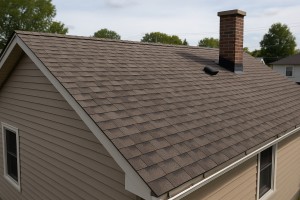
- Most homeowners reach for asphalt first: affordable, widely available, and easy to stamp into a tight budget.
- Architectural (laminate) shingles outperform 3-tab varieties in durability and wind uplift resistance.
- For hail-prone Arkansas, choose impact-resistant shingles with a Class 3–4 rating (UL 2218). Class 4 is preferred if hail is common in your area.
- Look for shingles rated for higher wind speeds (at least 130 mph in many lines) and a solid warranty on wind and workmanship.
- Underlayment matters: pair with a good synthetic underlayment and ensure proper attic ventilation. In high-wind zones, consider a self-adhering membrane at the eaves.
- Color and exposure: lighter colors reflect heat; good news in Arkansas's hot summers. Expect a typical lifespan of 20–30 years with proper maintenance.
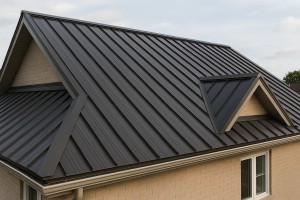
- Materials: steel, aluminum, or galvalume; standing-seam or high-quality exposed-fastener styles.
- Longevity and resilience: metal roofs often last 40–70 years and shrug off hail well, making them a favorite for hail-prone areas.
- Wind resistance: excellent, with proper installation and concealed fasteners or properly sealed seams.
- Insulation and noise: metal can be noisier during rain unless the attic is well insulated and ventilated.
- Installation and cost: higher upfront cost, but lower long-term maintenance. Color choices can reduce heat gain, improving energy bills.
- Best practice: choose a standing-seam system with a quality underlayment and ensure the deck is prepared for metal in Arkansas's weather patterns.
Concrete and Clay Tile
- Durability and fire resistance: both offer long lifespans and excellent fire resistance; concrete is typically more affordable than clay.
- Weight and structure: tile is heavy. Your roof structure must be engineered to support the load, and fasteners must tolerate Arkansas winds.
- Weather and hail: concrete tiles handle heat well but can crack from hail; clay is more brittle and susceptible to impact damage.
- Wind performance: with proper fasteners and installation, tile roofs can meet high wind ratings, but ensure a qualified installer familiar with local code.
- Maintenance: inspect after severe storms; cracked or displaced tiles should be replaced promptly to prevent leaks.
Wood Shingles and Shakes
- Aesthetic appeal: warm, natural look that can enhance curb appeal.
- Maintenance and risk: susceptible to rot, insect damage, and mold in Arkansas's humidity; fire risk can be higher without proper treatment.
- Practical use: not the most common choice for Arkansas unless the home has a design that warrants it and you're prepared for ongoing upkeep and treatments.
- If chosen: use pressure-treated cedar and ensure a robust ventilation plan; schedule regular inspections.
Synthetic and Composite Shingles
- Durability: designed to mimic natural materials while offering improved impact resistance and fade resistance.
- Weight and installation: typically lighter and easier to install than tile; often come with long warranties.
- Cost: generally higher upfront than standard asphalt but competitive with tile or premium asphalt lines when considering lifespan.
- Best for: homeowners wanting a premium look with better hail resistance without the weight of tile.
Flat or Low-Slope Roof Options
- Common materials: EPDM, TPO, or modified bitumen.
- Use cases: suitable for garages, additions, or accessory structures; main roofs on traditional homes in Arkansas are usually sloped.
- Considerations: flat roofs need precise drainage design and professional installation to prevent ponding and leaks in heavy rainfall.
Energy Efficiency and Roof Color
- Cool roofs and reflective shingles: reduce heat absorption on hot Arkansas days and can lower cooling costs.
- Radiant barriers and attic ventilation: pair with any material to enhance comfort and longevity.
- Color choices: light or reflective colors help manage attic temperatures and extend roof life.
Steps to Choose the Right Material in Arkansas
1. Assess local hazards: hail frequency and typical wind speeds in your borough.
2. Check your roof's structure: weight limits, slope, and drainage.
3. Compare upfront cost versus long-term value, factoring in warranties and maintenance.
4. Verify contractor qualifications: local experience, references, and installation warranties.
5. Plan for ventilation and underlayment: every material benefits from proper attic air flow and a high-quality barrier.
Popular Roof Styles & Architectural Trends in Arkansas
Common roof shapes seen in Arkansas homes
- Gable roofs: The classic, cost-effective choice that sheds Arkansas rain quickly and pairs well with a variety of siding styles. Easy to repair and customize with dormers for extra light and space.
- Hip roofs: Durable in windy conditions and storms, with all sides sloping toward the eaves. Great for stability, but often a bit more complex (and costly) to build.
- Dutch hip and mixed designs: A popular compromise in newer homes, combining the ventilation and storm resistance of a hip roof with the two-story curb appeal of a gable. Dormers or skylights add interior brightness.
Roofing materials popular in Arkansas
- Asphalt shingles (architectural/dimensional): The workhorse of Arkansas roofs. Architectural shingles offer better wind resistance, dimensional texture, and longer life than 3-tab shingles. Wide color palettes help match brick, stucco, or wood siding common in Arkansas neighborhoods.
- Metal roofs (steel or aluminum): Excellent hail resistance, lighter weight than tile, and strong longevity. Reflective coatings help reduce attic heat, which is a real benefit during Arkansas summers.
- Concrete/ clay tiles: Durable and fire-resistant, but heavy and more expensive. Best on homes with proper structural support and a preference for a Mediterranean or southwestern aesthetic.
- Cedar shakes: Rustic, natural look that fits cabins and rural properties. Requires regular maintenance to prevent rot and insect damage in humid Arkansas climates.
- Slate (less common): Long-lasting but costly and heavy; typically reserved for upgrades on higher-end homes with solid structural backing.
Architectural trends shaping roof design in Arkansas
- Modern farmhouse and Craftsman influences: Wide eaves, exposed rafter tails, and mixed materials are common. These styles pair well with asphalt or metal roofs in earth-toned colors.
- Southern ranch and bungalow silhouettes: Low- to medium-slope roofs with shallow pitches that blend with brick or stucco facades. Often uses medium-gray or warm browns to conceal dirt and wear.
- Color palettes and texture: Weathered wood-inspired tones, charcoal, and cool gray shades are popular. Some homeowners opt for reflective or cool-roof shingles to mitigate heat gain in the hot months.
- Solar-ready and energy-conscious designs: Roofs are chosen with clean lines and appropriate orientation to accommodate solar panels while preserving curb appeal.
Climate-driven considerations for Arkansas roofs
- Storms and hail: Arkansas sees strong spring storms; wind resistance and impact-rated shingles can matter more here. Choose products with solid wind warranties and proper installation.
- Humidity and moss growth: Shaded, damp areas can develop moss or algae. Regular cleaning and treated shingles help keep looks and longevity intact.
- Heat management: Lighter, reflective colors or cool-roof coatings help reduce attic temperatures and cooling costs in the long run.
Maintenance basics for Arkansas homeowners
- Schedule biannual inspections: After major storms, and in the spring and fall, check for loose or missing shingles, damaged flashing, and signs of leaks.
- Clean gutters and downspouts: Remove debris to prevent ice dams in cooler stretches and ensure proper drainage during heavy rains.
- Inspect attic ventilation: Sufficient intake and exhaust vents prevent heat buildup and moisture issues that can shorten roof life.
- Watch for moss, lichens, and staining: Treat and clear early to protect shingles, especially on shaded sections of the roof.
Quick decision steps for choosing a roof in Arkansas
1) Assess climate risks (storms, hail, heat) and your budget.
2) Pick a durable material aligned with your home style (asphalt for value, metal for longevity, tile if you want a distinctive look and have structural support).
3) Consider color and energy performance to reduce cooling loads.
4) Ensure proper ventilation and insulation in the attic.
5) Confirm warranty, local code requirements, and installer credentials.
Average Roofing Costs in Arkansas
Typical Cost Ranges by Material
- Asphalt shingles (standard 3-tab): $3.50–$5.50 per sq ft installed ($350–$550 per square).
- Architectural asphalt shingles: $4.50–$7.50 per sq ft installed ($450–$750 per square).
- Metal roofing: $7.50–$12.50 per sq ft installed ($750–$1,250 per square).
- Cedar shake/shingle: $6.00–$9.00 per sq ft installed ($600–$900 per square), up to $12+ for premium species or thicker profiles.
- Concrete tile: $9.00–$14.00 per sq ft installed ($900–$1,400 per square).
- Clay tile: $10.00–$18.00 per sq ft installed ($1,000–$1,800 per square).
- Slate: $15.00–$35.00 per sq ft installed ($1,500–$3,500 per square).
Notes:
- “Per square” means 100 square feet of roof.
- Arkansas projects often include removal of old roofing, flashing, underlayment, and disposal in the base price; upgrades (like reinforced decking) add to the total.
Local Factors That Drive Variations
- Roof pitch and complexity: steep or multi-angled roofs, valleys, dormers, or many penetrations can push costs up 10–30%.
- Tear-off vs. over-layment: full tear-off of existing roof commonly adds $1.50–$3.00 per sq ft, plus disposal.
- Decking repairs: if rotten plywood is found, decking replacement can add several hundred to several thousand dollars.
- Permits and code upgrades: city or county permit fees range from about $50 to $500, depending on locality and scope.
- Weather and scheduling: Arkansas summers bring heat, storms, and hail risk; premium crew availability or expedited projects can change price.
- Local suppliers and labor: regional pricing for materials and wages varies by city (Little Rock, Northwest Arkansas, Texarkana, etc.).
- Insulation and ventilation: optimal attic ventilation and underlayment can affect long-term performance and may factor into the upfront cost.
Common Arkansas Roof Styles and Their Cost Impacts
- Ranch and brick homes with simple gables: typically lower-cost configurations, especially with asphalt shingles.
- Craftsman and bungalow with front-facing dormers: moderate complexity, modest price increases.
- Colonial or hip-roof structures: higher costs due to multiple planes and valleys.
- Tile roofs on higher-end homes: tile materials raise price, but long-term durability and energy performance may justify the difference.
- Metal roofs on barns or outbuildings: often cost-efficient for rugged Arkansas weather and long life, with noticeable savings over time.
Local Weather Considerations for Material Choice
- Hail resistance: asphalt architectural and metal shingles tend to perform well in hail-prone areas.
- Heat reflection: lighter-colored or metal roofs can reduce cooling loads in hot Arkansas summers.
- Wind resistance: higher-wind regions benefit from properly installed underlayment, fasteners, and edge detailing; some profiles resist uplift better than others.
Quick Reference: Typical Project Ranges
- Re-roof with asphalt shingles on a single-story, moderate roof: $5,000–$12,000.
- Re-roof with architectural asphalt shingles on a similar home: $6,000–$14,000.
- Re-roof with metal: $9,000–$20,000+.
- Re-roof with tile or slate: $12,000–$40,000+ (depends heavily on roof size and decking condition).
- Small repair or patchwork: $350–$1,000 for minor leaks or damaged flashing; more extensive repairs can run higher.
Budgeting in Realistic Steps
- Budget baseline: multiply roof area by material rate (per sq ft).
- Include tear-off and disposal: add 15–25% for removal and waste.
- Plan for decking or flashing upgrades: set aside a contingency fund (10–15%).
- Get 3 local, licensed quotes: compare line-item details (materials, labor, removal, permits, warranties).
- Consider insurance and warranties: inquire about manufacturer warranties and workmanship guarantees.
Permits & Local Regulations
Do I need a permit?
In Arkansas, most roof replacement projects require a permit from your local building department. Rules vary by city and county, and your jurisdiction's code adoption can affect what's required. If your project involves removing shingles, replacing decking, adding skylights or vents, or making structural changes to the roof, you'll almost certainly need a permit. Some smaller repairs or purely cosmetic updates may be exempt in certain areas. Always verify with your local authority to avoid fines or rework.
How to check permit requirements
- Call or visit your city or county building department or planning office.
- Use online permit lookup portals if available; search for your jurisdiction's permit status.
- Ask whether the work requires a plan review or only a simple permit.
- Confirm required inspections and whether the contractor's license is needed to pull the permit.
Licensing and hiring a contractor
- Arkansas requires contractors to be licensed for many trades; roofing is typically handled by a licensed roofing or general contractor. Verify the contractor's license status with the state board or your city.
- Always ask for proof of liability insurance and workers' compensation.
- Ensure the contractor will pull the permit in their name (or as the permit holder with your authorization) and that inspections are scheduled.
- If you're a licensed homeowner performing the work yourself, confirm any local rules about DIY roofing.
The permit process, step by step
1) Gather project details: roof square footage, pitch, existing decking condition, underlayment type, venting additions, and any structural changes.
2) Submit a permit application with required drawings or specifications and the contractor's information. Some jurisdictions accept a simple description; others require stamped plans for larger jobs.
3) Pay the permit fee and wait for approval; processing times vary by jurisdiction.
4) Schedule inspections: common milestones are at roof removal/start, after decking/underlayment, after shingles/venting, and a final inspection. Some towns require electrical or mechanical verification if you add attic fans or other components.
5) Pass all inspections to obtain final clearance; keep the permit card on site until the project is complete.
Inspections you'll likely see
- Roof deck and underlayment installation.
- Flashing, vent collars, and pipe boot installations.
- Nailer/venting integration and drip edge alignment.
- Final inspection confirming complete installation and code compliance.
Special considerations in Arkansas
- HOA or historic district rules may add permit or review steps.
- If weather-related damage occurs, insurers may require documentation; some jurisdictions fast-track repairs after storms, but a permit is still typically required.
- Local wind-load requirements and code adoption can affect roofing materials and fasteners; your permit review will reference the current IRC/IBC standards in effect in your jurisdiction.
Checklists, links, and up-to-date numbers vary by city, so your best bet is to contact the local building department directly for precise steps and fees.
Common Roofing Problems in Arkansas & Solutions
Shingle wear and granule loss
- What to expect: Arkansas sun, temperature swings, and hail can wear asphalt shingles faster, leading to faded color, curling edges, and bald spots.
- How to spot it: Granules in gutters or downspouts, shingle edges lifted or missing, dark streaks from exposed underlayment.
- Practical fixes:
- Have a pro assess damage if you see more than a few damaged shingles or if leaks appear.
- Replace damaged shingles with architectural or impact-resistant shingles (Class 3–4) for better hail tolerance.
- Clean gutters regularly to prevent backed-up water from seeping under shingles.
- Improve attic ventilation to reduce heat buildup that accelerates granule loss.
Wind damage and uplift from storms
- What to expect: Severe spring storms and gusty fronts can lift, crack, or blow off shingles and damage flashing.
- How to spot it: Missing or lifted shingles, torn flashing around chimneys, vents, and along edges.
- Practical fixes:
- Replace missing or damaged shingles promptly to prevent leaks.
- Inspect and repair or replace flashing with corrosion-resistant metal.
- Consider upgrading nailing to hurricane clips or enhanced fasteners where wind uplift is common.
- Keep the fascia and soffit in good shape to reduce wind-driven water intrusion.
Hail damage
- What to expect: Hail stones common in Arkansas can bruise shingles and puncture protective layers.
- How to spot it: Bruising or denting on shingles, accelerated granule loss, small leaks after storms.
- Practical fixes:
- Have a professional assess for hidden damage to decking or underlayment.
- File an insurance claim if warranted; documented hail damage can support coverage.
- When necessary, replace damaged sections with reinforced shingles or a full roof replacement if widespread.
- In hail-prone areas, consider installing impact-resistant shingles for future resilience.
Moss, algae, and moisture issues
- What to expect: Humid climate and shading promote moss and algae growth, which can trap moisture and degrade shingles.
- How to spot it: Black algae streaks, green or brown patches, soft or spongy decking in shaded spots.
- Practical fixes:
- Clean carefully with a gentle, non-pressure wash or biocide treatment designed for shingles.
- Install zinc or copper strips along the ridge to inhibit regrowth.
- Trim overhanging tree limbs to reduce shade and debris accumulation.
- Improve attic ventilation and insulation to keep roof sheathing drier and cooler.
Ice dams and condensation (seasonal)
- What to expect: Occasional freezing temps can create ice dams at eaves, leading to water intrusion in gutters and attic ceilings.
- How to spot it: Icicles forming along eaves, stains on interior ceilings near the roofline, damp insulation.
- Practical fixes:
- Boost attic insulation (typical guidance is a robust barrier and proper ventilation).
- Seal air leaks from living spaces into the attic to minimize warm-air rise.
- Ensure soffit vents are open and functional; add ridge or top-venting as needed.
- Use roof rake to remove early-stage ice buildup; heat cables as a last resort and only if properly installed by a pro.
Flashing failures around chimneys, vents, and walls
- What to expect: Poorly seated or corroded flashing leads to slow leaks and stains at seams.
- How to spot it: Wet spots around chimneys or vents, rust patches on metal flashing, loose or peeling sealant.
- Practical fixes:
- Re-flash with durable, corrosion-resistant metal and seal joints properly.
- Replace failing sealant with compatible, flexible roof sealants.
- Schedule routine inspections after major storms to catch early flashing failures.
Poor installation and decking issues
- What to expect: Subpar installation practices show up as premature wear, uneven surfaces, or recurring leaks.
- How to spot it: Uneven shingles, widespread fastener popping, inconsistent attic ventilation.
- Practical fixes:
- Have a qualified roofer inspect decking integrity and overall installation.
- Address ventilation and insulation flaws to restore long-term performance.
- Consider a full roof replacement if decking is rotted or compromised.
Maintenance & Repair Tips for Arkansas
Seasonal Maintenance Checklist
- Spring
- After storms, inspect for loose or curled shingles, opened flashing, and damaged vent boots. Look for stray granules in gutters, which can indicate aging shingles.
- Trim overhanging branches that could rub or drop debris onto the roof during storms.
- Summer
- Check attic ventilation: ensure soffit vents aren't blocked and ridge vents aren't blocked by insulation. Proper airflow keeps shingles cooler and slows deterioration.
- Clean gutters and downspouts; remove leaves, pine needles, and roof debris to prevent water backup.
- Fall
- Do a thorough gutter cleaning and secure loose fasteners. Inspect flashing around chimneys, vents, and skylights; reseal if you notice gaps.
- Look for signs of hail or wind damage after storm season and plan repairs before winter.
- Winter
- If you see ice dams or heavy snow buildup, remove safely with a plastic roof rake from ground level or hire a pro. Avoid climbing wet or icy roofs.
- Keep walkways clear and watch for leaks inside the home—cold snaps can reveal compromised flashing or damaged seals.
Common Arkansas Roof Issues and Fixes
- Hail damage
- Bruising and granule loss are common after hail events. Document damage with photos, and contact a licensed roofer or insurer to evaluate. If replacement is needed, consider Class 4 impact-resistant shingles for better performance in future storms.
- Wind damage
- Lifted edges, cracked sealant, or displaced flashing are typical after strong thunderstorms. Secure loose pieces, reseal flashing, and replace severely damaged shingles. Ensure attic ventilation isn't contributing to uplift.
- Moss and algae
- Humid summers promote staining and algae growth. Use zinc or copper strips along the ridge to slow regrowth. For cleaning, apply a mild solution (water with a small amount of household bleach) and rinse with a low-pressure hose. Avoid pressure washing, which can damage shingles.
- Attic condensation and ventilation
- Excess moisture from poor ventilation or insulation can shorten roof life. Check insulation thickness, seal air leaks, and keep soffits and vents clear for continuous airflow.
Quick DIY Inspection Routine
1) From the ground, look for curling, lifted, missing, or cracked shingles and torn flashing.
2) Check gutters and downspouts for clogs and ensure water flows away from the foundation.
3) In the attic, scan decking and insulation for dark spots or dampness after rain.
4) Inspect chimney, vent pipes, and skylight flashing for cracks or gaps.
5) Note any sagging areas or unusual sounds inside the attic or ceilings after storms.
When to Call a Pro
- You notice persistent leaks or active dripping during rain.
- There are extensive patches of missing or severely cracked shingles.
- The roof deck shows sagging or soft spots, or after a major hailstorm.
- You're unsure about the extent of damage or need roof replacement decisions.
Arkansas-Specific Considerations
- Climate realities: hot summers, high humidity, and frequent thunderstorms mean roofs endure heat aging, moisture exposure, and wind-driven debris. Opt for shingles with good algae resistance and consider metal roofs in high-wun wind zones or where maintenance access is challenging.
- Material choices: asphalt shingles with algae resistance are common; metal roofs perform well in hail and wind but require proper underlayment and flashing. If you live under a heavy tree canopy, treat for moss and keep gutters clean to prevent moisture buildup.
- Roof aging expectations: Arkansas roofs often face faster wear in exposed or valley areas. Plan for more frequent inspections if your roof is over 15–20 years old.
Gutter and Drainage Tips
- Keep gutters clean twice a year; ensure downspouts direct water at least 5–6 feet away from the foundation.
- Use splash blocks or extensions to prevent soil erosion and foundation issues.
- Consider gutter guards if you have tall trees nearby to reduce debris buildup.
Safety First
- Always use stable ladders, secure with a spotter, and wear non-slip footwear. Use fall protection if you're working on a steep or high roof. Never work on a wet or icy roof.
When to Repair vs. Replace
Quick check: repair vs. replace at a glance
- Repair if the issue is localized (a handful of missing shingles, a few leaks at flashing, or a small section of damaged flashing) and the underlying decking is sound.
- Replace if damage is widespread (large areas of missing or curled shingles, many leaks, sagging rooflines, or extensive decking rot) or the roof is approaching the end of its expected life.
- In Arkansas, hot summers, hail risks, and occasional severe storms mean you should re-evaluate more often once your roof hits the 15–20 year range, especially with asphalt shingles.
Repair indicators (Arkansas-specific)
- Shingle damage confined to a single area or small patch (less than 15–20% of the visible roof surface).
- Leaks that show up in one or two spots near flashings, valleys, or around chimneys, with no active interior water intrusion beyond those spots.
- Lightly curled, cupped, or lifted shingles in isolated locations, with the decking still dry and solid.
- Good overall roof structure, solid attic insulation, and no widespread algae or mold growth signaling chronic moisture.
- Recent storms caused localized wind-driven damage, but the majority of the roof remains in good condition.
Replacement indicators (Arkansas-specific)
- Damage spans a large portion of the roof (roughly 30% or more of shingles showing curling, cracking, or missing granules) or multiple leaks appear in different areas.
- Noticeable sagging, deflection, or soft spots in the decking, suggesting structural concerns or rotten sheathing.
- The roof is near or past the end of its expected life: asphalt shingles typically 20–25 years with Arkansas exposure, metal and tile lasting longer; if the roof is in the 18–25+ year range, replacement becomes a practical option.
- Two or more layers of shingles exist and your roofer recommends removal for a proper installation; stacked layers can fail to seal properly and add weight.
- Replacing offers a chance to upgrade underlayment, ventilation, and energy efficiency, and to address chronic moisture issues that patching can't fix.
- Persistent, broad-scale moisture issues or mildew growth in the attic despite repairs indicate the underlying problem isn't isolated.
Step-by-step decision guide
1. Inspect age and materials
- Note roof material, current age, and last replacement date. Asphalt shingles nearing 20–25 years in Arkansas usually warrant closer scrutiny.
2. Map the damage
- Mark problem areas on a simple sketch or photo log. Count damaged zones and estimate surface area.
3. Assess decking and structure
- Look for soft or warped plywood in the attic or from above. If decking is compromised, replacement is often necessary.
4. Evaluate ventilation and insulation
- Poor attic ventilation accelerates wear. If upgrading ventilation is part of the plan, replacement is a good time to do it.
5. Weigh costs and long-term value
- Compare repair costs for patches versus the longer-term benefits and warranty protection of a full replacement.
6. Seek professional input
- Get two or more local roofers to assess and provide written estimates. Ask about local weather patterns and material choices for Arkansas homes.
Arkansas-specific considerations
- Weather patterns: Arkansas summers deliver intense UV exposure and heat-driven expansion; hail in spring can create sporadic damage that looks minor but accelerates wear.
- Storm season timing: Plan replacements in dry periods (late spring or early fall) to minimize the risk of weather-related delays.
- Material choices: In hot, humid climates, reflective or cooler shingles, proper underlayment, and vented attic spaces help extend life and energy savings.
- Local codes and permits: Many Arkansas municipalities require permits for roof work; check with your county or city before starting.
- Insurance and warranties: If storm or hail damage is suspected, document with photos and consult your insurer about coverage for repair versus replacement and check manufacturer warranties for material defects.
What to do next if you're unsure
- Start with a professional roof inspection focused on shingles, flashing, valleys, and decking.
- Request written repair and replacement options with pros/cons tailored to your Arkansas home.
- Consider a replacement if you plan to stay in the home for several more years and want improved durability, warranty coverage, and potential energy savings.
When to Hire a Professional
Signs you need a pro now
- Visible leaks or water stains on ceilings after rain.
- Sagging, soft spots, or unusual roof deck movement.
- Missing, curling, or cracked shingles, especially after a recent storm.
- Damaged or loose flashing around chimneys, vents, or skylights.
- Damaged gutters pulling away from the roof line.
- Mold, rot, or damp insulation in the attic.
- After severe weather: hail, high winds, or a fallen tree limb impacting the roof.
- Ice damming or persistent interior staining in winter months.
Arkansas-specific weather cues
- Spring hail and strong thunderstorms common in Arkansas; hail damage can be deceptive—check shingles' granules and asphalt tabs.
- Summer heat can accelerate shingle aging and seam failures on flat or low-slope sections.
- Tornado and microburst activity in some counties increases the chance of impact damage or punctures.
- Winters can bring freezing-thaw cycles and occasional ice dams; if you notice wintertime leaks or ice buildup along eaves, bring in a pro to assess underlying roof integrity.
When to hire for repairs vs. replacement
- Minor curb-appeal fixes (loose shingles, small flashing leaks) may be DIY-friendly if you're comfortable, but a pro should confirm there's no hidden damage.
- If your roof is approaching 15–20 years or shows widespread wear, replacement is often more cost-effective than repeated short-term repairs.
- Roofs with multiple penetrations (vents, skylights) or unusual substrates (metal, flat roofing) typically benefit from a professional assessment.
How to evaluate a roofing contractor (Arkansas considerations)
- Local licensing and insurance
- Verify the contractor carries proper liability and workers' compensation insurance.
- Check with your city or county for permit requirements; in many Arkansas municipalities, a permit is needed for roof replacement.
- Confirm the contractor's license status if your project requires state or local licensing; call the Arkansas Department or your city hall for guidance.
- Experience with Arkansas conditions
- Ask for examples of recent projects in Arkansas and how they handled hail or storm damage.
- Inquire about higher-wind areas (coastal plains vs. hill country) and how the crew ensures wind uplift resistance.
- References and visuals
- Request at least three recent Arkansas projects with local references; follow up on workmanship, cleanup, and on-time completion.
- Written scope and transparent pricing
- Get a detailed, itemized written estimate: materials, underlayment, flashing, permits, disposal, and cleanup.
- Ask about acceptable substitutes if a material is back-ordered or discontinued.
- Warranties and paperwork
- Seek both manufacturer warranties on shingles and a workmanship warranty from the contractor.
- Ensure the contract includes lien waivers and a clear payment schedule tied to milestones.
- Permits and inspections
- Verify who pulls permits, who conducts inspections, and what the inspection checklists entail.
- Confirm the contractor will address any issues found during inspection.
Steps to hire (Arkansas-friendly checklist)
1. List candidate roofers with Arkansas project experience; prioritize local companies.
2. Verify licenses, insurance, and any required permits with your city/county.
3. Collect written estimates from 3 contractors; compare scope, materials, and warranties.
4. Check references and view local Arkansas installs; visit a current job if possible.
5. Review contract details, including payment terms and cleanup commitments.
6. Confirm the project schedule, start date, and expected duration.
7. Ensure the contractor provides proper storm-damage documentation if applicable.
Questions to ask before hiring
- Do you carry workers' compensation and liability insurance? Can you provide certificates?
- Will you pull all necessary permits and arrange inspections?
- What is the exact scope of work and the materials you'll use?
- Do you offer a workmanship warranty, and what does it cover?
- How do you handle unexpected issues or price changes during the job?
- Can you provide references from recent Arkansas projects and permission to inspect those sites?
- How will you protect landscaping, gutters, and attic ventilation during the project?
Red flags to watch for in Arkansas
- Contractors who push a quick, “as-is” contract without a detailed scope.
- Out-of-town crews with no Arkansas references or local access to parts.
- Pressure to sign before you've received permits or inspected past work.
- Sweepingly low bids that undercut material quality or skip important steps (like flashing or ventilation).
Putting A Lid On It: Roof Maintenance, Repair, and Replacement in Arkansas
Arkansas homes face a long, hot summer and frequent heavy rain, often with hail and strong storms. Your roof bears sun, wind, moisture, and temperature swings, so proactive maintenance isn't a luxury—it's a safeguard for your wallet and comfort. Regular checks, timely repairs, and thoughtful material choices help keep leaks at bay, curb energy costs, and extend the roof's life in our humid, volatile climate.
With Arkansas's mix of storms and humidity, small problems can grow quickly. A well-maintained roof with proper attic ventilation and clean gutters drains water away from the house and prevents ice damming in winter. It also slows algae and moss growth that thrive in shade and moisture, which can soften shingles and shorten life.
What to do regularly
- Schedule two annual inspections or check after major storms; look for damaged shingles, loose flashing, and cracked sealants.
- Clean gutters and downspouts at least twice a year; ensure they slope away from the foundation.
- Trim trees away from the roof to reduce debris, branch damage, and moss growth.
- Check attic insulation and ventilation; a well-insulated attic reduces condensation and heat transfer.
- Inspect for moss or algae growth; treat promptly with appropriate products and avoid harsh cleaners that can damage shingles.
- Keep soffit and ridge vents clear to maintain good ventilation and airflow in the attic.
Materials and replacement considerations
- Asphalt shingles: the most common in Arkansas; watch for curling, missing granules, and seek higher wind- or impact-resistant options if hail is a concern.
- Metal roofs: durable in hail and high winds; inspect fasteners and flashing and consider reflective coatings to reduce heat load.
- Tile or clay: good for heat management but heavier and heavier on structure; ensure your home is rated for the weight and that installation includes proper underlayment and sealing.
- Longevity: expect roughly 15-30 years for asphalt, 40-70 years for metal, and 25-50 years for tile, depending on quality, climate, and maintenance.
When to call a professional
- Active leaks, obvious water intrusion, or ceiling stains inside the home.
- Large storm damage, sagging sections, or cracked/chipped flashing that you can't safely repair from the ground.
- Complex roof features (chimneys, valleys, skylights) or uncertain safety around working at height.
- You're unsure about the condition of your roof or how to proceed with replacement or major repairs.
A positive, empowered note
Taking care of your Arkansas roof is about steady, informed care. Stay curious, schedule regular checks, and lean on trusted local professionals when a problem exceeds your comfort zone. With thoughtful maintenance and smart material choices, you can enjoy a durable, beautiful roof that protects your home through many seasons—and contribute to a stronger, well-kept community roofscape for years to come.
