
Last updated: Apr 19, 2026
Spring hailstorms and severe storms drive a sharp uptick in inspection requests and re-roof demand spikes. In this market, roofs endure heavy rain, hail pummels, and high wind gusts that lift edges, loosen shingles, or crack ventilation components. A neighborly warning is practical: storms arrive fast, and damage may be hidden beneath the surface. If you've seen dented gutters, granule loss in scattered patches, or curling shingles after a storm, treat it as a high-priority signal. Waiting for a routine rain check can let issues fester and complicate claims later.
Arkansas insurers are accustomed to hail and high-wind claims, so the first move after a storm is to gather clear, timely photo records. Start with the roof's exterior: overall rooftop condition, evidence of lifted or missing shingles, and any hail impacts on gutters, vents, and flashing. Then capture attic-side signs: water stains, daylight peeking through decking, and compromised insulation. Document roof age and visible wear from prior events, because age and material specs often influence coverage decisions. In Cabot, where contractors market storm damage and insurance-claims help, a thorough, organized photo log can shorten the path to an approved assessment and avoid back-and-forth delays.
If hail or a severe storm is recent, arrange a no-pressure, independent inspection to establish baseline condition and prioritize safety. Look for vulnerable zones: along eaves, near skylights, and around vent collars where flashing can fail. Do not assume a visible dent equals a full replacement; some roofs show subtle moisture signs only after a warm spell. Decide whether to pursue an adjustment claim promptly or secure a contractor's evaluation to corroborate damage. In this market, homeowners frequently negotiate with insurers based on the strength of documentation and a clear restoration plan that minimizes downtime and protects interior spaces from leakage.
Because local contractors frequently market storm damage and insurance-claims help, you'll encounter consultants who emphasize rapid steps toward re-roofing. Choose a contractor who can present a coherent scope, verify material specifications, and align the replacement timeline with weather windows. Request a joint inspection appointment with your insurer's adjuster to ensure both sides see the same conditions and measurements. A recommended approach is to prepare a concise summary sheet: roof age, observed damage, photos linked to date stamps, and any prior repairs. This makes the claim process smoother and reduces the risk of scope disputes over flashing, underlayment, or attic ventilation.
The typical housing stock in this area features composition and multi-layer assemblies designed for Arkansas summers and storm cycles. When selecting materials for repair, prioritize options with proven hail resistance and appropriate wind-fastening methods. Discuss underlayment integrity, vent and chimney flashing, and attic ventilation as part of the recovery plan. Pay attention to color and profile matching to maintain curb appeal after a storm event, because a coherent appearance can influence appraisal and resale considerations post-recovery. In a neighborhood where storm-driven re-roofs are common, a thoughtful, weather-resilient choice now pays dividends in future seasons while reducing ongoing maintenance needs.
Find local contractors experienced in assessing and restoring roofs after hail, wind, and severe weather events.
Premier Roofing
(501) 519-6394 www.premierroofingideas.com
1902 S Pine St suite d, Cabot, Arkansas
4.9 from 147 reviews
Top Notch Roofing & Remodeling
(870) 660-9070 www.topnotchroofingar.com
202 Rainbow Dr, Cabot, Arkansas
4.8 from 51 reviews
Premier Roofing
(501) 519-6394 www.premierroofingideas.com
1902 S Pine St suite d, Cabot, Arkansas
4.9 from 147 reviews
Premier Roofing, LLC is a trusted local roofing contractor in Cabot, Arkansas, specializing in Atlas Pinnacle Pristine shingle systems, roof repair, replacement, inspections, and storm damage restoration. Family-owned and operated for 17 years, we provide honest service, detailed roof reports, and high-quality craftsmanship—backed by a 5-year labor warranty and full manufacturer registration.
EZ Roofing
(501) 443-7552 ezroofingnow.com
13 Nalley Rd # C, Cabot, Arkansas
4.8 from 256 reviews
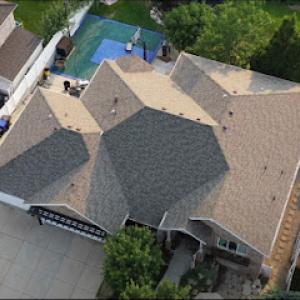
EZ Roofing: Your Trusted Roofing Experts, Now Serving Arkansas! Since 2017, EZ Roofing has built a reputation as a premier restoration company, simplifying the roofing process for homeowners. We're thrilled to announce our expansion into the wonderful state of Arkansas, bringing our expertise in roofing, along with top-notch services for siding, gutters, windows, and doors. Our dedicated team of experienced professionals is committed to delivering exceptional quality and a customer experience you won't forget, every day of the year. Using only the finest materials and skilled crews, we're ready to show you why our satisfied customers trust us time and again. Let EZ Roofing make your next home improvement project seamless and stress-free!
Top Notch Roofing & Remodeling
(870) 660-9070 www.topnotchroofingar.com
202 Rainbow Dr, Cabot, Arkansas
4.8 from 51 reviews
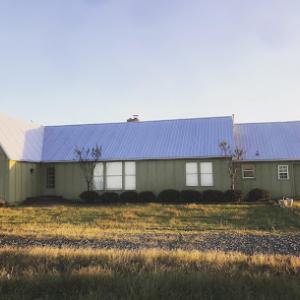
For over 10 years, Top Notch Roofing has been providing exceptional residential roofing and home remodeling services for clients throughout Cabot, AR and beyond. Priding ourselves on honesty and integrity, Top Notch Roofing stands as a cut above the rest. It's our goal with every project to gain your trust and customer satisfaction. Our range of services includes roofing repairs and replacements along with home improvement services such as kitchen and bathroom remodeling. We realize that your home is your most valuable asset; so that's why we work hard to keep it that way. Call us today at (870) 660-9070 to learn more about what we can do for you!
CK Roofing Solutions - Cabot
(501) 391-1903 cksolutions.org
305 E Main St, Cabot, Arkansas
4.6 from 11 reviews
CK Roofing Solutions is a family owned and operated roofing company with locations across the entire State of Arkansas. Don’t leave the most important part of your home to a handyman service. We pride ourselves on delivering the best possible roof replacement or repair to the city of Batesville, Bald Knob, Cabot, Searcy, Cave City, Benton, Conway, Ft. Smith, Fayetteville, and many other communities across the state of Arkansas. We follow strict IRC and state codes alongside using the best products on the market. Our team takes pride in every job they perform, and we would love the opportunity to provide the solutions for all your roofing needs.
L & C Roofing & construction LLP
59 Pheasant Run Dr, Cabot, Arkansas
5.0 from 3 reviews
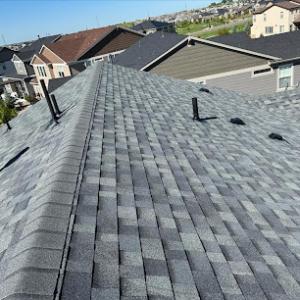
Have wind damage to your home, office or building? L&C Roofing and construction can work with you and your insurance company to make the repairs or the whole house or building get redone the right way. Just give us a call if you need our assistance and we will be more than happy to help you out! Don’t worry about it and let us to take care of everything !
J. Cole Roofing & Construction
(501) 605-4426 jcoleconstruction.com
Serving
4.9 from 45 reviews
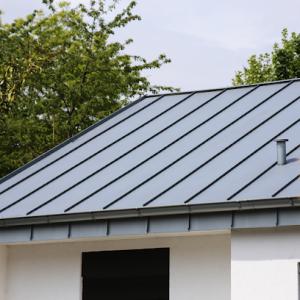
We are a roofing contractor that specializes in class 3 and above impact resistant shingles. We offer complimentary roof inspections along with many other trades such as siding, fencing, and deck building.
Tony Seigrist Roofing
(501) 920-8203 tonyseigristroofing.com
Serving
5.0 from 24 reviews
Tony personally supervises each roofing project and is available throughout the workday for clear communication. With decades of experience in Central Arkansas, he provides reliable roofing services including repairs, full replacements, skylights, chimney flashing, attic ventilation, hail and storm damage repair, commercial roofing, and insurance claim assistance. Licensed, insured, and locally established, Tony delivers dependable workmanship for homes and businesses.

Thomas Roofing & Restoration
(501) 804-6934 www.thomasrr.com
Serving
4.9 from 48 reviews
Thomas Roofing & Restoration was founded in 2005 by Eric Thomas, a roofing professional with over 20 years of experience in roofing and remodeling. Eric's career began by carrying shingles up ladders for other roofers, so when we say we have real hands-on experience, we mean it. What sets Thomas Roofing apart from other companies is our unique blend of personalized expertise and the quality products and services you'd expect from larger companies. We've installed roofs on everything from mobile homes to 6,000 square foot homes, working with materials like asphalt shingles, clay tile, metal, flat asphalt, and wood shakes.
Integrity Roofing & More
(501) 346-8547 integrityroofingar.com
Serving
5.0 from 5 reviews
Integrity Roofing and More is a roofing contractor in Cabot, Jacksonville, and surrounding Arkansas area. Our roofing services include reroofing, seamless aluminum gutters, siding installation & window replacement.
Pegasus Roofing & Construction
(501) 259-6023 www.pegasusroofingandconstruction.net
Serving
5.0 from 22 reviews
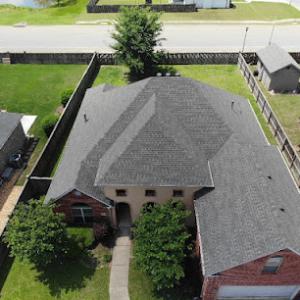
With over 10 years of experience in the roofing industry, Pegasus roofing is a trusted leader in providing high-quality roofing solutions for residential and commercial properties. Our team of skilled professionals is dedicated to delivering exceptional craftsmanship, reliable service, and lasting results on every project. From roof repairs and replacements to new installations and inspections, we use only premium materials and proven techniques to ensure durability and long-term protection. Our commitment to excellence, integrity, and customer satisfaction has earned us a reputation as one of the top roofing companies in the business. At Pegasus Roofing and Construction, we don’t just build roofs — we build trust, one project at a time.
GrayWalt Roofing
Serving
5.0 from 9 reviews
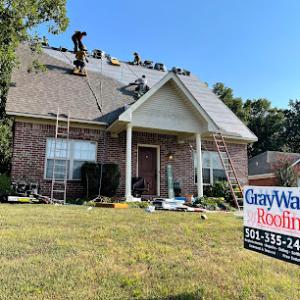
GrayWalt Roofing is now Capstone Roofing It is a locally owned company that specializes in roofing, repairs, and remodels in the Central Arkansas Area.
AJR'S Prime Roofing & Construction
(479) 910-8960 www.facebook.com
Serving
5.0 from 5 reviews
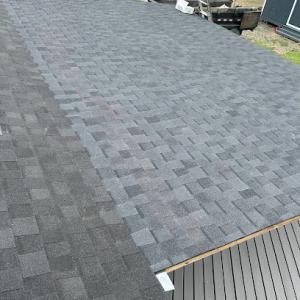
AJR'S specializes in roofing and construction. We service the Arkansas area and provide the following services: roofing, remodeling, siding, decks, flooring, carpentry, painting and demolition. Free Estimates - call us now for yours. We pride ourselves in customer satisfaction! Let us make your vision a reality!
In this central Arkansas corridor near the Little Rock metro, a typical home sees long, hot summers and frequent rain periods that push roofing projects toward spring or fall. When heat and humidity linger, asphalt and composite shingles can age faster, while underlayment and ventilation cope with higher attic temperatures. For replacement timing, aim for windows with reliable dry spells and cooler daytime temperatures, so materials can cure and settle without exposure to summer downpours or spring storms. The cadence of local weather means planning ahead matters: shuffled schedules due to sudden storms are common, but trying to avoid the peak heat and the wettest months helps crews finish cleanly and protect the new roof from heat-driven problems.
A steady rhythm of storm activity-often accompanied by hail within this growth corridor-means the roofing system faces repeated impact and moisture exposure. Homes have to absorb rapid post-storm recovery, which includes inspections, temporary protections, and timely re-covering if hail-damaged decking or flashing issues emerge. Roofing choices here are often driven by a balance between immediate storm response and long-term durability under repeated exposure. Materials with good impact resistance and dependable sealants tend to perform better in this environment, and contractors emphasize prompt tarping and wind-rated underlayment to minimize interior water intrusion during and after a storm cycle.
Humidity and heat loading shape not just the roof itself but the attic ecosystem underneath. In Cabot, attic ventilation must move substantial air to prevent heat buildup that can soften shingles or warp decking over time. This manifests as a need for properly sized vents, rafter vents, soffit intake, and a balanced ridge or gable vent strategy. A well-ventilated attic reduces the chance of condensation-driven mold, helps improve shingle longevity, and supports more stable indoor comfort after a storm-driven fan-out of attic air. When replacing or repairing a roof, ensure the ventilation plan ties into the new roofing system so there are no pressure points that trap heat or moisture.
Local demand leans toward materials that balance quick recovery after hail with long-term resilience against heat and humidity. Asphalt and synthetic shingles remain common because they offer solid wind resistance and straightforward maintenance. Metal roofing is valued for its durability in storm-prone periods and its ability to shed hail impacts with less surface damage, though it can be noisier in heavy rain without proper insulation. Clay tile and slate provide premium durability and a distinctive look, but they require solid roof framing and careful installation to handle Arizona-like summer loads and seismic considerations here. Fiber cement shingles offer a middle ground with good fire resistance and modest weight, appealing to homeowners seeking a balance between performance and budget. In all cases, a proper installation that respects local climate realities pays dividends in reduced maintenance and longer life.
Because repeated storm cycles and heat loading stress systems over time, a proactive maintenance plan matters. Schedule semiannual inspections-preferably after the spring and fall windows-to catch hail residuals, lifted shingles, or flashing gaps before they expand into more serious leaks. Keep an eye on vent seals, attic insulation, and any signs of moisture intrusion around chimneys, skylights, or roof penetrations. Address fastener corrosion and sealant failures promptly, since small breaches can become sizable leaks during a heavy spring shower or an intense summer storm.
In this market, storm recovery often means rapid assessment, tarp protection, and prioritized scheduling for a quick, code-appropriate re-cover if damage is confirmed. Choose a contractor who can document hail impact, provide a coordinated plan for underlayment and ventilation upgrades, and align material choices with anticipated weather cycles. A reliable crew will communicate clearly about moisture management, deck condition, and any necessary reinforcement to handle repeated storm exposure. Local familiarity with neighborhood home styles and common roof pitches helps crews deliver installations that resist the region's heat loading while preserving curb appeal and structural integrity.
In this market, timing your re-roof around weather patterns saves delays and reduces exposure of the underlayment during tear-off. Dry stretches in spring and fall are the preferred windows because they minimize rain delays and give shingles a clean interface to seal. If a storm system is lingering in late spring or early fall, it's better to wait a few days for a solid window than press ahead and risk moisture intrusion or delayed curing of new underlayment. The goal is to start and finish during a period with stable temperatures and minimal precipitation, so crews can complete the job without weather-driven interruptions.
Summer heat and humidity in central Arkansas can slow installation pace. Humidity also affects sealant performance and the way certain shingle products lay down, especially on attic-facing runs or valleys. On hotter days, crews may shorten daily shifts to keep workers safe and avoid warping or improper nailing. Plan for a slower pace if a heat spike coincides with a major weather event that can trigger quick, heavy demand for tear-off and disposal services. In short, choose a start date that avoids the peak heat window when possible, and be prepared for a measured, steadier sequence of days rather than a rushed several-long-day sprint.
Fall wind events and winter freeze cycles can interrupt scheduling even when the goal is to wrap up before year-end. In Cabot, a windy afternoon or a cold snap can halt shingle seating, sealant curing, or attic vent work. Build a plan that includes a buffer week or two for potential weather holds, especially if forecasts call for strong fronts or rapid temperature swings. If a storm system is forecast near the end of fall, consider front-loading critical steps-protective underlayment and ventilation checks-so the visible portion of the roof can proceed once winds drop. Winter freezes can also complicate adhesive-based sealants and asphalt shingle performance. If a finish date is tight, target the late fall before colder snaps begin, but avoid those weeks with high wind risk and sudden temperature drops at the job site.
Coordinate with the roofing crew to align tear-off days with the driest forecasts available. Have a contingency plan for postponements due to hail claims or storm recovery timelines that are common in a high-claim central Arkansas market. Ensure the crew can shield exposed areas from rain and manage ladder and equipment placement to reduce wind exposure. Communication should emphasize a clear start date, a realistic finish window, and a back-up plan if a late season front interrupts progress. In Cabot, the best results come from leveraging predictable dry spells in spring and fall, planning for heat and humidity when summer arrives, and building flexibility for wind and frost challenges as autumn closes out the year.
Asphalt shingles dominate the replacement market here because they fit the city's large suburban re-roof cadence and the broad range of home values. They offer weather resistance for hot summers, heavy spring rains, and hail events common to this area. When you choose asphalt, look for a shingle profile that includes impact resistance and good wind performance, and plan attic ventilation so heat and moisture don't bake the decking after a storm.
Metal roofing exists as a meaningful but smaller specialty, often selected by homeowners who want better hail performance, quicker shedding of rain, and reflected heat relief on sunny afternoons. In Cabot's exposure, metal can be a smart choice if the house has a compatible roof slope and a disciplined attic vent strategy. It's typically heavier to install, so ensure the structure and fasteners are prepared, and consider a standing-seam profile for the clean look.
Higher-end materials such as clay tile, slate, synthetic/composite, and fiber cement are locally available, but they are less typical on mainstream Cabot housing. Clay and slate offer longevity and a distinctive curb appeal, yet their weight, cost, and installation are more demanding. Synthetic or composite shingles and fiber cement can mimic the look with easier handling and improved impact resistance, but require a compatible roof deck and careful flashing detail. If a storm-damaged roof requires a refresh in this category, coordinate with a contractor who understands how to blend performance with local heat and hail patterns.
In practice, the best choice balances long-term performance with your roof's exposure, attic ventilation, and the home's value tier. A careful assessment after a hail event helps prioritize shingle resilience, wind resistance, and the likelihood of future claim cycles. When in doubt, play to asphalt's versatility, then consider metal or higher-end options if the house's structure and style align.
In this market, material pricing commonly falls within these local ranges per square: asphalt shingles 350 to 700, metal 700 to 1300, clay tile 1000 to 1900, synthetic/composite 500 to 1000, slate 1400 to 2600, and fiber cement 450 to 900. Those numbers reflect Cabot's familiar mix of suburban homes and the time of year when storms tend to roll through. A typical asphalt shingle job often lands in the lower end of that range, while specialty materials or a full replacement on a larger, multi-layer roof can push higher.
Storm-driven demand in Cabot can push scheduling and labor pressure higher after hail events, especially when many homeowners are filing claims at once. When a neighborhood experiences a hail run, crews might be booked weeks out and material lead times can stretch, which can elevate the per-square price beyond the base material cost. In practice, that means timing matters: a dry window in late summer or early fall can help keep crews available and costs steadier, while a sudden post-storm rush tends to compress options and increase both price and uncertainty on completion dates.
Because Cabot is a re-roof-heavy market with many residential projects, final pricing often turns on tear-off scope, decking repairs after storm intrusion, ventilation upgrades needed for inspection, and whether the job is timed in a drier season. Tear-off complexity matters: a full removal and replacement without decking damage is cheaper than a scenario that requires deck repair or reinforced ventilation to meet inspection standards. If attic ventilation needs an upgrade to satisfy code-compliant airflow after a storm-damaged roof, that adds cost but improves long-term performance.
Start with a careful inspection after a storm to determine if decking or ventilation needs are present, and document any hail impact on shingles, gutters, and flashing. Get at least three written estimates that itemize tear-off, disposal, decking repair if needed, ventilation upgrades, and any mock-ups or warranty options. Ask for durations and weather contingencies, especially if scheduling spills into monsoon-like periods. In a market where claims surge, clarity on scope and timing helps keep the project on track and the total outlay predictable.
Get a clear picture of your project costs upfront - no commitment required.
Premier Roofing
(501) 519-6394 www.premierroofingideas.com
1902 S Pine St suite d, Cabot, Arkansas
4.9 from 147 reviews

When planning a full re-roof, the local building department generally requires a permit rather than treating replacement as purely informal maintenance. That permit signals that the project will be inspected for code compliance and proper workmanship. The process is designed to catch issues early, so if a contractor slips on documentation, that oversight can slow you down and create delays with weather or storm recovery timelines.
In this market, contractors typically handle the permit submission and then schedule inspections as the project moves toward completion. That means you don't usually need to chase the paperwork yourself, but you should stay informed about the approval milestones and any notes the permit reviewer adds. Confirm with the contractor that the submission includes ventilation plans and underlayment details, since those are common focus points during review.
The final local inspection concentrates on compliance with local code expectations, including ventilation and underlayment. A thorough inspector will verify that roof penetrations, attic ventilation, and exhaust provisions meet current standards, and that flashing details align with the approved plan. In some neighborhoods, HOA rules or county-specific requirements can layer additional checks, so it's wise to confirm any neighborhood covenants before work starts.
Even though the permit process is handled by the contractor, you should anticipate inspections at key milestones: after the roof deck is prepped and underlayment is installed, once the sheathing and vents are in place, and at project completion. If a neighborhood has particular rules, those may manifest as extra paperwork or a quick field review, so ask the contractor to flag these early and keep you in the loop.
Skipping or delaying the final inspection can invalidate warranties, delay permit closure, or trigger compliance issues if a storm claim later requires rework. If a concern arises during the project-such as unusual venting configurations or nonstandard underlayment-address it promptly to avoid post-installation surprises and ensure long-term performance.
In this Arkansas insurance environment, hail and high-wind roof claims are common enough that carriers often expect detailed documentation from the start. When a claim is filed after a storm, the adjuster will look beyond the surface to see if your roof's age, material type, and ventilation or structural conditions could influence coverage. Gather records that show your roof's baseline condition before the event and any prior work, including manufacturer specs for the chosen materials.
Adjusters working Cabot-area claims may evaluate not only visible shingle damage but also roof age, material type, and whether ventilation or structural conditions affect the claim. Clear, organized photos taken from multiple angles help demonstrate pre- and post-storm conditions. Include attic photos if there are signs of leaks or ventilation issues. If recent upgrades exist-like added vents or ridge vents-document them with dates and contractor notes. A straightforward timeline helps prevent disputes about what was expected versus what occurred.
Because coverage terms vary by insurer in Arkansas, Cabot homeowners need to confirm depreciation, matching, and repair-versus-replacement treatment before signing a contract. The insurer may treat certain components as depreciable, or require replacement to match existing materials for a seamless look. Do not sign until you understand whether partial repairs will be reimbursed or if a full roof replacement is necessary for a uniform appearance. If your roof uses older materials, be prepared for discussions about compatibility with new shingles or underlayment.
Start with a concise damage report that lists dates, storm details, and observed issues. Include contractor estimates that clearly distinguish temporary fixes from permanent solutions. Obtain a written statement from your roofer about ventilation and attic conditions, since these can influence outcomes. Finally, preserve all communications in one place-emails, letters, and notes-so you have a steady trail should the claim require clarification or dispute resolution.
In Cabot, repeated hail and wind exposure commonly show up first as shingle bruising, granule loss, lifted tabs, and leaks that may not be obvious until later rains. Those bruises can erode protective layers and shorten life, so spot-check shingles after a hail event and after major wind storms. Don't assume the absence of a leak means the roof is fine-granules wash away with the next rain, and hidden damage can silently grow.
Frequent summer rain in this area can turn small flashing or penetration defects into active leak paths quickly, especially around chimneys and skylights. A loose step-flashing corner or a cracked sealant around a vent pipe often looks minor, yet it invites water intrusion once a storm hits. If you notice damp spots on ceilings after a heavy shower, inspect around these features first. Re-sealing or re-flashing promptly can prevent widespread interior damage.
Local inspection emphasis on ventilation reflects a real Cabot-area risk: hot attic conditions in central Arkansas can shorten roof life when intake and exhaust are out of balance. When soffit vents are blocked or attic baffles fail, heat builds up, timber and underlayment can warp, and shingles may deteriorate unevenly. A balanced, unobstructed ventilation path helps protect the roof deck and stacks of heat-related wear, especially on two-story homes with attic vents facing the afternoon sun.
Establish a proactive inspection routine after major storms and at the start of storm season. Look for lifted tabs, curling shingles, or any darkening around seams and penetrations. If the roof looks good from the ground but feels soft or creaky on the attic side, or if daylight is visible through decking, treat it as a warning sign. Addressing issues early saves costly repair later and keeps Cabot homes drier between storms.
Find contractors experienced in skylight installation, flashing, and leak repairs to bring natural light into your home.
For Cabot homeowners, re-roofing is far more common than niche specialty work, so a contractor's experience with full replacement and storm follow-up matters more than flashy marketing. Look for builders who have consistently handled hail and heavy-rain recovery, not just seasonal repairs. Stability matters here: you'll often compare family-owned or long-established firms for service reputation alongside price.
In a hail-driven market, the first test is response time. A reliable roofer will answer promptly, schedule a same-week or next-week inspection, and avoid long delays after a storm. When the crew arrives, expect a focused, on-site evaluation rather than a long-sales pitch. They should document storm damage, explain what is clearly damaged versus cosmetic, and outline a realistic plan for temporary protection if leaks are present. A clear, written assessment helps you compare options without guesswork.
After a job is pitched, you'll gauge a contractor by how they handle cleanup and post-install follow-up. In Cabot's climate, you want a crew that seals the work area daily, protects landscaping, and removes debris promptly. Ask who will be the point of contact for post-install questions, and whether the company commits to on-site inspections after tarping or weather events. A reputable firm will schedule a final walk-through to verify attic venting and interior protection, not just the visible shingles.
Local signals matter: a firm with a multi-generational or long-standing local presence often values customer relationships and service after the sale. Compare at least three references from homeowners who had hail damage or storm repairs recently. Ask about lien releases, warranty handling, and whether they maintain an in-house crew or rely on subcontractors, since continuity can affect follow-up service. In a market where quick response and reliable cleanup are prized, these factors separate dependable local teams from the rest.