Last updated: Apr 19, 2026
In the Inland Empire, hot, dry summers and seasonal Santa Ana wind events place a distinct stress on tile and shingle roofs. The heat expands and bakes asphalt and clay surfaces, while fierce winds lift edges, move loose or brittle components, and drive dust and grit under vulnerable areas. The Santa Ana corridor and gaps toward the Cleveland National Forest side mean stronger dry wind episodes than many neighboring markets, so you'll see more edge lift, faster wear along rakes and eaves, and accelerated underlayment exposure in a shorter time frame. This cycle pushes timing for maintenance, patching, and replacement toward spring, after winter rain risk and before the peak heat.
Edges and fasteners are the first indicators. Look for lifted shingles or tiles, especially near overhangs, along vents, and at roof-to-wall transitions. Dry winds can pry shingles loose and move tiles a few inches, creating micro-cracks or broken tabs. Dust and grit tracked into the attic or under the flashing signal compromised underlayment and ventilation issues. Clay and concrete tiles show hairline cracks after thermal cycling, while asphalt shingles often blister or curl at the top edge if the sealant granules have worn out. If you see rust spots at metal flashings or corrosion around fasteners, that's a sign the wind-driven dust has become abrasive and moisture can follow.
1) Inspect after Santa Ana events. If a windy spell ends with dust in the gutters or fresh edge lift, schedule a quick on-roof inspection focusing on edges, hips, ridges, and around dormers.
2) Clean and reseal vulnerable seams. Gently clear dust from edges and re-seal where flashing meets tile or shingle. Use compatible sealants that tolerate high heat and wind-driven dryness.
3) Check attic ventilation. In Corona's heat profile, proper intake and exhaust vents prevent condensation and reduce attic temperatures that accelerate shingle aging. Ensure vents aren't blocked by dust or insulation.
4) Verify fasteners and hip/ridge pieces. Wind can loosen cap pieces or misalign valley metal. Re-secure with corrosion-resistant fasteners suited to the roof type, and replace any damaged caps promptly.
5) Monitor for micro-movement. Tiles or shingles that shift even slightly can indicate underlayment exposure or flashing compromise. If movement persists after a wind event, plan a closer repair window.
Spring is the practical window for full replacements in this climate. After winter rains, you know the roof has retained some moisture resilience, and you're not fighting the peak heat during installation. Material choice should reflect the heat-wind cycle: tiles with robust edge grip and fastener compatibility tend to better withstand gusts and thermal stresses; high-heat-rated asphalt or metal options can minimize thermal expansion issues. If replacing in tile, consider lightweight yet durable options and ensure the underlayment and flashing installation anticipate Santa Ana wind exposure. For shingle roofs, choose products with strong sealant bonds and wind-resistant installation patterns designed for dry, dusty environments.
The summer sun in this area accelerates asphalt aging and rots away granules faster than in cooler climates. That means shingles and the coating on underlayment can thin and become brittle sooner, and clay or concrete tiles may seem fine from street view while the underlayment underneath is already stressed. In neighborhoods with Mediterranean- and Spanish-influenced homes, tile reroofs are common, so you'll notice coating wear patterns and color fading that reflect long, hot seasons. Watch for excessive brittleness in the exposed edges of shingles or tiles that crack or crumble when you walk the roof-these are early signs the heat cycle is pushing material limits.
Dry Santa Ana winds sweep dust and particles through the valleys and over low roof edges. A tile field may look intact from ground level, yet a small underlayment seam or fastener pocket can become a leak source after a dry wind event. In Corona's climate, underlayment weaknesses don't always announce themselves with obvious water stains right away; they hide behind the tile surface until a gust loosens a seam or a fastener backing pulls free. Regular, focused inspections after hot spells or dust storms help catch these issues before interior damage appears. If a leak develops after a windy day, trace the path back to a few suspect underlayment joints rather than chasing the tiles themselves.
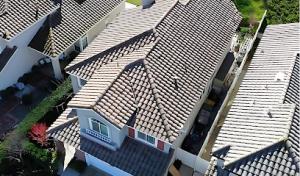
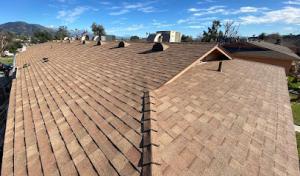
Tile roofs that dominate the local market have distinct behavior compared to asphalt shingle systems. Clay and concrete tiles resist heat better in some respects but depend on proper underlayment support and tile alignment to avoid lateral movement in pressure winds. Asphalt shingles flex and crack under repeated heat cycles and wind uplift, especially on older roofs where nailing patterns may have drifted. If a roof has both tile and shingle sections or a mixed-assembly installation, expect uneven aging between materials. The practical takeaway is to plan targeted maintenance for the oldest sections first and to verify that fasteners and flashing are compatible with the current material if any retrofit work is done.
In this climate, proactive checks matter more than a generic tune-up. Schedule ground-level inspections twice a year, focusing on edge tiles, fastener corrosion, flashing around chimneys and vents, and any visible gaps in underlayment at the eaves. After a heat wave or wind event, perform a closer look at roof-to-wall transitions and valleys where debris tends to accumulate. If the visible tile field looks intact but the attic shows higher humidity or a musty odor after a dry season, suspect underlayment or flashing issues and arrange a professional inspection promptly.
Because heat and wind push failure modes differently in tile versus shingle systems, replacement planning should consider the roof's age, the prevailing material type, and recent exposure history. A roof that has endured several extreme summers and multiple Santa Ana seasons is more likely to benefit from tying together tile or shingle replacement with reinforced underlayment and upgraded flashing details. If patchwork repairs accumulate across a single exposure cycle, it is often more cost-efficient and effective to replace the affected sections to restore full protection and reduce ongoing maintenance headaches.
Find contractors who specialize in clay and concrete tile roofs, known for their durability and curb appeal.

Heritage Pro Roofing
(888) 355-1183 www.heritage-proroofing.com
12125 Dawson Canyon Rd, Corona, California
5.0 from 8 reviews
The Roof Sharks
(951) 330-7800 roofsharksllc.com
537 Queensland Cir #2, Corona, California
5.0 from 6 reviews

Calcom Roofing
(951) 277-6150 calcomroofinginc.com
1832 Railroad St, Corona, California
5.0 from 6 reviews
4J's Roofing
2115 Skylark Cir, Corona, California
5.0 from 22 reviews
4J's Roofing, Corp: crafting sturdy, beautiful roofs in Corona, CA. Based on Skylark Circle, we're more than just a roofing contractor – we're your neighbors dedicated to protecting your home. With quality craftsmanship and unwavering reliability, we ensure your roof is not only durable but also enhances your home's curb appeal. For a roof built to last and the peace of mind you deserve, choose 4J's Roofing, Corp.
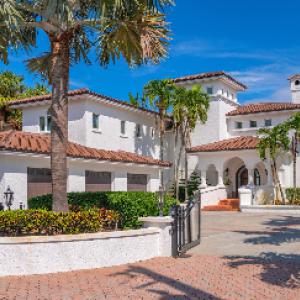
American Highland Roofing
(951) 463-1512 americanhighlandroofing.com
712 W 10th St, Corona, California
4.8 from 60 reviews
At American Highland Roofing, we proudly provide top-quality residential and commercial roofing services. Our work is rooted in commitment, integrity, honesty and affordability. We offer competitive pricing, senior discounts, and warranty on all roof repairs and new installations. Whether you need a minor repair or a complete roof replacement, we are here to protect your home or business with expert care and reliable service.
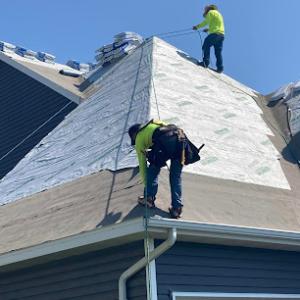
Corona Roofing Solutions
(951) 621-0280 coronaroofingsolutions.com
1101 Rimpau Ave, Corona, California
5.0 from 14 reviews
Corona Roofing Solutions is your local roofing contractor that our mission is make sure you're happy. We warranty our work and don't leave your job until you are happy. Call us today and see the difference.
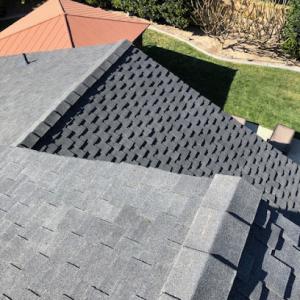
Aj Roofing
(951) 415-3924 aj-roofingservice.com
387 Magnolia Ave #103, Corona, California
5.0 from 8 reviews
Roofing Contractor, Roof Repairs

Heritage Pro Roofing
(888) 355-1183 www.heritage-proroofing.com
12125 Dawson Canyon Rd, Corona, California
5.0 from 8 reviews
Experienced Roofing Specialists for Commercial, Industrial, and Residential Projects. Serving all of California.

Calcom Roofing
(951) 277-6150 calcomroofinginc.com
1832 Railroad St, Corona, California
5.0 from 6 reviews
Reliable Roofing Solutions for Southern California Commercial and Residential At Calcom Roofing, Inc., we provide top-quality roofing services throughout Southern California with a commitment to honesty, craftsmanship, and customer satisfaction. Whether you need roof repairs, replacements, inspections, or new installations, our experienced team works with a variety of materials including TPO, Coatings, tile, shingle, and flat. We understand the unique demands of the Southern California climate and deliver durable, energy-efficient roofing solutions that protect your property and enhance its value. Fully licensed, insured, and backed by solid warranties—trust us to get the job done right the first time. Call today for a free estimate
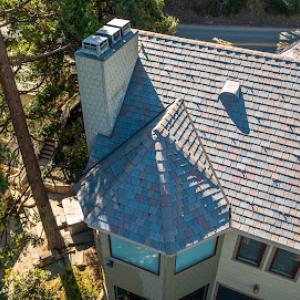
Copp Roofing & Construction
(949) 603-0960 copproofing.com
Corona, California
5.0 from 6 reviews
Since 1996, Copp Roofing & Construction has been the top choice for homeowners seeking premier roofing, solar, siding, decking, stairs, rails, and general contractor services. Proudly serving Southern, Northern, and Central California—and soon expanding into Arizona and Texas—our family-owned company delivers unmatched craftsmanship and customer care for residential and commercial properties alike. From Lake Arrowhead and Blue Jay to Palm Springs, Joshua Tree, and beyond, we’ve got you covered with dependable, high-quality solutions tailored to your needs. Trust Copp Roofing & Construction to enhance and protect your property with expert service and over 25 years of industry-leading experience.
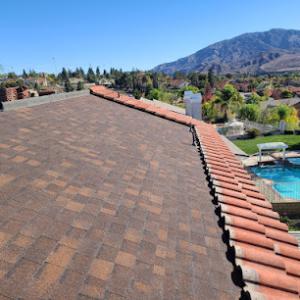
Sisco Roofing Tile Roof Repair Specialists
13135 Lone Stallion Ln, Corona, California
4.6 from 9 reviews
Tile roof repair specialists. New installations and re roofing. Roof inspections for buyers. Roof maintenance. Over 35 yrs experience working with real estate agents and invoicing through escrow. Satisfaction guaranteed!
CentiMark Corporation
(714) 922-1660 www.centimark.com
1644 N Maple St, Corona, California
4.3 from 11 reviews
CentiMark, serving Southern California and Las Vegas, NV, is a distinguished commercial roofing company offering high-quality services tailored to the unique needs of these regions. From the Los Angeles metropolitan area to sunny San Diego and beyond, we address specific roofing issues caused by sun exposure, coastal weather and desert conditions. Our team provides a broad range of roofing solutions, including repair, replacement, maintenance and emergency services. We work with a variety of materials suitable for the hot, dry climate and coastal breezes. Whether it's mitigating sun damage in Las Vegas or handling moisture issues in San Diego, CentiMark is your reliable partner for all your roofing requirements.
Sanchez Single Ply Roofing
(714) 549-2454 www.sanchezroofingca.com
1269 Pomona Rd # 107, Corona, California
5.0 from 2 reviews
Commercial and Residential Roofing Contractor. We perform all types of work such as: repairs, re-roofs, tenant improvements, & new construction. We also work with solar contractor for any of your roofing and solar needs. Single-Ply, TPO & PVC, Shingles & Tile.
RediNex Roofing CA
1450 W 6th St, Corona, California
4.4 from 5 reviews
RediNex Roofing CA is a trusted roofing contractor in Corona, CA, providing roof repairs, replacements, and maintenance for residential properties. We focus on quality workmanship and dependable service.
Capital Roofing Partners
1250 Carbide Dr, Corona, California
5.0 from 1 review
Capital Roofing Partners is a professional second-generation, women-owned business that’s dedicated to providing exceptional California commercial roofing solutions. Each of our licensed team members is highly skilled, experienced, and passionate about helping our clients achieve unmatched results.
After the first meaningful winter storms, leaks often show up where months of dry weather hid underlayment deterioration. In this climate, heat and wind can push moisture into places that looked fine in the fall but crumble once a cold front or a driving rain hits. Tiles and shingles may shed a little water at first, but the underlying deck and underlayment can fail quickly when rain finally tests the system. If you notice discoloration, damp staining on ceilings, or dripping near vents, don't wait for a second rain to confirm the damage-inspect soon and act fast.
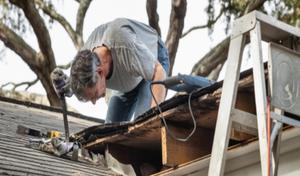
Wind-driven debris and dust during dry spells aren't just cosmetic. They can settle into exposed decking and chase grit under the edges of shingles or tiles, abrading underlayment and accelerating deterioration. When repairs can't start right away, commit to rapid temporary protection-tarps, heavy-duty plastic, or plywood secured with fasteners-especially after strong Santa Ana gusts. This debris load compounds existing weaknesses and creates a cascade of leaks once rain returns. The goal is to keep the worst of the elements off the deck while a plan is put in place to restore the roof's integrity.
Emergency response is a major local service pattern, reflecting how sudden leak calls and blown-off components are a real part of the market rather than a niche offering. When a storm challenge lands, quick on-site assessment matters. Leaks can travel along rafters and downel wiring, turning a small drip into a ceiling-wide problem within hours. If a tile or shingle section was loosened by wind, assume the protective barrier has been compromised and needs immediate repair or temporary containment. In Corona, the most reliable approach is to stage a rapid temporary fix to buy time, followed by a targeted, durable repair that restores the roof's continuity before the next heat-wind cycle arrives.
Keep a stash of heavy-duty tarps and weather-rated fasteners accessible. After a storm, inspect more than visible tiles-look at flashing, vent seals, and the edge drip-areas that often leak first. If a leak is found and the roof looks compromised, prioritize securing the area, pulling back wet insulation if safe, and scheduling a professional assessment promptly. In the weeks of dry Santa Ana winds, monitor for new wind-driven debris and address any signs of wear that could be accelerated by the next storm. Quick, decisive action today minimizes the risk of widespread interior damage tomorrow.
When you can't wait, these contractors offer fast response times to stop leaks and prevent further damage.
The Inland Empire heat and Santa Ana wind exposure near Santa Ana River corridors mean solar-related roof work is highly relevant. Reroof planning often has to account for existing panel mounts and future solar compatibility. When evaluating a reroof, check where panels currently sit, how they're mounted, and whether the replacement roofing will support retrofitting or expansion without creating new penetrations. If solar is a future goal, choose a roof surface and flashing plan that can accommodate additional mounting hardware or simplified panel reinstallation. Coordinate with the installer to confirm rake and ridge line clearances, as well as any required underlayment for long-term panel safety. In hot periods, select reflective or cool roofing materials in the same profile family to minimize heat buildup around mounts, which helps extend both roofing and solar system life.
Skylight service is notably active in the local contractor pool, which matters because penetrations become common leak points when exposed to repeated heat expansion and seasonal rain. Prior to reroofing, map every penetration-skylights, vent pipes, gas lines, solar mounts-and verify that flashing transitions are compatible with the chosen roof material. In tile or metal roof assemblies, a high-quality flashing collar that accommodates thermal movement is essential. Consider skirting or sealing around skylight shafts with materials that resist UV degradation and heat cycling. When replacements are done, insist on continuous flashing integration, not piecemeal patches, and request test water intrusion for any newly sealed joints. If a skylight unit is aging, weigh its removal or replacement during reroofing to minimize future teardown costs linked to separate leaks.
Homes in newer Corona subdivisions often combine tile roofs with multiple penetrations and accessories, increasing the importance of flashing quality during reroof projects. Ensure flashing under tile is continuous across hips and valleys, with backer rods or sealants designed for heat and wind movement. The goal is to prevent capillary action where water can travel under tiles and into the deck. For multi-penetration roofs, specify a coordinated flashing plan-integrated step-flashing with proper end dams, valley liners, and counter-flashings that meet the slope and tile profile. In areas with Santa Ana winds, consider additional sealant reapplication intervals and inspection points after the first heavy season post-install.
During initial planning, request a detailed roof map showing all penetrations, mounting footprints, and flashing transitions. Ask the contractor to provide a compatible underlayment strategy that accounts for heat cycles and wind-driven rain. For maintenance, schedule mid-season inspections after peak heat and windy periods to verify seal integrity around skylights and solar mounts. Keep an eye on high-heat days, watching for any shifting of flashing or sealant, and address minor issues before they become leaks.
Find contractors who integrate solar panels or solar shingles into your roof for long-term energy savings.
Calcom Roofing
(951) 277-6150 calcomroofinginc.com
1832 Railroad St, Corona, California
5.0 from 6 reviews
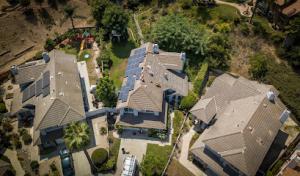
Provided local pricing ranges run from about $350 to $650 per square for asphalt shingles. In this market, you'll see quick timelines and simpler tear-offs, but a reroof can stretch if you're chasing fast response after a wind event or a rain shortfall. Budget for the short-term tarping and cleanup, then the new underlayment and shingle install. In many Corona homes, asphalt remains the baseline option, especially for quickly restoring services after a leak or wind damage.
Provided local pricing ranges run from about $700 to $1200 per square for metal. Metal often wins on heat resistance and wind resilience, but it can push costs higher in Corona where Santa Ana winds demand careful fasteners and detailing. If the project includes fascia work, venting checks, or a transition to older decking, expect additional labor. A metal reroof can be economical over the long term, but the up-front tile-like pricing reflects the premium materials and precision installation required in exposed Santa Ana corridors.
Provided local pricing ranges run from about $1100 to $1700 per square for clay tile. Corona's strong tile presence can push reroof budgets higher because tile systems are among the city's most common premium replacements and often involve more labor-intensive handling than basic shingle tear-offs. The weight of clay means structural checks can add cost, and matching existing profiles or colors matters for curb appeal in mature neighborhoods. Expect longer install times and a careful handling plan to prevent breakage during a heat-hazed afternoon.
Provided local pricing ranges run from about $900 to $1500 per square for concrete tile. Concrete tiles share many of the same premium considerations as clay, with slightly different handling and weight characteristics. In practice, Corona projects with concrete tile can see similar schedules and crew requirements, especially when replacing underlayment, battens, or matching long-run roof lines. Plan for meticulous alignment and potential seasonal scheduling to mitigate heat-related working hours.
Provided local pricing ranges run from about $800 to $1200 per square for wood shingles or shakes. Wood brings a distinctive look but can demand extra moisture protection and careful fire-rated detailing. In hot, windy conditions, wood may require more frequent sealing or treatments, which can add to the total. If existing decking shows sun-damaged spots, expect additional structural checks and wood-detail work.
Provided local pricing ranges run from about $600 to $1000 per square for synthetic or composite shingles. This option balances price with durability and the ability to resist heat and wind exposure. In Corona, synthetic materials can offer quicker replacement cycles with less maintenance than natural products, though an installer should verify warranty alignment with the local climate and tile-shingle history.
Costs can rise when projects are scheduled after winter rain or wind events because demand spikes for quick-response crews, while structural review or wind-related documentation can add complexity on some jobs. Because tile systems are a prevalent premium choice here, factor in higher labor content and handling time when selecting materials. Weather windows matter: plan for a day-to-day rhythm that minimizes peak heat work and maximizes safety for crews and home interiors.
Explore specialists in steel, aluminum, and standing seam metal roofs built to last 50 years or more.
The Roof Sharks
(951) 330-7800 roofsharksllc.com
537 Queensland Cir #2, Corona, California
5.0 from 6 reviews
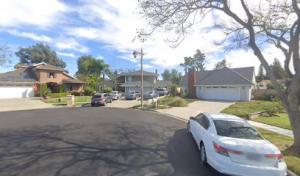
In Corona, a permit is typically required for a full reroof. The City of Corona Building & Safety handles permit issuance after the project scope and contractor information are submitted, so it's important to have that paperwork ready before any material order is placed or work begins. The permit process is designed to ensure that the reroof complies with local wind loads, tile or shingle attachment methods, and any Santa Ana wind considerations that can affect fasteners and underlayment. Expect a short window for plan review and a possible request for clarifications if the roofing system includes unusual details, such as transitional areas between tile and shingle or roofline changes.
Inspections are conducted at multiple stages, not as a one-and-done approval. A typical sequence includes an initial inspection after the roof deck is prepared and underlayment is installed, followed by inspections after underlayment and flashings are in place, and a mid-build check to verify tile or shingle attachment plans. A final inspection occurs upon completion to confirm that all components meet code-adapted wind resistance, proper drip edge installation, and flashing details around chimneys, skylights, and vents. Delays can happen if a permit packet is incomplete or if structural details were modified during the project, so keep a clear line of communication with the Building & Safety office and the contractor.
Some Corona reroof projects may need added documentation when structural alterations are involved or when wind-related provisions affect the scope. If rafters or sheathing are modified to accommodate heavier tile or if a retrofit changes roof height or exposure, expect additional load calculations, connection details, and possibly engineered drawings. Wind-impact components-such as approved fasteners, clip systems, or reinforced edge channels-may require specification sheets or supplier certification. The goal of these requirements is to ensure long-term durability against Inland Empire heat, Santa Ana gusts, and the tendency for rapid shingle or tile distress in extreme seasonal swings.
Corona homeowners are navigating a broader California insurance environment where insurer consolidation and coverage restrictions can shape roof replacement decisions and claim timing. The Inland Empire's heat and wind patterns push more homes toward faster reroofs, and the underwriting math may tilt toward more conservative coverages after a claim. That dynamic can mean longer waits for approvals or tighter post-claim options, especially if a roof has reached or surpassed typical wear thresholds in a high-sun, high-wind climate.
Parts of the Inland Empire are scrutinized for wildfire exposure, so roof condition and material choice can carry extra weight during underwriting and renewal conversations. Light damages from wind-driven debris or heat-cracked tiles may get flagged as non-urgent by some carriers, but a few well-timed responses can change the course of a claim. When renewal or re-coverage discussions happen, the material type and the roof's current state influence how insurers view risk. Prepared homeowners can avoid surprises by aligning expectations about what constitutes recoverable damage versus preexisting wear.
Adjusters may ask for detailed photos, receipts, and roofing certifications, so Corona owners should document wind damage, rain intrusion, and temporary repairs carefully from the first event. Start with clear, dated photos of all affected areas, including attic or interior evidence if leaks appear after a storm. Keep receipts for any temporary measures-tarps, boards, or pumps-and request written confirmation for any temporary fixes. When talking to the adjuster, provide a concise timeline of events and a simple list of suspected causes. Clear, organized records can smooth underwriting conversations and help preserve options as the claim moves from first notice of loss to final settlement.
Connect with contractors who help homeowners navigate the claims process from damage assessment to final approval.
The Roof Sharks
(951) 330-7800 roofsharksllc.com
537 Queensland Cir #2, Corona, California
5.0 from 6 reviews