
Last updated: Apr 19, 2026
In the Inland Empire's heat, UV exposure plays a primary role in how quickly a roof ages. The hotter summer conditions deliver more intense sun and higher surface temperatures, which accelerates the breakdown of asphalt shingles, underlayment, and any protective coatings on tile systems. Concrete and clay tiles resist hail better than asphalt, but every roof section sits under more UV stress than coastal markets experience. The result is a pattern where surface aging-fading, granule loss, and microcracking-progresses quickly in summer, while leaks tend to reveal themselves during winter rain events.
In Mira Loma, this heat-driven aging shows up in distinct, predictable ways. Underlayment can dry out and lose its waterproofing capacity sooner than expected, especially when a roof experiences multiple hot seasons without a full, through-sheathing replacement. Asphalt shingle surfaces commonly show accelerated granule loss and surface cracking after several hot seasons. For tile roofs, the underlayment and fastener membranes under the tiles bear the brunt of thermal cycling, and adhesive bonds used in some older systems may degrade earlier than anticipated.
A practical rule in this region is to expect surface aging during the dry, scorching summer months. The sun's UV energy wears down protective surfaces, even if the roof isn't actively leaking yet. It's common to see more brittle edges on shingles and more visible dusting of granules after the hottest weeks. By contrast, the winter rains expose any latent weaknesses in the roof's waterproofing, especially at flashings, valleys, and transitions between materials. Leaks tend to become noticeable when rainfall is heaviest or when conditions involve a freeze-thaw cycle, which can happen during winter nights with daytime heat.
Monitoring with a seasonal cadence makes sense here. After the first strong heat wave of the season, walk the roof to inspect for curled edges, lifted granules, or any masking of older underlayment. Before the rainy season begins, check the integrity of seals around vents, chimneys, and skylights. By spring, you'll be identifying wear patterns that predict which sections are most vulnerable to winter leaks and which areas benefited from the prior summer heat-advantaged maintenance.
Spring and fall present safer replacement windows locally because they avoid both peak summer heat stress and the winter rain interruptions common in this part of Riverside County. If a roof needs significant work, plan major repairs or a re-cover during these transitional seasons to minimize heat exposure during installation and to reduce the risk of rain intrusion during workmanship. Coordinating a replacement or repair with a dry period helps ensure the underlayment and fasteners seal properly and that roof penetrations are protected through the wettest months. If a full replacement isn't feasible, staggered, phased work in these windows can still curb cumulative UV damage and shorten the overall exposure time for existing underlayment.
A local neighbor would tell you to prioritize preserving the underlayment and protecting exposed edges. Begin with a careful inspection of edge detailing, drip edges, and rake channels where sun exposure is greatest. Confirm that valley membranes are intact and that flashing around vents and chimneys remains watertight. For tile roofs, ensure a continuous, unobstructed underlayment beneath the tiles where applicable, and check that fasteners are not carrying load beyond their design due to thermal expansion. Address lifted or cracked tiles promptly, because even a small gap can become a leak channel during winter rains. In summer, consider applying heat-reflective coatings or ensuring reflective granules are intact to slow surface temperature rise and slow UV-driven degradation. Regular coaching of seasonal inspections helps you stay ahead of degrades that otherwise accelerate with Mira Loma's relentless sun.
In Mira Loma, the daily sun sits on the roof like a hot blanket, and that heat with relentless UV exposure accelerates aging in underlayment. Clay and concrete tiles can keep a façade looking solid, but the real problem often hides underneath. The underlayment-whether traditional felt or newer synthetic sheathing-will dry out, crack, and slowly lose its waterproofing grip. When that happens, leaks tend to show up around penetrations first: vents, skylights, and especially chimneys where heat concentrates and metal flashing works hardest. Homeowners may notice subtle staining or damp insulation before you ever see a tile crack, and by then, the damage can extend into the ceiling framing and attic insulation, turning a small drip into a costly repair.
Clay and concrete tiles don't fail primarily by the tiles crumbling first; they fail when the surrounding flashing and sealants give up. The local pattern is clear: roofs with multiple penetrations-chimneys, roof vents, bathtubs/valves, and satellite dishes-tend to develop leaks where flashing has aged or been compromised. In hot climates, metal flashing expands and contracts with temperature swings, which can loosen nails and mastic over time. When replacement or re-roofing happens, those flashing details deserve focused attention. A common pitfall is replacing the tile without addressing the flashing and counterflashing properly, leaving a fresh surface that still leaks at the joints. Expectation should be that flashing around chimneys and vents may need upgrading to prevent recurrent leaks after a tile replacement.
Tile roofing is a local specialty, and many Mira Loma homes rely on contractors experienced with lift-and-reset techniques, tile matching, and careful handling of fragile surfaces. When tiles crack or break during weather events or during maintenance, the remedy isn't just replacing the visible broken piece; it requires matching the texture, color, and profile of the surrounding tiles to avoid a patched appearance that ages the roof quickly. Underlayment repair often accompanies tile replacement because the heat-exposed edges of the deck may have deteriorated where tiles once overlapped. A lapse in tile matching or incomplete underlayment repair can leave you with uneven drainage, micro-leaks, and spots that peel paint or deteriorate attic insulation over time.
Edges, hips, and valleys receive the most concentrated heat and sun exposure. In these zones, the protective layer beneath the tiles wears faster, and metal or bituminous flashing at the eaves and ridges becomes a critical failure point. If valley flashing is poorly sealed or mismatched with the tile profile, water can travel laterally before dripping, making leaks less obvious until significant damage has occurred. Proactive inspection should focus on these high-heat zones after heavy sun seasons or wind events, as small imperfections compound quickly under Mira Loma's climate.
Look for previously repaired patches that look newer or differ in color, hairline cracks along tile edges, damp attic areas near penetrations, and staining on ceilings away from interior walls. If you notice accelerated wear around vents, chimneys, or skylights, plan for a targeted inspection of underlayment and flashing rather than a quick tile swap. The goal is to catch underlayment deterioration and flashing failures early, before a hidden leak becomes a visible stain or structural concern.
Find contractors who specialize in clay and concrete tile roofs, known for their durability and curb appeal.
Hull & Sons Roofing / Commercial & Residential Roofing
(951) 685-9499 hullandsons.com
Serving
4.8 from 141 reviews

Roofing & More
(951) 394-0233 www.roofingandmorellc.com
Serving
4.8 from 163 reviews
Expert commercial, industrial, and residential roofing specialists serving Inland Empire, Orange County, Los Angeles County, Riverside, and San Bernardino. While expanding into Southern California's premier commercial roofing solution, we maintain our dedication to quality residential services. Specializing in energy-efficient installations, repairs, and maintenance for warehouses, offices, retail centers, and homes. Our certified team delivers superior workmanship with minimal disruption. We offer comprehensive warranties, emergency repairs, and preventive maintenance. Expert installation of TPO, EPDM, metal roofing, and cool roof systems. Licensed, bonded, and insured. Contact us for a free consultation.
Hull & Sons Roofing / Commercial & Residential Roofing
(951) 685-9499 hullandsons.com
Serving
4.8 from 141 reviews
At Hull & Sons Roofing we provideQuality Roofing Services for Commercial, Industrial or Residential in the Inland Empire. We offer other roof sevices like replaceing Skylights, Roof Drains, Gutters, Crickets to divert water, Removal and replacement of AC units, Wood platforms for AC units, Resealing duck work and total removal for abandoned units.
Sandoval Roofing
(909) 665-6386 sandoval4roofing.com
Serving
5.0 from 43 reviews
At Sandoval Roofing we make sure to offer great services for your roofing needs including great pricing amazing workmanship and most importantly we thrive on customer service and customer satisfaction and make sure your roof is well taken care of by our professional team
J P Roofing
(909) 261-6473 jproofingco.com
Serving
4.9 from 100 reviews
"We Got You Covered" JP Roofing specializes in giving our customers the best quality roofing. From residential to commercial roofing services, we got you covered. We specialize in cool roof systems, hot mop built up roofing, torch down, asphalt shingles, tile, water proofing, and repairs.
Uplift Roofing Eastvale
Serving
5.0 from 8 reviews
Uplift Roofing is a trusted roofing contractor in Eastvale, CA, offering roof repairs, replacements, and storm damage services for homes and businesses.

Ontario Roofing
(909) 330-4661 roofingontario.net
Serving
4.9 from 48 reviews
Ontario Roofing is the best roofing contractor in the Ontario, California area that you could have work on your home. We are able to work on any kind of residential or commercial roofing project.Whether you need roof repairs or a new roof installation we have a variety of options and pricing to fit your specific needs.Give us a call today and we offer a no cost, completely free estimate on your next roofing project.
Legend Construction Services
(909) 321-0989 lcservicesinc.net
Serving
5.0 from 15 reviews
We are Licensed Contractors we obtain a C-39 for Roofing and our B for General Construction. We have been in business for 21 years! LCS Is Bonded, Insured, Licensed and obtains Workers Comp to ensure that our customers get a job well done and that our employees are safe! Give us a call on your next project we do it all!
CRS Commercial
(951) 681-6000 www.crscommercial.com
Serving
4.9 from 29 reviews
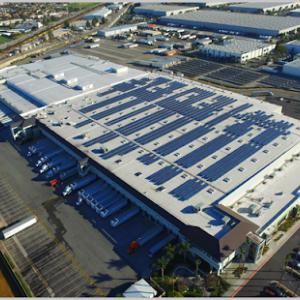
Since 1997, CRS Commercial has been a trusted name in commercial exterior services across California. As a premier commercial exterior new construction and remodeling company, we work with industries such as hospitality, retail, education, healthcare, and more to transform and protect their properties. As a premier commercial exterior remodeling company, we work with industries such as hospitality, retail, education, healthcare, and more to transform and protect their properties. Our team combines decades of experience with cutting-edge products and seamless installation techniques, ensuring every project meets local building codes and the highest standards of excellence.

Code 4 Roofing Specialists
(855) 720-1072 code4roofing.com
Serving
5.0 from 21 reviews
Code 4 Roofing is a proudly woman-owned business that provides high-quality roofing and home remodeling services. Our team boasts over 20 years of roofing experience, ensuring every project is executed professionally and skillfully. Our services cover many needs, including roof repairs, installations, and replacements. We also specialize in interior and exterior home remodeling, such as siding, deck, and patio constructions, among other services! At Code 4 Roofing, we are proud to be a trusted partner for residential and commercial clients. Choosing us means choosing integrity, excellence, and quality. Experience the Code 4 Roofing difference—where your satisfaction and our craftsmanship are our priorities.
Frontline Roofing
(951) 399-0072 frontlineroofing.com
Serving
5.0 from 23 reviews
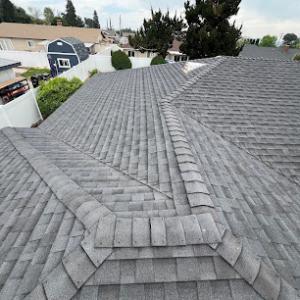
Located at 3845 Stobbs Way Suite E, Frontline Roofing is your premier roofing contractor catering to both residential and commercial clients. Specializing in roof repair, installation, and replacement, we provide top-notch roofing services tailored to your specific needs. Recognized for exceptional customer service and a 4.9-star rating, we are the go-to roofing company near you. From metal and shingle roofing to industrial strength commercial roofing solutions, our expert team delivers quality, reliability, and energy efficiency. Contact us today for detailed roofing estimates and discover why we are a leader among roofing companies in the area.
Allstar Roofers Riverside
(951) 498-5637 roofersriversideca.com
Serving
5.0 from 44 reviews
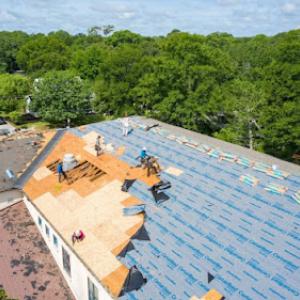
Allstar Roofers Riverside offers a comprehensive range of roofing services tailored to meet your every needs in Riverside, CA. Our team has the expertise to handle any project with precision and excellence. From new roof installations to repairs and maintenance, we ensure that your property is protected from the elements while enhancing its aesthetic appeal. Our technicians are well-versed in the latest roofing techniques and use top-of-the-line materials to deliver exceptional results that stand the test of time. We are always ready to address your questions and concerns promptly, providing you with peace of mind throughout the entire roofing process. Contact us today for a consultation, and let us transform your roof!
Guyou Roofing & Solar
(866) 344-7729 www.guyouconstruction.com
Serving
4.9 from 1364 reviews
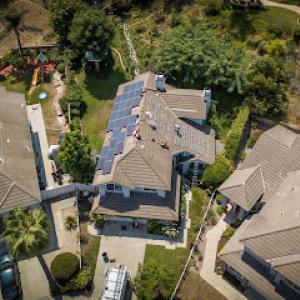
What if you didn’t have to think twice about your bill every time you flipped a switch? We can make it possible through affordable clean technology solutions tailored to your specific needs. From retrofit lighting and energy consumption monitoring to solar energy system installation and battery solutions, our experienced, problem-solving energy experts can help you become energy-independent.
Strong autumn winds are a stated local seasonal risk and can disrupt staging, loosen vulnerable edges, and scatter debris during active roofing work. In this climate, rising gusts can lift loose shingles, batten edges, and rattle vent stacks just enough to start drips if the roof isn't solidly prepared. If you've noticed shingles flapping or grit in the gutters after a windy day, treat it as a warning: wind-driven damage compounds with heat-softened underlayment and brittle flashing. The message is simple- anticipate wind events by securing loose debris, trimming overhanging branches, and ensuring the eave edges are well fastened before any tearing, cleaning, or tarping begins.
Emergency repair is one of the strongest contractor signals in this market, indicating homeowners in Mira Loma frequently seek rapid tarping and leak containment rather than waiting for full replacement. When a wind burst or a stubborn leak appears, call for immediate tarping, then address the underlying problem without delay. A temporary membrane, secured fast, can stop water ingress long enough for a proper assessment. Do not wait for a perfect seal or a full roof replacement if a leak is actively dripping; insist on a rapid containment plan and a clear timeline for fixing the root cause-whether that is vent flashing, ridge cap, or underlayment repair. Time is your enemy once moisture enters.
Winter rain following dry-season wear is when small failures around vents, ridges, and flashing are most likely to become interior leak calls in this area. The combination of blistered underlayment, cracked sealants, and aging tile or asphalt systems creates a perfect trigger for interior damage once the first cold, slow rain hits. Proactively inspect around every vent, once small gaps are visible, and pay particular attention to the flashing at chimneys and transitions to walls. If you've noticed discoloration, musty smells, or damp patches near ceilings after a dry spell, treat it as a red flag- moisture can travel along framing and into drywall quickly once rains resume.
Before autumn winds pick up, secure loose edging and loose debris from the roof plane, and ensure tarps or temporary barriers are ready for fast deployment. If a contractor arrives with a call-out for urgent tarping, cooperate fully- rapid containment saves interior damage and buys time for a precise fix. After a wind event or a rain onset, document moisture spots with photos, note the affected areas, and prioritize flashing, ridge, and vent connections during the first repair visit. Remember: in this market, decisive action during the first signs of trouble minimizes interior leaks and keeps the roof functioning through the season.
When you can't wait, these contractors offer fast response times to stop leaks and prevent further damage.
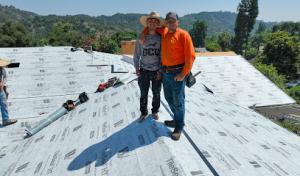
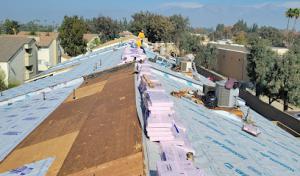
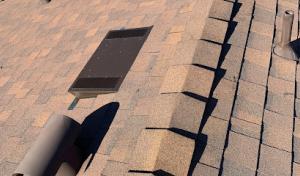
In this inland Riverside County market, the pricing reflects the mix of aging tile underlayment and asphalt systems plus the need for careful staging during hot months. Asphalt shingles run about 350 to 650 USD per square, metal roofs 700 to 1100, clay tile 900 to 1500, concrete tile 800 to 1400, wood shingles or shakes 650 to 1100, and synthetic or composite shingles 550 to 900. Those ranges are your baseline, but you'll see prices drift higher when the project includes more than a simple overlay, especially on tile roofs with deteriorated underlayment and flashing that must be replaced or upgraded.
Tile roofs age faster under Inland Empire sun, and underlayment failures can creep up quickly. When underlayment needs replacement, costs rise as labor and materials increase, and tile removal or meticulous reinstallation becomes essential to avoid leaks. Flashing updates around valleys, chimney stacks, and transitions add another layer of expense, particularly if existing metalwork shows corrosion or warping. A simple shingle overlay might appear cheaper, but in Mira Loma, that approach often fails to deliver long-term peace of mind on a hot, UV-rich roof deck.
Costs jump noticeably when a project requires a full tear-off rather than a cap over existing material. Tear-off and disposal fees compound with the need to protect interior spaces during extreme heat and wind events. Local crews may need to extend staging areas, schedule breaks to avoid heat-related fatigue, and coordinate ladder and access routes for efficient material handling. These operational realities push the overall per-square cost higher than a straight overlay.
Labor efficiency shifts with the heat waves, winter rain windows, and Santa Ana wind events that characterize this market. Scheduling around these patterns can reduce downtime and prevent costly delays, especially on larger or more complex re-roofs. Expect adjustments in crew hours and potential mobilization costs if a window tightens due to seasonal heat or wind spikes.
Get a clear picture of your project costs upfront - no commitment required.
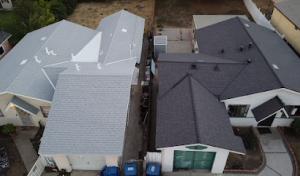

Getting a full roof replacement approved in this area involves filing the permit through Riverside County Building & Safety or the applicable local city building department. The process is not a one-and-done step; the issuing authority will want to review the proposed plan, including the type of roofing system you intend to install, flashing details, and ventilation strategy tailored to Inland Empire heat and UV exposure. Because Mira Loma homes often have aging tile underlayment and asphalt components, the plan may need extra documentation showing how venting and underlayment will be upgraded to address heat-related deterioration. The permit timeline can vary, so it's wise to factor in potential back-and-forth with plan reviewers and to align your scheduling with contractor availability.
Inspections are a core part of the process and typically occur at several key milestones. An initial inspection commonly happens before work starts to verify site access, safety provisions, and adherence to approved plans. A mid-project inspection often follows installation of underlayment and venting, ensuring the roof deck is properly prepared and that ventilation is adequate for Mira Loma's high-temperature days. A final inspection wraps up the project, confirming that flashing at chimneys and vents is correctly installed and that the overall system meets code requirements. Because the local climate emphasizes rapid aging of underlayment and flashing materials, expect the inspectors to scrutinize these areas closely and to verify that all penetrations are sealed to prevent leaks in the event of Santa Ana winds.
A local permitting quirk is that some jurisdictions require Title 24 energy compliance and updated flashing at chimneys and vents during re-roofing. In practical terms, this means your project may need documented insulation or radiant heat considerations, plus upgraded flashing materials and configurations that meet the current energy standards and wind-driven rain expectations. If your home has multiple vent lines or a chimney stack, anticipate additional detailing to ensure that flashing integrates with the new roofing color, material, and venting strategy. Coordinating with a contractor who understands these local expectations can help keep the process smooth and reduce the chance of resubmittals or hold-ups.
Before you start, confirm which department will review your plan and whether any supplemental forms are required for Title 24 compliance or to describe venting upgrades. Schedule the pre-construction meeting with the inspector if offered, so you can walkthrough critical risk areas on an aging roof, such as marginal underlayment and compromised flashing. Maintain clear communication with your contractor about expected inspection dates and the availability of necessary documentation, including product data for underlayment and flashing, to support a seamless journey from permit issuance to final approval.
California's insurance market has tightened, and inland areas like Mira Loma face stricter underwriting tied to roof age, condition reporting, and wildfire-related risk screening. The result is that carriers scrutinize aging tiles, underlayment degradation, and flashing integrity with new intensity. A roof that showed signs of wear years ago can escalate from a routine renewal concern to a full underwriting review if you're not prepared with current information.
Thorough roof condition documentation and adjuster-ready photo records matter locally because carriers have become more selective and claims review is more detailed. Keep date-stamped photos from multiple angles, including attic and crawlspace conditions, moisture indicators, and any prior repairs. A well-organized file pairing photos with dates and notes helps the adjuster follow the roof's story, especially when heat and UV exposure have accelerated wear on aging underlayment and tile fasteners.
Insurance-claims help is an active local specialty signal, reflecting homeowner demand for contractors who can document damage and communicate clearly during claim review. A contractor who understands how Inland Empire heat accelerates aging-particularly on underlayment and asphalt systems-can translate field findings into your claim narrative. Expect questions about roof age, maintenance history, and prior storm or Santa Ana exposure, and respond with clear, planful timelines.
Keep a perpetual log of maintenance notes and service dates, and perform an annual exterior check focused on slopes, valleys, and drainage. When weather events threaten, photograph promptly, and note any wind-driven debris or hail impact. If a claim is likely, choose a contractor who can deliver concise damage assessments, schematic sketches, and a straightforward explanation of repair steps to support the review process.
Connect with contractors who help homeowners navigate the claims process from damage assessment to final approval.
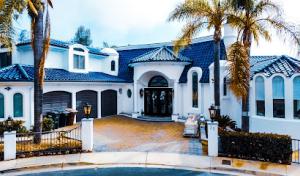
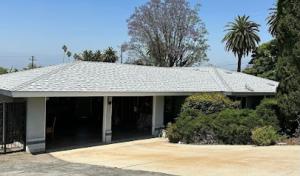
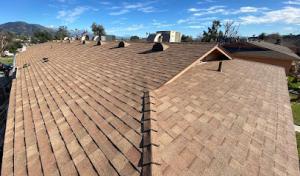
Skylight repairs signal recurring leak-prone curb and flashing details on local homes. When a skylight begins to drip, the culprit is often the curb flashing, not just the glass. In this climate, UV exposure and heat cement up laundry list of wear on seals and joints, so expect frequent gasket and seal refreshes around the frame. Choose curb flashing and transition pieces that tolerate high temps and resist UV degradation. Keep the surrounding roof deck inspected for hidden rot after any skylight repair.
Flat-roof work is a common local specialty because patio covers, additions, and garages frequently use low-slope sections. Those areas are especially vulnerable to fast leaks during Santa Ana gusts and summer heat. When evaluating a low-slope section, look for ponding, softened edges, and membrane wear at seams. Prioritize high-quality flashings at transitions to vertical penetrations and ensure drip edges extend properly to shed water away from walls. Regular maintenance intervals should target seam coats and membrane top layers to resist granule loss and thermal cycling.
Solar installations are a notable local signal, so plan attachment points and roof-edge details with solar in mind. Before solar work, re-evaluate the roof structure and underlying underlayment, because penetrations for racking create new long-term leak paths if not sealed properly. Choose a mounting system that minimizes penetration count and uses corrosion-resistant components. Coordinate with the reroof plan to ensure the roof deck is in good condition before solar modules go in place, reducing the risk of rework.
If a reroof is due, align it with the solar timeline to avoid tearing into fresh seals. A pre-solar reroof lets the crew seal penetrations for modules more effectively and reduces the chance of moisture intrusion after installation. Favor a continuous, uniform underlayment approach across all low-slope sections to maintain a clean waterproof line around skylights and penetrations.
Penetrations require meticulous waterproofing detail, especially where skylights, vents, and solar mounts meet the roofing membrane. Use compatible sealants and flashing materials rated for high-heat Baja conditions, and routinely inspect flashings after extreme heat waves. In long dry periods, schedule proactive resealing around any new or existing penetrations to prevent micro-leaks from becoming bigger issues.
Find contractors experienced in skylight installation, flashing, and leak repairs to bring natural light into your home.
Hull & Sons Roofing / Commercial & Residential Roofing
(951) 685-9499 hullandsons.com
Serving
4.8 from 141 reviews
In this climate, re-roofing is the strongest market signal you'll see. Homeowners are more often replacing aging systems than chasing niche new-construction looks. The Inland Empire heat and constant UV exposure take a toll on tile underlayment and asphalt layers, so quick, complete replacements that restore insulation and ventilation are common. When a roof reaches the point where flashing and underlayment begin to fail, the decision to re-roof becomes practical and urgent, especially for homes with tile-heavy or mixed-material roofs that have endured years of sun-soaked wear.
Quick response times matter, and local crews that can mobilize promptly are highly valued. Affordability still pairs with reliable execution: crews that show up on schedule, protect landscaping, manage waste efficiently, and leave a clean job site after the final set of tiles or shingles are secured are favored. In this market, it's common for contractors to bundle cleanup with the service, because the aftermath of a hot-day, debris-heavy job needs to be managed quickly to limit exposure to sun and wind damage. The emphasis is on getting the roof back to service fast while maintaining durable, long-lasting results.
The contractor base in Mira Loma blends residential-focused crews with broader commercial capabilities. That mix is useful for homeowners who need teams comfortable with both standard pitched roofs and low-slope sections, or who encounter a roof system that blends tile, underlayment upgrades, and sheet goods. Expect options that cover asphalt, clay or concrete tile, and even synthetic or composite overlays when appropriate. Warranties, reliable maintenance plans, and clear communication about materials and installation steps are valued signals that indicate a contractor can manage heat- and UV-related aging without shortcuts. In this market, a well-rounded crew that can handle site protection, efficient tear-off, and meticulous reinstatement earns strong local trust.