Last updated: Apr 19, 2026
Replacement planning in this area typically runs from spring through fall, avoiding the peak heat of summer and the holiday-season weather lull. Spring brings more temperate days and milder winds, making tear-off, material staging, and drying-in days easier to manage. Fall still carries lingering warmth, but you'll want to watch for Santa Ana forecasts and shifting winds. The goal is to complete the job before the first cold-front rain a homeowner might see, while keeping the roof open long enough to properly install underlayment, flashing, and ventilation without extended exposure to sun and wind.
When Santa Ana wind events roll through Inland Empire during fall, tear-off becomes riskier. Debris can blow across driveways and into nearby yards, and tarps used to contain debris or cover exposed areas can be forced loose if not secured with careful detailing. On active jobs, plan for tighter staging and shorter daily work windows during forecasted high-wind periods. If a wind event is anticipated, crews often wrap the ridges and secure any loose materials at the end of the day to minimize blow-off risk. For homeowners, this means coordinating with the contractor to ensure temporary containment is already in place before the first gusts start and confirming that there is a clear plan for tarp security and debris management should a wind warning come.
Extended dry spells in this part of Southern California can accelerate aging of exposed underlayment if a project opens up and is not dried-in promptly. The strategy is to schedule a clean, efficient tear-off and a prompt, thorough drying-in window. If the weather dries out before work is finished, the crew should not linger with open roof lines. Instead, they transition from tear-off to installation as quickly as practical, ensuring underlayment remains dry and properly installed. A well-timed drying-in reduces the risk of leaks from latent moisture and minimizes the chance that heat and sun degrade the underlayment before the final roof assembly is complete.
Always build in a weather contingency plan. Pre-fall rain systems can show up unpredictably, so a flexible schedule helps. If rain becomes likely, protect interior spaces by prioritizing the interior phases first and delaying open-penetration work until a dry window returns. Maintain clear communication with the crew about daily forecasts and wind advisories, and keep tarps, fasteners, and sealants organized so replacements can resume promptly after any interruption. On Roofs with long slopes or complex flashing details, plan a staged approach that alternates between tear-off sections and completed, dried-in bays to avoid leaving open edges exposed to sun and wind longer than necessary.
During the project, expect periods where the roof looks visibly exposed while certain sections are being replaced. The safest approach is to agree on a sequential plan that minimizes open sections during peak heat or high-wind alerts and to confirm that temporary weather protection is in place for any ongoing work. Finally, ensure that the replacement timeline accounts for the local climate pattern: spring through fall, mindful of fall winds, with attention to preserving the integrity of underlayment through prompt drying-in and secure, orderly tarp management during interruptions.
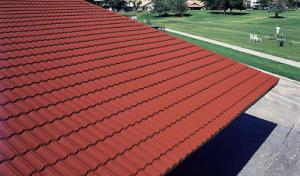
The dominant residential materials in Chino include asphalt shingles, clay tile, and concrete tile, so most homeowner decisions center on re-roofing rather than uncommon specialty systems. This mix shapes the way replacement projects are planned and executed. Asphalt shingles are familiar, quick-to-install, and work well with existing overhangs and attic ventilation, while clay and concrete tiles bring durable long-term protection but require careful structural checks and precise installation. For tile replacements, the project often becomes a test of the roof deck's condition, flashing, and underlayment compatibility with the chosen tile profile. When a home is re-roofing, the decision often centers on how the new layer will handle the intense sun, wind exposure, and periods of heavier winter rain rather than chasing a bespoke system.
In this climate, heat and Santa Ana winds sharpen the need for a roof that resists uplift and UV degradation. A re-roofing plan should prioritize securing the roof deck and ensuring solid underlayment protection, because a high-wind event can exploit marginal flashing or poorly seated shingles. If clay or concrete tiles are chosen, verify that attic ventilation keeps temperatures manageable and reduces thermal cycling that can stress fasteners and tiles. For asphalt shingles, look for a wind-rated, impact-resistant option when the wind loads are a concern, and ensure the installation uses sealed edge details and quality sealant at penetrations to avoid wind-driven water entry. The winter rain season remains a reality in this area, so it is essential that transitions around chimneys, skylights, and vents are designed for proper drainage and to resist capillary action between tiles and underlayment.
Given the prevalence of re-roofing, the structural loading of tile versus asphalt matters more than branding alone. For clay or concrete tile, the roof structure may require reinforcement or at least a confirmation that the existing deck can support the weight of a full tile replacement. When re-roofing with asphalt shingles, the available attic space and ventilation performance influence the selection of breathable underlayment and shingle type. In either case, flashing around penetrations-vent stacks, chimneys, and valleys-needs meticulous attention, since the Santa Ana wind pattern can expose seams and clearance zones to higher stress. Overlay options are sometimes tempting for speed, but careful inspection reveals whether the existing roof deck can support a second layer or if a full tear-off is warranted for a solid foundation. In practice, most replacements benefit from a clean break: remove the old layer to properly assess deck integrity, replace any damaged sheathing, and install new underlayment compatible with the chosen roof material.
Expect a replacement window to be determined by the material choice and the roof's current condition. If a homeowner is choosing tile, anticipate longer lead times for material compatibility, and plan for a careful sequencing of deck inspection, tile layout, and flashing integration to prevent wind uplift paths. For asphalt, the window is often defined by the readiness of the deck and the speed at which a secure, weatherproof seal can be established around edges and penetrations. Regardless of material, insist on a thorough inspection of overhangs, gutters, and fascia, so the re-roof can perform well through the hot days and stormy weeks without premature wear. This practical, location-aware approach aligns with the local housing stock and supports long-term performance under Chino's climate pattern.
Find contractors who specialize in clay and concrete tile roofs, known for their durability and curb appeal.
Affordable Roofing & Rain Gutters
(626) 262-4376 www.affordableroofingservice.com
13581 Gold Medal Ave, Chino, California
4.3 from 36 reviews

All Weather Roofing
(909) 981-6498 allweatherroofingservices.com
4691 Revere Ct, Chino, California
4.0 from 43 reviews

Vantage Roofing
(909) 248-5054 vantageroofingca.com
13009 9th St, Chino, California
5.0 from 13 reviews
Family owned Specializing in Residential and commercial Roofing thru all aspects
Affordable Roofing & Rain Gutters
(626) 262-4376 www.affordableroofingservice.com
13581 Gold Medal Ave, Chino, California
4.3 from 36 reviews
Affordable Roofing and Rain Gutters provides residential and commercial gutter services and tile, composite, flat, and roof coating installation, repair, and replacement services in Chino, CA and surrounding areas.
Chino Hills Roofing Pros
(909) 766-6428 roofingchinohills.com
Chino, California
5.0 from 2 reviews
The roof is the cap of a beautiful house, and you don’t want to skimp on it. Roofs protect your house from rain and wildlife. Make sure that you only work with the best roofing company in town. In Chino Hills, that roofing company happens to be us! We are the best roofers around, and we know it. Our happy clients and pictures on our site certainly showcase what our quality of work is. What kind of roof do you want installed? For metal roofing, shingle roofs, flat roofs, aluminum roofing, or even roof repairs, call us today. We can often give roof estimates over the phone so you have an accurate cost in mind before you even make a decision. We look forward to working with you. We do roofs in Chino Hills, Chino, Pomona, Diamond Bar, and more.
Golden Roofing Ontario
Serving
5.0 from 30 reviews
Golden Roofing Ontario is your premier roofing service provider in Ontario, Canada. With a commitment to excellence and customer satisfaction, we offer a comprehensive range of roofing services to residential and commercial clients. ur team of skilled and experienced roofing professionals is dedicated to providing top-quality services to meet all your roofing needs. Whether you need roof repairs, roof replacements, roof installations, or roof inspections, we have the expertise and knowledge to handle the job with precision and care. Contact us today to schedule a consultation and discover why we are the preferred choice for roofing services in Ontario.
B & M Roofing
Serving
5.0 from 26 reviews
B & M Roofing provides residential and commercial roofing services to the West Inland Empire and surrounding areas.

Code 4 Roofing Specialists
(855) 720-1072 code4roofing.com
Serving
5.0 from 21 reviews
Code 4 Roofing is a proudly woman-owned business that provides high-quality roofing and home remodeling services. Our team boasts over 20 years of roofing experience, ensuring every project is executed professionally and skillfully. Our services cover many needs, including roof repairs, installations, and replacements. We also specialize in interior and exterior home remodeling, such as siding, deck, and patio constructions, among other services! At Code 4 Roofing, we are proud to be a trusted partner for residential and commercial clients. Choosing us means choosing integrity, excellence, and quality. Experience the Code 4 Roofing difference—where your satisfaction and our craftsmanship are our priorities.
Sandoval Roofing
(909) 665-6386 sandoval4roofing.com
Serving
5.0 from 43 reviews
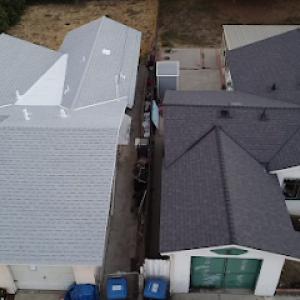
At Sandoval Roofing we make sure to offer great services for your roofing needs including great pricing amazing workmanship and most importantly we thrive on customer service and customer satisfaction and make sure your roof is well taken care of by our professional team
J P Roofing
(909) 261-6473 jproofingco.com
Serving
4.9 from 100 reviews
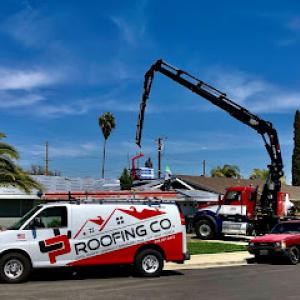
"We Got You Covered" JP Roofing specializes in giving our customers the best quality roofing. From residential to commercial roofing services, we got you covered. We specialize in cool roof systems, hot mop built up roofing, torch down, asphalt shingles, tile, water proofing, and repairs.

FR Roofing Services
(909) 269-8669 www.frroofingservices.com
Serving
4.6 from 22 reviews
FR Roofing Services is a trusted roofing contractor based in Rancho Cucamonga, CA, providing high-quality residential and commercial roofing solutions. We specialize in roof repairs, roof replacements, shingle roofing, tile roofing, flat roofing, leak detection, storm damage repair, and full roof inspections. Our team proudly serves Rancho Cucamonga, Upland, Ontario, Claremont, La Verne, Glendora, San Dimas, Montclair, Chino, and Chino Hills. With honest pricing, excellent workmanship, and fast response times, FR Roofing Services is the local roofer homeowners count on for reliable, long-lasting results.

CRS Commercial
(951) 681-6000 www.crscommercial.com
Serving
4.9 from 29 reviews
Since 1997, CRS Commercial has been a trusted name in commercial exterior services across California. As a premier commercial exterior new construction and remodeling company, we work with industries such as hospitality, retail, education, healthcare, and more to transform and protect their properties. As a premier commercial exterior remodeling company, we work with industries such as hospitality, retail, education, healthcare, and more to transform and protect their properties. Our team combines decades of experience with cutting-edge products and seamless installation techniques, ensuring every project meets local building codes and the highest standards of excellence.
Kaliber Roofing
(909) 631-0310 www.kaliberroofinginc.com
Serving
4.8 from 82 reviews
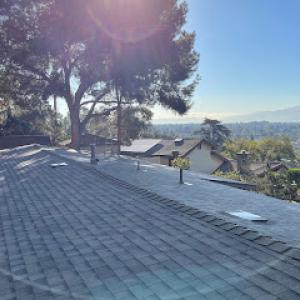
Kaliber Roofing is a trusted, family-owned roofing company proudly serving residential and commercial clients with expert roofing solutions. Based in Montclair, CA, we specialize in roof installation, repairs, inspections, maintenance, leak repair, and re-roofing. Our experienced team uses high-quality materials and delivers craftsmanship that stands the test of time. As an Owens Corning Preferred Contractor, we’re committed to durability, safety, and customer satisfaction. Fully licensed and insured, Kaliber Roofing brings integrity, transparency, and care to every project. Contact us today for dependable roofing services you can count on.
Above All Roofing
(909) 910-0878 sites.google.com
Serving
5.0 from 10 reviews
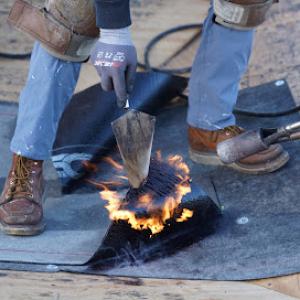
Above All Roofing is a trusted, locally-owned roofing company specializing in residential and commercial roofing services. We provide high-quality roof installations, repairs, replacements, and inspections, using durable materials and expert craftsmanship. Whether you’re dealing with storm damage or planning a full roof upgrade, our team delivers reliable service with honest pricing and guaranteed results. We’re committed to protecting your home or business—one roof at a time. Contact us today for a free estimate!
On a tile roof, replacement work can trigger more than cosmetic changes. When a retrofit touches the structural deck or underlayment in a way that extends beyond a routine shingle swap, municipal review can come into play. The emphasis shifts from simply swapping tiles to proving the roof system's integrity under load and wind. In areas where clay or concrete tile is common, the supporting structure may need reinforcement or careful detailing to preserve long-term performance. If the project plan doesn't account for these factors upfront, you risk delays, unexpected framing work, or a mis-match between the tile profile and the roof edge. The safest path is to anticipate that the roof's hidden framework will be part of the discussion, not an afterthought.
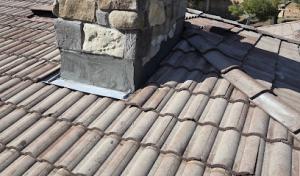
Tile is a major local roofing category, so breakage and slipped pieces are among the most frequent discoveries during inspection. A cracked or displaced tile can sit visually okay from street level while exposing areas where the waterproofing layer beneath has aged. Underlayment, especially in older installations, might be near the end of its service life even if the surface tiles look sound. In Chino's sun-soaked days, the underlayment bears the brunt of heat cycling and can soften or wear unevenly, reducing its ability to shed water quickly during sudden rain. Between tile joints and fasteners, the potential for hidden leaks grows if the installation relied on degraded felts or mismatched synthetic underlays. A thorough inspection should trace any staining, soft spots, or unusual attic humidity back to the shell of the roof, not just to visible tile condition.
Because this climate combines intense sun exposure with seasonal rain and Santa Ana wind spurts, a tile roof can appear serviceable from the street while the waterproofing system underneath has already aged out. Heat can bake the mortar and bedding that hold tiles in place, increasing the risk of tiles loosening during high wind events. Wind-driven debris can collide with ridges and hips, causing micro-fractures that propagate under frost or rapid temperature shifts. In winter rain, granule loss or degraded sealant around flashing becomes a ticket for slow seepage, even when tile surfaces still read "solid." The consequence is that small, quiet failures today can become noticeable leaks tomorrow, especially where edges, valleys, or penetrations intersect with the tile field.
A prudent approach focuses on early detection. Regular checks after Santa Ana winds, after heavy rains, and at the change of seasons help isolate issues before they escalate. Look for displaced or cracked tiles, dark streaks along interior ceilings, or damp spots near roof penetrations. If underlayment or flashing appears aged, plan for attention beyond mere tile replacement. The goal is to preserve a roof that still sheds water effectively and withstands Chino's characteristic weather patterns without turning a routine repair into a larger, disruptive project.
Find contractors who specialize in clay and concrete tile roofs, known for their durability and curb appeal.
Affordable Roofing & Rain Gutters
(626) 262-4376 www.affordableroofingservice.com
13581 Gold Medal Ave, Chino, California
4.3 from 36 reviews
All Weather Roofing
(909) 981-6498 allweatherroofingservices.com
4691 Revere Ct, Chino, California
4.0 from 43 reviews
Typical pricing ranges for asphalt shingles in this market run from about $350 to $650 per square. In practice, that wide spread comes from roof shape, access, and the ease of a straightforward re-roof versus a more complex setup. If your home already has simple framing and no major patchwork, you're likely to stay near the lower end. Seasonal pacing can tilt pricing and availability, with winter rain potentially delaying installations and pushing some crews to adjust schedules.
Metal roofing sits at roughly $600 to $1,200 per square. The higher end reflects thicker panels, longer warranties, and the need for accurate underlayment and secure fasteners to cope with Santa Ana winds. If the job involves upgrading roof-to-wall connections or addressing attic venting for heat management, costs can edge toward the mid-to-upper part of the range. Weather windows matter here too; extreme heat can slow crews, while sudden rains pause work and shift scheduling.
Clay tile projects typically run from $1,000 to $1,800 per square, and concrete tile from $900 to $1,600 per square. In this area, many homes use tile for its thermal performance and curb appeal, but the price jump often accompanies a need for structural checks or reinforcement as part of the installation. If the structure isn't already prepared to carry heavier tile loads, anticipate additional work that may push the project toward the higher end of the quoted ranges.
Wood shingles or shakes are generally $700 to $1,100 per square. In Chino, seasonal heat can dry out wood faster, increasing maintenance needs and the likelihood of early refinishing or replacement. If a project involves replacing damaged sheathing or upgrading ventilation to prevent moisture buildup, costs can rise beyond the baseline.
Synthetic or composite shingles sit around $500 to $900 per square. They offer a balanced option for heat resistance and wind performance, with installation nuances similar to asphalt. Expect seasonal scheduling to influence availability, especially during heavy rainfall periods or when crews shift to accommodate other local projects.
Explore specialists in steel, aluminum, and standing seam metal roofs built to last 50 years or more.
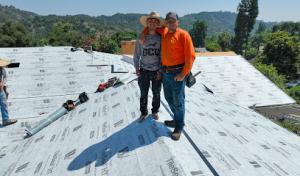
A full roof replacement in this area typically requires a permit issued by the City of Chino Building & Safety. The permit process is not a one-and-done event; it's designed to verify that the work adheres to local codes and safety standards as the project progresses. Before any shingles come off, confirm that your contractor has pulled the appropriate permit and that the plan aligns with current code requirements for your street and neighborhood.
Chino's Building & Safety process includes inspections at installation milestones and a final inspection rather than only a single closeout visit. Expect inspectors to review underlayment, flashing detail, and ventilation at midpoints, with a final check that all components match the approved plans. This staged approach helps catch issues early, especially with slope, wind mitigation, and tile or asphalt configurations that are common around inland heat and Santa Ana wind episodes.
Standard asphalt shingle replacements are common in this market, but tile projects may receive additional review where structural considerations are part of the scope. Metal, clay tile, and concrete tile installations often trigger more detailed structural assessments to ensure the roof deck, trusses, and hardware can withstand the local wind loads and radiant heat. If your home has older or heavier roofing, prepare for a more comprehensive structural conversation during permitting.
Understanding the inspection milestones helps prevent delays. In practice, the first city inspection typically occurs after roof removal and underlayment installation, confirming weatherproofing and ventilation components are properly in place. Subsequent stages focus on the application of the chosen roofing material, flashings around penetrations, and any skylight or vent work. A thorough final inspection confirms the project meets energy efficiency and safety standards.
Property owners should be mindful of the timing and coordination with utility services. Santa Ana winds in your area can stress temporary exposures, so ensure temporary coverings or wind-rated barriers are considered during delays. Permit compliance also extends to drainage and drip edge details, which influence winter rain performance and long-term seal integrity once the roof is complete.
If a contractor suggests deviations from the approved plan, do not proceed without a permit amendment and an inspection plan. The local process favors transparent review of changes that affect wind uplift, fire resistance, or load-bearing elements. By aligning with Building & Safety expectations, you strengthen the likelihood of a smooth replacement that stands up to heat, wind, and seasonal rain.
Chino homeowners are operating in California's tightened insurance market, where wildfire-related underwriting pressure and broader claim scrutiny can affect roof-related coverage and premiums even outside mountain fire zones. That reality means the moment you suspect wind damage, heat-driven wear, or winter rain intrusion, you're not just evaluating the roof-you're thinking about how the claim might be viewed months later. The more your policy sees consistent, well-documented exposure to sun, wind, and occasional storms, the more your file stands up to increased scrutiny. The danger isn't only a sudden loss; it's the possibility that an otherwise straightforward repair becomes a bargaining chip in a longer negotiation.
For Chino roof claims, carriers commonly want thorough documentation such as date-stamped photos, contractor findings, receipts, and permit confirmation before finalizing payment. Your photos should show both the condition and the progression of issues over time: the day you notice a leak, a mid-season rain sweep, and the latest visible wear from heat and wind. Contractor findings should be clear about material aging, wind-related uplift, fastener corrosion, and any moisture intrusion behind the underlayment. Receipts validate repairs already done, or materials on order, and can prevent disputes about scope. Permit confirmation isn't about bureaucracy; it's part of proving that the work met recognized standards and was completed properly.
Because local roof issues often involve wind-driven damage, rain intrusion, or aging exposed by heat rather than a single dramatic catastrophe, documentation quality can matter as much as the damage itself. A well-curated file can shorten the path to payment and reduce the chance of slowdowns, even if the loss seems straightforward. Take meticulous note of weather events, gusty days, and any interior signs of moisture after a storm. Keep a consistent timeline: what was observed, when photos were taken, who inspected it, and what they found. In a market where underwriting flexibility can shift quickly, your organized record is your best ally.
Connect with contractors who help homeowners navigate the claims process from damage assessment to final approval.
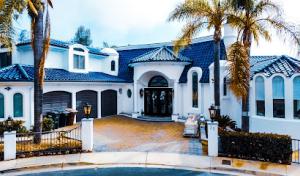
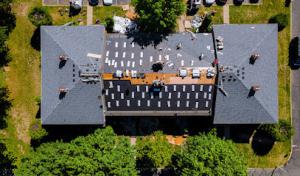
Flat-roof specialists are active in the Chino market even though tile and shingles dominate, pointing to recurring work on low-slope sections such as additions, patio covers, garages, and mixed-roof homes. These areas age differently than the main roof, so attention to seams, coatings, and drainage is essential. In dry heat, ultraviolet exposure wears membranes and coatings before winter rain shows up, so periodic inspections of these sections are crucial.
Many homes in this area blend a pitched main roof with flat or low-slope additions. Garages or covered patios often sit at a slightly different angle or with a different membrane. This mix creates a natural split in aging: the main roof may be in good condition while the low-slope portion spots early signs of wear from sun exposure and ponding. Understanding this distinction helps you plan replacements or partial upgrades without overhauling the entire roof.
Start by checking flat sections for UV-damaged membranes, raised seams, or micro-tears in coatings. Look for soft or blistered patches, which can indicate underlying ponding or poor drainage. Santa Ana winds can stress edge details on low-slope areas, so pay attention to edge flashing, penetrations, and terminations where wind-driven rain can enter. In Santa Ana season, a quick pre-storm check helps prevent surprises when heavy rain hits.
When conditions show aging only on the low-slope portions, partial replacement or targeted upgrades are often the most sensible path. Assess substrate conditions beneath the membrane, confirm the compatibility of any new coating with the existing main roof, and plan for a consistent intersection where the two roof types meet. This approach minimizes disruption and preserves the performance of the main roof while addressing the areas most stressed by sun and wind.
Develop a simple upkeep cadence: inspect low-slope areas biannually, especially after winter rains and after Santa Ana events. Keep drainage clear, reseal seams as needed, and coordinate any maintenance with the primary roof work so the overall system remains watertight. This practical approach helps extend life across the mixed-roof landscape common to many local homes.
Find specialists in TPO, EPDM, and built-up flat roofing systems for residential and commercial properties.
Vantage Roofing
(909) 248-5054 vantageroofingca.com
13009 9th St, Chino, California
5.0 from 13 reviews
Affordable Roofing & Rain Gutters
(626) 262-4376 www.affordableroofingservice.com
13581 Gold Medal Ave, Chino, California
4.3 from 36 reviews
Solar-roofing specialists are active in Chino, a sunny Inland Empire market where homeowners often need roof replacement timing coordinated with panel removal and reinstallation. When a roof is nearing replacement, panel work can become a bottleneck if not scheduled alongside the roofing crew. Aligning the calendar so panels come off just before a tear-off and go back on after the roof is ready minimizes weather exposure and reduces the chance of weather-related delays. This coordination also helps keep the roof replacement on the usual spring-to-fall schedule that many local crews prefer for favorable temperatures and wind control.
If the plan is to replace during the same window, you want a clear sequence agreed upon in writing: first, panel removal by the solar contractor, then panel-free access for the roof crew, followed by reinstallation once the new roof is in place. On load-bearing moments such as ridge vent work, flashing, and edge detailing, ensure the solar crew is synced to avoid rewalking finished work. In practice, that means booking your solar technician and your roofing contractor with a shared timeline and a single point of contact to confirm dates as the project progresses.
Permit-backed documentation becomes more important when solar work and roofing work overlap, because homeowners may need a clean paper trail for inspections, warranties, and insurance records. Keep a centralized folder (digital and physical) with contract amendments, panel warranty notices, and a detailed project timetable. When questions arise at inspection, having a consolidated file speeds the process and helps preserve warranty coverage for both roof and solar components.
In this climate, heat and Santa Ana winds can stress both roof coverings and racking systems. Coordinate panel mounting and roof venting so that solar hardware does not intrude on critical flashing or violate local expectations for wind resistance. Choosing a sequence that minimizes openings in the roof deck during peak wind periods reduces the risk of wind-driven leaks. If a spring-to-fall window is the target, build in buffer days for unexpected weather without pushing the entire project into high-wind months.
Find contractors who integrate solar panels or solar shingles into your roof for long-term energy savings.