
Last updated: Apr 19, 2026
A Mediterranean climate with wet winters shapes not just when you see water on shingles, but how that water moves across the roof. In this valley setting, most meaningful moisture exposure happens during the winter rainy season, not from year-round humidity. That means you want a roof system that can shed rain quickly and dry out fast between storms. Look for components and detailing that prioritize efficient water shedding at the eaves, hips, and ridges, with enough slope and proper flashing where the roof meets walls, chimneys, and vent pipes. In practice, this translates to solid gutters and downspouts sized to move heavy winter flows away from the fascia, plus well-sealed penetrations around vents and skylights so a big storm doesn't force water into vulnerable spots. You'll also want to pay attention to roof decks and underlayment sequences that stay reliable after repeated cycles of wet and dry, rather than relying on a single layer that can degrade over several wet seasons.
The inland location means roofs bake under long stretches of sun, with heat and UV exposure aggressively aging exposed components. This isn't the same pattern you'd see in a cooler coastal climate, where moisture dominates more or less year-round. In Hollister, UV stability and heat resistance become practical concerns: roofing materials should resist edge curling, color fade, and granule loss when exposed to extended sun. Ventilation matters for attic temps that can surge, which in turn protects insulation and reduces the risk of moisture migrating into living spaces. A well-ventilated attic helps keep roof sheathing cooler, slows UV-induced degradation of shingles or tiles, and preserves the performance of underlayment. Expect to inspect for sun-cracked seals or accelerated wear on any exposed edges after several hot seasons, and plan for components that maintain their integrity under prolonged sun exposure.
California's wildfire-era considerations affect the material choices homeowners see in insurance discussions, and Hollister sits squarely in that conversation. Fire resistance becomes a practical, not just a theoretical, factor. Roofing systems with higher fire ratings tend to weather both flame exposure and wind-driven embers better, which translates into better long-term durability in this climate. Surface materials that resist ignition, combined with noncombustible or fire-rated underlayment strategies, can influence not only protection from embers but also the likelihood of insurance relief after a claim. Practical steps include selecting ribbed or textured surface profiles that shed embers more easily, ensuring flashing and fasteners are corrosion-resistant, and coordinating with ventilation choices that don't create hidden pathways for radiant heat to affect roof planes. In this environment, you'll want to balance fire resistance with UV durability and water-shedding performance for a robust overall system.
Ventilation becomes a daily check rather than a seasonal concern in this climate. A roof system that breathes well reduces attic moisture buildup during the damp winter and prevents heat-related moisture problems in summer. Look for a balanced venting approach: soffit intake paired with ridge or gable vents to promote continuous air movement, plus sealed interior conditions around insulation borders to prevent condensation on decking. Inadequate ventilation can trap damp air, accelerate wood rot, and shorten the life of underlayment and fasteners. When you're inspecting a roof, pay attention to signs of moisture transfer into the attic during winter storms and to warmth buildup during summer afternoons; both indicate ventilation adjustments are needed.
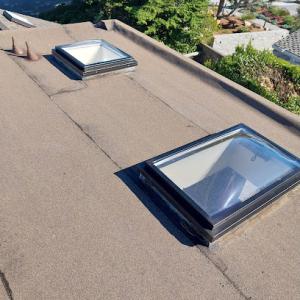
Hollister's climate favors roofs that shed water efficiently and don't rely on excessive slope to compensate for poor drainage. A moderate to steep slope improves rain shedding during the winter storms and reduces the duration of water exposure on any single surface. Roof shapes that create dead spots or ice-like pockets in low-lying eaves can become trouble spots even without snow; ensure there are no areas where water can pool after a heavy rainfall. Consider roof edge details that promote clean drainage and minimize standing water around flashings, skylights, and chimneys. For this specific region, materials that maintain surface integrity after repeated wet-dry cycles, while resisting UV and embers, tend to perform best over the long term.
Most homes in this setting feature traditional eave lines and straightforward roof planes, but the heat and moisture cycles demand robust edge details and reliable underlayment. When evaluating your roof, check the compatibility of the chosen system with common Hollister construction practices-think about how the roof integrates with exterior walls, how flashings tie into brick or stucco, and how ventilation paths are routed through attic spaces. Materials must pair well with the prevailing climate pattern to avoid premature aging, leaks, or structural stress. In practice, you'll look for a system that handles winter rainfall, summer sun exposure, and ember exposure with similar confidence, while maintaining ease of maintenance and repair in a non-snow-load market.
The dominant local material mix includes asphalt shingles, metal roofing, clay tile, concrete tile, wood shingles or shakes, and synthetic or composite shingles. In this inland valley setting, summers bring long dry heat, while winters bring enough wetness to test sealants and flashing. The choice of roof should acknowledge that pattern: a system that sheds rain efficiently in winter and resists drying out and UV degradation in summer. Asphalt shingles offer solid balance for many homes, while metal roofing shines on structures that need quick water shedding and added wind resistance. Clay and concrete tiles bring long-term durability and a certain weathered look that suits the region's Spanish and California-style streetscapes. Wood shingles or shakes can be appealing, but warrant careful consideration in wildfire-prone insurance environments. Synthetic or composite shingles provide a versatile, lower-maintenance option that can shoulder both climate extremes while keeping weight in a manageable range. When evaluating options, map out how each system handles sun exposure on a hot August afternoon, plus how it performs under a winter storm.
Tile roofs fit the Spanish and California-style architecture common across inland Central Coast communities, but their weight can matter if a home changes from a lighter roof system. If a retrofit or replacement involves heavier tile, structural assessment should confirm the existing framing can carry the load without costly reinforcements. Clay tile delivers excellent longevity and a classic look, but it's not a universal remedy for every home. Concrete tile typically offers similar aesthetics with more resilience to impact and a broader color palette, while still requiring proper support. If the roof framing is marginal, alternate systems like metal or asphalt may be more pragmatic. The key is to match the architectural intent with the home's structural capacity, avoiding overloading rafters and sheathing, which can lead to long-term performance issues during storm season.
Wood roofs are a more sensitive choice in California's wildfire-aware insurance market, making material selection in Hollister partly an insurability decision rather than only an appearance decision. If fire risk is a dominant concern for insurance, a non-wood option with Class A fire resistance becomes a practical priority. Metal roofing often presents favorable fire performance, especially when installed with fire-resistant underlayment and proper detailing at eaves and chimneys. Clay and concrete tiles can also contribute to a fire-resilient envelope, but they must be installed with attention to ventilation, flashing, and roof-to-wall intersections to prevent embers from seeping into attic spaces. Synthetic or composite shingles can balance fire performance with lighter weight and easier installation, though confirm the specific product's fire rating with the manufacturer. In choosing a roof, consider not only the material class but also the overall system design, including underlayment, ventilation, and ember mitigation strategies, which play a critical role in insurability and long-term peace of mind.
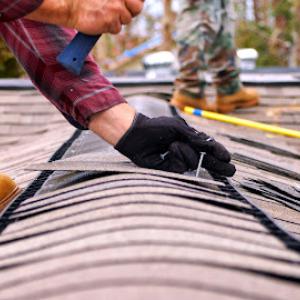
Hollister Roofing
(831) 290-6564 hollisterroofing.com
1740 Severinsen St, Hollister, California
5.0 from 63 reviews
Hollister Roofing has been a trusted and reliable choice for roofing needs in the Hollister, CA community and beyond since its establishment in 1985. As a leading roofing contractor, they specialize in a comprehensive range of services, including new installations, repairs, and maintenance. Their team of experienced professionals is dedicated to delivering superior craftsmanship and exceptional service, ensuring every project is completed to the highest standards. Hollister Roofing is committed to providing durable and effective solutions that protect your home and business for years to come.
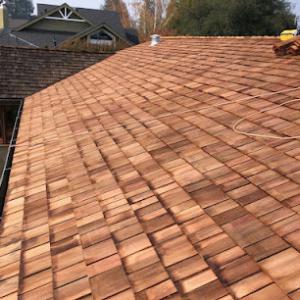
Alta-Cal Roofing
(831) 600-6768 www.altacalroofing.com
2300 Technology Pkwy # 8, Hollister, California
4.7 from 28 reviews
Alta-Cal Roofing is a full-service roofing contractor that provides high-quality roofing solutions for homeowners, business owners, and home builders across the Hollister area. Founded over four decades ago, our family-owned company delivers outstanding workmanship based on industry expertise and a commitment to excellence. We always do the right thing and make sure that our customers are taken care of, putting their needs first no matter what. Our team is dedicated to the success of every project, and their hard work has helped us earn and maintain an exceptional reputation in our community and beyond. We’re local, we’re honest, and we know what it takes to protect California properties. Whether we’re repairing or replacing a roofing sy...
San Benito Roofing Company
(831) 245-5684 www.sbcroof.com
3605 Fallon Rd, Hollister, California
5.0 from 12 reviews
Contact us for all your roofing needs! We are YOUR local residential & commercial roofing contractor! From small roof repairs to full reroofs, not job is too small or too big. We pride ourselves in constant communication with our clients throughout projects and maintain the highest level of professionalism. From the initial first visit to the completion of your job San Benito Roofing Company, Inc. will take care of you and your property!

Gilroy Roofing
(669) 322-2885 gilroyroofrepair.top
Serving
4.5 from 2 reviews
Gilroy Roofing delivers professional roofing services for residential and commercial properties throughout the Gilroy area. Our services include roof installations, repairs, replacements, and routine maintenance. Using high-quality materials and proven techniques, our experienced team ensures long-lasting protection against leaks, storm damage, and general wear. Whether you need a minor repair, full roof replacement, or new installation, we provide efficient and dependable solutions tailored to your property s needs. Committed to reliability, craftsmanship, and customer satisfaction, Gilroy Roofing keeps your home or business safe, secure, and well-protected year-round.
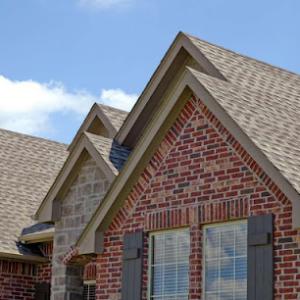
Landeros Quality Roofing Services
(408) 666-0390 landerosqualityroofingservices.com
Serving
5.0 from 1 review
Landeros Quality Roofing Services is a roofing company in Los Banos, CA. We offer roof repairs, inspections, replacements and more. Give us a call today!
R & R Roofing
(831) 324-5571 www.rrroofingsolutions.com
Serving
4.0 from 3 reviews
R&R Roofing, located in the scenic coastal town of Moss Landing, CA, is your trusted local expert for all your roofing needs. Specializing in residential and commercial roofing services, we bring years of experience, quality workmanship, and unmatched customer service to every project. Whether you're looking to install a new roof, repair an existing one, or perform routine maintenance, R&R Roofing ensures durability, safety, and aesthetic appeal. Choose us for reliable, professional roofing solutions tailored to meet your specific requirements. R&R Roofing where quality meets reliability.

Affordable Roofing
(408) 842-7100 affordableroofing.com
Serving
Affordable Roofing, a family-owned roofing company founded in 1995, began by serving their local community with quality roofing services. The owners being very community-minded, joined the two local Chambers of Commerce, volunteering on various committees as well as supporting local schools and other non-profits. Affordable Roofing soon became the go-to roofing company in South County.
Alta-cal Roofing
200 Noelle Ct, Hollister, California
With a legacy of excellence in Hollister, Alta-cal Roofing is your premier choice for comprehensive roofing solutions. Our seasoned team of professionals is dedicated to delivering superior craftsmanship and durable results, ensuring your home is protected with a reliable roof. From new installations to essential repairs and maintenance, we specialize in a wide range of services to meet your every need. Trust in our expertise to provide a seamless and professional experience, securing the longevity and integrity of your home's most critical asset.
Winter precipitation in Hollister can delay tear-off schedules and slow drying times during replacement work. If your roof is aging and leaks are already showing, plan for potential weather-driven pauses and build in extra days on either end of the project. Dry spring and early summer are generally the most favorable local scheduling windows for reroofing projects, when rainfall is rare and crews can work steadily without repeated weather holds. Aligning the bulk of the work with these windows helps minimize exposed underlayment time and reduces the chance of weekend reshoots caused by late-season showers.
During spring, the air is typically cool enough to help materials cure without rapid drying stress, but the days are longer, allowing efficient progress. Early summer days can be hot, but the consistent sun helps seal shingles and underlayment faster, provided the installation team keeps the roof dry and structurally protected. Plan for the first warm stretch to hit after any wet spell ends, so tear-off crews can steadily remove aging materials, inspect decking, and install new underlayment without long gaps between steps.
Peak summer heat and sun can stress exposed underlayment if a project is left open too long during installation. If a reroof must stretch into July or August, prompt progress becomes essential: keep sections covered when not actively worked, and coordinate material delivery to minimize time spent on the roof in the hottest hours. On the flip side, a project that begins late in the fall can encounter sudden storms or foggy mornings that slow progress and require temporary protections. Build a realistic schedule that avoids long treelines where possible, and choose crews with a track record of finishing within the planned window.
Most homes in this area feature steep pitches, extended eaves, and accessible attic spaces. Use these characteristics to guide scheduling: steeper roofs can take longer to safely tear off and re-cover, especially if skylights or venting details are involved. If a reroof is anticipated in late spring, ensure interior spaces are prepared for any dust or debris that might drift inside during dry days when windows are open. For homes with existing wildfire-conscious insulation or venting details, coordinate installation steps so critical components are addressed early in the project to maintain fire-resistance ratings without prolonged exposure.
Coordinate with a contractor to lock in a start date that coincides with a dry spell in late spring or early summer, and request a staged plan that minimizes open roof time. Build in buffers for unexpected weather interruptions but keep the plan tight enough to avoid extended exposure of underlayment during heat. Confirm that drying times for any new underlayment align with the forecasted temperature and humidity, so nothing sits unfinished through the warmest midday sun. This approach helps ensure a reroof that withstands wet winters, long dry summers, and the local insurance-minded climate.
In this inland valley setting, asphalt roofs face a dual aging path: long dry sun exposure accelerates granule loss and color fading, while winter storms push water intrusion risk at penetrations and flashing details. The sun-worn surface can become brittle or curl, especially along edges and valleys where heat concentrates. At the same time, vulnerable spots around vent pipes, skylights, and chimney details can develop slow leaks if flashing isn't kept tight or if sealants crack with age. You'll notice granules washing into gutters after hot weeks or gathering in corners where the eave meets the fascia. If a roof is still sealed but shows recurring dark stains at penetrations, the flashing warrants close inspection. The key consequence to prepare for is that a simple shingle replacement might not fix hidden leaks where underlayment has deteriorated behind the fascia or around plumbing stacks. Regular checks after wet winters and just before the hot season help catch issues before interior damage appears.
Tile roofs in this climate have long storage life, but the field tile can outlast the underlayment, making leak investigations in older tile systems different from straightforward shingle replacements. When the underlayment ages or degrades, you may get concealed leaks that show up far from the obvious cracked tile. In older tile assemblies, a leak can ride along the lath or go underlayment before finally dripping into the attic. Fastener corrosion also becomes a concern, as exposed metal penetrations (vents, skylights) interact with the tiles and the substrate. Expect that even a gently shifting substrate or small tile displacement can create a path for moisture, particularly where wind-driven rain presses against eaves and hips. Maintenance should prioritize resealing flashing transitions and re-bed or reseal field tiles where they contact other components. If a tile system has survived decades, plan for occasional underlayment checks decades after the tiles were installed, not just tile replacement.
Metal roofing in this market appeals for durability and fire-conscious buyers, but detailing at fasteners, penetrations, and transitions remains critical because winter rain events test workmanship. Where panels meet ridges, along edge trim, and at vent penetrations, the sealant and closures bear the brunt of moisture movement. Improperly sealed seams or fasteners that back out with temperature swings can produce slow leaks that are easy to miss in dry spells. The paint or coating can also deteriorate unevenly from sun exposure, creating micro-leaks that only show after a heavy storm. With metal, the long-term reliability hinges on meticulous installation and disciplined maintenance of flashing around chimneys, dormers, and skylights. If you notice corrosion around fasteners or a persistent drip at a seam, address it promptly before it invites larger interior damage.
Wood roofs endure the heat and wind here, but they require consistent maintenance to prevent moisture intrusion and decay. Dry summers dry out the wood, increasing the risk of splitting, which can invite water ingress at fasteners and edge details. In winters, the same fasteners that hold the shakes in place can loosen, allowing wind-driven rain to seep beneath. Regular checks for curled or cupped shingles, broken seals at chimneys, and worn overhangs help catch problems early. A sliver of moss or algae buildup can trap moisture against the surface longer than you expect, accelerating decay in shaded sections. When signs appear, replacement of individual shingles is not always sufficient if the underlying deck or underlayment has begun to fail.
In Hollister, typical local cost ranges for reroofing are driven by the region's dry summers, wet winters, and wildfire-conscious insurance environment. Asphalt shingles run about $350 to $700 per square, a familiar starting point for many homes on the older suburban blocks with mid-height pitch roofs. Metal roofing tends to sit higher, generally $600 to $1100 per square, reflecting its longevity and resistance to heat, which matters when summer sun is long and intense. Clay tile in this area is commonly in the $900 to $1700 per square band, while concrete tile usually falls between $800 and $1400 per square. Wood shingles or shakes sit around $700 to $1100 per square, and synthetic or composite shingles come in at roughly $400 to $800 per square. These ranges reflect both material costs and the labor mix you're likely to encounter when scheduling a local crew.
If you're moving from a lighter option like asphalt to heavier clay or concrete tile, expect a structural review to be part of the process. In Hollister, this is not unusual, since the heavier roof systems demand a closer look at structural support and potentially reinforcing rafters or decking. The county review step can add time and cost, so budgeting for a longer lead time and a modest increase in engineering or reinforcement work is prudent.
Seasonality shapes project costs here as well. Dry spring and early summer are the preferred reroof windows in Hollister, so pricing can creep up if you wait into peak demand weeks or encounter backlogs after a wet spell. Winter weather can knock scheduling efficiency down, potentially nudging costs higher due to expedited crew calls or weather-related delays. If timing is flexible, aiming for late spring or early summer can help you secure a more predictable price and a smoother installation, with crews more readily available after the wet season.
Start with your existing roof's condition and the local material trend you're considering. If you're evaluating a heavier system, talk through exact structural implications early with the contractor to avoid surprises later. Compare not just per-square prices, but also what the quoted price includes: disposal of old roofing, underlayment, fasteners, and any required deck repairs. In a market where dry conditions help the schedule, you can often lock in a stable price by planning ahead and coordinating with replacements that align with favorable weather windows.
A full re-roof in Hollister typically requires a building permit. Before any shingles, tiles, or metal are lifted, confirm whether your project triggers permit requirements with the local authorities. The size of the project and any accompanying structural work can change the review path, especially when California Building Code amendments apply to the county.
The permit is generally obtained through the San Benito County Building Department by the contractor or the homeowner. If you hire a licensed roofer, they often submit the paperwork and coordinate the design plan, but homeowners can also handle it directly. Make sure the submittal includes project scope, materials to be used, and any structural modifications.
Plan review may be required if structural work is involved under the California Building Code with local amendments. Expect the plan review to assess underlayment choices, attachment methods, and flashing details that relate to the region's wet winters and dry summers. Have your roofing product specifications and any wind-resistance or wildfire-conscious features ready for review.
Inspections commonly include roof installation compliance and a final inspection after completion. A typical sequence is a rough-in or staging inspection during framing, a mid-roof inspection as installation proceeds, and a final inspection once the roof is complete. Schedule inspections with attention to weather windows and any county processing times. Ensure access for inspectors and keep all permit cards or numbers visible at the job site.
In Hollister, the homeowners insurance market remains competitive, but underwriting has become more conditional in California wildfire-prone regions. That means the age, condition, and chosen roof material matter more than in years past. A roof that has already shown resilience against wind-driven embers and heavy rains tends to sit higher on underwriters' radar. If your roof is aging or has visible wear, expect closer scrutiny before renewal or new coverage.
Non-renewal pressure seen across California makes roof condition documentation essential. Photos of the entire roof, attic and eave areas, and any recent repairs help establish current risk. Keep up-to-date loss estimates from a licensed appraiser or contractor, especially after minor weather events. In this market, claim timelines can hinge on clear, credible evidence of the roof's condition and estimated replacement value.
Weather-related damage can trigger insurance reviews in ways that slow approvals if the evidence isn't solid. Photos taken soon after an incident, with timestamped detail, can expedite the process. If a loss is suspected, having pre- and post-event documentation reduces the back-and-forth and helps set realistic expectations for claim timing and settlement.
Choosing a roof that aligns with wildfire considerations can influence both coverage decisions and future renewals. Fire-rated or ember-resistant assemblies may improve underwriting confidence, while visible wear or incompatible materials can complicate renewals. This is especially true in markets where insurers track wildfire exposure and loss history across neighborhoods.
Keep a current digital folder of roof photos, recent maintenance, and any professional assessments. After a storm, assemble a concise damage narrative with dates, locations of affected areas, and estimated repair costs. When shopping or renewing, present the documentation proactively to help underwriters assess risk and avoid unnecessary gaps in coverage. In the long run, a well-documented, well-maintained roof becomes a clearer story for insurers.
In Hollister, small roof issues discovered late in the dry season can become more urgent before winter rains arrive. A single loose shingle, a micro-crack in flashing, or a sagging edge can cascade into leaks once the first storms hit. If you've noticed inconsistent color washing, missing granules, or damp spots inside ceilings after warm days, act now. The goal is to prevent water infiltration during the wet, windy months when storms can push more water through vulnerable spots.
Older tile roofs in the area may need underlayment-focused evaluation even when many visible tiles still appear serviceable from the ground. Beneath those tiles, aging underlayment can dry out, crack, or separate, especially after a hot California summer. Schedule a focused assessment that checks the underlayment, saddle flashings, and hip-and-valley transitions. If underlayment shows wear, timely resealing or replacement can avert interior damage and more invasive repairs later.
Homeowners dealing with insurance renewal questions in California may need roof photos and contractor documentation sooner than expected when a roof is visibly aged. Gather recent photos, notes on problem areas, and a clear maintenance history now. If an adjuster is expected, having detailed records on hand speeds approvals and reduces delays, so you're not left scrambling when winter weather presses.