
Last updated: Apr 19, 2026
In San Mateo, the Mediterranean pattern means most full reroof projects are easier to schedule in the dry summer and early fall window, while winter storms can interrupt tear-off and expose decking to rain. The practical effect is that you plan major work for a stretch with predictable weather, and build in extra time for the inevitable delays when a storm sweeps in from the Bay or a dense marine layer drapes the Peninsula.
During summer and into early fall, dry days are the default frame for reroofing. That window reduces the risk of rain soaking exposed decking and delaying underlayment, which matters in a bay-facing climate where fog can linger into late morning. If you have mid-century low-slope roofs near the Peninsula corridor or tile-heavy hillside homes, aim to start after the typical May-to-September lull in the mist and coastal humidity. Work plans should assume full tear-off on the first good sequence of days, followed by back-to-back installation of decking, underlayment, and the chosen roofing material while temperatures stay within a comfortable, consistent range. Have crew scheduling aligned to consecutive dry days so you don't have to pause mid-tear-off for a passing shower.
Prepare a precise weather goal for each stretch of the project: a clean tear-off by the first week, underlayment by midweek, and final roof-covering by week's end, provided no unseasonal rain interrupts. The local pattern means you can push for a contained installation sequence if the forecast shows a long dry spell, but be ready to suspend work if a marine layer thickens or a thunderstorm risk crops up. You'll want a contingency plan that keeps decking dry and protected during any unexpected rain.
Winter storms can interrupt tear-off and expose decking to rain, which complicates sequencing and material handling. In San Mateo, a rainy spell might knock out several days of progress, especially if crews are mid-tear-off or working on underlayment and tile work that relies on dry conditions. If you must start a reroof in late fall or winter, build in tighter buffers between stages and stage a rapid response for rain events-tarps, temporary drainage, and quick-dry sequences for underlayment where allowed by the chosen system. Expect some days to be lost to rain, and plan the project schedule accordingly so that a delayed start on one phase doesn't cascade into later delays.
Spring marine fog and coastal humidity on the Peninsula slow drying of roof components. This affects the time needed for underlayment to set, for sealants to cure, and for tile work to seat properly. In practice, you'll want longer windows between tear-off completion and tile installation, and you may need to extend the curing plan for any product with moisture sensitivity. Roofing work in this season hinges on reliable morning hours with lower humidity and a predictable drying rate, so adjust sequencing to start earlier in the day and finish by early afternoon when moisture levels are lower. Allow extra margins for balance between decking drying, underlayment adhesion, and tile setting.
Coordinate tear-off, decking inspection, and underlayment with the calmest, driest mornings, particularly after a fog discharge or a coastal front. If tile or synthetic products require a dry substrate, align their installation with forecasted dry spells, not merely with calendar dates. In hillside homes with heavier tile, schedule grouting or bedding during a stretch of consistent warmth and dryness, avoiding the days immediately following damp mornings when residual moisture can compromise adhesion. For low-slope mid-century roofs, keep tarping and temporary weather protection ready, since sudden sea-breeze-driven drizzles can pause progress even in late summer.
1) Identify a preferred dry-window block in late spring through early fall and set a conservative start date that allows for weekend weather planning. 2) Build in a two-to-three day buffer after tear-off for decking inspection and any necessary reinforcement before underlayment. 3) Schedule tile or shingle installation to follow a clear dry spell, with contingency days reserved for fog-related slowdowns in spring. 4) Track morning moisture and forecast accuracy to trigger early adjustments in sequencing. 5) Prepare for quick mitigation when a frontal system arrives: cover exposed decking, secure loose materials, and shift crews to other tasks until drying resumes.
In this neighborhood climate, leak complaints spike during winter rain events after long dry periods have hidden underlayment wear until the first sustained storms arrive. That means every drip you notice after a dry spell is not just an isolated nuisance-it's a signal that underlayment and flashing may have silently degraded and are now failing when water flow increases. Homes near the Bay and the foggier Peninsula conditions often show persistent moisture around penetrations and flashing details even without a severe storm, so you can't rely on a "not this year" assumption. A quiet ceiling or wall stain in February can point to a bigger problem that requires rapid attention before it worsens.
Winter in this coastal climate brings more than rain; it brings pressure on joints, vents, skylights, and transitions where tile, shingle, or metal meet vertical surfaces. The moisture tends to travel along roof lines and into eaves where standard sealants age faster than the rest of the roof. If your roof is mid-century low-slope on the Peninsula corridor or tile-heavy on the hillside, the flashing detail around chimney stacks, valleys, and vent pipes is the real risk zone. Even small seepage at a busy leak point can cascade into attic condensation, mold risk, and interior damage when storms persist for days. Because the Bay Area foggy mutability can hide sub-surface wear, a visible drip is only the beginning-the hidden underlayment may already be compromised.
If you notice any staining, damp pockets around penetrations, or a musty attic smell after a rain, treat this as an urgent warning. Do not delay a focused moisture inspection of flashing, step flashing, chimney starters, and around roof-to-wall transitions. Inspect the attic for signs of moisture tracking, including warped sheathing, darkened gaps, or loose insulation. Look for granule loss on asphalt shingles or exposed underlayment showing through near flashing. At the first sustained storm, limit interior exposure by diverting water away from compromised areas with temporary tarps or sealing compounds designed for roof use, then call a local roofer who can promptly identify whether flashing, underlayment, or a failed seal is at fault. The local market's active emergency-repair presence reflects homeowner demand for containment during rainy-season failures, so accessing rapid help is a practical choice.
Begin a targeted pre-winter inspection that prioritizes penetrations and flashing details, especially around skylights and vents. Confirm that metal flashings are securely fastened and that any sealants haven't peeled back in the last few cycles of wind and rain. For roofs with clay or concrete tiles, verify that every tile is intact and that bed joints show no hairline cracks that can widen with cold moisture. If a leak is detected, prioritize professional assessment before the next storm series, because back-to-back storms can transform a small issue into widespread interior damage in a single weekend. Stay attentive to the first signs of moisture after long dry spells and act quickly to contain leaks before the wet season fully arrives.

NC Roofing Solution Inc. San Mateo
(650) 664-3314 ncroofingsolution.com
3 E 3rd Ave site 329, San Mateo, California
5.0 from 112 reviews
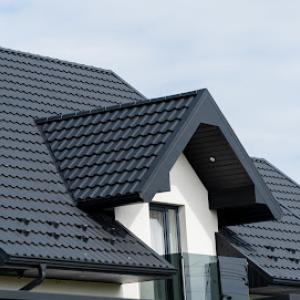
NC Roofing Solution is a licensed and insured roofing company serving San Mateo and the broader Bay Area. They offer a range of services, including roof replacement, repair, rejuvenation, and gutter installation. Their expertise covers various roofing types, such as asphalt shingle, flat, standing seam metal, tile, TPO, and torch-down roofs. The company is recognized as a GAF certified roofing contractor, reflecting their commitment to quality and professionalism. They have received positive feedback from clients, highlighting their efficiency, professionalism, and high-quality materials. For residents and business owners in San Mateo seeking reliable roofing solutions, NC Roofing Solution
ELM Roofing Contractors
(650) 249-0784 elmroofingcontractors.com
1900 S Norfolk St #394, San Mateo, California
4.9 from 153 reviews
ELM Roofing Contractors is a local San Mateo CA. roofing company. We are licensed and insured with a C39 contractor license. We offer roof replacement, roof repair and roof inspections to customers in San Mateo CA. and the surrounding areas. Our team is built out of some of the best roofers in the bay area. We offer our service for all types of roofs and work with leading brands of roofing materials. All our work comes with a warranty. In addition, a project manager is assigned to give regular updates to the customer and supervise each roofing project. We take the safety of our roofers and customers seriously. Our company offers free onsite consultations. Contact ELM Roofing Contractors to schedule a meeting with one of our licensed roofers
Spotlight Roofing
(650) 863-3730 www.spotlightroofing.com
3 E 3rd Ave Unit 337, San Mateo, California
5.0 from 66 reviews
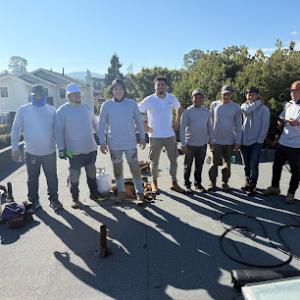
Spotlight Roofing is a roofing contractor based in San Mateo, CA, providing residential and commercial roofing services. The company handles metal roofing installation, roof repair, and roofing replacement for a variety of property types. Services also include roof inspection to help identify wear, damage, or structural concerns. Spotlight Roofing works with different roofing materials and systems and supports new installations as well as existing roofs. All work is performed with attention to local building standards and project requirements in the San Mateo area.
Cal-Pac Roofing San Mateo
(650) 286-0450 www.cal-pacroofing.com
1122 E 5th Ave, San Mateo, California
4.5 from 17 reviews
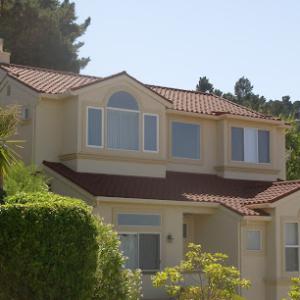
CAL-PAC ROOFING, a local roofing company based in San Mateo, offers the installation of a full line of roofing products. Since 1978, Cal-Pac has installed all styles such as shake, shingle, tile, low slope, and flat roofs. Cal-Pac utilizes only premium products that are fully warranted. Rain Gutter installation is also available. Visit the custom showroom in San Mateo and review the many available types of roofing available for residential and commercial customers.

Robert's San Mateo Roofing
(650) 300-0401 sanmateoroofrepair.com
1660 S Amphlett Blvd 246 # 246, San Mateo, California
4.9 from 8 reviews
Robert s San Mateo Roofing is a reliable roofing contractor serving San Mateo, CA and surrounding areas. We specialize in roof repair, roof leak detection, shingle and tile roofing, flashing repair, storm damage restoration, and complete roof replacement services. Our experienced team delivers high-quality workmanship using durable materials to ensure long-lasting protection for your home or business. Whether you need minor roof repairs or a full roofing system upgrade, we provide dependable, affordable, and efficient roofing solutions tailored to your needs.
Glam Roofing - San Mateo County
2283 S El Camino Real, San Mateo, California
5.0 from 6 reviews
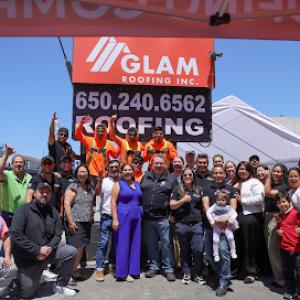
With more than 20 years of industry experience, Glam Roofing are specialist in all roofing needs. Whether we are repairing a leak or replacing your roof, Glam Roofing is here to provide you quality roofing that keeps you covered.
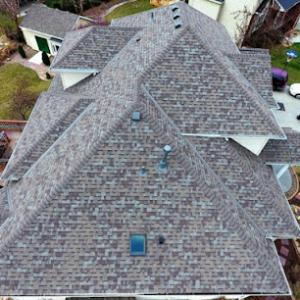
Trio Roofers
(650) 551-9618 trioroofers.com
39 N San Mateo Dr # 7, San Mateo, California
5.0 from 3 reviews
Looking for a dependable roofing contractor in San Mateo who delivers quality work without the stress? Trio Roofers is your trusted choice for roof replacements, repairs, inspections, gutter work, and more. Our team understands California residential building codes and partners with reliable suppliers to ensure strong, long lasting results. We serve San Mateo, Burlingame, Foster City, Belmont, and the surrounding Peninsula with skilled crews experienced in all roof types. From straightforward repairs to complex roof designs, we provide clean, efficient workmanship and clear communication. At Trio Roofers, every project is unique and every client receives attentive, personalized service.
American Eagle Roofing & Sheetmetal
28 E 25th Ave, San Mateo, California
5.0 from 3 reviews
American Eagle Roofing & Sheetmetal is a full-service roofing, rain gutter, and custom sheet metal company serving the San Francisco Bay Area for over 20 years. They specialize in both residential and commercial roofing projects, and their experienced team is committed to providing high-quality workmanship and customer service.
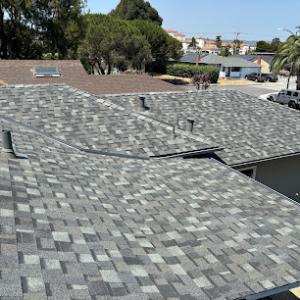
Signature Roofing
(650) 598-5444 www.signatureroofing.com
Serving
4.9 from 42 reviews
30 years specializing in local residential re-roofing using asphalt shingle products from GAF and CertainTeed. Free no obligation detailed written quote using a satellite measurement service for homes in San Mateo County and Santa Clara County. Request our highly rated "Roofing Process Guide." * Better Business Bureau A+ rating since 1993. * Contractor license in good standing with no complaints. * Carries $2M in liability insurance and required workers' comp. * Full time certified roofers, and dedicated cleanup crews. * Valid business license in your city. Visit our website today to learn more about the products we use, request our FREE Roofing Process Guide, and submit a request for a FREE detailed roof quote.
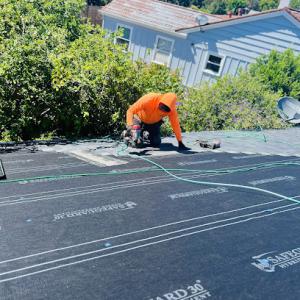
Zenith Roofers
(650) 670-0069 www.zenithroofers.com
Serving
4.8 from 25 reviews
We're a licensed, bond and insured family owned roofing business in Redwood City with more than two decades of experience. Our mission is to offer our neighbors in the Bay Area and its arounds the best quality work and experience with their roof replacements, repairs and new construction roofs. We offer different types of roof materials, such as composition shingles, presidential shake, wood shingles, torch-on flat roof systems, tile and more. We also offer gutter cleaning and replacement, sun tunnels and skylights installations and replacements. We take pride in what we do and aim 100% customer satisfaction.
Jim Hageman Roofing
(408) 910-9190 jimhagemanroofingllc.com
Serving
4.8 from 25 reviews
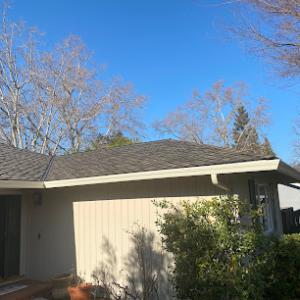
WE’LL TAKE CARE OF ALL YOUR ROOFING PROBLEMS Our experienced roofers in San Jose, CA can handle all types of roofing projects with ease. We can perform: Roof installations on your newly built home Reroofing, to replace your damaged roof Roof repairs on any kind of roof Gutter installations, to replace your corroded gutters
Thor Contracting Corporation
(415) 837-3496 thorcontractingcorporation.com
Serving
4.9 from 14 reviews
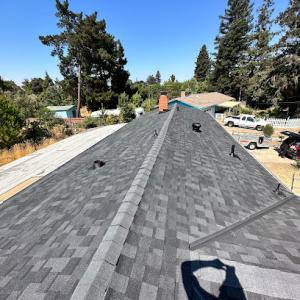
Thor Contracting Corporation is a distinguished roofing contractor in San Francisco, CA. With a deep understanding of local architectural styles and weather patterns, we are adept at installing roofs that stand the test of time. Our team of skilled professionals is dedicated to upholding the highest standards of workmanship and customer satisfaction. We offer a comprehensive suite of roofing services in San Francisco, CA, including leak repair, shingle replacement, and preventive maintenance. Our commitment to using quality materials and state-of-the-art techniques ensures that every roof enhances the aesthetic appeal and provides long-lasting durability. Trust us to be your expert guide through every step of your roofing project.
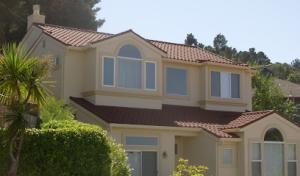
San Mateo features a practical blend of clay and concrete tile alongside asphalt shingles, reflecting the Peninsula's Mediterranean climate and varied neighborhoods. Tile dominates hillside streets where dry-season scheduling and long-lasting underlayment strategies pay off, while asphalt shingles appear on mid-century ranches and many additions where budget and quick repair cycles matter. A notable portion of the contractor signal mix also shows meaningful low-slope specialization, matching the city's diverse residential stock. Understanding this mix helps you plan reroofing with the right trades and the right sequence of work.
Tile roofs common on Peninsula homes depend heavily on the condition of the underlayment beneath the visible field tiles. Even when the surface tiles look intact, leaks may originate below, especially at hips, ridges, or penetrations where underlayment wear or degraded flashing can go unnoticed for years. In San Mateo, fog-driven moisture and seasonal humidity can mask telltale signs until a heavy rain arrives. This means an experienced roofer will probe beneath the visible tile to assess deck condition, note any wood deterioration, and verify that the underlayment remains continuous and watertight before re-tile or overlaywork begins.
Low-slope sections on additions, garages, and mid-century homes in the city need drainage and membrane detailing that differs from steeper shingle and tile roofs. These areas are more prone to slow drainage, edge seepage, and membrane wear from foot traffic, rooftop equipment, or overhangs. When planning work, you'll want a setup that emphasizes proper slope, integrated drip edges, and a durable, seamless interface between the low-slope membrane and any high-slope field roof. A reputable contractor will specify the correct flashing transitions and confirm that the substrate is clean, dry, and structurally solid before installation begins.
Timing reroofing around San Mateo's wet winters, spring fog, and dry-season installation windows is part art, part planning. The heart of the rainy season runs roughly from November through March, with peak rainfall often occurring in December and January. Scheduling reroofs to start in late spring or early summer helps crews work through the dry period with ample daylight and minimal rain interruption. On tile roofs, the underlayment needs a dry surface to lay down cleanly, and on low-slope areas, long stretches of dry weather reduce the risk of trapping moisture under membranes. If a project must run into shoulder months, expect adjusted sequencing to keep the interior dry while exterior work proceeds.
Begin with a thorough inspection that prioritizes underlayment condition, flashing integrity, and access for tiles. For tile roofs, calendar a pre-work assessment of deck condition and evidence of previous leaks around penetrations and valley tiles. For low-slope additions or garages, confirm drainage paths and ensure the existing edge drains or scuppers are clear before the first sheet is stripped. In both cases, protect interior spaces with tarping and dust barriers, especially where attic or ceiling penetrations might reveal attic warmth, fog moisture, or seasonal dampness. Coordinate roof venting and attic insulation checks to maintain energy performance after re-roofing and to prevent condensation-driven issues as warmer months arrive.
San Mateo homeowners often settle into a rhythm of maintenance that respects both the roof's material character and the local climate. If you're choosing between tile and asphalt for a reroof, weigh the long-term moisture management needs of tile against the quicker pace of asphalt replacement. For low-slope areas, pay special attention to membrane warranties and the compatibility of transitions to steeper sections. In all cases, prioritize a contractor who communicates clearly about underlayment health, drainage design, and the sequence of work to minimize disruption during the wet months. By aligning your project with these local realities, you'll secure a durable roof that serves you well through foggy springs, damp winters, and sunny, dry summers.
Reroof work in this jurisdiction typically requires a building permit reviewed by the local Building Department rather than being treated as a no-paperwork maintenance item. That means you are entering a formal process with plan checks, permit fees, and scheduled inspections. Skipping the permit or treating it as a simple "swap in" can trigger delays, fines, and the need to undo or redo work that doesn't meet current standards. Start by confirming your contractor has the correct project scope documented for the permit and that the plan reflects additives such as updated underlayment, venting, and drainage details that are appropriate for the local climate.
Inspections commonly revolve around underlayment installation, proper ventilation, and the final completion stage. In this climate, moisture management matters more than snow loading, so emphasis on a continuous, correctly lapped underlayment, vented soffits, and balanced attic ventilation is essential. Expect the inspector to verify flashing transitions around hips, dormers, and any penetrations are integrated with the chosen roof system. If the project includes tile or metal, look for manufacturer-specific installation requirements that affect attic moisture control, especially in the Bay-facing fog belt where condensation can become a persistent issue in the spring and late fall. Clear, accessible attic spaces help inspectors confirm ventilation and prevent hidden moisture problems.
Homeowners may be asked to verify that the contractor holds a valid license and that the reroof complies with current code requirements rather than simply matching the old assembly. Local codes often add amendments around roof edge protection, attic ventilation rates, and nailing patterns for wind exposure. Because many neighborhoods feature older structures with mixed assemblies, the inspector will compare the new installation against applicable code cycles rather than the historic roof alone. Ensure your contractor keeps copies of all product data, installation manuals, and any requested engineering or narrative notes ready for review.
Coordinate timing with a dry-season installation window to minimize weather-driven setbacks and permit hold-ups. Schedule a pre-roof meeting with the Building Department if allowed, and have your contractor submit a complete package early-including roof plan, venting calculations, and material specs. When the crew finishes, expect a thorough final inspection focused on moisture management and system integrity, not just cosmetic alignment with the old roof. If deficiencies are found, address them promptly with documented amendments to satisfy the permit and avoid future compliance issues.
In this area, the common material set spans entry-level asphalt shingles through premium tile, metal, composite, and slate, creating a wide pricing spread for homeowners comparing replacement options. Prices in San Mateo reflect not just the material cost but the work needed to tear off aging roofs, manage mixed roof geometry, and coordinate the job within a narrow dry-weather window. The budget picture often hinges on tear-off complexity and how much staging space the site permits, rather than on extreme weather protection alone.
Asphalt shingles sit at the low end of the spectrum, typically from about 450 to 900 USD per square, installed. Metal roofing moves up quickly, generally 700 to 1,200 USD per square, with higher-end profiles sometimes tightening the gap to tile options. Clay tile projects tend to land between 900 and 1,800 USD per square, while concrete tile often runs 800 to 1,500 USD per square. Synthetic or composite shingles usually fall in the 600 to 1,100 USD per square range, and slate can push well beyond, from roughly 1,500 to 3,200 USD per square. For a typical San Mateo home, the final number will reflect tear-off labor, roof geometry, and the access constraints of Peninsula lots.
The local climate matters as much as the material itself. Reroofing is most efficiently scheduled to exploit a dry-weather window that sits after winter storms and before the peak of the dry season. A tight spring fog pattern can complicate early-stage work, while a lingering wet season can delay material delivery and staging. The practical effect is that homeowners should plan for a clear stretch in late spring to mid-summer, when surfaces stay dry for longer daily blocks and there's enough daylight to safely move heavy materials. If you're weighing options, bracket your decision with a contingency for a possible mild delay due to unexpected rain or heavy fog.
Tile and slate projects can rise further when the existing structure, access, or staging conditions on Peninsula lots make handling heavy materials more labor-intensive. Narrow driveways, limited street parking, and perched rooftops can require more crane or hoist time, additional crew coordination, and careful sequencing of teardown and installation. Expect higher labor charges in complex geometry or when extra protection is needed to minimize wind uplift and debris travel. For composite and metal installs, the complexity often shows up in flashing work and underlayment detail, especially on older homes where roof lines and venting aren't perfectly aligned with modern assemblies. Budget a realistic cushion for these site-specific factors, even before choosing a material.
Get a clear picture of your project costs upfront - no commitment required.

Spotlight Roofing
(650) 863-3730 www.spotlightroofing.com
3 E 3rd Ave Unit 337, San Mateo, California
5.0 from 66 reviews
San Mateo homeowners are navigating California's changing insurance market, where carriers increasingly want documentation of roof age, condition, and maintenance history before underwriting or renewal. That means proactive recordkeeping matters as much as a solid shingles decision. Gather photos, service stamps, and contractor notes that chronicle when the roof was last inspected, resealed, or vented properly. Having a clear history helps you respond quickly if a carrier questions the roof's readiness after a storm or during renewal negotiations.
Claims tied to wind-driven rain or storm damage may receive close scope review, so photo documentation before temporary repairs is especially important during the Peninsula rainy season. When a storm hits, take wide exterior shots and close-ups of shingles, flashing, gutters, and chimney detailing. Save timestamps from weather apps or local forecasts to correlate the timing of damage with rainfall events. If temporary tarps or patches are needed, photograph them immediately and note the installation date, the area covered, and the materials used. This evidence helps distinguish ongoing wear from a discrete storm event.
Even though the area isn't a classic hail market, insurers may still scrutinize whether damage is a sudden storm loss versus long-term wear exposed by winter rains. Be prepared to explain a sequence: a storm causes a leak, followed by persistent moisture intrusion during the dry season. Maintain maintenance logs that show regular cleaning of gutters, clearing of debris from roof valleys, and timely resealing around vents and flashings. Clear records reduce ambiguity when insurers assess causes and may influence recency-based underwriting decisions.
When renewal time arrives, reach out with a concise roof health summary tailored to the insurer's concerns. Include recent inspection findings, any corrective work completed after previous claims, and a plan for upcoming maintenance. Transparent, organized documentation can smooth conversations, help secure continued coverage, and minimize delays if a claim is needed during the next winter or spring fog season.
Connect with contractors who help homeowners navigate the claims process from damage assessment to final approval.

NC Roofing Solution Inc. San Mateo
(650) 664-3314 ncroofingsolution.com
3 E 3rd Ave site 329, San Mateo, California
5.0 from 112 reviews
Spotlight Roofing
(650) 863-3730 www.spotlightroofing.com
3 E 3rd Ave Unit 337, San Mateo, California
5.0 from 66 reviews

Robert's San Mateo Roofing
(650) 300-0401 sanmateoroofrepair.com
1660 S Amphlett Blvd 246 # 246, San Mateo, California
4.9 from 8 reviews
San Mateo's mix of dry, sunny periods and marine moisture means you'll see strong daylight hours fueling solar interest, but every penetration into the roof must be treated with careful flashing and sealing. The coastal fog belt can condense on cooler mornings, so skylight seals and venting deserve a proactive, weather-aware approach. You'll notice that many older homes rely on skylights as daylight upgrades, and those transitions often become leak-prone if not rebuilt with robust flashing.
Skylight installations and repairs are a meaningful signal in the market here. Older units around mid-century and hillside homes frequently exhibit compromised curb flashing, frame rot, or degraded seals where the roof meets the skylight flange. Plan for a full-lid assessment: inspect curb integrity, confirm deck waterproofing, and evaluate flashing material compatibility with the surrounding roof type. In practice, ensure fasteners are sealed, squareness checked, and the skylight opening trimmed to avoid spline gaps that trap moisture.
On roofs that blend tile, shingle, and low-slope sections, a single flashing method won't do. Tile transitions need counter-flashing and closely spaced step flashing to accommodate curvature and tile overlap; shingle areas benefit from continuous roof booting and fabric underlayment integration; low-slope segments require watertight rubberized or TPO detailing with proper drainage planes. Every penetration-vent stacks, chimneys, and skylight roofs-should be evaluated for movement, especially where roof lines change direction.
Timing work for dry-season windows helps keep a roof tight during the wet months. When planning skylight or solar penetrations, align larger flashing repairs with the anticipated dry period, and leave ample overlap for sealant cure times. For solar arrays, ensure racking doesn't create shadowing on nearby tiles and that the mounting base is flashed to resist marine moisture intrusion.
Find contractors experienced in skylight installation, flashing, and leak repairs to bring natural light into your home.
ELM Roofing Contractors
(650) 249-0784 elmroofingcontractors.com
1900 S Norfolk St #394, San Mateo, California
4.9 from 153 reviews
Spotlight Roofing
(650) 863-3730 www.spotlightroofing.com
3 E 3rd Ave Unit 337, San Mateo, California
5.0 from 66 reviews
Cal-Pac Roofing San Mateo
(650) 286-0450 www.cal-pacroofing.com
1122 E 5th Ave, San Mateo, California
4.5 from 17 reviews