
Last updated: Apr 19, 2026
In this coastal city, the marine layer can linger for days, leaving roofs coated in dampness long after the last raindrop. West-facing slopes and ocean-influenced homes soak up the fog's residual humidity, which means shingles, flashing, and underlayment stay damp far longer than inland counterparts. If you hear dripping sounds during dry spells, you're likely chasing residual moisture that hasn't fully dried out yet. This persistence invites slow, creeping leaks that aren't tied to a single storm but to a pattern of dampness that cycles with fog and tides. Treat any surface that feels cool and slick as a warning sign; moisture can travel unseen, behind overhangs, along rakes, and through the decking seams where daylight rarely reaches.
Strong coastal winds whip moisture into exposed metal parts, fasteners, and flashing with more force than you might expect. Salt-laden air accelerates corrosion and saltens the edge of the problem, especially on low-slope transitions and near roof penetrations. Flashings can deform, laps can corrode, and fasteners can loosen just enough to invite a slow seep along seam lines. On windy days with rough coastal gusts, check for lift at flashing edges and any gaps around vent pipes, skylights, and parapet details. In winter, when storms push salt-laden air inland, those microfailures become favored entry points for water that you'll notice only after several hours or days of pressure from wind-driven rain.
The mild wet winters and dry summers create a rhythm where leaks are more readily found during the wet season, but the bulk of planned roof replacements tends to slip into the dry months. That means you may discover a hidden leak during a winter storm that wasn't obvious during fall inspections when the sun dried the last rain. Pay attention to interiors with wisps of moisture along ceilings, especially under valleys, near skylights, and around chimneys where an unseen breach may radiate across roof lines. If a ceiling begins to show brown stains after a windy rain, treat it as a signpost rather than a cosmetic issue. The culprit often hides in plain sight along low-slope sections where standing water, even briefly, has a longer chance to infiltrate.
You must approach inspections with a fog-season mindset. After a rain, walk the roof with a flashlight early in the day to catch any refracted light showing through hairline gaps in flashing or compromised seams. Focus on west-facing sections and transitions from deck to slope, where dampness can linger and amplify small flaws into leaks. In testing, watch for the first signs of moisture traveling along underlayment or along fastener rows. On every access point-vents, penetrations, and edge details-confirm that sealants haven't shrunk and that rubber gaskets remain pliable. If you detect persistent dampness, treat the area as a leak hotspot and prioritize it for a targeted fix rather than a full roof replacement, unless the pattern indicates broader deterioration. The combination of fog, wind, and salt air demands a proactive, no-nonsense approach: address moisture promptly, reinforce flashing and fasteners, and schedule major work for the dry season to avoid back-to-back storms undermining repairs.
The housing stock in many neighborhoods mixes low-slope rear sections with steeper front roof forms, creating transition details that are frequent leak points. In practice, that means an experienced approach treats the flat or near-flat portions as a dedicated moisture management zone, while the steeper slopes get attention to framing drainage and membrane performance at the eaves and hips. Start with a careful surface evaluation: identify where a transition shingle line, a chimney chase, or a dormer tie-in creates a subtle valley that can trap fog-driven moisture. On these projects, a continuous drip edge along the low-slope zone and a properly terminated flashing around transitions are not optional refinements - they are part of the system you rely on when fog condenses and wind carries spray from nearby streets.
EPDM and other low-slope systems matter locally because many rowhouses, multifamily buildings, and additions have flat or nearly flat roof areas. When selecting materials, prioritize a membrane that resists standing moisture and remains flexible in the cool, damp mornings common in transition seasons. Pay particular attention to second-floor or upper-level parapets where wind-driven spray can push moisture into small gaps. Field-applied seams should be heat-welded or chemically joined by skilled installers who can verify adhesion in the damp air. A practical approach is to pre-inspect all drain lines and scuppers for obstruction during the most humid months, then schedule a post-installation water test with the crew to confirm that no capillary path exists at the inner corners of any parapet.
Steep streets and tightly spaced buildings can complicate tear-off, staging, and debris handling on both flat and steep-slope projects. Plan for access and containment well in advance: designate a drop zone that avoids pedestrian corridors and vehicle lanes, and coordinate with neighbors about debris and noise windows. For flat sections, consider staging materials on higher adjacent roofs if feasible, but ensure load ratings and edge protection are in place. On the transition areas between a steep front roof and a flat rear roof, create a temporary weatherproof seam that allows work to proceed during light rain without risking a sudden soak-through. Communicate a precise sequence with the crew so that removal, drying, and reinstallation happen in controlled steps, minimizing wind-driven debris and potential grit intrusion.
Fog, salt air, and coastal winds accelerate wear on flashing, fasteners, and edge details. In practice, sealant joints around penetrations with flexible, UV-stable material suitable for coastal climates, and use corrosion-resistant fasteners in exposed locations. Pay special attention to chimney and vent flashing where solvent-based sealants tend to fail in persistent damp fog; mechanically secure flashing with counter-flashing and adequately lapped joints. For transitions between a steep front and a flat rear, employ a continuous drainage plane behind the finish and a robust termination apron at the low-slope edge to prevent capillary rise from damp substrates. This focused care helps prevent leaks that repeatedly surface where different roof geometries meet.
Find specialists in TPO, EPDM, and built-up flat roofing systems for residential and commercial properties.
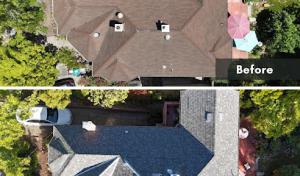
ELM Roofing Contractors
(415) 534-4396 elmroofingcontractor.com
1485 Bayshore Blvd #320p, San Francisco, California
5.0 from 112 reviews
Roof Express
58 W Portal Ave, San Francisco, California
5.0 from 89 reviews
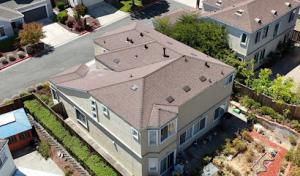
Apollo Roofing Company
(925) 701-8458 www.apolloroofingcompany.com
44 Gough St STE 215, San Francisco, California
5.0 from 58 reviews
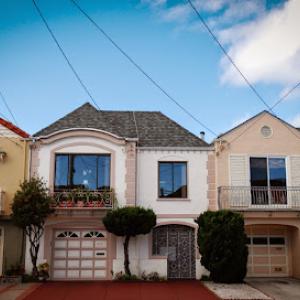
7x7 Roofing
(415) 535-8170 www.7x7roofing.com
2443 Fillmore St, San Francisco, California
5.0 from 128 reviews
7x7 Roofing is San Francisco's own roofing repair and replacement company that specializes in beautifully crafted and unique roofs. We mainly work on Old Victorian Buildings, Edwardian Buildings and standard "Sunset Type" and "Richmond Type" homes. We inspect properties prior to giving roofing repair or replacement proposals, be sure that will never sell you a project you don't need - we are uniquely different from other contractors around the Bay our clients are our life! Since 1998, 7x7 Roofing has served homeowners across San Francisco with expert re-roofing, renovations, and repairs, with a deep respect for the city’s architectural heritage. We have earned a reputation for reliable, efficient work and long-lasting results.
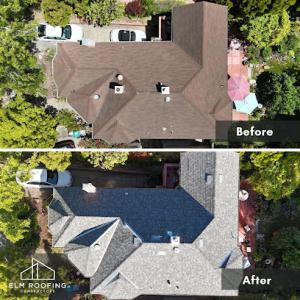
ELM Roofing Contractors
(415) 534-4396 elmroofingcontractor.com
1485 Bayshore Blvd #320p, San Francisco, California
5.0 from 112 reviews
ELM Roofing Contractors is a licensed C39 roofing company based in San Francisco, CA. We provide expert roof replacements, repairs, installations, and inspections across the Bay Area. Our team works with all roof types and top roofing material brands. Every project includes a dedicated project manager to ensure clear communication and quality service. We offer 10–20 year warranties on roof replacements. Contact us today to schedule your free on-site roof consultation with a licensed professional.

Marina Bay Roofing
(628) 233-8140 marinabayroofing.com
4411 Geary Blvd # 301, San Francisco, California
5.0 from 102 reviews
Marina Bay Roofing helps homeowners and businesses in San Francisco and the Greater Bay Area protect their properties with reliable roofing solutions designed to last.
Roof Express
58 W Portal Ave, San Francisco, California
5.0 from 89 reviews
Since 2017, ROOF EXPRESS has been a trusted roofing contractor in San Francisco's Bay Area. Located on West Portal Avenue, this business is dedicated to delivering exceptional craftsmanship and personalized customer service. With over a decade of industry experience, their skilled team offers a comprehensive range of roofing solutions for both residential and commercial projects. Their commitment to high-quality service and attention to detail ensures a seamless experience and a successful outcome for every project. ROOF EXPRESS provides reliable and professional roofing solutions to protect your property.
Eco Smart Roofer
551 25th Ave, San Francisco, California
4.9 from 141 reviews
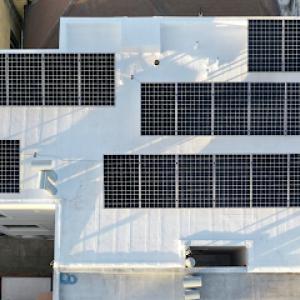
Eco Smart is San Francisco's leading construction, roofing and general contracting company. Our repairs, adjustments, replacements and renovations are done to ecologically responsible standards, we specialize in structural reinforcement and waterproofing of residential and commercial buildings.
Apollo Roofing Company
(925) 701-8458 www.apolloroofingcompany.com
44 Gough St STE 215, San Francisco, California
5.0 from 58 reviews
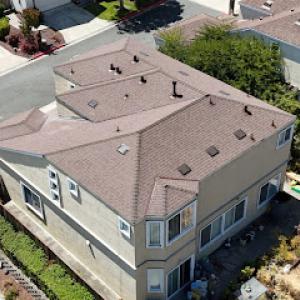
With Apollo Roofing Company, first-class service is our specialty. Our elite roofing professionals are dedicated to taking your roofing services to the next level. Our customers choose us for our vast knowledge, superior customer service, and the trained ability to anticipate things often overlooked by other roofers. We have the skills and confidence it takes to make our customers happy and produce a product that will last. "By Appointment Only"
Metal Roofing San Francisco
(415) 325-2038 www.metalroofingsanfrancisco.com
Yerba Buena Square Shopping Center, 430 Howard St #801, San Francisco, California
5.0 from 56 reviews
At Metal Roofing San Francisco, we want to satisfy the metal roofing needs of our clients. As one of the top companies in the Bay Area, we do our job professionally and carefully. We cater to residential and commercial establishments, helping them with their installation, replacement, and repair needs. We make sure that each material we use is of high quality. For our valued customers, we don’t mind extending our expertise. If it is your first time with metal roofs, we can help you decide the most suited type for your property. We offer metal roof shingles, steel roofing, metal shake roof, and metal tile roof. We also have a galvalume roof, copper roof, standing seam metal roof, and aluminum roofing. Call us now for your FREE estimate!
Bay Area Roofing Master
(510) 373-3161 www.bayarearoofingmasters.com
San Francisco, California
5.0 from 45 reviews
Bay Area Roofing Master has been recognized as a top Roofing Contractor in the Bay Area. We provide a wide range of services for all kinds of roofing needs. Whether you’re looking to work on an existing space or undertake a bigger project, we guarantee that we can help you achieve the results you seek. Our number one priority is happy customers through quality work. Contact your friends at Bay Area Roofing Master for a quote.
Iron Gate Roofing Contractors
2520 Folsom St, San Francisco, California
4.9 from 30 reviews
Iron Gate Roofing Contractors provides exceptional service for all your exterior home needs. With a strong commitment to quality and durability, their expert team specialises in both painting and comprehensive repair solutions. Located in the vibrant Mission District of San Francisco, they are dedicated to enhancing the beauty and integrity of your property. Trust Iron Gate Roofing Contractors to deliver professional craftsmanship and reliable results, ensuring your home is well-maintained and protected for years to come.
RTR Roofing of San Francisco
3736 Geary Blvd, San Francisco, California
4.8 from 32 reviews
RTR Roofing of San Francisco operates throughout San Francisco, CA, working on roofing projects for homes, apartment buildings, and commercial properties across the city. Our team performs roof repair, roof replacement, roof installation, roof inspections, commercial roofing work, and emergency roof repair as part of ongoing maintenance and improvement needs. Experience gained from working on San Francisco properties has given our team familiarity with dense urban construction, coastal weather exposure, and aging roof systems common in the area. We provide roofing services across San Francisco, CA with attention to durability, safety, and long-term roof functionality.
J.O Roofing
(415) 368-8942 joroofinginc.com
197 Desmond St, San Francisco, California
5.0 from 20 reviews
Our company was built with the commitment to ensure cost-effectiveness and high quality in every roofing project we are hired to work on for the community of San Francisco, CA, and the surrounding areas. Our company was founded under the great values of: Professionalism Commitment Diligence Cost-Effectiveness Contact our team today and get a free estimate for any of the services that we offer. If you hire us to do the job, we will work hard and smart until your expectations are exceeded. Contact our professional and reliable company today to save time and money on your project!

SF Pro Roofing
(415) 571-6604 sfproroofings.com
San Francisco, California
5.0 from 19 reviews
SF Pro Roofing, located at 77 Van Ness Ave, San Francisco, CA, is your premier roofing contractor specializing in top-notch roofing services, roof repair, and roof replacement in the Bay Area. Known for excellence, we provide a comprehensive range of services that include new roof installations, emergency repairs, and thorough inspections. As one of the leading roofing companies, we are dedicated to safeguarding your home or business with high-quality craftsmanship and premium materials. With over two decades of experience, our expert roofers ensure durability and aesthetic appeal for every project. Contact SF Pro Roofing for reliable roofing solutions today!
Asphalt shingles remain common, but San Francisco's fog and wind exposure make underlayment quality, flashing durability, and ventilation details especially important. When you're evaluating or replacing a low-slope section, choose a high-quality synthetic underlayment with good tear resistance and a proven track record against moisture migration. Pay close attention to vertical transitions where walls meet the roof and along dormers or flat-to-pitched interfaces, since those are frequent breach points in windy, salty air. Flashing should be corrosion-resistant and installed with multiple layers where feasible-engineered metal flashings with sealed joints outperform basic sheet metal in coastal microclimates. Ventilation matters nearly year-round: balanced intake and exhaust reduce condensation buildup in fog-heavy months and lessen the load on insulation. On steep Victorian slopes, ensure soffit vents and ridge ventilation operate in concert with any re-roof plan so attic volumes do not trap damp air.
Clay tile, concrete tile, and slate align with many older and architecturally distinctive homes in the city, but their weight can trigger closer review of structure and seismic considerations during re-roof planning. If structural or framing elements aren't already reinforced, consult a professional to confirm that the existing support can carry tile or slate loads, especially on an upper story or a long, sweeping roofline. Substrate and fastener choices matter: use fasteners that resist corrosion in marine-exposed neighborhoods, and consider a more robust underlayment system under heavy tiles to manage wind uplift risks. For clay and concrete tiles, a properly ventilated attic is essential to prevent seasonal moisture from lingering after foggy days. If the house has a historic profile, coordinate with the team about maintaining visual fidelity while upgrading to modern moisture-control standards. Slate, with its luxury and longevity, demands precise installation tolerances; ensure slates and battens are compatible with seismic restraint strategies and that flashing around chimneys and skylights integrates with the slate pattern.
Metal roofing is attractive for corrosion resistance and longevity, but coastal exposure makes finish quality and compatible fasteners more important in neighborhoods influenced by marine air. Choose coated panels designed for salt spray environments and verify that fastener seals are rated for repeated thermal cycles and wind pressures. When re-roofing with metal, pay attention to panel seams and edge detailing at eaves and ridges; sealants should remain flexible and UV-stable. Matching the gutter systems to metal's thermal expansion helps prevent leaks at joints. In fog-prone areas, the reflective properties of a light finish can help reduce internal humidity fluctuations by lowering attic temperature swings. If the home sits on a bluff or near the water, consider the insulation strategy in tandem with the metal's reflective characteristics to minimize condensation risks on the underside of the roof deck.
Moisture management on foggy, wind-exposed roofs hinges on a layered approach: superior underlayment, durable flashing, and intelligently designed ventilation work together. Regular checks after heavy marine winds or strong fog events should focus on the integrity of ridge and soffit vents, the condition of sealants around skylights and penetrations, and the cleanliness of gutters and downspouts. Low-slope sections deserve particular attention: standing water in a fog-etched morning can magnify leaks if drainage paths are obstructed. Keep a maintenance routine that prioritizes drying potential in shadowed, north-facing facets where moisture tends to linger longest. A thoughtful re-roof plan addresses these microclimate realities, reducing the risk of moisture intrusion and extending the life of the roofing assembly.
A full re-roof in San Francisco typically requires a permit reviewed by the Department of Building Inspection. That means before any shingles, tiles, or metal panels get up, a plan must pass through a review process that checks more than the chosen material. Plan reviewers look for how the new roof will shed fog and rain, how it ties into existing drainage, and how it sits with neighboring structures' sightlines and shadows. Expect a timeline that includes submittals, possible revisions, and a final sticker that witnesses a project's completion. If the project adjoins a historic district or a shared wall, extra attention is likely to be requested.
Re-roof projects commonly see inspection points at the underlayment or decking stage and again at final completion. That sequence matters a lot here, where moisture can hide behind layers and wind can drive rain sideways under flashing. At the underlayment stage, inspectors verify that the roof deck is clean, dry, and properly prepared for the chosen system, and that underlayment overlaps and fasteners meet code requirements for wind exposure. The final inspection focuses on proper installation of penetrations, flashing around chimneys, skylights, and vent stacks, as well as the integrity of valley metal and edge details. If any retrofit elements are planned-such as upgraded drainage or additional vents-these points may be scrutinized more closely than a straightforward, over-the-counter reroof.
Plan review can involve added scrutiny for ventilation, seismic-related considerations, and energy-efficiency requirements rather than a simple over-the-counter reroof assumption. Ventilation matters: inadequate attic ventilation can trap moisture, especially in microclimates where fog hangs low and humidity lingers. Seismic considerations may affect how the roof ties into the firewall and supporting structure, particularly on older Victorian slopes or low-slope sections where framing varies block by block. Energy-efficiency requirements can shape choices for underlayment, insulation exposure, and reflective or cool-roof strategies. The key takeaway is that the permit process is not a formality; it is a constructive pathway to address local wind, fog, and salt-air realities before a single shingle goes down.
Coordinate with a contractor who routinely navigates the DBI process and knows the neighborhood nuances. Have your project scope documented with roof type, flashing details, and flashing locations mapped out, including any penetrations for vents or skylights. Expect questions about ventilation plans, seismic considerations, and any energy-efficiency features you intend to implement. Clear, proactive communication with the inspector and your contractor reduces the chance of delays and helps ensure the final result withstands SF's foggy, windy climate.
Steep Victorian-era slopes and narrow, hillside lots drive the cost. The labor risk and time to safely deck, tear off, and install on a sharp pitch without neighbor disruption push prices higher. Expect more equipment moves, additional scafolding, and careful staging to protect adjacent properties and sidewalks. While a typical square may carry the listed material ranges, heavy or complex framing increases labor hours and charges on top of material costs.
Provided local ranges are Asphalt Shingles at 450 to 800 USD per square, Metal Roofing at 700 to 1100 USD per square, Clay Tile at 800 to 1400 USD per square, Concrete Tile at 750 to 1200 USD per square, Slate at 1200 to 2100 USD per square, and EPDM Rubber Roofing at 5 to 8 USD per square foot. The foggy, salty air and wind exposure accelerate wear on low-slope sections, so material selections with greater moisture tolerance and wind resilience-like metal or tile-often justify higher upfront costs but may offer longer service life in this climate.
Older homes frequently require decking repairs, ventilation upgrades, or heavier-material reviews during tear-off and inspection. Those extra tasks, while not universal, tend to surface in neighborhoods with original materials or degraded substrate. If plywood or decking shows moisture damage from chronic fog drip, anticipate additional framing or repair charges and a longer project timeline.
Low-slope segments demand enhanced waterproofing detail, top-edge flashing, and precise slope calculations to handle winter rain and constant fog. The tighter the roof-to-wall integration, the more attention paid to drainage planes and vapor barriers. This focus can add both material and labor costs, but it mitigates the risk of future leaks that are particularly costly to repair on exposed hillsides.
Protecting neighboring properties during tear-off, especially on tight lots, adds planning steps and coordinated labor. Logistical challenges-like crane access, street parking restrictions, and limiting work hours-translate into higher crew time and occasionally staged tear-offs, reflected in the final cost.
Get a clear picture of your project costs upfront - no commitment required.

Marina Bay Roofing
(628) 233-8140 marinabayroofing.com
4411 Geary Blvd # 301, San Francisco, California
5.0 from 102 reviews
Eco Smart Roofer
551 25th Ave, San Francisco, California
4.9 from 141 reviews
Apollo Roofing Company
(925) 701-8458 www.apolloroofingcompany.com
44 Gough St STE 215, San Francisco, California
5.0 from 58 reviews
In San Francisco, corrosion risk is higher on flashing and roof penetrations exposed to marine air, especially in more coastal and wind-exposed neighborhoods. Metal details like step flashings at dormers, skylight curbs, and chimney boots face a steady diet of salt-laden fog and brisk gusts. Over time, this accelerates rust and steel fatigue, leading to micro-leaks that feel small but never quite go away. When a drip shows up after a windy night, the culprit is often not the field material but the metal seams and fasteners that tie it all together.
Persistent dampness can shorten the service life of sealants around skylights, vents, and chimneys if details are not maintained. In foggy stretches, moisture lingers and seeps into poorly abutted joints or cracked glazing tape. Skylight housings that look sound can retain condensation between the curb and the flashing, accelerating deterioration. If sealants feel gummy or slow to skin over after a rain, that is a sign to re-check the flashing backdrop and the substrate for any micro-cracks or corrosion that's begun to creep in.
Leak complaints in the city often center on transitions, penetrations, and perimeter metal rather than just the field material itself. Valleys alongside low-slope sections, parapet-to-roof transitions, and edge metal face the brunt of wind-driven spray and thermal cycling. A small rust bubble, a loose nail, or a blown-out seam at a perimeter corner can become a conduit for water before the interior shows a stain. Pay attention to those transition zones as early warning indicators of deeper moisture issues.
Inspect metal edges and flashings after storms or strong winds, and look for fresh corrosion halos or loosened fasteners. Re-seal around skylights and vents every season if the damp climate persists, and treat any oxidized patches before they spread. When replacing or repairing, favor components with coastal-grade coatings and sealed assemblies that resist salt spray and wind-driven moisture. Even small, thoughtful upgrades in these areas can dramatically slow deterioration and avert expensive repairs later on.
Find contractors experienced in skylight installation, flashing, and leak repairs to bring natural light into your home.
Marina Bay Roofing
(628) 233-8140 marinabayroofing.com
4411 Geary Blvd # 301, San Francisco, California
5.0 from 102 reviews
Roof Express
58 W Portal Ave, San Francisco, California
5.0 from 89 reviews
Eco Smart Roofer
551 25th Ave, San Francisco, California
4.9 from 141 reviews
Moisture work on foggy, wind-exposed roofs and low-slope sections is a constant San Francisco reality. California insurers increasingly scrutinize roof condition, prior claims history, and maintenance records, which affects homeowners planning repairs or renewals. The goal is to prove that current conditions are understood, monitored, and managed to prevent future leaks.
For roof-related claims, carriers may request dated photos showing the problem as it stood before and after the event, contractor estimates, and any permit records tied to previous work. After a winter leak, having a clear trail of inspections, timely maintenance, and repair notes can streamline the process and support the claim decision. Photos should capture roof surface condition, flashing, valleys, gutters, and any visible interior damage near the affected area.
Create a simple, ongoing filing system. Keep digital copies of quarterly inspections, notes from reputable local roofers, and weather-related incident reports. Record the age and type of roofing materials, recent resealing or coating efforts on low-slope sections, and evidence of wind-driven damage. When a storm hits, photograph all affected zones within hours of restoration and store them with the date clearly visible.
Wildfire-related underwriting pressure in the broader market can influence overall homeowner coverage decisions even though roofing claims in this region are more often tied to rain, wind, and deferred maintenance than to hail. Documenting routine maintenance and prompt repairs reduces perceived risk and supports more favorable renewal outcomes, even if nearby markets face different pressures.
Before filing a claim, gather recent maintenance records, dated photos, and any estimates from trusted local contractors. Organize them by event date and roof area, and be prepared to share a succinct timeline with the insurer. This disciplined approach helps navigate a tight market with clarity and confidence.
Connect with contractors who help homeowners navigate the claims process from damage assessment to final approval.
7x7 Roofing
(415) 535-8170 www.7x7roofing.com
2443 Fillmore St, San Francisco, California
5.0 from 128 reviews
Roof Express
58 W Portal Ave, San Francisco, California
5.0 from 89 reviews
Apollo Roofing Company
(925) 701-8458 www.apolloroofingcompany.com
44 Gough St STE 215, San Francisco, California
5.0 from 58 reviews
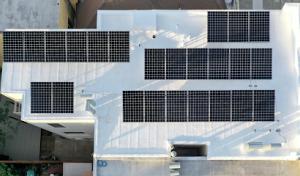
On re-roofs with existing rooftop equipment and solar arrays, sequencing becomes the hinge point. Plan the replacement so that equipment removal, membrane work, and final reinstallation line up without multiple access trips. In tight parcels, return access is costly, so map out every move from curb to ridge before lifting the first sheet.
The city's mix of flat and steep sections means you will often juggle membrane details on low-slope portions with flashed penetrations for solar mounts on steeper pitches. Expect simultaneous detailing for both conditions on the same property. Coordinate flashings, edge details, and flashing transitions so water flows stay continuous across transitions between roof types.
Before pulling material lists, confirm the solar layout and any mounts, penetrations, or conduit runs. If the system sits near curb access or on an upper terrace, ensure the scaffold plan accommodates both replacement work and panel maintenance. Designing the roof deck cutouts and flashing placements to accommodate solar hardware reduces rework later.
Final inspections hinge on a clean, well-sealed interface where solar penetrations meet the new roof. Ensure that all penetrations are flashed correctly and that access points for panels and inverters are preserved without compromising membrane integrity. A well-documented handover of equipment locations helps inspectors verify that the roof and solar systems integrate as intended.
On densely built blocks, plan the work in phases that preserve temporary access paths and minimize disruption to neighbors. Outline temporary protective measures for solar equipment during teardown, and specify sequencing so roof membrane, flashings, and solar penetrations are completed in a logical, leak-free order.
Find contractors who integrate solar panels or solar shingles into your roof for long-term energy savings.
ELM Roofing Contractors
(415) 534-4396 elmroofingcontractor.com
1485 Bayshore Blvd #320p, San Francisco, California
5.0 from 112 reviews
Eco Smart Roofer
551 25th Ave, San Francisco, California
4.9 from 141 reviews
Apollo Roofing Company
(925) 701-8458 www.apolloroofingcompany.com
44 Gough St STE 215, San Francisco, California
5.0 from 58 reviews
The local market shows a strong preference for contractors who answer promptly when moisture sensitivity is high, especially during winter storms when fog-laden air and sudden gusts push water into vulnerable seams and low-slope areas. You'll want a roofer who can diagnose fast, contain leaks effectively, and outline a staged plan so interior damage is minimized while parts are on order. A contractor's readiness to triage active leaks, communicate clearly about timelines, and keep you updated through every weather window matters more here than a glossy brochure.
Cleanup is a major hiring factor in dense neighborhoods where debris, ladders, and tarps can block driveways and spill onto adjacent properties. You should look for crews who respect tight spaces and park within planters or garages with minimal disruption. Ask about containment practices and post-project walk-throughs to verify no grit remains in gutters or on neighboring roofs. A meticulous crew reduces future call-backs and preserves the curb appeal that San Francisco blocks demand.
Many active firms market re-roofing rather than only new construction, reflecting replacement-heavy demand from older housing stock. You'll benefit from choosing a roofer with a proven track record on Victorian-era slopes as well as contemporary low-slope sections. Inquire about previous projects with similar roof geometries and climates, including how they managed underlayment, flashing, and drip edge to prevent moisture migration through seams and penetrations.
Moisture control is essential where fog, salt air, and persistent wind drive condensation into roof assemblies. Focus on installers who explain ventilation strategies for attic or roof voids, specify breathable underlayment for low-slope portions, and detail how they seal transitions between flat and pitched sections. For fog-prone days, discuss nailing patterns, shingle alignment against gusts, and how to protect valleys and parapet walls from wind-driven leaks. A thoughtful plan translates to fewer repair calls when the city's weather shifts.