Last updated: Apr 19, 2026
Reroof work in this area stacks up best when the dry season is in full swing. Hot, dry summers and milder, wetter winters mean weather delays are a real possibility from roughly November through February, so plan your reroof window to avoid those months if you can. Start with a soft schedule that targets late spring or early fall for the main lift, and use the cooler, drier pocket of late spring to do the bulk of material staging, tear-off, and sheathing inspection. By aligning the major steps to days with little to no rain and lower humidity, you reduce the risk of moisture damage and warped underlayment. If your project must extend into early fall, build in buffer days for post-rain drying and re-checks on decking and fasteners.
Fall Santa Ana winds are a local scheduling issue because they can disrupt tear-off, underlayment placement, and debris control even when there is no rain. If a job is underway during fall, keep a contingency plan for sudden high-wind days: secure loose debris containers, shield exposed roof sections, and coordinate with crews to pause work on high-slope or tile-heavy areas when wind gusts spike. The crew should stage underlayment and tile or shingle bundles in a way that minimizes wind pickup, and have temporary fasteners ready for quick re-seating if winds surge between shifts. If a project starts in late summer, anticipate a wind watch period as fall approaches and re-check staging areas daily as Santa Ana patterns emerge.
Summer heat in inland San Diego County can affect handling of roofing materials and curing times for underlayments and coatings, so crews often need to sequence work differently than in cooler coastal areas. Plan for tighter midday heat windows: schedule high-heat tasks like tear-off and long underlayment installs to early morning or late afternoon shifts, while interior or shaded phases can run mid-day. In tile-heavy replacements, heat can stiffen underlayment, complicating layout and fastener timing; consider cooler-first strategies to get a clean underlayment seam before tiles arrive, and use cooling breaks to prevent material warping. If a tile-heavy reroof is anticipated, pre-coat or pre-dampen certain underlayment areas during the coolest parts of the day to maintain consistent adhesion and alignment.
Tile replacements often involve multiple passes: roof deck inspection, underlayment installation, setting starter and field tiles, then grouting or sealing. In dry-season windows, aim to complete the tear-off and underlayment phase first, with the new tile layout confirmed before the peak heat of summer. Create a setback plan for tiles that require careful handling; this reduces breakage and long-term fit issues. If Santa Ana winds threaten during tile installation, protect fresh mortar or adhesive seams with windbreaks or temporary enclosures and adjust the sequence to finish critical seams on calmer days.
Ultimately, align reroof timing with the dry-season target, but maintain flexibility to accommodate fall wind events. A practical approach is to lock in a primary window in late spring to early summer, with realistic buffers for wind days and late-season heat spikes. For homes with tile reroofs, factor extra lead time for handling and staging, given the weight and fragility of tile work. Communicate clearly with the crew about wind contingency plans and heat management protocols so the project remains on track despite Lakeside's characteristic seasonal quirks.
In this inland East County climate, tile roofs are a familiar sight, with clay and concrete tiles forming a defining aspect of the local streetscape. The heating sun and the seasonal Santa Ana wind pattern create specific demands for reroof timing. The roof system under the tile matters almost as much as the tile itself. Underlayment, decking, and fasteners age differently from the surface tiles, and when those components reach the end of their service life, reroof timing should be driven by the condition of the underlayment and sheathing, not just the appearance of the field tiles. In practice, that means scheduling a reroof project for a window when the dry-season stretches long and playbook weather windows are reliable. If underlayment shows signs of moisture intrusion, cupping, or soft spots, backing off a tile-only cosmetic refresh and pursuing a more comprehensive replacement plan becomes prudent, even if a quick tile swap might look sufficient from the roof line.
Tile reroofs often involve more than just swapping surface material. The underlayment used under tile systems in this market can be a decisive factor in long-term performance. Aging underlayment can drive reroof timing independently of tile condition, because tiles can hide deteriorating layers beneath. When planning, you should expect a careful assessment of the underlayment, decks, and flashings, especially in areas with sun exposure and wind-driven erosion. This is not a one-and-done replacement. Lakeside homes frequently rely on heritage tile configurations, and the best outcomes come from replacing degraded underlayments and addressing deck decking issues as part of the tile schedule. Expect workers to coordinate tile removal, underlayment replacement, and reinstallation in a sequence that minimizes the roof's exposure to wet-season moisture, which is particularly important when winter rains arrive later in the calendar.
Santa Ana winds can complicate reroof scheduling. When wind events are forecast, crews may adjust staging and material handling to protect exposed edges, flashing details, and newly installed fasteners. Dry-season installs are favored because they reduce the risk of rain intrusion during a critical phase of tile and underlayment work. However, dry-season windows must also accommodate the pace of tile work, which often requires careful stacking and temporary protection of the interior from dust and debris. If a reroof plan spans the Santa Ana peak season, a contingency for wind-related delays helps avoid rushed, suboptimal detailing at ridge lines, hips, and valleys. The practical takeaway is to align the project calendar with the calm, dry months and coordinate with the roofer to secure parts and permits during a predictable stretch, so schedule slips don't cascade into compromised underlayment or tile seating.
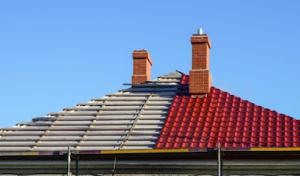
Tile systems introduce specific replacement considerations. Because tile shapes and profiles dominate the aesthetic and influence drainage patterns, the process focuses on preserving proper roof slope, valley integrity, and flashing continuity while removing and re-seating tiles. Expect a careful hand-off between tile removal and underlayment replacement, with attention to matching tile courses and ensuring sealant compatibility at penetrations. In Lakeside's climate, roofers also pay close attention to heat-induced expansion in tiles and flashings, ensuring fasteners and sealants maintain their grip across seasons. The end result should be a structurally sound roof with a weather-tight tile surface that remains visually consistent with the home's character, yet better prepared to resist the day-to-day stresses of inland heat and occasional wind gusts.
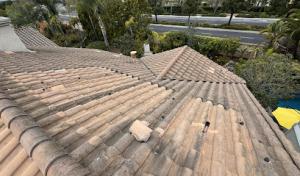
Find contractors who specialize in clay and concrete tile roofs, known for their durability and curb appeal.
Ford Roofing
(619) 562-3971 fordroofingsd.com
11406 Eucalyptus Hills Dr, Lakeside, California
4.8 from 61 reviews

Extreme Roofing of San Diego
(619) 334-7663 extremeroofs.com
11213 El Nopal, Lakeside, California
4.5 from 33 reviews

Weathermaster Roofing Services
(619) 933-0578 www.weathermasterroofingservices.com
11965 Walnut Rd, Lakeside, California
4.5 from 16 reviews
Ford Roofing
(619) 562-3971 fordroofingsd.com
11406 Eucalyptus Hills Dr, Lakeside, California
4.8 from 61 reviews
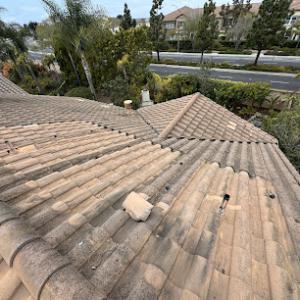
Ford Roofing is an independently owned and operated, Better Business Bureau accredited roofing company that has been serving San Diego County since 1988. With over 30 years in business, Ford Roofing has the knowledge and expertise to address any roofing needs you may have. While based in eastern San Diego County, Ford Roofing has the mobility to reach any part of San Diego County with ease. With an extremely high referral rate, Ford Roofing is the type of company you’ll want all your friends and family to know about!

Weathermaster Roofing Services
(619) 933-0578 www.weathermasterroofingservices.com
11965 Walnut Rd, Lakeside, California
4.5 from 16 reviews
At WeatherMaster we believe that "Quality is Top Priority." For the past 30 years, Chris Wilder, Owner of WeatherMaster Roofing Services, Inc., has been providing roofing solutions for hundreds of San Diego homeowners and businesses. WeatherMaster uses only the finest materials that are backed by financially stable material manufacturers. We also only employ the finest installers with verifiable knowledge and schooling. Keep in mind that the Owner supervises every job site. You will be dealing directly with the Owner, Chris, from the time he comes out to give you a "free-no hassle estimate" all the way to project completion.
ACCI Roofing Services
(619) 449-2533 acciroofing.com
11325 Santa Maria Ave, Lakeside, California
4.2 from 5 reviews
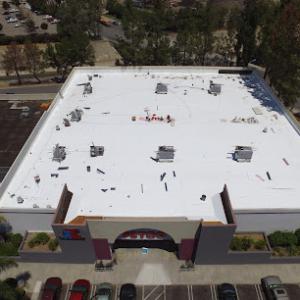
ACCI Roofing Services has worked hard to earn its reputation of impeccable honesty and integrity. Our pride in workmanship, fair business practice, superior customer services, and unsurpassed safety records are just a few reasons why ACCI Roofing Services stands apart from the rest. ACCI Roofing Services is proud to offer prompt and personable services, quality workmanship, experienced roofers, materials that stand up to toughest weather, competitive prices and full product and labor warranty on ALL work.
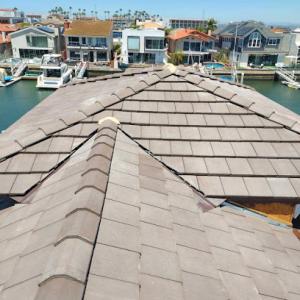
A.G. Roofing
(619) 300-8942 agroofingsocal.com
14211 Jennings Vista Dr, Lakeside, California
4.2 from 5 reviews
Roofing Services
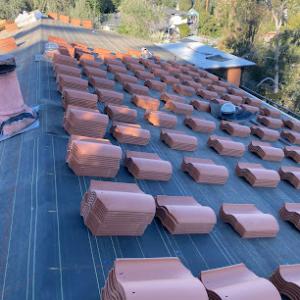
R L Scott & Son Roofing
(619) 206-8693 rlscottsonroofing.com
Serving
5.0 from 9 reviews
Combining years of experience with a dedication to client satisfaction, R L Scott & Son Roofing has established itself as the local leader in Roofing Repairs, Commercial Roofing and Residential Roofing.
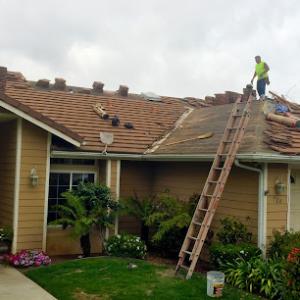
Wise Roofing
(619) 443-2302 wiseroofingsd.com
Serving
5.0 from 8 reviews
Since 1975 Wise Roofing has strived to provide top quality roofing services in the San Diego and Imperial County areas. Our team has over 40 years of quality workmanship and unwavering integrity. A positive contractor relationship is about having your expectations met and someone is accountable for their work. At Wise Roofing we make sure to hit those goals every day. As a local family owned San Diego roofing company, we’ve worked hard to raise the bar for both quality and professionalism in both the San Diego and Imperial County’s roofing industry.
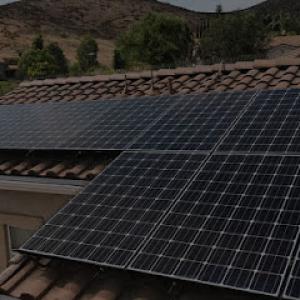
Christian Roofing
(619) 812-2407 www.christianroofing.com
Serving
4.9 from 170 reviews
Christian Roofing, Inc provides roofing installation, repair, and maintenance, gutter, and soloar roofing services to the San Diego County, CA area.

Dobbs Roofing
(619) 564-2701 www.dobbsroofingcompany.com
Serving
4.9 from 29 reviews
From a hole in your roof, to a whole new roof. We got you covered. With over 35 years of roofing experience, Dobbs Roofing Company specializes in residential and commercial roofing. We do it all, from leak repairs to a brand new roof, Trust Dobbs Roofing Company for all your roofing needs. Fully insured and bonded. Licensed.
EZ Solar & Roofing
(619) 613-9016 www.ezsolarelectric.com
Serving
4.9 from 103 reviews
At EZ Solar & Roofing, we provide the longest warranties in the industry, giving you peace of mind for decades to come. A reliable roof and solar system are crucial for your home, family, and protection. Our commitment to you is to provide a turn-key, hassle-free solar installation in San Diego with the best warranty in the industry. What sets us apart as a local San Diego roofing and solar company is our proven track record and unmatched warranty. Experience turn-key roofing and solar installation San Diego homeowners trust. At EZ Solar & Roofing, we ensure efficient installations without compromising quality. Hire us today and discover why we’re the best choice for San Diego roofing and solar solutions.
Dana Logsdon Roofing & Solar
Serving
4.9 from 770 reviews
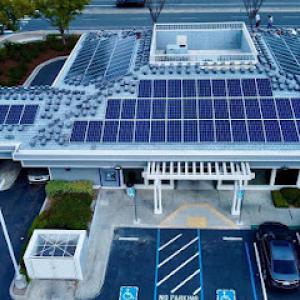
Dana Logsdon Roofing & Solar, Inc. has been providing expert roofing and solar solutions in El Cajon & San Diego CA, for over 30 years. Specializing in roofing repairs, installations, and services for both residential and commercial properties, we deliver durable and reliable results tailored to your needs. Our solar installation services combine efficiency with sustainability, helping you maximize energy savings. As trusted roofers, we offer free estimates to help you plan your project with confidence. Choose a company backed by decades of experience and a commitment to quality. Contact Dana Logsdon Roofing & Solar, Inc. today for professional roofing and solar services that stand the test of time!
Cal Roof
(619) 500-1119 www.calroof.com
Serving
5.0 from 23 reviews
Residential and Commercial Roofing Contractor. We install all roof systems including composition shingle, tile, single ply and built up roofing. Our customer service is second to none. Our installers are professionals with decades of experience.
Streamline Roofing
Serving
5.0 from 67 reviews
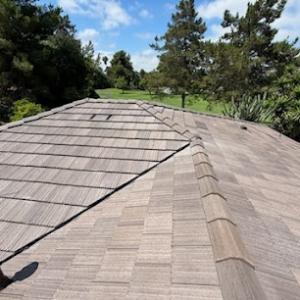
We are a residential/commercial small local business with 25yrs of experience. We believe in the old fashioned hand shake hard work and honesty with all of our customers.
During fall in this area, Santa Ana winds can turn a weekday roof check into a critical alert. Edges of the roof are especially vulnerable to being lifted, and tiles or shingles can shift, crack, or break under sudden gusts. Debris-think palm fronds, branches, anti-erosion mats-that blows across exposed roof surfaces can hide a leak until it's already soaked underlayment. For a tile-heavy roof, a single wind-driven edge lift can create a pathway for water that widens quickly once moisture moves inside the attic or ceiling. If you notice fluttering edges, cracked tiles, or displaced fasteners after a wind event, treat it as an active leak risk and respond immediately with temporary protection and a prompt repair plan.
Lakeside contractors report a clear pulse: emergency repairs surge after strong wind spells and during unpredictable fall weather. The signal mix reflects a real need for rapid response teams that can secure a dry-in quickly, then complete a full replacement or repair project without a long delay. This is not a scenario to "watch and wait"; a quick response keeps water from wicking into insulation and framing, reducing the chance of mold or rot later. If a crew arrives with tarps, plywood, and fast-setting sealants, that readiness should be treated as the first line of defense. The fastest path to a durable fix often starts with a secure temporary membrane and a plan for full follow-up, especially on homes with clay or concrete tile.
Winter storms complicate replacement work by increasing moisture exposure on open roofs. When a problem appears late in the year, temporary protection becomes as important as the repair itself. A sturdy dry-in, plus rapid leak response capability, helps keep interior living spaces protected while repairs or a reroof move forward. If your roof shows suspect flashing, loose tiles, or recurring damp spots inside the attic as days shorten and storms approach, insist on immediate temporary measures. Ask for a written quick-response window and a concrete timeline for a permanent fix, so the roof doesn't sit exposed during a wet season. In practice, a proactive plan for dry-in during the fall and a fast, on-demand repair option can save thousands in secondary damage and prevent a weather-driven crisis from escalating.
When you can't wait, these contractors offer fast response times to stop leaks and prevent further damage.
Alfaros & Son Roofing LLC - Shingle Roof Installation & Repair
(619) 871-2954 alfaros-and-sons-roofing.square.site
Serving
4.9 from 42 reviews
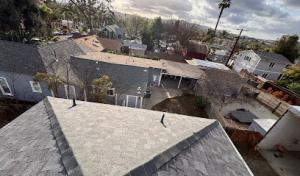
The dominant roofing materials in Lakeside include asphalt shingles, metal, clay tile, concrete tile, wood shingles or shakes, and fiber cement shingles, so homeowners here are choosing among materially different heat and wind behaviors rather than a single default roof type. In practice, this means the decision hinges less on a universal "best" and more on matching the material's performance to the inland heat, Santa Ana wind exposures, and the local housing stock. Asphalt shingles stay common for reroofs because their install window, staging, and repair logistics fit the summer-to-fall timing you often need. Tile options bring long-term durability, but they demand careful handling during installation and careful planning for wind-driven debris.
Asphalt shingles remain a practical baseline, but Lakeside summers push installers to plan around dry, wind-prone periods. You'll want to align reroof work with the dry season to minimize moisture-related finish issues and to reduce the risk of wind-driven debris disturbing fresh shingles. Clay and concrete tiles perform well under heat, but their weight and breakage risk during Santa Ana conditions mean precise hoisting and temporary protection during gusty days. For metal roofing, the wind response is strong, but installation quality and the roof deck's condition matter more here than in milder coastal locales. If choosing metal, target a schedule that avoids peak Santa Ana months when tarp setups and temporary ventilation can complicate work.
Tile-heavy replacement work is common in this market, and that shifts planning toward structural readiness and careful handling of heavy loads. Concrete and clay tiles tolerate heat well but require accurate fasteners and underlayment to resist wind pressure. In Lakeside, a tile reroof often benefits from staggered installation windows that spread heavy lifts over several days, reducing risk to workers and the existing structure. If the home already has tiles, expect some deck reinforcement or spacing adjustments to accommodate the new system and to prevent future leaks during sharp seasonal shifts.
Metal roofing is present but less dominant than tile and asphalt in this market, making it more of a targeted upgrade choice for homeowners prioritizing durability or specific performance goals. If durability against wind is the priority and the budget allows, metal can deliver a long-lived, low-maintenance option. For most homeowners, a carefully planned asphalt or tile reroof paired with improved ventilation and underlayment will meet the twin demands of heat management and Santa Ana exposure, while keeping installation windows practical during dry periods.
The most popular roofing material in the US. Find pros who install, repair, and replace asphalt shingles.
Ford Roofing
(619) 562-3971 fordroofingsd.com
11406 Eucalyptus Hills Dr, Lakeside, California
4.8 from 61 reviews
Weathermaster Roofing Services
(619) 933-0578 www.weathermasterroofingservices.com
11965 Walnut Rd, Lakeside, California
4.5 from 16 reviews
Local reroof costs span a wide range by material, from asphalt shingles at 350 to 700 USD per square up to clay tile at 900 to 1800 USD per square, with concrete tile, wood shakes, fiber cement, and metal falling between those ranges. In Lakeside, your project price reflects not just material choice but how a replacement handles our inland heat and wind-prone months. Asphalt remains the most budget-friendly entry, while tile systems drive the high end, especially when upgraded underlayments are added or long-term performance features are included.
Tile systems are common here, and upgraded underlayments can noticeably increase both direct roofing cost and project duration. In practice, expect longer install times when crews are laying clay or concrete tiles and when a higher-grade underlayment is installed to improve wind resistance and sealants. Those enhancements can impact permit review and sequencing, and they often translate into a fuller job schedule. If you anticipate replacing a full tile roof, plan for staggered workdays and weather-aware scheduling to avoid wind-driven delays during Santa Ana season.
Seasonal timing affects cost pressure locally because winter weather delays and fall wind complications can disrupt production, while the market's strong affordable and reroofing signals suggest many homeowners are balancing budget against long-term performance. In practice, target the dry season for the most predictable window, but build in contingency for Santa Ana swings when tile or heavy underlayment is involved. If a tile reroof is chosen, you may see higher upfront costs and a longer timeline, yet the payoff is better wind performance and a longer service life in this climate. Planning with these realities helps keep dry-season installs on track without sacrificing quality.
Don't let upfront costs delay a critical repair - these contractors offer payment plans to fit your budget.

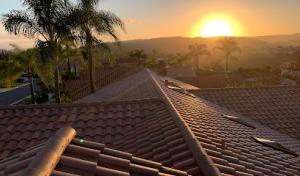
A building permit is typically required for a full reroof, and the permit application is usually submitted by the contractor to the local building department. In practice, you'll work with your contractor to assemble the required paperwork, including project scope, roof type, and any specialized components such as underlayment. The review process can take several days to a couple of weeks locally, and tile roofs or higher-end underlayment choices can extend the timeline. Plan with a realistic lead time, especially if you're aiming to complete work before seasonal weather shifts.
Inspections commonly occur during installation to check underlayment and flashing, ensuring that the roof deck is properly protected and that transitions around vents, chimneys, and skylights meet code. A separate inspection after completion verifies the finished reroof and confirms that all components meet local standards. Coordinate closely with your contractor to schedule these inspections so they align with the progress milestones, avoiding delays that can push the project into hotter months or Santa Ana wind patterns.
Dry-season installs are often favored to minimize rain-related delays, but Santa Ana winds can still impact fastening and flashing work. If tile roofs are involved, or if you opt for higher-end underlayment, the inspection and permit review windows may lengthen, so build in extra buffer time in your project calendar. Clear communication with the contractor about expected inspection windows helps prevent hold-ups. Remember that permit review and inspection timelines are part of the reroof planning, not an add-on; aligning them with your preferred install window reduces the risk of weather-driven setbacks.
In this climate, insurers routinely consider roof age, material type, and exposure to wind or hail when assessing coverage or any damage claim tied to the roof. Clay and concrete tiles, common on many Lakeside homes, can influence underwriting because their performance under Santa Ana gusts differs from asphalt shingles. Even with a solid roof, a history of high-wind events or hail strikes can tilt a carrier's view on risk. If the roof is older or shows repeated wear from sun and heat, expect closer scrutiny during renewals or after a weather event.
When communicating with an insurer or an adjuster, the more thorough the paperwork, the smoother the process. Keep a clear project scope that documents the chosen material, the number of squares, and the anticipated roof configuration. Preserve permits, where applicable, and create a simple before-and-after photo log that captures condition prior to work, the installation sequence, and the finished result. Insurers and adjusters often request evidence that the roof was recently installed and meets code expectations, so organize photos by date and relate them to the scope. In Lakeside, the contrast between tile-heavy replacements and rapid leak response means photographs should show tile layout, flashing details, and any underlayment or hip-and-valley configurations that are visible from the attic or exterior.
There has not been a broad regional insurance pullback tied specifically to reroofs in this area, so the quality and clarity of documentation matters more than chasing a uniquely restricted market. When scheduling a reroof, anticipate that a complete and coherent file will help prevent delays if a claim is filed after installation or if a weather-related incident occurs soon after. If an adjuster questions wind or hail exposure, be ready to point to material type, installation method, and the recorded installation date as part of the claim review. In short, well-documented reroofs align with practical Lakeside expectations and help avoid drawn-out disputes in the neighborhood's typical dry-season window.
Connect with contractors who help homeowners navigate the claims process from damage assessment to final approval.
Extreme Roofing of San Diego
(619) 334-7663 extremeroofs.com
11213 El Nopal, Lakeside, California
4.5 from 33 reviews
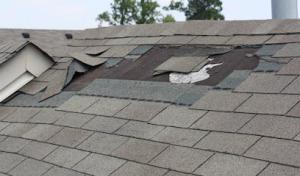
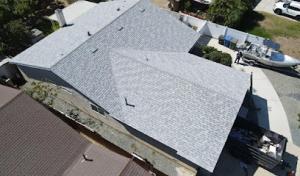
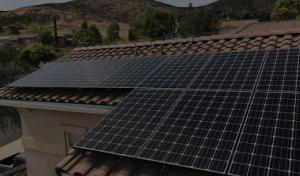
Lakeside's contractor market shows meaningful activity in solar roofing, skylight work, and flat-roof service, indicating that many local reroof projects involve penetrations or low-slope sections rather than simple gable-only replacements. When planning, expect more than a single straight-up roof swap: you'll likely be coordinating flashing around vents, skylights, and solar mounts, plus transitions between steep-slope and low-slope areas. Inspectors should pay particular attention to how step and counter-flashing integrate with existing wall flashings and with torch-down or roll-roof membranes. If a skylight or solar array is in the design, map out flashing details early and confirm that sealants and primers are compatible with the Lakeside sun exposure and any coating you may choose for the underlayment.
Because summer heat can affect underlayment and coating cure times, detailing around penetrations and low-slope sections requires careful sequencing during hot-weather installs in Lakeside. Schedule the most heat-sensitive steps-underlayment lay-down, primer curing, and coating touch-ups-during cooler morning hours when possible. For dry-season installs, align tile or metal replacement with a window when tolerances are greatest to avoid overheating adhesives or sealants. In practice, a staged approach works best: first secure roof penetrations and flashing, then complete low-slope transitions, and finally finish steep-slope elements to minimize downtime for the roof while maintaining a tight, weatherproof seal.
Inspection attention to flashing is especially relevant in this jurisdiction, which matters for skylights, solar attachments, and transitions between steep-slope and low-slope roof areas. Review every penetration point after installation and again after the first heavy Santa Ana wind event-even small gaps can become leaks in windy, dry conditions. In Lakeside, a quick follow-up visit focused on flashings and sealant performance often prevents mid-season leaks and preserves the integrity of any tile or metal reroof in the same project.
Find contractors who integrate solar panels or solar shingles into your roof for long-term energy savings.
Weathermaster Roofing Services
(619) 933-0578 www.weathermasterroofingservices.com
11965 Walnut Rd, Lakeside, California
4.5 from 16 reviews