Last updated: Apr 19, 2026
Fall Santa Ana winds are a real installation and performance issue in East County, and this area experiences the consequences in real time. When planning a roof, focus on securing edges, hips, and ridges first. Tile roofs need fasteners that resist uplift, and edge panels or interlocking systems should be chosen with a wind-tested attachment method. If you're switching from shingles to tile, or upgrading fasteners, verify that fasteners are corrosion-resistant and long enough to bite into the sheathing and roof deck without backing out in a high-wind event. On existing tile roofs, check for cracked or displaced tiles before Santa Ana season, and plan repairs that restore continuous wind-resistant coverage rather than spot fixes that fail under gusts.
Inland heat pushes roofing materials toward faster aging and greater expansion-contraction cycles, especially on roof faces that see the most sun. In practice, that means you should favor materials that handle heat well and resist thermal cycling without excessive deformation. Metal and clay or concrete tile perform distinctly differently in these conditions, so your choice should reflect how often and how long your attic stays hot, plus how much shade the roof receives. Dry-season work matters: many residential roof projects in this climate are scheduled when heat is predictable and dry, reducing rapid drying of fasteners and sealants. If a roof must be replaced in the hotter months, ensure fasteners and sealing components are rated for high-heat environments and that underlayment is compatible with the chosen overlay or replacement system. Avoid materials with known heat-induced brittleness or rapid color fade unless you're prepared for more frequent maintenance.
La Mesa's dry, warm summers make planned re-roofing more common in the dry season, while winter rain creates scheduling pressure for leak-prone roofs. Planning a replacement during the dry window reduces the risk of weather-related delays and water intrusion during tear-off and reinstallation. If a replacement spills into late fall, implement a contingency plan for temporary weatherproofing that protects interior spaces during Santa Ana setups or unexpected wind events. For homeowners with tile roofs, this is a critical window: dryness helps sealants cure properly and reduces uplift risk during installation. For asphalt or synthetic shingles, confirm that roof deck drying times align with re-roofing timelines to prevent moisture entrapment under the final layer.
Wind concerns extend to the jobsite itself. Santa Ana conditions can complicate ladder setup, material hauling, and temporary securing of loose debris. Establish a wind-precipitation watch, and have a plan for securing loose parapets, vent flashings, and roof penetrations during periods of gusty weather. Communication with the crew about wind thresholds for work should be part of the daily plan, and you should schedule more wind-sensitive tasks (like heavy lifting of long metal sheets or large tiles) for calmer periods. Portable fall protection and edge guards should be in place, especially on higher-pitch sections that catch gusts.
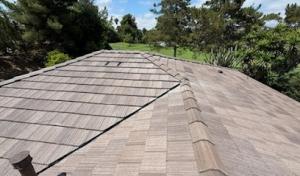
Material performance under heat and wind will guide your selection. Clay and concrete tiles offer excellent durability in hot, dry summers and are capable of enduring Santa Ana wind when properly installed with correct fasteners and nailing patterns. Synthetic or composite shingles can provide a lighter option with good wind resistance if installed with a reinforced underlayment and appropriate sealing strips. Asphalt shingles can be suitable for some hillside mid-century homes when installed with upgraded contact tapes and wind-rated starter courses. Each option benefits from a local installer who understands edge uplift risk, tile security, and the subtle shading differences across La Mesa's rooflines.
The Santa Ana winds can push through neighborhoods with a dry, gusty bite, and the inland heat dries roofing materials fast. In this climate, the timing of a roof replacement isn't only about the visible tiles or shingles; it's about how the underlayment and fasteners hold up under repeated wind gusts and seasonal dryness. Asphalt shingles, clay tile, and concrete tile each respond differently to those stressors. In drier years, underlayment can age and dry out more quickly, so the risk of hidden leaks grows even when the surface looks intact. When guidance points toward replacement, it often comes from a mismatch between what you see on the surface and what lurks beneath: shingle granule loss, curled edges, cracked tiles, or showing signs of moisture intrusion around roof penetrations. Planning around the Santa Ana season-aiming to complete major work before the hottest months or after the windiest spells-helps ensure the new roof has a solid first season against wind-driven debris and sun exposure.
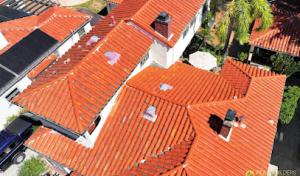
La Mesa features a residential mix that reflects Southern California variety: clay tile, concrete tile, and asphalt shingles all sit in the same neighborhood streetscape. Clay and concrete tiles provide long-term durability and a timeless look, but they respond differently to wind gusts and substrate conditions. Clay tiles tend to be lighter on impact against direct sun and heat, yet they rely on a sturdy deck and proper nailing patterns to resist high wind uplift. Concrete tiles sit a bit heavier and can offer excellent longevity, but improper installation or insufficient fasteners can produce wind-related movement that leads to cracks or leaks in the tile field. Asphalt shingles, on the other hand, can be quicker to install and more forgiving with existing roof geometry, but older homes may have underlayment and sheathing that age out before the visible surface shows significant wear. Choosing between these options in this market often comes down to the roof slope, the attic ventilation plan, and how much weight the existing structure can safely bear. A practical approach is to align material choice with the home's original character and the long-term conditions posed by dry heat and wind, while also allowing for modern underlayment and ventilation upgrades where needed.
Older La Mesa neighborhoods frequently reveal that leaks show up around roof edges, penetrations, or where underlayment has aged, even if the tile or shingle field still appears visually sound. This happens because dry seasons intensify the wear on the barrier layers that sit just beneath the visible roofing. When underlayment begins to fail, small leaks can migrate along the deck and show up in ceilings or interior walls after a windy afternoon or a hot day when the roof expands and contracts. In practice, a replacement plan should evaluate the condition of the underlayment and flashing, not just the surface tiles or shingles. If the deck shows signs of sagging, unevenness, or algae and mold growth near flashings, those are warning indicators that the entire roof system-underlayment, nails, sealants, and flashing-needs coordinated attention with the visible tile or shingle replacement.
In this climate, detailing around vents, skylights, and transitions to a parapet or chimney is critical. Wind-driven debris can exploit marginal sealant joints, so weatherproofing in these areas must be meticulous. For tile roofs, ensure proper alignment and spacing to prevent micro-movements during gusts; for asphalt, verify the nail line and shingle overlap after installation to minimize uplift risk. Regular inspections in spring and late summer can catch early signs of wear that herald a larger replacement window before a Santa Ana event. When planning maintenance, homeowners should look for loose tiles or shingles, cracked edges, or granule loss, even if the overall field looks fine. Addressing these issues promptly helps extend the life of the roof system in a climate where dry heat and wind are constant factors.
Find contractors who specialize in clay and concrete tile roofs, known for their durability and curb appeal.

Raindance Roof Company
(619) 464-2800 www.raindanceroof.com
8115 Commercial St, La Mesa, California
4.3 from 12 reviews

Raindance Roof Company
(619) 464-2800 www.raindanceroof.com
8115 Commercial St, La Mesa, California
4.3 from 12 reviews
Raindance Roof Company is your go-to expert for stunning, durable, and energy-efficient roofing solutions. With years of experience under our belt, we take pride in enhancing the safety and beauty of homes with top-notch craftsmanship and premium materials. Trust us to keep you dry and worry-free, no matter the weather. Choose Raindance Roof Company and enjoy a roof that not only protects but adds value and style to your home. Contact us today for a free consultation and see the difference dedication makes!
McKay Roofing & Solar
(858) 541-1097 mckayroofingsolar.com
Serving
4.8 from 157 reviews
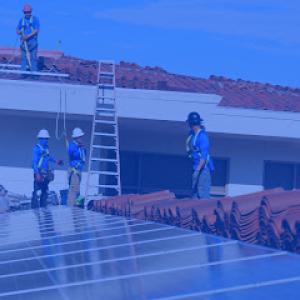
McKay Roofing and Solar is a local roofing contractor serving San Diego County with over 40 years of experience. Based in Spring Valley, we handle roof repair, roof replacement, and solar installation for residential and commercial properties. Most of our work comes from older roofs, heat damage, leaks, and roofs that need to be addressed before solar is installed. We work throughout San Diego, including Mission Valley, La Mesa, El Cajon, Lemon Grove, Santee, Chula Vista, and surrounding areas. Straight answers, no pressure, and work that’s built to last.
Commercial & Industrial Roofing
(619) 465-3737 www.ciroofing.com
Serving
4.8 from 31 reviews
𝐂 & 𝐈 𝐑𝐨𝐨𝐟𝐢𝐧𝐠 𝐂𝐨 𝐈𝐧𝐜, a 𝐫𝐨𝐨𝐟𝐢𝐧𝐠 𝐜𝐨𝐧𝐭𝐫𝐚𝐜𝐭𝐨𝐫 in 𝐒𝐩𝐫𝐢𝐧𝐠 𝐕𝐚𝐥𝐥𝐞𝐲, 𝐂𝐀, delivers expert 𝐫𝐞𝐬𝐢𝐝𝐞𝐧𝐭𝐢𝐚𝐥, 𝐜𝐨𝐦𝐦𝐞𝐫𝐜𝐢𝐚𝐥, and 𝐢𝐧𝐝𝐮𝐬𝐭𝐫𝐢𝐚𝐥 𝐫𝐨𝐨𝐟𝐢𝐧𝐠. We serve 𝐋𝐚 𝐌𝐞𝐬𝐚, 𝐄𝐥 𝐂𝐚𝐣𝐨𝐧, and 𝐏𝐨𝐰𝐚𝐲, 𝐂𝐀, offering 𝐫𝐨𝐨𝐟 𝐫𝐞𝐩𝐥𝐚𝐜𝐞𝐦𝐞𝐧𝐭, 𝐫𝐨𝐨𝐟 𝐫𝐞𝐩𝐚𝐢𝐫, 𝐫𝐨𝐨𝐟 𝐦𝐚𝐢𝐧𝐭𝐞𝐧𝐚𝐧𝐜𝐞, and 𝐢𝐧𝐬𝐩𝐞𝐜𝐭𝐢𝐨𝐧𝐬. Our 𝐥𝐨𝐜𝐚𝐥 𝐫𝐨𝐨𝐟𝐢𝐧𝐠 𝐜𝐨𝐦𝐩𝐚𝐧𝐲 handles everything from 𝐞𝐦𝐞𝐫𝐠𝐞𝐧𝐜𝐲 𝐫𝐨𝐨𝐟 𝐫𝐞𝐩𝐚𝐢𝐫 to 𝐜𝐨𝐦𝐦𝐞𝐫𝐜𝐢𝐚𝐥 𝐟𝐥𝐚𝐭 𝐫𝐨𝐨𝐟𝐢𝐧𝐠 and 𝐢𝐧𝐝𝐮𝐬𝐭𝐫𝐢𝐚𝐥 𝐫𝐨𝐨𝐟 𝐢𝐧𝐬𝐭𝐚𝐥𝐥𝐚𝐭𝐢𝐨𝐧, backed by trusted service and quality results.

Alfaros & Son Roofing LLC - Shingle Roof Installation & Repair
(619) 871-2954 alfaros-and-sons-roofing.square.site
Serving
4.9 from 42 reviews
If you need a roofing service provider, get in touch with Alfaros and Son Roofing High-quality services, really good prices and attitude which deserves admiration.
Dana Logsdon Roofing & Solar
Serving
4.9 from 770 reviews
Dana Logsdon Roofing & Solar, Inc. has been providing expert roofing and solar solutions in El Cajon & San Diego CA, for over 30 years. Specializing in roofing repairs, installations, and services for both residential and commercial properties, we deliver durable and reliable results tailored to your needs. Our solar installation services combine efficiency with sustainability, helping you maximize energy savings. As trusted roofers, we offer free estimates to help you plan your project with confidence. Choose a company backed by decades of experience and a commitment to quality. Contact Dana Logsdon Roofing & Solar, Inc. today for professional roofing and solar services that stand the test of time!
Streamline Roofing
Serving
5.0 from 67 reviews
We are a residential/commercial small local business with 25yrs of experience. We believe in the old fashioned hand shake hard work and honesty with all of our customers.
Dennis Cook Roofing
(619) 443-1300 denniscookroofing.com
Serving
4.6 from 15 reviews
Dennis Cook Roofing has provided professional roofing contractor services in San Diego for almost 50 years. We are a trusted family business and have an “A” accreditation from the Better Business Bureau. Whether you need a new roof installed or need to track down and repair a leak, we are ready to help. We've served many different types of customers, including homeowners, property managers, general contractors, and real estate agents – on projects ranging from southern California cottages to huge industrial warehouses. Contact us today for a free roofing estimate!

EZ Solar & Roofing
(619) 613-9016 www.ezsolarelectric.com
Serving
4.9 from 103 reviews
At EZ Solar & Roofing, we provide the longest warranties in the industry, giving you peace of mind for decades to come. A reliable roof and solar system are crucial for your home, family, and protection. Our commitment to you is to provide a turn-key, hassle-free solar installation in San Diego with the best warranty in the industry. What sets us apart as a local San Diego roofing and solar company is our proven track record and unmatched warranty. Experience turn-key roofing and solar installation San Diego homeowners trust. At EZ Solar & Roofing, we ensure efficient installations without compromising quality. Hire us today and discover why we’re the best choice for San Diego roofing and solar solutions.
Cal Roof
(619) 500-1119 www.calroof.com
Serving
5.0 from 23 reviews
Residential and Commercial Roofing Contractor. We install all roof systems including composition shingle, tile, single ply and built up roofing. Our customer service is second to none. Our installers are professionals with decades of experience.
Martin Roofing
(619) 287-6860 www.martinroofing.net
Serving
4.8 from 24 reviews
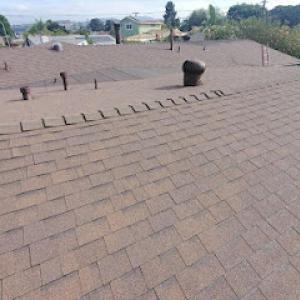
Since 1948, Martin Roofing has delivered elite residential and commercial roofing services throughout San Diego County. As the area’s oldest familyowned roofing company, they are committed to integrity, craftsmanship, and customer service. Their licensed and insured team handles roof repairs, replacements, and new installations using highquality materials including tile, shingle, and flat roofing systems. Martin Roofing partners with trusted manufacturers and emphasizes safety, durability, and clear communication from start to finish. With decades of experience and a strong reputation built on word of mouth, Martin Roofing provides reliable solutions that protect homes and businesses for the long term.
Christian Roofing
(619) 812-2407 www.christianroofing.com
Serving
4.9 from 170 reviews
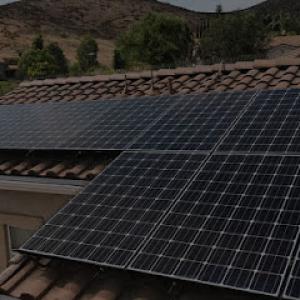
Christian Roofing, Inc provides roofing installation, repair, and maintenance, gutter, and soloar roofing services to the San Diego County, CA area.

Sully-Jones Roofing
(619) 444-0150 www.sully-jones.com
Serving
4.4 from 45 reviews
Roofing the Greater San Diego area since 1952, Sully-Jones Roofing specializes in commercial and residential roofing and repairs. We are a family-owned business providing service you can trust. Sully Jones Roofing only hires the most experienced staff, and we always use our proprietary technology and state-of-the-art equipment to ensure that your roofing project is completed on time and at the most competitive prices. We want you to have such a positive experience that you will refer us to your friends and family, and come to us with all your future roofing issues.
For a typical re-roof project, you'll see asphalt shingles running about 400 to 750 USD per square. Metal roofing generally lands between 900 and 1500 USD per square. Clay tile projects come in around 1500 to 2300 USD per square, while concrete tile sits roughly from 1300 to 2100 USD per square. If wood shingles or shakes are under consideration, expect about 800 to 1500 USD per square, and synthetic or composite shingles fall in the 800 to 1400 USD per square range. These figures reflect the inland heat and Santa Ana wind exposure that shape La Mesa's roofing needs, and they align with the local mix of mid-century ranch homes and tile-roof neighborhoods.
Costs in La Mesa can rise when older homes need deck repairs, or when multiple tear-off layers are discovered. If heavy tile systems are involved, a structural review becomes more labor-intensive and may push the price higher. In practice, a project that starts with a standard removal and re-nail of shingles can quickly grow if the deck under the old roof has dry-rot or sagging rafters. Tile installations-especially clay or concrete-troad and fastenings must be evaluated for the underlying structure, so budget a contingency for a more robust frame if the home's age or condition calls for it. The same goes for synthetic or composite shingles when the original roof design didn't anticipate the added weight and wind loads of newer materials; reinforcement or adjustments may be prudent.
Dry-season demand tightens scheduling in La Mesa because many homeowners aim to avoid winter rain delays. That timing pressure can affect labor availability and project start dates, particularly for heavier tile crews or multi-layer tear-offs. If you're weighing material options, plan with the calendar in mind: a tile roof may require longer lead times and more coordinated deliveries, while asphalt or synthetic options can move a bit quicker if the crew has space on the calendar. Weather windows matter more for tile systems, where a few rainy days can stall progress and increase the need for temporary protections.
In inland heat and Santa Ana wind zones, durability and wind performance matter as much as initial price. Asphalt shingles are a solid, cost-conscious choice if the roof isn't carrying heavy tile loads. Metal roofing offers excellent wind resistance and longevity but comes at a higher per-square price. Clay and concrete tiles deliver a classic look and strong longevity but require solid structural support and precise installation to manage wind uplift. Wood shingles and synthetic options each have their own pros and cons for heat exposure and maintenance. If the goal is to balance initial cost, wind resilience, and long-term performance, map your priorities to the cost ranges above and the potential structural considerations discussed.
Don't let upfront costs delay a critical repair - these contractors offer payment plans to fit your budget.
San Diego County Roofing & Solar
(855) 732-6868 sandiegocountyroofing.com
Serving
5.0 from 42 reviews
A full roof replacement in this town typically requires a permit through the City of La Mesa Building Department. Unlike minor maintenance projects, a replacement triggers formal oversight to ensure the work meets local codes and neighborhood standards. The permit process carries real consequences if skipped or rushed, including delays, rework, and the risk of non-compliance during a later inspection or when selling the home. Plan on allocating time for permit review and approval before the first shingle is removed.
The local permit workflow often includes plan review and documentation describing the roofing material and underlayment system being installed. Expect to submit details on the chosen roof covering, underlayment type, attic ventilation, and any retrofits to existing decking or drip edge. Concrete suggestions like tying underlayment choices to wind exposure and heat performance can help the reviewer see you've thought through Santa Ana wind implications and the dry-season demands. Having stamped manufacturer specs and installation manuals ready can smooth the process and reduce questions during review.
Inspections in this city commonly occur at staged points such as rough-in and final, so the project should be sequenced around city sign-off. The rough-in inspection verifies that decking, framing, and underlayment are correctly installed before shingles go on, while the final inspection confirms full completion and compliance of ventilation, flashing, and drainage. Because inspections are tied to permit milestones, interruptions or unpermitted work can trigger rework and additional fees. Coordinating timing with the contractor to align weather windows and inspection appointments reduces the risk of weather-induced delays.
Keep a clear line of communication with the contractor about when inspections are expected and what documentation will be requested. Retain copies of permit approvals, plan reviews, and any correspondence with the Building Department. If a city inspector notes discrepancies, address them promptly to avoid cascading delays. Remember, this city's climate and housing stock make timely permit clearance and orderly inspection sequencing essential to a solid, code-compliant roof replacement.
La Mesa's wetter winter period is when small underlayment failures often become visible interior leaks after months of dry weather. As the season shifts, tiny drips that hid behind dry exterior walls suddenly reveal themselves where you'd least expect it-in living rooms, closets, and ceilings that once seemed dry. This isn't a puzzle about poor roofs; it's a signal that underlayment, valleys, flashings, or penetrations have reached the limit of their moisture tolerance. When Santa Ana winds and dry heat push the roof hard through most of the year, those weak points burrow in, and a long dry spell can mask what a single rainstorm exposes. You need to treat those fleeting leaks as urgent warnings rather than minor drips.
Because most of the year is dry, some homeowners delay repairs until the first meaningful rain exposes weak valleys, flashings, or penetrations. That delay amplifies the risk: once the rain begins, moisture can surge behind a compromised seal, threatening insulation, attic spaces, and even interior ceilings. In a neighborhood with mid-century ranch and tile-roof stock, detailing around piping boots, skylines, and hip-and-valley intersections is prone to failure when the next storm hits before the roof is prepared. The window to act is narrow: anticipate the first heavy rains and move quickly to assess whether you're facing a temporary patch or a full rework of the vulnerable joints.
Rapid temporary drying-in matters locally because winter rainfall can interrupt open-roof work and require moisture control before permanent installation resumes. Start with a fast, professional assessment the moment you notice any damp spot after a storm. If leaks exist, prioritize weatherproof temporary cover and secure tarps over exposed valleys and vents to prevent further water intrusion. Coordinate with your roofer to align a drying-in plan that minimizes downtime: use dry-out periods between storms to seal penetrations, reflash selections as needed, and straighten sealant lines before permanent materials go back on. This approach keeps the project on track and reduces the chance of moisture-related setbacks when the next round of storms rolls in.
When you can't wait, these contractors offer fast response times to stop leaks and prevent further damage.
Alfaros & Son Roofing LLC - Shingle Roof Installation & Repair
(619) 871-2954 alfaros-and-sons-roofing.square.site
Serving
4.9 from 42 reviews
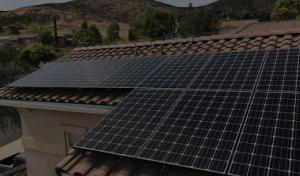
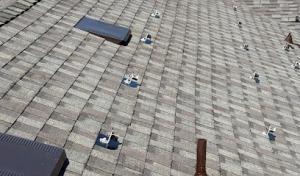
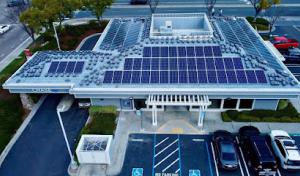
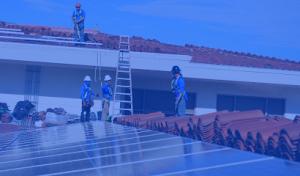
La Mesa's sunny inland setting makes solar coordination a practical roofing issue, especially when homeowners are deciding whether to re-roof before panel work. When planning, think about panel supply schedules, roof access, and how long panels will be off while the deck is being prepared. If the roof is nearing end of life, replacing it first reduces the chance of panel penetrations needing rework soon after.
Roof replacements on homes with existing solar require planning around detach-and-reset logistics rather than treating the roof as a standalone project. A retrofit crew may need to disconnect wiring, remove racks, and then reinstall after the new roof skin is installed. This sequence adds time on the calendar and requires clear communication with the installer about access points and weather windows.
Penetration detailing is especially important on older roofs where prior reroofs, vents, and added equipment may already complicate waterproofing. In areas with Santa Ana winds, extra attention should be given to how new seals are integrated with existing penetrations to resist wind-driven infiltration.
Create a two-stage plan: first address the roof surface with a durable, wind- and heat-tolerant option, then coordinate solar work within a single window when possible. Choose fastener patterns and ridge details that minimize potential leaks without sacrificing wind resistance. Schedule the work during a dry season lull and confirm temporary protection for exposed roof edges during panel detachment.
Summer heat can extend drying times for sealants and underlayment, so plan around afternoon heat delays and Santa Ana forecast spikes. Wind scatter from nearby hills can lift loose edges, making temporary tarps a helpful safeguard during the detached panel phase. Talk through a concrete sequence with the contractor that locks in a rain-free day, even if a late-winter storm window briefly opens. In this market, flexibility protects the roof and the solar investment today.
Find contractors who integrate solar panels or solar shingles into your roof for long-term energy savings.
In this part of the San Diego area, some carriers have tightened underwriting in wildfire-prone parts of California, and that attitude can touch La Mesa homes too. If a long stretch of Santa Ana winds and dry inland heat has stressed your roof, a carrier may look harder at age, wear patterns, and proven maintenance history before binding or renewing coverage. Understanding that reality helps you prepare in advance and avoid surprises when you try to keep your policy active.
Insurers may ask for roof age records, condition photos, and remodel history before binding, renewing, or adjusting coverage. Build a simple, organized file you can share quickly: a dated set of exterior photos showing roof sections, vents, flashings, and any visible damage; notes on any repairs; and receipts or contractor estimates for recent work. Keep copies of warranties, shingle types, and installation dates. The clearer the record, the less back-and-forth during a renewal or claim.
When claims are filed, adjusters commonly review roof reports, photo evidence, and replacement estimates, so documentation quality can influence claim handling. If a roof report notes elevated granule loss, curling shingles, or verified past repairs, expect smoother communication and faster decisions. A recent professional assessment adds credibility, especially after a Santa Ana wind event or a heat spike that affected tiles or underlayment.
Between seasons, schedule a professional roof inspection after the dry heat and before Santa Ana winds, so you have current findings. Create a simple one-page sheet listing shingle type, age, last repairs, and warranties. Keep it with your binder and a contractor contact to speed claims if needed.
Connect with contractors who help homeowners navigate the claims process from damage assessment to final approval.