
Last updated: Apr 19, 2026
This area experiences a distinct winter wet season, so tear-off and dry-in scheduling must ride the weather rather than fight it. The best approach is to pin a tentative start date to a stretch of dry days after a final substantial rain event, and to build in a buffer of two to three days for lingering moisture on the roof deck or in the attic. If a forecast shows a succession of storms, push the project back rather than forcing a dry-in on damp decking. When the rain stops, go through a quick site assessment: confirm gutters are cleared, inspect the ridge vent and attic hatch for moisture intrusion, and coordinate deliveries so roofing materials can move in promptly on the first clear day. A practical plan is to target a dry spell of at least two days for the actual tear-off, followed by a careful dry-in period that keeps the new underlayment closed and protected from residual dampness. In this climate, the dry-in window matters more than in fully arid markets, so treat it as a non-negotiable milestone before any shingles or tiles go on the scaffold.
Santa Ana wind periods can interrupt handling, underlayment exposure, and safe staging on active reroofs. When a high-wind alert is forecast, prepare a concrete plan: secure all loose materials, strap down stacks of shingles or tiles, and designate a wind-safe staging zone off the roof line. If gusts are predicted to exceed a practical threshold for tile work, suspend active tasks such as planking or tile nailing and switch to interior or near-roof tasks, like reflecting on underlayment installation or organizing materials on the ground. In inland San Diego County, tile work becomes a moving target during Santa Ana times, so the sequencing should favor completing portions that require less wind exposure first, and postpone delicate tile handling until the air quality and wind conditions stabilize. Have a weather contingency ready: a clear plan to pause work during peak wind hours and a process to resume immediately once conditions relax, minimizing exposed underlayment time and reducing the risk of detaching fasteners or broken tiles.
Summer heat in East County can erode daily progress and limit the handling window for certain roofing materials, so start dates and daily sequencing should account for heat-sensitive tasks. Begin work as early as feasible to capitalize on cooler morning temps, and build in short, regular breaks to protect crew health and maintain steady progress. If asphalt shingles or composite products are part of the project, coordinate the installation so that the most heat-sensitive steps-primer application, sealant work, and lightweight underlayment mounting-occur during the cooler morning hours. For tile systems, plan to avoid the hottest part of the day for heavy handling or lift operations; when possible, perform these activities in the late morning and shift more routine tasks to early afternoon, provided the roof is already protected and safe to continue. Keep a shaded break area and ready access to water on site, and ensure staging areas stay clear of direct sun to minimize material warping or premature drying of certain sealants. The goal is to maintain a steady pace without sacrificing quality or safety as the temperatures rise.
Coordinate with the crew to map out a day-by-day sequence that respects the climate realities above. In dry-in-critical weeks, lock in a firm schedule for roof deck inspection, underlayment installation, and starter course placement before any tile or shingle work begins. Build in a realistic buffer for wind days and heat-driven slowdowns, but also establish a tight, near-term target for completing the tear-off and installing a wind-stable, weather-tight barrier before the next storm window. Use the first dry spell after winter rains as the primary kickoff opportunity, and then align the remaining tasks to avoid back-and-forth hiring or rework caused by weather swings. By treating these seasons as separate, interlinked phases, the project can stay on track even when nature throws a curveball.
Clay and concrete tile dominate the skyline in this area, and many replacement decisions hinge on aging underlayment and flashing rather than the tile surface itself. In practice, that means you'll want to keep a close eye on the condition of what's under the tiles-the waterproof layer and the metal or lead flashings that seal the penetrations around chimneys, vents, and transitions. A tile surface that looks fine can still hide deteriorated underlayment that leaks after a sharp storm or a season of heat cycling. When a contractor checks your roof, emphasize the integration between tile, underlayment, and flashing, not just the tile itself.
Spring Valley's sun exposure and heat cycling accelerate brittleness in clay and concrete tiles, and that brittleness can show up as microcracks or outright breakage after a tile is stepped on or displaced by wind. In addition, Santa Ana winds can lift loose edges and push tiles out of alignment, increasing the risk of wake leaks during the winter rainy season. Foot traffic on older tile roofs is especially risky, because a single misstep can cause a cascade of cracked or displaced tiles. The result is a roof that may look intact from the ground but reveal its vulnerability to weather once a rain event hits.
Because tile is common in local neighborhoods, homeowners often need contractors who can evaluate whether a project is a lift-and-reset, a partial repair, or a full reroof. A lift-and-reset may be appropriate when most tiles are intact but there's localized damage to underlayment or flashing, and the tile surface is still reliable for reuse. Partial repair works when only a section shows compression cracks or flashing corrosion, and the surrounding field remains solid. If underlayment has aged beyond its protective capability, or cycles of heat and heavy rain have permeated the roof deck, a full reroof could be the longer-term, cost-effective choice. The goal is to restore a cohesive water barrier that survives the next dozen winters and Santa Ana seasons.
A reroof plan needs to align with the winter rain schedule and the likelihood of wind-driven events. If a project requires exposing the deck or replacing flashing around a chimney, scheduling during a dry window reduces the risk of finished work being compromised by new leaks. Consider sequencing that minimizes the time the interior is exposed to the elements, and ensure temporary waterproofing is in place during longer delays caused by adverse weather. The plan should also reflect how the tile system will be reseated or re-secured to withstand wind uplift and thermal cycling.
Carry out a seasonal inspection focusing on flashings and chimney/vent penetrations, where leaks tend to begin even when tiles appear sound. If you notice slipped tiles or a roof line with uneven faces, address those issues promptly before a storm. Use caution with any foot traffic on an aging tile roof-walk only on safe, structured routes or hire a professional to walk and inspect. Clean gutters and raise awareness of any moisture streaks inside the attic, which can indicate underlayment failure before a visible exterior sign appears. A thoughtful approach now reduces the chance of costly interruptions during the next wet season.
Find contractors who specialize in clay and concrete tile roofs, known for their durability and curb appeal.

Commercial & Industrial Roofing
(619) 465-3737 www.ciroofing.com
9239 Olive Dr, Spring Valley, California
4.8 from 31 reviews


McKay Roofing & Solar
(858) 541-1097 mckayroofingsolar.com
3737 Bancroft Dr, Spring Valley, California
4.8 from 157 reviews
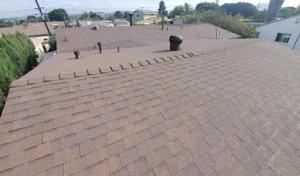
McKay Roofing and Solar is a local roofing contractor serving San Diego County with over 40 years of experience. Based in Spring Valley, we handle roof repair, roof replacement, and solar installation for residential and commercial properties. Most of our work comes from older roofs, heat damage, leaks, and roofs that need to be addressed before solar is installed. We work throughout San Diego, including Mission Valley, La Mesa, El Cajon, Lemon Grove, Santee, Chula Vista, and surrounding areas. Straight answers, no pressure, and work that’s built to last.
Commercial & Industrial Roofing
(619) 465-3737 www.ciroofing.com
9239 Olive Dr, Spring Valley, California
4.8 from 31 reviews
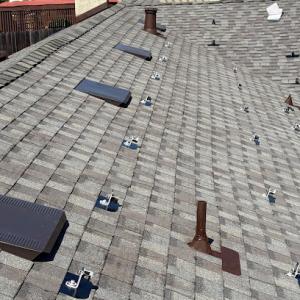
𝐂 & 𝐈 𝐑𝐨𝐨𝐟𝐢𝐧𝐠 𝐂𝐨 𝐈𝐧𝐜, a 𝐫𝐨𝐨𝐟𝐢𝐧𝐠 𝐜𝐨𝐧𝐭𝐫𝐚𝐜𝐭𝐨𝐫 in 𝐒𝐩𝐫𝐢𝐧𝐠 𝐕𝐚𝐥𝐥𝐞𝐲, 𝐂𝐀, delivers expert 𝐫𝐞𝐬𝐢𝐝𝐞𝐧𝐭𝐢𝐚𝐥, 𝐜𝐨𝐦𝐦𝐞𝐫𝐜𝐢𝐚𝐥, and 𝐢𝐧𝐝𝐮𝐬𝐭𝐫𝐢𝐚𝐥 𝐫𝐨𝐨𝐟𝐢𝐧𝐠. We serve 𝐋𝐚 𝐌𝐞𝐬𝐚, 𝐄𝐥 𝐂𝐚𝐣𝐨𝐧, and 𝐏𝐨𝐰𝐚𝐲, 𝐂𝐀, offering 𝐫𝐨𝐨𝐟 𝐫𝐞𝐩𝐥𝐚𝐜𝐞𝐦𝐞𝐧𝐭, 𝐫𝐨𝐨𝐟 𝐫𝐞𝐩𝐚𝐢𝐫, 𝐫𝐨𝐨𝐟 𝐦𝐚𝐢𝐧𝐭𝐞𝐧𝐚𝐧𝐜𝐞, and 𝐢𝐧𝐬𝐩𝐞𝐜𝐭𝐢𝐨𝐧𝐬. Our 𝐥𝐨𝐜𝐚𝐥 𝐫𝐨𝐨𝐟𝐢𝐧𝐠 𝐜𝐨𝐦𝐩𝐚𝐧𝐲 handles everything from 𝐞𝐦𝐞𝐫𝐠𝐞𝐧𝐜𝐲 𝐫𝐨𝐨𝐟 𝐫𝐞𝐩𝐚𝐢𝐫 to 𝐜𝐨𝐦𝐦𝐞𝐫𝐜𝐢𝐚𝐥 𝐟𝐥𝐚𝐭 𝐫𝐨𝐨𝐟𝐢𝐧𝐠 and 𝐢𝐧𝐝𝐮𝐬𝐭𝐫𝐢𝐚𝐥 𝐫𝐨𝐨𝐟 𝐢𝐧𝐬𝐭𝐚𝐥𝐥𝐚𝐭𝐢𝐨𝐧, backed by trusted service and quality results.

Campos Roofing
(619) 464-7057 camposroofinginc.com
8662 Jamacha Rd, Spring Valley, California
4.8 from 9 reviews
Family own company serving San Diego County for more than 45 years. Complete roofing services & repairs. Free estimates.

American roofing service
(619) 750-8768 americanroofingserviceinc.net
1016 Gillespie Dr, Spring Valley, California
5.0 from 4 reviews
American Roofing Service is a leading roofing contractor based in San Diego, specializing in comprehensive roof replacement and storm damage repair services. Serving key areas including Carlsbad, Chula Vista, and San Marcos, the company is renowned for its exceptional craftsmanship and reliable service. With expertise in managing insurance claims, their team ensures hassle-free repairs using durable materials. American Roofing Service stands out by offering personalized guidance and clear communication, prioritizing client satisfaction and quality assurance.

O'Connor Roofing
4059 Cortez Way, Spring Valley, California
5.0 from 1 review
We are your roofing specialists, custom copper and metal work and gutter contractor. We have been licensed and serving San Diego for over thirty years. Contact us to request a free quote.
A&J's Professional Roofing
(619) 274-6130 ajsproroofing.com
Serving
5.0 from 13 reviews
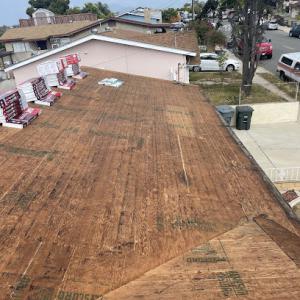
Protect your largest investment with our reliable roofing services. We are a locally owned and operated roofing company currently serving San Diego, CA and surrounding communities. If you want to make your roof last as long as possible, it is vital that you never put off a roof repair. Small issues with roofing become big issues in a hurry. No matter how major or minor the repair you need, we are here to help. We offer roofing contracting, roof leak repair, and roof installation.

Alfaros & Son Roofing LLC - Shingle Roof Installation & Repair
(619) 871-2954 alfaros-and-sons-roofing.square.site
Serving
4.9 from 42 reviews
If you need a roofing service provider, get in touch with Alfaros and Son Roofing High-quality services, really good prices and attitude which deserves admiration.
Bonita Roof Replacement & Repairs
(619) 822-1439 bonitaroofers.pro
Serving
5.0 from 18 reviews
Introducing Bonita Roof Replacement & Repairs, the go-to solution for all your roofing needs. Our extraordinary roofing service is designed to provide you with top-quality repairs and replacements in a simple and hassle-free manner. At Bonita Roof Replacement & Repairs, we understand the importance of a sturdy and reliable roof for your home or business. That's why we offer a range of services to cater to your specific requirements. Whether you need a quick repair or a complete replacement, our experienced team is dedicated to delivering exceptional results every time. With our straightforward approach, getting the best roofing service has never been easier.
NEW Roofing Team
(619) 831-6181 bonita-roofing.us
Serving
5.0 from 10 reviews
Welcome to NEW Roofing, your go-to choice for extraordinary roofing service. Our team provides simple and hassle-free roofing solutions to homeowners looking for top-quality roof installation. With our commitment to excellence and customer satisfaction, we take pride in delivering exceptional results that stand the test of time. At NEW Roofing Team, we understand the importance of a reliable and durable roof for your home. That's why we offer professional expertise combined with straightforward processes to ensure a stress-free experience for our customers. From initial assessment to meticulous installation, our team is dedicated to providing you with peace of mind and a superior end result.

EZ Solar & Roofing
(619) 613-9016 www.ezsolarelectric.com
Serving
4.9 from 103 reviews
At EZ Solar & Roofing, we provide the longest warranties in the industry, giving you peace of mind for decades to come. A reliable roof and solar system are crucial for your home, family, and protection. Our commitment to you is to provide a turn-key, hassle-free solar installation in San Diego with the best warranty in the industry. What sets us apart as a local San Diego roofing and solar company is our proven track record and unmatched warranty. Experience turn-key roofing and solar installation San Diego homeowners trust. At EZ Solar & Roofing, we ensure efficient installations without compromising quality. Hire us today and discover why we’re the best choice for San Diego roofing and solar solutions.
Martin Roofing
(619) 287-6860 www.martinroofing.net
Serving
4.8 from 24 reviews
Since 1948, Martin Roofing has delivered elite residential and commercial roofing services throughout San Diego County. As the area’s oldest familyowned roofing company, they are committed to integrity, craftsmanship, and customer service. Their licensed and insured team handles roof repairs, replacements, and new installations using highquality materials including tile, shingle, and flat roofing systems. Martin Roofing partners with trusted manufacturers and emphasizes safety, durability, and clear communication from start to finish. With decades of experience and a strong reputation built on word of mouth, Martin Roofing provides reliable solutions that protect homes and businesses for the long term.
Dana Logsdon Roofing & Solar
Serving
4.9 from 770 reviews
Dana Logsdon Roofing & Solar, Inc. has been providing expert roofing and solar solutions in El Cajon & San Diego CA, for over 30 years. Specializing in roofing repairs, installations, and services for both residential and commercial properties, we deliver durable and reliable results tailored to your needs. Our solar installation services combine efficiency with sustainability, helping you maximize energy savings. As trusted roofers, we offer free estimates to help you plan your project with confidence. Choose a company backed by decades of experience and a commitment to quality. Contact Dana Logsdon Roofing & Solar, Inc. today for professional roofing and solar services that stand the test of time!
In Spring Valley, leak calls spike when the first meaningful winter storms expose weaknesses that stayed hidden through the dry season. The sudden shift from long dry spells to sustained rain stresses attic penetrations, flashing joints, and saddle rooftops more quickly than the eye expects. If gutters are clogged or downspouts blocked, water quickly backs up to eaves and vents, finding a foothold in the nest of a tile roof or under a sagging valley. This is when the clock starts ticking on interior damage, so recognizing the early signs-streaks along ceiling joints, damp patches near skylights, or sawtooth drips from ridge tiles-drives faster action.
Homes with older penetrations, skylights, and valley details can show sudden interior leaks once prolonged rain arrives after months of dry weather. Valleys, in particular, bear the brunt during heavy rain driven by Santa Ana conditions-heat-weary rooflines expand, then contract with cooling rain, loosening sealants and flashing. Skylights and penetrations around dormers or chimney chases are notorious for hidden failure points that only reveal themselves under persistent downpours. If your roof has aging seals, you should expect unexpected seepage at first serious storm, even if the exterior looks mostly intact at the gutters.
Your neighborhood contractor signal strongly favors emergency repair and quick response, reflecting how homeowners here often need immediate tarping or temporary dry-in during storm periods. If a wind-driven downpour hits and you hear rain hammering on a skylight or feel moisture seeping along a vent pipe, don't wait for a drip to become a stain. Call your roofer for a temporary dry-in and tarping plan while you arrange a longer-term patch. Keep access clear for responders, and move valuables away from suspected leak paths to reduce potential water damage before a crew arrives.
During dry spells, inspect visible flashing around chimneys, vents, and skylights from the ground with binoculars or a ladder sitter. Look for loose seals, lifted metal, or cracked caulk, and note any roof areas with heavy foot traffic or prior repairs. Create a simple storm kit: a few tarps, heavy-duty rope, plastic sheeting, and a staging area on the ground level for tarping materials. When heavy rain begins, you'll want to relay precise leak locations to the contractor so they can prioritize the worst-hit bays and minimize interior exposure.
When you can't wait, these contractors offer fast response times to stop leaks and prevent further damage.
Commercial & Industrial Roofing
(619) 465-3737 www.ciroofing.com
9239 Olive Dr, Spring Valley, California
4.8 from 31 reviews
Campos Roofing
(619) 464-7057 camposroofinginc.com
8662 Jamacha Rd, Spring Valley, California
4.8 from 9 reviews

Alfaros & Son Roofing LLC - Shingle Roof Installation & Repair
(619) 871-2954 alfaros-and-sons-roofing.square.site
Serving
4.9 from 42 reviews
Spring Valley homes come with a common mix of asphalt shingles, tile, metal, wood shake, and synthetic products. That variety creates a wide reroof price spread, especially when heavier tile systems or specialty profiles are involved. If you're evaluating options, expect a broader range than a uniform shingle job, and plan for costs to reflect the specific roof assembly you choose. Asphalt shingles sit at the lower end, while clay or concrete tile and specialty profiles push toward the higher end of the spectrum.
Costs can rise when old tile systems require careful tear-off, underlayment replacement, flashing updates, and staging on steeper suburban rooflines. A tile roof often needs additional attention: removing old tile, inspecting the deck, repairing or replacing damaged sheathing, and re-installing proper tile underlayment. If your roof has multiple slopes or a steep pitch, staging and safety measures add substantial labor time. Expect the premium to reflect these extra steps, even before choosing the final roofing material.
Material choice drives the bulk of the budget. Asphalt shingles typically fall in a more affordable range, while metal, clay tile, and concrete tile push higher. Wood shingles/shakes and synthetic/composite shingles offer mid-to-upper ranges depending on profile and performance expectations. Pricing per square (100 square feet) in this market generally follows the listed ranges: asphalt shingles around the lower end, metal higher, clay tile and concrete tile well above asphalt, with wood and synthetic options landing in between or above, depending on profile and warranty.
Pricing can also move with seasonal demand surges after winter storms or wind events in the broader San Diego County market. Wet-season repairs can compress contractor calendars, leading to tighter scheduling and potential short-term price increases. Planning for a reroof in the fall or early winter window-when possible-can help you secure better access and avoid peak-season premiums, but always coordinate with weather outlooks. For tile-heavy roofs, anticipate longer timelines and tighter availability during windy months, which can influence both cost and completion dates.
If you're leaning toward tile or a heavier profile, budget for tear-off, underlayment refresh, flashing updates, and safer staging on steeper roofs. Gather multiple contractor quotes that itemize tear-off, disposal, underlayment, flashing, and material costs. Compare not just the bottom line but the scope of work, projected workmanship timelines, and warranty terms to ensure you're choosing a reroof plan that withstands Santa Ana winds and winter rains.
Get a clear picture of your project costs upfront - no commitment required.
Campos Roofing
(619) 464-7057 camposroofinginc.com
8662 Jamacha Rd, Spring Valley, California
4.8 from 9 reviews

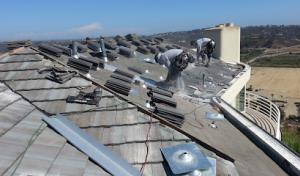
Spring Valley is generally served through San Diego County jurisdiction rather than its own city government, so reroof permitting and inspection workflow can depend on the applicable county process or any special local jurisdictional overlay. That means the path from tear-off to completion isn't uniform from street to street, and a project that looks straightforward on paper can encounter unexpected routing at the county level or a local overlay district. Understanding who oversees your project-and where their office sits on the calendar-can save you real headaches when you're already juggling Santa Ana wind alerts and an aging tile roof.
A full reroof typically requires a building permit, with plan review and inspections commonly occurring at underlayment and final completion stages. In practice, that means you'll need a set of roof plans or a written scope that shows underlayment type, flashing details, and ventilation strategy that the reviewer can follow. The first review helps catch issues before you commit to lifting old material, while the final inspection confirms the work was completed to code and that you can safely weather the next winter storm. If your house uses clay or concrete tile, the plan reviewer may pay particular attention to roof-to-wall transitions and tile interlock details.
Because status timing can vary within San Diego County jurisdictions, homeowners should confirm permit routing and inspection scheduling before tear-off begins. Delays can come from weekend backlogs, rain-related holds, or changes in local overlay rules, so don't assume the process will move at a predictable pace. A practical approach is to contact the county permit office early in the planning stage, then designate a concrete window for tear-off and roofing installation that accounts for potential rain delays and Santa Ana wind warnings.
Ask about who will pull and track the permit, and whether the project requires plan review updates as work progresses. Confirm the inspection sequence: initial underlayment, intermediate milestones if found necessary by the reviewer, and the final inspection. Keep a copy of the permit card and any overlay-specific conditions accessible on-site, so you're prepared to present them if weather or access constraints arise during the reroof.
California's inland heat, Santa Ana winds, and the winter rain patterns that brush through this part of the county shape the price of peace of mind as a homeowner. Carriers have periodically tightened underwriting in wildfire-prone and higher-risk areas, and Spring Valley sits squarely in the line of sight for several providers. That means the moment a claim trigger shows up-wind-driven rain, deferred maintenance questions, or an aging roof-adjusters may look harder at what's beneath the shingles. In practice, this can translate into stiffer qualification criteria, higher scrutiny after a storm, and a tighter leash on what gets covered without a thorough pre-loss record.
Detailed roof-condition documentation is increasingly the norm. Expect inspectors to note roof age, the condition of flashing, underlayment, and any previous repairs, plus the way ventilation and attic insulation perform during Santa Ana gusts. If an incident involves wind-driven rain, the insurer will want to see photos, inspection dates, and notes that connect the damage to a recent weather event rather than long-standing deterioration. Delays and disputes often hinge on missing or conflicting documents, so having clean, organized records helps keep a claim moving rather than stalling.
Some carriers may require updates to current code and wind or covering standards before approving or renewing coverage. That makes pre-loss inspection records especially valuable: they establish a baseline that shows maintenance has kept the roof up to acceptable standards, or that a known deficiency has been disclosed with a plan to address it. When a tile roof ages, especially in this climate, timely maintenance and clear communication with the insurer can prevent surprises that complicate a claim after a heavy rain or a windy day.
To navigate this reality, maintain a written maintenance log before the worst weather hits. Record shingle or tile condition, fascia integrity, and gutter performance after storms, and keep dates handy. When renewing or buying insurance, pull together that log, photos, and any contractor notes that corroborate upkeep and repair work.
Connect with contractors who help homeowners navigate the claims process from damage assessment to final approval.

American roofing service
(619) 750-8768 americanroofingserviceinc.net
1016 Gillespie Dr, Spring Valley, California
5.0 from 4 reviews


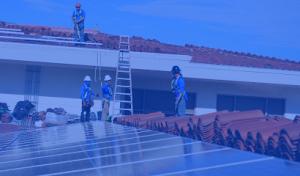
In sunny inland San Diego County communities like Spring Valley, reroof planning often has to account for existing or planned rooftop solar equipment. If you already have panels, map all mounting points, inverters, conduits, and backflow vents, and note any anticipated future expansions. Coordinate with your installer early to keep module layouts compatible with roof lines, wind zones, and any changes you expect during a reroof.
Tile and asphalt reroofs can become more complex when penetrations, mounting points, and sequencing with solar trades are involved. Anticipate staggered work windows so the roof crew can complete underlayment and secondary drainage details before solar racking is reinstalled. Require a single point of contact from the roofing crew and the solar contractor to agree on penetration locations, sealants, and flashing transitions that hold up against Santa Ana winds and winter downpours.
In Spring Valley, it pays to plan around the rainy season and windy periods. If weather trends push you toward a reroof during the heart of winter or peak Santa Ana season, ask for a staged schedule that delays nonessential solar work until the roof is watertight. A well-coordinated sequence reduces the risk of leaks and rework, especially where tile edges, vents, and skylights intersect with solar penetrations.
Homeowners replacing older roofs should evaluate whether it makes sense to complete roofing work before reinstalling or expanding solar components. If tile reroofing involves significant flashing or edging work, finishing the roof first can simplify solar mounting and potentially improve long-term performance. In tight manifolds of space, prioritizing a solid, well-sealed roof foundation often pays off when solar equipment is reintroduced.
Find contractors who integrate solar panels or solar shingles into your roof for long-term energy savings.
McKay Roofing & Solar
(858) 541-1097 mckayroofingsolar.com
3737 Bancroft Dr, Spring Valley, California
4.8 from 157 reviews
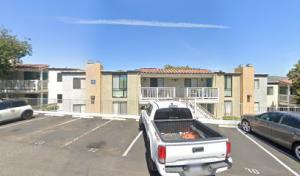
Although pitched residential roofs dominate, the local contractor market shows meaningful demand for flat and low-slope work, likely tied to additions, patio covers, multifamily sections, and commercial properties in the area. That mix means your home may have a secondary low-slope section that isn't as obvious as the main roof, but it still handles weather in the same climate with Santa Ana winds and winter rain. Recognize these portions early, because they behave differently from your tile or shingle roof and require separate attention.
Low-slope sections in this area are especially vulnerable when winter rain finds ponding areas or failed transitions where they meet steeper roof planes. If water sits even briefly on a flat seam, you can get accelerated wear, lifted edges, or micro-leaks creeping toward the interior. Pay attention to any depressions, clogged eaves, or blocked scuppers after heavy rains. A simple jog or regrading of the surface can make a big difference, but only if drainage paths are preserved and defined. In addition, failed transitions between a flat bay and a pitched roof are common trouble spots where water finds a path through, so those joints deserve a focused look during inspection.
These sections often need separate evaluation from the main roof because repair methods, drainage issues, and coating options differ from tile or shingle systems. When water pools, coatings may fail or blister, and you'll need to choose a coating that adheres well to the substrate, resists UV exposure, and remains flexible through temperature swings. For concrete or built-up low-slope areas, ensure edge detailing and flashing around parapets stay intact, and check for hairline cracks that could channel leaks. If you notice persistent dampness, it's worth testing for moisture trapped under coatings and reviewing whether the slope can be slightly increased or if a strategic drain retrofit will fix the issue long term.
Create a maintenance plan that includes twice-yearly inspections focusing on low-slope zones, especially after heavy winter rains and during Santa Ana wind season. Keep an eye on any drainage obstructions, edge flashing, and the condition of transitions to steeper roofs. Have a local roofer assess whether a dedicated coating or sealant is appropriate for the flat areas and if any deck or patio cover interfaces require attention. Regular, proactive checks help catch issues before they become leaks that disrupt living spaces or require larger repairs.
Find specialists in TPO, EPDM, and built-up flat roofing systems for residential and commercial properties.
Commercial & Industrial Roofing
(619) 465-3737 www.ciroofing.com
9239 Olive Dr, Spring Valley, California
4.8 from 31 reviews
Alfaros & Son Roofing LLC - Shingle Roof Installation & Repair
(619) 871-2954 alfaros-and-sons-roofing.square.site
Serving
4.9 from 42 reviews
The local market leans heavily toward reroofing rather than only new construction, so you should target teams that can handle full tear-off, a solid dry-in, and a thorough cleanup. In this climate, tiles and metal often require careful underlayment work and wind-rated fasteners, so ask specifically how crews manage debris, protected areas, and neighbor disruption during a rain window. A calm, organized crew with a clear daily plan helps prevent delays when winter showers threaten.
Affordable pricing and quick response are prominent hiring signals, but Spring Valley homeowners should also verify license, insurance, and who handles permit coordination and inspection attendance. Confirm a written scope of work, a projected schedule, and a point of contact who will be on-site. Expect teams to present recent local references and to outline their process for weather-related changes, including short-notice weather holds and rapid rescheduling.
Because many firms in this market are long-established or family-owned, homeowners can compare not just price but also local tenure, communication speed, and post-job warranty support. Look for a contractor who stays responsive after a leak or storm event and who will provide a clear plan for any needed follow-up work under warranty. In winter, the real test is who shows up quickly after a heavy rain and who can prioritize your roof in their service queue.
When you call, ask about tear-off waste disposal plans and site protection measures, especially around garden beds and driveways. Request a written communication cadence: a kickoff meeting, mid-project updates, and a final walkthrough with an explanation of any maintenance items tied to the new roof. A reliable local crew will treat your home with respect and maintain steady, transparent contact from start to finish.