
Last updated: Apr 19, 2026
Lemon Grove's Mediterranean pattern means the long dry season is the natural window for tear-off and installation. Exposed decking stays drier, and weather interruptions are less likely to turn a small delay into a longer project drag. The goal is to complete the core roof replacement before the winter rain bursts start. That way, you're not fighting soggy underlayment or waiting for walls to dry out after a leak shows up mid-project.
Begin planning to book the project several weeks before the dry season truly settles in. Choose a start date that aligns with a predictable stretch of dry weather, and aim to finish before the first cold front or storm impulse. Keep a short, buffer-friendly schedule for the first half of the tear-off and installation so you're not left scrambling if the forecast shifts. Prioritize a clear sequence: remove old roofing, replace decking where needed, then install the new underlayment and roofing materials in consistent, controlled steps.
Winter rain bursts can interrupt open-roof work and, if a slip occurs, quickly turn a minor delay into an interior leak event. To minimize risk, complete all critical steps that involve deck exposure ahead of any expected winter rain windows. If rain looks possible during a planned phase, have a contingency plan with tarps, temporary coverings, and a fast-track approach to wrap up vulnerable stages between rain cells. Establish a reliable daily shutdown procedure that seals the site at the end of each workday so stubborn evening showers don't find their way into the attic or ceiling cavities.
Santa Ana wind episodes add another layer of consideration. Gusts can lift underlayment, scatter debris, and make staged materials harder to secure on partially completed roofs. Schedule the most wind-sensitive activities on days with calmer afternoons, and create a dedicated wind plan for the site. That plan should include tethering all loose materials, securing pallets or bundles, and shortening the daily work window on windy days when possible. Brief the crew to minimize exposed decking time during unpredictable gusts, and use rapid-securing methods for temporary covers when the forecast calls for windy conditions.
Before tearing off, perform a comprehensive inspection to identify compromised decking, damaged flashing, and failed underlayment. Prioritize replacements that address common leaks observed in older homes, particularly around valleys, chimneys, and vent penetrations. Have all materials staged in secure, shaded areas to prevent wind-driven movement and reduce the chance of debris migrating onto neighboring properties during Santa Ana events. During the tear-off, maintain a clean, organized work zone with clear walkways and clearly labeled bundles. When partial installations are necessary, ensure that each exposed section is protected by a temporary, weather-resistant barrier that shields interior spaces from potential wind-driven rain or blow-off debris.
Set daily check-ins with the crew to reassess weather forecasts and shifting timelines. If a storm window appears unavoidable, decide whether to pause or accelerate the next viable phase, so the project does not linger with exposed decking. Discuss staged material deliveries in advance to avoid clutter and reduce the chance of losing fasteners or small components to wind or misplacement. A well-communicated plan helps keep the project aligned with the dry-season window while staying resilient against winter rain and Santa Ana gusts.
The dominant local material mix includes asphalt shingles, clay tile, and concrete tile, which aligns with the older suburban housing stock and Southern California architectural styles seen around Lemon Grove. This blend isn't accidental: clay and concrete tiles suit the area's heat and Santa Ana wind patterns, while asphalt remains a familiar, practical choice. When evaluating replacement timing, consider how your roof's visible surface matches neighboring homes, because a uniform street appearance can impact resale aesthetics and perceived maintenance. Understanding the mix helps you align choice with the neighborhood look and expected performance.
In inland San Diego County, the dry season is the window for major re-roofing work, but preparation for winter rain and Santa Ana winds matters just as much. Tile systems often outlast their underlayment, so even if the tiles are reusable, lift-and-reset costs can be significant. Asphalt systems in this climate endure more UV exposure and heat cycling than you might expect, accelerating granule wear and brittleness. A practical approach is to schedule replacement after the hotest months but before winter rains, ensuring new underlayments and flashing are in place to handle abrupt rain events and gusts.
Clay tile brings classic California character and strong durability in this climate, though installation accuracy matters because misaligned battens or cracked tiles can magnify wind uplift. Concrete tile offers heavier impact resistance and longer service life, but its weight requires structural checks. Asphalt shingles provide ease of installation and cost-effectiveness, yet their granules wear faster under intense sun exposure. Wood shingles or shakes are less common here due to fire risk considerations and maintenance demands, while synthetic options can offer good durability with lighter weight. For each option, ensure the underlayment and ventilation plan are compatible with the chosen roof system to mitigate heat buildup and moisture movement.
Start with an honest assessment of the existing roof's underlayment and flashing, not just the surface tiles or shingles. If the underlayment shows signs of aging after years of dry heat, plan for a comprehensive re-cover that includes upgraded underlayment, improved ventilation, and reinforced wind-acing. For tile roofs, verify that the substrate can support potential weight changes and that there is a clear plan for lift-and-reset if tiles are reusable. For asphalt, inspect granule loss and surface brittleness as indicators of when a full or partial replacement is warranted. In all cases, coordinate tear-off timing with anticipated winter rains to minimize exposure and disruption.
A Lemon Grove roof benefits from proactive maintenance: clear debris in valleys, prompt resealing of flashings after wind events, and periodic inspections after the rainy season ends. Early detection of small leaks or loose fixtures prevents larger, more expensive damage during Santa Ana gusts. Align your roof's material choice with long-term performance expectations, and pair it with a robust maintenance plan that matches how long you plan to stay in the home. This neighborhood-friendly approach helps maintain curb appeal while keeping roof integrity solid through the harshest inland conditions.
Find contractors who specialize in clay and concrete tile roofs, known for their durability and curb appeal.
Martin Roofing
(619) 287-6860 www.martinroofing.net
6608 Federal Blvd, Lemon Grove, California
4.8 from 24 reviews

In this neighborhood, the choice between a simple overlay-eligible replacement and a full tear-off with decking repairs has a big effect on price and schedule. A straightforward overlay tends to be cheaper upfront because it avoids removing the old roof and re-fastening underlayment, but it still needs solid decking beneath to be durable. A full tear-off adds labor for stripping,hauling away old material, assessing and repairing decking, and reinstallation of underlayment and shingles or tiles. Local crews weigh these options carefully because decking issues found after old roofing is removed can shift the project from a routine re-roof to a more extensive repair job. This means a bid can move significantly once an inspector sees what's hiding under the old layers.
Tile and heavier materials carry more labor risk in Lemon Grove, especially when you're dealing with weight, breakage, and delicate handling of tiles during removal and resetting. Tile roofs, including concrete and clay, tend to run higher than asphalt or synthetic shingles once you factor in underlayment reinforcement, tile crating, and the careful setting required to keep tiles aligned and watertight. In practice, tile projects often push toward the higher end of the price spectrum because the weight drives truckloads of labor and more meticulous workmanship. Conversely, asphalt or synthetic shingles stay more predictable but still vary by whether the project is an overlay or a tear-off with decking work. Synthetic or composite shingles balance cost with durability and easier handling, but they still follow the same overlay versus tear-off dynamic-overlays stay cheaper, tear-offs add decking-related expenses.
Demand spikes after regional rain and wind events in San Diego County tighten scheduling and labor availability, especially for leak response and re-roofing crews. In the weeks following a windy Santa Ana period or a wet spell, crews may run tighter and push timelines or bids upward. In a dry season, you'll generally find shorter lead times and more available crews, but that window can close quickly if a storm front looms. For Lemon Grove homes, plan several weeks ahead for a mid-year or fall re-roof, and be prepared for a tighter schedule if a storm mass rolls through or a regional repair surge hits. This dynamic influences not only timing but also the ability to lock in material choices and drive-down the risk of delays.
Asphalt Shingles: 350-900; Metal Roofing: 700-1400; Clay Tile: 900-1800; Concrete Tile: 800-1700; Wood Shingles/Shakes: 550-1100; Synthetic/Composite Shingles: 350-700. Local costs reflect overlay vs tear-off and the added complexity of tile handling, underlayment work, and tile reset, which can push total project price noticeably higher when decking repairs or replacements are needed.
Martin Roofing
(619) 287-6860 www.martinroofing.net
6608 Federal Blvd, Lemon Grove, California
4.8 from 24 reviews
Since 1948, Martin Roofing has delivered elite residential and commercial roofing services throughout San Diego County. As the area’s oldest familyowned roofing company, they are committed to integrity, craftsmanship, and customer service. Their licensed and insured team handles roof repairs, replacements, and new installations using highquality materials including tile, shingle, and flat roofing systems. Martin Roofing partners with trusted manufacturers and emphasizes safety, durability, and clear communication from start to finish. With decades of experience and a strong reputation built on word of mouth, Martin Roofing provides reliable solutions that protect homes and businesses for the long term.

McKay Roofing & Solar
(858) 541-1097 mckayroofingsolar.com
Serving
4.8 from 157 reviews
McKay Roofing and Solar is a local roofing contractor serving San Diego County with over 40 years of experience. Based in Spring Valley, we handle roof repair, roof replacement, and solar installation for residential and commercial properties. Most of our work comes from older roofs, heat damage, leaks, and roofs that need to be addressed before solar is installed. We work throughout San Diego, including Mission Valley, La Mesa, El Cajon, Lemon Grove, Santee, Chula Vista, and surrounding areas. Straight answers, no pressure, and work that’s built to last.
A&J's Professional Roofing
(619) 274-6130 ajsproroofing.com
Serving
5.0 from 13 reviews
Protect your largest investment with our reliable roofing services. We are a locally owned and operated roofing company currently serving San Diego, CA and surrounding communities. If you want to make your roof last as long as possible, it is vital that you never put off a roof repair. Small issues with roofing become big issues in a hurry. No matter how major or minor the repair you need, we are here to help. We offer roofing contracting, roof leak repair, and roof installation.
Commercial & Industrial Roofing
(619) 465-3737 www.ciroofing.com
Serving
4.8 from 31 reviews
𝐂 & 𝐈 𝐑𝐨𝐨𝐟𝐢𝐧𝐠 𝐂𝐨 𝐈𝐧𝐜, a 𝐫𝐨𝐨𝐟𝐢𝐧𝐠 𝐜𝐨𝐧𝐭𝐫𝐚𝐜𝐭𝐨𝐫 in 𝐒𝐩𝐫𝐢𝐧𝐠 𝐕𝐚𝐥𝐥𝐞𝐲, 𝐂𝐀, delivers expert 𝐫𝐞𝐬𝐢𝐝𝐞𝐧𝐭𝐢𝐚𝐥, 𝐜𝐨𝐦𝐦𝐞𝐫𝐜𝐢𝐚𝐥, and 𝐢𝐧𝐝𝐮𝐬𝐭𝐫𝐢𝐚𝐥 𝐫𝐨𝐨𝐟𝐢𝐧𝐠. We serve 𝐋𝐚 𝐌𝐞𝐬𝐚, 𝐄𝐥 𝐂𝐚𝐣𝐨𝐧, and 𝐏𝐨𝐰𝐚𝐲, 𝐂𝐀, offering 𝐫𝐨𝐨𝐟 𝐫𝐞𝐩𝐥𝐚𝐜𝐞𝐦𝐞𝐧𝐭, 𝐫𝐨𝐨𝐟 𝐫𝐞𝐩𝐚𝐢𝐫, 𝐫𝐨𝐨𝐟 𝐦𝐚𝐢𝐧𝐭𝐞𝐧𝐚𝐧𝐜𝐞, and 𝐢𝐧𝐬𝐩𝐞𝐜𝐭𝐢𝐨𝐧𝐬. Our 𝐥𝐨𝐜𝐚𝐥 𝐫𝐨𝐨𝐟𝐢𝐧𝐠 𝐜𝐨𝐦𝐩𝐚𝐧𝐲 handles everything from 𝐞𝐦𝐞𝐫𝐠𝐞𝐧𝐜𝐲 𝐫𝐨𝐨𝐟 𝐫𝐞𝐩𝐚𝐢𝐫 to 𝐜𝐨𝐦𝐦𝐞𝐫𝐜𝐢𝐚𝐥 𝐟𝐥𝐚𝐭 𝐫𝐨𝐨𝐟𝐢𝐧𝐠 and 𝐢𝐧𝐝𝐮𝐬𝐭𝐫𝐢𝐚𝐥 𝐫𝐨𝐨𝐟 𝐢𝐧𝐬𝐭𝐚𝐥𝐥𝐚𝐭𝐢𝐨𝐧, backed by trusted service and quality results.
Campos Roofing
(619) 464-7057 camposroofinginc.com
Serving
4.8 from 9 reviews
Family own company serving San Diego County for more than 45 years. Complete roofing services & repairs. Free estimates.
Bonita Roof Replacement & Repairs
(619) 822-1439 bonitaroofers.pro
Serving
5.0 from 18 reviews
Introducing Bonita Roof Replacement & Repairs, the go-to solution for all your roofing needs. Our extraordinary roofing service is designed to provide you with top-quality repairs and replacements in a simple and hassle-free manner. At Bonita Roof Replacement & Repairs, we understand the importance of a sturdy and reliable roof for your home or business. That's why we offer a range of services to cater to your specific requirements. Whether you need a quick repair or a complete replacement, our experienced team is dedicated to delivering exceptional results every time. With our straightforward approach, getting the best roofing service has never been easier.

American roofing service
(619) 750-8768 americanroofingserviceinc.net
Serving
5.0 from 4 reviews
American Roofing Service is a leading roofing contractor based in San Diego, specializing in comprehensive roof replacement and storm damage repair services. Serving key areas including Carlsbad, Chula Vista, and San Marcos, the company is renowned for its exceptional craftsmanship and reliable service. With expertise in managing insurance claims, their team ensures hassle-free repairs using durable materials. American Roofing Service stands out by offering personalized guidance and clear communication, prioritizing client satisfaction and quality assurance.

Alfaros & Son Roofing LLC - Shingle Roof Installation & Repair
(619) 871-2954 alfaros-and-sons-roofing.square.site
Serving
4.9 from 42 reviews
If you need a roofing service provider, get in touch with Alfaros and Son Roofing High-quality services, really good prices and attitude which deserves admiration.

Raindance Roof Company
(619) 464-2800 www.raindanceroof.com
Serving
4.3 from 12 reviews
Raindance Roof Company is your go-to expert for stunning, durable, and energy-efficient roofing solutions. With years of experience under our belt, we take pride in enhancing the safety and beauty of homes with top-notch craftsmanship and premium materials. Trust us to keep you dry and worry-free, no matter the weather. Choose Raindance Roof Company and enjoy a roof that not only protects but adds value and style to your home. Contact us today for a free consultation and see the difference dedication makes!
Quality Roofing
(619) 717-4076 www.qualityroofing619.com
Serving
5.0 from 3 reviews
Quality Roofing is a locally owned and operated roofing business, that services all of San Diego County. We specialize in residential roofing with years of contracting servicing experience. We offer high-cost roofing services at an affordable price, without sacrificing quality work. We strive for customer satisfaction and quality work. Contact us for all your roofing needs. Finance Available
NEW Roofing Team
(619) 831-6181 bonita-roofing.us
Serving
5.0 from 10 reviews
Welcome to NEW Roofing, your go-to choice for extraordinary roofing service. Our team provides simple and hassle-free roofing solutions to homeowners looking for top-quality roof installation. With our commitment to excellence and customer satisfaction, we take pride in delivering exceptional results that stand the test of time. At NEW Roofing Team, we understand the importance of a reliable and durable roof for your home. That's why we offer professional expertise combined with straightforward processes to ensure a stress-free experience for our customers. From initial assessment to meticulous installation, our team is dedicated to providing you with peace of mind and a superior end result.
RoofTech Energy
Serving
5.0 from 24 reviews
RoofTech is a Veteran owned company that has been in business for over 10 years in both roofing and solar for Residential and Commercial customers. We cover all of San Diego County. We do all types of roofs, tile, shingle, flat, TPO, composition and metal for both Residential and Commercial. We also work with many HOA's and HOA Management companies for all of their roofing needs including property maintenance issues. We work by the project or a yearly maintenance contract. As a Solar company we provide the best equipment available using only top tier manufacturers' to insure reliability and lasting results. We do both Residential and Commercial solar using either roof mounted or ground mounted systems. Call today for a free quote.
A full re-roof in Lemon Grove typically requires a building permit through the City of Lemon Grove Building Department rather than being treated as informal maintenance. Before any tear-off begins, you will want to submit plans that show the proposed roofing system, including venting, underlayment, and any decking work. The permit process adds a concrete timeline to your project, so it's critical to align your schedule with office hours, plan review turnaround, and the potential for a site inspection to coincide with weather windows. Skipping or rushing the permit step can lead to delays that stretch through the winter rain season and into Santa Ana wind events, when roofing work is most vulnerable to rework or fines for noncompliance.
The city commonly reviews roofing plans and performs inspections after tear-off and again after the new roof is installed, making scheduling and access coordination part of the project timeline. Expect the inspector to verify that venting is correctly sized and located, that attic access remains sufficient for fire and insulation safety, and that any decking repairs uncovered during removal meet current code and structural standards. Coordinating with the inspector early-ideally while selecting materials and confirming roof slope and drainage details-helps prevent stoppages once work begins and keeps the project moving through the dry season toward winter readiness.
Winter rain bursts and Santa Ana winds can expose vulnerabilities if inspection windows are missed. Plan for a staged approach: have the tear-off completed first, then a weather hold if heavy rains threaten, followed by the inspection and installation phase when conditions are predictable. Access during inspections is essential; ensure there is clear entry to the attic, roof edge, and any previously hidden decking areas. If the decks show signs of rot or damage once the old covering is removed, the inspector will expect repair or replacement to meet current standards. Delays here aren't just about location permits-they ripple into weather windows and create risk for leaks and wind-driven damage that complicate final approval.
Keep a clean, unobstructed area around the house and a clear path to any attic hatches or crawlspaces. Have contractor contact and permit numbers handy, along with a brief, accurate plan that shows vent placement, flashing details, and underlayment type. If decking work is necessary, document the scope and ensure framing or plywood replacements meet code and manufacturer requirements. Clear communication with the Building Department and your roofing crew reduces the chance of missteps that could trigger re-inspections or corrective work after the rains have begun. In Lemon Grove, staying proactive with review and access plans helps the project stay on track and reduces the risk of weather-related setbacks.
In this climate, roofs that looked fine after a long dry spell often reveal their vulnerabilities when the first meaningful winter rains arrive. Shingle and tile roofs that were perceived as solid through months of sun and heat can start leaking or show hidden gaps where flashing, seals, or underlayment have degraded. The warning flag is moisture intrusion that appears after a rain event, not during the dry stretch. Prioritize addressing any evidence of prior leaks, moldy patches, or staining before the next storm season, because those drips rarely self-resolve and tend to expand quickly once rain returns.
Santa Ana winds stress roof systems in ways that aren't obvious at a quick glance. Displaced tiles, loosened ridge components, and debris impacts can set the stage for a follow-up rain to become an active leak. A roof may look intact after a windy day, yet the wind-driven forces can have shifted fasteners, underlayment laps, or ridge caps enough to permit water entry once rainfall resumes. The telltale sign is a roof that seems structurally sound but shows increased movement, creaky ridges, or loose edges after a windy spell. If debris from trees or gutters piles up on the surface, wind can push moisture past marginal seals even before a visible leak appears.
Emergency calls spike when a small opening becomes a raft of leaks once rain arrives during or after wind events. That means small gaps, nail pops, or loose flanges can turn into active leaks within hours. If a storm is forecast, perform a rapid surface check: look for lifted shingles or tiles, loose ridge caps, and obvious flashing gaps. Have a plan to seal discrete leaks temporarily with tarp or patching material until a professional can re-secure the affected areas. Timely attention is essential because a minor opening can evolve into a widespread interior leak once water meets wind-driven roof paths.
Schedule a fall check focused on the dry-season transition, with special attention to ridge lines, valley flashings, and attic ventilation around expectations of Santa Ana events. Keep a winter-ready stock of temporary sealing materials and a clear plan for rapid professional contact if a storm hits. When wind and rain are forecast together, treat any suspicious roof activity as urgent and address it before the next exposure cycle, not after. This city's patterns reward proactive, targeted maintenance rather than reaction after the first big storm.
When you can't wait, these contractors offer fast response times to stop leaks and prevent further damage.
Alfaros & Son Roofing LLC - Shingle Roof Installation & Repair
(619) 871-2954 alfaros-and-sons-roofing.square.site
Serving
4.9 from 42 reviews
Lemon Grove homeowners operate in a California market where wildfire, wind, and rain claims have drawn tighter scrutiny from carriers. The combination of dry stretches, winter storms, and Santa Ana winds creates patterns where roof condition becomes a focal point in underwriting and claim decisions. What may seem like a simple leak can trigger questions about overall roof integrity, drainage, and past maintenance. The result is a broader sensitivity to what's visible on the surface and what isn't, shaping how policies are written and renewed.
Older roofs, or those with unresolved damage from past events, can face tougher underwriting questions even when the current issue is a minor leak. Carriers may push for more documentation, demand more frequent inspections, or apply stricter renewal terms. In practical terms, that means a higher likelihood of non-renewal pressure or policy changes if the roof shows signs of aging, staining, loose flashing, or widespread granule loss. The risk calculus isn't about one storm; it's about the roof's exposure history and how well it has held up through multiple seasonal cycles.
Detailed pre-loss and post-loss photos, dated maintenance records, and contractor findings carry extra weight when adjusters are processing a claim during busy weather windows. In Lemon Grove, where storms can converge with Santa Ana events, timelines stretch and clarification pads the path to resolution. A well-organized file that shows the roof's condition before a loss, what was done, and what remains can shorten a file's review and reduce back-and-forth between you and the insurer.
Because the dry season tends to be the best window for proactive work, planning ahead matters. When a leak is detected, don't delay documentation or contractor evaluations. Even if the immediate issue seems minor, carriers will look for patterns across seasons. Preparedness reduces ambiguity and helps ensure that necessary communications with the insurer stay clear and timely during the inevitable regional weather surges.
Connect with contractors who help homeowners navigate the claims process from damage assessment to final approval.


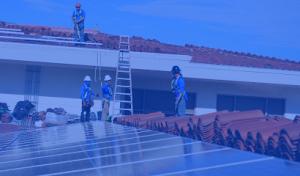
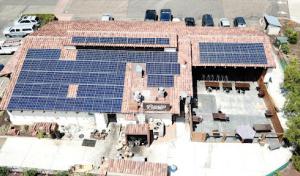
In this sunny inland setting, roof work often intersects with existing or planned solar, so flashing, attachment points, and sequencing matter during re-roofing. When panels or future arrays are in the mix, ensure every flashing transition-where the roof meets penetrations, vents, and railings-gets upgraded with corrosion-resistant flashings designed for long-term sun exposure. Plan panel coordinates before installing underlayment so rafter spacing and deck drains align with the mounting system. The goal is a seamless waterproof path from the roof surface to the PV hardware, avoiding stacked penetrations that can trap moisture or cause leaks after the winter rain bursts.
Low-slope sections on additions, patios, and mixed-roof homes need different drainage and waterproofing attention than the steeper tile and shingle roofs common in the area. On these surfaces, maximize slope toward permitted outlets and prove conduit and membrane continuity across transitions. Use a dual-layer or reinforced low-slope membrane with proper edge detailing at edge curbs and skylights. Check that parapets and planters shed water outward rather than pooling near penetrations. In Lemon Grove's dry-to-wet seasonal cycle, a robust drain path reduces the risk of capillary draw at seams when winter rains arrive.
Because dry heat and strong sun affect sealants and coatings, product handling and cure timing are a practical concern on low-slope and penetrated roof areas. Select sealants and primers rated for high UV exposure and ensure they have adequate cooldown time between application and any thermal load. When installing underlayment under a solar-facing section, avoid oversaturation during hot afternoons, and store rolls in shade until use. Pay particular attention to sleeve and boot penetrations for vents and electrical conduits; thermal expansion can stress these joints if cure timing is rushed.
Coordinate tear-off, underlayment installation, and solar racking preparation in a logical sequence to prevent damage to exposed membranes during Santa Ana winds and unexpected winter gusts. If a partial reroof is needed, preserve compatible attachment points and verify that any new flashing matches the existing roof's corrosion resistance and colorfastness. In Lemon Grove, where coastal-inland transitions meet strong sun, careful planning during re-roofing protects both the new surface and any integrated solar hardware.
Find contractors who integrate solar panels or solar shingles into your roof for long-term energy savings.
The local contractor mix includes long-established, family-owned firms that stay reachable after a roof is finished. In a re-roof market where leaks can show up after the first winter rain, choosing a company with staying power matters: look for a warranty that spans at least several seasons and a crew that will return calls quickly if a leak appears. Ask for a written response promise for post-rain inspections and any necessary corrective work, and verify they have a local service line and a designated foreman who can coordinate fixes without long delays.
Cleanup is a major local hiring priority, especially on tear-offs that generate tile fragments, old underlayment, and windblown debris in compact suburban lots. Plan the project around a single-day debris plan if possible, with tarps or catcher nets on the property lines to protect landscaping and neighboring driveways. Ensure the crew uses proper containment for tile shards and has a method to bag and haul debris promptly at day's end. Clarify that yard waste and old underlayment will be removed from the premises before the crew leaves each day to minimize neighborhood disruption.
Quick response is a common market signal in Lemon Grove, reflecting homeowner demand for fast leak triage during rain events and after Santa Ana wind damage. Before work starts, establish a clear contact point and acceptable response window for emergency calls. During rain or wind events, confirm temporary protections, such as tarp coverage over exposed areas, and document any newly found vulnerabilities with photos and notes. Expect the contractor to schedule an inspection within 24 to 48 hours after a reported leak and to outline immediate mitigation steps if a full repair requires more time.
A solid warranty pairing is strongest when the crew assigns a point person for the project's lifespan, not just the completion day. Request a written post-installation care guide that covers maintenance tips, inspection cadence after heavy rains, and steps to take if shingles or tiles show early signs of wear. This local approach helps ensure that a Lemon Grove roof remains protected through dry spells, winter bursts, and Santa Ana wind events.