
Last updated: Apr 19, 2026
Late-summer through fall brings Ramona into the peak wildfire window, a reality that reshapes every roofing decision. The heat, Santa Ana winds, and long dry spells converge to test roof assemblies far more than static weather data would suggest. This means material selection, slope choices, and the sequence of reroofing work must align with fire behavior forecasts and the era of high weather risk that dominates the season. When a wind shift hits, gaps, embers, and radiant heat become urgent clues for what your roof must withstand. The primary aim is to minimize ember intrusion, ensure rapid ignition resistance, and shorten exposure during critical days when fire crews are stretched thin.
Tile roofing remains a dominant choice in these parts because it suits the Spanish and ranch-style aesthetics that define many homes here. Clay and concrete tiles offer a durable, fire-conscious roof surface when paired with the right underlayment and venting plan. But not all tiles are equal under high heat or ember loads. The slope, fastener type, and the way tiles interlock with coping and skylights can create weak points if the system isn't installed as a cohesive, fire-ready assembly. When you're choosing between tile colors and profiles, prioritize fire resistance, edge protection, and the ability to shed embers rather than purely chasing curb appeal.
County reroof inspections in this area commonly focus on underlayment quality, venting paths, and fire-safety details rather than surface appearance. A robust underlayment that remains watertight under radiant heat, plus properly sized and placed vents to prevent heat buildup and moisture buildup, is foundational. Ember gaps around chimneys, vent flashing, and roof penetrations should be sealed with fire-rated materials. The attic or sheathing should be assessed for existing damage and upgraded to resist ignition from radiant heat and ember strikes. Do not neglect the belt-and-suspenders approach: a well-sealed, breathable system that also blocks heat transfer provides the best chance of limiting ignition risk inside the attic.
Santa Ana winds do more than move smoke. They pressurize roof planes, lift loose edges, and drive embers across vent gaps and edge trims. A wind-minded installation understands that every seam counts: rake edges, valley corners, and eaves must be secured against uplift. The choice of fasteners and the method of tile or shingle attachment needs to anticipate high gusts without compromising airflow and drainage. This is where a local crew's experience with Ramona's microclimates truly helps, because the same assembly that resists ember intrusion must not trap heat or trap moisture in the crown of the roof.
During wildfire season, insurers scrutinize roofing plans for rapid ignition barriers and rapid-claims response. A proactive reroofing schedule that aligns with dry, wind-forward weeks reduces exposure time and accelerates recovery should a flare occur nearby. Plan ahead for material delivery windows and crew rotation that minimize moisture exposure during Santa Ana patterns. Clear communication about fire-rated assemblies, embeddable vents, and ember shields helps ensure coverage terms stay favorable when underwriting focuses on resilience.
Engage a local pro who speaks Ramona's dialect of heat, wind, and ember risk. Inspect and confirm that underlayment meets fire-resistance standards, vents are sized and sealed properly, and all penetrations are flashed with ember-resistant materials. If tiles are your preferred finish, verify the retrofit plan accounts for interlock reliability and edge protection so embers cannot lodge beneath overhangs or between tiles. Finally, document existing conditions with photos and notes on attic access, vent locations, and any prior water damage-because accurate fire-safety documentation streamlines future inspections and insurance reviews.
Find contractors who specialize in clay and concrete tile roofs, known for their durability and curb appeal.


Coast Remodeling Services
(858) 325-9045 coasthomeremodels.com
Ramona, California
4.8 from 36 reviews
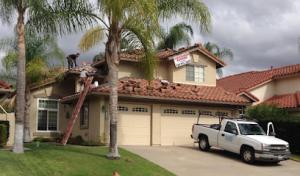
Christensen Roofing
(760) 260-9234 www.christensenroofing.com
Ramona, California
5.0 from 12 reviews
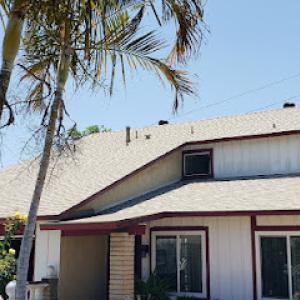
Davis Roofing
(619) 440-0373 www.davisfamilyroofing.com
Ramona, California
5.0 from 73 reviews
The Davis Family, founded the business in 1979 and continues to personally manage and supervise all aspects of the daily operation, including estimates and contracts. From project inception to completion.
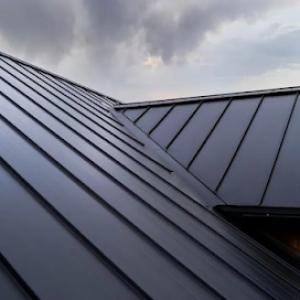
Aqua MG Roofing & Painting
(760) 644-6317 aquamgroofingpainting.com
Ramona, California
5.0 from 49 reviews
🏠 Aqua MG Roofing and Painting "Protecting your home with top-notch painting and roofing services." 🎨🔨 At Aqua MG Roofing and Painting, we pride ourselves on our expertise and excellence in delivering high-quality services — from roof to paint! 🏡 📍 Based in Escondido, CA, our dedicated team brings years of industry experience to every project, ensuring superior results and building lasting trust with our clients. 🛠️🤝 ✅ Why Choose Us? Skilled professionals 👷♂️ Top-tier materials 🧱 Reliable service 🕒 Customer satisfaction guaranteed 🌟
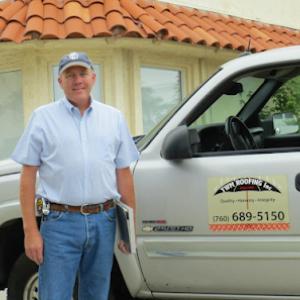
TWM Roofing
(760) 731-0777 www.roofingsince1978.com
Ramona, California
4.9 from 157 reviews
TWM Roofing is one of Southern California's longest standing roofing contractors, installing and repairing residential and commercial roofs in the area since 1978. We provide high-quality residential and commercial roof installation, repair, maintenance, and inspections services with a focus on customer service and reliability. Our dedication to our over 4,500+ customers has earned us over 150 5-star reviews on Yelp - a testament to our experience and knowledge. Over the course of our 40+ years in the roofing business we have also earned numerous certifications including Firestone, Owens Corning, and GAF contractor certifications, which is further proof that we are the most proven and trustworthy roofing contractor in the region.
Christensen Roofing
(760) 260-9234 www.christensenroofing.com
Ramona, California
5.0 from 12 reviews
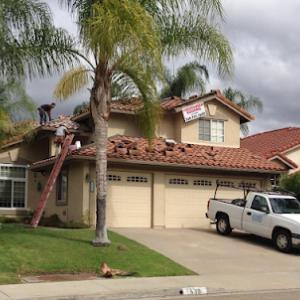
Christensen Roofing since 1982 provides residential and commercial roofing in to North San Diego County.
Angels Roofing
(619) 733-9120 www.angelsroofingservices.com
1537 H St, Ramona, California
5.0 from 9 reviews
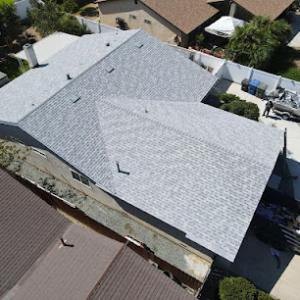
Roofing Contractor in Souther California. We help customers with their roofing needs at an affordable price. We can help you with Metal, Shingle, Tile, Clay or flat roof. Owner at the front line assuring great customer service and quality work.
Atlas Roofing - Escondido
(760) 546-9084 www.atlasroofingescondido.com
Ramona, California
4.7 from 14 reviews
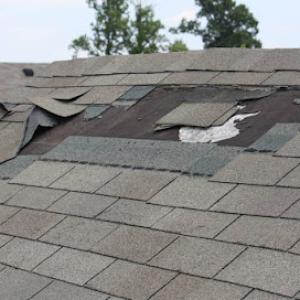
Atlas Roofing – Escondido is the area’s premiere roofing company providing a variety of roofing, siding, and gutter services. We offer residential roofing and commercial roofing, roof repair and roof replacement, including asphalt shingles roofing, wood roofing options, metal roofing, tile roofing, and low slope roofing. We work to make the entire process as efficient, painless, and relaxing as possible.
Lopez Roofing
Ramona, California
5.0 from 7 reviews
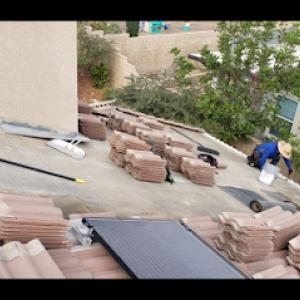
Lopez Roofing is a local roofing contractor in Fallbrook, CA that is committed to excellence in every aspect of our business. We uphold a standard of integrity bound by fairness, honesty, and personal responsibility. Our distinction is the quality of service we bring to our customers. Accurate knowledge of our trade combined with ability is what makes us true professionals. Above all, we are watchful of our customers' interests and make their concerns the basis of our business. We offer a variety of services such as roof replacements, tile roofing, flat roofing, and much more.

San Diego Flat Roof & Repair
Ramona, California
5.0 from 4 reviews
We are roofing and water proofing specialists that will get to the bottom of any water intrusion! Fixing the problem for good is much easier when you know exactly what the problem is. Put our 25years of roofing and water proofing experience to work for you. We service residential, commercial, vacation properties and HOA’s.
Hernandez Roofing
(760) 450-6205 www.hernandezroofinc.com
Ramona, California
4.4 from 7 reviews
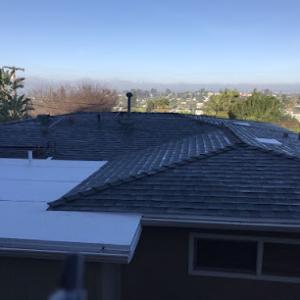
Hernandez Roofing is a roofing contractor / roofer serving the Oceanside, CA area. Services include Roofing, Commercial Roofing, Roof Installation, Roof Replacement, Roof Repair, 24 Hour Emergency Roofing, Tile Roofs, Shingle Roofs, Flat Roofs, Roof Inspection and Roofing Prices.

JC Built of Mira Mesa
(858) 248-1527 jcbuiltofmiramesa.com
Ramona, California
5.0 from 1 review
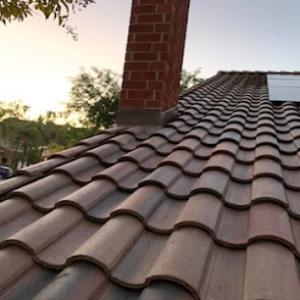
Being in business for 10 + years has given us an unparalleled advantage over our competition and allowed us to provide the finest and most efficient customer service possible. We strive to ensure you’re confident and satisfied with our work. We look forward to providing excellent customer service to you!
Metal Roofing San Diego
Ramona, California
5.0 from 1 review
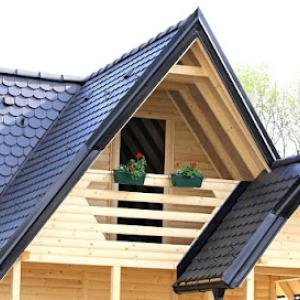
Top metal roofing contractors in San Diego CA. We provide quality tin roofing, copper roofing, steel roofing, aluminum roofing and metal roof repair. We also offer affordable metal roof repairs. Call for best metal roofing prices in San Diego. We are Metal Roofing San Diego, the leading team of metal roof specialists anywhere in the city. For many years, we have been serving local residents and companies with our outstanding metal roofs. Our products are by far the finest around and our standards for workmanship are on par with some of the best in the state. So, whenever you come to us for your metal roof, you know that you will always have the highest class of services.
In Ramona, the hot, dry summers accelerate aging of exposed roofing materials, especially on sun-beaten slopes where radiant heat sits on the surface all day. Dark shingles and metal systems take the brunt first, and that sun exposure translates into faster granule loss, faster paint or coating wear on metal, and more rapid sealant degradation around fasteners. If a roof has composite shingles or concrete tiles, the combination of high daytime highs and rapid cooling at night adds thermal cycling that can loosen fasteners and create hairline cracks in underlayment or sealant joints. The practical implication is simple: roofs that see direct southern exposure or that sit above driveways and patios tend to show wear sooner and demand closer year-round inspection.
Fall Santa Ana winds create a distinct local risk window for tear-offs, underlayment exposure, and loose tile or shingle damage. When those winds begin howling, any uncovered or weakened underlayment becomes at risk for wind-driven blow-off, while exposed edges on tiles or shingles are more likely to curl, crack, or lift. The timing matters: a wind event can turn a routine reroof into a sequence of urgent repairs if underlayment is left exposed or if loose pieces allow water intrusion into sheathing. Planning around Santa Ana patterns means recognizing that dry, windy spells increase the likelihood of heat-related sagging, accelerated material aging, and edge damage from airborne debris. A practical approach is to target a reroof or major tear-off before a predicted Santa Ana stretch, ensuring proper edge detailing, underlayment installation, and sealing that stands up to gusty conditions.
Many reroof projects in Ramona are timed for spring or fall because winter rains and peak summer heat both complicate installation. In spring, there is relief from extreme heat, quieter winds, and a window before the summer heat really ramps up. In fall, after Santa Ana wind activity settles into a calmer pattern, crews can complete a tear-off, install underlayment, and finish with full ridge and cap work before winter storms return. This scheduling helps minimize exposure of sheathing to driving rain and reduces the chance of tearing off materials during windy days. If a fast-track schedule is unavoidable, expect prioritization of edge and seam work, meticulous underlayment sealing, and additional temporary measures to protect the interior from sudden rainfall events.
When evaluating a roof in this area, pay attention to exposed slopes and the condition of the underlayment along roof edges, hips, and valleys. Aging granules, flashing wear, and compromised vent boots are common early indicators in sun-exposed zones. During planning, map the roof to identify slopes that face the sun all day and those that shield under trees or structures, as those zones age differently. For tear-offs, ensure the crew dedicates extra attention to fastener integrity and edge fastening, since wind-impacted edges are where failure tends to begin. Documentation should capture surface condition, worn underlayment areas, and any post-installation wind-resistance testing outcomes so that homeowners have a clear record aligned with local weather patterns.
The housing stock in this inland valley area shows a clear mix: asphalt shingles, clay tile, concrete tile, metal roofing, wood shakes, and synthetic/composite shingles. Tile stands out as the strongest local specialty, respected for its durability and fire resistance when properly installed. The variety reflects how homeowners respond to sun, wind, and wildfire risk, but it also means you have a wide palette to choose from when reroofing. Knowing that the local material mix is diverse helps you match the roof to your home's architectural cues and the expectations of local insurers.
Ramona's heat and dry exposure push roof assemblies to work harder than cooler coastal parts of San Diego County. Thermal expansion and contraction are more pronounced, so choosing products with solid warranty backing and proven UV stability matters. In this climate, the color and reflectivity of the roofing surface influence cooling loads and attic ventilation needs. A tile roof, for example, can shed heat effectively if you maintain an appropriate underlayment and ventilation plan, while metal roofs excel at shedding radiant heat when installed with a well-sealed closure to prevent heat buildup in roof decks.
Wood shingles and shakes remain part of the local mix, yet they face heightened scrutiny because of wildfire exposure and insurance pressures. If wildfire risk is a top concern, you'll see preference for non-combustible or fire-rated assemblies, or at least treated wood with ignition-resistant coatings and proper clearance around eaves and vents. Synthetic or composite options can offer improved resistance profiles without losing the character you value, but it's important to verify fire-rating ratings and installation specifics. Regardless of material choice, routine inspections after Santa Ana wind events or heavy fire-season days help catch small issues before they become bigger problems.
In this climate, roof longevity hinges on proactive maintenance. Regular inspections to address broken tiles, loose fasteners, and degraded underlayment protect against heat-driven deterioration and wind damage. Clay and concrete tiles benefit from careful handling to avoid cracks, while metal roofs require attention to flashing integrity and coatings that resist chalking and corrosion in dry, sunny conditions. Even asphalt shingles demand clean gutters, proper birds'-nest prevention near eaves, and a check for curling or curling edges that can trap heat and promote accelerated wear.
When weighing options, prioritize assemblies that demonstrate robust fire resistance without compromising home performance. A tile system can offer excellent fire resistance with proper underlayment and flashing, while metal roofs give standout wind and fire performance with a lighter structural load. If a wood-shake appearance is desired, look for ignition-resistant treatment and a fire-rated underlayment strategy. Your choice should align with how the home sits on the lot, the surrounding vegetation, and the typical wind directions you experience on firefighting days.
Provided local ranges run from 350 to 650 USD per square for asphalt shingles, 600 to 1000 for metal, 750 to 1400 for clay tile, 800 to 1500 for concrete tile, 600 to 1100 for wood shakes, and 550 to 950 for synthetic/composite shingles. In Ramona, those numbers reflect not only material choice but the realities of inland valley heat, Santa Ana-driven wind exposure, and the region's wildfire-driven insurance considerations. When you're planning a reroof, price is not just a function of material type; it's also tied to roof complexity, tile tear-off and reset, and the job's scheduling realities.
Costs in this area are often pushed by the prevalence of re-roofing work and the added labor to remove and reset heavier tiles or add underlayment for wildfire resistance. Tile tear-off and reset can significantly raise labor hours, especially on older structures with multiple roof planes, chimneys, and vent penetrations. Even if a material choice seems straightforward, the weight, furring, and flashing details common to Ramona homes can add to the total. In some cases, your project may appear simple on paper but require extra crew time to handle steep pitches or to protect surrounding landscaping and structures during a wildfire-season window.
Seasonal demand spikes after wind events, winter leak periods, or wildfire-related insurance deadlines can affect scheduling pressure and pricing. If a job is pushed into a busy window, you may see premium crew availability and material lead times that shift both cost and timeline. In practice, plan for a buffer of several weeks if you're aiming for a fall or spring reroof to avoid peak-season surcharges and to ensure your chosen material's supply aligns with your color and profile preferences.
Start by identifying the material you prefer within the local range that suits your climate and wildfire considerations. Asphalt gives a lower starting point but may trade longevity for cost savings, while concrete or clay tile offers enhanced durability and fire resistance at a higher per-square price. For any option, expect additional costs for tear-off, disposal, underlayment upgrades, and improved flashing or sealant details where wind uplift and wildfire exposure are concerns. Get two to three written quotes that break out material, tear-off, disposal, and any add-ons such as radiant barriers or upgraded underlayment. This clearer breakdown helps compare apples to apples across bids and protects you from hidden line items driven by local demand or complex roof geometry.
As part of planning, note any structural features that influence wildfire performance-tile compatibility with wind zones, edge detailing, and sealing around vents. While permits are handled in a separate section, you can still request a written assessment of wildfire-resistant features and a post-installation maintenance checklist to ensure the reroof holds up under Santa Ana winds and high heat.
Don't let upfront costs delay a critical repair - these contractors offer payment plans to fit your budget.
Coast Remodeling Services
(858) 325-9045 coasthomeremodels.com
Ramona, California
4.8 from 36 reviews
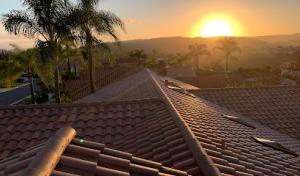
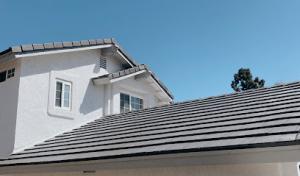
Because unincorporated areas like the Ramona foothills operate outside a city building department, reroof permitting runs through San Diego County. This means your contractor submits the plan package and material specifications to the county for review, rather than to a municipal permit office. The process is designed to ensure wind, fire, and insulation standards meet county-wide requirements, which is especially important here given Santa Ana wind exposure and wildfire risk. Expect the county to request details that demonstrate the reroof can withstand high heat, embers, and effective venting.
A full reroof typically requires a building permit, with the contractor presenting complete plans and material specifications for county review. The plan package should include roof assembly details, underlayment type and installation pattern, attic/roof venting strategy, and a fire-resistant shield approach for eaves and vent penetrations. In Ramona's climate, the county will look closely at ember mitigation features, such as ember-resistant vents and properly sealed penetrations for ducts, exhausts, and plumbing. The review may also consider roof deck access, hail and wind uplift considerations, and compatibility with existing home wrap or secondary water barrier strategies.
Your contractor should help assemble a thorough submittal packet that reflects the actual materials to be installed, including underlayment grade, ventilation plan, and any fire-rated components. Photos of the existing roof, a schematic showing ridge and soffit vents, and product data for synthetic underlayment, metal flashing, and drip edge are common inclusions. If the home features unique wood trim or eaves that require ember shields, those details should be documented with shop drawings or product spec sheets. Prepare to provide a site plan and any structural notes if the reroof involves changing roof pitch or tile patterns.
Inspections occur during and after installation, including final inspection, with review of underlayment, venting, and fire-safety details. The county will verify that the underlayment is installed with correct overlaps and fastener patterns, that venting is continuous and unobstructed, and that all penetrations are properly sealed to resist ember intrusion. Final inspections confirm compliance with fire-safety standards, proper flashing around chimneys and skylights, and that the roof installation aligns with the approved plans. If adjustments are needed, the permit progress may require addenda or re-inspection.
Coordinate closely with the contractor to ensure the submittal package mirrors the actual roof assembly. Schedule the permit review well before labor begins to avoid delays, and prepare for potential plan revisions based on county feedback. Keep a detailed record of all inspections and correspondence, and have a clear line of communication with the contractor about any compliance concerns tied to wind uplift and ember resistance.
California wildfire risk has tightened underwriting in areas like Ramona, where some carriers have reduced options in higher-risk zones. That reality can show up not as a headline, but as a quiet shift in what insurers are willing to offer and on what terms. Your roof is not just a weatherproof shell; it's a signal to underwriters about risk management, maintenance history, and resilience against flames and embers carried by Santa Ana winds. The better your roof looks to a potential insurer, the more options you retain when renewal time comes around.
Insurers may ask Ramona homeowners for detailed documentation of roof age, condition, and prior claims before renewal or new coverage. Gather recent inspection reports, photos of wear or damage, and a clear record of any repairs. If the roof has experienced wind or ember exposure events, note the dates, contractors, and materials used. If you've completed upgrades to improved fire resistance or added ignition-resistant underlayment, have the receipts and contractor notes ready. A well-organized file can shorten the quagmire of questions and reduce the chance of a lapse in coverage.
Roof replacement decisions in Ramona are often influenced as much by insurability and documentation needs as by active leaks. Even a seemingly minor roof aging issue can become a nonstarter for renewal if the insurer questions wind and ember resilience. Prioritizing reroofing with fire-rated materials or systems that meet widely accepted defensible-space standards can pay off in insurability, not just in immediate comfort. Consider how color, style, and material might affect ember ratings, wind resistance, and classifi cations used by insurers, and align choices with both durability and the likelihood of continued market options.
Keep a running log of roof conditions and any weather-driven incidents. Schedule periodic professional assessments and preserve the documentation as long as you own the home. When planning work, choose materials and assemblies with recognized fire resistance, and request from contractors detailed written explanations of how the system performs against embers and windborne debris. In this climate, proactive maintenance and transparent reporting aren't just good practice-they're part of safeguarding insurability.
Connect with contractors who help homeowners navigate the claims process from damage assessment to final approval.
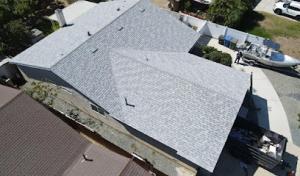
Angels Roofing
(619) 733-9120 www.angelsroofingservices.com
1537 H St, Ramona, California
5.0 from 9 reviews
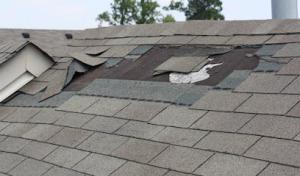
Atlas Roofing - Escondido
(760) 546-9084 www.atlasroofingescondido.com
Ramona, California
4.7 from 14 reviews
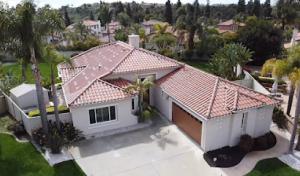
Emergency repair is a strong local specialty signal, reflecting homeowner demand for fast response during winter rain leaks and wind-related roof failures. If a leak pops up during a storm, you want a crew on site within hours, not days. In Ramona, that means keeping a trusted contractor list handy and noting which crews carry portable tarping systems and temporary waterproofing so you're not left staring at a puddle.
Flat-roof work is notably active even though pitched tile and shingle roofs dominate, suggesting frequent updates on patio covers, additions, garages, and mixed-roof homes. When a low-slope section shows signs of wear, a contractor with flat-roof credentials can assess membrane integrity, flashing transitions, and penetrations around skylights or drainage parapets. Expect quick triage of blistering, seam gaps, or ponding, followed by a focused plan to restore waterproofing without disturbing nearby tiles or shingles.
Skylight service is a meaningful local specialty, which matters on older reroof projects where flashing transitions are common leak points. Before reroofing, have the skylight flashed and sealed by a credentialed pro, especially where metal, vinyl, or low-profile skylights meet the roof deck. Look for flashing pans and counterflashing that tie into the main roof field. If you are adding or replacing a skylight during a reroof, verify that the contractor coordinates with the roofing system to preserve proper drainage and wind uplift resistance.
Older reroofs often reveal concealed leaks around penetrations, valleys, and transitions. Have a detector-based search for moisture behind flashings and around skylights, then map all active and latent leaks. A thorough documentation set-photos, measurements, and a simple diagram of penetrations-helps a local crew target the most vulnerable spots and plan a patch or rebuild that holds up through Santa Ana wind events and winter rains.
Find specialists in TPO, EPDM, and built-up flat roofing systems for residential and commercial properties.
Coast Remodeling Services
(858) 325-9045 coasthomeremodels.com
Ramona, California
4.8 from 36 reviews
Angels Roofing
(619) 733-9120 www.angelsroofingservices.com
1537 H St, Ramona, California
5.0 from 9 reviews