
Last updated: Apr 19, 2026
The inland heat in Poway pushes UV and heat aging on asphalt-based roofing faster than you'd expect from the coast. That tropical sun keeps the roof's surface hotter for longer, which dries out underlayment quicker and accelerates granule loss on shingles. For tile or composite options, sun exposure still matters: it can fade color, stiffen seals, and stress fasteners around penetrations. If your roof is a few decades old, you are likely already seeing signs of aging in the form of curling edges, soft spots, or granule fallout in gutters. A proactive approach is essential: schedule a mid-summer inspection after the peak heat waves to catch signs of drying, cracking, or edge deterioration before it propagates.
Santa Ana events are a real neighborhood stress test. Winds surge through valleys and over ridge lines, lifting and amplifying wear on ridge caps, edge details, and underlayment. Debris impact becomes ordinary during these wind bursts, and the constant dust saturation can wedged-into seams, accelerating vulnerability. You should scrutinize ridge vents, dry-fitted cap shingles, and metal edging for loosening or gaps. If you notice any loose fasteners, lifted shingles, or broken vent flashings after a windy spell, treat them as a red flag. The goal is to reinforce wind-sensible details before the next season, not just react after damage shows up.
Poway sits in a wildfire-prone area of inland San Diego County, which makes ember resistance more than a safety checkbox-it's an insurance and long-term durability concern. Roof assemblies should demonstrate tight seams, ember-resistant vents, and maintained gaps that prevent ember intrusion while not trapping heat. If your home uses tile, ensure appropriate pebbled or mesh underlayment around penetrations, together with properly sealed flashing and counter-flashing. For asphalt or synthetic coverings, confirm that caps, hip joints, and valley details remain intact to minimize ember entry routes. When embers land, the faster you identify damaged spots, the less chance they have to ignite the deck or attic.
Create a seasonal rhythm that aligns with Poway's climate. In late spring, inspect edge details, sealants, and weatherproofing around vents and skylights; in midsummer, check for heat-buckling signs and granule loss; in fall, remove accumulated debris and re-seal any flashing before Santa Ana windows kick in; in winter, re-evaluate gaps around penetrations as winds shift and moisture exposure grows. Document each inspection with dated photos, focusing on ridge caps, vent flashings, and underlayment condition, so insurance documentation can reflect proactive upkeep.
Walk the roof edge and visually confirm all ridge components are secure, flashing is continuous, and there are no gnawed gaps around vent pipes or skylights. Trim overhanging limbs that can break in wind gusts and deposit debris onto the roof. Clean gutters and downspouts to prevent water backing that can complicate ember damage and moisture infiltration during Santa Ana peaks. If you're unsure about the integrity of underlayment or flashing after a wind event, call a local roofing pro who understands Poway's wind, sun, and ember realities to perform targeted testing and repairs.
Poway's hillside neighborhoods mean roof access often requires navigating sloped driveways, narrow paths, and limited staging space. When planning a project or a temporary repair, map out an extraction path for tiles and tools that avoids disturbing landscaped slopes or perched debris into the drainage paths. Use non-slip walk areas and secure portable work platforms with proper edge protection. For broken tiles, have a small stock of common color-and-profile replacements on hand to minimize visible patchwork while staging a full replacement. If a gutter edge or rafter line sits near a steep drop, consider scheduling outdoor work during a calm, dry window to reduce fall risk and avoid wind-driven debris that can complicate tile removal.
Clay and concrete tiles dominate Poway's Mediterranean and suburban hillside housing stock, so expect the field tile to show surface aging before the underlying waterproofing wears out. A cracked or displaced tile is not the sole indicator of a leak-water may be bypassing due to compromised underlayment or flashing near hips, valleys, or roof-to-wall transitions. On older roofs, focus investigations on the underlayment condition and flashing details rather than the tiles alone. A careful moisture test around penetrations, flashings, and chimney/vent transitions will often reveal the true failure point. Remember that a long, straight run of intact-looking tiles can mask water entry at a single compromised flashing corner or a valley seam.
Santa Ana events bring high winds that lift and scatter debris, increasing the risk of tile and underlayment damage between regular inspections. After a windstorm, inspect for scuffed or weathered underlayment near roof edges and near any venting or headlap details. Dry-season sun accelerates aging of both tiles and fabric underlayment, so plan preventive checks ahead of the hot months to catch delamination risks early. When staging maintenance, clear vegetation around eave edges and ensure ladders or access points stay secure against gusts. A wind-driven debris shield or temporary filter can help during mid-season maintenance to keep granules and dust out of exposed underlayment seams.
On older tile roofs, the visible tile often outlasts the waterproofing layer beneath it, so leak investigations frequently center on underlayment and flashing rather than the field tile. This nuance matters when scheduling replacement: a tile overhaul without addressing underlayment can lead to recurrent leaks. Prioritize a thorough roof assessment that includes a moisture map of the deck, flashing integrity at wall junctures, and the condition of valley linings. If a home has multiple elevations or long ridgelines, create a staged plan to address the most vulnerable sections first-where wind exposure or shading creates the harshest aging patterns.
In hillside settings with prominent views, routine maintenance should align with seasonal cycles to minimize access risk and keep debris out of valleys. Establish a predictable cadence for tile reseating, grout or sealant resurfacing around penetrations, and flashing check-ups after heavy wind events. Replacement decisions should weigh underlayment condition as a primary trigger, with tile replacement treated as a complementary step to restore surface aesthetics after the waterproofing system is renewed. For older roofs, adopt a targeted approach: replace underlayment and flashing in high-risk zones first, then address tiles to match the new waterproofing layer without introducing mismatched finishes in exposed hillside lines. In Poway, careful sequencing protects both the structure and the view-driven character of hillside homes.
Find contractors who specialize in clay and concrete tile roofs, known for their durability and curb appeal.

RT Roofing Specialist
(858) 486-4977 rtroofingspecialist.com
14260 Garden Rd Ste B-5, Poway, California
4.6 from 83 reviews

Top Line Roofing
(858) 613-5242 toplineroofing.com
12937 Pomerado Rd Suite D, Poway, California
4.7 from 44 reviews

West Coast Roofing & Construction
(858) 487-4300 westcoastsd.com
13446 Poway Rd #247, Poway, California
4.4 from 7 reviews

RT Roofing Specialist
(858) 486-4977 rtroofingspecialist.com
14260 Garden Rd Ste B-5, Poway, California
4.6 from 83 reviews
At RT Roofing Specialist, Inc. we are a licensed and insured roofing company that specializes in residential, commercial, and industrial roofing installation, replacement, and repair services throughout San Diego and the surrounding areas. We specialize in tile, shingle, and flat roofing systems, but we also provide skylight, gutter, and solar panel installations as well.
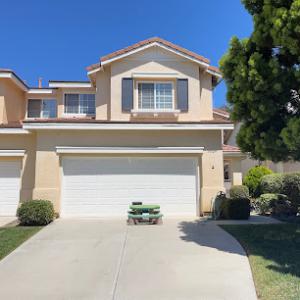
Top Line Roofing
(858) 613-5242 toplineroofing.com
12937 Pomerado Rd Suite D, Poway, California
4.7 from 44 reviews
Top Line Roofing has provided professional roofing services to the San Diego community since 1991. Our certified team members live in the communities we serve. As your neighbors, we understand how the unique Southern California weather takes its toll on your home and we want to help protect your investment. From roofing installation to maintenance and repair, we have the knowledge and experience to address your individual roofing needs. With more than 25 years in business, Top Line Roofing can offer reliability you can count on.

Premier Roofing of California_PROC
(855) 444-7762 www.premierroc.com
12834 Rockwell Ct, Poway, California
5.0 from 10 reviews
Premier Roofing of California CSLB #874943 | Licensed, Bonded & Fully Insured 📞 Toll-Free: 855.444.PROC (7762) 📧 Email: PremierRoofingCa@Gmail.com • Tesla Solar Roof Certified Installer • Financing Available • Awarded HomeAdvisor Best 5 Years in a Row (2017–2021) • Over 150 Five-Star Reviews
West Coast Roofing & Construction
(858) 487-4300 westcoastsd.com
13446 Poway Rd #247, Poway, California
4.4 from 7 reviews
West Coast Roofing & Construction is a trusted roofing contractor based in San Diego, California, with over 30 years of industry experience. We specialize in metal roofing as well as residential, commercial, and industrial roofing solutions. Our skilled team is committed to delivering high-quality craftsmanship, durable materials, and reliable service on every project. Beyond roofing, we offer general contracting services to support a wide range of construction needs. Whether you're planning a new build, renovation, or roof replacement, we’re here to help. Contact us today for a free estimate and see why clients choose West Coast Roofing & Construction.

4 Kings Roofing
12509 Oak Knoll Rd Apt 12a, Poway, California
5.0 from 1 review
With more than 20 years of experience on our belts. 4 kings roofing is here to help you with all your roofing needs. We are a family-owned business that takes pride in the quality of making sure you can sleep in your castle sound and sleep, knowing that your roof has been taken care of by the best for the best. We offer a variety of services, tile, shingles, and flat roofs. We also offer free estimates, so don't hesitate to call your local roofing expert.

Diamond in the Sky Roofing
(760) 410-2340 www.disroofing.com
Serving
5.0 from 8 reviews
At Diamond in the Sky Roofing, we provide expert roofing contractor services in San Marcos, CA and surrounding communities, offering full residential and commercial roofing solutions, including roof repair, roof replacement, roof installation, and asphalt shingle roofing. Our team also specializes in metal roofing, flat roof installation, tile roof repair, storm damage roof repair, roof inspections, roof leak repair, and emergency roof repair. We are based out of San Marcos, CA. & service all of San Diego County We bring local expertise and personalized roofing solutions to every residential and commercial project. Contact Diamond in the Sky Roofing, today to schedule your consultation or request a free estimate.
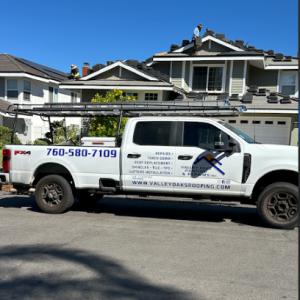
Valley Oaks Roofing & Repairs
(760) 580-7109 www.valleyoaksroofing.com
Serving
5.0 from 75 reviews
Valley Oaks Roofing & Repairs is your trusted partner for all roofing needs, offering top-notch services like Roof Installation, Roof Inspection, Roof Repair, Roof Replacement, and Roof Maintenance. Owner-operated by Magdaleno Chavez, who brings over 30 years of hands-on experience, we pride ourselves on delivering quality workmanship and personalized service to every client. Whether you're looking to install a new roof, need a thorough inspection, or require urgent repairs, we have the expertise to ensure your roof is durable and reliable. At Valley Oaks Roofing & Repairs, we are committed to protecting your home with the highest standards of roofing excellence.
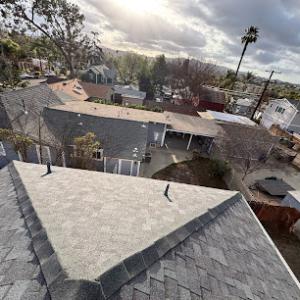
California First Roofing
(424) 419-3353 californiafirstroofing.com
Serving
5.0 from 154 reviews
California First Roofing is a licensed and insured roofing company in San Diego. We offer roof repair, installation, and emergency leak response. Known for honest pricing and reliable service, we treat every project with care. Serving Mira Mesa, La Jolla, Pacific Beach, and nearby areas.
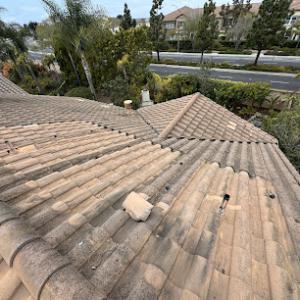
Ford Roofing
(619) 562-3971 fordroofingsd.com
Serving
4.8 from 61 reviews
Ford Roofing is an independently owned and operated, Better Business Bureau accredited roofing company that has been serving San Diego County since 1988. With over 30 years in business, Ford Roofing has the knowledge and expertise to address any roofing needs you may have. While based in eastern San Diego County, Ford Roofing has the mobility to reach any part of San Diego County with ease. With an extremely high referral rate, Ford Roofing is the type of company you’ll want all your friends and family to know about!
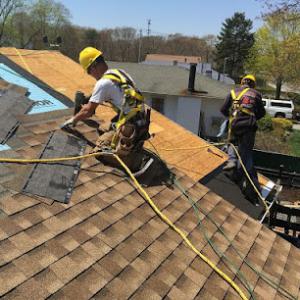
Joe Linn Roofing
(619) 715-6389 joelinnroofing.com
Serving
4.3 from 16 reviews
Joe Linn Construction & Roofing is a licensed and bonded roofing company with Workers Comp.. We do all kinds of residential and commercial roofs from small repairs to full roof replacements. We are proud to have served San Diego for the last 37 years and going strong. We offer free estimates and photos of your roof. If you are out of state we can send you an estimate with photos by e-mail. We specialize in Tile, Composition, Torch down, Cool roof coating, Shakes & Shingles, Tear off demo, Wood replacement, and we now can help you make a decision on solar. We work with 4 solar companies and are with the Hero Solar Program.We are part of the Better Business Bureau and BNI of San Diego. Family owned and operated. Working hard for our family, b
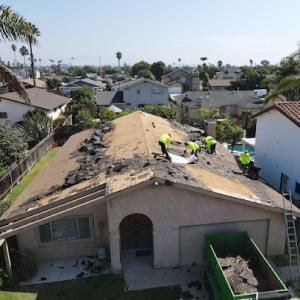
Smart Roofing & Restoration
(858) 330-2350 getsmartconstruction.com
Serving
4.7 from 78 reviews
Smart Roofing & Restoration is a trusted provider of high-quality commercial and residential roofing services throughout Southern California
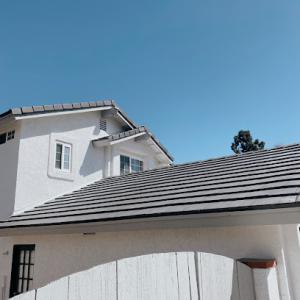
Build Brothers
(760) 566-7734 www.buildbrothersinc.com
Serving
4.9 from 615 reviews
Build Brothers is a family-owned and operated roofing and solar contractor based in San Diego, CA. With over 20 years of experience, we specialize in energy-efficient residential and commercial solutions. Our commitment to top-tier craftsmanship, competitive pricing, and exceptional customer service has earned us hundreds of 5-star reviews. We offer financing options and reliable workmanship warranties, making us a trusted choice for solar and roofing projects across San Diego County.
Reroof projects near Santa Ana winds and inland heat pay off when scheduled during the long dry season. In Poway, the winter rain from roughly November through February raises moisture and interruption risk, so planning a reroof outside that window helps keep crews moving and materials from sitting damp. The ideal timing is a solid stretch of dry weather, with a forecast that shows at least two to three weeks of uninterrupted sun. This allows underlayment and flashing to set properly and reduces the chances of rust, warping, or slow drainage during the first heavy rain event after installation. If a project starts in late fall, make sure the crew has a contingency plan for the occasional warm spell or cool spell, so work can proceed without forcing a rushed finish.
Extended dry spells reduce weather delays, but they also push crews to contend with higher heat loads. In Poway, that means morning work is prime time, with roofing tasks that generate the most heat-like torch-down or metal deck preparation-scheduled for the cooler parts of the day. Material handling and daily production pace can slow when thermals spike, so set a realistic daily target and plan for short, periodic breaks to protect both people and fragile components such as underlayment. Shingles and tiles tolerate heat differently; metal and concrete tile, in particular, respond best when fasteners are installed at steady temperatures, not during peak afternoon heat. A well-structured sequence-underlayment, flashing, then covering with the chosen surface-keeps the roof from sitting in sun-warmed, expanding-to-contract cycles that can loosen seams over time.
Wildfire season in inland San Diego County can disrupt scheduling through smoke, regional emergency conditions, and sudden contractor demand shifts after wind events. If a wind event precedes your planned reroof, expect possible delays as crews reassign to urgent calls or evacuations, and ventilation considerations rise with smoky air. Build in a flexible start window and communicate clearly with the crew about preferred sequencing, so if a late wind event shifts, the project can pivot without losing essential dry-weather days. Documentation and photo records-taken before, during, and after each major phase-become valuable during wildfire-related insurance reviews and post-event inspections.
Block out a window of dry, moderate days rather than chasing a perfect week. Have a clear plan for material deliveries to avoid on-site stockpiles that can heat up and degrade in sun. Coordinate with neighbors on dust control and noise, which matter in hillside neighborhoods where homes sit close together and elevated terrain can amplify sound and debris. Finally, protect long-term warranty accuracy with timely aftercare: a quick inspection after a dry spell ends helps catch minor lags caused by heat or wind before they become leaks.
Get a clear picture of your project costs upfront - no commitment required.
RT Roofing Specialist
(858) 486-4977 rtroofingspecialist.com
14260 Garden Rd Ste B-5, Poway, California
4.6 from 83 reviews
West Coast Roofing & Construction
(858) 487-4300 westcoastsd.com
13446 Poway Rd #247, Poway, California
4.4 from 7 reviews

Poway's roofing market reflects a practical mix: asphalt shingles, metal, clay tile, concrete tile, wood shakes, and synthetic/composite shingles. Tile systems, whether clay or concrete, generally carry the highest replacement complexity and cost per square due to material weight, handling, and potential tear-off demands. In the standard local scenario, you can expect asphalt shingles to sit at the lower end of the spectrum, while tile and metal work elevate both the complexity and the price tag. Concrete tile typically runs higher than clay tile on many projects, and wood shakes introduce additional considerations for ventilation and spacing, especially when reusing or matching existing profiles. Synthetic or composite shingles often offer a middle path, balancing durability with cost.
Hillside access and multi-level layouts are common in Poway and lift the price ceiling on reroofs. Heavier tile tear-off or reset work compounds this effect: cranes or specialized equipment may be required, and multiple staging points on a hillside complicate logistics. When a roof requires careful navigational planning to avoid damage to walls, landscaping, or adjacent structures, labor time grows and crews may need extra safety measures. These access realities are a chief driver behind the premium you'll see on tile and heavy-shingle projects, compared with simpler ground-level reroofs.
Poway's dry-season demand spikes after wind or leak periods tighten scheduling and labor availability. In practical terms, a project begun in late spring or early fall can face tighter crews and tighter calendars, raising both material handling fees and labor rates. Homeowners should consider weather windows well ahead of the replacement, particularly if a tile system is involved and wind exposure is a factor. Scheduling flexibility can help secure more favorable crew availability and a smoother tear-off and installation sequence.
For a Poway project, start with a candid assessment of existing roof structure and weight limits, especially if tile might be involved. Get multiple bids that break out tear-off, disposal, and any required scaffolding or staging. If a hillside home is on the docket, ask contractors about their experience with tile tear-off on slopes and how they protect landscaping and driveways. Finally, align your project schedule with the dry season and set realistic expectations for material delivery windows to minimize downtime.
The most popular roofing material in the US. Find pros who install, repair, and replace asphalt shingles.
RT Roofing Specialist
(858) 486-4977 rtroofingspecialist.com
14260 Garden Rd Ste B-5, Poway, California
4.6 from 83 reviews
Top Line Roofing
(858) 613-5242 toplineroofing.com
12937 Pomerado Rd Suite D, Poway, California
4.7 from 44 reviews

A full re-roof in Poway typically requires a permit through the City of Poway Building Department. Local crews familiar with inland North County conditions know that the paperwork trail matters as much as the shingles you choose, especially when Santa Ana wind events and wildfire exposure are considerations. Understanding the permit flow helps protect your home and your insurance position when timeframes tighten during hot, dry seasons.
Before any shingle or tile work begins, your project will go through plan review. The city's review looks at roof material compliance, attachment methods for wind-driven uplift, and how the work ties into drainage and fire-safety requirements. Have clear roof plans, product specifications, and installation details ready for submission. This step is not a formality; it guides inspectors who will later verify that the installation aligns with local codes and the neighborhood's hillside slope conditions. Expect reviewers to flag changes if your chosen system's wind resistance or fire-rating isn't aligned with Poway's risk profile.
Inspections occur at multiple stages to confirm adherence to approved plans and to catch issues early. Typical milestones include: rough-in or scaffold safety setup, roof deck and underlayment installation, and mid- to late-stage inspection after underlayment and flashings are in place but before final coverings are secured. Given the area's exposure to Santa Ana winds and sun-driven aging, inspectors will pay particular attention to fastener schedules, nailing patterns for tiles or shingles, and flashing around chimneys, vents, and skylights. Coordinate with your contractor to ensure access for each inspection-timely scheduling helps avoid delays that can push projects into hotter parts of the year when material handling becomes more challenging.
A final inspection is required in Poway to close out the permit, so homeowners should confirm the permit is fully signed off before final payment and records filing. The city's final check verifies that the roof system, penetrations, ventilation, and drainage meet the approved design and code standards. After successful final, you'll receive a permit closure letter or certificate. Keep this documentation with your home records, particularly for wildfire-related insurance considerations and any future property work. If surprises arise during the final review, address them promptly with your contractor and the building department to avoid delays in certificate of occupancy or project handover.
In wildfire-prone areas like Poway, California's insurance volatility has made roof condition documentation more important for underwriting and renewals. The pattern is visible not just after a blaze, but in the dry-season months when sun-age and wind stress accumulate. Homeowners who keep a clear record of roof health stand a better chance of smooth renewals, even as insurers tighten criteria or adjust coverage windows. This isn't a scare tactic; it's a practical obligation that affects your peace of mind once fire season looms or Santa Ana winds pick up.
Poway homeowners should expect insurers to want detailed roof photos, age information, and scope documentation, especially after wind, wildfire, or smoke-related events. Take time to photograph all elevations, focusing on tiles or shingles that show crazing, cracking, or loose material. Include close-ups of valleys, flashings, and any vent penetrations. A simple, up-to-date inventory of roof components-tile type, underlayment age, and recent repairs-speaks volumes during underwriting. If you've had wind-related damage or smoke staining, gather receipts and a concise repair timeline to accompany the photos.
Roofing decisions in Poway may be influenced not just by leaks but by whether an aging roof could complicate coverage terms in a changing California insurance market. A roof past a certain wear threshold changes the conversation from "trusted protection" to "insurance risk." That shift can affect renewal terms, deductible expectations, or required upgrades. The prudent course is to treat roof aging as a living document: track wear, schedule timely maintenance, and maintain a file that shows proactive care. In practice, that means routine inspections after Santa Ana events, with notes on shading, heat wear, and tile integrity.
Keep a dated photo log after windstorms or smoky seasons, and attach a clear summary of any repairs or replacements completed. When discussing policy terms, present your documentation alongside a straightforward age estimate and a concise scope of work for any recent fixes. This approach helps both you and your insurer move through the season with fewer surprises, even as the market remains responsive to changing wildfire risk and sun-driven aging on the roof.
Connect with contractors who help homeowners navigate the claims process from damage assessment to final approval.
Roofing Specialists of San Diego
(858) 922-5903 roofingspecialistsofsandiego.com
Serving
4.8 from 141 reviews

Poway's strong sun exposure makes rooftop solar common enough that reroof planning often has to account for existing or future panel layouts. When you're planning a reroof, map out potential panel positions early so flashing and edge details align with the roof line. If panels are already installed, verify that their racking doesn't compromise underlayment or create dry spots on tile or shake roofs. Keep in mind that Santa Ana wind patterns can lift lightly seated edge penetrations; confirm mechanical fasteners are compatible with the chosen fastening method for both underlayment and roof surface.
Skylights are a meaningful local service category, and in a hot-sun/winter-rain pattern, flashing and curb details are frequent weak points as roofs age. For curb-mounted skylights, inspect flashing around the base for hairline gaps, and reseat or replace curb flanges if bending or warping is evident. In high-sun zones, consider skylight glazing with low-e properties and wider curb margins to reduce thermal cycling. When you replace a skylight, pair it with reinforced flashing that overlaps the surrounding underlayment to form a continuous barrier against wind-driven rain.
On tile-heavy homes, penetrations for skylights and solar attachments require careful integration with underlayment and flashing to avoid hidden leak paths. Use a multi-layer approach: a continuous underlayment with sealed penetrations, a properly bedded flashing collar, and a matching tile set that sheds water toward the eave. For tile roofs, ensure that any vent, pipe, or rafter connection receives dedicated flashing sleeves and that the tile cutouts are reinforced to resist wind uplift. Regularly inspect flashing at penetrations after the heat of summer and the first heavy rains.
Find contractors who integrate solar panels or solar shingles into your roof for long-term energy savings.
RT Roofing Specialist
(858) 486-4977 rtroofingspecialist.com
14260 Garden Rd Ste B-5, Poway, California
4.6 from 83 reviews
Top Line Roofing
(858) 613-5242 toplineroofing.com
12937 Pomerado Rd Suite D, Poway, California
4.7 from 44 reviews

Premier Roofing of California_PROC
(855) 444-7762 www.premierroc.com
12834 Rockwell Ct, Poway, California
5.0 from 10 reviews
In Poway, low-slope sections commonly appear over additions, patios, garages, and some mixed-design residential structures. These areas are a fast-moving factor in the overall roof health because they sit under Santa Ana-like sun exposure while tying into steeper roofs. The practical focus is on keeping membranes, transitions, and drainage details sound, because the same sun that ages the main roof can accelerate wear on the low-slope surface or its flashing.
Low-slope roofs should be checked after the winter rain season and before the dry, hot months ramp up. Start by examining membrane edges at transitions to steep-slope roofs, penetrations, and skylight or parapet penetrations. Look for chalky coating, micro-cracks, blistering, or softened areas that indicate membrane breakdown. Check for ponding water after a rain event, which can reveal drainage or slope problems. Inspect coatings, if present, for alligatoring or fading, which signals UV-driven aging.
Schedule a proactive walkthrough at least once a year. Clean debris from scuppers and internal drains to prevent standing water. Re-seal around penetrations and flashing as needed, paying attention to the joint between the low-slope membrane and higher-profile roof sections. If aging coatings are evident, consider re-coating with an approved system for low-slope use. Keep a careful eye on the perimeter edge metal and any drip edges for corrosion or loose fasteners.
When membrane wear compromises waterproofing or when flashing shows recurrent leaks, plan for a targeted replacement of the low-slope section, paying attention to material compatibility with the main roof and proper slope for drainage. Rapid sun exposure can shorten the life of coatings and membranes, so address aging signs promptly to prevent interior moisture issues and further damage to the adjacent structure.
Find specialists in TPO, EPDM, and built-up flat roofing systems for residential and commercial properties.
RT Roofing Specialist
(858) 486-4977 rtroofingspecialist.com
14260 Garden Rd Ste B-5, Poway, California
4.6 from 83 reviews
Premier Roofing of California_PROC
(855) 444-7762 www.premierroc.com
12834 Rockwell Ct, Poway, California
5.0 from 10 reviews
Poway's reroof market runs on repeat projects, with many homes having multiple layers or old underlayment needing careful removal. When selecting a contractor, prioritize those who can demonstrate repeat tear-offs, dry-ins, cleanup, and occupied-home project management. A contractor who has toured your exact housing stock-tile-heavy roofs, compact hillside homes, or sun-dcorated pitches-will understand the sequence and risks of a full tear-off, and how to protect landscaping and neighboring properties during cleanup. Ask for a portfolio that shows similar homes and realistic before-and-after results, not just glossy photos.
In this climate, wind events and winter leaks can create urgent repair demand even as a full replacement schedule lectures on timing. Look for a contractor who offers a clear prioritization plan for urgent leaks or wind-damaged sections, with defined communication channels and contingency steps if weather shifts. A responsive crew reduces interior damage exposure and speeds up your project timeline without sacrificing safety or workmanship. Documented timelines, interim fixes, and reliable weather-readiness messaging matter when a roof must be stabilized before a broader replacement.
With a town-wide emphasis on tile and insulation performance, you benefit from contractors who provide thorough photo documentation at every phase, a clearly written scope of work, and warranty-backed installation details. Insist on a written plan that shows tear-off steps, underlayment choices matched to tile systems, and vendor-verified fasteners and sealants. A transparent warranty that covers both materials and workmanship, plus a clearly defined process for post-install support, helps shield you from future disputes as the roof ages under sun and wind exposure.
Finally, choose a contractor who can reference occupied-home protocols-mitigating dust, noise, and traffic on busy weekends. In hillside neighborhoods or close-quarter lots, the ability to coordinate with neighbors and manage debris containment is a practical signal of a responsible crew. The right partner will treat your home with precision, communicate openly, and stand behind a detailed plan long after the first gable viewings.