
Last updated: Apr 19, 2026
You're not imagining it: prolonged summer heat in this southern Central Valley speeds up the aging of asphalt-based roofing and can complicate daytime installation. The bare truth is that heat softens sealants, strains underlayments, and makes crews slower when working on a hot roof. In practice, this means you'll want to plan reroofing so the most intense heat of July and August doesn't fall on critical stages like sheathing attachment or sealant cure. If you aim for a replacement window that stays cooler, you'll notice fewer workmanship changes caused by expansion and contraction of materials, and a smoother overall job.
Reroof scheduling in this area often hinges on avoiding peak heat and occasional winter rain interruptions, rather than chasing a fixed calendar. Spring and fall bring more workable temperatures for crews, sealants, and underlayment, which translates to better adhesion, faster curing times, and an easier time handling long days at the edge of a roof line. By targeting those temperate periods, you reduce risk of heat-related material handling issues and you're less likely to have delays caused by sudden hot spells or unexpected cold snaps that throw off application schedules.
Winters in this climate are mild, with rare freeze-thaw cycles that threaten only a minority of projects. The real constraint is wind and moisture from tule-foggy mornings that can fertilize stubborn condensation on new underlayment if not staged properly. Scheduling during drier spells in late fall or early winter tends to produce a drier roof deck to work on, fewer interruptions from mist or light rain, and a more predictable setting for attic ventilation checks as the new roof goes on. That steadier pace is what keeps a reroof on track in a community where weather can shrug off a forecast and still surprise you.
The Central Valley sun isn't gentle. The daily UV exposure accelerates aging of shingles and tiles alike, but asphalt-based products feel this the most. If you're considering a replacement, it's common to choreograph the project so that the most intense sun hours aren't spent loading and securing material on roof decks. Early-morning starts, with a late-afternoon finish when possible, help crews avoid the worst glare and heat, while also giving you a safer, more controlled work environment.
Plan for a window where you can synchronize delivery, crew availability, and dry conditions without forcing a rush through the hottest weeks. If a reroof needs to be scheduled during a heat spike, you'll want to allocate extra protection for underlayment and sealants, and ensure crews pace themselves to maintain quality. On a typical home with mixed stock-shingle and tile-the schedule should reflect the longest lead-in for the underlayment and flashing work, with contingency built around late-afternoon heat relief and potential springtime wind shifts.
Most Lemoore homes you'll encounter are built to withstand a long, dry season, but the plan should still lock in a sequence that moves from deck preparation to underlayment, to flashing, and finally to the visible roofing layer during a cool, quiet period. Your goal is to minimize thermal cycling on day one, reduce the risk of sealant failure, and finish the job with a roof that seals well against tule fog moisture without delaying crews unnecessarily. In short, time your reroof to the spring or fall lull, avoid the height of summer, and allow the project to breathe through a predictable, cooler day-to-day rhythm.
In Lemoore, the dominant materials reflect Central Valley tract housing and tile-heavy California design preferences: asphalt shingles, metal roofing, clay tile, concrete tile, wood shingles or shakes, and synthetic or composite shingles. The hot, sun-drenched days push UV resistance and heat performance to the top of the priority list. When choosing a roof type, you're weighing not just curb appeal, but how a system will shed heat, resist fading, and withstand the long dry season's dust. Asphalt and metals generally perform well for heat resistance and reasonable maintenance, while clay and concrete tiles skew toward longevity and a distinct aesthetic but demand careful support and installation checks. Synthetic or composite shingles can offer a middle path, blending heat tolerance with lighter weight and sometimes better wind performance.
Tile roofs are a defining feature of the region's look, but they carry structural implications. Replacing a lighter roof with heavier clay or concrete products triggers a review of the supporting structure, including trusses, rafters, and attic ventilation. In practice, that means a technician will verify that the existing framing can handle the added mass and that the deck and underlayment are compatible with the tile system. Clay tiles bring excellent UV resistance and long range durability, yet they're prone to breakage during extreme heat cycles and require careful installation to prevent issues with thermal movement. Concrete tiles share many of those characteristics but can be denser and heavier still. If your home already uses metal or asphalt, a swap to heavier tile may involve reinforcement or altered attic ventilation to manage moisture and temperature swings. Tile reliability in dusty, sun-intense environments is strong, but expect periodic inspections for cracked or misaligned tiles following the hottest days or strong Santa Ana-style gusts.
In this region, material choice is closely tied to how well the roof handles long dry spells and high UV exposure. Metal roofs typically incur excellent heat dissipation and can mitigate heat-driven attic gain when installed with a ventilated lattice and appropriate gloss or coating. Clay and concrete tiles resist UV aging but need a solid underlayment and a supported deck to prevent sagging or cracking as the attic warms. Asphalt shingles offer a versatile balance of price, ease of repair, and acceptable UV resistance, though some colors may fade more quickly under relentless sun. Wood shingles or shakes deliver a traditional look but demand robust protection against sun and dust and may require more frequent maintenance in this climate. Synthetic or composite shingles can provide improved UV stability and lighter weight, which helps if structural considerations limit heavier tile options.
Lifespans in this climate hinge on seasonal timing. The heat of summer accelerates aging of underlayment, flashings, and sealants, while winter moisture cycles can affect fasteners and vent connections if not properly installed. Planning around the hottest months for replacement minimizes the risk of weather interruptions and helps ensure sealants cure under favorable conditions. If a roof is near the end of its expected life, scheduling replacement during late spring or early fall allows for a more controlled installation window before peak heat returns. With heavier tile options, factor in the time needed for structural assessment and possible reinforcement, so the project calendar aligns with dry, mild periods rather than peak heat or wet seasons. Proactive inspections after the tallest heat waves and during tule-fog transitions help catch early signs of wear, such as cracked tiles, loose fasteners, or degraded underlayment, enabling timely maintenance before deterioration accelerates.
Regular inspections focused on UV-dorned surfaces, dust accumulation, and thermal movement are especially important here. Clean gutters and valleys to prevent dust and debris buildup that can trap moisture or hinder drainage. For metal, check sealants at seams and edges; for tile, monitor for cracked or displaced pieces and ensure proper flashing around chimneys, vents, and skylights. A well-chosen roof type in this climate should balance initial durability with practical long-term maintenance, so you can maintain comfort and protect your investment through the hot, dry months and the occasional moisture event.
Gabe's Quality Roofing
(559) 471-7127 gabesroofing.com
Lemoore, California
4.9 from 40 reviews
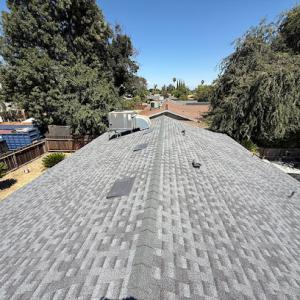
Looking for fast, professional roofing service around Fresno California? We are your go-to roofing contractor! We are licensed, bonded, insured, and we offer financing!
Pristine Roofing | Roofing Company Fresno & Visalia
(559) 442-9233 www.pristineroofingca.com
Serving
5.0 from 275 reviews
We're a top-rated local and reputable roofing company Fresno. Best Roofers Fresno! Not only do we serve Fresno, we also serve Visalia, Tulare, and neighboring counties. We install a variety of roofing systems including shingles, metal, tile ,TPO and Modified bitumen. If you're looking for an amazing roofing contractor, give us a call! We're happy to give you a free estimate for a new or repaired roof.
Promotions Roofing
(559) 429-9327 www.promotionsroofinginc.com
Serving
5.0 from 13 reviews
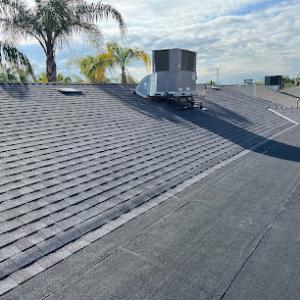
Promotions Roofing where our quality makes the difference. Roof tile, asphalt shingles, repair, re-roof, and new construction roofing. Our crew will greet you with professionalism and will solve whatever roofing-related challenges you can imagine with ease and efficiency. Whether you need tile, shingles, repairs on your roof, or perhaps an overall replacement, give us a call to find out the best option for your home!
Stoneridge Roofing
Serving
4.3 from 9 reviews
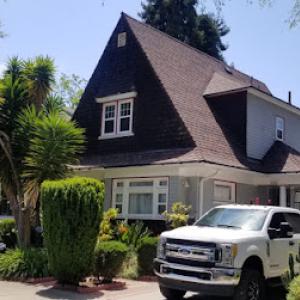
When you're in need of professional roofing services, Stoneridge Roofing can get the job done. Come to us when you're looking for quality roof repair, roof cleaning, roof inspections and more. Our professional staff has the experience and expertise in servicing roofs and gutters. Count on us to only deliver high-quality craftsmanship and exceptional service that you deserve. At Stoneridge Roofing, we put client satisfaction as our top priority. That is why we are committed to providing excellent roofing services at low prices. With our professional roof repair, roof cleaning and other roofing services, you can rely on us to improve the roofs of your home or business. Call us at (209) 808-4621 today to schedule service with us.
All Valley Roofing & Tiles
(559) 347-8232 www.allvalleyroofing.com
Serving
5.0 from 17 reviews
Founded over 30 years ago, All Valley Roofing and Tiles, LLC has become a trusted name among roofing contractors in Fresno, CA. From our beginnings as a small roofing company, we’ve expanded to serve commercial roofing services and residential roofing services clients throughout the region. Over the decades, we’ve built a strong reputation for quality workmanship and dependable results. What makes us stand out is our ability to provide both services and materials.
Jacobo Roofing
(559) 736-3997 roofingsvcfarmersvilleca.com
Serving
5.0 from 14 reviews
Jacobo Roofing delivers top-tier roofing solutions in Farmersville, California. As experienced roofing contractors, they expertly handle everything from residential composition roofs to durable metal roofing systems. Whether you need a complete reroof, a fresh new installation, or prompt roof repairs, Jacobo Roofing has you covered. They also specialize in TPO commercial roofing and beautiful tile work, offering reliable roofing expertise for both homes and businesses.
Absolute Urethane
(559) 441-1560 www.absoluteurethane.com
Serving
3.7 from 15 reviews
Roofing Contractors based out of the Central Valley in CA. Specializing in both Residential and Commercial Roofing. At Absolute, our trained and talented experts will ensure that all your roofing needs are taken care of (Roof Leaks, Waterproofing, Minor/Major Roof Repairs, Complete NEW roof and much more...) all at an affordable price to you! Give us a call at 559-241-0160 or 1-877-471-3626 and ask about how you can get a FREE estimate! Our friendly staff is ready and available to further assist you with any questions or concerns you may have. Thank You for your consideration of Absolute!
In this valley, roof tiles carry more than curb appeal-they carry real weight and real heat. Clay and concrete tiles sit heavy on the rafters, and that load is most noticeable in homes that were framed for lighter asphalt shingles. If your house was built when asphalt was the default, switching to heavy tile means every joist and rafter should be checked for capacity. In some California subdivisions, roof framing varies by era, so the same size house can have very different structural answers to the same tile choice. You may not notice the extra stress until a serious wind or heat spike hits, or until the attic breathes in a way it wasn't designed to.
Full roof replacements commonly trigger permit review, and projects involving heavier tile systems may require plan review when structural capacity is a concern. That isn't a scare tactic-it's a practical checkpoint. Before you commit to clay or concrete, have a qualified rafter assessment done. Look for a seasoned contractor who understands how the California heat cycles and tule-fog humidity interact with long-span rafters. If your roof line spans open space or uses older truss designs, the weight transfer through the structure changes, and that can ripple into fasteners, attic ventilation, and even insulation performance.
Broken field tiles, slipped tiles, and aging underlayment are common local concerns. The Central Valley's heat and sun relentlessly test the waterproofing layer beneath the tiles, so a roof may outlive the underlayment by years. A single cracked or loose field tile isn't just a cosmetic blemish-it can expose plywood or sheathing to moisture intrusion and accelerate decay in ways that aren't obvious from ground level. In addition, dusty air and seasonal fog can accelerate granule loss on certain finishes and degrade the underlayment more quickly than you'd expect. Regular inspection after major temperature swings or wind events helps you catch these issues early.
If you're considering heavier tile, start with a visual sweep from the ground and at the eaves. Note any sagging, uneven tiles, or persistent gaps where water could pool. Have a pro verify that roof framing and attic access align with tile weight expectations, and confirm that the existing underlayment is compatible with a tile retrofit. The goal is to prevent unexpected failures that cost more later and to avoid surprises that can jeopardize interior comfort during peak heat months.
In this city, a building permit is normally required for a full roof replacement. That means your contractor will start by pulling the permit from the City Building Department before any tearing or new material goes on. The permit process helps ensure the work meets local wind, heat exposure, and seismic considerations that are common here. If you're replacing like-for-like with the same materials, the permit still applies, and you'll want to coordinate timing so you're not left waiting at the street while the weather turns hot again. Keep in mind that the city's review is not handled through a county-only pathway for properties within city limits; it's centralized with the local Building Department, which can affect how quickly plans are approved and inspections scheduled.
Inspections are a straightforward part of the process, but timing matters. After the underlayment is installed, a first inspection typically occurs. This check confirms underlayment quality, fastener spacing, and any moisture barriers that are essential before the hot season ramp-up. Once the roof is fully installed and all finish details are in place, a final inspection is conducted to verify the system is correctly sealed and weather-ready. If the roof uses heavier tile systems or involves structural work, expect possible added review. Heavier tile projects may trigger structural assessments to ensure the framing can support the load, especially after a hot Valley summer where materials expand and contract more than in milder climates. Being proactive with this review helps prevent post-installation delays and avoids conflicts with lengthy seasonal weather windows.
Start by choosing a contractor who understands the local climate impacts on roof assemblies. Ask about their familiarity with Lemoore's typical summer heat, tule-fog moisture cycles, and how those conditions influence underlayment selection and nailing patterns. Your contractor should plan the permit submission early, providing stamped drawings and a clear scope of work. Coordinate inspection dates as soon as the underlayment is in place, and confirm who will be on-site for the final walkthrough. If a structural reinforcement is part of the plan, request a pre-inspection meeting with the Building Department to align on any extra requirements. By aligning scheduling with the city process, you minimize downtime and keep the project moving through the heat of summer and the foggy mornings without unexpected holds.
In this valley town, the typical reroof costs reflect the heat, dust, and long UV exposure that shape the local housing stock. Asphalt shingles run roughly from 350 to 650 USD per square, a common starting point for homes with standard kit-shingle roofs. Metal roofs tend to be higher, about 700 to 1200 USD per square, driven by panel choice and attachment methods suitable for the Central Valley climate. Clay tile sits higher still, at roughly 900 to 1800 USD per square, with weight and underlayment needs pushing the price. Concrete tile is often in the 800 to 1500 USD per square range, balancing durability with the required structural support. Wood shingles or shakes fall around 700 to 1100 USD per square, reflecting the maintenance overlap and wind risks in certain neighborhoods. Synthetic or composite shingles typically land between 650 and 1100 USD per square, offering a lower-weight option with decent heat resistance. When budgeting, use these local ranges as anchors and adjust for roof complexity and material choice.
Costs in this city can rise when a reroof involves tile loading concerns or deck repairs after long heat exposure. The summer heat can slow crews and complicate material handling, particularly with heavier tile systems. If the project requires reinforcing or repairing the deck or roof decking to support tile or heavier low-slope assemblies, expect additional costs and scheduling nuance. Central Valley summer conditions also affect procurement and staging; waiting for cooler mornings or shoulder-season windows can help, but may push timing into tighter seasonal slots. Plan for a small cushion in crew hours and weather-related delays, especially if new underlayment or insulation needs to be paired with the upgrade.
Costs can shift based on the city permit process, inspection timing, and whether the home's roof design reflects common California pitches and tile details rather than simple low-complexity shingle layouts. A higher-pitch roof, more complex ridge lines, or multiple roof planes increases labor time, fasteners, and sometimes scaffold usage. Tile configurations-clay or concrete with multiple courses, add-on vents, or skylight work-drive material waste and disposal fees. In practice, a straightforward, low-pitch shingle job will track the lower end of its range, while a mixed-material or tile-focused reroof with detailing moves toward the upper end. When evaluating bids, compare not just the price per square but how each contractor estimates decking readiness, underlayment choices, and tile layout for durability under long UV exposure and tule-fog moisture cycles.
In this climate, the biggest fear during the off-season isn't a hailstorm, but what happens when winter rain and tule fog collide with a roof project. Although Lemoore is known more for heat than severe winter weather, Central Valley winter rains can interrupt tear-off schedules and expose roof decks if staging is poor. When rain is forecast, a staggered plan can keep shingles dry and decks protected, but a rushed or ad-hoc schedule invites leaks and water intrusion that will bite you later with faster degradation and higher repair costs. Plan for dry windows, not just calendar dates, and insist on a staged process that keeps the deck covered whenever the roof isn't actively being worked.
Tule fog conditions common in the San Joaquin Valley can keep roofs damp longer in winter mornings, which matters for underlayment exposure and drying conditions. Dampness slows drying times and can compromise the underlayment if the roof deck isn't fully dry before the new layer goes on. This is especially true for materials that need a clean, dry surface to seal properly. On mornings where fog lingers, consider allowing extra drying time, or rescheduling critical steps like membrane or felt installation. If underlayment sits damp, you may see adhesive or fastening problems later, which can lead to creeping moisture and accelerated wear along the eaves and penetrations.
Spring and autumn temperature swings in this region can affect sealant behavior and underlayment performance during replacement work. Rapid heating after a cool morning can cause sealants to cure unevenly, creating micro-gaps that let moisture in at joints or around vents. Likewise, underlayment can broaden and contract with the days-long temperature changes, stressing fasteners and edges. A prudent approach is to choose installation windows with moderate daytime highs and cooler mornings, and to verify that sealants and flashings are fully cured before exposing them to higher afternoon heat. In practice, that means paying attention to timing between stages, especially around transitions from underlayment to shingles, to prevent rework and compromised protection.
California's insurance market has tightened in recent years, and even in Lemoore homeowners may face more scrutiny on roof age, condition, and material type when seeking coverage or renewing policies. That scrutiny reflects a mix of valley heat, tule fog moisture, and statewide wildfire and hail activity. Expect insurers to consider how long a roof has lived under Central Valley UV exposure and how the chosen material holds up to dust and seasonal temperature swings.
If you notice sudden hail damage after strong storms, or signs of accelerated wear during peak summer heat, start documenting early. Wildfire-driven claim activity statewide can influence evaluation timelines and required proof. In practice, this means expect longer review periods and more questions about progression of visible damage. Even routine wear that resembles aging may be examined more closely than a few years ago.
Local claim handling may require detailed photo documentation, material specifications, and evidence of damage progression, making pre-replacement records especially important. Take clear photos from multiple angles, noting roof age, shingle or tile type, and any mismatches after repairs. Keep copies of purchase receipts, installation dates, and any previous professional assessments. A simple folder of dated images and notes can streamline a claim.
Insurers weigh how heat exposure, dust, and occasional wildfire risk affect material performance. Concrete and clay tiles, as well as metal and composite options, may trigger different coverage angles if wear patterns or fastener corrosion appear. Be prepared to show maintenance history, attic ventilation evidence, and any prior roof-related repairs. Clear links between weather events and observed damage help support coverage decisions.
Start with a call to report the incident, then follow up with written documentation tied to dates, locations, and symptoms of damage. Provide a concise damage timeline and ask for a dedicated adjuster to review your case. Request written confirmation of what is needed in the next steps, and preserve all correspondence. If the adjuster requests measurements or material specs, supply manufacturer guides and installation details promptly.
In this climate, asphalt roofs tend to contend more with prolonged UV exposure and heat-related aging than with ice or salt air. The relentless sun dries asphalt granular coatings, accelerating granule loss, mat asphalt embrittlement, and insulation fatigue. Living in a place where summer highs push the thermometer, you'll notice shingles curling, blistering, or becoming brittle long before they reach the end of their nominal life. A practical move is to inspect for smooth, shiny patches that reflect heat differently, and to check for asphalt shingle granule accumulation in gutters and downspouts after storms or high wind events. Regular resealing and ensuring proper ventilation help reduce heat buildup in the attic, which also slows surface aging.
Tile roofs in the region often show failures tied to underlayment wear, cracked tiles from foot traffic, and maintenance issues around penetrations rather than the tile surface alone. Clay or concrete tiles are heavy and can crack if walked on during routine maintenance. Inadequate or aged underlayment beneath the tile can fail to shed water effectively, especially under the weight of debris carried by tule fog moisture or dust lift. Inspect around chimneys, vent stacks, and skylights for dried sealant, flashing corrosion, or gaps where water can sneak in. Address cracked tiles promptly to prevent small leaks from turning into larger interior issues, and consider reinforcing commonly stressed areas with proper underlayment and updated flashing.
Dust, agricultural debris, and valley grime can collect in roof valleys and drainage paths in this part of Kings County, making routine clearing more important than in wetter forested climates. Valleys clog with dust and leaf litter, which disrupts proper water shedding and can cause slow leaks or localized rot. Routine cleaning should target these low points after harvest season and before tule-fog cycles, ensuring debris doesn't back up under shingles or tiles. Pay attention to drip edges and gutters for silt buildup that masks a valley's true condition, and monitor for signs of staining or moisture in attic spaces beneath valleys.
Because heat and dust accelerate aging, align maintenance with seasonal rhythm: pre-summer inspections to catch granule loss and degraded sealants, mid-year checks after high-dust periods, and post-winter reviews to identify any moisture intrusion from fog events. Prioritize visible damage, flashing integrity, and underlayment condition, since these often precede more extensive roof failures in this climate. Regular, targeted maintenance keeps a roof performing well through the long Central Valley summer.