
Last updated: Apr 19, 2026
Sitting in the Sierra Nevada foothills, this area faces persistent wildfire exposure and wind-blown ember concerns that can infiltrate even well-built homes. Class A roof assemblies aren't just a luxury here; they're a practical shield that can buy precious time during a fast-moving ember event. In foothill neighborhoods with steep or historic-era rooflines, the way a roof sheds embers and drains rain becomes a line between a minor ember burn and a full-blown roof fire. Recognizing this early means choosing materials and detailing that hold up under repeated exposure to embers, radiant heat, and dry-season cycles.
Homeowners often weigh metal, tile, and higher-end composite systems not just for lifespan but for how they perform under ember exposure in the foothill environment. Metal roofing provides a robust ember barrier and fast drip-edge performance, yet it requires careful edge flashing and chimney terminations to avoid ember traps at joints. Tile options, including clay and concrete, offer excellent fire resistance and long service life, but must be installed with proper underlayment and interlock design to resist ember intrusion at hips, ridges, and vent penetrations. High-end synthetic shingles can mimic the look of slate or wood while delivering fire resistance and faster installation, but require attention to the underlayment system and proper sealing at transitions. In this climate, the best approach blends a true Class A assembly with strategic detailing: sealed penetrations, venting that minimizes ember entry, and a roof deck that remains dry in the winter wet cycle.
In Sonora's foothills, every metal seam, tile lip, and vent flashing becomes a critical line of defense. Ember exposure is not only a matter of material choice; it's about how the roof interfaces with the chimney, skylights, and attic access points. For metal roofs, ensure overlapping panels, sealed fasteners, and high-quality sealants at all penetrations. Tile systems demand continuous eave overhangs and properly lapped underlayment to prevent ember ingress at rakes and hips. Whether you choose concrete, clay, or synthetic shingles, insist on a proven, wind- and ember-rated underlayment and flashing detail around vent stacks, furnace flues, and any rooftop access points. Regular inspections after the dry season and before winter storms help catch micro-cracks or detaching elements that embers can exploit.
Heights and slopes common in older Sonora homes create unique drainage challenges during the wet season. A roof that drains poorly not only leaks but traps embers in accumulated debris. Pay close attention to valley configurations, neater drip edges, and cleanouts that prevent debris buildup. In foothill settings, preventive maintenance matters: clear gutters, inspect for damaged tiles or metal panels, and verify that fascia boards remain sound against heat cycling. A well-sealed perimeter, with ember-resistant transitions at roof-to-wall interfaces, minimizes ember migration into the attic or attic vents. For steep sections, ensure fall protection and safe access for annual checks-fire risk is ongoing, and maintenance should be a year-round habit, not a one-time task.
Start with a targeted roof evaluation focused on ember risk: inspect flashing, seals, and underlayment conditions, paying special attention to penetrations and vent terminations. When upgrades are considered, prioritize assemblies rated Class A and compatible with your roof geometry, ensuring that edge details, chimney terminations, and eave lines are airtight against embers. Pair material choice with a drainage-focused installation that keeps water away from joints and penetrations. Finally, schedule proactive seasonal checks that align with the hot-dry summer and cool-wet winter pattern, so embers don't become an unseen, season-long threat.
Mediterranean-influenced pattern means reroofing is generally easier in the long dry season than during the cool, wet winter period. Plan a tear-off and dry-in window that runs through late spring into early summer when weather is reliably dry. It's the time you'll see fewer interruptions from storms, and dehumidified days help sealants and underlayment cures to go smoothly. Build a conservative timeline that assumes a few extra dry days for hardware checks and material staging, especially in neighborhoods with mature trees that drop debris.
Winter storms and heavy rainfall in the area can turn minor defects into active leaks and can delay tear-off, dry-in, and final inspection timing. If a winter window is unavoidable, stage temporary coverings and drainage safeguards to keep water away from exposed areas. Expect shorter workdays when rain is falling or when ground conditions turn mushy, and allow extra days for drying-in and flashing adjustments after each heavy shower. Have a clear plan for rapid containment if a leak shows up mid-teardown, and reserve overlapping trades (gutter, insulation, attic venting) on standby to minimize downtime.
Spring winds and intermittent showers in the foothills can interrupt installation sequencing. When planning, sequence tasks to keep roof deck open during calmer spells, and avoid long stretches of deck exposure during gusty days. If a gusty forecast comes in, shift to sections that are already underlayment or flashings, so work can continue without sacrificing safety. Maintain secure, covered storage for materials that can be damaged by sudden showers, and keep a rolling checklist for potential wind-driven debris that might require temporary tie-downs on open edges.
Hot summer conditions can stress crews and roofing components. Schedule the most physically demanding tasks for early morning hours and aim to complete critical underlayment and sealant work before the peak heat of the day. Hydration, shade breaks, and clear glare management keep crews productive and reduce the risk of material warping or mis-seating due to heat. Have materials staged in shaded areas and use reflective or lighter-colored underlayment where compatible with the chosen system to minimize heat buildup in the attic and along the eaves.
Seasonal shifts require a flexible plan. Maintain a go/no-go calendar for each phase-tear-off, dry-in, and final inspection-with built-in buffers for weather delays. Coordinate closely with crews about forecasted windows, and keep communication lines open with neighbors who may be affected by noise or intermittent daytime work. If winter rain appears imminent, switch to a protected, partial-tear-off approach and prepare for a rapid resume when conditions clear. Align material deliveries to anticipated dry blocks to reduce on-site weather exposure and turnover time between stages.
Asphalt shingles stay common on foothill homes, offering familiar aesthetics and straightforward installation. In the Sierra Nevada foothill setting near Sonora, heat and UV exposure can accelerate wear compared with cooler mountain or coastal climates. That means you'll want to choose a higher-quality shingle with a solid UV resistance and a robust granule finish. Look for shingles with during-life warranties that address high-heat performance and wind resistance, and consider a color with a lighter reflective value to mitigate heat buildup on sunny, dry seasons. For aging roofs, plan for more frequent inspections around flashing details at valleys and roof penetrations, where sun and heat can widen joints over time.
Clay and concrete tile fit many California foothill aesthetics, providing a classic look that complements historic neighborhoods and steep, arbor-dappled slopes. However, they add significant roof weight, which matters on older Sonora-area homes and reroofs over aging structures. Before selecting tile, ensure the underlying structure, rafters, and eave supports can handle the load, especially on steeper grades. Tile's porosity and color choices influence performance in dry-season heat and winter wetness; choose options with good water shedding and low absorption to reduce weathered staining. Structural reinforcement, plus proper underlayment and tile-to-flashing details, helps maintain long-term dry aesthetics and minimize maintenance challenges after seasonal shifts.
Metal roofing is popular in wildfire-conscious foothill markets like Sonora, offering excellent fire resistance when installed with proper fire-rated underlayment and flashing details. In practice, metal panels paired with vented attic assemblies can help with heat dissipation during hot summers, but condensation control becomes a consideration in homes where attic ventilation is dense or poorly sealed. Expect some added attic noise during rain or hail in a vented setup; adding sound-dampening underlayment or insulated roof decks can mitigate that. When selecting metal, look for coatings designed to resist UV fade and chalking, which helps maintain appearance amid the Sierra sun. Ensure fastener patterns and seam treatments are compatible with local wind exposure and the slope of the roof.
Synthetic or composite shingles offer a versatile middle ground, combining durability with lighter weights than tile. In Sonora, the heat and sun exposure still demand a product that holds color and resists UV degradation over time. Many synthetic options feature reinforced cores and reflective surfaces that help curb heat absorption. When choosing, verify that the product pairings with underlayment and flashings are designed for hot, dry seasons and for the occasional heavy winter moisture. A key practical note is that some composites resemble traditional shingles visually, but may behave differently at attic interfaces or ridge lines; confirm compatibility with existing vented attic assemblies if replacing a roof with a similar footprint.
Slate delivers a premium aesthetic for hillside lots that feature historic or upscale appearances. It remains exceptionally durable but is inherently heavy, requiring a structural evaluation for aging homes and reroofs over older structures. Slate's low porosity makes it highly resistant to moisture intrusion, yet the installation must use appropriate underlayment and conservative slope considerations to ensure reliable drainage in winter rainfall. If weight and structural compatibility are managed, slate can provide a long service life with minimal maintenance, though occasional panel inspections are necessary to address any micro-fractures from freeze-thaw cycles or shifting rim joists.
Across materials, hillside drainage deserves careful planning. Ensure roof geometries direct water away from foundation and overhangs, with flashings and valley detailing tailored to Sierra Nevada microclimates. In all material choices, the aim is to maintain a watertight envelope while accounting for heat-driven expansion, dry-season dust, and wind-driven rain on steep slopes.

Warren Roofing
(209) 586-3855 www.warrenroofingca.com
656 W Stockton Rd Suite B, Sonora, California
4.9 from 106 reviews
Warren Roofing, a family-owned Sonora, CA, business with 75+ years of expertise, is a GAF Master Elite® President’s Club Contractor. Specializing in storm and insurance damage repair, we offer GAF Timberline HDZ® shingles with 25-year workmanship and lifetime material warranties. Our team provides free storm assessments, transparent quotes, and financing, ensuring customer-first service. With 24/7 emergency response, we protect homes from Sonora’s rain and snow. Our AAA+ reputation and Google Guaranteed badge make us the trusted choice. Contact us for a free assessment and experience top-quality roofing!
Kelly Roofing
(209) 213-8626 www.kelly-roofing.com
11916 CA-49 unit b, Sonora, California
4.9 from 27 reviews
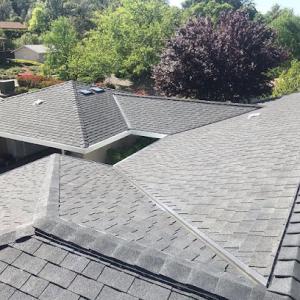
Kelly Roofing is a full service roofing contractor serving residential and commercial clients throughout the Sierra Nevada foothills. We built our team on experience, which is why we only use the best materials on the market, installed by fully licensed and insured contractors. Call us today for a bid on your roof repairs, new roof installation, skylight installation, gutter repairs, and more.
Robinson Roofing
1163 Mill Villa Ct, Sonora, California
5.0 from 7 reviews
Roof replacement, repairs and inspections.
Rau Roofing,llc
(209) 984-4350 www.rauroofing.com
Serving
4.9 from 13 reviews
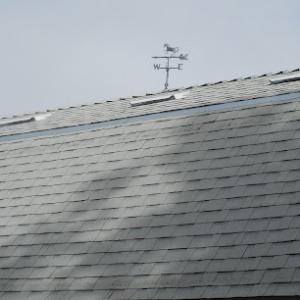
new and reroof specialist, low slope. roof repairs attic ventilation. all types of roofing.
Medina's Roofing
(209) 345-0922 medinasroofingco.com
Serving
5.0 from 4 reviews
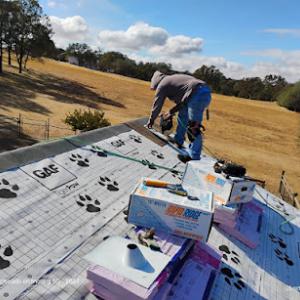
Medina's Roofing is a Full-Service Roofing and Gutters Company. We’ve been in the roofing industry for over 20 years. We offer Residential and Commercial Roofing of all Types. Our experienced team can do New Roofs, Slope and Flat Roofs, New Construction Roofing, Remove and Replace Roofs, Repair Sections of your Roof, Roof Leaks Repairs, Commercial Roofing, Install and Repair your Roof Gutters. We service Stanislaus County, Merced and Mariposa Counties, Tuolumne and Calaveras Counties and the surrounding areas. We stand behind our work. We offer FREE ESTIMATES and we are more than happy to assist you with all your roofing needs. Thank you all and God Bless.
HDZ Roofing Services
Serving
5.0 from 6 reviews
HDZ Roofing Services We Are Here To Serve You With Your Roofing Services, When It Comes To Roofing HDZ Should Be Your Best Choice. We Are Experienced And professional Roofers. Need The Best Roof Around? We Are San Joaquin Top Roofing Company. Call HDZ Roofing!
Manteca Roofing
(209) 858-2424 www.mantecaroofing.com
Serving
Locally Owned And Operated With More Than 40 Years Experience "We Are Re-Roofing Experts"
Provided local ranges run about 350 to 700 USD per square for asphalt shingles, 700 to 1100 for metal, 900 to 1700 for clay tile, 800 to 1400 for concrete tile, 400 to 800 for synthetic or composite shingles, and 1000 to 2200 for slate. In practice, the difference between a straightforward roof swap and a hailstorm or wildfire-damaged replacement shows up not just in the per-square price but in how the job is staged. For a foothill home with a simple roofline, you'll likely see the lower end of the ranges if you stay with common asphalt or metal. When clay or slate are in play, or when an upgraded underlayment and higher-grade flashing are chosen for wildfire resilience, the numbers move toward the upper ends. Your contractor will help translate these per-square figures into your actual project cost by factoring waste margins, disposal, and any required upgrades to decking and ventilation.
Costs in Sonora can rise on steep foothill lots and narrow access streets where material delivery, tear-off staging, and debris hauling are harder than on flat suburban parcels. Expect extra charges for crane work or truck routing through tight neighborhoods, longer loading sequences, and more frequent crew movement to manage small staging areas. If the roof is visible from a steep footpath or from a historic street, there may be additional safety measures or temporary protection needed, which adds time and labor. These site realities also affect waste containment, with more careful sorting of debris and more rounds of haul-off happening in smaller increments. Factor a realistic contingency into your budget for delays tied to access challenges.
Older homes in and around Sonora may add cost when reroofing reveals damaged decking, outdated ventilation layouts, or the need to upgrade underlayment and flashing for wet winters. If the decking shows rot or mineral-saturated felt beneath the existing roof, replacement costs can rise quickly. In these cases, you're not just paying for shingles; you're paying for structural inspection, potential repair, and a more robust ventilation strategy to reduce attic heat and moisture buildup. If you plan for improved wildfire-rated assemblies, upgrading underlayment and flashing becomes more likely, further influencing the price and the timeline. A thorough inspection early in the project helps map out these hidden needs before materials arrive.
Start with the material you prefer and the local range for your square footage, then add a realistic staging and delivery buffer for steep lots and narrow streets. Include a line item for decking and vent updates if the inspection reveals exposure or rot, and reserve a contingency for unforeseen fixes once the old roof is stripped. In mix-and-match scenarios-like combining metal with clay accents or opting for synthetic shingles in tight access-the price can vary meaningfully, so lock in final decisions with your contractor after a thorough walkthrough of the site.
A full reroof in this area typically requires a building permit handled by either the City of Sonora or Tuolumne County, depending on the property's jurisdiction. The decision point is usually the municipal boundary and whether the structure sits inside city limits or the unincorporated county area. Before any shingles come off, verify which agency administers the permit so the correct forms, submittals, and timelines are on track.
The local process commonly includes permit issuance, possible plan check depending on scope, and inspections during and after installation. For a reroof, that plan review may range from a straightforward permit with basic safety notes to a more detailed review of fire-rated assemblies and drainage detailing, especially given wildfire exposure and slope considerations common in the Sierra foothills. Expect to provide roof plans, material specifications, and installation methods tailored to the chosen assembly.
Inspections typically unfold in stages: a pre-construction or framing-related check, a mid-progress inspection as roofing components are installed, and a final inspection after completion. Weather in the area can affect inspection scheduling, with rain or heavy fog in shoulder seasons causing temporary holds or rescheduling. If corrections are required, re-inspections may be triggered, so plan for potential follow-up visits and ensure access routes, roof edge protection, and interior egress areas remain clear for inspectors.
Common triggers for inspections include verification of underlayment and fire-resistant barriers, proper attic ventilation, and drainage detailing along low-slope sections or transitions near steep eaves. Ensure all penetrations-vents, chimneys, skylights-are properly flashed and that any changes to roofing materials or fastener patterns are documented for the inspector. Missing documentation or incomplete work can cause a hold, so keep a ready set of notes on product specifications and installation notes.
Final approval is issued once the inspector signs off the completed work and all conditions are met. In Sonora, that approval confirms the reroof complies with local codes, fire-safety considerations, and drainage standards. After approval, keep the permit record accessible for future property transactions and any potential warranty claims, and ensure the final paperwork is filed with the appropriate jurisdiction.
In the Sierra foothill setting, the cool, wet months test roof assemblies in ways the dry summer rarely reveals. Underlayment integrity matters more than it does in milder coastal climates, and flashing details-around chimneys, vents, dormers, and perimeters-carry extra responsibility when the rains arrive. A roof that survived summer heat with marginal protection can fail suddenly when the rains arrive. If staples or nails pull free, or if the sealant dries out, moisture inches into the attic space and slow leaks trace along framing before they become obvious from living areas.
Homes in the foothills can see leak patterns worsen during prolonged winter rain after surviving the dry season with only subtle warning signs. That means a small drip in December can foretell larger trouble in February if flashing and seals were already stressed by heat and sun. Pay attention to any damp patches on sheathing, musty odors, or a sudden rise in indoor humidity after storms. Early detection saves interior damage and the cost of extensive repairs.
Moisture control is a bigger local concern than in desert climates because Sonora combines summer heat stress with a distinct wet season. Adequate attic ventilation, vapor barriers, and continuous insulation help keep condensation from condensing where it shouldn't. Roof decks, vents, and gutters should drain freely; clogged channels invite ponding, wood rot, and mold.
Inspect gutters and downspouts after every strong storm, ensuring water exits away from foundations and overhangs. Check valley intersections and around penetrations for hairline gaps, reseal as needed with products compatible with the chosen roofing material. Schedule a fall pre-winter check to tighten fasteners, reseal flashing, and confirm drainage paths remain unobstructed. In this climate, a modest upfront investment in high-quality underlayment and robust flashing pays dividends through colder, wetter seasons, keeping ceilings dry and the house healthier long after storms pass.
Roofing decisions in Sonora are affected by California's changing insurance market, especially in wildfire-exposed foothill areas. The foothills here see rapid shifts in underwriting rules, so what seemed acceptable last year may not be today.
Claims attention tends to rise after winter storms and wildfire events, and adjusters often want detailed roof-condition photos and documentation. Have a ready set of dated photos, a simple roof map showing problem spots, and notes on any prior repairs.
Some carriers have tightened roof-related underwriting or pricing in higher-risk California areas, making roof age, condition, and fire resistance more important to you. Prioritize fire-rated assemblies, ensure proper clearance around vents, and address any missing or damaged shingles or tiles now. In Sierra foothill conditions, drainage detailing matters: ensure gutters and downspouts are clear, scuppers functional, and rooftop debris not obstructing run-off.
Schedule a roof inspection from a local contractor who understands wildfire exposure and historic steep roofs. Consider materials with fire resistance and better wind uplift performance, and plan maintenance to be ready for the next storm season. Keep digital copies of receipts and inspection reports accessible for insurance packets.
In practice, roofing decisions here must balance heat gain, snow melt patterns from winter rains, and wildfire ember exposure. A fire-resistive roof isn't just about the material; it also means tight roof-to-wall detailing, ember-resistant vents, and clean, well-sloped drainage to prevent ponding that invites moisture and rot. Act now to document conditions before next storm hits hard.
Historic character means some homes are older than typical tract housing, increasing the chance of discovering deck deterioration or nonstandard framing during reroofing. When shingles come off, you may find sagging supports, uneven decking, or mixed construction practices that don't align with modern replacement plans. Those surprises often ripple into the roof line, attic ventilation, and eave detailing. Before committing to a new roof, expect a careful inspection of the underlying structure, not just the surface. In practice, this means pause to evaluate potential deck rot, fastener corrosion, and any retrofit work that may have altered original framing.
Material changes on older homes can have bigger structural implications when switching from lightweight shingles to tile or slate. Heavier assemblies demand stronger framing, sometimes additional underlayment, and revised load paths. In hillside lots, where foundations may sit on layered soils, the added weight can reveal hidden weaknesses. If a remodel shifts to clay, concrete, or slate, plan for possible reinforcement, including upgraded fasteners, improved bracing, and careful detailing at eaves and parapets. The result is not simply swapping coverings; it may require rethinking the entire roof structure to ensure safe, durable performance against windborne embers and seasonal dampness.
Historic-era neighborhoods and older hillside homes can complicate access, staging, and replacement sequencing compared with newer subdivisions. Narrow drive lanes, tight alleyways, and adjacent structures limit crane use and material laydown spaces. Staging areas may need to be established on the street or above-grade, which increases coordination and exposure during the project. Expect longer setup, meticulous neighbor communication, and a phased approach to keep surfaces protected from wind-driven debris and sudden storms. In Sonora, the rhythm of dry-season scheduling must be weighed against limited access routes and the terrain of aging parcels.