
Last updated: Apr 19, 2026
Oakdale sits in California's northern San Joaquin Valley, where prolonged hot, dry summers put unusual thermal stress on roof coverings and attic spaces. The roof is not just a shield from rain but a frontline for heat gain and energy use. In the peak of summer, attic temperatures can climb quickly, accelerating asphalt and other substrates' wear and potentially shortening their lifespans. When a home sits on a ranch-style plan with a broad eave line or a tile-roofed suburban block, the way heat moves through the roof system becomes a practical concern you can see and feel in energy bills and the comfort of upstairs rooms. Choosing a roof that handles this heat without warping, fading, or delaminating is a practical step you can take now.
Wildfire season affects roofing decisions even inside town because California insurers have tightened underwriting in wildfire-exposed regions and often scrutinize roof age, material type, and documentation. A roofing choice that offers reliable burn resistance, good ember protection, and a track record of standing up to heat without excessive maintenance can help with underwriting clarity. In Oakdale, carriers often look for evidence of a roof that remains fire-resistive for a substantial portion of its lifespan, not just a quick fix before the next audit. That means durable surface materials, coatings, and working ventilation strategies that support the roof's overall fire performance get prioritized in practical terms.
The city's roofing choices commonly balance heat resistance and insurance optics, which is why asphalt, metal, tile, wood, and synthetic products all appear in the local market but do not carry the same long-term risk profile. In Oakdale, an asphalt shingle might offer familiar installation routines and a straightforward replacement path, while metal roofing touts high reflectivity and long service life in heat. Clay and concrete tiles bring mass and thermal inertia that can soften attic temperatures, but require careful attic detailing and underlayment considerations in hot valleys. Wood shakes can deliver a rustic look with good shade performance if well maintained, yet they face stricter maintenance expectations under wildfire underwriting. Synthetic shingles aim to combine durability with lighter weight and sometimes better fire resistance. The practical takeaway is to match the material's heat tolerance, ember exposure performance, and expected maintenance cadence to your home's exposure and your insurer's expectations.
When evaluating options, the target is a system that resists heat, keeps attic temperatures manageable, and maintains integrity after years of sun exposure. Metal roofing shines in heat resistance and reflective capability, while clay and concrete tiles excel at thermal mass and long-term durability. Asphalt remains a familiar, cost-supportive option with a broad dealer and installer network, but its performance hinges on proper sealing, ventilation, and attic setup. Wood shingles or shakes offer a distinct aesthetic and good mid-range heat behavior when properly treated and maintained, though they require vigilance against moisture and ember exposure. Synthetic or composite shingles can blend heat performance with a more uniform surface and potential for lower maintenance, depending on the formulation. In the Oakdale context, it helps to consult with an installer who has hands-on local experience and can tailor recommendations to your roof's pitch, exposure to sun, and the attic's ventilation setup.
Regardless of material choice, attic ventilation plays a central role in mitigating heat stress. In Oakdale, a well-ventilated attic reduces peak temperatures, slows shingle aging, and supports insulation performance. Consider a combination of ridge vents, soffit intakes, and, where appropriate, gable vents to create a continuous flow path for hot air. A reflective attic liner or radiant barrier can also contribute to lower attic temperatures, which translates into less heat transfer into living spaces. Ensure baffles are installed correctly to maintain airflow behind the insulation and prevent premature moisture buildup. If roof replacements occur, pair the new roof with a ventilation assessment to optimize the system for Oakdale's hot summers and winter rain timing.
Post-installation, plan for a proactive maintenance cadence that aligns with Oakdale's wildfire season realities. Clean debris from gutters and eave lines to reduce ember accumulation, inspect for uplift or edge damage after severe heat or wind, and address any signs of moisture intrusion promptly to protect underlayment and sheathing. Keep an eye on flashing around chimneys and skylights, especially in areas with intense sun exposure, where expansion and contraction cycles are pronounced. Approach roof maintenance as a year-round, proactive habit rather than a reactive task, because a well-maintained roof supports both your interior comfort and the insurance narrative during renewal cycles.
Concrete and clay tile stand out in many Oakdale subdivisions and ranch-style neighborhoods where rooflines rise with the sun-drenched valley heat. The combination of a visually prominent silhouette and durablecrews that shrug off radiant heat makes tile a longstanding architectural staple. Concrete and clay tiles resist fading and can maintain a crisp look for decades when installed with proper underlayment and ventilation. In practice, tile systems pair especially well with the frequent need for steep pitches in this area, where longer eaves and pronounced ridges are common. The trade-off is weight and installation nuance: a reinforced structure is often required, and the fasteners and layout must accommodate thermal expansion in hot summers and cool winters. If your home features a tile roof, focus on high-quality underlayment, verified tile spacing, and robust attic ventilation to prevent heat buildup that can shorten tile life. For homes with exposed, visible tile lines, keep an eye on edge details and flashings around chimneys and skylights; those areas typically bear the brunt of roof movement and weather exposure.
Asphalt shingles remain a dominant option locally because they align with a broad mix of older homes and replacements where cost sensitivity matters. In Oakdale's high-heat climate, the performance of asphalt can be solid for many years, but prolonged valley heat accelerates aging. Look for upgraded architectural or dimensional shingles with higher UV resistance and better color stability. A reflective or cool-roof shingle option can help tame attic temperatures, which, in turn, reduces the strain on insulation and equipment. When choosing asphalt, consider the overall roof design-shallower slopes and long runouts can expose shingles to more glare and wind uplift, so ensure a dewpoint-aware ventilation strategy and appropriate wind-rated underlayment. Maintenance should emphasize prompt repair of any missing or curling shingles, as heat and sun exposure magnify weaknesses. For homeowners balancing cost and performance, asphalt remains a reliable, familiar path-just pair it with a reflective upgrade and a robust ventilation plan.
Wood shingles and shakes carry a quintessential East Valley look, but in this region wildfire-season risk and insurance scrutiny can make combustible coverings harder to justify. If wood is desired for appearance, prioritize certified fire-rated options, treated finishes, and an enhanced ember exclusion strategy at eaves and roof edges. Consider pairing wood with a noncombustible underlayment and creating defensible space around the structure to bolster resilience. Maintenance becomes critical: regular cleaning of debris, timely replacement of damaged segments, and reapplication of fire retardant coatings as recommended by the manufacturer. The aesthetic can be very compelling on traditional ranch styles, yet the long-term insurance conundrum and fire regime in the Central Valley mean wood requires careful ongoing evaluation against other materials offering similar curb appeal without the heightened risk.
Metal roofing earns attention for its excellent heat resistance and wind performance, which suits Oakdale's intense sun and open exposures. Reflective finishes and lighter prijzen tones can help minimize heat gain, while metal's durability aligns with long cycles between major replacements. Synthetic or composite shingles provide another avenue that blends resilience with a familiar look. These options often strike a balance between the heat tolerance of metal and the cost considerations of asphalt, while offering a broader range of appearances to fit ranch layouts and suburban silhouettes. When evaluating metal or synthetic systems, prioritize products with proven UV stability and a coating system designed to resist thermal cycling. Proper installation-especially attic ventilation and underlayment choices-remains essential to realizing the full benefit of these materials in the Oakdale climate.
In this climate, the best roof system combines heat resistance with appropriate wildfire-era insurance expectations, edge detailing, and the visual language of local architecture. For steeper, visible tile and shingle profiles, ensure the roof is wired and vented to handle the summer heat without compromising longevity. If choosing wood, approach it with an explicit plan to address insurance scrutiny and fire risk through coatings, spacing, and ongoing maintenance. For metal or synthetic options, confirm compatibility with existing structures and ensure a tailored underlayment and ventilation strategy. Oakdale homes benefit from a thoughtful material match that respects both the scale of the roof and the realities of summer heat and fire risk.

Andrews Roofing & Construction, Oakdale, CA
1220 E F St, Oakdale, California
3.9 from 18 reviews
Andrews Roofing and Construction is a trusted, locally owned company proudly serving Central Valley, California. With years of hands-on experience, we specialize in high-quality roofing solutions and comprehensive construction services for both residential and commercial clients. Our skilled team is dedicated to delivering durable craftsmanship, whether it’s roof repairs, full replacements, new construction, or exterior renovations. As a fully licensed and insured contractor, Andrews Roofing and Construction is committed to customer satisfaction, safety, and excellence in every project. From Fresno to Modesto and beyond, we’re the Central Valley’s go-to experts for reliable roofing and construction services.
J-C Roofing
6001 Wilkins Ave, Oakdale, California
3.5 from 8 reviews
Quality workmanship 35 plus years in roofing Reliable Versatile Punctual Senior discounts Disabled discounts Military discounts I treat everyone as family, just learn first hand and call me, you won't be disappointed. I enjoy helping people with their dreams (homes) at the same time you are helping me with mine and for that I stay grateful. God bless you all.
HDZ Roofing Services
Serving
5.0 from 6 reviews
HDZ Roofing Services We Are Here To Serve You With Your Roofing Services, When It Comes To Roofing HDZ Should Be Your Best Choice. We Are Experienced And professional Roofers. Need The Best Roof Around? We Are San Joaquin Top Roofing Company. Call HDZ Roofing!
A+ Roofing Services
(209) 353-9566 aplusroofingservicesca.com
Serving
4.8 from 34 reviews
A+ Roofing Services is a local, licensed and insured roofing contractor (license# 1097759). Our expert team proudly serves the San Joaquin Valley from Stockton down through Madera and all the communities in between. We can handle everything from simple roof repairs to full roof replacements and more, including inspections, siding, skylights, gutters, and fencing. We do work for residential as well as commercial properties and we pride ourselves on exceptional customer service, treating each home and business as if it were our own. Call today to get your roofing project started!
Roofing Modesto Pro
(209) 279-5012 modestoroofingpro.com
Serving
4.8 from 85 reviews
We are proud to be a locally owned small business that provides high quality roofing services to customers who need roof repairs, roof inspections or roof installations in Modesto, CA. Our company invests heavily in its employees and has been connecting people with professional and expert roofing contractors for a number of years now. We understand how roofing is done and are devoted to offering our services with open communication and straightforward honesty as our guiding slogans.

True Roof
(209) 718-7663 www.trueroofca.com
Serving
4.9 from 475 reviews
Third generation roofing contractor focused on inspecting and ensuring your roofing system is protecting what matters most. We strive to put integrity on top.

Roof Doctors Stanislaus County
(209) 846-2377 theroofdoctors.net
Serving
4.8 from 75 reviews
"Nobody inspects, repairs and certifies more roofs or solves more roof leak problems in the Central Valley Area." Over 300,000 roofs inspected. We do complimentary roof inspections with detailed reports that include pictures. Reports sent within 24 hours of inspection. We are a licensed roofing contractor that offer repairs, replacment bids, gutter cleaning bids, gutter guard installs, and general roof maintenance. Service in the following Central Valley counties: San Joaquin, Stanislaus, Merced, Madera, Fresno, Kings & Tulare Counties.
Peterson Roofing
(888) 596-4889 petersonroofingca.com
Serving
4.9 from 40 reviews
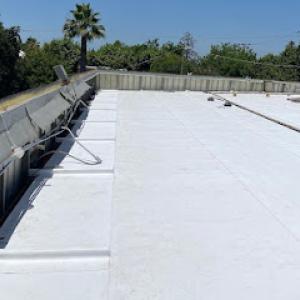
Peterson Roofing, Inc. provides expert roofing services in Modesto, CA. We specialize in roof installation, repair, and replacement for commercial properties. Our licensed and insured team ensures durable, high-quality roofing solutions using premium materials. We handle asphalt shingles, metal roofing, flat roofs, and emergency repairs with precision and care. We aim to deliver affordable, long-lasting, weather-resistant roofs that protect your home or business. Contact Peterson Roofing, Inc. for a free estimate and experience professional, reliable roofing services in Modesto.
McLain's Roofing
(209) 924-7663 www.mclainsroofing.com
Serving
5.0 from 10 reviews
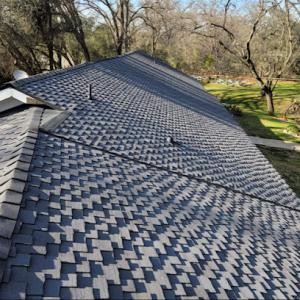
At McLains Roofing, we believe in offering personalized roofing solutions. Our comprehensive consultations ensure that you're fully informed about your roofing options, allowing you to select the plan that perfectly suits your home or business. Your needs are our top priority, and we'll maintain open communication throughout the entire project. With expertise in both residential and commercial roofing services, our commitment to exceptional customer service sets us apart. Whether you're embarking on a new construction project or in need of repairs, we're here to meet all your roofing needs.
Medina's Roofing
(209) 345-0922 medinasroofingco.com
Serving
5.0 from 4 reviews
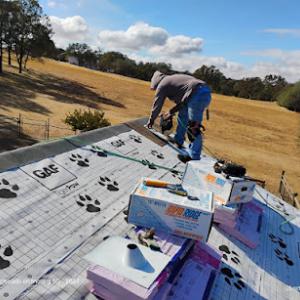
Medina's Roofing is a Full-Service Roofing and Gutters Company. We’ve been in the roofing industry for over 20 years. We offer Residential and Commercial Roofing of all Types. Our experienced team can do New Roofs, Slope and Flat Roofs, New Construction Roofing, Remove and Replace Roofs, Repair Sections of your Roof, Roof Leaks Repairs, Commercial Roofing, Install and Repair your Roof Gutters. We service Stanislaus County, Merced and Mariposa Counties, Tuolumne and Calaveras Counties and the surrounding areas. We stand behind our work. We offer FREE ESTIMATES and we are more than happy to assist you with all your roofing needs. Thank you all and God Bless.
Thomas Ford Roofing
(209) 988-8134 www.thomasfordroofing.net
Serving
5.0 from 11 reviews
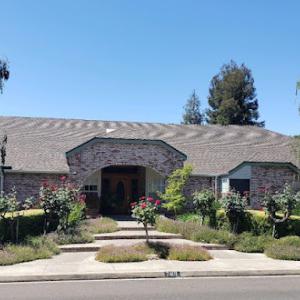
Thomas Ford Roofing is your premier roofer in Modesto, CA. Trust Thomas Ford Roofing for top-quality roofing in Modesto, CA, Turlock, Manteca, and beyond! As a third-generation, Modesto-born roofer with over 15 years of experience, I personally oversee every project since 2005. We offer new roofs, re-roofing, leak repairs, and custom solutions tailored to your roof needs. Our commitment to excellence ensures your Modesto home stays protected with durable, high-quality craftsmanship. Choose a local roof expert like Thomas Ford Roofing Company who cares. Contact Thomas Ford Roofing today! We're not just another roofing company, we're part of the Modesto, CA community.
SQ Roofing
(209) 595-3908 www.sqroofinginc.com
Serving
5.0 from 20 reviews
Supreme Quality Roofing is a residential roofing company to provide the best quality service and customer experience for your roofing needs. With over 30+ years of inspecting, repairing, and installing residential roofs in the Central Valley, our technicians are experts in consulting with customers to install and repair their roofs to pass city and county inspections. Get your free consultation and estimate today.
In Oakdale, you'll notice a Mediterranean-style climate that concentrates meaningful precipitation in the cooler months. That means leak discovery and emergency repairs tend to cluster in winter rather than summer. Summers bring heat, but the wettest spell is usually December through March, when occasional cold snaps are paired with more frequent storms. For a homeowner, this translates into a heightened likelihood that a hidden defect discovered during a roof project will surface after a rain event or during a brief downpour. The consequence is that unplanned turnovers-floating crew windows, scheduling shifts, and sudden weather-related delays-are a real possibility. Plan around these patterns so repairs don't sit waiting for a break in the calendar.
Full tear-offs are more scheduling-sensitive during wetter months because exposed decking and underlayment work can be interrupted by rain events that are uncommon in peak summer. If a replacement project is timed for late winter or early spring, the risk of a rain disruption increases, and so does the risk that you'll need to pause progress to protect open decking and new underlayment. That interruption isn't merely inconvenient; it can expose you to moisture intrusion and decking warping if the sequence isn't carefully managed. When choosing a start date, consider a window that allows at least a dry, steady stretch for critical steps: removing the old roof, inspecting and drying decking if needed, and installing underlayment and flashing with sufficient cure time. Build a contingency plan for an additional week or two should storms roll in unexpectedly.
Even mild winters carry moisture concerns that influence how flashing, valleys, and dry-in sequencing are handled during replacement season. Flashing must be carefully integrated with the existing wall and chimney details, because winter moisture can exploit small gaps left unchecked. Valleys require precise alignment and water-shed testing to prevent slow leaks that gradually degrade sheathing. Dry-in sequencing-getting the roof weather-tight quickly-matters more in this climate than in drier regions. A cautious approach prioritizes a secure dry-in before any heavy rain risk, and it emphasizes meticulous inspections of all transitions after any storm event. If a storm rolls through during replacement, expect a temporary halt to work and a thorough inspection once the skies clear to confirm no moisture has penetrated at critical junctions.
In the inland Central Valley heat, shingles endure a long, relentless sun that ages the surface quickly. You'll notice accelerated granule loss and surface aging on asphalt shingles and other heat-sensitive materials, especially on southern exposures and rooftops that sit bare to the sun for most of the day. Over time, this leads to more rapid color fading, reduced UV protection, and the potential for early curling or dimensional changes. Regular inspection after peak heat waves is prudent: look for bare mineral granules in gutters, dark splotches where heat has aged the granules unevenly, and soft, spongy spots that hint at underlying deterioration. If you see wear concentrated around edges or near penetrations, plan a targeted cycle of maintenance to slow progression.
Tile systems handle heat well when well installed, but maintenance reveals the truth behind durability. Cracked field tiles are common after the long dry stretch and sudden cooling cycles, especially on roofs with many intertile gaps. Beneath the tiles, the underlayment ages at a different pace, and that mismatch can produce hidden leaks during winter rains if the underlayment has started to break down. Movement around penetrations and flashings is another frequent trouble spot; as the roof shifts subtly with temperature swings, you'll see hairline cracks around vent boots, chimneys, and transitions. Inspect tiles for cracks and chips, and check flashings where roof meets walls for any gaps or rusted nails. A tile roof that looks nailed down but has loose or slipping tiles will eventually show leaks at the seams.
Even without a major storm event, seasonal wind and debris exposure in the valley can leave edges, ridges, and roof-to-wall transitions more vulnerable. Shingles or tiles at the perimeters may lift, allowing wind-driven debris to penetrate the underlayment or expose fasteners. Ridges subjected to constant wind can develop skinny cracks along the cap or along the ridge line, especially after a dry, windy spell. Debris accumulation at eaves and in valleys can trap moisture and accelerate wear on edge flashings. Regular cleanouts of gutters and downspouts, plus a careful check of ridge caps and edge closures after high-wind periods, helps catch trouble before leaks begin.
Begin with a simple seasonal walk of the roof after extreme heat and after major wind events. Look for lifted shingles or tiles, granule buildup in gutters, and any bright copper or rust on flashings that signals corrosion. Pay attention to penetrations-vent pipes, skylights, and chimney flashings-where calcium, tar, or sealant may show cracking or shrinkage. If something looks off, document with photos and plan a targeted preventive repair before a small issue becomes a leak or a larger failure.
When you price a roof here, anchor your planning in Oakdale's material mix. Asphalt shingles run about 370 to 800 USD per square, metal roofing 650 to 1100, clay tile 1000 to 2400, concrete tile 900 to 1700, wood shingles or shakes 800 to 1500, and synthetic or composite shingles 600 to 1000. Those ranges reflect the common homes around the town-ranch-style shingles in neighborhoods with more heat-absorbing surfaces and the heavier tile systems that show up on suburban blocks with fuller eaves and tile profiles. A "square" is a typical 10-by-10-foot section, so you're talking a sizable bill per home depending on roof pitch and overall area. For Oakdale, you'll often see a mix of roofing types across a single property as crews swap out old materials and match new layers, which can nudge the average project cost up or down from the pure material price.
Costs tend to rise locally when homeowners replace heavier tile systems. Heavier tiles demand stronger deck support and sometimes need deck repairs after winter moisture intrusion, especially on older homes with cedared or once-wooded eaves. Ventilation and flashing upgrades also add to the bottom line because Oakdale homes with extended attics and complex penetrations require careful detailing to keep heat, wind-driven rain, and ember embers from finding weak spots. If the attic already shows signs of moisture or loosened decking, expect an uptick in labor time and materials like improved underlayment, ridge ventilation, and durable flashing.
Pricing can shift with seasonal demand because summer heat slows crew productivity and winter rain can compress scheduling. Suburban roof shapes around Oakdale often include hips, ridges, and penetrations that add labor, material cutoffs, and waste disposal considerations. A multi-hip design or a roof with numerous vent pipes and skylights will push the per-square price higher than a simple shed-style roof. When planning, factor potential delays from hot-weather heat stress or winter weather windows into your calendar and budget.
Choose systems that align with wildfire-era insurance expectations without overinvesting in features your home doesn't need. Metal, clay tile, concrete tile, and properly installed asphalt with appropriate underlayment and ignition-resistant features typically perform well in high-heat days and ember exposure. Synthetic or composite shingles can offer a balanced price point with decent fire resistance, while wood shingles or shakes provide aesthetic value but may require more maintenance in heat and ember-prone conditions. If you anticipate long-term savings, a heavier tile might pay off if your roof is well-supported and you're replacing underlayment and flashing concurrently. Keep a realistic contingency for decking or ventilation upgrades if winter moisture revealed hidden deficits.
A full roof replacement in Oakdale typically requires a permit through the local building department rather than being treated as a no-process maintenance item. This isn't just about ticking a box; it establishes a traceable record for work that changes the structure, sheathing, or roof assembly. When planning, verify whether your project needs a building permit, a plan review, or both, and be prepared to submit roof layout details, underlayment type, and venting plans. The permit process aligns with the inland Central Valley climate, helping ensure the roof will perform under the region's heat and winter rain patterns.
The city's inspection flow commonly includes a rough-in and a final inspection, with attention to attic ventilation and flashing details as part of code compliance review. Expect the rough-in to occur after decking, underlayment, and initial flashing are in place, with inspectors checking venting adequacy to mitigate heat buildup and condensation risk. The final inspection will verify that all components were installed per code and project plans, including flashing at eaves, chimneys, and transitions around skylights. Clear access to attic spaces during inspections is essential so the reviewer can verify insulation and ventilation balance.
Homeowners should expect permit records and inspection sign-off to matter beyond code compliance because insurers and future buyers may ask for proof that the replacement was properly permitted. Keep the filed permit, inspection approvals, and any approved amendments together with your roof documentation. If you're dealing with wildfire-era insurance requirements, having a complete permit trail can streamline underwriting and reassure future buyers that the installation met local standards.
Oakdale homeowners are affected by California's broader insurance retrenchment, where some carriers have reduced exposure in wildfire-risk areas and tightened roof underwriting standards. That pressure lands squarely on purchases, replacements, and claims, making meticulous documentation non-negotiable. If a carrier questions anything about your roof, a rapid, well-organized file can mean the difference between a smoother claim and a drawn-out dispute.
Roof claims in this market often require unusually thorough documentation, including date-stamped photos, permit confirmation, inspection records, and clear evidence separating sudden damage from age-related wear. Start a claim folder the moment issues appear: store digital copies in a labeled cloud folder, timestamp every photo, and keep a dated log of events, leaks, and hail or wind impacts. This preparation helps you withstand the higher scrutiny typical in wildfire-prone underwriting.
Because adjusters may coordinate inspections and replacement verification closely, Oakdale homeowners benefit from documenting ventilation, flashing, and material type during the project rather than after a dispute begins. Capture close-ups of flashing seams, chimney and vent penetrations, ridge caps, and underlayment condition. Note the exact shingle or tile type, color, and any observed deterioration. Clear, labeled photos that show both the problem and its location reduce back-and-forth and speed decisions.
Timeliness matters: respond promptly to requests for additional documents and schedule inspections as soon as you have material evidence organized. If a contractor or roofer is involved, obtain and keep copies of subcontractor work orders, delivery receipts, and any warranty documents. Having a cohesive, timestamped trail that links photos, symptoms, and corrective steps cuts miscommunication risk and supports a faster, more favorable resolution.