Last updated: Apr 19, 2026
Estero sits in Southwest Florida's high-wind storm corridor, so roof decisions are closely tied to hurricane-season damage risk and post-storm documentation. The salt-loaded air and high humidity accelerate corrosion on metal components and can degrade underlayment and fasteners faster than you expect. When a storm rolls in, shingles, tiles, and metal panels endure wind-driven debris and lift potential that varies by material. The goal isn't to chase every gust but to choose systems and installations that stand up to the kind of wind pressures common in Lee County's storms, with documentation ready to back up your claim if the roof is ever tested by a hurricane.
Local insurance scrutiny is high because Southwest Florida has frequent storm claims, and adjusters commonly review both roof age and wind-mitigation details. After a storm, expect a thorough check of roof covers, fasteners, and flashing, plus a look at the overall condition of the roofing system. If a claim is filed, the adjuster will want to see recent maintenance, any wind mitigation features, and documentation of retrofits or upgrades. This makes it critical to keep receipts, contractor notes, and visible evidence of the roof's wind resistance capabilities. If your roof has tile or metal, make sure you have clear records of the wind-rated performance and any reinforcement work done in the last few years.
Project timing can be disrupted during storm season by active weather, emergency demand spikes, and inspection scheduling pressure. The dry season is your window for planning major work, but hurricane activity can still force delays or accelerated schedules. If a storm is forecast, expect access constraints and prioritization of emergency repairs for safety-critical areas. It's essential to align your work plan to potential weather gaps, keeping the most vulnerable parts of the roof protected and ready for when the sky clears. In practice, that means scheduling pre-storm maintenance checks, securing loose tiles or shingles, and ensuring that flashing and fasteners are in good shape before a major weather event.
Tiles and metal systems are common in this area because they can be more wind-tolerant when properly installed, but their performance heavily depends on fastener type, underlayment, and installation quality. Clay and concrete tiles require precise weight-bearing support and professional layout to minimize breakage during gusts. Metal roofing can offer excellent wind resistance, but seams, penetrations, and corrosion-prone edges must be properly treated and sealed. Asphalt shingles, while common, need wind-rated products and correct nailing patterns to resist uplift in a hurricane. Your choice should reflect the balance between local wind needs and the long-term ability to document wind performance for insurance purposes.
Build a simple, organized file that covers your roof's wind-resistant features. Photograph the roof from multiple angles, focusing on seams, flashing, fasteners, attic ventilation, and visible wear. Save any wind-mitigation certificates, product data sheets, and installation notes from reputable local contractors. If upgrades or retrofits have been performed, capture before-and-after images and the corresponding contractor reports. This proactive record helps with post-storm claims and reduces the chance of delays or disputes when adjusters review the roof's condition and its wind-resistance documentation.
Schedule a targeted wind-damage inspection before the peak of hurricane season, focusing on vulnerable points such as fastener corrosion, flashing around chimneys and vents, and the condition of underlayment. For tile roofs, confirm tile anchors and interlocking systems are intact and that hip and ridge lines are secure. For metal roofs, ensure seams are sealed and that edge trims resist salt exposure. If wind events occur, document any damage immediately and contact a trusted roofing professional who understands local storm dynamics and the expectations of adjusters, so you can move quickly toward temporary protection and permanent, compliant repair.
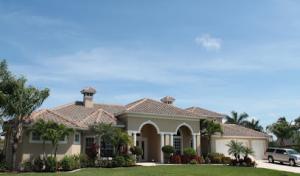
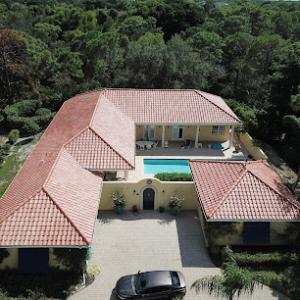
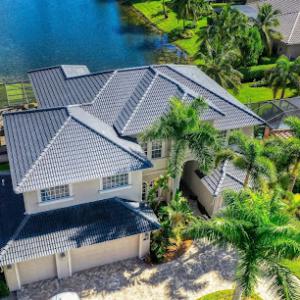
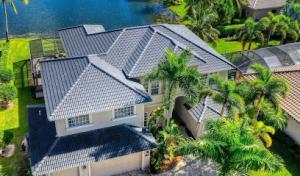
Tile roofing is especially relevant in Estero because Southwest Florida architecture commonly uses clay and concrete tile on residential communities and HOA-style developments. The combination of Gulf-coast humidity, salt exposure, and hurricane-season wind risk means these roofs must perform beyond simple aesthetics. Tile surfaces tolerate heat and sun, but the true test is how well the fasteners, underlayment, and flashing hold up under uplifts and salty air. In practice, homeowners often see longer service life from clay or concrete tile when paired with a reliable attachment method and a corrosion-resistant underlayment system. The look remains a recognizable hallmark of our neighborhoods, but the performance demands are higher than in inland markets.
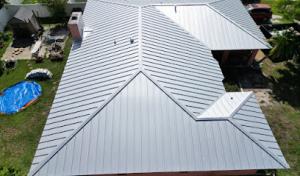
Metal roofing is a major local option because coastal humidity and salt exposure make fastener selection and corrosion resistance more important than in inland Florida markets. In Estero, metal systems are frequently chosen for their wind resistance and rapid installation potential, which helps when you want to minimize downtime after a storm. Panels and trim are typically selected for coastal salt resistance, and coating choices matter because salt spray can accelerate wear on uncoated metals. When you compare metal to tile, consider not just the appearance but the long-term behavior under wind-driven rain, debris impact, and repetitive uplift cycles. A well-installed metal roof can deliver dependable performance in the same neighborhoods where tile is common, provided the attachment method and flashing configuration are designed for high wind environments.
Wind performance matters more than appearance alone in Estero, so homeowners comparing tile versus metal need to weigh uplift resistance, attachment method, and replacement logistics. Tile offers excellent durability under impact and can be sealed to resist wind-driven water, but large uplifts can occur if fasteners and battens aren't properly installed or maintained. Metal roofs typically rely on concealed or exposed fasteners and continuous through-fastener systems; each approach has its own maintenance implications in a salt-air setting. In HOA communities, wind-rated tiles or interlocking metal panels with reinforced edge detail often align with community standards and documentation requirements. The practical question is not just what looks best, but how the roof behaves when a hurricane watch is in effect and a contractor needs to complete a timely replacement or repair.
Estero homes often require a precise sequence for installation to maximize wind resistance: correct substrate preparation, proper underlayment for coastal humidity, and validated fastening patterns that meet local uplift criteria. Tile installations benefit from a rain-guarded setting process, especially in the wet season, to avoid micro-cracking and water infiltration behind the tile field. Metal roofs benefit from careful sealant application around sidelaps, ridges, and penetrations to prevent salt-laden moisture from penetrating seams. In practice, plan for the fact that replacement logistics can be challenging after a storm, as access for large panels or bundles may be constrained by debris and neighborhood traffic.
Maintenance for tile includes inspecting for cracked or displaced tiles after storms, checking the underlayment condition, and ensuring flashing remains watertight around chimneys and vent penetrations. Metal roofs require annual fastener checks, corrosion inspection around coastal edges, and prompt replacement of any compromised ridge or seam components. In this climate, a proactive maintenance cycle helps prevent hidden leaks that could escalate during the wet season. For both systems, establish a trackable timeline for re-sealing, re-pointing, and panel or tile alignment checks so that the roof remains resilient through successive seasons.
Barger Roofing
(239) 423-7663 www.bargerroofing.com
23150 Fashion Dr #232, Estero, Florida
5.0 from 115 reviews
At Barger Roofing, we pride ourselves as an industry leader for providing top-notch residential roofing services in Fort Myers, FL and surrounding areas. With years of experience, we have built a solid reputation for delivering quality roofing , superior customer service and unmatched expertise in all aspects of residential roofing. From new roof installations to repairs and maintenance, our roofers Fort Myers, FL, are equipped with the knowledge and skills to handle your roofing needs. Whether you require new gutters, gutter repair, or gutter cleaning, we can handle it all with professionalism and efficiency. Call us today for a free quote and estimate.
Polaris Roofing
(239) 944-0622 www.polarisroofing.net
9911 Corkscrew Rd suite 218, Estero, Florida
5.0 from 66 reviews
Polaris Roofing is a local, family-owned residential & commercial roofing company. We specialize in a wide variety of roofing products from Tile, Shingles, Metal or Flat Roofing products for both full installations or repairs.
6D Roofing & Consulting
10600 Chevrolet Way Suite 229, Estero, Florida
5.0 from 11 reviews
Bringing quality and integrity to the roofing industry. With over 40 years of combined experience in all types of roofing 6D Roofing & Consulting, LLC is your best choice for all your roofing needs. Our Services Section o Commercial/Industrial o Flat Roofing o Metal Roofing o Clay & Concrete Tile Roofing o Asphalt Shingles o Wood Shingle Shake Roofing
Elevation Roofing
(239) 544-3825 www.roofelevation.com
Estero, Florida
4.8 from 6 reviews
Elevation Roofing is a trusted roofing company serving Southwest Florida, including Fort Myers, Cape Coral, Naples, and surrounding areas. We specialize in high-quality roof replacements, repairs, and new roof installations using top materials like shingle, metal, tile, and stone-coated steel roofing. Whether you need help after a storm, want to improve your home’s energy efficiency, or are looking for a long-lasting roofing solution, our licensed and insured team delivers reliable, timely, and expert service. We stand behind our work with strong warranties and offer free roof inspections. Our team is experienced with residential and commercial roofing, and we help homeowners qualify for wind mitigation credits and insurance discounts.
Firestone Roofing & Construction
(239) 208-0071 firestoneroofing.co
Estero, Florida
5.0 from 4 reviews
We are a locally owned and operated roofing company out of SWFL. We are know for our affordable prices and quick installation. Call us and see why we would be the perfect roofer for you.
Top Hat Roofing FL
(239) 319-0853 tophatroofingfl.com
Serving
5.0 from 53 reviews
Top Hat Roofing FL is a local roofing contractor with 10 years of experience. They specialize in roof leak detection, repairs, and complete replacements. Their team of experienced roofers is dedicated to providing their customers with the highest quality workmanship and materials. They offer free estimates and are committed to providing their customers with the best possible roofing experience.
Royal Roofing
(239) 321-5731 royalroofrepair.com
Serving
5.0 from 37 reviews
We specialize in locating and repairing roof leaks, tile and shingle repairs, and vent installs. Local firefighter owned and operated.
Epic Roofing & Exteriors
(239) 214-3445 www.epicroofs.com
Serving
4.9 from 503 reviews
Epic Roofing is a locally owned and operated company serving Southwest Florida. With over 30 years of experience, we pride ourselves on our knowledge, efficiency, and the quality of our work. We provide a variety of residential and commercial roofing services including roof installations, re-roof, roof repairs, roof maintenance and more for shingle, tile, metal and flat roofing systems. We build business using a customer-first approach, and our commitment to excellence and customer satisfaction runs from the first call to the completion of each and every project.
Robertson Roofing
(239) 204-1052 robertsonroofs.com
Serving
5.0 from 16 reviews
20 years experience in repairing tile, metal, shingle, and flat roofs. Fully licensed and insured.
Buckner Roofing
(239) 922-8196 www.buckner-roofing.com
Serving
4.7 from 13 reviews
We are a family owned roofing company based in SWFL here to meet your needs through excellent quality and communication.
Ark Eco Construction & Roofing
(239) 900-1519 arkecogreen.com
Serving
5.0 from 20 reviews
THE FRONTIER OF SUSTAINABLE CONSTRUCTION. Looking for a high-quality Roofing & Solar Construction Company in Bonita Springs, Florida? At ARK ECO, we pride ourselves on being at the forefront of sustainable construction technology. Roofs are undoubtedly one of the most important parts of any building. Not just in terms of design, roofs are also an integral part of the entire functionality of a building. Roofs protect against harsh conditions & elements therefore, they need to be well maintained annually. When natural disasters strike, having the power to your building or home can mean the difference between hours or multiple days of survival.
San Carlos Roofing
(239) 267-6200 sancarlosroofing.com
Serving
4.7 from 79 reviews
We are a family owned, local business. Our families have grown up here. The original license holder, Uncle Paul, received his roofing license in 1987, making us nearly 40 years old. We install Tile, Standing Seam Metal, 5V Metal, Shingle, and Flat-roof systems. No job is too small or large for us. We also repair each of the roofs listed above. Whether they are small repairs or larger, extensive repairs, we can handle your roof problems. Our crews have been with us for a long time. We have two repair crews that have been with us for over 20 years. One of our tear-off crews has been with us since 2013. We have plenty of experience and it shows! Fort Myers, Bonita, Naples, Cape Coral, Lehigh Acres. Give us a call. In God we trust!
During the hot, humid summers, afternoon thunderstorms are a common disruption to tear-off schedules. You should expect sudden deluges that pause work and require temporary weather protection on exposed decking. When planning, lock in concrete start dates for the dry-season window and build a realistic buffer for storm delays. Your crew will appreciate a predictable sequence, with panels and underlayment staged to minimize open decking during late-day squalls. If a delay occurs, having a clear backup day within the same window reduces the risk of extended exposure and potential moisture intrusion.
Tile and metal systems are common in this area and demand precise wind documentation, but seasonality still matters for installation quality. In the dry season, air is drier, allowing faster roofing adhesive cure times and steadier installation across larger sections. If you opt for underlayment and fasteners, verify that the chosen products are rated for high humidity and salt exposure, so they maintain performance as humidity climbs. Plan sequences so that dry-in work-like underlayment, flashings, and fasteners-finishes before any long spans are left open overnight, especially on coastal-facing elevations.
Wet-season replacements require more careful staging because heavy rainfall and moisture can affect underlayment exposure time and inspection timing. Establish a plan to cover exposed roof areas promptly after rain events and to reseal or recheck flashing edges if the surface stays damp for more than a few hours. Ensure that roof decking is dry before applying new underlayment; otherwise, moisture can compromise adhesion and the integrity of the wind-resistance components. Schedule inspections with a contingency in mind, recognizing that local inspectors may have limited windows during heavy rain periods.
Coordinate closely with your contractor to map out a day-by-day sequence that accounts for typical afternoon storms. In the dry season, get firm confirmations on start times and crew availability, since demand often tightens contractor schedules. Have a reliable rain plan and shoreline-ready detailing for coastal-facing roofs, where salt exposure can accelerate corrosion and affect fastener longevity. If a storm interrupts work, your team should have a practiced method for safe staging, temporary protection, and rapid resumption to keep the project on track within the window.
After the last day of work, perform a thorough inspection with the crew focusing on flashing seams, ridge vents, and sealant lines, which can be stressed by wind gusts during Florida's transitional days. In the dry season, you still want a short dry-up period before final inspections, but the predictable weather helps confirm that all components align with wind performance expectations and that there are no hidden moisture pockets from earlier rain events.
Get a clear picture of your project costs upfront - no commitment required.
Barger Roofing
(239) 423-7663 www.bargerroofing.com
23150 Fashion Dr #232, Estero, Florida
5.0 from 115 reviews
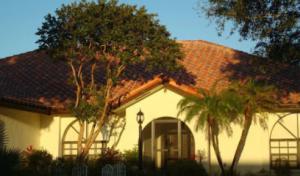
A full roof replacement in Estero typically requires a permit, and the roofing contractor usually files it with the Lee County or Estero-area building department process. The goal is to confirm the new roof meets the county's wind resistance and structural standards, so the paperwork should document the chosen system, underlayment, fasteners, and any required purlins or deck reinforcements. The permit is not something to treat as an afterthought; it's part of the project timeline that can influence lead time and scheduling with the roofer. Expect the building department to review the project scope, confirm materials meet code, and ensure the work aligns with local hurricane performance requirements.
Inspections commonly occur at key milestones including the rough-in or underlayment stage and the final inspection before closeout. In practice, that means the inspector will want to see the roof deck prepared, underlayment installed, and fasteners or clips in place before the tile, metal, or synthetic layers go on. A separate wind-resistance assessment may be requested if the chosen system requires documented performance. Plan for a mid-project check-in where the contractor schedules the rough-in inspection and confirms the final inspection date. Delays at inspection points can push back weather-sensitive work, especially when roofs must be weather-tight before seasonal storms. If a pending inspection faces weather or staffing hurdles, your contractor should communicate a realistic window and maintain proper access for the inspector.
The local department may require wind-resistance documentation, and scheduling delays are more likely during peak roofing and storm-recovery periods. In practice, that means you should secure a clearly written wind-load specification from the manufacturer or engineer, with an emphasis on fastener type, roof-to-wall connections, and edge anchorage. Your contractor should compile this documentation ahead of time, so the county sees a complete package at permit submission. If your material is tile or metal, specific clips, battens, or interlocking systems may be mandated to achieve the tested wind rating. Have a contingency plan for longer lead times if the product you want needs additional engineering approval or if supply chains slow down during hurricane season or post-storm rebuilding periods.
Because wet and dry seasons influence work windows, timing roof work around Estero's climate matters. Dry-season weather allows for more predictable progress, while the onset of the wet season can introduce moisture delays and rain-day setbacks that complicate inspections. Coordinate with the roofer to maintain a continuous cadence from permit submission to final inspection, and align delivery of underlayment, fasteners, and tiles or panels to minimize on-site storage. Communicate anticipated inspection dates to neighbors when possible, since streets and driveways may see increased activity during higher-demand periods.
In Estero, the pricing for roofing materials moves with demand surges after storms, when labor availability tightens across Southwest Florida and replacement schedules back up. That means during and after hurricane season, you can expect material costs to trend higher and lead times to stretch. Tile and metal systems are especially relevant here because they are common on local homes and require more specialized labor than basic shingle work. If a rainier stretch hits, estimating cushion becomes part of the plan.
Shingle options remain a practical baseline for many Estero homes, with cost ranges shown in the local market data. Synthetic or composite shingles can mirror asphalt pricing while offering extended durability in humid, salty air. The variability often comes from shipment timing and crew availability during peak demand. Expect pricing to tilt toward the higher end when storms push schedules into backlogs or when crews juggle multiple large repairs across the region.
Metal roofing commands a higher per-square price but can offer long-term resilience against wind and salt exposure, which matters in hurricane season. Clay tile sits at the higher end of the spectrum and often involves more meticulous installation due to weight and precise wind documentation expectations. In practice, these materials may still be the preferred path for homes with a coastal look or where long-term performance under Estero's humidity is a priority. Expect labor to be a sizable portion of the total when choosing these systems.
Concrete tile presents a robust option that handles salt air and heat well, yet weight and installation nuance keep pricing elevated compared to basic shingles. Wood shingles or shakes bring a distinct aesthetic but can face higher maintenance in coastal conditions, which some crews factor into the bid. In storms-driven periods, keep an eye on availability and the need for careful flashing and underlayment work to avoid wind-related failures.
Pricing sensitivity to storm-driven demand means you should build in a contingency for material and crew scheduling. If tile or metal is chosen, plan for longer lead times and careful sequencing to meet wind-resistance expectations without rushing the installation. Weather windows in the dry season can still compress quickly when storm fronts shift, so align expectations with the typical cost ranges and factor in the potential for price spikes after major events.
The most popular roofing material in the US. Find pros who install, repair, and replace asphalt shingles.
6D Roofing & Consulting
10600 Chevrolet Way Suite 229, Estero, Florida
5.0 from 11 reviews
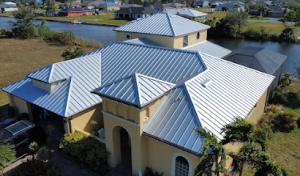
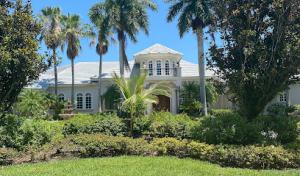
Estero's coastal environment exposes roofs to persistent humidity and salt-laden air, which can shorten the service life of vulnerable metal components and fasteners. When salt settles on exposed metal, it accelerates corrosion and dulls protective coatings. Over time, those tiny compromises add up, especially at edges, hip lines, and roof penetrations where water tends to linger. In practice, a seemingly minor rust spot or mounting lug can cascade into panel separation or leaks after a heavy storm.
Moisture exposure is a bigger long-term issue here than in drier inland Florida markets, especially for flashing details and attachment points. Humid air moves through cavities and attic spaces, condensing on cooler surfaces and seeping into fastener seals. Flashings need to be sealed and maintained with corrosion-resistant materials, and any joint or seam should be scrutinized for signs of moisture intrusion after the wet season. If flashing is aging or mismatched to the roof metal, it becomes a quiet pathway for water that you'll notice only after a heavy rain.
Material choice in Estero is not just about surface covering; accessory metals, fasteners, and underlayment durability matter because of the local marine-influenced climate. Stainless or ceramic-coated fasteners help resist salt fatigue, but even the best hardware can fail without proper installation and periodic inspection. The underlayment should be a durable, water- and vapor- resistant layer designed for high humidity, with sufficient venting to prevent trapped moisture. When choosing metals for trim, eaves, and vents, prioritize coatings that tolerate salt air and temperature swings, and plan for proactive inspection of edges and penetrations. Regularly re-check caulking and sealants around penetrations to prevent prolonged moisture contact.
Estero's summer downpours push drainage systems and roof seams to the limit on flat and low-slope sections. When gutters and downspouts clog or scuppers narrow, water begins to back up and sit along seams, rivets, and flashing. In this climate, a small pooling area can grow into a recurring leak if the slope isn't adequate or the drainage path is obstructed. Regular inspections after heavy rain should focus on seam tapes, edge detailing, and any softened substrate near transitions.
Moisture-heavy conditions in Southwest Florida make even minor ponding a bigger problem. A shallow pond near a parapet, ladder flash, or field seam can lead to accelerated deterioration of sealants and flashing. If you notice damp spots or damp beads along joints during sun breaks, treat it as a warning. Re-sealing or re-flashing at problem corners is not optional-delays multiply the risk of interior staining and faster material fatigue in this salty, humid air.
Flat and low-slope roofing appears on a surprising mix of commercial buildings and some residential blocks in this area, and the choice of membrane matters. Low-slope systems that tolerate wind and salt exposure but respond poorly to standing water will suffer first from ponding and seam degradation. When selecting a material, prioritize membranes with robust seam integrity, UV resistance, and proven performance under frequent afternoon deluges.
A practical approach centers on a steady maintenance cadence that aligns with Estero's wet and dry cycles. Schedule inspections at the end of the dry season to catch summer-prone vulnerabilities before the storms arrive, and conduct follow-ups after major rain events. Keep a close eye on transitions between the roof and penetrations, as these are the spots most prone to recurring leaks when moisture lingers.
Find specialists in TPO, EPDM, and built-up flat roofing systems for residential and commercial properties.
Polaris Roofing
(239) 944-0622 www.polarisroofing.net
9911 Corkscrew Rd suite 218, Estero, Florida
5.0 from 66 reviews
6D Roofing & Consulting
10600 Chevrolet Way Suite 229, Estero, Florida
5.0 from 11 reviews
In this area, leak investigations after wind-driven rain often focus on roof penetrations and transitions rather than only the field of the roof. The combination of Gulf coast humidity, salt exposure, and frequent thunderstorms means the typical flashing around skylights, vents, and transitions can be stressed differently than in inland climates. A skylight that seems solid after a storm may hide a moisture path along its base or around its curb, especially where old sealants have cracked or where the flashing back-chases the roofing material. In Estero, you should expect that the weakest link is often the detail where two materials meet, not the broad expanse of shingles or tiles.
Frequent thunderstorms and tropical systems in Southwest Florida increase the chance that flashing weaknesses around skylights and similar openings show up during heavy rain events. Look for soft spots on the ceiling near the opening, unusual staining, or a musty smell that lingers after the rain stops. Exterior signs matter too: velvety algae growth, rust on metal flashing, or pooling water around the skylight curb after a downpour indicate that moisture has found a path through the seal. Pay attention to the transition from tile or metal to the skylight deck; small gaps can widen with wind-driven rain, and repeated moisture exposure can compromise fasteners and sealants.
If you notice a persistent drip or damp spot near a skylight after any storm, document it with photos and note the weather conditions and wind direction. Have a professional inspect the skylight curb, flashing boots, and any-through-roof penetrations for age-related wear or improper resealing. Insurance-friendly, accurate documentation should focus on the penetration details and flashing condition, not just the visible field. Finally, set up a simple maintenance cadence: check skylight seals annually, reseal as needed, and address any signs of moisture intrusion promptly, because homes that otherwise appear intact after a storm can still develop interior leaks from penetration details stressed by wind and repeated moisture exposure.
Find contractors experienced in skylight installation, flashing, and leak repairs to bring natural light into your home.