
Last updated: Apr 19, 2026
Bradenton sits on Florida's Gulf Coast in a hurricane-prone zone where June through November brings the highest risk of wind-driven roof damage and project disruption. When a storm rolls in, shingles can lift, flashings can separate, and water can find its path through openings you didn't even notice before. The risk isn't theoretical here: a single afternoon squall can turn a routine roof-day into a leak-control challenge that drags on for days. If you have a roof that's older or shows signs of wear, you're in the group most likely to feel the impact first. The message is blunt: plan for the worst, but act with urgency the moment the weather hints at trouble.
Afternoon summer thunderstorms in the Bradenton area regularly shorten safe work windows, which matters for emergency dry-ins and temporary protection after a storm. Start with rapid tarping or heavy-duty plastic sheeting over any exposed roof areas to minimize interior damage. Secure the edges with sandbags or weighted materials to resist wind uplift, and avoid placing loads that can slip or blow away. If you notice active leaks inside, keep a dry cloth or bucket under the drip, but don't let standing water linger on electrical paths or onto machinery. Document every affected area with clear photos from multiple angles, including close-ups of torn or lifted material and flashing gaps. This isn't a decorative problem; it's a safety-focused, weather-driven leak control scenario that demands quick, decisive action.
Once the area has passed the worst of the storm, your focus shifts to stabilizing the roof and preventing further damage while you arrange professional help. Temporary protection isn't just a courtesy-it's a safeguard against salt-air corrosion and shifting debris that can worsen the breach. Re-check seals around penetrations, vents, and skylights; reseal with exterior-grade sealant as a stopgap if you can do it without climbing on the roof, but avoid risky improvisation. If a contractor must access your roof during a window of near-dry weather, coordinate so they can complete the essential temporary fixes before another storm hits. In this climate, waiting for a perfect sunny day is unrealistic-the goal is to lock down the leak as soon as reliable access exists.
Local contractor signals show storm damage and emergency repair are the most prevalent specialties in this market, indicating homeowners commonly need rapid leak control after severe weather. Gather all your storm-related documentation: dates, photos showing pre-storm conditions, post-storm damage, and any temporary fixes you've applied. Keep copies of all communications with your insurer and any contractors, including notes on material types, methods used for temporary protection, and the sequence of events from impact to repair. When you reach out for bids, highlight the urgency: you're seeking not just a fix, but a clear plan to restore weather resistance before the next gust or downpour arrives. The combination of timely documentation and decisive contractor engagement can smooth the path through claim reviews and get you back to a dry, secure home faster.
Your best bet is a contractor who understands the Gulf Coast dynamics, the salt exposure near Palma Sola Bay and the Manatee River, and how heavy afternoon showers compress repair timelines. Look for teams that can demonstrate past successful emergency leak controls, rapid dry-ins, and transparent communication during the storm season. Ask about experience with wind-driven roof damage, prompt tarping services, and the ability to mobilize within a tight weather window. In a market where urgency is common, a local partner who can show a tested plan for rapid stabilization will save you time, money, and stress when it matters most.
Florida's high storm-claim environment affects Bradenton homeowners directly, with insurers often requesting detailed roof photos and wind-mitigation documentation before or after claims. When a storm passes, the first step is to secure the home and prevent further damage, then document any wind-related hits, lifted shingles, flashing failures, and attic moisture. Take wide exterior shots showing roof plane damage as well as close-ups of any missing or damaged fasteners, ridge caps, and penetrations around vents and skylights. Organize the photos by date and condition, and label each shot with the area of the roof and the approximate time of the event. If a claim is filed, be prepared to supply these images promptly along with a thorough brief describing what failed, when, and how exposure to salt air and heavy rains may have accelerated wear.
Carrier availability and coverage terms can tighten in coastal Florida after major storms, making roof age, attachment details, and documentation especially important in Bradenton. Wind mitigation features-such as roof-to-wall connections, hurricane clips or straps, and the presence of underlayment with a high wind rating-can influence both claim outcomes and how much is covered for repairs. Before filing, review hail and wind design standards used by the insurer, and compile a concise record of the construction details: roof type, deck attachment method, the presence of sealing membranes, and the pitch if relevant to wind exposure. If a contractor has installed or upgraded wind-rated components, keep the completion dates and the specific product lines on file. When speaking with the adjuster, emphasize how salt-air corrosion and coastal exposure affected attachment hardware and the roof's ability to resist gusts, citing any visible uplift or membrane failures observed during the event.
Wind mitigation considerations may apply for certain homes during re-roofing, which can influence both insurance conversations and scope decisions. If a re-roof occurs after a major storm, insurers may re-evaluate prior wind-mitigation credits and update the policy terms based on the new roof assembly. In practice, this means documenting the entire reroof process: the chosen roof system, underlayment type, fastening pattern, and integration with existing flashing and soffits. For houses near Palma Sola Bay or the Manatee River, where salt corrosion can impact metal components and nail-plates, every attachment detail matters. When selecting materials, consider how the chosen system interacts with local wind zones and salt exposure, and request a written summary from the contractor detailing wind-resistance features. Carry those notes into claim discussions to support a request for appropriate mitigation credits or coverage adjustments.
During a claim, establish a steady rhythm for communication: photograph damage, document weather conditions, and maintain a running log of all interactions with the insurer and contractor. If a claim becomes a denial or a low settlement, present the wind-mitigation evidence and attachment details again, focusing on installed features that meet or exceed code expectations for wind resistance. For homeowners pursuing a reroof, obtain a written assessment from a qualified professional outlining how wind mitigation strategies were integrated into the new roof, and share that assessment with the insurer as part of the claim package. In all cases, keep copies of every correspondence and every document, and ensure that the retrofit or replacement plan aligns with Bradenton's coastal climate and the realities of Gulf Coast storms.
Connect with contractors who help homeowners navigate the claims process from damage assessment to final approval.
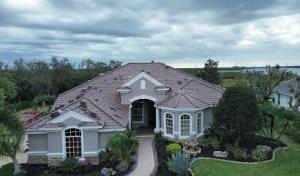
Alligator Roofing & Gutters
(941) 297-1700 alligatorroofing.com
13814 Green Hammock Pl, Bradenton, Florida
5.0 from 262 reviews
Roofline Roofing
(941) 702-6081 rooflineinc.com
6010 17th St E Unit 2N, Bradenton, Florida
4.9 from 89 reviews
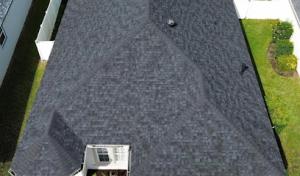
Recharge Exteriors
(941) 201-5155 www.rechargeexteriors.com
5320 Lena Rd Unit 110, Bradenton, Florida
5.0 from 42 reviews
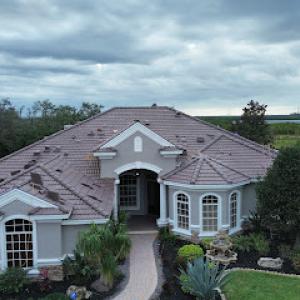
Alligator Roofing & Gutters
(941) 297-1700 alligatorroofing.com
13814 Green Hammock Pl, Bradenton, Florida
5.0 from 262 reviews
Alligator Roofing & Gutters is the premier roofing & gutter contractor located in Bradenton Florida. We offer comprehensive and complete roof installations, repairs, and replacement services to residential and commercial property owners around Tampa Bay, Sarasota, & beyond! We can install tile roofing and asphalt roofing for property owners and even have the Preferred Contractor certification from Owen's Corning! We also provide seamless gutter installation and replacement. Your home's exterior is crucial for fending off bad weather - let Alligator Roofing give you the best possible fortifications! Give us a call for your roofing and gutter needs!
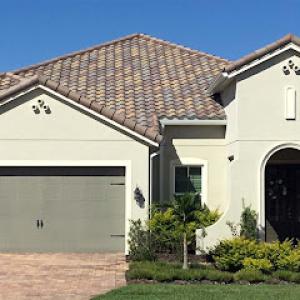
Mid-Coast Roofing
(941) 780-8713 midcoastroof.com
1407 26th Ave E, Bradenton, Florida
5.0 from 225 reviews
With a wealth of expertise spanning more than 30 years, the team at Mid-Coast Roofing offers solutions for all your shingle, tile , and flat roof repair & replacement needs. Our unwavering commitment to professionalism, punctuality, and top-tier customer service is evident in every project we undertake. Cultivating enduring relationships with our clients is very important to us. When the time comes for your next roof repair or replacement, we want to make sure you won't have to think twice about who to call. Our dedicated roofing services extend to all regions within Sarasota, Manatee, and Charlotte Counties, as well as the northern half of Lee County. We always serve homeowners with pride and excellence.
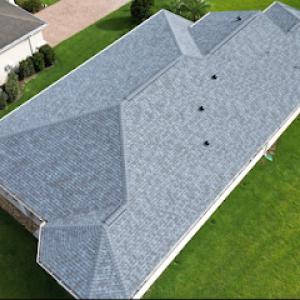
Southeastern Roofing
515 9th St E #212, Bradenton, Florida
5.0 from 114 reviews
We are a locally-owned and operated roofing company with thousands of satisfied customers. We're proudly your premier residential roofing installer in Florida. We install the best roofing systems from Standing Seam, Decra Stone-Coated Steel, Tilcor Stone-Coated Steel, Eagle Tile, GAF Shingle and TPO, Owens Corning Shingle, Modified Bitumen and more! We only employ screened W-2 employees and manage quality through extensive ongoing training. We install and maintain traditional roof systems and highly complex roofing systems as well as TPO roofing and Mobile Home Roofing. Available 24/7 for emergencies.
Blue Collar Roofing
(941) 933-7663 bluecollarroofingflorida.com
305 8th St E, Bradenton, Florida
5.0 from 266 reviews
Blue collar roofing is a trusted roofing contractor serving Bradenton, Florida and surrounding areas. With years of experience in residential and commercial roofing, we specialize in roof repairs, replacements, inspections, and storm damage restoration. Our licensed and insured team is dedicated to quality craftsmanship, honest service, and fair pricing. Whether you need shingle, tile, metal, or flat roofing, we’ve got you covered. Call today for a free estimate and discover why we’re one of the top-rated roofers in Bradenton.
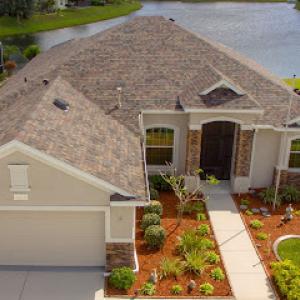
Richardson-Stinton Roofing
(941) 212-0215 www.richardsonstintonroofing.com
2807 29th Ave E Unit 1, Bradenton, Florida
5.0 from 73 reviews
Richardson-Stinton Roofing offers roof replacement, installation, and repair services in Bradenton, Manatee County, and Sarasota County, FL. At RS Roofing, we pride ourselves on our ability to offer faster response times and same-week estimates, recognizing that roofing issues often require prompt attention. Our locally and family-owned business ensures that you receive personalized service with direct communication from our experienced staff. Our local roofers offer a 10-year workmanship warranty on our services, along with product warranties to protect your investment. Contact one of the most reliable reroofing companies today for your roofing needs!
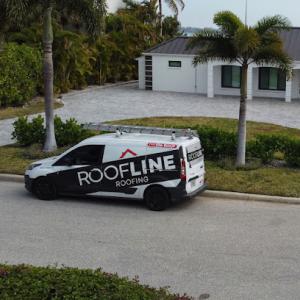
Roofline Roofing
(941) 702-6081 rooflineinc.com
6010 17th St E Unit 2N, Bradenton, Florida
4.9 from 89 reviews
Roofline Roofing provides roofing installations, repairs, and replacements in the Sarasota, FL area.
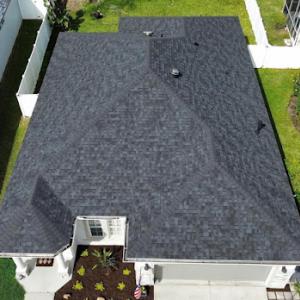
Recharge Exteriors
(941) 201-5155 www.rechargeexteriors.com
5320 Lena Rd Unit 110, Bradenton, Florida
5.0 from 42 reviews
Recharge Exteriors is a licensed and insured roofing and soffit contractor serving Bradenton, Sarasota, and nearby counties across Florida’s Gulf Coast. We specialize in roof repairs, soffit and fascia replacement, gutter installation, storm damage restoration, and full roof replacements using shingle, metal, or tile. Whether you’re dealing with hurricane damage or aging materials, we respond quickly with expert workmanship and honest estimates. Our team is trusted for dependable, fast service—plus we offer flexible financing and support with insurance claims. Serving Manatee, Sarasota, Pinellas, Hillsborough, and Charlotte counties, we’re committed to protecting your home and earning your trust every step of the way.
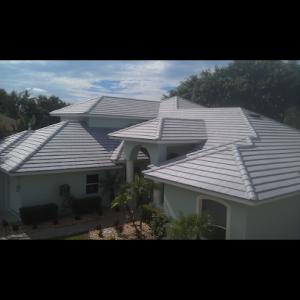
Bisson Roofing
(941) 748-7400 www.bissonroofing.com
1902 154th St E, Bradenton, Florida
4.9 from 76 reviews
We specialize in residential reroofs and repairs.
Westfall Roofing
(941) 919-2025 www.westfallroofing.com
3267 81st Ct E, Bradenton, Florida
4.8 from 291 reviews
Established in 1989, Westfall Roofing is Sarasota County roofing contractor with over 3 decades of experience. We specialize in protecting homes from Florida's weather with professional roof repairs, roof replacements, rook leak solutions, and more. We are an Owens Corning Platinum Preferred Contractor, ensuring top-quality materials and installations.
Klein Roofing, Painting & More
(941) 499-7663 www.kleinroofing.com
8205 Natures Way UNIT 209, Bradenton, Florida
4.8 from 220 reviews
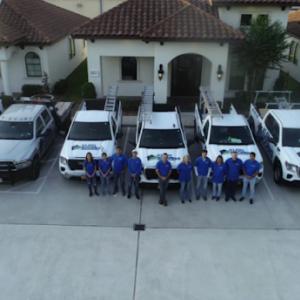
Klein Roofing is respected in the roofing industry for our high standards, integrity, and our talented team. We are happy to serve Bradenton and surrounding areas, including Manatee, Sarasota, and Charlotte counties. One of the benefits of having a well-trained staff is that we’re able to offer a wide array of services. Whether you opt for our roof installation, repair, or maintenance services, you can count on us for our high-quality craftsmanship, professionalism, and versatility. We pride ourselves on providing roofs that suit both your budget and your home’s unique style.
Pro Roofing Services
(941) 777-0072 www.proroofingfl.com
1006 57th St E, Bradenton, Florida
4.8 from 177 reviews
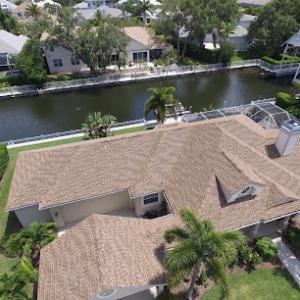
Pro Roofing Services, located at 1006 57th Street East, is your go-to roofing contractor for exceptional roofing solutions. Specializing in roof replacement, roof repair, and roof leak repair, we deliver top-notch residential and commercial roofing services crafted to meet your needs. Whether you need reliable shingle roofing, durable metal roofing, or elegant tile roofing, our expert team offers comprehensive roofing services to ensure your satisfaction. As a leading roofing company near you, we are committed to quality craftsmanship and excellence in every project. Trust Pro Roofing Services for all your roofing needs and experience unparalleled service and expertise.

Grayhawk Remodeling
(941) 527-7222 grayhawkremodeling.com
6008 Cortez Rd W Suite A, Bradenton, Florida
4.7 from 345 reviews
Since 1987, GRAYHAWK Systems has provided superior services to our residential and commercial customers in the Sarasota/Manatee areas. GRAYHAWK is not a typical general contractor, as we perform most of our work using in-house maintenance and construction teams. With our team's combined power, and experience, we are able to complete projects on time, within budget, and with the superior service and product quality we're known for. Our teams of highly qualified professionals can take care of all of your construction and remodeling needs.
Bradenton homeowners face a Gulf Coast environment where salt spray, high humidity, and strong afternoon downpours are part of the calendar. For many houses with Mediterranean-style or coastal Florida architecture, tile roofs-especially clay-are a natural fit because of their timeless look and excellent resistance to heat gain. Clay and concrete tiles pair well with the region's wet summers and provide long-term durability against wind-driven rain, but they also come with heavier weight and different mounting needs. Metal roofing remains a strong option for wind performance and rapid weathering, while asphalt shingles offer a more economical upfront choice for those prioritizing a lower initial cost. Wood shingles or shakes provide a distinctive aesthetic that suits local styles but demand a careful you-know-what about moisture management and maintenance. Synthetic or composite shingles offer a modern compromise, combining some of tile's durability with lighter weight and easier installation. In Bradenton, the right material depends on how exposed the roof is to salt spray and how much lift the wind can generate during hurricane season.
Salt spray from coastal exposure accelerates corrosion of metal components, making fasteners, flashings, and edge metals a bigger concern than in inland markets. When choosing metal roofing, look for coatings proven to resist salt air, and consider premium flashings designed for coastal use. For asphalt, look beyond color and pattern to underlayment and nail choices; corrosion resistance matters less for the surface but the fasteners and sealants must hold up in salt-laden air. Tile roofs, particularly clay, bring chemical resistance advantages, but the substrate and fastener system still need to withstand wind uplift and thermal cycling. Regardless of material, emphasis on corrosion-resistant hardware, sealed penetrations, and properly terminated edges helps extend performance in a salt-rich Bradenton setting.
Mediterranean-style and coastal Florida architecture in this area supports strong demand for tile roofing, with clay tiles offering durable, long-lasting protection and an iconic look. Clay tiles resist fading and provide excellent thermal performance, which helps in the hot summer months. Concrete tiles give similar benefits with a heavier mass and a broader range of profiles. Both tile options benefit from careful installation to handle wind loads, particularly in flood-prone and surge-prone zones along the coast. If wind performance is a priority, concrete and clay tiles installed with appropriate underlayment, battens, and venting can deliver robust resilience while preserving the desired aesthetic.
Asphalt shingles remain a practical choice for homeowners prioritizing affordability and ease of repair, especially where a quick, straightforward roof replacement is part of the plan. Metal roofing continues to be favored when wind resistance is a critical factor, provided that the panel joints and fasteners are upgraded for coastal use. Synthetic or composite shingles combine the ease of installation with improved impact resistance and a lighter footprint than traditional tiles, offering a balanced option for those seeking coastal durability without the weight of tiles. In all cases, a thoughtful integration of edge metals, flashing, and attic ventilation helps mitigate the combined challenges of salt air, heat, and heavy downpours that define Bradenton's coastal climate.
Typical Bradenton-area pricing ranges are $350 to $700 per square for asphalt shingles, $700 to $1100 for metal, $1000 to $1800 for clay tile, $900 to $1600 for concrete tile, $600 to $1100 for wood shingles or shakes, and $450 to $900 for synthetic or composite shingles. These figures reflect the Gulf Coast setting, where heavier tiles and corrosion considerations tilt the decision toward durable, long-lasting options. In a storm-focused market, those numbers can shift quickly as demand spikes after a hurricane or big summer downpour.
Material choice matters more here than in many inland markets. Tile systems are inherently heavier and more labor-intensive to install and retrofit, which pushes up both material and crew costs. Concrete and clay tiles also demand specialized handling and scaffolding, especially on roofs with multiple slopes or limited access. Salt-air exposure near Palma Sola Bay and the Manatee River means you'll likely see more corrosion-related wear on metal components, so upgraded metal accessories and replacement flashings can become a meaningful line item. If you're evaluating an upgrade, consider longer-term corrosion resistance and fastening systems, not just the upfront price.
Costs in Bradenton can rise during post-storm demand surges when emergency repairs and full re-roofs compete for labor and scheduling capacity. If a storm event has just passed, you may see a nationwide ripple effect: crews and materials tend to be scarce, and prices can jump until the supply chain normalizes. Planning ahead, when possible, helps lock in more favorable pricing and steadier scheduling. For metal and tile projects, verify that the chosen system includes corrosion-resistant fittings and compatible underlayment to stand up to repeated heavy rains and seasonally high humidity.
If budget is a priority, asphalt shingles or synthetic/composite shingles offer a friendly upfront price and decent storm resilience for interior Bradenton layouts. However, if the roof carries a lot of square footage or uses clay or concrete tiles, the long-term durability and potential resale value may justify the higher initial outlay. In coastal settings, pairing a heavier roofing option with reinforced flashing and corrosion-resistant trim helps guard against recurrent wind-driven rain and salt exposure, reducing maintenance in the years ahead.
Don't let upfront costs delay a critical repair - these contractors offer payment plans to fit your budget.
Recharge Exteriors
(941) 201-5155 www.rechargeexteriors.com
5320 Lena Rd Unit 110, Bradenton, Florida
5.0 from 42 reviews
Covenant Roofing & Construction, Inc.®
(941) 271-4935 covenantrooffl.com
510 6th Ave E, Bradenton, Florida
4.7 from 293 reviews
A full re-roof in Bradenton typically requires a building permit through the Manatee County Building Development Department. The county's permit process is designed to verify that the roof installation meets local wind, moisture, and structural standards common to the Gulf Coast; getting this right can save you headaches during hurricane season or after a heavy storm. The permit protects both your home and your neighbors by ensuring the new roof is tied into the house's framing, permits proper attic ventilation, and uses the correct underlayment and fasteners for Florida's climate.
Permit review generally involves submitting project details and roof type, along with basic drawings or specifications your contractor should provide. The county often wants a clear description of the scope (full re-roof vs. repair), the roofing material, and the method of securing sheathing and underlayment. Depending on the workload at the Building Development Department, review times run about 1 to 2 weeks. To avoid delays, work with a contractor who can supply complete, readable submittals-photos of the existing roof, product data for the proposed materials, and any required wind-mitigation or code-compliance details. Having all documents ready helps the county move things along and reduces the chance of back-and-forth corrections.
Inspections commonly occur at the underlayment stage and again at final. The underlayment inspection ensures the roof deck, fasteners, and moisture barrier are properly installed before shingles or tiles go on, which is especially important when your home sits close to salt air and summer downpours. The final inspection confirms the completed roof matches the approved plan and that penetrations, vents, and flashings are correctly installed. Scheduling these inspections around weather windows matters in this area; a storm-related delay can push both the underlayment and final checks back. Coordinate closely with your contractor to lock in inspection dates once the permit and submittals are approved, and stay flexible if a weather delay shifts the timetable.
Keep a dedicated set of permit-related documents on site and share copies with your contractor at the start. If the project splits into phases or if a temporary roofing strategy is used, confirm how inspections will be staged with the county. Because hurricane-season planning is a priority, align the permit timing with your expected installation window to minimize weather-induced hold-ups. A steady communication loop between you, the contractor, and county inspectors helps the project stay on track and reduce surprises as the work progresses.
The hot, humid subtropical climate and heavy summer rainfall can affect adhesive curing, crew productivity, and daily installation pace. In this climate, you'll notice epoxy and tape seals taking longer to set, and shingles or underlayments may need extra time to settle before the next phase. Humidity and heat can also fatigue crews faster, so daily targets shift as the day wears on and afternoons grow steamy.
The city's climate profile makes drier periods outside peak storm season the preferred time for planned roof replacement whenever possible. Scheduling a project in the calmer shoulder seasons reduces the risk of weather-driven delays and helps keep the sequence on track. If a spring or fall window aligns with your house's layout and shade patterns, you'll likely see steadier progress and fewer heat-related slowdowns.
Frequent summer afternoon thunderstorms can interrupt tear-off and dry-in sequencing even on otherwise clear mornings. Even a short burst can force crews to pause, tarp vulnerable areas, and re-check fasteners and underlayment once skies clear. That volatility means you should build a realistic buffer into milestones and communicate with the crew about contingency plans for sudden wet spells.
Expect the daily rhythm to shift with the weather-breaks become more frequent, and equipment may need to be moved earlier or later to avoid peak heat. Protecting stained decking, vents, and gutters during heavy downpours matters just as much as keeping nails and shingles aligned. A cautious, weather-aware schedule helps maintain quality without inviting rushed mistakes after a heavy storm.
In Bradenton, wind-driven rain during tropical weather makes underlayment integrity especially important because leaks may appear even when the primary roof covering is only partially damaged. The salt air can accelerate corrosion around fasteners and seam tapes, so underlayment failure often precedes visible tile or shingle damage. A roof with dated or poorly installed underlayment leaves you with a hidden weak point where water can track along rafter lines, quietly wreaking rot and mold behind the scenes. Regular checks after heavy downpours should focus on transitions-valleys, chimneys, skylights-and any signs of dampness on attic floors or ceiling spots that don't align with a single shingle failure.
Salt-air exposure in the Bradenton area can shorten the life of metal accessories and fasteners before the main field material fails. Fasteners, flashing, and metal caps around vents and edges can corrode, loosen, or pull away with enough salt-laden spray and heat cycling. If you notice staining along drip edges, loose step flashing, or metal panels that sing in a breeze, the corrosion is already compromising your enclosure's water-shedding capability. Replacements should use coastal-grade coatings and materials designed to withstand Florida humidity and salt exposure, with attention paid to sealants around penetrations that often fail first in hot, wet seasons.
The strong local prevalence of re-roofing suggests many homeowners are dealing with aging systems and replacement decisions rather than only minor maintenance. If your roof looks dated, with curling shingles, cracked tiles, or blistering sealants, it's not just cosmetic; it's a sign water may be approaching the interior through micro-gaps. In this climate, long-term performance hinges on choosing materials that hold up to heat, humidity, and wind-driven rain, while also considering the best match for the existing structure. For aging homes, plan for replacement cycles rather than occasional patchwork, since small failures compound quickly under Bradenton's storm season.
During a tropical storm event, a fast response can limit interior damage. Identify the highest priority entry points-attic penetrations, vents, and chimney flashings-and place temporary, watertight coverings if a leak is detected before professional help can arrive. Keep a supply of duct tape, heavy-duty plastic, and a sturdy ladder accessible, and document leaks with photos for insurance discussions. After the storm, inspect for hail or wind damage that could have compromised the roof edge or valley seams, where failure often begins and spreads.
Flat-roof specialization is meaningfully present in the Bradenton market, indicating a notable share of homes, additions, lanais, or mixed residential-commercial properties use low-slope sections. Heavy summer rainfall in this stretch of the Gulf Coast raises the stakes for drainage performance. On low-slope areas, even small blockages or misaligned scuppers can lead to standing water that accelerates wear and accelerates edge flashing failure. Prioritize clear drainage paths, confirm that parapets and edge details are functioning, and inspect for micro-ponding after intense downpours. In practice, you should test drainage after storms and keep gutters and internal drains free of debris so water moves promptly toward the rain leaders.
Low-slope sections in Bradenton often need to be evaluated separately from the main steep-slope roof because storm water behavior and repair methods differ. A leak in a low-slope area might travel laterally before showing at a penetrations point on the interior, making quick, targeted inspection essential. When assessing these zones, look for coating failures, membrane seam issues, and fastener corrosion near coastal exposure. If you notice soft decking or repeated patching in a low-slope pocket, consider a dedicated drainage retrofit or a more robust membrane detail that aligns with the local exposure to salt air and heavy rain, rather than applying a uniform solution to the entire roof.
During hurricane season, the priority is rapid containment. Have a plan for immediate tarp placement over any active leaks and keep a kit with plastic sheeting, structural lumber, and temporary sealants. For low-slope areas, focus on sealing around scuppers, penetrations, and edge details to prevent rapid water intrusion. Document the area with photos from multiple angles after each storm, noting ponding patterns and any new fastener corrosion or membrane damage. A prompt, organized approach reduces interior water damage and speeds subsequent repairs.
Keep a dated log of storm-related roof issues, including photos of ponding, leaks, and visible wear on flashing or seams. Retain receipts for temporary fixes and any contractor assessments that describe the condition of low-slope sections separately from the main roof. Clear, timestamped records help support claims that involve hurricane-season damage and emergency leak control, especially when multiple events occur across the season.
Find specialists in TPO, EPDM, and built-up flat roofing systems for residential and commercial properties.
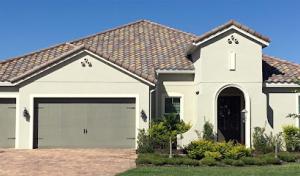
Mid-Coast Roofing
(941) 780-8713 midcoastroof.com
1407 26th Ave E, Bradenton, Florida
5.0 from 225 reviews
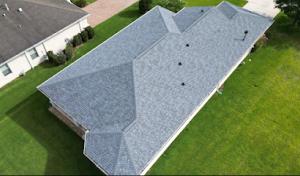
Blue Collar Roofing
(941) 933-7663 bluecollarroofingflorida.com
305 8th St E, Bradenton, Florida
5.0 from 266 reviews
Bradenton's intense sun and frequent heavy rain make flashing quality around roof penetrations especially important for skylight and solar-adjacent work. When you're evaluating a skylight or a solar array, look closely at the flashing around the curb or boot, and at where the curb meets the roof deck. In this climate, tiny imperfections can become big leaks after a summer downpour or a tropical storm. A meticulous installation with a reinforced flashing stack, proper sealant trajectory, and continuous edge protection helps keep those penetrations watertight long after the sun has dried the deck.
Local contractor signals show a smaller but real market for skylight and solar-roofing specialties, suggesting these features are present but not dominant in the area. That means you'll find skilled crews who understand Gulf Coast exposure, but you'll also want to verify they routinely handle penetrations with high-quality flashing, corrosion-resistant flashings, and coatings designed for salt and humidity. When you plan skylight siting or solar mounts, choose products with proven coastal performance-drainage paths that shed water quickly, UV-rated seals, and non-conductive mounting hardware to reduce galvanic corrosion near salt air.
On roofing surfaces in Bradenton, penetrations should be evaluated carefully after tropical weather because leaks may originate at flashed openings rather than broad field failure. After a storm, inspect skylight curbs, vent boots, and any solar racking to confirm seals hold and flashings remain tightly bedded. If a leak is detected, prioritize the perimeter seal around the flashing first, then check the surrounding shingles or tiles for wind-driven uplift gaps. A targeted dry test-watering around the flashing edges while inspecting interior ceilings-helps isolate the culprit without unnecessary wall or attic disruption.
Maintenance routines should include gentle cleaning of skylight glass to prevent sealant degradation from built-up grime, and periodic inspection of metal components for signs of corrosion. In Bradenton's coastal environment, plan for a mid-summer review of flashing integrity, seals, and mounting hardware. Keep the surrounding roof area free of debris that can trap moisture near penetrations, and consider a coastal-grade sealant or flashing broader than standard to accommodate the extra heat cycling and salt exposure.
Find contractors experienced in skylight installation, flashing, and leak repairs to bring natural light into your home.
Blue Collar Roofing
(941) 933-7663 bluecollarroofingflorida.com
305 8th St E, Bradenton, Florida
5.0 from 266 reviews
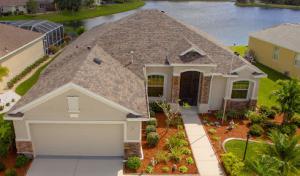
Richardson-Stinton Roofing
(941) 212-0215 www.richardsonstintonroofing.com
2807 29th Ave E Unit 1, Bradenton, Florida
5.0 from 73 reviews
Roofline Roofing
(941) 702-6081 rooflineinc.com
6010 17th St E Unit 2N, Bradenton, Florida
4.9 from 89 reviews