
Last updated: Apr 19, 2026
Lehigh Acres sits inland in Lee County, so roofs are hit by hurricane wind and wind-driven rain even without direct coastal surge exposure. That means a roof can suffer from gusts that topple shingles, lift vents, or drive rain under flashing during a tropical storm. In this area, the damage often starts small-an edge lift, a few loose shingles, a torn gutter-then escalates quickly when a heavier cell moves through. The risk isn't just from a single storm; it's the pattern of back-to-back systems that keeps tarping crews busy and insurance claims active through the wet season. Expect crowded contractor yards and tight scheduling during peak storms, with rapid demand for emergency response, leak control, and rapid assessments after each event.
When a gusty storm hits, your first job is to stop water from penetrating deeper into the attic and living spaces. Cover any exposed openings with heavy-duty plastic and seal with exterior tape to slow intrusions until a tarping crew arrives. If rain is ongoing, place temporary buckets or containers under active leaks and keep a log of active drips, including time and location. For tarps, choose products rated for UV exposure and high wind resistance, and secure the edges well beyond the wind line to prevent peeling in gusts. After the initial control steps, document every issue with clear photos showing damage to shingles, flashing, soffits, and vent pipes. This visual record will help a neighborly contractor and your insurer quickly gauge scope and urgency.
After a storm, you're immediately in the claim-triage phase. Photograph damage from multiple angles, focusing on areas where wind-driven rain entered and where shingles or underlayment are exposed. Keep a dated running note of what happened, when, and which rooms or roofs were affected first. Save all receipts for emergency repairs, tarping, or temporary protection, even if those costs are reimbursed later. When contacting your insurer, provide the storm date, a concise damage description, and your best set of photos. If an adjuster can't reach you right away, provide a short log of the most critical problem areas and a plan for temporary protection. In inland Lee County, insurers expect quick, thorough documentation to validate wind-related damage rather than water intrusion from separate events.
During June through November, permit timing, inspections, and contractor availability can tighten as demand spikes after storm events. Plan ahead for rapid scheduling and stay flexible about weather windows for inspections and minor emergency repairs. Maintain a ready-to-go list of preferred local roofers who specialize in storm damage, tarping, and rapid leak mitigation, so you can mobilize quickly when the next disturbance rolls through. In practice, this means keeping lines of communication open with a trusted crew and having a clear, prioritized action plan for the first 24 to 72 hours after a storm to minimize further damage and streamline the insurance process.
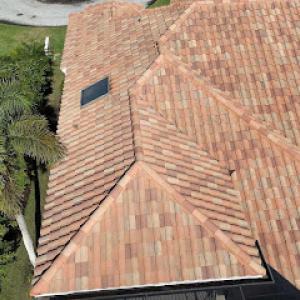
Lehigh Acres has a broad mix of asphalt shingle, metal, clay tile, concrete tile, wood, and composite roofs rather than a single dominant system, so failure patterns vary sharply by neighborhood and home age. Asphalt shingle roofs on mid-century ranches often show edge curling and granule loss after long daylight exposure and repeated afternoon storms. Metal roofing tends to reveal loose fasteners or panel distortion near eaves and vent penetrations after heavy seasonal winds. Clay and concrete tile roofs may crack or loosen tiles where old underlayment or decking has weakened, particularly on homes with multiple roof pitches or skylights. Wood shingles or shakes are the most susceptible to rot when moisture lingers in crawlspaces or attics, while composite shingles generally track the same aging patterns as asphalt but sometimes with different weathering cues. Each roof type calls for a targeted eye when you're checking after a storm or during routine maintenance.
Hot, humid summers accelerate asphalt aging and edge curl, especially on roofs with prolonged sun exposure and afternoon storm cycling. If a portion of the roof faces the western glare for years, expect faster granule loss and more brittle edges. You'll often notice curled edges along the rakes or near ridge lines on older asphalt installations. Metal roofs aren't immune either; heat cycles can loosen sealant around penetrations or cause paint finishes to chalk and fade, revealing underlying corrosion in vulnerable spots. Tile roofs-clay and concrete alike-can suffer from microcracks that propagate with heat stress, particularly on homes with shallow slopes and large overhangs that don't shade the tiles well. Regular, seasonally timed checks can catch these signs before leaks start.
Gulf moisture and long wet periods raise rot risk in roof decking and wood components when attic ventilation is weak or leaks go undetected through the rainy season. If the attic is poorly vented, humidity climbs, condensation forms on the underside of decking, and wood components begin to rot from the inside out. Look for musty smells, dark staining on sheathing, and soft spots in the ceiling below. In homes with roof penetrations for vents, plumbing, or HVAC, missing or degraded flashing can funnel water into the attic during heavy rains. A small leak that drips into the attic for days can saturate plywood or OSB, weakening the roof's ability to shed water effectively during the next storm.
After a summer storm, walk the perimeter and use binoculars to inspect eaves, edges, and flashing from ground level. If accessible safely, inspect the attic for signs of water staining, condensation, or damp insulation around vents, plumbing stacks, and cross-overs. Note any roofs with persistent leaks during the wet season; those areas deserve a closer look by a licensed roofer who understands local substrate conditions. For homes with mixed roof types, map out the suspected weak spots by material and age so a contractor can tailor their approach, from resealing flashing to replacing compromised decking. Regular inspections, timed to the dry season when possible, help keep inland Lee County roof systems in recognizable shape and reduce the chance of storm-driven surprises.
A full roof replacement in this area requires a permit through the Lee County Department of Community Development rather than a separate city building department process. When the contractor pulls the permit, expect the paperwork to include details about the roof type, skylights if any, venting, and overall design. The county keeps a close eye on these items because the area sits in a high-hurricane-exposure corridor and needs to prove they meet local wind and material standards. Plan to coordinate with your contractor so the permit is filed early in the project, not after you've already started work.
Contractors generally submit plans and product specifications to Lee County for review. This step ensures the proposed roof meets wind-load requirements and ties into drainage and retrofitting rules if your house sits on a low-slope platform. In practice, approvals can stretch during peak hurricane season when regional workload rises and inspectors are tied up with storm-related work. If you're reroofing in late summer, build in extra time for plan review and for any minor plan tweaks the county may require. Having accurate product specs from the start helps keep the process moving.
Inspections are commonly performed at a rough stage before underlayment is covered and again at final. The rough-stage check focuses on framing integrity, nailing patterns, and venting alignment, with particular attention to how the underlayment and starter courses are installed. The final inspection confirms the roof is sealed, drainage is correct, and wind-rated components are in place. In inland Lee County, wind-load compliance is emphasized for reroof approvals, so expect inspectors to verify fastener counts, clip use, and correct installation of any metal components or tile overlays. If defects are found, corrections must be documented and re-inspected before passing.
Before starting, confirm your contractor has an active Lee County permit and understands the wind-load expectations for your chosen roofing system. Prepare to provide product data sheets, installation manuals, and any design calculations the county requests. Schedule with the inspector early in the job and keep a clear line of communication with the contractor about inspection windows. If a delay crops up due to weather or supply issues, contact the permitting office to discuss extension options rather than letting the project stall. Keeping these elements aligned helps ensure the replacement proceeds smoothly and complies with local protections designed for this hurricane-prone coast.
When budgeting a reroof in this part of the county, use the local ranges as your baseline. Asphalt shingles typically run about $350 to $650 per square, a solid choice if you're balancing cost and quick turnaround. Metal roofing sits higher, at roughly $700 to $1200 per square, and can pay off with durability and hail resistance in the long run. Clay tile clocks in around $1100 to $1700 per square, with concrete tile about $1000 to $1600 per square, reflecting their heavier weight and longer service life. For wood shingles or shakes, expect $650 to $1100 per square, which suits homes with a traditional look but requires maintenance against moisture. Synthetic or composite shingles offer $550 to $950 per square as a lower-cost alternative with decent longevity. These ranges apply to typical Lehigh Acres homes and are useful to compare against any quotes you receive after a claim or a storm event.
Reroof timing often shifts into the drier part of the year because frequent summer rain and afternoon storms can interrupt tear-off schedules and extend labor time. If you're aiming to minimize delays, plan reroofing for late fall or winter windows when crews are less tied up chasing weather and storms. In practice, this means moving your project away from peak storm season to keep crews on track and reduce weather-related setbacks that push costs higher due to overtime or rescheduling.
Storm-driven demand surges in Lee County can raise scheduling pressure and pricing, especially when many homeowners are trying to secure crews after a named storm. When a major storm hits, prices can spike and lead times extend as crews are diverted to emergency work. If you're facing a post-storm bid, request a written schedule and total scope before agreeing to work. In quieter weeks, you may secure more favorable terms and steadier progress, while still aligning with the practical window for dry-season reassurances.
Roofmaster of South Florida
(239) 369-5761 www.roofmasterofsfl.com
4212 Lee Blvd, Lehigh Acres, Florida
4.9 from 126 reviews
Roofing Contractor in Leigh Acres and neighboring cities for 25+ years
MX Roofing
(239) 427-4658 www.mxroofingfl.com
322 Dania St, Lehigh Acres, Florida
5.0 from 32 reviews
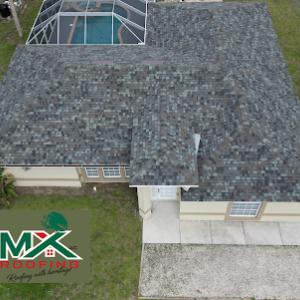
MX Roofing, LLC is a family-owned roof repair company serving Southwest Florida, dedicated to offering fair prices, superior quality, and exceptional customer service. Whether you need emergency roof repair, roof leak repair, or specialized services like metal and flat roof repairs, we’ve got you covered. As one of the area's top roofing companies and leading commercial contractors, we handle everything from large-scale commercial projects to 3-season room and roof-siding repairs. Choose MX Roofing for guaranteed excellence in every job.
Big C Roofing
(941) 627-0000 bigcroofing.com
350 Homestead Rd S, Lehigh Acres, Florida
4.6 from 42 reviews
Big C Restoration serves Southwest Florida. We are a full-service roofing company specializing in residential installation and repairs which are backed by our own additional 5-year labor workmanship warranty. We are a general contractor and a Roofing Contractor. We are primarily Replacing Roofs and offering minor Roof Repairs. We place our clients and their needs first, can provide 100% financing, and have a licensed Florida insurance adjuster on staff who understands the process and can help with claims. Whether you're looking to spruce up your property's curb appeal or need an insurance claim replacement, Big C can help.
Toledo Roofing
(239) 246-0371 sotodayana1996.wixsite.com
4311 11th St SW, Lehigh Acres, Florida
4.7 from 15 reviews
Certified Roofing Contractor
Carrillo Roofing Services
(239) 491-3739 www.carrilloroofingswf.com
410 Leonard Blvd N, Lehigh Acres, Florida
4.8 from 15 reviews
Carrillo Roofing Services is a family owned and certified roofing company that is fully licensed and insured. We proudly serve all of Lee, Hendry and Collier County. From new construction roofing to roof repairs we handle all roofing projects big or small. Carrillo Roofing works with all types of roofing including Shingle, Metal, Tile Roofing, Flat, Asphalt, Slate, Wood Shake, Composite, Roof Coatings and more.
Coast 2 Coast Roofing & Construction
Lehigh Acres, Florida
5.0 from 7 reviews
We’re a locally owned roofing company striving to make a real impact in our community by providing the best, most honest service around. At Coast 2 Coast Roofing and Construction, we don’t cut corners — we show up, communicate clearly, and get the job done right. From roof repairs and replacements to waterproofing and emergency tarping, we treat every home like it’s our own. Built on integrity, driven by results — that’s how we work.
Hustle Roofing
(239) 357-5555 hustleroofing.com
312 Greenwood Ave, Lehigh Acres, Florida
5.0 from 7 reviews
Roofing Services Re-Roof, New Construction, Soffit, Fascia, Gutters, siding and fencing services.
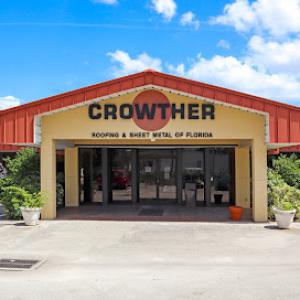
Crowther Roofing & Sheet Metal
Lehigh Acres, Florida
3.9 from 160 reviews
Crowther Roofing and Cooling: Your trusted roofing and HVAC expert since 1974. With 900+ employees and 475 service vehicles, we serve residential and commercial clients across Florida from Fort Myers, Sarasota, and Jupiter and surrounding areas. Services include roof repair, replacement, and cleaning; RoofCheck™ maintenance plans; AC repair and installation; duct services; CoolCheck™ AC maintenance; and commercial specialties like Light Gauge Metal Trusses and Lightweight Insulating Concrete. Nationally ranked and members of NRP and NRCA, we remain a family-operated business committed to customer satisfaction and community impact. Licenses: Roofing CCC039822, HVAC CMC1250360, GC 1524777.
Colonial Roofing
(239) 458-1000 www.colonialroofing.com
5601 2nd St W, Lehigh Acres, Florida
4.1 from 49 reviews
Colonial Roofing is the preferred condominium and commercial roof replacement, roof repair, roof maintenance, roof treatment and cleaning services, gutters, wind mitigation inspections and more.
Durabilis Roofing
(239) 347-9207 www.durabilisroofing.com
Serving
5.0 from 122 reviews
Durabilis Roofing was founded with the vision to refresh the roofing industry by adding top notch customer service and unmatched quality. We do this by constantly looking for better ways to serve our customers to ensure they are safe from all weather elements and have peace of mind when the next storm comes!

R4 Roofing & Reconstruction
Serving
4.9 from 27 reviews
R4 Florida is a premier roofing & reconstruction company serving Fort Myers and surrounding Florida areas. We specialize in commercial & residential roofing services, including roofing repairs, replacements, metal, tile, & shingle roofing. As experienced contractors, we excel in home renovation & remodeling, offering bathroom renovations, kitchen renovations, complete home makeovers, & outdoor projects. Our professional roofers & renovation experts ensure top-quality craftsmanship, backed by over 35 years of experience. Need roof financing? We make it hassle-free. Trusted by businesses & residents alike, we deliver exceptional services at fair prices. Contact us today for expert renovation & roofing solutions from Fort Myers top contractors
Florida Roofing & Gutters
(239) 966-7663 www.floridaroofingandgutters.com
Serving
4.9 from 224 reviews
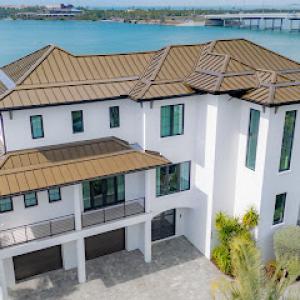
"Rebuilding Southwest Florida". Florida Roofing and Gutters, founded by Tri-Town Construction, is the best roofing company to turn to for residential and commercial roof replacements and repairs in Southwest Florida. Of course, any contractor can make such a bold statement—how, exactly, do we live up to this promise? It’s easy: We offer the highest-quality roofing materials, use proven installation techniques, and deliver individualized customer service from beginning to end. We’re the roofing company you can confidently trust to handle your project. CGC1533024 CCC1334177
Florida's high-claim environment is especially relevant in Lehigh Acres because storm-related roof claims and post-storm inspections are a routine part of ownership in Lee County. After a hurricane or tropical storm, the inspection cycle can feel like a revolving door: adjusters, roofers, and homeowners facing tight timeframes, loaned equipment, and the pressure to move quickly. The result can be a scramble that leaves critical details overlooked or gaps in documentation that complicate later claims or coverage decisions.
Insurers increasingly want roof condition records, wind-mmitigation information, and detailed photo documentation before and after storms to support continued coverage or claims review. Start building a simple, orderly file you can pull at a moment's notice: dated photos of each roof plane from multiple angles, close-ups of fasteners and flashings, and a concise rooftop summary (age, visible wear, any previous repairs). Maintain a digital backup stored offsite, and consider a basic roof log noting any repairs, weather events, or contractor visits. This proactive record-keeping pays off when a claim hits the desk and the insurer asks for comparative evidence.
With insurer pullback and stricter underwriting in Florida, Lehigh Acres homeowners are more often replacing aging roofs proactively to avoid coverage limits, exclusions, or higher deductibles. The avoidance calculus is real: a well-documented, steady maintenance history can help preserve coverage and minimize surprise out-of-pocket costs after a storm. If a roof shows aging signs or minor leaks, address them promptly with clear notes and photos, and engage a contractor who can provide a straightforward, timeline-based plan and evidence of work quality for future reviews.
When a storm hits, speed and accuracy matter. Begin with safe, temporary leak measures to protect interior spaces while arranging professional assessment and a detailed post-storm photo set. Schedule follow-up inspections promptly to capture condition changes caused by wind and hail. Afterward, organize a post-storm photo report, contractor certification of any wind-related damage, and a summary of repairs or replacements performed. This approach minimizes the risk of disputes over damage attribution and supports smoother coverage reviews.
Connect with contractors who help homeowners navigate the claims process from damage assessment to final approval.
MX Roofing
(239) 427-4658 www.mxroofingfl.com
322 Dania St, Lehigh Acres, Florida
5.0 from 32 reviews
Big C Roofing
(941) 627-0000 bigcroofing.com
350 Homestead Rd S, Lehigh Acres, Florida
4.6 from 42 reviews

Dry-season timing matters for reroofs in this area. Lehigh Acres reroof projects are commonly planned for the dry season because the city's pronounced wet season creates more weather stoppages than homeowners expect. Your contractor will prefer clear skies to keep underlayment, flashing, and fastenings aligned without sudden downpours. Plan for a full-week stretch of dry weather, plus a couple of buffers for unexpected afternoon storms.
Frequent afternoon storms in the warmer months can leave tear-offs exposed longer, complicate underlayment timing, and increase the need for temporary dry-in measures. If a roof is opened during a storm window, discuss temporary tarps and wind-resistant fastenings with the crew. Have an accessible water-damage plan in case a passing shower interrupts work. Residents should prep inside spaces to protect valuables and ensure a clear path for debris containment.
Because the area is a large, spread-out residential community, storm-season backlog can make quick scheduling difficult even when many contractors advertise rapid response. Set expectations for a staggered crew arrival, a defined daily scope, and prompt communication about weather holds. With a dry-season focus, crews can advance more steadily, reducing repeat visits and minimizing the chance of lengthy delays when the first fronts roll through.
During the dry season, coordinate a concrete start date with the crew and a realistic finish window. Confirm that dumpsters and equipment staging areas have clear access, especially in cul-de-sacs and long driveways common in the area. Keep gutters and landscaping trimmed to reduce debris during tear-off. Have an on-site contact who can make weather decisions if a front moves through, and maintain a simple rain-delay protocol so crews can resume quickly when skies clear. This approach helps minimize salt-air corrosion exposure on exposed metal parts. Good planning shortens overall disruption for homeowners.
Lehigh Acres features many modest ranch-style and utility-oriented homes where low-slope sections, lanais, additions, and porch tie-ins create leak-prone transitions. Pay particular attention to where a flat or nearly flat roof meets a steeper main roof, or where a sunroom blistered by rain is tied into existing sheathing. In these spots, flashing often wears or sits too shallow, allowing rain to creep in during heavy summer downpours. Inspect channels, step flashing, and any caulking around skylights or vent penetrations after each storm, and note any staining that appears along ceiling lines below these joints.
Heavy summer rainfall in Southwest Florida makes drainage details and flashing at low-slope transitions especially important on homes with mixed roof geometries. Look for sagging or clogged gutters that back up water toward transition seams. Check scuppers and drip edges on lanais where metal and shingle sections meet, as standing water can seep around fasteners and into fascia. At ceiling lines where a porch tie-in backfeeds into the main roof, ensure the flashings are continuous, properly sealed, and sized for the highest expected rainfall event.
The local contractor signal set shows meaningful flat-roof specialization, indicating that low-slope repairs and replacements are a real part of the market. When a repair is needed, expect multiple layers beneath the surface-roofing membranes, decking, and substrate may differ by section. A practical approach is to prioritize curing any membrane delamination, resealing transits between membrane zones, and replacing torn or weathered edging. Be vigilant for edge buckling along seams, which can trap water and lead to slow leaks that escalate during the wet season.
Create a simple routine: after each major storm, walk the perimeter and inspect for lifted edges, cracked sealant, or loose flashing at low-slope interfaces. Inside, look for stained ceiling spots that align with suspect transitions or vent lines. If a leak is found, document with dated photos from both exterior and interior angles, and map the path of water to its most probable entry point. This documentation helps when working through insurance or recovery steps after hurricane-season events.
Find specialists in TPO, EPDM, and built-up flat roofing systems for residential and commercial properties.
MX Roofing
(239) 427-4658 www.mxroofingfl.com
322 Dania St, Lehigh Acres, Florida
5.0 from 32 reviews
Carrillo Roofing Services
(239) 491-3739 www.carrilloroofingswf.com
410 Leonard Blvd N, Lehigh Acres, Florida
4.8 from 15 reviews

Colonial Roofing
(239) 458-1000 www.colonialroofing.com
5601 2nd St W, Lehigh Acres, Florida
4.1 from 49 reviews
In this market, quick response is a strong contractor-market signal, and that matters after summer storms and hurricanes when leaks can escalate in a hurry. A crew that can reach you within hours to stop active water intrusion reduces interior damage and buys time to plan a proper roof repair or replacement. Delays can turn a minor problem into a more expensive job, especially on low-slope ranch homes common here, where rain channels and wind-driven leaks find weak points quickly.
Re-roofing and cleanup-included service are both highly prevalent locally, so homeowners should expect contractors to discuss debris removal, dry-in timing, and full replacement logistics rather than only patch work. Ask for a realistic sequence: tarp or temporary protection, debris containment, and a firm window for starting and completing the dry-in so interior moisture doesn't linger. If crews rely on subcontractors for debris hauling or disposal, get a single point of contact and a clear schedule to avoid gaps after a storm event.
Affordable-priority bidding can reflect market sensitivity, but it also raises the risk of cutting corners. Ensure the bid specifies daily cleanup during the project, proper roof-disturbance minimization, and a defined dry-in plan that protects both the structure and interior spaces from moisture, heat, and pests during storm-season windows.
With emergency leaks, the speed of documentation matters. Choose crews that will photograph damage, provide a simple, organized damage report, and help you track progressive steps for insurance review. A trustworthy crew will outline how they document the scope, what the leak-control measures include, and how they coordinate temporary protection with long-term replacement plans, so there are fewer surprises when a claim is processed.
Local experience with inland storm patterns, coastal moisture, and the common ranch-plate layout is a fast filter. Prioritize crews who can demonstrate recent Lehigh-area jobs with comparable attic ventilation, roof penetrations, and tile or shingle layouts. Ask for at least a couple of local references and a clear plan for prioritizing your home's leak-control needs during peak storm months.