
Last updated: Apr 19, 2026
Port Charlotte sits on Charlotte Harbor and the Gulf side of southwest Florida, putting roofs in a high-wind coastal exposure zone during tropical systems. The wind-driven pressure, salt air, and sandy debris demand roofing choices and fast-response planning that inland neighborhoods don't face with the same intensity. A hurricane-driven replacement market is a real, recurring factor here, so thinking through durability, installation crew availability, and quick dry-in becomes as crucial as the materials themselves.
After major Gulf Coast hurricanes, homes in this area commonly face a surge in backlogged crews and scarce materials. That means timing matters more than ever. If a storm watch is in the forecast, don't wait for the last minute to lock in a trusted local roofer. Build a short-list of reliable contractors now, verify their storm-season response time, and confirm they can handle a full tear-off if needed. Your plan should include a fallback window for emergency scheduling, so you aren't left scrambling when a late-season disturbance narrows qualified crews.
Summer work in Port Charlotte is routinely interrupted by fast-building afternoon thunderstorms, which affects tear-off scheduling and dry-in timing. To minimize weather-related delays, coordinate a concrete, window, and insulation-ready sequence with your contractor. Decide in advance whether you'll target an early-morning start or a late-afternoon window, and confirm that the chosen shingles or other coverings can be staged safely to avoid wind-driven shedding. Plan for extra tarping and temporary weather protection if a storm approach is likely, and designate a secure area for unused materials to prevent damage from gusts and salt spray.
Durability in a salt-air environment means prioritizing fasteners, underlayment, and flashing that resist corrosion and wind uplift. For coastal homes, correct integration of ridge and edge straps, double-fastened ridge caps, and properly sealed penetrations matters more than a standard inland install. If a roof replacement is being planned around the storm window, ensure the chosen system has documented wind resistance upgrades and a tested method for securing against debris impact. Ask your contractor for a plan that account for gulf breezes, storm surge exposure, and the way canal-front properties shed or trap wind-driven spray.
If a tropical disturbance is approaching, be prepared to pivot quickly. Confirm with the crew that tear-off materials can be safely protected or stored off-site if a rapid-change forecast demands it. Post-storm recovery rarely waits for a weekend lull, so establish a rapid-response timeline with your roofer and a contingency date to re-tear or re-dry if any sections require re-work after initial wind exposure. This ensures you don't lose precious time once the all-clear comes and the storm-backlog starts to clear.
Port Charlotte's roof landscape shows a practical blend: asphalt shingles, metal, clay tile, concrete tile, wood products, and synthetic/composite options. This mix mirrors older ranch styles alongside newer coastal designs that need to survive salt air and hurricane season. When you're choosing a material, consider how your roof shape, eave overhangs, and the home's age interact with the local climate. A shingle roof in a ranch-style footprint can be a straightforward update, while a coastal-style build may already be oriented toward higher wind resistance and lighter profiles. The goal is to align the material's performance with your home's exposure, roof pitch, and the ability to replace damaged components quickly after a storm.
Salt-laden air near Charlotte Harbor means that metal components-nails, fasteners, flashing, and drip edges-face accelerated corrosion when exposed. In practice, that means you should prioritize hot-dipped galvanized or stainless steel fasteners, corrosion-resistant weathersealants, and aluminum or coated flashing that resists salt creep. Check soffit and fascia for any signs of pitting or staining after salt spray events, and plan for more frequent inspection intervals in hurricane season. If you have a metal roof, pay special attention to exposed seams, ridge caps, and any panel-to-panel intersections; those are the first spots where salt can compromise integrity. For wood or composite systems, ensure trims and fasteners are treated or rated for exterior, salt-rich environments, and consider sealants that resist moisture intrusion from frequent rainfall.
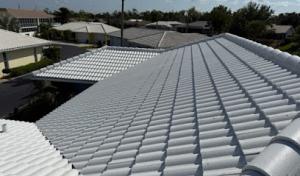
Tile roofs are common in southwest Florida and show up in many canal-adjacent homes here. They bring durability and a distinct look, but two realities stand out locally. First, wind uplift resistance matters: ensure the system uses correct underlay, fastener patterns, and matching-through-fastener choices that perform under gusts typical of hurricane events. Second, if a tile breaks or comes loose after a storm, finding an exact tile match can be a challenge. Plan ahead by identifying multiple suppliers or stock tiles that resemble the original shape, color, and profile. When selecting tile, consider lighter-weight concrete or clay options designed for coastal installations and verify that the fasteners and lath are compatible with local roof framing. A reliable tile installation also requires careful sealing of penetrations around vents, skylights, and chimneys to prevent moisture intrusion.
In a hurricane-driven market, replacement planning must be proactive. Establish a plan for rapid assessment and repair after a storm, focusing on securing loose components, addressing uplift-prone edges, and coordinating with a contractor who can mobilize quickly. Your approach should emphasize resilience: choose materials with proven wind resistance for your roof pitch, verify that fasteners and flashings are rated for the expected wind loads, and confirm that the entire assembly-from underlayment to cap sheets-works in concert to shed water efficiently. Regular inspections after heavy storms help prevent small issues from becoming major failures, preserving your roof's performance during the next season.
With edge and corner details exposed to salt spray and wind, routine maintenance matters more here than in gentler inland climates. Keep gutters clear to reduce ice damming potential after tropical rains, monitor for any signs of corrosion on metal components, and check ridge lines for lifted tiles or shingles after storms. If you notice unusual noises, loose flashings, or creeping leaks, address them promptly with a contractor who understands coastal conditions and can source locally appropriate materials that hold up under salt exposure. This neighborhood expects roofs that stand up to wind, salt, and the rapid post-storm recovery that keeps homes secure and comfortable.
Provided local pricing ranges run per square from $350 to $650 for asphalt shingles, $700 to $1100 for metal, $900 to $1800 for clay tile, $850 to $1600 for concrete tile, $520 to $900 for wood shingles or shakes, and $600 to $1000 for synthetic or composite shingles. In the hurricane-prone Gulf Coast corridor, those ranges can tilt higher quickly when storm season drives a surge in reroof demand across Charlotte County and neighboring southwest Florida markets. The mix of canal-front homes, lanais with low slopes, attached garages, and more complex rooflines on newer subdivisions adds labor weight to the final tally.
Port Charlotte pricing can spike after major Gulf Coast storms when reroof demand surges across the region. When a hurricane or tropical system hits, replacement timelines tighten and crews get booked up fast. Even if a roof type is familiar, the need for rapid material delivery, temporary staging, and extended flashing or tie-in work can push the price outside the standard ranges. Expect a quicker climb in markets where canal-front homes demand more intricate detailing to keep wind-driven water out, especially on multi-faceted or steep sections. In the weeks following a storm, local suppliers sometimes adjust lead times and minimum orders, which can influence both cost and scheduling.
The area's mix of low-slope lanais, attached garages, and canal-front layouts shapes pricing beyond the material itself. Complex rooflines require more flashing, more tie-ins to gutters or soffits, and careful staging to protect landscaping and neighboring properties. Port Charlotte homes often sit with salt-air exposure and elevated wind loads, which pushes some contractors to upgrade fasteners, underlayment, and edge tie-ins. These enhancements are not cosmetic-they're a practical response to durability requirements in a coastal, storm-focused market. Labor costs rise when mitigating corrosion-prone metal components or coordinating multi-area projects on tight or awkward access points along water-adjacent properties.
Asphalt shingles stay the most cost-efficient entry, yet may see value erosion if wind-resistance upgrades are desired. Metal roofing offers a balance of durability and speed of installation, which can be attractive after storm events. Clay tile and concrete tile provide strong wind resistance but carry higher upfront costs and heavier installation requirements; on canal-front homes, the heavier weight matters for structural checks and anchor choices. Wood shingles or shakes deliver a distinct look but require diligent maintenance against humidity and salt exposure. Synthetic or composite shingles provide a middle ground, with good wind performance and a broader design vocabulary, often at mid-range pricing. In the Port Charlotte context, choosing the right product means weighing storm response timing, coastal durability, and the final roof's ability to withstand salt-air effects while aligning with the home's architectural language.
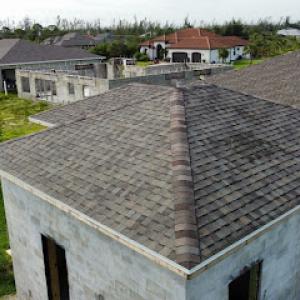
Bone Dry Roofing
23111 Foster Ave, Port Charlotte, Florida
5.0 from 209 reviews
For more than 35 years, Bone Dry Roofing has been a trusted name in the greater Punta Gorda area. As a family-owned and locally operated company, we’re dedicated to providing homeowners with quality roof replacements and repairs built to last. Every new roof we install is backed by our 25-Year Craftsmanship Warranty, a reflection of our confidence in the work we do. But our true difference lies in how we do it—through honest communication, careful attention, and dependable service from start to finish. That’s what defines The Bone Dry Roofing Experience. Trusted by thousands of Punta Gorda homeowners, we’re proud to protect your home and your peace of mind. Contact us today to schedule your free estimate.
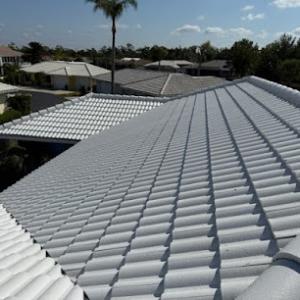
Cape Haze Roof Pro
(941) 525-6100 www.capehazeroof.com
8442 Agate St, Port Charlotte, Florida
5.0 from 79 reviews
Family owned and locally operated! Roofing Installation, Replacement & Repair. Serving the Cape Haze peninsula and surrounding areas, Englewood, Placida, Boca Grande, Manasota Key, Rotonda, Port Charlotte, North Port, Wellen Park, Punta Gorda, Venice, Osprey, Nokomis, Casey Key & Sarasota. Our roofing services include; -Asphalt, Metal, Flat, TPO, Rubber, EPDM, Tile roofs, & Roof Coatings, -3rd Nail/Wall to Rafter Attachment, Chimney fabrication & repair -Emergency repairs, storm/leak damage assessments, insurance inspections & certification letters to give warranty that your structure remains safe and weather-tight year-round. We also offer complementary exterior services; -Seamless Gutter Installation & Maintenance -Soffit, Fascia & Siding
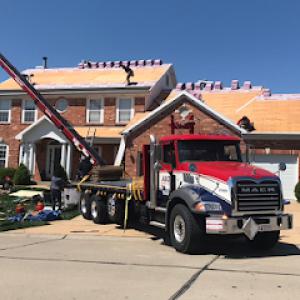
Ristow Roofing
(239) 295-9898 ristowroofingllc.com
Port Charlotte, FL
5.0 from 46 reviews
Ristow Roofing installs top quality roofing material the right way with exceptional attention to detail. I have been hands on in construction and roofing for over 30 years, completing thousands of projects big and small including many insurance claims. As an Owens Corning Preferred Contractor and an Atlas Pro Plus Contractor, we offer some of the best warranties in the industry. Call, text or email me anytime for a no cost, no pressure estimate.
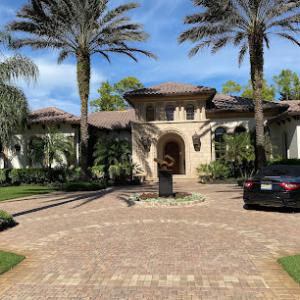
Evolve Construction FL
(800) 222-4100 evolveconstructionfl.com
3440 Conway Blvd Unit B, Port Charlotte, Florida
4.9 from 69 reviews
At Evolve Construction, we are committed to enhancing and repairing residential and commercial properties in Port Charlotte, FL. Our mission is to foster long-term relationships with our clients by prioritizing their happiness and satisfaction. We are passionate about our work and share the same values with homeowners and business owners in striving for exceptional results. Trust Evolve Construction for quality service and superior craftsmanship that exceeds expectations.
Topline Roofers Port Charlotte
(941) 267-0548 roofersportcharlotte.com
3792 S Tamiami Trl, Port Charlotte, Florida
5.0 from 34 reviews
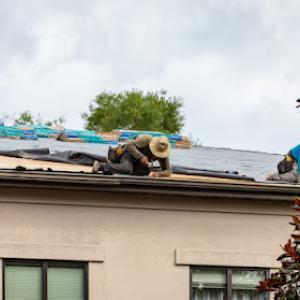
Topline Roofers Port Charlotte provides top-notch roofing repair and maintenance services in Port Charlotte, FL. We are dedicated to ensuring that your roof not only looks great but also provides the utmost protection for your property. Our roofers possess the knowledge and skill set necessary to tackle a wide range of roofing materials and styles. From traditional asphalt shingles to modern metal roofs, we have the expertise to install, repair, and maintain them all. We work closely with our clients to assess their specific needs and recommend the most suitable solutions that fit their budget and preferences. Contact us today for a free consultation and let us be your reliable partner for all your roofing repair and maintenance needs.
SmithBuilt Roofing & Exteriors
(941) 932-2441 smithbuiltroof.com
Port Charlotte, FL
5.0 from 30 reviews
Locally owned and operated out of Manatee County. We are a family-owned company, building a future for our next generation. We specialize in roofing repairs, emergency services, hurricane damage repairs, storm damage roof repairs, roof maintenance, and roof replacement. We specialize in roof tile, metal, shingles, and flat on residential and commercial. We understand there are a lot of other roofing companies to choose from, and we want to show our clients that we are building on integrity. We take pride in our work and ensure every job meets our standards of excellence. We are building trust one roof at a time. Fully Licensed & Insured. Protect your home from Florida storms with SmithBuilt Roofing and Exteriors! License CCC1335456.
Able Sterling Roofing
(941) 271-9911 ablesterlingroofing.com
750 S Tamiami Trl UNIT 1, Port Charlotte, Florida
4.7 from 100 reviews
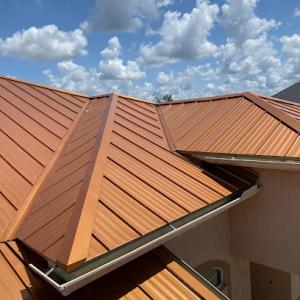
At Able Sterling Roofing, we provide trusted, high-quality roofing services in Port Charlotte, Florida, and surrounding Gulf Coast areas. As a locally owned roofing contractor, we protect homes and businesses with expert craftsmanship, honesty, and durable results. Our certified roofers specialize in roof installation, roof replacement, roof repair, and storm damage restoration using premium materials built to withstand Florida’s climate. We offer fair pricing, clear communication, and guaranteed satisfaction. From asphalt shingles to metal roofing, our solutions fit every property. Call today for your free roof inspection and discover why homeowners trust Able Sterling Roofing for all their roofing service needs in Port Charlotte, FL.
Kings Roofing NWFL
(941) 888-0208 www.kingsroofingllc.com
4120 S Tamiami Trl # D1, Port Charlotte, Florida
4.9 from 34 reviews
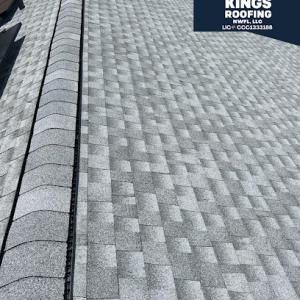
Our team at Kings Roofing NWFL, LLC is your trusted partner for roof installations, inspections, replacements, and repairs on the Emerald Coast. With more than 30 years of experience, we know how vital it is to protect your residential, commercial, or industrial property from the elements. Your roof is your last line of defense against rain and heavy winds that accompany the strong storms and hurricanes along the Emerald Coast. We are here to partner with you when you need it most, protecting your investment and providing the quality craftsmanship you need.
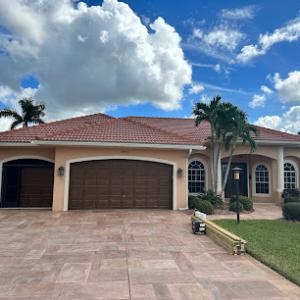
Alan's Roofing
(850) 775-7670 www.alansroofinginc.com
4456 S Tamiami Trl Suite B9, Port Charlotte, Florida
4.8 from 31 reviews
About Alan's Roofing Alan's Roofing, Inc. is the premier Roofing Contractor providing professional roofing services for more than 30 years throughout Port Charlotte and Central Florida communities. Our roofing services include, roof installations, replacements, and repairs. In addition to our comprehensive roofing services, we provide expert solar installation to all of our markets. Contact us for a free estimate!
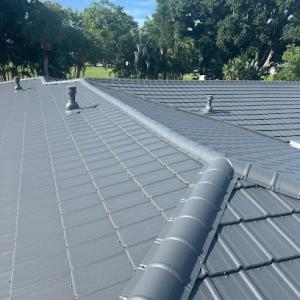
Douglass Restoration Inc. - A Roofing Company
(941) 628-3115 www.driroofing.com
2221 S Tamiami Trl B, Port Charlotte, Florida
4.4 from 347 reviews
Crafting Quality Roofs, Family-Owned in SW Florida 🏠🌴 "Doing Right by the Customer" – that's not just our motto, it's our commitment. Welcome to Douglass Restoration, where a decade of roofing excellence meets family-owned values. Your trusted choice for durable roofs in SW Florida. Join us today!
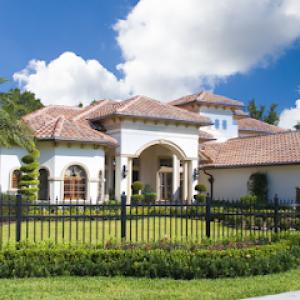
CW's Quality Roofing
(941) 239-8585 www.cwsqualityroofinginc.com
675 S Tamiami Trl Suite 3, Port Charlotte, Florida
4.8 from 32 reviews
CW's Quality Roofing performs residential and commercial roofing, soffit, and fascia installation, repair, and replacement services in Port Charlotte, FL, and surrounding areas.
ZND-TEO Attic-Solution & Insulation's & Roofing Service Port Charlotte, FL
23058 Harbor View Rd, Port Charlotte, Florida
4.8 from 18 reviews
What we promise is a healthy home atmosphere.
Permits are not optional paperwork here. A roofing permit is typically required for a full re-roof, and the Charlotte County Building Department handles permit applications and inspections. That means your timeline for replacements can hinge on getting through the permit desk, especially after a storm when demand spikes and staff are short. In a harbor-facing community where homes sit near salt air and wind exposure, the permit process isn't just bureaucratic; it's a concrete signal that the project is measured against current structural and wind-resistance standards.
Plan on a clear sequence: apply, wait for approval, and then schedule a licensed contractor to begin work once the permit is issued. Starting before the permit is in hand can create costly delays, rework, or noncompliance that slows your recovery after a storm. Because Charlotte County emphasizes wind-driven performance, the permit review will scrutinize fasteners, underlayment, and attachment methods. If you're replacing a roof that endured hurricane-force winds, expect questions about the chosen system and whether it meets current code directions for coastal construction.
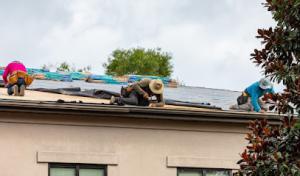
A final inspection is commonly required to close the permit and confirm the reroof meets current code and local approval requirements. Don't assume that a project is finished when shingles are stacked on the curb or the crews have left for the day. The inspector will verify roof deck conditions, underlayment, flashing, and that the installation aligns with the approved plans and wind-resistance targets. If adjustments are needed, you'll be asked to correct them before the permit can be closed, which can extend the timeline and complicate post-storm scheduling.
To keep the process smooth, keep all paperwork organized: permit numbers, inspection dates, and any plan revisions. Communicate openly with your contractor about anticipated inspection windows and any county-specific documentation that might be required. In this market, where fast post-storm response matters, aligning your reroof with the permit and inspection steps reduces the risk of last-minute delays and helps ensure the new roof stands up to Charlotte Harbor's demanding conditions.
In Port Charlotte, you're operating in Florida's challenging insurance market, where carriers closely review roof age, condition, and wind-related documentation. A reroof isn't just about replacing shingles or tiles; it's about providing a paper trail that proves the system was upgraded to withstand the frequent coastal winds and storm surges that define life along the harbor. Expect insurers to scrutinize what materials were used, how the installation was completed, and whether a final inspection or closing documentation confirms a solid, code-adherent result.
Because this is a coastal southwest Florida market with frequent storm claims, insurers commonly want clear records showing materials used, installation quality, and permit closure. This means you should plan ahead for a comprehensive documentation package. Collect product specifications, installation notes, and warranty details. After the job, ensure you have dated photos of the entire roof, including fasteners, underlayment, and any hip or valley details that commonly fail under high winds. A clean trail of documents reduces the guesswork insurers sometimes bring to the table when evaluating wind risk.
Wind mitigation features can materially affect premiums and underwriting in Port Charlotte, so reroof decisions are often tied to documentation homeowners can provide after the job is complete. Focus on components that demonstrably improve wind resistance: engineered fasteners, roof-to-wall connections, and proper integration of underlayment with a sealed perimeter. If a product or system is marketed as wind-rated, keep the manufacturer's data card, installation instructions, and any test results. Your goal is to translate installation quality into verifiable, portable evidence that an adjuster can review quickly after a claim or renewal.
Manage expectations by aligning your reroof plan with what the insurer needs. The market rewards demonstrable improvements in wind performance, not just cosmetic updates. Work with a contractor who understands how to document every step-from material choices to installation methods and final inspections-and who can deliver a clean packet of paperwork after the job. In this coastal area, the strongest outcome isn't just a fresh roof, but a thoroughly documented upgrade that stands up to both the salt air and the next storm cycle.
Connect with contractors who help homeowners navigate the claims process from damage assessment to final approval.
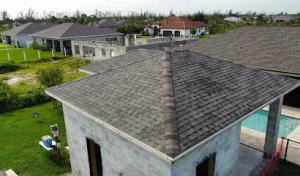
Bone Dry Roofing
23111 Foster Ave, Port Charlotte, Florida
5.0 from 209 reviews
Cape Haze Roof Pro
(941) 525-6100 www.capehazeroof.com
8442 Agate St, Port Charlotte, Florida
5.0 from 79 reviews
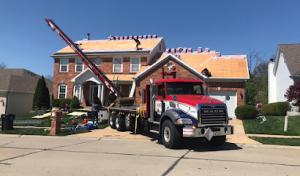
Port Charlotte's coastal air can shorten the life of fasteners, flashing edges, and other metal accessories even when the primary roof covering still looks serviceable. The combination of salt spray, high humidity, and frequent breezes accelerates corrosion on nails, screws, metal drip edges, and conductor clips. Expect bit by bit loosening at login points like ridge vents, soffits, and valleys if these pieces aren't inspected on a regular schedule. Visible rust on small metal parts is often a precursor to more substantial leaks or flashing separation after a strong storm. Regularly plan proactive corrosion checks, especially after hurricane season or any period of heavy winds, and replace hardware with corrosion-resistant coatings or stainless alternatives when signs of wear appear.
Persistent heat and humidity in southwest Florida can worsen algae staining, underlayment aging, and moisture-related deterioration beneath older roof systems. Underlayment may begin to delaminate or lose its waterproof seal sooner than expected where heat buildup is high or shade is limited. In shaded or densely treed eaves, moisture can linger and promote microbial growth that eats into decking or fascia boards. Inspect for soft spots, dark staining, or a musty odor near attic access points and along eave lines. When underlayment shows signs of aging or micro-tears, consider more robust coverings or laminated underlayments designed for high-moisture environments, and ensure proper ventilation to temper interior heat and moisture buildup.
Homes near canals and open water in this area often experience harsher wind-driven rain exposure than more sheltered inland lots within the same ZIP codes. That pattern stresses roof edges, hips, and vent penetrations differently, making wind uplift a frequent concern even on relatively new roofs. Pay attention to edge detailing, sealant integrity around penetrations, and the alignment of flashing with the roofing substrate after storms. If missing granules or lifting shingles are observed following strong gusts, plan targeted repairs rather than delaying maintenance, since salt air can accelerate the progression of small issues into more extensive leaks.
Extend the life of your existing roof with reflective or waterproof coatings that protect against UV and moisture.
Cape Haze Roof Pro
(941) 525-6100 www.capehazeroof.com
8442 Agate St, Port Charlotte, Florida
5.0 from 79 reviews
Adamz' Roofing
(941) 613-1756 adamzroofinginc.com
22180 Voltair Ave, Port Charlotte, Florida
4.2 from 22 reviews
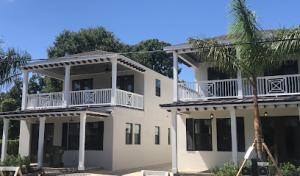
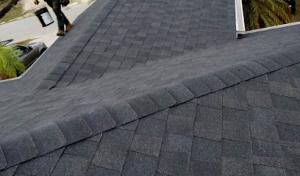
Lanais, porch covers, room additions, and garage tie-ins create low-slope transitions that sit between the main pitched roof and the sun-warmed exterior. In Charlotte Harbor exposure, wind-driven rain can collect along these joints, so detailing must anticipate how water paths change when the pressure is high and storms push rain horizontally. This is a common pattern in older homes with mixed roof geometry.
These transition areas often rely on flashing that blends with the main roof, yet the slope change makes corners and parapets more vulnerable. Look for gaps where the low-slope surface intersects the higher roof plane, where fasteners penetrate through multiple layers, and where sealants age or degrade. In tropical weather, wind-driven spray can compromise joints even when the main roof stays dry.
Plan for a dedicated transition detail that treats the low-slope section as its own micro-system. Use continuous underlayment up the wall line, plus a step-down flashing that directs water away from the joint rather than into it. Where the low-slope meets masonry or siding, integrate a drip edge and a secondary drain path to handle any overflow. Ensure fastener patterns avoid penetrating through both layers at critical points.
Select materials that tolerate salt air and humidity while keeping a cohesive look with the main roof. For low-slope sections, consider products with proven compatibility to the adjacent pitched roof and reliable flashing options. In addition, ensure the material's warranty covers wind-driven rain exposure typical of storm events and that color and texture transition smoothly with the rest of the home.
Schedule mid-season checks after heavy storms to verify seals and flashing remain intact. In frequent wind-driven rain cycles, re-seal joints and reflash vulnerable corners before the next storm season. Regularly clean debris from eaves and transitions to prevent moisture entrapment that can accelerate deterioration of the low-slope surface.
Find specialists in TPO, EPDM, and built-up flat roofing systems for residential and commercial properties.
Cape Haze Roof Pro
(941) 525-6100 www.capehazeroof.com
8442 Agate St, Port Charlotte, Florida
5.0 from 79 reviews
Topline Roofers Port Charlotte
(941) 267-0548 roofersportcharlotte.com
3792 S Tamiami Trl, Port Charlotte, Florida
5.0 from 34 reviews
SmithBuilt Roofing & Exteriors
(941) 932-2441 smithbuiltroof.com
Port Charlotte, FL
5.0 from 30 reviews
In this market, the emphasis is on reroofing, storm work, and quick post-storm response. A contractor with a visible local presence and a track record in hurricane-driven projects makes a practical difference when urgency and reliability matter. Look for teams that operate out of a familiar stretch of storefronts or yard space, not just a truck with a logo, so follow-up service after the season is straightforward.
When meeting a contractor, prioritize clear scheduling for debris cleanup and driveway access, especially where driveways, screened enclosures, or tight lot layouts complicate work. Ask how the crew protects flanking homes during removal and how cleanup will be managed if a storm warning hits mid-project. Long-standing, family-owned or locally owned companies often maintain a regular workforce and a response mindset that fits this coastal corridor.
Check references from neighbors who endured a hurricane season last year and able to speak to response times and post-work inspections. Request a written plan for weather delays, storm debris containment, and a defined final walkthrough. Verify the company can coordinate with local suppliers for the selected material and confirm a consistent crew for the project timeline, minimizing surprises in the middle of a storm cycle.
A contractor should provide practical, schedule-driven updates and a realistic path to completion, even when weather disrupts plans. Expect a single point of contact for the duration of the job to avoid mixed messages during urgent moments. Local familiarity matters; the right roofer understands how coastal air, salt exposure, and canal-front environments shape material choice and fast, thorough cleanup.
Finally, choose a company with visible, established roots in the area and a willingness to stand behind the work after hurricane season ends. That local footprint translates into easier follow-up service and a dependable response when questions arise long after the roof is installed.
Get a clear picture of your project costs upfront - no commitment required.
Bone Dry Roofing
23111 Foster Ave, Port Charlotte, Florida
5.0 from 209 reviews
Cape Haze Roof Pro
(941) 525-6100 www.capehazeroof.com
8442 Agate St, Port Charlotte, Florida
5.0 from 79 reviews