
Last updated: Apr 19, 2026
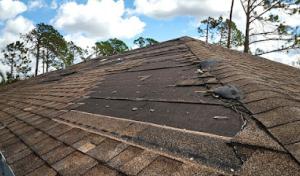
Cape Coral sits on Florida's Gulf Coast in Lee County, putting homes directly in the path of tropical systems that bring wind-driven rain and sudden roof-cover failures. After a hurricane or severe thunderstorm, you need to move with purpose: identify where shingles or tiles are missing, note any sagging sections, and check for lifted metal panels or flashing failures around hips, valleys, and chimneys. If you can do so safely from the ground, observe the eaves for daylight showing through, and inspect exterior walls for new staining that could signal roof leaks traveling inward along sheathing or rafters. Delay is costly-water can exploit even small breaches and find pathways into ceilings, walls, and insulation. Have a flashlight handy for attic checks, and consider a quick partner check to verify the roof line from multiple angles.
The canal-laced, low-lying layout of this city makes rapid dry-in critical, especially when a roof is opened or damaged. Frequent afternoon thunderstorms during the wet season can unleash sudden downpours that overwhelm an exposed repair area in minutes. If shingles have blown away or there is visible sheathing, prioritize a temporary dry-in using heavy-duty plastic or roofing tarps anchored with roofing nails and weight bags. Secure tarps high over the damaged section to shed water toward lower roof areas, never allowing runoff to pool near building corners or along wall penetrations. When tarping, extend coverage several feet beyond the damaged zone to protect adjoining sections from wind-driven rain. Avoid relying on makeshift means that can fail in gusts; use proper fasteners and, if possible, a second pair of hands to keep the tarp tight in gusty Cape winds. Schedule a professional inspection as soon as practical, because tarps are only a stopgap before heavy rains resume.
With an extensive canal network and a low coastal layout, leaks can coincide with broader water intrusion concerns. Water tracking through attic soffits or vent openings can drip into living spaces in minutes, especially on exposed ceilings near the roof plane. Create a defensive line: place cleanable buckets or painters' trays under active leaks, lay down polyethylene sheeting on floors to catch drips, and move valuables away from leak paths. If ceilings begin to sag or show bulging paint, do not delay in staging a remediation plan; this can indicate compromised structural elements or hidden rot. Inside, keep doors and windows closed to reduce pressure differentials during windy openings, which can force more rain into compromised areas. A rapid-response plan for interior damage should include turning off the main power to affected circuits if water is approaching outlets or panels-safety first, then moisture mitigation.
In the hours after the event, gather and secure documentation that supports an emergency claim. Take wide and close-up photos of each damaged area from multiple angles, focusing on roof edges, flashing, and any torn underlayment. Compile a simple timeline of when each area began to leak, noting weather conditions at the time, and record dates of tarping or temporary fixes. Keep a written list of visible interior water intrusion points, including ceilings, walls, and cabinetry affected by moisture. Preserve receipts for emergency repairs, tarping materials, and any temporary repairs that prevent further damage. When you contact your insurer, provide these records promptly, and request a field assessment by a licensed professional to validate the extent of wind-driven damage and theft of shingles or tiles. The canal-driven, coastal reality of this city makes timely, well-documented claims essential to restoring the roof and protecting interior spaces.
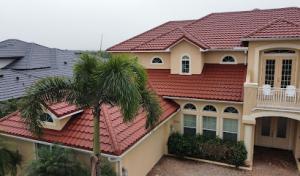
Tile roofing is especially relevant in Cape Coral because Southwest Florida housing stock includes many Mediterranean- and coastal-style homes built with concrete or clay tile profiles. The heavy, interlocking forms resist wind-driven debris fairly well when installed with modern detailing, and the long, flat planes of tile can shed rain quickly after a storm. In a canal-heavy, salt-spray environment, tile profiles that use concrete or clay tolerate humidity and salt exposure reasonably well when the underlayment and fasteners are chosen with coastal conditions in mind. This combination of aesthetics and durability makes tile a common selection on both waterfront and inland canalfront properties.
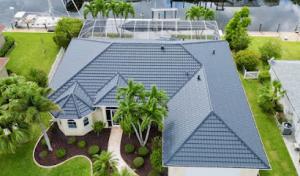
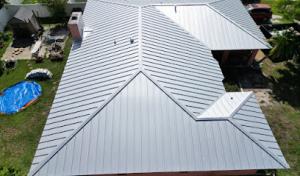
Metal roofing is a major local option because homeowners in this Gulf Coast market often weigh wind performance, lower maintenance, and long-term durability against higher upfront cost. Metal panels resist denting from airborne debris better than some other materials when installed with proper edge detailing and wind-rated fasteners. In areas with persistent humidity and salt air, a coated metal surface can stay cooler and resist staining if the coating is rated for coastal salt exposure. The lighter weight of most metal systems also reduces load on existing structures, which is a practical consideration for homes that have endured hurricane-driven events in recent seasons.
In hurricane-prone environments, the most important factor is how a roof system handles uplift and edge wind. Tile roofs rely on secure battens, a solid substrate, and correct tile-hook or clip systems to resist uplift. The Mediterranean and coastal-style forms benefit from continuous, well-sealed edge details to prevent water intrusion along eaves and parapets. Metal roofs excel when installed with sealant integration at ridges and penetrations, and with standing-seam or properly lapped panels that minimize exposed fasteners. Look for warranties that specify wind-speed ratings compatible with local exposure, and ensure fasteners and underlayment meet coastal performance standards.
Salt-heavy coastal air and persistent humidity in this area make material selection more consequential than in inland Florida markets. Tile surfaces benefit from breathable underlayment and moisture-control layers that won't trap humidity inside the roof deck. If choosing tile, ensure the installation uses high-quality, corrosion-resistant fasteners and integrated flashing around chimneys, skylights, and roof-to-wall transitions. For metal, select a coating with proven salt-spray resistance and maintain coatings at the first sign of wear. Both options benefit from a reflective, UV-stable finish to mitigate heat buildup during long Florida days.
Maintenance practice matters as much as material choice. Tile roofs require periodic inspection of grout and ridges to catch micro-cracks or loose tiles after storms. In Cape Coral's canal corridors, check for shifting tiles caused by ground movement or wind events and re-bed any loose pieces promptly to prevent water intrusion. Metal roofs demand regular inspection of seals around vents and penetrations, with attention to potential panel or seam wear in areas facing frequent salt exposure. In a leak event, prioritize rapid tarping of the affected area, document the damage with photos, and contact a local roofer experienced in coastal conditions to assess attic moisture and carry out a targeted repair.
Ultimately, the choice hinges on how you balance aesthetics, wind performance, maintenance cadence, and salt-air resilience. Tile fits many Cape Coral homes with Mediterranean and coastal profiles and remains a time-tested option when installed with coastal-grade underlayment and fastening systems. Metal offers a durable, lower-maintenance path with strong wind resistance and quicker leak detection, provided proper coastal coatings and secure sealing at all transitions. A practical decision follows a careful assessment of roof geometry, exposure level, and how often your home endures post-storm inspections. In canal-heavy, hurricane-exposed settings, the right combination of profile, fasteners, and coatings matters as much as the tiles or panels themselves.
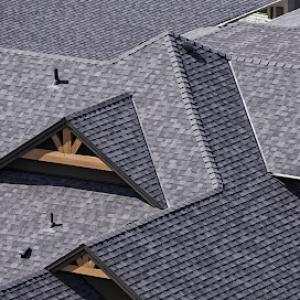
Giza Roofing Solutions
(239) 980-2424 www.gizaroofingsolutions.com
1430 SE 16th Pl A, Cape Coral, Florida
5.0 from 252 reviews
We are a local roofing company located in Cape Coral, offering roofing services throughout Southwest Florida. With over 30 years of expertise in the roofing industry, we offer a variety of roofing services, from durable roof repairs to new roof installations. Our roofing services extend to different roof types, working with shingle, metal, flat, and tile types of roofs. We proudly serve local communities of Cape Coral, Fort Myers, Estero and Naples. If you are looking for a roofing company near you, look no further than Giza Roofing Solutions, we really do have you covered!
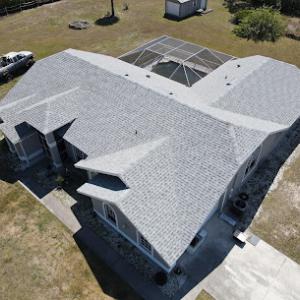
Vega Roofing Solutions
(239) 745-9187 vegaroofingsolutions.com
715 NE 19th Pl #44, Cape Coral, Florida
5.0 from 157 reviews
Vega Roofing Solutions is a family-owned roofing company. The Golden Rule, treating others the way in which one wants to be treated, is a principle that we strongly believe in. We provide beginning-to-end solutions that address our customers' needs and requests. As we expand throughout Florida, our quality will never be compromised, and our commitment to assisting you in getting the job done right will always be at the top of our priority list. We are located in Cape Coral, FL and serve all of SW Florida.
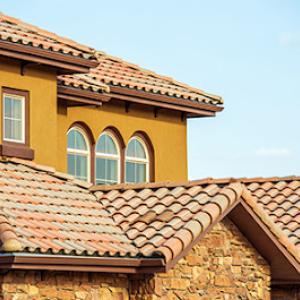
Vet's Roofing
(239) 310-5225 vetsroofinginc.com
Cape Coral, Florida
5.0 from 171 reviews
Vet's Roofing, Inc. is your trusted roofing company in Cape Coral, FL, and surrounding areas. As a veteran-led business, we specialize in high-quality roofing services, including repairs, replacements, and installations for residential and commercial. Our skilled team of roofers is dedicated to providing durable and visually appealing solutions tailored to the unique needs of the Florida climate. Whether you're searching for "roofers near me" or "roofing company near me," Vet's Roofing, Inc. is your dependable choice. We uphold the highest standards of excellence for projects of any size. Contact us today for all your roofing needs and experience the difference with Vet's Roofing, Inc.—the roofing company Cape Coral homeowners rely on.
Roman Roofing
(239) 688-4260 www.romanroofing.com
919 Country Club Blvd, Cape Coral, Florida
4.9 from 152 reviews
Roman Roofing – Premier Roofing Services in Cape Coral, FL Welcome to Roman Roofing, your go-to roofing experts in Cape Coral, FL. We specialize in comprehensive roofing services, including roof repairs, replacements, and new installations. Our experienced team uses top-quality materials and advanced techniques to ensure your roof withstands Florida's weather. At Roman Roofing, customer satisfaction and exceptional craftsmanship are our top priorities. Whether you need residential or commercial roofing solutions, we’ve got you covered. Contact us today for a free estimate and discover why we're the leading roofing contractor in Cape Coral.
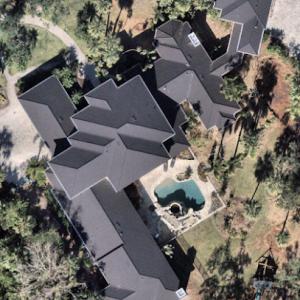
Four Peaks Roofing
(239) 829-4499 www.4peaksroofing.com
627 Cape Coral Pkwy W Suite 202, Cape Coral, Florida
5.0 from 68 reviews
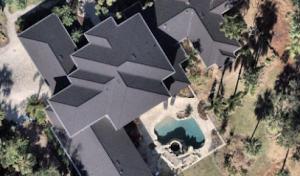
Four Peaks Roofing is a family-owned, locally owned roofing contractor in Southwest Florida providing professional residential and commercial roofing services. Our owner-involved roofing team specializes in roof repair, roof replacement, and new roof installation. We install and repair asphalt shingle roofs, standing seam metal roofing, concrete tile roofs, stone-coated steel (metal tile), and flat roofing systems. We proudly serve Cape Coral, Fort Myers, North Fort Myers, Port Charlotte, Punta Gorda, Pine Island, Fort Myers Beach, Sanibel, Estero, Bonita Springs, Naples, and Sarasota. If you’re searching for a trusted local roofer near you, Four Peaks Roofing delivers durable, high-quality roofing solutions.
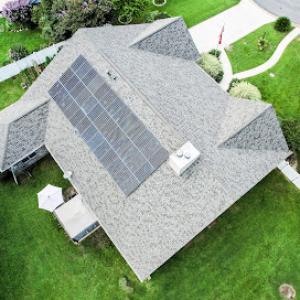
Hightower Industries
1527 SE 47th Terrace, Cape Coral, Florida
4.9 from 112 reviews
Hightower Industries is a local family owned company that is committed to excellence in everything we do. We pride ourselves in working to the highest industry standards and doing so with Integrity. Hightower Industries has offices in Pensacola, Fort Walton, and Cape Coral FL, specializes in Roofing, Solar Energy, and residential and commercial construction. Whether it's a simple remodel or a large commercial build, you can trust Hightower Industries with your project. Call today and join our growing list of happy customers
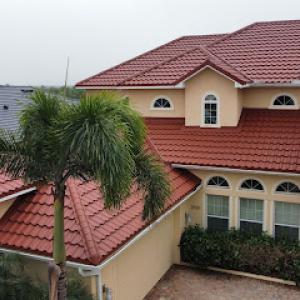
Ribbon Roofing
(239) 303-8396 ribbonroofingfl.com
1009 NE 8th St #9, Cape Coral, Florida
5.0 from 54 reviews
Ribbon Roofing in Cape Coral is your premier destination for top-quality roofing solutions. Our expert team specializes in residential and commercial roofing services, including installations, repairs, and maintenance. With a focus on quality craftsmanship and exceptional customer service, we strive to exceed your expectations every step of the way. Whether you need a new roof for your home or a repair for your business property, we have the expertise and resources to deliver outstanding results. Trust Ribbon Roofing for reliable, durable, and cost-effective roofing solutions tailored to your specific needs. Contact us today to experience the superior service and craftsmanship that set Ribbon Roofing apart.
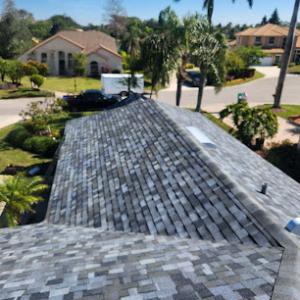
Allstate Exteriors & Restoration Services
(239) 842-1887 www.allstateexteriorsinc.com
3301 Del Prado Blvd S, Cape Coral, Florida
4.8 from 493 reviews
Allstate Exteriors & Restoration Services is a leading roofing contractor in Cape Coral, Florida. We specialize in residential and commercial roofing, and we offer a wide range of services, including new roof installation, roof repair, and roof maintenance. We are a family-owned and operated business, and we are committed to providing our customers with the highest quality of service. Our team of experienced and certified roofers is dedicated to providing you with a roof that will protect your home or business for years to come. Contact us today for a free estimate!
Beaver Roofing
(239) 310-1476 www.beaverroofs.com
1325 SE 47th St suite f1, Cape Coral, Florida
4.9 from 69 reviews
Locally owned and operated roofing company. Licensed and insured. Provides residential and commercial roofing. Welcome to Beaver Roofing, where every neighbor becomes family! Our friendly team is always ready to provide you with the best roofing solutions tailored just for you. Whether you're dealing with a leaky roof or planning a complete renovation, we're here to guide you every step of the way. Choose us for a service experience that's as warm and caring as it gets!
Roof EZ
2528 Andalusia Blvd #1, Cape Coral, Florida
4.8 from 228 reviews
Roof EZ is an award-winning, top Florida roofing company known for quality and dependability. We offer a range of reliable roofing services from roof repairs to reroofs for residential homes, businesses, and communities looking for premier service. Searching for a trusted roofing contractor with proven expertise? We deliver top quality and reliability with every project. From rubber to metal roofing, we use the highest-quality materials for lasting protection. Along with roofing, our gutter services, like full gutter installation and gutter repair, can help you prevent water damage. Let us help extend your roof’s lifespan with our roof repair and maintenance services.
Swift Roofing Services
(239) 314-6237 swiftroofingservices.com
720 NE 25th Ave Unit 1, Cape Coral, Florida
4.9 from 92 reviews
Swift Roofing Services specializes in roof repairs, replacements, and new installations serving all of Southwest Florida with commercial and residential services.
Roman Roofing
(239) 458-7663 romanroofing.com
921 NE 27th Ln, Cape Coral, Florida
4.7 from 1125 reviews
Over 200+ years of roofing experience stands behind the leadership of the Roman name. Whether it's shingle, tile, metal, or flat roofs, Roman Roofing is here to shield you from the elements.
Local replacement activity concentrates in the dry season because Cape Coral's summer pattern of daily rain and tropical weather makes tear-off scheduling riskier. You'll typically see more crews available from November through early May, with fewer weather interruptions and more predictable days for roof work. If you're planning a full re-roof, aim to lock in a start date that aligns with this window and prefers morning start times to finish before heat and humidity ramp up. The dry season also tends to bring calmer tropical systems, reducing the chance of last-minute project delays from sudden storms. For a practical plan, coordinate a rough two- to three-week lead time for material delivery and crew setup, then target a specific two- to three-day stretch within the dry-season window for the actual tear-off.
Peak summer heat in the Southwest Florida climate can affect asphalt shingle handling and installation timing, making early-day work windows more important. In hot, humid months, materials can soften or expand, and crews benefit from starting work at or before first light to avoid the hottest part of the day. If you're replacing any lighter materials or shingles with a low-temperature rating, confirm with the contractor that staging and cutting occur in cooler portions of the day. Plan for additional hydration breaks and shade provisions for workers, and consider scheduling critical steps-like deck inspection or underlayment installation-early to keep the project moving without stalling due to heat-related delays.
Hurricane season can compress contractor availability in Cape Coral as crews shift from planned replacements to storm response and emergency repairs. Summer storms and tropical systems can force sudden pauses, or push projects to the back burner while crews address urgent damage elsewhere. If your re-roof must occur during hurricane season, build in flexible buffers for weather delays and have a contingency plan with your contractor for rapid rescheduling if a storm threat appears. This doesn't mean postponing a roof indefinitely; it means keeping a realistic backup date and clear communication so you're not left in limbo when forecasts change. During active months, maintain a light-prep stance-clear the yard of loose debris, secure outdoor items, and have tarps ready-so a crew can start quickly if a window opens.
Start with a preferred two-month target window that straddles late dry-season and early wet-season shoulder times when possible, then work with the contractor to identify a precise 3-5 day block. Confirm that weather forecasts show a low probability of multi-day deluges, and keep contingency days in the plan for unexpected heat or short rain bursts. If possible, coordinate access to a shaded staging area and ensure a clear path for material deliveries to minimize delays. For storm-prone weeks, request a rapid-response protocol so the crew can mobilize efficiently if a window appears between bands of activity.
When leaks appear, response time matters more than the exact month. In this market, having a contractor on call for emergency tarp placement and quick temporary fixes reduces interior damage while a full re-roof is scheduled. Establish a simple priority plan: immediate tarping after a leak is detected, rapid assessment within 24 hours by a pro, and a concrete start date for the replacement once weather and crew availability align.
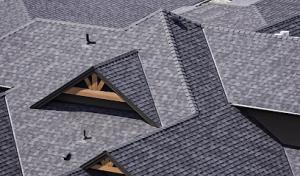
The most popular roofing material in the US. Find pros who install, repair, and replace asphalt shingles.
Giza Roofing Solutions
(239) 980-2424 www.gizaroofingsolutions.com
1430 SE 16th Pl A, Cape Coral, Florida
5.0 from 252 reviews
Four Peaks Roofing
(239) 829-4499 www.4peaksroofing.com
627 Cape Coral Pkwy W Suite 202, Cape Coral, Florida
5.0 from 68 reviews
Ribbon Roofing
(239) 303-8396 ribbonroofingfl.com
1009 NE 8th St #9, Cape Coral, Florida
5.0 from 54 reviews
You'll see a wide spread in what a new or replacement roof will cost in this area, driven by material choices and local housing styles. Provided local cost ranges run from about $350 to $700 per square for asphalt shingles, $700 to $1300 for metal, $1000 to $1800 for clay tile, $900 to $1500 for concrete tile, $600 to $1100 for wood shingles or shakes, and $500 to $1000 for synthetic or composite shingles. In practice, most Cape Coral homes with canal exposure lean toward tiles or composites, especially where impact resistance and long-term durability matter most. Large roof footprints common in subdivisions can push total project cost higher even if the per-square price looks similar to inland properties.
During tropical storm season, cost swings are real. After a storm or when emergency work floods the queue, labor availability in Lee County tightens. That pressure can push scheduling timelines and crew labor rates upward, particularly for tile-based systems where specialty installers are before- and after-storm in high demand. If weather windows compress, you may pay a premium for expedited start dates or for crews that can handle the full scope-from roof deck prep to leak mitigation and tile setting. Planning early and building a buffer for potential delays helps keep a project on track when storms push the market.
Tile-heavy local architecture is a strong influence here. Cape Coral's canal-centric layouts and expansive footprints mean roofs are often larger and more complex than typical inland homes. Tile or metal systems, while offering long-term resilience, require more labor per square due to accenting features, parapets, and alignment with existing drainage. This labor intensity translates into higher overall costs and longer project timelines. If your home features clay or concrete tile, expect a higher initial price tag, but weigh that against the expected lifespan, maintenance profile, and potential insurance considerations after a storm.
When estimating, couple material choice with the roof's access and age. Older decks or corroded fasteners can add scope and cost for removal and replacement. For those facing rapid post-storm leaks, prioritize upfront temporary leak mitigation and a clearly staged schedule with your contractor to minimize interior damage while awaiting tile or shingle installation. In hurricane-prone settings, discussing impact-rated underlayment and fastener schedules is prudent, as those choices influence both long-term performance and the likelihood of insurance documentation readiness after a surge in storm activity.
Don't let upfront costs delay a critical repair - these contractors offer payment plans to fit your budget.
Swift Roofing Services
(239) 314-6237 swiftroofingservices.com
720 NE 25th Ave Unit 1, Cape Coral, Florida
4.9 from 92 reviews
Old Florida Roofing & Sheet Metal
(239) 372-4618 oldfloridaroofing.net
424 SE 47th Terrace, Cape Coral, Florida
4.5 from 31 reviews
A full re-roof permit is required through the City of Cape Coral Building Department within Lee County's regulatory framework. That means your project cannot move forward with informal approvals or escrowed approvals on a neighbor's driveway; the city needs an official path from start to finish. The permit is more than a formality: it anchors the work to local structural and weather considerations that are unique to this canal-heavy Gulf Coast setting. If storm season approaches, the clock on permit timelines can feel tight, and delays can compound the risk of a roof failing during a hurricane. Understanding this process up front helps you avoid costly rework and last-minute changes that your insurer or adjuster may flag during post-storm claims.
The local process includes plan review, contractor verification, and scheduled inspections rather than allowing major re-roof work to proceed informally. Your plans should demonstrate adherence to Cape Coral's wind and moisture provisions, including roof deck attachment and local ventilation requirements. The plan review stage is where many homeowners discover discrepancies between a contractor's shorthand notes and what the city technically requires for hurricane-prone coastal markets. Be prepared to submit details on underlayment type and installation method, fastening patterns, and nailing schedules that meet or exceed code expectations. Contractor verification matters: the Building Department cross-checks licensing, insurance, and qualifications to guard against unqualified work that could leave you exposed after a storm. Once the permit is issued, inspections are scheduled to align with construction milestones, not when someone finally feels like patching a problem.
Cape Coral inspections specifically verify underlayment, fastening, and venting, which are critical checkpoints in a hurricane-prone coastal market. The inspector's eye will focus on how the roof is fastened to resist uplift, how the underlayment seals joints and penetrations, and whether venting is adequate to manage attic moisture without creating hidden rot. If any element fails a checkpoint, a re-inspection becomes necessary, potentially extending your project timeline and increasing exposure to weather during the interim. Plan for access, keep a clean worksite, and have your documentation ready-the permit card, approved plans, and any amendments-so inspectors can move efficiently. Remember that even a well-built roof can suffer from a rushed or sloppy installation when under the pressure of a hurricane season; adherence to the permit and the inspection sequence is the best safeguard you have against avoidable setbacks.
In this canal-laced Gulf Coast setting, you are navigating one of Florida's most hurricane-exposed insurance environments, so roofing decisions are closely tied to claim history and wind-mitigation documentation. Insurers in Southwest Florida understand how salt air, high wind speeds, and canal-adjacent exposure drive damage patterns. Because storm activity is frequent, coverage terms can feel stricter, and the types of roofs that bands of carriers readily insure may shift after a major event.
In this market, carriers may limit coverage terms or scrutinize certain roof types more heavily because Southwest Florida generates frequent storm-related roofing claims. Keeping a robust record matters: dated photos before and after storms, detailed inspection notes, and clear records showing any repairs or replacements help prove condition and performance over time. Store sign-offs from reputable inspectors and permit or contractor paperwork where applicable, and organize a simple timeline of weather events and resulting damage to accompany a claim.
Homeowners benefit from rapid, methodical action after a storm. If you suspect damage, document it promptly with fresh photos from multiple angles and note any leaking, curling shingles, or granule loss. Contact a licensed local roofer who can provide an independent assessment, then notify your insurer with a concise, factual report. Avoid making temporary repairs that look like full fixes without approval, as these can complicate claim handling. After initial contact, maintain steady communication with your adjuster and keep a running log of conversations and agreed-upon next steps. This approach helps you navigate the storm-drenched claims landscape more smoothly.
Connect with contractors who help homeowners navigate the claims process from damage assessment to final approval.
Vega Roofing Solutions
(239) 745-9187 vegaroofingsolutions.com
715 NE 19th Pl #44, Cape Coral, Florida
5.0 from 157 reviews
Roman Roofing
(239) 688-4260 www.romanroofing.com
919 Country Club Blvd, Cape Coral, Florida
4.9 from 152 reviews
Four Peaks Roofing
(239) 829-4499 www.4peaksroofing.com
627 Cape Coral Pkwy W Suite 202, Cape Coral, Florida
5.0 from 68 reviews
While steep-slope residential roofs dominate, Cape Coral homes commonly include lanais, porch covers, room additions, and other low-slope sections that fail differently from the main roof. Those transitions aren't cosmetic after a hurricane or heavy rain-they're potential leak paths and salt-wanded vulnerabilities. In this canal-heavy setting, the usual drip edge and flashing may face continual exposure, so assess the entire envelope, not just the visible main roof.
Heavy summer rain in this area makes drainage details on low-slope transitions especially important where additions tie into the main structure. Look for flat or low-slope areas that shed toward interior gaps, parapets, or skylight wells. The goal is to direct water away from joints and into properly sloped drainage paths. Pay attention to debris, clogged scuppers, and compromised seals where lanais meet the core roof, since standing water accelerates wear.
Mixed-roof homes in this market often need contractors who can address both the primary roof covering and attached flat or low-slope sections in one scope. When planning, insist on a single, integrated plan that covers membrane or cap flashing transitions, edge detailing, and continuous drip or scuppers across all roof interfaces. This reduces the risk of mismatched materials or staggered repairs that invite leaks at the seam lines.
After storms, inspect low-slope areas first for pooled water, bubbled coatings, or lifted edge metals. Check around any added rooms or porches where sealants may have aged differently. Schedule proactive resealing or re-flashing before the next storm season, and document observed issues with photos that capture the condition of transitions to support quick emergency responses.
If a rapid leak develops at a low-slope tie-in, place temporary tarps or boards to divert water away from living spaces while you secure access to the area. Identify the closest roof hatch or access point for a visible assessment, and keep a list of qualified local contractors who regularly handle both main-roof and low-slope repairs in a single package. This approach minimizes downtime and helps maintain the integrity of the entire roof envelope.
Find specialists in TPO, EPDM, and built-up flat roofing systems for residential and commercial properties.
Giza Roofing Solutions
(239) 980-2424 www.gizaroofingsolutions.com
1430 SE 16th Pl A, Cape Coral, Florida
5.0 from 252 reviews
Four Peaks Roofing
(239) 829-4499 www.4peaksroofing.com
627 Cape Coral Pkwy W Suite 202, Cape Coral, Florida
5.0 from 68 reviews
Roman Roofing
(239) 458-7663 romanroofing.com
921 NE 27th Ln, Cape Coral, Florida
4.7 from 1125 reviews
In Cape Coral's high-UV, high-rain environment, penetrations such as skylights and mounted solar components can become leak points sooner if flashing details are weak. The Gulf Coast's storm-driven rain drives water laterally under tiles or shingles when flashing is even slightly misaligned. If a roof has a flat or low-slope transition around a skylight, an exposed edge on a metal curb, or a poorly sealed step flashing where the dormer meets the deck, water will find a path sooner than you expect. Your best defense is to inspect flashing where any penetration meets the field, not just the visible sealant. Look for adhered flashing that's cracked, lugged fasteners that have worked loose from salt-laden air, and misaligned metal counter-flashings that reveal the roof deck to wind-driven spray during a storm. Practical check: run a careful visual from the attic after a heavy rain and note any damp spots near penetrations; in the attic, confirm that insulation is not blocking proper drainage away from the flashing.
Homes upgraded for daylighting or solar in Southwest Florida need roof work coordinated around waterproofing details, not just the field roofing material. When a skylight or mounted PV array is added, the trench around the curb or mounting brackets becomes a critical zone. Ensure a continuous, rigid starter on the curb and a top seal that remains watertight under pressure. In practice, require the contractor to pre-fit all components, then apply a compatible flashing assembly that matches the roof type-whether asphalt, tile, or metal. Pay attention to end dams on tile roofs and to the way tile boots cap the edges of curbs. The installation should include a backwater lead or membrane that extends well beyond the curb, overlapped with the primary roof membrane to direct any infiltrating moisture outward rather than letting it travel downhill.
Concrete and clay tiles need precise integration with penetrations to prevent capillary wicking during downpours. For metal roofs, screws through the panel at penetrations should have matching washers and neoprene gaskets that stay pliable in heat and salt spray. In both cases, the sealant around the flange should be compatible with UV exposure and not shrink or crack within a few seasons. Your neighborly rule: insist on a dedicated flashing gasket or continuous seal under each fastener line, and verify that any sealant used is rated for exterior Florida conditions and does not rely solely on cosmetic caulk. If a prior repair shows signs of aging-discoloration around a skylight, lifted shingles at a mounting point, or rust streaks-challenge the contractor to replace the entire flashing assembly rather than patching the surface.
Find contractors experienced in skylight installation, flashing, and leak repairs to bring natural light into your home.
Giza Roofing Solutions
(239) 980-2424 www.gizaroofingsolutions.com
1430 SE 16th Pl A, Cape Coral, Florida
5.0 from 252 reviews
Beaver Roofing
(239) 310-1476 www.beaverroofs.com
1325 SE 47th St suite f1, Cape Coral, Florida
4.9 from 69 reviews
Cape Coral Roofing
(239) 268-0646 cape-coral-roofing.ueniweb.com
1628 Del Prado Blvd S, Cape Coral, Florida
4.8 from 29 reviews