Last updated: Apr 19, 2026
In Naples, the Gulf coast sets the tempo for any roof project. The dry season windows are not just nicer days-they're the difference between a smooth tear-off and a soggy setback. June through October brings frequent rain and hurricane-related delays that can stall work, jeopardize exposed decking, and complicate material handling. A project started in the wrong window can stretch into weeks of weather holds, missed inspections, and crowded contractor schedules once a storm threat passes. The result is more risk, more stress, and a roof that takes longer to complete than anyone wants.
August and September are the local peak tropical storm months, amplifying wind risk during active roofing and upending tear-off plans. If a storm redefines the forecast, crews may have to pause, secure the site, and reassess deck integrity and underlayment conditions. For tile-heavy homes, wind pressure becomes a critical factor because lifted tiles or misaligned underlayment can cascade into interior water intrusion during a lull in the storm. Prioritizing projects outside these peak periods-or at least narrowing the window of full-scale work to calm weather blocks-reduces the chance of weather-driven damage and keeps crews moving efficiently when conditions finally cooperate.
The city sits on the Gulf coast in a hurricane-prone part of Southwest Florida, so replacement timing is tied to both weather windows and post-storm contractor demand surges. After a storm, the demand for skilled tile work can spike, causing longer lead times and staggered scheduling. Planning around the dry season means reliable access to crews accustomed to high-wind, salt-air environments and a better chance to complete a tear-off and reinstallation before the next storm system forms. It also helps ensure materials-especially tile and underlayment rated for hurricane resistance-arrive with less exposure to prolonged rain, minimizing the chance of rain-soaked timing complications. If a storm warning appears, a quick, pre-arranged plan with the contractor can transition a lengthy project into a safer, more controllable sequence.
Start by identifying a preferred two- to three-month dry window during the late fall through early spring when possible, and lock it with the contractor early. Build a short contingency plan for a mid-season delay: specify accelerated tasks, drainage protection, and covered storage to protect materials from sudden downpours. Maintain a weather watch, especially as August rolls in; confirm that the tear-off crew has a clear shutdown protocol so measurements, underlayment, and tile layout can resume without rework. For tile-heavy homes, insist on a wind-resistant fastener schedule and a staged, predictable sequence-deck prep first, then underlayment, then tile-so a sudden shower doesn't leave exposed areas vulnerable. Finally, establish clear criteria with the contractor for pausing work when hurricane advisories escalate, and a rapid restart plan once conditions ease.
Neighborhoods with upscale coastal lots often share dry-season calendars because dry days are precious and storms are ruthless. The value in coordinating early is simple: fewer weather excuses, steadier progress, and less anxiety about a tile roof sitting half-dinished under a tropical squall. Keep a spare weekend buffer in the schedule for wind- and rain-related holds, and communicate any weather-driven changes to the contractor immediately. This proactive approach helps protect the roof, the home, and the surrounding landscape from the unique pressures of Naples' hurricane season.
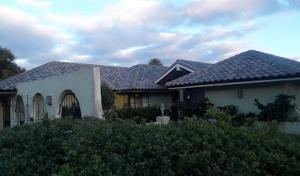
Clay and concrete tile are the defining roof materials in this coastal area, with Mediterranean-inspired and coastal architectural styles dominating upscale neighborhoods and Collier County communities. The look matters here: the profile, texture, and color of the tile often carry as much weight as the roof's functional performance. When planning repairs or replacement, matching the existing tile profile and glaze becomes a practical constraint you'll encounter far more often than in markets that lean on shingles. If your home has a distinctive curved barrel or a flatter flat tile, aim to source exact profiles from the original supplier or catalog, and bring an objective sample to the installer to ensure a seamless visual transition.
In high-wind events, the Achilles' heel of tile roofs isn't always the underlayment-it's the tiles themselves. After a storm, you may find cracked, slipped, or dislodged tiles even when the underlayment did its job as the water barrier. That's because the water barrier often stays intact, but a single displaced tile opens a small path for rain and wind-driven spray to reach the roof deck, which can lead to localized water intrusion if not addressed promptly. The result is a visible telltale pattern along the rake edges or near roof returns where wind pressure concentrates. Salt-laden air accelerates corrosion on metal components and fasteners, so it's wise to inspect not only the tiles but also the clips, screws, and edging accents during and after storm season. A quick, staged check immediately after a major event can prevent a minor issue from becoming a costly repair.
Because Naples features many homes with pronounced rooflines, inspections should pay particular attention to edge tiles and hips where wind exposure can be greatest. When you're up on a ladder, look for cracks that traverse the tile, loose fasteners, and any signs of tile-to-tile movement. If you find cracked or dislodged pieces, do not assume a temporary fix is sufficient-replace or re-seat the tile to maintain the integrity of the water barrier and the roof's wind resistance. For visually matched repairs, keep a record of the tile maker, profile, color code, and size to guide a precise replacement. In areas with heavy shade or coastal views, even a slight color variance can stand out, so plan color-matched or intentionally blended replacements with your contractor.
Matching tile profile and color after repairs can be more challenging here than in markets with flatter, more common shingles. Your best outcome hinges on sourcing an exact tile from the same batch or a close, approved match from the original manufacturer. If a perfect match isn't possible, you'll need to decide whether a new tile set should be integrated gradually over time or replaced across a larger section to maintain visual continuity. For tile roofs, the aesthetic impact of a mismatch can feel more pronounced when the roofline is a prominent feature of a home's curb appeal. Communicate clearly with the installer about the desired outcome, and request a sample board or digitally rendered comparison before any work begins.
Adopt a proactive maintenance cadence that aligns with Naples' dry season and storm cycles. Schedule a tile-by-tiple inspection after the busiest storm months, and include a lightweight cleaning of debris from eaves and valleys to prevent moisture pooling. During routine care, verify that flashing around chimneys and vents remains sound, as wind-driven rain can exploit small gaps. If repairs arise, prioritize those that preserve the tile profile and color continuity as the area's distinctive look anchors the home's value and curb appeal. In Naples, a well-maintained tile roof is as much about preserving the coastal aesthetic as it is about safeguarding the structure against the next hurricane.
Find contractors who specialize in clay and concrete tile roofs, known for their durability and curb appeal.
King Roofing Service
(239) 688-5337 www.kingroofing.com
1755 J and C Blvd, Naples, Florida
4.9 from 230 reviews
Florida Roofing & Construction
(239) 778-8573 www.floridaroofingandconstruction.com
5081 Tamiami Trl E, Naples, Florida
5.0 from 111 reviews
R4 Roofing & Reconstruction
3822 Exchange Ave, Naples, Florida
5.0 from 120 reviews
King Roofing Service
(239) 688-5337 www.kingroofing.com
1755 J and C Blvd, Naples, Florida
4.9 from 230 reviews
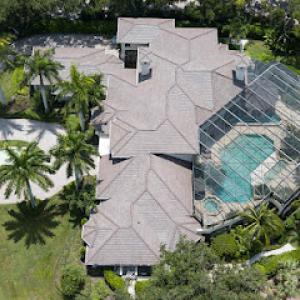
King Roofing Service in Naples provides professional roof replacements built to handle Southwest Florida’s intense sun, heavy rainfall, and hurricane-season winds. With over 45 years of local experience, our team offers detailed roof inspections, durable replacement options, and expert installation to protect homes from moisture and storm-related wear. Founded on the belief of doing the job right every time, we help homeowners update aging roofs and enhance curb appeal. As trusted roofing contractors, we’re known for quality service, craftsmanship, and long-standing community commitment.
Florida Roofing & Construction
(239) 778-8573 www.floridaroofingandconstruction.com
5081 Tamiami Trl E, Naples, Florida
5.0 from 111 reviews
Roofing Company
R4 Roofing & Reconstruction
3822 Exchange Ave, Naples, Florida
5.0 from 120 reviews
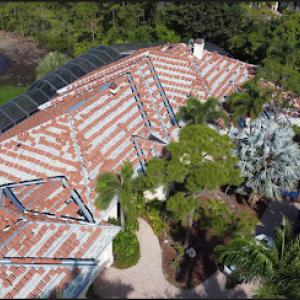
R4 - Florida is a premier roofing & reconstruction company serving Naples and surrounding Florida areas. We specialize in commercial & residential roofing services, including roofing repairs, replacements, metal, tile, & shingle roofing. As experienced contractors, we excel in home renovation and remodeling, offering bathroom renovations, kitchen renovations, complete home makeovers, & outdoor projects. Our professional roofers & renovation experts ensure top-quality craftsmanship, backed by over 35 years of experience. Need roof financing? We make it hassle-free. Trusted by businesses & residents alike, we deliver exceptional services at fair prices. Contact us today for expert renovation and roofing solutions from Naples' top contractors
Dc Roofing Fl
(239) 350-7663 www.dcroofingfl.com
1630 Chesapeake Ave, Naples, Florida
4.9 from 183 reviews
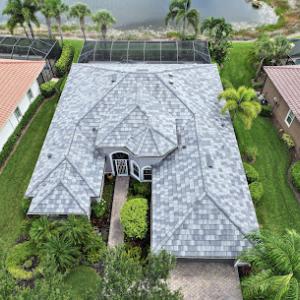
At DC Roofing FL we are a roofing company located in SWFL who strives to meet and exceed our customers needs. We specialize in roof replacements, roof repairs, emergency services, waterproofing your roof and roofing ventilation needs. Having extensive knowledge on tile, shingle, metal, flat decks and tpo systems allows us to provide excellent service. Our motto is simple "treat others how we would want to be treated." As such we strive to educate and empower our customers so that they can make the best decisions for their needs. We are fully licensed (CCC1333215) and insured. Our company is geared to tackle both residential and commercial projects. Call today at 239-350-ROOF to schedule your free roof inspection or free roofing estimate.
Lint Sweep Chimney & Dryer Vent Cleaning Services
5999 Pine Ridge Rd, Naples, Florida
5.0 from 73 reviews
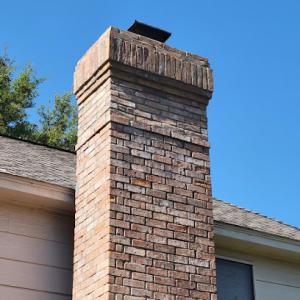
At Lint Sweep Chimney & Dryer Vent Cleaning Services, situated in Naples, Florida, we take pride in offering unmatched comprehensive chimney and dryer vent cleaning services. Committed to delivering exceptional results, our highly skilled and experienced technicians prioritize quality and customer satisfaction above all else. We ensure every chimney we service is thoroughly cleaned, enhancing its safety and efficiency. Trust our team to handle everything from routine maintenance to complex repairs with the utmost expertise and professionalism, ensuring your home operates seamlessly and safely.

Cathedral Roofing Innovations
(239) 360-9571 www.cathedralroofingflorida.com
1810 J and C Blvd STE 10, Naples, Florida
4.9 from 280 reviews
Cathedral Roofing Innovations is your trusted roofing contractor in Naples, FL, providing top-quality roofing solutions for residential and commercial properties. We specialize in residential reroofing, commercial reroofing, roof repair, and roof replacement, ensuring durability and long-term protection for your property. Our expert team is committed to delivering high-quality craftsmanship, using premium materials to withstand Florida’s climate. Whether you need a minor repair or a complete roof overhaul, we provide reliable and efficient service tailored to your needs. Contact us today to protect your home or business with industry-leading roofing solutions!
Local Repairs & Reroofs Of Naples Florida
(239) 877-3444 local-roofs.com
3690 15th Ave SW, Naples, Florida
5.0 from 47 reviews
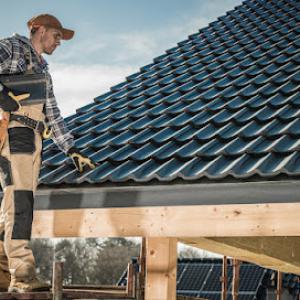
Local Repairs & Reroofs is a trusted roofing contractor Naples Florida, serving both residential and commercial clients. We specialize in shingle, tile, metal, EPDM, and flat roofing systems, making us one of the top-rated Naples roof installation companies. Whether it’s reroofs, new construction, or storm damage, our team delivers expert results you can rely on. Recognized among the best roofing contractors near me, we pride ourselves on quality materials, skilled workmanship, and dependable service. From emergency leak fixes to complete replacements, our roof repair services near me and professional roofing repair in Naples FL protect your property and investment year-round.
Massey Construction Group, Inc. - Roofing Services
(844) 784-7663 masseyroofingservices.com
5037 Tamiami Trl E, Naples, Florida
4.8 from 191 reviews
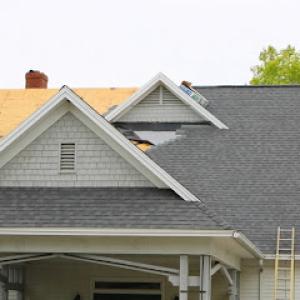
Seeking a top-tier roofing contractor in Southwest Florida? Choose Massey Construction Group! Our seasoned team of roofing specialists is committed to delivering superior quality and unmatched customer service. From minor repairs to full-scale roof replacements, we ensure every project meets the highest standards. Trust us to keep you covered!
Amherst Roofing
(239) 354-1133 amherstroofingnaples.com
107 12th St NE, Naples, Florida
5.0 from 39 reviews
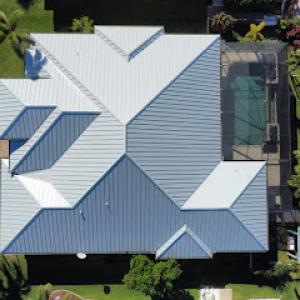
"Family-owned and operated since 1990, our roofing business has proudly served Southwest Florida for over three decades. Now in our second generation, we carry on the high standards set forth by our founder, providing expert roofing solutions for residential and small commercial clients. From durable shingles to sleek metal, elegant tile, and versatile flat roofs, our skilled team ensures quality and reliability in every project. Trust us for professional, dependable roofing services built on experience and dedication to our community."
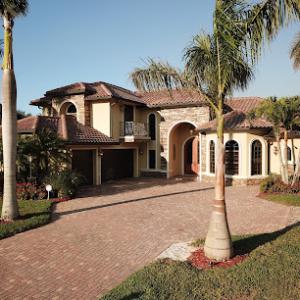
Halo Roofing
(239) 300-8892 www.haloroof.com
295 Burnt Pine Dr, Naples, Florida
5.0 from 38 reviews
Halo Roof is a trusted roofing company specializing in roof repair, replacement, and storm damage restoration for residential and commercial properties. With years of experience and a commitment to quality workmanship, Halo Roof ensures every project is completed efficiently and reliably. From minor repairs to full roof replacements, the team uses top-grade materials and follows industry best practices to protect your property and enhance its value. Dedicated to excellent customer service, Halo Roof provides professional guidance throughout the roofing process, helping clients navigate insurance claims, storm damage repairs, and preventative maintenance.
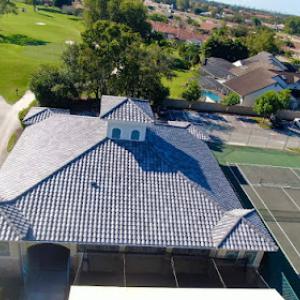
Mighty Dog Roofing
(239) 610-4884 www.mightydogroofing.com
1110 Pine Ridge Rd Ste 301, Naples, Florida
4.9 from 58 reviews
Mighty Dog Roofing specializes in Roofing, Storm Damage Repair, gutters . A locally owned and operated company is your choice for servicing Naples, Florida and surrounding areas. Mighty Dog Roofing is the most trusted name in the roofing industry, offering state-of-the-art 25 point inspections using our GoLive and Drone Superscan technology. This technology, matched with the highest quality products and superior workmanship, allows you to have peace of mind on the most important investment you have - your home. Do you keep your roof “top of mind”? Our Mighty Watchdog Maintenance Program keeps an eye out for any issues today to avoid big repairs or replacements tomorrow.
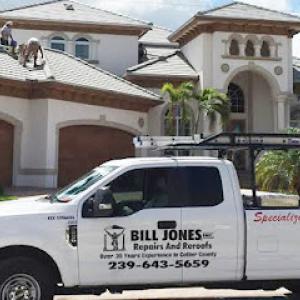
Bill Jones Roofing & Repairs
(239) 643-5659 billjonesroofing.com
4505 Mercantile Ave, Naples, Florida
4.9 from 73 reviews
New Naples Roofs: Investing in a new roof is a significant decision for any Naples Florida homeowner. At Bill Jones Roofing, we understand the importance of a durable and visually appealing roof. We offer a variety of roofing options to suit your preferences and budget. Whether you’re drawn to the sleek and modern look of metal roofs, the classic charm of Naples tile roofs, or the cost effective shingle roofs, our team of Naples roofing contractors are equipped to deliver impeccable results. Naples Roofing Repairs: Is your current roof showing signs of wear and tear from high winds and the recent storms? Don’t let minor issues escalate into major roof repairs. Our skilled Naples roofing contractors specialize in efficient and effective r...
Coastal salt spray in Naples can accelerate corrosion of metal roof components year-round, especially on homes closer to the Gulf and bayside exposures. The salt-laden air keeps working on steel, aluminum, and copper fittings long after a storm passes, and that wear compounds over time when a roof sits in the open with only thin barriers between metal and air. In this market, the problem isn't only what you can see on the surface; hidden metal accessories can deteriorate before the field material shows a sign of fatigue.
Fasteners, flashing, vents, and edge metals are more vulnerable in this market than inland Florida locations because of the marine environment. Those parts face the direct spray of salt, humidity, and occasional blast-drying winds from passing squalls. Even if the main roofing material holds up, a failed fastener or corroded edge trim can create leaks or wind vulnerability that undermines a roof's overall performance. Corrosion risk affects material selection and maintenance planning even on tile roofs, since exposed and concealed metal accessories can fail before the field material does.
Focus on corrosion resistance when choosing components and planning upkeep. For metal fasteners and clips, consider stainless steel or hot-dip galvanized options with proven salt-spray longevity, and insist on corrosion-resistant flashing in bays where spray can pool. Vent caps and roof edge metals should be selected for marine-grade finishes and compatible coatings that resist salt and creeping moisture. Since tile roofs conceal many metal pieces, ask for a detailed installation plan that minimizes exposed seams and uses sealing methods designed for coastal environments. Regular maintenance is essential: after heavy surf-driven winds or tropical showers, rinse vulnerable areas with fresh water to reduce salt residue, and inspect metal components for signs of pitting, discoloration, or loose connections.
Beyond routine checks, plan a targeted review after each hurricane season or major coastal storm, paying careful attention to flashing strips, coping stones above eaves, and any metal underlayment or ventilation pathways. If a component shows early signs of corrosion or loosens, address it promptly to prevent cascading failures that could compromise tile performance or wind resistance. In a coastal tile-heavy home, you're balancing curb appeal with proactive care-preserving both while acknowledging that salt air will demand more vigilant upkeep than inland equivalents.
Explore specialists in steel, aluminum, and standing seam metal roofs built to last 50 years or more.
Florida Roofing & Construction
(239) 778-8573 www.floridaroofingandconstruction.com
5081 Tamiami Trl E, Naples, Florida
5.0 from 111 reviews
R4 Roofing & Reconstruction
3822 Exchange Ave, Naples, Florida
5.0 from 120 reviews
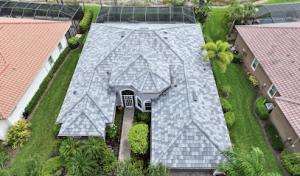
Dc Roofing Fl
(239) 350-7663 www.dcroofingfl.com
1630 Chesapeake Ave, Naples, Florida
4.9 from 183 reviews
A full re-roof in Naples requires a building permit through the City of Naples or Collier County jurisdiction, depending on the property location. Before any tearing, you confirm whether the project falls under municipal rules or county code, then align with the exact permit type and submission window. The permit package typically includes project scope, roof type, and a construction timeline that reflects local hurricane-season realities and coastal exposure.
The local process requires a licensed contractor, permit application, and inspections during installation and at final completion by the local building department. Start with selecting a contractor who has proven experience with tile and coastal wind requirements, as Naples-area homes have specific wind-resistance expectations. The contractor files the permit, posts any required notices on-site, and coordinates inspection dates so weather and offshore breezes don't derail the schedule.
Inspections occur at key milestones during the re-roof build, not just at the end. Expect a rough-in inspection after deck and underlayment are in place, another at tile or shingle installation, and a final review once the cap sheets, flashings, and penetrations are complete. In hurricane-prone neighborhoods, inspectors will pay close attention to nailing patterns, underlayment compatibility with tile, and the integrity of coastal fasteners. Stay ready for minor adjustments if an item doesn't meet wind-resistance documentation standards.
Some Naples-area projects may also need wind mitigation documentation, which can affect both permit closeout expectations and later insurance paperwork. If required, this documentation may verify roof cover, primary and secondary barriers, and fastener details that demonstrate wind resistance. Work with your contractor to ensure these records are collected and submitted with the final inspection packet so you don't encounter delays at policy renewal or claim time.
At final completion, the building department issues a certificate of completion or equivalent approval. Keep the issued permits, inspection clearances, and wind mitigation notes together in your home records. If you anticipate a future sale or insurance update, having the wind documentation readily available expedites disclosures and keeps your coastal home compliant with local hurricane standards.
Naples cost ranges are strongly shaped by the local mix of asphalt shingles, clay tile, concrete tile, synthetic/composite shingles, slate, and fiber cement shingles. In coastal neighborhoods, you'll notice more tile installations, which nudges average project totals higher than in many Florida cities that lean toward shingles. The overall price picture reflects both material choice and the typical roof footprint of upscale, tile-heavy homes along the coast.
Tile-dominant stacks mean that clay and concrete tile carry the highest common installed ranges in this market. Clay tile commonly falls toward the upper end of the per-square spectrum due to weight, fastener requirements, and careful underlayment needs, while concrete tile sits similarly elevated because of its bulk and labor intensity. Synthetic or composite shingles offer a more price-stable option in projects with large roof areas, but they still must contend with Naples' wind and salt exposure, which can influence fastener choices and warranty expectations.
Asphalt shingles run roughly from 350 to 700 USD per square, offering the most economical route but with less wind-resistance leverage in hurricane-prone zones. Clay tile sits around 900 to 1700 USD per square, reflecting its durability and the equipment needed for installation on heavier roofs. Concrete tile runs about 800 to 1500 USD per square, similar in cost drivers to clay but often heavier and more labor-intensive to install. Synthetic/composite shingles span 350 to 800 USD per square, providing easier handling with reasonable resilience. Slate and fiber cement shingles command higher and mid ranges respectively, with slate frequently in the 1200 to 2500 USD per square bracket and fiber cement from 600 to 1100 USD per square.
Storm-season demand spikes, the pace of installation on large coastal homes, and the need for durable, wind-rated assemblies can push Naples re-roof pricing beyond simple material costs. When pricing, consider the potential for enhanced fasteners, underlayment quality, and wind-resistance documentation that often accompanies tile-heavy rebuilds in this market. The goal is a roof that stands up to Gulf-coast storms while preserving the upscale curb appeal that coastal neighborhoods expect.
The most popular roofing material in the US. Find pros who install, repair, and replace asphalt shingles.
Dc Roofing Fl
(239) 350-7663 www.dcroofingfl.com
1630 Chesapeake Ave, Naples, Florida
4.9 from 183 reviews
Amherst Roofing
(239) 354-1133 amherstroofingnaples.com
107 12th St NE, Naples, Florida
5.0 from 39 reviews
Bill Jones Roofing & Repairs
(239) 643-5659 billjonesroofing.com
4505 Mercantile Ave, Naples, Florida
4.9 from 73 reviews
In the days after a storm, you are entering a high-stakes conversation with the insurance company. Naples homeowners operate in Florida's high-claim insurance environment, where wind-related losses and insurer consolidation can affect deductibles and roof replacement scrutiny. An adjuster will often request photos of the damaged areas, wind mitigation details, and policy-specific documentation before any approval. Have clear, dated photos showing the entire roof, any lifting or delamination, and fittings around penetrations. If your roof is tile-heavy, document broken tiles and flashing, since tile damage can trigger broader assessments than asphalt repairs. Be prepared to provide a professional evaluation and notes on previous repairs. Trust but verify what the adjuster says about wind-rated components and fastener counts; those details matter when a claim is reviewed.
Because hurricane exposure is central to this market, insurance decisions in Naples often influence whether owners pursue repair, full replacement, or pre-storm upgrades. If the assessment flags widespread wear or limited remaining life, negotiating a full replacement under the claim may be the most economical long-term choice. A repair-only approach can be tempting, but if the roof cannot resist the next gust, you risk repeated claims and higher premiums. Consider upgrading to more wind-resilient tile or implementing additional underlayment, especially on coastal blocks where salt air accelerates wear.
After a storm, act quickly to assemble documentation: photos, wind mitigation forms, and the policy clause language. Delays can complicate approvals, so keep a running file with dates and contractor invoices. Your local contractor can help compile a package that aligns with what Naples-based adjusters expect, reducing back-and-forth and keeping your project on track.
Connect with contractors who help homeowners navigate the claims process from damage assessment to final approval.
Dc Roofing Fl
(239) 350-7663 www.dcroofingfl.com
1630 Chesapeake Ave, Naples, Florida
4.9 from 183 reviews
Massey Construction Group, Inc. - Roofing Services
(844) 784-7663 masseyroofingservices.com
5037 Tamiami Trl E, Naples, Florida
4.8 from 191 reviews
In this market, flat-roof work shows meaningful demand on additions, lanais, multifamily sections, and some commercial properties. The coastal character-salt air, Gulf exposure, and frequent afternoon showers-shapes what lasts on a low-slope surface. While tile remains the signature, flat-roof sections still demand attentive detailing and regular checks, especially where the roof ties into a larger coastal home.
Naples experiences heavy, repeated summer rains that push ponding to the forefront of concerns. Start with a thorough drainage plan: verify the slope toward primary scuppers or internal drains, confirm unobstructed flow paths, and measure ponding time after a heavy downpour. On older builds or additions, inspect transitions where flat roofs meet existing surfaces; even small misalignments can trap water and expose flashing weaknesses quickly. A tested, well-sealed drainage system reduces the risk of leaks during the season's peak.
Flat-roof sections share the same salt-air exposure that harms metal edge details and penetrations. Inspect metal flashings, edge trim, and fasteners for corrosion every season, especially where salt spray travels inland with sea breezes. Plan for periodic replacement of vulnerable components and consider edge materials known for salt resistance. Penetrations-vents, drains, and skylights-must have reinforced sealing and corrosion-resistant hardware, with a maintenance routine that prioritizes lube and reseal after heavy rains or wind events.
Choose assemblies designed for coastal performance: robust membranes, compatible insulation, and reliable seam details. On additions or lanais, ensure the flat roof assembly integrates with the main roof deck to avoid hidden cold joints that invite leaks. During replacement, document wind-resistance features and verify that flashing transitions stay secure under tropical wind loads. Regular interior and exterior inspections catch issues early, before they escalate into costly repairs.
Find specialists in TPO, EPDM, and built-up flat roofing systems for residential and commercial properties.
King Roofing Service
(239) 688-5337 www.kingroofing.com
1755 J and C Blvd, Naples, Florida
4.9 from 230 reviews
Dc Roofing Fl
(239) 350-7663 www.dcroofingfl.com
1630 Chesapeake Ave, Naples, Florida
4.9 from 183 reviews
Local Repairs & Reroofs Of Naples Florida
(239) 877-3444 local-roofs.com
3690 15th Ave SW, Naples, Florida
5.0 from 47 reviews
A Naples home with skylights or solar-related penetrations must be treated with rigorous flashing and sealant details. The summer thunderstorms bring intense rainfall, and quick reveals of weak detailing can lead to leaks that show up on tile roofs long after a storm has passed. Moisture intrusion travels along dead valleys and under curb-mounted units with lightning-fast speed, especially where tiles meet penetrations. In dry-season windows, the heat compounds aging flashings, making careful inspection essential before the wet season returns.
In a hurricane-prone coastal market, every added roof penetration has to be evaluated in the context of wind-driven rain and uplift exposure. Tile roofs, while elegant, can magnify the effect of wind pressure around irregular shapes or protrusions. A small vent or satellite dish may become a problem if the tying-in detail isn't engineered for high wind speeds and salt-laden air. Consider how penetrations align with the roof's ridges and hips, and how flashing transitions on clay or concrete tile interact with the underlayment. A sloppy detail near the eave or hip can create a path for water to travel under battens and through fastener columns.
These details matter more on high-visibility tile roofs, where accessory integration can be harder than on simpler shingle systems. Aesthetic considerations must align with functional integrity; a sleek solar array or skylight that looks great at installation can become a focal point for damage if flashing isn't continuous and corrosion-resistant. Salt air accelerates wear on metals used for flashings and mounting hardware, so every add-on should be paired with compatible materials and reinforced seals. When planning upgrades, verify that the chosen method preserves the roofline's silhouette while delivering reliable drainage and wind resistance.
Find contractors experienced in skylight installation, flashing, and leak repairs to bring natural light into your home.
Dean Wilson Roofing
(239) 440-2504 www.roofingcompanyinnaplesfl.com
3539 Malaga Way, Naples, Florida
4.8 from 55 reviews
My Metal Roof of SWFL
(239) 352-1161 mymetalroofofswflinc.com
3585 33rd Ave NE, Naples, Florida
5.0 from 22 reviews