
Last updated: Apr 19, 2026
Bonita Springs sits in a Southwest Florida hurricane-risk zone, and June through November storms can interrupt active roof jobs and create sudden demand spikes for tarping and temporary dry-in work. If a storm rolls in, the first priority is wind and water protection for your home. Have tarps, protective boards, and a ready-to-go emergency quick-dry plan so a contractor can deploy within hours, not days. After a hit, a rapid, organized response minimizes interior damage, protects roofing components, and buys you time until a full assessment can be completed.
Florida's high-claim insurance environment affects you directly, with carriers often requesting detailed roof age, wind-mitigation, and replacement documentation before or after claims. Gather and preserve your roof's age documentation, any wind-mitigation certificates, and prior maintenance records. Take clear, dated photos from multiple angles, including close-ups of fasteners, flashing, and any damage from the prior storm season. Keep a running log of repairs and vendor communications, so when the adjuster arrives you can demonstrate a well-documented history of your roof's condition and the timeline of events.
The local contractor signal mix shows storm damage, emergency repair, and insurance-claim assistance as some of the most prevalent specialties in this market, indicating that post-storm response is a core homeowner concern here. When selecting help, prioritize firms with a proven track record in storm response and insurance coordination. Look for teams that offer rapid tarping, on-site dry-in capabilities, and direct assistance with submitting documentation to insurers. Verify licenses, safety records, and customer references, especially those who have handled claims with the same carrier as yours. A solid post-storm partner should be able to triage the damage quickly, isolate urgent repairs, and map out a realistic timeline for full replacement if needed.
Before a storm: assemble a storm-response kit with tarps, roof nails, plastic sheeting, and a contact list of trusted local roofers who routinely handle insurance claims. After a storm: conduct a quick damage check from ground level if safe, document anything visible, and contact your insurer promptly to initiate a claim. If access is restricted by debris or flooding, line up emergency repair services to create a dry-in and prevent further leakage, while your claim is being processed. Maintain a clear line of communication with your adjuster, share photos and logs, and keep all receipts for any emergency work in one folder. In Bonita Springs, a prompt, documented response reduces the risk of secondary damage from salt-laden humidity and wind-driven debris, and it helps align the final replacement path with your insurer's expectations.
Bonita Springs' housing stock blends clay tile, concrete tile, metal, aluminum, and asphalt, with tile especially common on Southwest Florida residential architecture and HOA-style neighborhoods. This mix translates into practical realities for replacement and upgrade decisions: the roof is often a visible asset in a sun-drenched, salt-laden climate, and the local market treats wind resistance, color stability, and long-term maintenance as non-negotiables.
Hot sun and high humidity accelerate aging of the underlayment beneath tile systems, even when the surface tiles still look serviceable. Frequent afternoon storms add sudden wind and rain, testing edge fasteners and flashing. In Bonita Springs, the area's salt exposure also means components near the coast face faster corrosion and need careful material matching. When evaluating tile versus metal, focus on how each system behaves under the Gulf-coast cycle: sun-scorched days, humid nights, and quick, intense storms.
Clay and concrete tiles bring a classic look that matches many Southwest Florida streetscapes and HOA guidelines. Tiles can flex with substrate movement, but the underlayment underneath is where aging tends to show up first in this climate. A tile roof often requires a robust, well-sealed underlayment and careful detailing at hips, valleys, and penetrations to resist wind-driven rain. If a tile roof has survived sun and storms for years, a careful inspection should concentrate on cracked or hollow tiles, broken fasteners, and the condition of flashing along the edges. Replacement decisions should weigh not just the tiles but the integrity of the entire roof assembly and how well the underlayment has held up to humidity and heat.
Metal and aluminum roofs are popular locally because they're seen as durable against coastal winds and often lower maintenance in this climate. In practice, metal offers clean lines, rapid rain shedding, and fewer crevices for debris. The challenge in this market is matching coastal hardware, fastener coatings, and sealants to resist salt exposure and prevent corrosion at clips, ridge caps, and flashing. In regions with frequent thunderstorms, metal roofs can perform well if the installation includes properly seated panels, sealed seams, and corrosion-resistant coatings. Color choices also matter; lighter shades can reflect heat more effectively, potentially reducing attic temperatures and prolonging the life of underlayment components.
Regardless of tile or metal, the underlayment is a critical line of defense against Bonita Springs' climate. Tile roofs depend on a continuous, well-sealed layer beneath the surface to prevent moisture intrusion from humidity and rain. Metal roofs rely on precise sealing around penetrations and at seams to keep out spray and humidity-driven corrosion. In both cases, the age and condition of the underlying decking, ventilation, and attic barriers influence long-term performance. A proactive homeowner approach means planning for periodic attic and vent inspections after major storms and keeping an eye on any signs of moisture intrusion or heat buildup.
Maintenance in this market centers on keeping moisture out and minimizing corrosion opportunities. For tile roofs, this means regular inspection of grout, fasteners, and flashing, plus timely replacement of cracked components. For metal roofs, focus on sealant integrity, panel fastening, and corrosion-resistant coatings, especially near coastal edges and near ventilation penetrations. In HOA neighborhoods, consistent maintenance standards can help preserve curb appeal and prevent localized deterioration that triggers broader repairs.
When choosing between tile and metal in this environment, assess how each option aligns with your home's orientation, elevation, and exposure to storms. Tile offers a classic aesthetic and proven performance with the right underlayment, while metal delivers aggressive wind resistance and straightforward maintenance in coastal conditions. In both cases, prioritize a thorough assessment of the underlayment, flashing, and fasteners, and tailor the final choice to your roof's specific exposure, budget, and long-term maintenance plan.
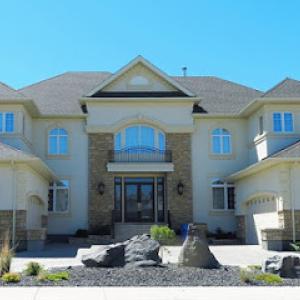
Epic Roofing & Exteriors
(239) 214-3445 www.epicroofs.com
9990 Coconut Rd, Bonita Springs, Florida
4.9 from 503 reviews
Epic Roofing is a locally owned and operated company serving Southwest Florida. With over 30 years of experience, we pride ourselves on our knowledge, efficiency, and the quality of our work. We provide a variety of residential and commercial roofing services including roof installations, re-roof, roof repairs, roof maintenance and more for shingle, tile, metal and flat roofing systems. We build business using a customer-first approach, and our commitment to excellence and customer satisfaction runs from the first call to the completion of each and every project.
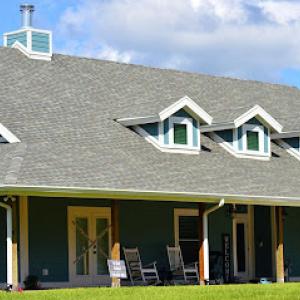
First Response Roofing
10971 Bonita Beach Rd SE # 2, Bonita Springs, Florida
4.9 from 78 reviews
First Response Roofing, Inc is a trusted roofing contractor committed to providing homeowners with reliable roof replacement in Bonita Springs. Our team, with over 90 years of combined experience, ensures that each job is completed with the highest standards of craftsmanship and attention to detail. We believe in transparency, educating our clients, and maintaining a hands-on approach throughout the entire process. Whether it's roof repairs or replacements, we prioritize quality work and timely completion to exceed your expectations. At First Response Roofing, Inc, we’re focused on delivering roofing done right the first time, every time. Call us today to schedule your roof replacement and see how we can help!

The Roofing Brothers of Naples
(239) 691-9501 theroofingbrothers.com
10979 K Nine Drive, Bonita Springs, Florida
4.8 from 45 reviews
Since 2012, The Roofing Brothers have proudly served the SW Florida area in both commercial and residential roofing. We are a family owned business, and highly value our customer relationships through providing the best roofing systems and client experience. Our knowledge, workmanship, and attention to detail are an integral part of who we are as a company, and we hope to continue to share these aspects within our community.
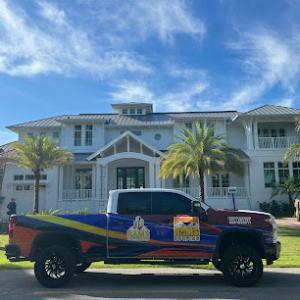
Rams Roofing
(239) 221-8752 ramsroofingllc.com
10956 K Nine Drive #1, Bonita Springs, Florida
4.7 from 96 reviews
Are you building a new home? Do you want to replace your worn roof? Rams Roofing, LLC employs skilled roofing team who are passionate about meeting your needs and budget. Rams Roofing is serving Bonita Springs, Florida and surrounding areas.
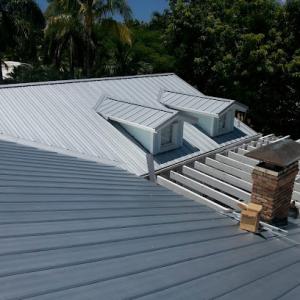
Ark Eco Construction & Roofing
(239) 900-1519 arkecogreen.com
9990 Coconut Rd #3440, Bonita Springs, Florida
5.0 from 20 reviews
THE FRONTIER OF SUSTAINABLE CONSTRUCTION. Looking for a high-quality Roofing & Solar Construction Company in Bonita Springs, Florida? At ARK ECO, we pride ourselves on being at the forefront of sustainable construction technology. Roofs are undoubtedly one of the most important parts of any building. Not just in terms of design, roofs are also an integral part of the entire functionality of a building. Roofs protect against harsh conditions & elements therefore, they need to be well maintained annually. When natural disasters strike, having the power to your building or home can mean the difference between hours or multiple days of survival.
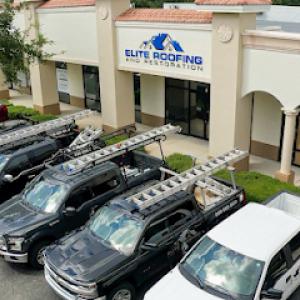
Elite Roofing & Restoration
(239) 307-7708 www.eliteroofingandrestoration.com
25091 Bernwood Dr # 9, Bonita Springs, Florida
4.6 from 43 reviews
A locally owned family business, Elite Roofing And Restoration proudly serves Naples, FL and all of the surrounding areas. We specialize in residential and commercial roofing and gutters and are always available to walk you through the insurance claim process.
GWR | Gulf Western
(239) 949-9200 gulfwesternroofing.com
12622 Trade Way Dr #4, Bonita Springs, Florida
4.1 from 29 reviews
Gulf Western Roofing's comprehensive services range from new construction to roof maintenance, repair, flat roofing, metal roofing, hurricane response, aluminum services, to cutting-edge solar and energy solutions. We’re more than contractors—we’re your neighbors. As a fully licensed and insured Florida roofing company, we take pride in protecting homes and businesses across the state with materials, craftsmanship and reliability that exceed expectations.
Carroll Bradford Roofing
11338 Bonita Beach Rd SE Suite 104, Bonita Springs, Florida
5.0 from 5 reviews
Carroll Bradford Roofing, a premier roofing company located in Naples & Bonita Springs, Florida specializes in roof installation, repair, and replacement on a variety of roof types including: tile, metal, shingle, flat, and steep or low slope. Our Naples & Bonita Springs roofers commit to helping you get the job done right and offering the best service to both commercial and residential customers at competitive rates.

Price Roofing
(239) 777-0646 www.priceroofing.net
27256 Barbarosa St, Bonita Springs, Florida
4.7 from 6 reviews
Naples Trusted Roofing Company. We do roofing repairs, inspections, cleaning, and consultations. Regular roof inspection services can help in diagnosing a problem before it arises and gets worse. Speak with the staff at Price Roofing for roof repairs & inspections in and around Naples, FL! We can help you with metal, shingle, tile and flat roofs.
Paul Marcum Construction
10651 Strike Ln, Bonita Springs, Florida
4.7 from 3 reviews
Our roofing contracting firm focuses on commercial, residential construction and remodeling, specifically storm damage roofing with quality building standards. Inspect problem roofs to determine the best procedures for repairing or replacing them. Our customers appreciate our attention to detail and our commitment to the use of sustainable, high-quality materials. We inspect problem roofs to determine the best procedures for repairing them. Then cover roofs of structures with shingles, slate, asphalt, aluminum, wood, and related materials as needed. Estimate roofing materials and labor required to complete jobs, and provide price quotes. Give us a call we can help you with all your roofing needs.

Kelly Roofing
(239) 266-8289 www.kellyroofing.com
Serving
4.6 from 925 reviews
We have been a family-run business for over thirty years. Our dedication to combining old world building principles, cutting-edge technology and continuing education allow us to provide you with the highest quality roofing systems on the market. To ensure your total satisfaction, Kelly Roofing is a certified contractor. Most people think that a new roof is nothing more than just nailing up some roofing products. As a certified contractor we know better-that’s why we recommend Roofing Protection Systems. License # CCC1335529

iRoof
(239) 777-6424 www.iroofflorida.com
Serving
4.9 from 31 reviews
iRoof is a professional roofing and attic repair company serving Southwest Florida. Our expert roofers specialize in an assortment of attic and roof repair services such as roof replacements, attic insulation, concrete tiles, gutter installation, and so much more!
Replacement timing in Bonita Springs is often pushed into the dry season to reduce weather delays from summer thunderstorms and heavy rainfall. When planning, align the project to a stretch of months with low humidity and minimal sudden downpours, typically late fall through early spring. This helps minimize rushed work and reduces the risk of weather-related setbacks that can stall materials on the job site. Coordinate with the crew so delivery and staging occur during a predictable stretch rather than chasing sudden monsoon events.
Prolonged heat and humidity in Bonita Springs can affect adhesive performance and material handling, making crew timing and staging more important than in milder climates. In peak heat, asphalt and synthetics can cure too quickly or lose bond strength if not installed with proper conditions. Concrete and clay tiles gain weight and stiffness in heat, demanding careful lifting and bracing. Schedule the most labor-intensive tasks for cooler portions of the day, and plan for mid-day breaks to protect both workers and materials. If possible, rotate crews to maintain steady progress without exhausting crews during the hottest weeks.
Hurricane season can disrupt both scheduling and material availability in Bonita Springs as regional demand surges after major storms. Expect potential supplier delays and tighter lead times on popular materials when a hurricane hits nearby. Build a contingency buffer into the timeline for ordering specialty components that might be backordered, especially for roofs with larger tile segments or metal systems. Have a clear plan for securing loose materials and protecting the interior during mid-season weather swings. If a storm warning is issued, be prepared to pause work safely and recheck fastener schedules and flashing integrity once winds subside.
Bonita Springs features many tile-roofed homes, and wind compliance matters when choosing replacement materials. The timing should accommodate proper fabrication and on-site wind-rated assemblies, particularly for clay or concrete tiles. Allow extra time for tile layout, interlocking patterns, and rapid-on-site inventory checks after a blow event. In neighborhoods with dense housing, coordinate access routes and staging to avoid congestion and ensure crews can move tiles and underlayment without delaying neighboring homes.
A practical approach is to set a target dry-season start, maintain a rolling schedule that accounts for heat management, and monitor hurricane projections weekly. Keep the homeowner informed of progress milestones and potential weather-driven shifts. In Bonita Springs, a well-timed window that respects local wind codes and material availability reduces the need for mid-project changes and keeps the project on track despite the Gulf Coast climate.
In this Gulf-coast climate, your roof cost picture starts with the material choice and the season you're replacing or upgrading. Local cost ranges run from about 350 to 650 USD per square for asphalt shingles, 700 to 1100 for metal, 900 to 1700 for clay tile, 850 to 1500 for concrete tile, 600 to 1000 for synthetic/composite shingles, and 500 to 900 for aluminum roofing. Those figures reflect not just the panel price, but the full package: underlayment, fasteners, and starter products that perform under salt-laden humidity and strong afternoon winds. When you tour bids, verify that the estimate breaks out these elements so you can compare apples to apples, especially if a contractor proposes more labor-intensive tear-off or tile-specific details.
Hurricane-season demand can shift the price picture quickly. After major storm events, labor and material availability tighten across Southwest Florida, and contractors may see longer lead times or higher bid numbers to cover surge costs. If you're facing a replacement or retrofit during or just after hurricane season, expect bids to carry a premium or for scheduling to push into off-peak months. Planning ahead to secure materials and crew early can help stabilize your overall project cost, particularly fortile options where availability can swing with demand.
Tile-heavy housing stock is a hallmark here, and it translates to more complexity and higher labor costs than a typical shingle roof. Tile systems are heavier and often involve more labor-intensive tear-off, handling, and underlayment work. Clay tile or concrete tile replacements can push costs toward the upper end of their ranges, especially if the old deck requires attention, if broken tiles must be replaced in place, or if roof penetrations-such as for vents or skylights-need careful detailing to maintain wind performance. If your home has a barrel or barrel-tile look, expect crews to allocate extra hours for careful removal, matching, and re-seating, which can push the per-square price up compared with low-profile options.
Beyond material choice, consider the long-term value of wind resistance and insurance documentation that aligns with local expectations. Concrete and clay tiles, while heavier, often provide durable wind performance when installed with proper underlayment and fastening, which can influence insurance considerations and coastal wear. In Bonita Springs, you may find that a slightly higher upfront investment yields better resilience against salt air and the region's wind loads, reducing the likelihood of premature repairs in the years after installation.
The most popular roofing material in the US. Find pros who install, repair, and replace asphalt shingles.
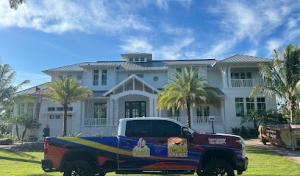
Rams Roofing
(239) 221-8752 ramsroofingllc.com
10956 K Nine Drive #1, Bonita Springs, Florida
4.7 from 96 reviews
Price Roofing
(239) 777-0646 www.priceroofing.net
27256 Barbarosa St, Bonita Springs, Florida
4.7 from 6 reviews

A full roof replacement in this coastal community isn't something to schedule on a quick contractor-only basis. The city requires a building permit, and skipping that process invites costly delays, noncompliance penalties, and headaches with your insurer after a tropical storm season. The permit itself signals that the project aligns with local codes, neighborhood covenants, and the specific wind-resistance expectations that your neighborhood holds. Treat the permit as the first line of defense against later inspections and possible work stoppages.
The local process unfolds in clear stages: plan review, permit issuance, and then staged inspections during the build. Expect a plan review where the contractor submits roof design, fastener patterns, and material choices for approval. If the plan touches framing or structural elements, that review can require adjustments before any physical work starts. Once the plan passes, the permit is issued, and you begin the visible work. Inspections aren't a single checkpoint; they're distributed through the project. At a minimum, a mid-build review can focus on framing and underlayment, ensuring the basic shell is sound under Gulf-coast conditions. A final inspection confirms installation adheres to the approved plans and Florida Building Code requirements. Treat each inspection as a non-negotiable deadline rather than a nuisance, because failing an inspection can halt progress and complicate insurance documentation after a storm.
Because wind exposure and hurricane-season risk are inherent here, you may be asked to supply wind-resistance documentation during the permit and inspection process. This means showing that the chosen roofing system, attachment methods, and underlayment meet Florida Building Code standards for high-wind areas. The documentation helps both the inspector and your insurer verify that the roof will perform under strong gusts and blowing rain. Work closely with the contractor to ensure the chosen materials and fastener patterns reflect the wind-resistance requirements and are correctly referenced in the plans. If documentation is requested, prepare to provide product approvals, installation manuals, and any engineering confirmations that support the wind-rated claim. Missing or inconsistent records can delay approvals and complicate post-storm claims, so organize everything early and keep a dedicated file accessible for inspections and insurance needs.
In this hurricane-prone coast, your roof sits under a relentless lens. Insurance carriers in the area have repeatedly paid out on strong-wind and hurricane losses, which keeps claim reviews tight and expectations higher for every roof repair or replacement. When a storm hits, you may face closer scrutiny of how a roof was repaired or whether it met wind mitigation expectations. That careful review comes with the risk of delays, higher out-of-pocket costs, or even coverage adjustments if a prior repair looks shop-worn or non-compliant during the claim process. The combination of salt air, high humidity, and tile-dominant neighborhoods amplifies damage signals in the eyes of underwriters, so be prepared for a thorough documentation routine.
Carrier pullbacks in parts of Florida echo a broader pattern: coverage options can contract or shift after a major event, and premiums can move in response to the actual loss history experienced by the region. If you are weighing repair versus full replacement, recognize that a rushed or partial fix may invite lender or insurer questions later, especially if a subsequent storm exposes weaknesses. The decision to replace a roof with a clearly wind-rated system can influence an insurer's long-term view of risk. In this climate, the goal is not to chase a quick fix, but to align with a wind-driven protection strategy that stands up to the next season's test.
Detailed photo records, permit records, inspection sign-offs, and wind-mitigation-related documents matter more here than in markets with lighter exposure. Insurers frequently request a robust trail showing your roof's condition, the work completed, and the wind-resistance enhancements installed. Start gathering high-resolution photos before work begins, capture close-ups of underlayment and fasteners, and retain shopping lists of materials chosen to meet wind standards. If something isn't clearly documented, expect questions or delays when a claim is filed. A well-kept file can smooth the path from estimate to approval and reduce post-storm surprises.
Flat-roof work in this market is driven by real local demand, so evaluate drainage paths early in the design. Heavy summer rain can overwhelm marginal slopes, so plan for a minimum positive slope and prove that gutters, scuppers, and overflow details carry water away promptly. In frequent downpours, standing water on low-slope sections accelerates wear at seams and edges, making reliable crickets, edge termination, and proper drain placement essential on every project.
Humidity and repeated thunderstorm wetting shorten the life of vulnerable low-slope details if seams, penetrations, or coatings are neglected. Use coatings and sealants rated for high humidity and for compatibility with the chosen membrane or single-pply system. Ensure all penetrations-lighting, vents, HVAC penetrations, and skylights-are flashed with materials designed for continuous exposure to salt-laden air. Regularly inspect flashings where the roof meets parapets or walls, because those transitions tend to trap moisture and degrade first.
Flat-roof specialists here favor membranes with proven wind and rain performance. When selecting a system, focus on edge details, curvature around curbs, and counterflashing at perimeters. Ensure insulation and roof assemblies are compatible with the local wind exposure and salt air, and verify UV resistance on coatings used for maintenance cycles. In practice, a well-integrated system reduces delamination risk and minimizes resealing work after heavy storms.
Create a seasonal inspection plan that emphasizes low-slope sections, penetrations, and seam integrity after the wet season. Keep an eye on ponded areas after storms and monitor for micro-leaks around penetrations and fasteners. Address early signs of seam separation or coating degradation promptly to prevent accelerated wear during the next thunderstorm season. A proactive approach preserves performance in the face of Bonita Springs' climate realities.
Find specialists in TPO, EPDM, and built-up flat roofing systems for residential and commercial properties.
Epic Roofing & Exteriors
(239) 214-3445 www.epicroofs.com
9990 Coconut Rd, Bonita Springs, Florida
4.9 from 503 reviews
GWR | Gulf Western
(239) 949-9200 gulfwesternroofing.com
12622 Trade Way Dr #4, Bonita Springs, Florida
4.1 from 29 reviews
Carroll Bradford Roofing
11338 Bonita Beach Rd SE Suite 104, Bonita Springs, Florida
5.0 from 5 reviews
In this market, homeowners expect speed after a storm and thorough cleanup once the crew is done. When you call for a project, notice how soon the contractor schedules an on-site visit, how clearly they map out debris removal, tarp placement, and wind-driven debris protection. A firm that treats cleanup as a first-rate service signal is aligning with local storm-response culture rather than chasing cheaper bids alone.
Re-roofing is a strong contractor signal in this area, so anticipate many firms to push replacement rather than minor repairs. If a crew leans toward full tear-off and tile or metal replacement, verify that the scope includes existing underlayment, fasteners, and flashing compatibility with high-wind performance. Ask for a written plan that explains why a replacement is recommended versus patching, based on age, weather history, and roof geometry.
Long-established, family-owned, residential-focused firms are well represented, and homeowners often value a demonstrable local track record. Seek references from nearby neighbors with similar roof types and exposure. A contractor who regularly works in your neighborhood is likelier to understand access, driveways, and the cadence of dry-season scheduling that minimizes disruption.
Prioritize contractors who promise daily notes, photos, or brief progress updates, especially during dry spells when crews can maximize efficiency and maintain sites safely. Confirm who will be on-site, how materials will be staged, and how storm-ready tarping plans will stay in place during high winds. Robust communication helps prevent confusion if a sudden squall hits.
Request a detailed scope of work, a materials list, a project timeline with milestones, and a contact for post-install service. Clear documentation reduces surprises after a storm and supports steady, predictable progress through lead times that align with Bonita Springs' seasonal patterns.