
Last updated: Apr 19, 2026
June through October brings the fiercest risk for the city's roofs. Tropical systems and quick, pounding summer storms can interrupt even well-planned repairs and full replacements. When a storm curtails work, every day without a secure roof edge and wind-rated details becomes a risk for interior damage and escalating repair complexity. Your goal is to advance a plan that keeps crews moving when weather allows, and to stop leaks and wind-driven failures before the next line of storms closes the window.
In this market, code-compliant underlayment and precise nailing patterns matter far more than cosmetic age. After tear-off, inspections focus on wind-resistance details, and a roof can fail a wind test even if it looks new from the ground. Ensure the underlayment type and installation method meet current standards, and insist on a consistent, properly spaced nailing pattern that anchors all layers securely. If a crew suggests shortcuts to "save time," pause and push for documentation showing compliance. The difference between a storm that blows shingles off and one that rides out a season is often a single, well-executed fastening schedule.
The Gulf Coast environment keeps the calendar tight. Replacement timing is driven by the ability to complete the work before the next tropical weather window closes. A delayed schedule isn't just inconvenient; it increases exposure to wind-driven leaks during interim days. Plan for weather contingency: materials stored properly, staging set so crews can move efficiently, and a synchronized sequence from roof removal to underlayment to final cap. If forecasts show an approaching storm, expect the team to re-sequence tasks to protect exposed edges and to secure loose components quickly, rather than leaving the deck exposed.
Before the season hits, inspect roof edge detail, rake and gutter lines, and any vents or skylights that can become leverage points for wind. Reinforce vulnerable areas with hurricane-rated accessories and verify that a wind-rated transition from underlayment to the primary roofing material is seamless along eaves, ridge, and penetrations. During tear-off, confirm that the deck is dry and solidly supported, with fasteners that meet or exceed code expectations. After installation, insist on a comprehensive final walk-through that includes a checklist for wind uplift resistance, along with a temporary protection plan if storms arrive while work is ongoing.
When a storm passes, the first objective is to secure the roof quickly to minimize interior damage. Immediate tarping alone is not enough-verify that flashing around penetrations, valleys, and transitions is sealed against wind-driven water. If any deck holes or damaged fasteners are found during post-storm inspection, address them promptly with the same emphasis on wind performance as during the initial installation. A timely, thorough recovery minimizes the cascading repairs that stretch through the remainder of the season and into the next.
You are not navigating this alone. Keep the contractor's lines of communication open for weather alerts, updated schedules, and contingency plans. Shared vigilance about potential storm timing and a clear sequence for expedited work reduces the chance of days lost to weather and helps ensure your roof maintains its protective role throughout the hurricane season.
When tropical weather pours through the Gulf and winds howl along the coast, roofs take a brutal beating here. After the storm passes, you will notice more than just missing shingles or broken tiles. The combination of heat, humidity, and driving rain can expose underlayment, fascia, and roof-edge details that rarely show up in a routine inspection. In this market, insurers often want dated photos, roof age, repair history, and a clear contractor timeline to document what happened and what's been fixed. If you don't have a clear timeline and a contemporaneous set of photos from the very moment the weather calmed, you're putting yourself at a disadvantage when communicating with your carrier or contractor.
Florida insurers have tightened some coverages, so documenting wind-mmitigation features matters more than ever. Visible losses are only part of the picture. The condition of an older tile or shingle roof might trigger premium adjustments, but the story behind the roof's ability to resist lifting-nail patterns, roof deck attachment, and integrated wind-resistance details-can influence eligibility and costs. After a big wind event, take close-up shots of fasteners, edge detailing, and any repairs you've made in the past. If a prior installation or repair claimed to improve wind performance, gather receipts, specifications, and contractor notes. This isn't just about what you can see; it's about what you can prove to a reviewer who may be evaluating risk from a different angle than you do on a sunny day.
Local demand spikes after major storms can slow scheduling, so planning matters. Temporary dry-in or tarping becomes a practical bridge between damage identification and permanent work permit and installation. If you're facing a backlog, arrange for tarping or a dry-in with a trusted contractor who can act quickly to protect interior spaces. Proactive measures-like securing gutters, protecting vents, and ensuring a watertight entry to the attic-reduce secondary damage by catching the next squall before it finds a weakness. In this market, a steady hand and clear communication with your roofing team can keep shingle or tile losses from turning into broader interior headaches.
The Fort Myers climate pushes tile, metal, and synthetic compositions to the limit, especially when storms come with back-to-back days of wind-driven rain. Consider not only the immediate needs after a storm but how the chosen system will fare during the next season's storms. A knowledgeable local contractor can help you balance recoverability with long-term resilience, ensuring that attic ventilation, underlayment, and fastener patterns are aligned with the home's exposure. The goal is a roof that stands up to the next gust while preserving the integrity of living spaces below.
Connect with contractors who help homeowners navigate the claims process from damage assessment to final approval.
Superior Built Roofing
(239) 345-3429 www.superiorbuiltroofing.com
10231 Metro Pkwy Ste 200, Fort Myers, Florida
5.0 from 135 reviews
Resolute Roofing
(239) 488-2113 resoluteroofs.com
1684 Target Ct, Fort Myers, Florida
4.9 from 473 reviews
Captiva Roofing
(239) 567-9810 www.captivaroofing.com
8801 Business Park Dr #209, Fort Myers, Florida
5.0 from 117 reviews
Superior Built Roofing
(239) 345-3429 www.superiorbuiltroofing.com
10231 Metro Pkwy Ste 200, Fort Myers, Florida
5.0 from 135 reviews
Superior Built Roofing has had a reputation for providing homes and businesses with high-quality renovations using the best materials and greatest craftsmanship since 1997. We pride ourselves on outstanding customer service and amazing results.
Resolute Roofing
(239) 488-2113 resoluteroofs.com
1684 Target Ct, Fort Myers, Florida
4.9 from 473 reviews
Welcome to Resolute Roofing, a premier Veteran Owned and Operated roofing company serving Southwest and Central Florida. We provide top-notch roofing services for residential and commercial clients, delivering expert repair, installation, and replacement solutions. Our team of seasoned professionals is dedicated to precision, care, and excellence in every project. As a respected roofing contractor, we are committed to earning the trust of homeowners and business proprietors alike. With our GAF Master Elite Contractor status, you can trust Resolute Roofing for the highest quality roofing solutions. License # CCC1332887
Captiva Roofing
(239) 567-9810 www.captivaroofing.com
8801 Business Park Dr #209, Fort Myers, Florida
5.0 from 117 reviews
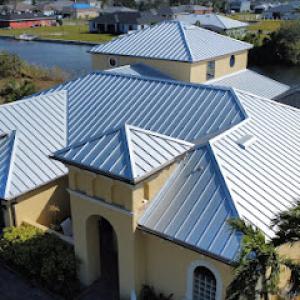
Captiva Roofing is a fully licensed and insured Roofing contractor based in South West Florida but operating throughout the entire state! We pride ourselves on quality workmanship and professional customer service while implementing industry leading technology. We are proficient in all roofing systems and materials including clay and concrete tile, asphalt shingles, metal and flat roof systems.
Durabilis Roofing
(239) 347-9207 www.durabilisroofing.com
12801 Commerce Lakes Dr #29, Fort Myers, Florida
5.0 from 122 reviews
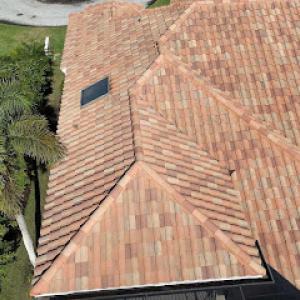
Durabilis Roofing was founded with the vision to refresh the roofing industry by adding top notch customer service and unmatched quality. We do this by constantly looking for better ways to serve our customers to ensure they are safe from all weather elements and have peace of mind when the next storm comes!
Extreme Florida Roofing
(239) 651-7007 extremeflroofing.com
2312 Bruner Ln, Fort Myers, Florida
5.0 from 79 reviews
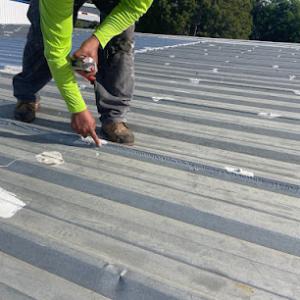
We are a Locally Owned & Operated, Licensed & Insured Roofing Contractor providing Commercial & Residential Roofing Services in SWFL. License #CCC1333523 We currently serve residential roofing and commercial roofing clients in Southwest Florida, including Fort Myers, Fort Myers, Cape Coral, Port Charlotte, Lehigh Acres, Bonita Springs, Estero, Sanibel, Captiva, Punta Gorda, Clearwater, Boca Grande, Sarasota, Naples, St. Petersburg, Tampa, and more. Our team of roofers provide clients with new roof installation, roof replacements, roof repairs, annual roof maintenance plans, and more. Contact us Today!
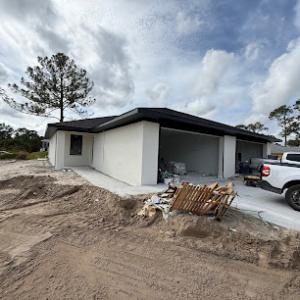
Sunset Roofing & Construction
(239) 920-2414 sunsetroofingfl.com
12995 S Cleveland Ave, Fort Myers, Florida
5.0 from 112 reviews
A locally owned and operated Roofing Contractor servicing South West Florida and beyond!
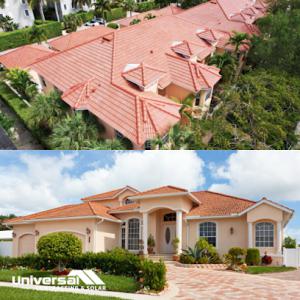
Universal Roofing Company
10060 Amberwood Rd STE 1, Fort Myers, Florida
4.9 from 287 reviews
Florida's Premier Roofing Contractor specializes in sustainable roofing systems, commercial roofing, and solar panel systems.
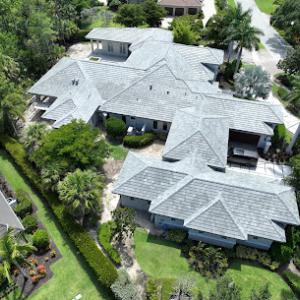
Reedy Roofing
(239) 214-2827 www.reedyroofing.com
3220 Palm Ave, Fort Myers, Florida
5.0 from 55 reviews
Reedy Roofing is a professional roofing company in Florida that specializes in all types of roofing services. We are a team of experienced roofing contractors who are dedicated to providing our clients with the highest quality workmanship and customer service. Whether you need a new roof installed, an old roof repaired, or regular maintenance and inspections, we have the skills and expertise to get the job done right. Our goal is to ensure that your roof is in top condition, providing you with the protection and peace of mind you need. With Reedy Roofing, you can trust that your roof is in good hands. We are proud to serve residential and commercial home owners in Fort Myers, Lee County, Charlotte County, and Collier County, FL.
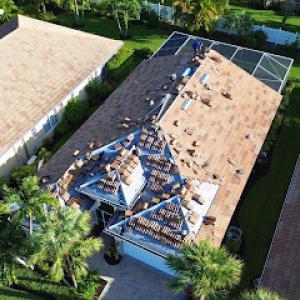
EAM Roofing
13410 Parker Commons Blvd #102, Fort Myers, Florida
5.0 from 52 reviews
At EAM Roofing, we proudly serve Southwest Florida with roofing and gutter solutions for residential and commercial properties. As an Owens Corning Preferred Contractor and BBB Accredited, we provide expert roof replacements, repairs, inspections, and gutter installations. Specializing in tile, metal, shingle, and flat roofs, we offer free roof inspections, including assistance with insurance claims. Our financing options include zero down, zero interest for 18 months, payment plans, and low rates. We respond quickly, and get you on the production schedule ASAP. With great warranties on all work, plus 24/7 emergency support, EAM Roofing is your insured and licensed partner. Contact us today for a free estimate. Se Habla Español!
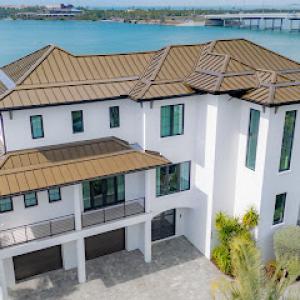
Florida Roofing & Gutters
(239) 966-7663 www.floridaroofingandgutters.com
12730 Commonwealth Dr #7, Fort Myers, Florida
4.9 from 224 reviews
"Rebuilding Southwest Florida". Florida Roofing and Gutters, founded by Tri-Town Construction, is the best roofing company to turn to for residential and commercial roof replacements and repairs in Southwest Florida. Of course, any contractor can make such a bold statement—how, exactly, do we live up to this promise? It’s easy: We offer the highest-quality roofing materials, use proven installation techniques, and deliver individualized customer service from beginning to end. We’re the roofing company you can confidently trust to handle your project. CGC1533024 CCC1334177
Champions Roofing
(239) 677-8429 championsroofing.net
6309 Corporate Ct Unit 201, Fort Myers, Florida
4.9 from 93 reviews
SWFL’s Trusted Roofing Team for Over 10 Years! At Champions Roofing, we treat every home and business like our own. Our skilled team delivers quality craftsmanship and friendly, reliable service. From roof repairs, replacements and new construction installations, we work with all roof types — asphalt shingles, metal, concrete tile, and flats. No job is too big or too small. We’re proud to help Southwest Florida homeowners and businesses protect what matters most.
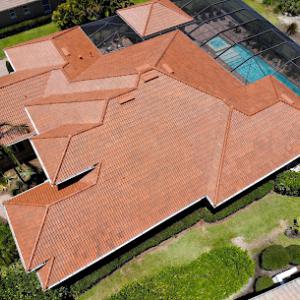
International Roofing
(239) 202-8103 internationalroofs.com
16190 Lee Rd #220, Fort Myers, Florida
4.9 from 134 reviews
Family Owned and Operated Full Service Roofing Company specializing in Metal Roofs.
Tile roofing is unusually prominent in this market, reflecting Southwest Florida architecture and the prevalence of concrete and clay tile systems. That means a steady neighbor-to-neighbor familiarity with tile installations, tiling patterns, and the way tiles age under coastal humidity and storm exposure. Metal roofing is also a major local category because homeowners on the Gulf Coast often prioritize wind performance, lower maintenance, and long-term resistance to humid conditions. In practice, that means you'll see both options dominating the skyline, and your choice often comes down to how a home was originally engineered and what the roof is expected to carry for decades.
Fort Myers roof decisions are often shaped by whether the home was originally designed for heavier tile loads versus a lighter re-roof option such as metal or shingles. If the structure was built around concrete or clay tile, you'll want to respect that original load forecast and avoid converting to a lighter system without a careful assessment. Conversely, homes with lighter roof decks may benefit from a modern metal or composite option, but the roof's framing, trusses, and ventilation need to align with the new material. A quick check: does the existing structure show heavy tile hardware, or are there signs of a lighter deck that could support metal? Your answer guides whether you pursue a tile restoration, a lighter re-roof, or reinforce the deck to support a different material.
Tile roofs stand out for their classic look and heat tolerance, but in a hurricane-plain season they rely on proper alignment, sealant integrity, and underlayment condition. Concrete and clay tiles resist impact well, but broken tiles can expose underlayment quickly in a heavy wind event, so maintenance and timely replacement after storms matter. Metal roofs shine in wind performance and ease of maintenance, offering a tight panel system and reliable fasteners that minimize uplift risk when installed correctly. In humid months, metal's tolerance to corrosion and its ease of cleaning can translate to fewer issues with algae and mold when compared to clay or concrete tiles, provided the coating is well maintained.
If the home already has tile, prioritize a detailed inspection of tile alignment, flashing around roof penetrations, and the condition of the underlayment. A tile system that's aged or cracked can fail quickly under tropical downpours and seasonal storms, so plan for targeted replacements rather than a full re-tile unless necessary. If considering metal, focus on the roof's edge detailing, ridge venting, and the fastener arrangement to ensure durability against Gulf winds. For either option, verify compatibility with existing wind-mmitigation features so that the system integrates with insurance-conscious details that are common in this market.
Tile remains a cornerstone of the local aesthetic, while metal offers a practical path to wind resilience and lower ongoing maintenance. The key is aligning roof material choice with the home's original design and ensuring the supporting structure and detailing are up to the chosen system's demands. This alignment helps a Fort Myers roof stand up to the Gulf Coast's exposure and keeps a home well-protected through storm season.
In this market, asphalt shingles sit in a practical mid-range, with locally observed costs roughly from $350 to $650 per square. Metal roofs run higher, typically $700 to $1,200 per square, driven by panel fabrication and specialized fasteners that stand up to Gulf Coast humidity and hurricane exposure. Clay tile is notably premium, spanning about $1,200 to $1,800 per square, while concrete tile sits around $900 to $1,500 per square. Wood shingles or shakes usually fall in the $600 to $1,100 per square band, and synthetic or composite shingles run about $650 to $1,100 per square. These figures reflect both material quality and the regional demand patterns Fort Myers contractors routinely see.
Tropical-storm activity has a direct impact on pricing, especially during the peak season. After a storm, tears-offs, dry-ins, emergency protection, and code-compliant re-roofing crews are in high demand, pushing local prices higher than the baseline ranges. If a storm response is needed, expect a tighter window for scheduling and a possible premium for expedited service. Planning ahead and coordinating with a trusted local contractor before peak season can help stabilize costs and avoid last-minute surcharges.
Fort Myers housing stock leans toward tile and metal roofs, which means costs aren't just about materials. These roof types require more specialized labor-tile installers, roofers capable of handling heavy concrete or clay products, and wind-rated underlayment expertise. For metal roofs, proper flashing, panel alignment, and sealant choices are crucial to performance in hurricane winds. When evaluating bids, compare not only per-square price but also whether removal, disposal, and coordinating with wind-mitigation updates are included in the scope.
A roof that's prepared for hurricane season-wind-rated underlayment, reinforced ridges, and correct fastener spacing-can influence insurance considerations and long-term durability. While upgrades may add upfront cost, they can reduce the likelihood of costly wind-damage repairs later. If choosing between options, prioritize systems with proven performance in Gulf Coast conditions and clear documentation of wind-rated features.
Estimate a project by square footage and material choice, then add a contingency for storm-season scheduling. For heavy tile or metal projects, set aside funds for labor-intensive removal and reinstall, as well as potential debris disposal costs. Engage a contractor who offers transparent line-item pricing, including tear-off, disposal, underlayment, and any necessary wind-mmitigation-oriented upgrades, so you can compare apples to apples when you review bids.
The most popular roofing material in the US. Find pros who install, repair, and replace asphalt shingles.
Captiva Roofing
(239) 567-9810 www.captivaroofing.com
8801 Business Park Dr #209, Fort Myers, Florida
5.0 from 117 reviews
Champions Roofing
(239) 677-8429 championsroofing.net
6309 Corporate Ct Unit 201, Fort Myers, Florida
4.9 from 93 reviews
MMB roofing contractor
4914 Silver Gate Ln #209, Fort Myers, Florida
5.0 from 41 reviews
In this hurricane-prone Gulf Coast climate, getting the permit right is the foundation of a solid re-roof project. A roofing permit is typically required through the City of Fort Myers Building Department for re-roofing work. The process is designed to ensure that a new roof will meet wind performance and drainage standards that are crucial during Florida storms. Because the permit is tied to safety and insurance expectations, attending to the specifics early helps avoid delays later in the project. In practice, the contractor usually files the permit, and the permit should be posted on-site during the job so neighbors and inspectors can verify the project details at a glance. If any changes occur during the tear-off or installation, the permit posting should reflect those updates and stay visible until final approval.
Posting the permit on-site serves as a clear signal that the work is authorized and monitored. In Fort Myers, expect to see the permit card or a laminated notice posted near the front entry or visible from the street. This visibility helps inspectors coordinate with the homeowner and contractor, especially when work spans multiple days or when weather interrupts progress. Keep a simple log of inspection milestones and dates, and confirm that the permit number matches the contractor's license on record. The city inspector will occasionally verify that the project aligns with plans, especially when crews make adjustments to accommodate storm-resistance features like enhanced underlayment or specific fastener patterns.
Inspections are commonly staged during tear-off and after installation. For the tear-off phase, the focus is on membrane removal safety, edge detailing, and the concealment of vulnerable deck areas. The hurricane-prone inspection attention centers on underlayment suitability, nailing patterns, and overall roof-to-wall connections. Expect questions about fastener length, nail pattern spacing, and the method used to secure hips, ridges, and hips in high-wind zones. After installation, inspectors will verify that the new roofing system meets code requirements for wind uplift resistance, proper flashing around penetrations, and proper ventilation. If wind mitigation features are part of the project, documentation such as an updated wind mitigation checklist may be reviewed or requested. Maintain a clean job site and ready access points so inspectors can move efficiently and verify critical details without delays.
The hot, humid subtropical climate and heavy summer rainfall mean tiny flashing gaps or underlayment wrinkles can become real puddles during long wet spells. In this market, a minor flaw that might stay hidden in a dry spell tends to reveal itself quickly once the skies stay in a downpour. That makes a careful pre-season inspection even more important, so you can catch small problems before a storm pushes them into bigger damage.
High humidity and extreme summer heat slow down working conditions and complicate material handling. Crews may have to pause more often, protect moisture-sensitive components, and schedule tasks around peak heat. Because of that, many homeowners schedule major roof work in the drier window from November to April. Planning around humidity helps preserve workmanship quality and reduces the chance of missteps that could lead to leaks after a rain event.
The local mix of heat, humidity, and regular storm exposure makes deciding when to replace a roof more weather-driven than in drier Florida markets. The window for a clean, durable install is narrower: you want enough dry days for ventilation, adhesive cure, and shingle or panel seating, but Florida storms don't respect calendars. If a replacement is on the horizon, aim for a stretch with consecutive dry days, and build in a buffer for unexpected rain breaks so that the new roof can cure properly and perform when the next front rolls in.
Between storms, keep an eye on attic spaces and ceilings for any signs of moisture. Look for damp insulation, dark stains around flashing, or a musty odor. After heavy rain, walk the interior ceilings with a flashlight to spot slow drips, and inspect the most vulnerable edges of the roof deck. If you notice new concerns, address them promptly to prevent small leaks from becoming larger, storm-driven failures.
Although pitched residential roofs dominate the local buildup, the contractor market shows meaningful demand for flat or low-slope work, especially on additions, lanais, and mixed-roof homes. These areas tend to collect water quickly when downpours hit sideways during a tropical storm, and they expose weak transitions to driving rain. Pay attention to consistently sloped connections where a flat patch meets a higher main roof, and prioritize properly integrated drainage, flashing, and sealant details instead of relying on a single membrane or bead. In practice, inspect these zones after a heavy rain event and look for signs of stain, soft spots, or seepage around perimeter edges and joins.
Skylight-related repair demand is present locally, which matters in this coast-facing climate because heavy summer rain can quickly expose weak flashing details around penetrations. When you replace or reseal a skylight, verify that the curb flashing is integrated with the roof field and that step flashing makes solid contact with the skylight frame. Recaulking alone is rarely sufficient in storm-prone conditions. For any vent, chimney, or utility penetration, ensure flashing overlaps and water-diverting features are continuous from high to low, with contractors using corrosion-resistant metal and compatible sealants.
Homes with multiple roof transitions are especially vulnerable during tropical downpours when water is driven sideways by wind rather than falling straight down. Look for abrupt changes in direction, valley configurations, and boxed-in junctions where water can pool or seep behind fascia. Reinforce these transition points with properly mated flashing, sealed seams, and, if needed, secondary membranes. Quick checks after a hurricane or heavy storm should focus on edge edges, seam tapes at joints, and any displaced or blistered materials where wind exposure is highest.
Find specialists in TPO, EPDM, and built-up flat roofing systems for residential and commercial properties.
Captiva Roofing
(239) 567-9810 www.captivaroofing.com
8801 Business Park Dr #209, Fort Myers, Florida
5.0 from 117 reviews
EAM Roofing
13410 Parker Commons Blvd #102, Fort Myers, Florida
5.0 from 52 reviews
Florida Roofing & Gutters
(239) 966-7663 www.floridaroofingandgutters.com
12730 Commonwealth Dr #7, Fort Myers, Florida
4.9 from 224 reviews
The contractor market in Fort Myers is heavily oriented toward re-roofing rather than only new construction, which matches the needs of homeowners replacing aging roofs after repeated storm seasons. Local crews are accustomed to wind-driven rain, fast turnarounds, and coordinating with insurance timelines to minimize downtime.
Because many local hires are driven by storm wear and insurance pressure, homeowners often compare workmanship protections and manufacturer-backed coverage before signing. Look for a contractor who can clearly outline what is covered if shingle or tile lifts occur during a hurricane wake, and who has a plan for post-storm service calls.
Established and family-run local roofers are a visible part of this market, which matters when homeowners want a company likely to still be operating for follow-up service after a major weather event. Favor firms with verifiable local references, ongoing community presence, and a documented process for inspections after storms.
Tile and metal roofs are especially common here, chosen for their durability and wind performance. In Fort Myers, you'll encounter concrete and clay tiles, as well as metal options that resist uplift. A practical approach is to align roof choice with attic ventilation, underlayment quality, and a wind-resistance rating that matches your home's exposure.
During hurricane season, plan for rapid inspections, temporary tarps if needed, and clear communication about timelines. A responsive local crew will walk you through staging, debris management, and a post-storm maintenance plan to extend the roof's life and preserve interior comfort.