Last updated: Apr 19, 2026
Venice sits on the Gulf Coast in Sarasota County, where June through November storm season drives roof damage concerns and scheduling pressure. The combination of salt-laden air, high humidity, and frequent tropical activity means your roof faces a steady surge of stress-from wind-driven debris to torrential downpours that test seals and flashing. This is a season when the strongest defenses aren't just about the shingles, but how the entire roof assembly holds up under pressure, and how quickly a plan can pivot when a threat intensifies.
Summer afternoon thunderstorms in the Venice area can interrupt tear-off windows and force crews to stage jobs around daily rain patterns. That means scheduling flexibility is a must. Make sure your roof project includes contingencies for sudden downpours and that your contractor has a clear plan to shield unfinished sections. For storm-season work, prioritize roofs with proven wind resistance and fast, secure staging that minimizes exposure of underlayment and exposed decking. Expect occasional delay flashes, but demand a written sequence showing how work will progress between dry spells and what measures will be taken to protect vulnerable areas if a storm warning is issued.
Coastal Florida insurers scrutinize wind resistance details after tropical weather, and that scrutiny starts with your roof's attachment methods. If your existing deck shows exposed nails, rusted fasteners, or signs of prior patchwork, you'll want to address those issues before June. Ask for wind-rated underlayment and fasteners that meet or exceed local wind rating expectations, plus confirmation that edge and corner fasteners are upgraded to withstand gusts common to Gulf storms. In Venice, the best practice is to treat every reroof as if a named storm could arrive before the job is complete, ensuring that flashings, hips, ridges, and penetrations are all sealed against wind-driven rain.
Local homeowners often prioritize wind resistance and post-storm documentation because coastal Florida insurers closely review roof condition after tropical weather. Take high-quality before-and-after photos of every crucial detail: edge fasteners, drip edge, flashing around chimneys and vents, skylines, and valley intersections. Preserve a dated log of contractor communications, inspection notes, materials used, and any temporary protective measures you applied if a storm approached. After a storm, perform a careful self-check for missing shingles, lifted tabs, or granule loss, then schedule a quick professional inspection to document the condition for claims or replacement questions. The goal is to have a clear, timely record ready for insurers, not a pile of scattered reminders.
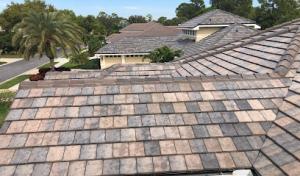
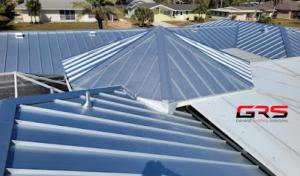
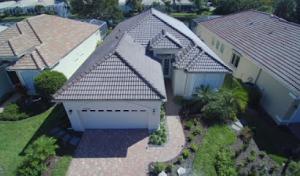
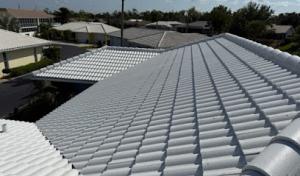
Tile and metal roofs, along with concrete and clay tiles, dominate the Venice skyline, and each presents unique storm-season challenges. Ensure panels or tiles are properly fastened and that ridge caps are secured with wind-rated methods. If you're considering a roof refresh during storm season, discuss your local exposure with the contractor: salt air accelerates corrosion on metal components, and tile systems benefit from solid underlayment and careful alignment to avoid crack propagation during pressure gusts. For shingle options, select products with robust wind resistance and a reliable sealing technology that holds firm through the Bay of Venice's winds.
Coordinate a pre-storm readiness check with a trusted local roofer who understands Sarasota County's wind-mitigation expectations. Schedule before mid-season spikes, lock in a flexible plan for sudden weather shifts, and insist on precise documentation of all protective steps. By setting expectations now, you reduce the risk of extensive storm-season damage and shorten the path from assessment to restoration if trouble hits. This is not the season to leave critical details to chance; a prepared roof protects the whole home when the Gulf storms roll in.
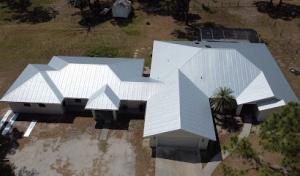
Neighborhoods in this Gulf Coast area showcase a mix of asphalt shingles, metal roofing, clay tile, concrete tile, wood shingles or shakes, and synthetic or composite shingles, with tile and metal especially visible in coastal Florida neighborhoods. When choosing among these, consider how salt air and wind will interact with fasteners, edges, and coatings. Metal roofs benefit from corrosion-resistant finishes and proper sealants at seams, while tile systems depend on a solid substructure and careful sealing at penetrations. Concrete and clay tiles offer durability in heat and sun, but require a stable deck and proper underlayment to handle Florida's moisture cycles.
Salt-laden air accelerates corrosion on exposed metal parts. If you lean toward metal, prioritize a coating system designed for coastal environments and choose hidden fasteners or corrosion-resistant screws for exposed areas. Pay close attention to the metal's edge detail, ridge caps, and any flashing that sits near the Gulf breeze. For tiles, ensure metal flashing behind edges is compatible with the tile type and that fasteners and clips are rated for corrosion resistance. In all cases, insist on components rated for salt exposure and confirm a reliable protective finish, particularly on coastal facades and near sidewalks or driveways where spray zones are likely.
The hot, humid climate and regular rainfall make underlayment performance crucial. Tile and shingle systems benefit from a breathable, high-quality underlayment that resists moisture wicking while allowing vapor to escape. Ventilation under the roof deck matters too: a well-ventilated attic reduces heat buildup and helps protect the roof structure from moisture-related problems. In practical terms, verify attic vents, soffit intake, and any baffles are undisturbed by the existing roof line and sized to maintain airflow during the warm season. A properly vented system lowers energy load and extends the life of both the underlayment and the roofing surface.
Common failure points in this climate include fastener corrosion, deteriorating sealants, and flashing that leaks around chimneys or vent pipes. For tile, ensure fasteners binding the tile to the deck are stainless or coated for coastal use, with clips that distribute load without causing micro-cracking. For shingles, look for corrosion-resistant nails or when applicable, ring-shank screws with a compatible sealant at step penetrations. Flashing should be continuous, corrosion-resistant, and correctly integrated with the roof-to-wall joints. Have a trusted contractor confirm that all penetrations are well-sealed and that sealants are compatible with the roof material and the local salt exposure.
In a neighborhood with visible tile and metal on the skyline, routine checks matter. After hurricane season or strong storms, inspect for visible lift, loose fasteners, or damaged sealants around vents, skylights, and edges. Clean surface debris that can trap moisture and inspect gutters for salt crust buildup that can impede drainage. When you spot small issues early-then address them promptly-your roof will better stand up to Venice's wind-driven rains and salty air.
Replacement work tends to go smoother when you align with dryer, cooler winter months rather than chasing a long, wet Southwest Florida summer. In Venice, a typical installation window centers on late fall to early spring, when humidity is lower and crews can move efficiently without the constant hiccups from sudden rain. That means planning your project to start after the dry-season lull but before the first cold snaps, so weather won't force cancellations or slow progress mid-project. If you can lock in a start date around late December to February, you're more likely to complete the job before the next round of tropical activity ramps up.
After active storm periods, homeowners often see longer lead times as coastal demand spikes across Sarasota County and nearby Gulf communities. That spike can push material delivery, scheduling, and crew availability out by weeks. To avoid a stretched timeline, begin the bidding and scheduling process as soon as the weather pattern shows a clear window, even if the precise start date isn't finalized. Contractors with strong local networks can secure faster material access and crew rotations when fronts are quiet, which helps keep your project on a predictable track rather than chasing a moving target after a storm.
Venice's housing stock spans tile, metal, and asphalt, and the choice of roof type can influence the timing. If a roof is already near the end of its life or has persistent leaks, prioritize the replacement so weather interruptions don't force repeated patchwork. For homes with heavy coastal exposure, a replacement that finishes before the peak wind season can reduce the risk of wind-driven debris and subsequent damage to a newly laid roof. When a storm event looms, consider postponing non-critical interior finishes or decking work that would otherwise be exposed to drift and rain during a mid-project pause.
Begin with a contingency plan for a two- to four-week weather tolerance built into the start window. Confirm with the contractor that material lead times are realistic for the season you're targeting, and ask about staged milestones that keep a portion of the work moving if a weather front stalls progress. If a major storm is forecast within the planned window, have a backup plan for securing site access, protecting landscaping, and safeguarding any interior finishes that sit near the roof line. In Venice, replacement timing is often driven by the desire to finish work before peak tropical weather rather than waiting into mid-summer.
Strong Roofing
(941) 321-7669 strongroofingsrq.com
1101 S Tamiami Trl Suite 101J, Venice, Florida
5.0 from 48 reviews
For over a decade, Strong Roofing has been the trusted roofing contractor for Venice, FL residents. We understand the unique challenges presented by Florida’s coastal climate – from salty air to unpredictable storms. Our expertise lies in using durable materials like metal roofs and impact-resistant shingles that can withstand the elements. Your roof is crucial for protecting your home and family, and we take that responsibility seriously. We proudly deliver quality roofing services to both residential and commercial properties in Venice. Our commitment to your satisfaction guarantees that we don't just install roofs, we build lasting trust in our community.
Kingdom Roofing Services
(941) 217-2411 www.kingdomroofinginc.com
411 Commercial Ct Suite D, Venice, Florida
4.8 from 385 reviews
Kingdom Roofing Services safeguards homes and businesses in Manatee, Sarasota, and Charlotte Counties, Florida. We provide solutions to fit any roofing budget, and are your source for residential or commercial roofing needs – from new construction to repairs, re-roofs and maintenance. We will always do our best to communicate clearly concerning progress and any unexpected delays. Our goal is to exceed our customers’ expectations with quality work and dependable service.
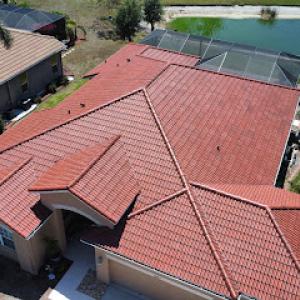
Fox Roofing Group
(941) 303-2222 www.foxroofinggroup.com
823 Panda Rd, Venice, Florida
5.0 from 31 reviews
Fox Roofing Group's mission is to provide high-quality roofing services at fair prices. We strive to ensure that every customer receives the best value for their money while never compromising on the quality of our work. Our team of skilled and experienced roofers is dedicated to delivering exceptional craftsmanship and attention to detail in every project we undertake. We understand the importance of a durable and reliable roof in protecting your home from Florida's harshest elements, which is why we use only the highest quality materials. With our commitment to excellence and affordability, you can trust us to provide you with a roof that will stand the test of time.
Adam Soffit Repair Gutter Installation
(941) 477-8513 venicesoffitgutters.com
1314 E Venice Ave, Venice, Florida
5.0 from 16 reviews
Expert soffit and fascia repair services ensuring durability and protection for your home. Specializing in soffit repair, our skilled team restores structural integrity while enhancing curb appeal. Comprehensive soffit and fascia solutions designed to prevent water damage, pest intrusion, and mold growth. We also offer professional gutter installation and reliable gutter repair services to ensure proper water drainage, safeguarding your home’s foundation. Trust our specialists for timely, cost-effective soffit and fascia repair, gutter installation, and maintenance. Contact us today for superior workmanship and lasting results in soffit, fascia, and gutter solutions!

Master Built Roofing
1101 S Tamiami Trl STE 101U, Venice, Florida
4.8 from 20 reviews
Master Built Roofing specializes in providing residential and commercial roofing services such as repairs and replacements. Covering everything from tile / shingle replacement, to entire roof repair or new installation. New construction to historical retrofitting. Licensed, bonded and with multiple layers of insurance we are here to serve the entire Southwest Florida region.
Gorilla Roofing
(941) 220-5160 www.mygorillaroofing.com
1101 S Tamiami Trl Suite 209 G, Venice, Florida
5.0 from 4 reviews
The team at Gorilla Roofing in Venice, Florida, has over 30 years of experience delivering affordable and lasting options for various roofing and contracting issues. They perform roof installations, repairs, inspections, and cleanings. Their professionals also provide emergency services and storm-damage solutions. Additionally, they do general contracting, including new construction, solar services, and retrofitting. Delivering top-quality service to residential and commercial customers is their highest priority. Their team undergoes continuous training and uses quality products from trusted manufacturers to ensure that completed projects meet industry and customer standards. Schedule a service with Gorilla Roofing by calling them today!
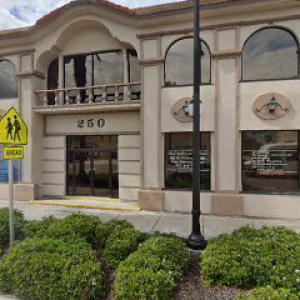
R3 Roofing & Exteriors
250 S Tamiami Trl Suite 201, Venice, Florida
4.2 from 13 reviews
When it comes to your house, don’t mess with the rest, trust the best. We Can Fix It! At R3 Roofing and Exteriors, we believe in the long-term quality and comfort of our client’s homes. That means not cutting corners in the name of making things “easier”. In that sense, you can say that we subscribe to more “traditional values”, and care about detail and care above all else. When you call, we will prepare to serve you as soon as possible. We will also be sure to arrive with everything you need for your unique situation.
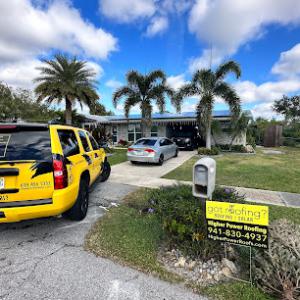
Higher Power Roofing
(941) 541-3593 higherpowersolar.com
565 U.S. 41 Bypass N Suite 200, Venice, Florida
5.0 from 3 reviews
Higher Power Roofing; A Dependable Roofing Contractor in Venice With over a decade of experience, Higher Power Roofing has been the local beacon of high-quality roofing services in Venice, FL. We are committed to delivering first-rate customer service from inception to completion, striving for 100% customer satisfaction on every project. Here's why you should entrust your roofing needs to this reputable Venice roofing contractor. We are Licensed In the world of roofing, it's critical to select a licensed and insured company for your peace of mind, ensuring you're covered if anything goes awry during the repair or replacement process. Higher Power Roofing is fully licensed and insured.

Westman & Sons Roofing
757 U.S. 41 Bypass S, Venice, Florida
3.6 from 14 reviews
Westman & Sons Roofing provides new construction roof installations, commercial roof services, residential roof services, roof inspections, and 24-hour emergency services to the Venice, FL area.
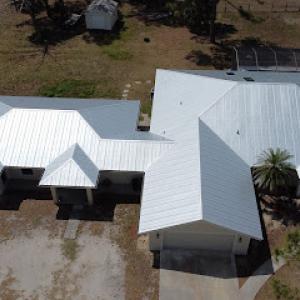
Sentry Metals
(941) 223-7402 www.sentrymetalsroofing.com
Serving
5.0 from 30 reviews
Protect your largest investment with our reliable roofing services. We are a locally owned and operated roofing company currently serving Sarasota and surrounding communities. We specialize in metal roofing as well as shingle and flat roof replacement. If you're considering a roof replacement please give us a call for a consultation and quote.
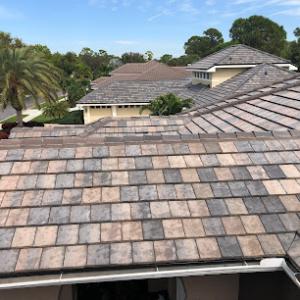
Watertite Roofing
(941) 483-4630 www.watertiteroofing.com
Serving
4.8 from 50 reviews
Local Family owned Roofing company serving Venice, Nokomis, Sarasota, and Englewood. Roof specialists for Shingle Roofs, Tile Roofs, Flat Roofs, Metal Roofs, and Roof repairs. We take pride in our work and it shows on every house. We are dedicated and hard working on every job treating your house like it is our own. We appreciate your business!
Green Vista Roofing
(941) 369-8999 www.greenvistaroofing.com
Serving
5.0 from 124 reviews
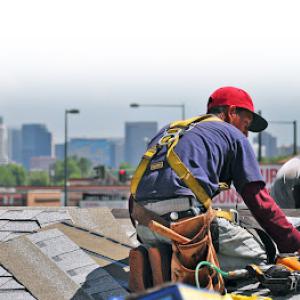
At Green Vista Roofing, we pride ourselves on being Florida premier roofing company. With years of experience, a dedicated team of professionals, and a commitment to quality, we are here to meet all your roofing needs. Whether you require installation, repair, or maintenance services, we have the expertise and skills to deliver outstanding results.
A full re-roof in Venice typically requires a permit through Sarasota County rather than a casual contractor-only replacement process. This distinction matters because county oversight helps verify that the roof assembly, underlayment, and fasteners meet current standards for coastal exposure and wind resistance. When planning a re-roof, you should anticipate a formal review path that includes documentation from the licensed contractor, roof plan details, and material specifications. The county's permit office can guide you to the exact forms and any neighborhood or flood-zone considerations that might apply to your street or block. Knowing this upfront helps avoid delays at the job site and keeps the project moving toward a compliant finish.
The usual local inspection flow follows a logical sequence designed to catch issues early. After tear-off, a rough-in inspection ensures the structure is prepared for the new layer and that the deck or sheathing remains sound. As installation progresses, inspectors will check underlayment type, fastener patterns, and the alignment of starter courses, particularly important for coastal wind zones. A final inspection confirms everything is buttoned up and meets code, including any required attic venting or moisture-control provisions. In flood-prone or high-wind areas, inspectors may review temporary bracing or attachments during the process, so coordinate access and scheduling with the permit office and the contractor. Keeping a centralized record of the inspection approvals helps homeowners respond quickly if a re-inspection is needed.
Wind-mitigation considerations may be reviewed during the county process when relevant, which matters more in this coastal insurance market than in many inland areas. The review can address how the roof meets wind-force requirements, including connections between the roof deck, underlayment, and the final covering. If retrofits or upgrades are part of the project-such as improved nailing patterns, hurricane clips, or reinforced eave detailing-documenting these changes during permit submission can streamline the insurance side of the job. In coastal settings, even small enhancements can translate into better wind performance and potential savings on premiums. Communicate openly with the permit reviewer about any previous work, existing vulnerabilities, and the planned sequence of installation so the wind-mitigation review aligns with the actual construction. This proactive approach helps ensure the finished roof not only passes inspection but performs reliably during the next storm season.
When planning a re-roofing project, you'll see industry estimates quoted per square (100 square feet). For asphalt shingles, expect roughly 350 to 700 USD per square. Metal roofs land in the 600 to 1100 USD per square range, reflecting coastal panel and fastener hardware needs. Clay tile runs higher, about 900 to 1700 USD per square, with concrete tile typically 700 to 1300 USD per square. Wood shingles or shakes fall around 550 to 1100 USD per square, while synthetic or composite shingles sit roughly 450 to 900 USD per square. These ranges align with Venice's mix of tile, metal, and storm-driven re-roofing, where material choice and roof geometry drive variation.
Coastal demand surges after tropical storms can push labor availability tighter and make re-roof pricing less stable than in calmer periods. If a storm hits and multiple crews are needed for quick, durable recovery, expect labor to spike temporarily. This isn't a long-term trend for every job, but it can affect the bidding window and scheduling. Plan for potential short-term price shadows around storm season, and factor in a buffer when lining up estimates.
Tile-heavy roof designs are common in the area and influence both cost and logistics. In southwest Florida, tile roofs increase handling complexity, accessory needs (underlayment, battens, flashings), and replacement logistics compared with simpler shingle roofs. Concrete tile, clay tile, and the connections to metal or shingle underlayers can add steps to the install, especially if old underlayment must be removed or custom venting added. Expect longer on-site time for tile work, which translates into higher labor components in the bid.
Start with a conservative budget: use the high end of the asphalt range as a baseline if the existing roof has widespread damage or requires extensive underlayment work. For tile-dominant homes or when replacing with concrete or clay, add 15 to 25 percent for handling, waste disposal, and access difficulties. Always confirm whether the estimate includes coastal-fastener upgrades, upgraded underlayment, and required storm-resistant accessories. If in doubt, ask for a line-item breakdown so you can compare apples to apples across bids.
Venice sits in Florida's high-claim coastal insurance environment, where frequent wind events have led insurers to tighten underwriting and documentation expectations. The Gulf Coast exposure means that a roof is not just a shelter but a key factor in how a policyholder is evaluated year to year. Storm-driven stress comes from saturated air, wind bursts, and quick shifts in weather that can expose vulnerabilities on older or unconventional roofing systems.
Homeowners in this market may need stronger roof records, detailed photos, and roofing specifications to preserve coverage options or support claims. In practice, that means keeping a meticulous build file: original roof type, roof deck condition reports, material identifications, and any repairs with dates and contractor details. For a resheet or re-cover, retain compliance notes and a calibrated timeline of added underlayment or fastener changes. Insurers increasingly request evidence that the roof can resist Florida wind loads, so clear, dated imagery and precise product specs make a real difference when a claim is filed.
Wind-mitigation features can affect insurability and credits in Sarasota County, making installation details more consequential than simple curb appeal. In this market, the presence of upgraded fasteners, integrated underlayment, and properly installed reflective or impact-resistant components can influence renewal terms. If a roof has undergone changes to improve wind performance, ensure that the contractor's documentation includes product labels, installation notes, and any applicable Florida building code references. Those details help protect both coverage and the long-term durability of the roof system.
Before arranging maintenance, assess whether fastener patterns, hip or ridge detailing, and attic ventilation align with documented wind-resistance improvements. When planning repairs or upgrades, request a stamped specification sheet from the manufacturer and a summary of how the installation meets Sarasota County wind-mitigation expectations. In a town where storms are a routine threat, sound records and transparent specifications become your best form of weatherproofing.
Connect with contractors who help homeowners navigate the claims process from damage assessment to final approval.
Kingdom Roofing Services
(941) 217-2411 www.kingdomroofinginc.com
411 Commercial Ct Suite D, Venice, Florida
4.8 from 385 reviews
Master Built Roofing
1101 S Tamiami Trl STE 101U, Venice, Florida
4.8 from 20 reviews
Gorilla Roofing
(941) 220-5160 www.mygorillaroofing.com
1101 S Tamiami Trl Suite 209 G, Venice, Florida
5.0 from 4 reviews
Salt-laden Gulf Coast air can accelerate corrosion on vulnerable fasteners, flashings, and metal accessories if materials are not chosen for coastal exposure. In a neighborhood with many tile and metal roofs, the temptation to skimp on corrosion-resistant components is high, but the long game favors sleeves, coatings, and fasteners rated for salt spray. If your ridge cap, tie-ins, or metal drip edges look dull or pitted after a single season, that is a warning sign that the wrong hardware is under the surface. Attention to coating quality and material compatibility can prevent premature rust that weakens sealing over time.
Persistent humidity in southwest Florida can shorten the service life of roofing components that trap moisture or rely on marginal attic ventilation. Roofs with dense underlayment or limited vapor diffusion can trap humidity, inviting degrade of sealants, flashings, and fasteners. Boards and sheathing that stay damp become soft spots for moss, mildew, and wood rot, which can travel unseen into the attic. In practice, that means you should prioritize moisture-wicking underlayments, proper ventilation strategies, and fastener corrosion resistance to avoid hidden creep and leaks.
Regular rainfall in the Venice area makes small flashing and underlayment defects show up quickly as leaks during the wet season. A tiny gap around a vent boot or a misfit tile edge can become a drip that finds daylight through the attic over a few storms. The near-daily afternoon downpours can expose marginal workmanship in a hurry, so inspect boots, coatings, and abutments after heavy rains. If you notice staining around penetrations, take swift action to reseal before the next gulf-front squall. This is where vigilance in coastal detailing pays off.
Extend the life of your existing roof with reflective or waterproof coatings that protect against UV and moisture.
Flat and low-slope roofing appears often enough in the Venice market to be a meaningful specialty, especially on additions, lanais, and some commercial or mixed-use structures. When summer rain drops hard, water can pool quickly on these surfaces. Ensure the drainage plan moves water toward the scuppers or edge drains without creating sags or slow-flowing channels. In practice, verify that all internal drains, scuppers, and gutters are free of debris and that edge details direct runoff away from seams and penetrations. A simple annual check after the wet season can catch small misalignments before they become leaks.
Low-slope sections depend on tight seams, flashed transitions, and properly treated penetrations. Coastal winds and salt air can loosen sealants and degrade flashing faster than on steeper roofs. Pay special attention to pipe penetrations, AC curbs, and transitions to higher-pitched sections. Have a pro reassess sealant choices and consider self-sealing or higher-performance membranes in this climate. If a low-slope roof shares a wall line with a musty or salt-corroded edge, take extra care at the terminations where wind-driven rain tends to drive water upward around fasteners.
During storm season, low-slope areas become the first trouble spots because standing water and wind-driven rain exploit weak transitions. Establish a proactive inspection routine: after each strong storm, look for pooling, lifted edges, or standing water near transitions. In the off-season, schedule a light touch-up of edge seams and a quick evaluation of the flashing around skylights or vents. Address any sign of bubbling or blisters promptly, because small issues can expand rapidly under Florida moisture and heat.
In this market, flat or low-slope roofs often incorporate added protection from wind and rain with surface membranes or modified bitumen systems, selected to resist salt exposure. Favor high-adhesion tapes and seam systems designed for coastal salt air, and consider reinforcing fabrics at critical seams. When re-roofing or retrofitting, work with a contractor who understands how coastal exposure affects drainage, seam performance, and edge detail longevity, ensuring the assembly remains watertight under frequent thunderstorms.
Find specialists in TPO, EPDM, and built-up flat roofing systems for residential and commercial properties.