
Last updated: Apr 19, 2026
Sarasota sits on Florida's Gulf Coast, where June through November hurricane season drives the biggest annual spike in wind and water roof damage. The combination of strong gusts, repeated exposure to salt air, and intense tropical downpours means a roof that looks solid can erode quickly under pressure. Wind-driven debris, uplift at the eaves and hips, and water intrusion from fast-moving bands of rain all line up to threaten the second line of defense for your home. In practical terms, this means that a minor lift at a edge or a small leak near a skylight can become a major problem after just a few passing storms.
Local roof failures are often tied to wind uplift at edges, water intrusion during tropical rain bands, and damage that is not fully visible until after repeated summer storms. The Gulf breeze can grab handfuls of shingles or tiles, especially on Mediterranean tile, coastal metal, or older shingle roofs that already show wear. Water follows a path of least resistance, so a small undetected lift or a hairline crack near a flashing seam can become a conduit for interior moisture. The most dangerous scenarios are the ones you don't notice until the afternoon thunderstorm rolls in and you see staining or dampness on ceilings after the sun goes down.
Because Sarasota also sees frequent summer afternoon thunderstorms, temporary tarping and rapid dry-in work are especially important to prevent interior moisture damage between storms. If you hear thunder building or a tropical system approaches, have a plan to secure loose shingles, metal panels, or tiles and place temporary tarps over vulnerable valleys, vents, and chimney areas. Consider keeping a ready-to-go tarp kit and fasteners, plus a few labor hours lined up with a familiar local contractor who can respond quickly. The goal is to reduce open pathways for wind-driven rain and to seal the interior from the worst of the moisture while the next storm is en route.
After a storm, perform a controlled inspection for lifted edges, loose fasteners, or damaged flashing. Don't wait for a visible drip to schedule a professional assessment-often damage hides behind overhangs or on slopes that aren't easily seen from the ground. Document all concerns with photos, focusing on eaves, hips, valleys, and around vents or skylights. If any lift, displacement, or flashing gaps are detected, prioritize temporary sealing to limit further water entry and schedule a rapid dry-in and repair plan. In this climate, a proactive, rapid-response mindset saves interior damage and reduces the risk of mold or rot taking hold between storms.
Select materials that balance wind resistance with local exposure. Metal offers strong uplift performance but requires precise edge detailing to prevent edge tearing in salt-laden air. Clay and concrete tiles can shed impact but demand robust underlayment and proper alignment to resist uplift at exposed edges. Synthetic or composite shingles can provide a forgiving blend of weight and wind resistance. For high-risk Sarasota exposure, pairing the right fastener pattern, edge restraints, and quality flashing with your chosen roof type makes a decisive difference when a storm hits.
Florida's insurance pullbacks are especially relevant in coastal markets like Sarasota, where roof age, condition, and storm history can directly affect eligibility and premiums. When a storm passes, carriers scrutinize recent roofing changes, maintenance, and the roof's ability to resist wind. If a roof is near the end of its expected life or shows signs of wear, a claim can be declined or coverage narrowed. Understanding this reality helps a homeowner plan proactively: keeping a record of roof age, visible condition, and any prior repairs can be a practical buffer when a claim is needed. The risk isn't only about getting paid for the current damage; it's about preserving future insurability in a market that has tightened across the Gulf coast.
After storms, carriers commonly ask Sarasota-area homeowners for roof photos, repair records, and wind-mitigation documentation before approving claims or credits. Photos should clearly show the roof's predominant surfaces, any penetrations, and the condition of close-to-gable edges that often bear the brunt of wind-driven debris. Repair records demonstrate ongoing maintenance or timely fixes, which can reflect better wind performance than a neglected roof. Wind-mitigation documentation-such as installed impact-resistant features, secondary water resistance, and attic ventilation improvements-can influence both claim outcomes and any credits applied to future premiums. Gather these items while the memory of the event is fresh and the physical evidence is intact.
In a market with frequent storm claims, homeowners benefit from documenting damage immediately after tropical weather rather than waiting for leaks to appear. Over time, tarps, displaced shingles, or minor cosmetic issues can be obscured by weathering, shading, or routine wear. A practical approach is to conduct a cautious inspection within 24 to 72 hours if conditions allow, taking wide exterior shots and close-ups of vulnerable areas-near roof-to-wall junctions, skylights, and exhaust vents. Keep a dated log of any wind-driven debris impacts, fallen branches, or attic signs of moisture. When in doubt, err on the side of documenting potential issues rather than waiting for a leak to reveal them.
This area rewards organization. Maintain a simple file with photos labeled by date and location, repair receipts, and any correspondence with the insurer. If a contractor has performed wind-specific upgrades, preserve those records and a brief description of the improvements, including materials used and the installation date. The more you can show about proactive maintenance and storm-readiness, the better the odds of a smoother claims experience. In a coastal market where storm history matters, a well-documented roof narrative is part of responsible homeownership and can influence both claim decisions and future renewal conversations.
Connect with contractors who help homeowners navigate the claims process from damage assessment to final approval.
Roofing by Curry
(941) 613-5637 roofingbycurry.com
241 Interstate Ct, Sarasota, Florida
4.9 from 1245 reviews
Pelican Roofing FL
(941) 914-4088 www.pelicanroofingfl.com
5050 Sandy Cove Ave, Sarasota, Florida
4.9 from 176 reviews

Red Pros Roofing
(941) 800-7490 redprosroofing.com
6301 Porter Rd UNIT 2, Sarasota, Florida
5.0 from 69 reviews
Gopher Roofing
(941) 336-3322 www.gopherroofing.com
8225 Blaikie Ct, Sarasota, Florida
4.9 from 382 reviews
Gopher Roofing provides residential and commercial roofing services to Sarasota County, FL, and the surrounding areas.
SRQ Building Services
(941) 350-1854 www.srqroof.com
4535 Northgate Ct, Sarasota, Florida
5.0 from 264 reviews
SRQ Building Services provides residential, commercial, and industrial roofing services in the Sarasota, FL and surrounding areas.
Longboat Key Roofing
(941) 260-0305 www.longboatkeyroofing.net
1125 Central Ave, Sarasota, Florida
5.0 from 176 reviews
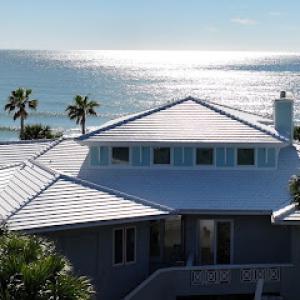
Your roof should protect your residence or commercial property with lasting strength and style. Our certified and licensed roofers bring 50+ years of proven expertise to every roof repair, replacement, and new construction installation across Sarasota, Longboat Key, Lakewood Ranch, Siesta Key, and nearby Florida communities. Whether you like tile, metal, or high-end shingle roofs, we deliver craftsmanship, transparency, and reliability backed by up to a 25-year workmanship guarantee. Schedule your roof inspection today for an honest, detailed estimate with Sarasota’s trusted roofing company. Roofing Systems You Can Live Under. And yes, we handle specialty projects!
Southeast Roofing Consultants
(941) 752-7888 www.seroofing.com
2261 Sarasota Center Blvd, Sarasota, Florida
5.0 from 242 reviews
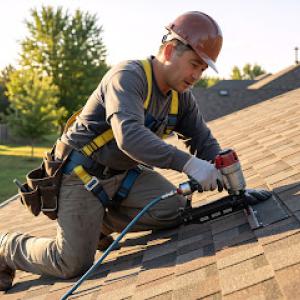
Southeast Roofing Consultants has over 45 years of experience and has installed over 20,000 roofs in the Sarasota area. Whether you need Roof Installation, Roof Repair, or a comprehensive Roof Inspection, our team of experts is here to assist you. Our services extend to both Residential Roofing and Commercial Roofing. We are adept in handling various roofing materials, including Asphalt Roofing, Metal Roofing, and Tile Roofing. Moreover, we offer Roofing Consultation services to help you make informed decisions regarding your roofing projects. Our extensive list of over 20,000 satisfied customers reflects our commitment to quality and customer service. Don't settle for less when it comes to your roofing needs.
Strong Roofing
(941) 321-7669 strongroofingsrq.com
2500 12th St, Sarasota, Florida
4.9 from 580 reviews
Experience top-quality roofing with Strong Roofing in Sarasota, FL. Since 2013, we’ve been specializing in TPO flat roofs, metal roofs, tile roofs, and shingle roofs, perfect for withstanding Florida’s harsh weather. Trust our skilled team for seamless installation and repair services that exceed expectations. Contact us for a free estimate today!
Roofing by Curry
(941) 613-5637 roofingbycurry.com
241 Interstate Ct, Sarasota, Florida
4.9 from 1245 reviews
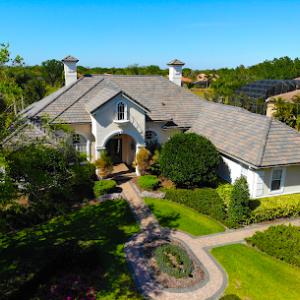
Complete Roofing Services Performed by Your Neighbors Roofing by Curry specializes in all types of roofs, including tile, asphalt shingle, metal and flat. We never use subcontractors to complete our jobs. All services are performed by our own team of over 200 well-trained and experienced employees that live right here in Sarasota, Bradenton and surrounding communities. Choose from our following specialties. Roof replacement Re-roofing Roof repair Roof maintenance New construction roofing Rotted wood replacement Roofing by Curry has completed over 10,000 roofs for single-family homes and multi-unit dwellings throughout Sarasota and Manatee counties.
Pelican Roofing FL
(941) 914-4088 www.pelicanroofingfl.com
5050 Sandy Cove Ave, Sarasota, Florida
4.9 from 176 reviews
At Pelican Roofing FL, our team is proud to bring combined 50+ years experience in the roofing industry. With thousands of residential roofs completed, we have the experience and manpower to handle any roof repair, replacement, or installation project. We provide continual communication throughout the project, to ensure you will be another happy customer. Thanks to our wonderful clients and expansion, we now serve multiple counties in Southwest Florida and we can't wait to serve you as well!

Red Pros Roofing
(941) 800-7490 redprosroofing.com
6301 Porter Rd UNIT 2, Sarasota, Florida
5.0 from 69 reviews
Red Pros Roofing is Sarasota’s trusted family-owned roofing company, serving Manatee, Hillsborough, and Pinellas counties. With 30+ years of experience, we specialize in roof repairs, replacements, storm damage restoration, and full inspections for all roof types. We use top brands—GAF, Owens Corning, TAMKO, Atlas, Crown, Eagle, and Westlake—to ensure strong, Florida-ready results. Homeowners choose us for honest pricing, clear communication, and craftsmanship that lasts. Protecting your home is our family’s mission.
Gary's Roofing Service
(941) 841-7371 www.garysroofing.com
4240 Derek Way, Sarasota, Florida
5.0 from 65 reviews
Family owned and locally operated, Gary’s Roofing has proudly served the greater Sarasota area for over 35 years. We specialize in roof replacement and roof repairs, providing dependable workmanship backed by our 25 Year Craftsmanship Warranty on all new roofs. While we are known for installing a great roof, what truly sets us apart is our commitment to the customer experience. Every project is handled with care, communication, and follow through, reflecting our promise to deliver The Gary’s Roofing Experience. Trusted by thousands of homeowners throughout Sarasota, we take pride in protecting what matters most, your home and your peace of mind. Call today to schedule your free estimate.
Ignite Roofing & Exteriors
(941) 999-8663 www.igniteexteriors.com
2937 Bee Ridge Rd #9, Sarasota, Florida
5.0 from 60 reviews
Family-owned and locally operated, Ignite Roofing & Exteriors has been protecting Sarasota homes since 2010 with high-quality roof replacements, repairs, and exterior upgrades. Our licensed Florida crews install tile, metal, and architectural shingle roofs built to withstand hurricanes, heavy rain, and the Gulf Coast sun. We handle both insurance claim and retail projects with clear communication, photo updates, and a 10 year workmanship warranty you can trust. Serving Sarasota, Venice, Lakewood Ranch, and surrounding communities.
Blue Sky Roofing
(941) 841-1946 www.blueskyroofing.com
240 N Washington Blvd # 318, Sarasota, Florida
4.9 from 339 reviews
Reach for the sky with Blue Sky Roofing, South Florida's premier roofing experts! Specializing in both residential and commercial roofing systems throughout the Bay Area, we're dedicated to providing top-quality craftsmanship and reliable service. Need a new roof or expert gutter solutions? We've got you covered. Meeting deadlines is our priority, and we pride ourselves on clear, detailed estimates delivered within 24 hours. Discover the Blue Sky Roofing difference and experience roofing done right!
Superior Built Roofing
(941) 219-0050 superiorbuiltroofing.com
3947 Clark Rd Suite K, Sarasota, Florida
5.0 from 59 reviews
Superior Built Roofing has had a reputation for providing homes and businesses with high-quality renovations using the best materials and greatest craftsmanship since 1997. We pride ourselves on outstanding customer service and amazing results.
Sarasota's coastal and Mediterranean-style neighborhoods make clay tile, concrete tile, and metal especially visible in the local housing stock compared with many inland Florida markets. These materials respond to the Gulf coast's rhythm: intense sun, high humidity, and seasonal storm pulses. Tile and metal roofs convey a long-term look that suits the area's architectural language, while delivering performance that matches the exposure from salt air and strong winds. Understanding how these roofs behave in our climate helps you plan for resilience and a practical post-storm path.
Tile roofs in this region are vulnerable to cracked or displaced pieces after wind events, while underlayment aging in heat and humidity often determines replacement timing before the tile itself is worn out. Concrete and clay tiles are heavy, so proper attachment and a solid shear resistance matter. After a hurricane or tropical storm, expect some granule loss, cracked tiles, or small gaps where wind-driven debris found its way down the slope. Inspections should focus on tile integrity first, then assess the underlayment and any flashing around hips, valleys, and chimneys. In heat, the underlayment and fasteners can degrade, so a proactive approach-checking sealants and drip edges-helps prevent slow leaks that mimic bigger storm damage.
Metal roofing is popular locally because homeowners are looking for stronger wind performance and lower maintenance in a salt-air, storm-prone Gulf environment. Metal panels resist punctures better than many shingles, and their fasteners are less prone to uplift when installed with appropriate flashings and edge details. In Sarasota's humid heat, oxidization, seam wear, and finish fading can creep in, especially on coastal lots with harsher spray and airborne salt. Regular checks of ridge caps, panel seams, and flashings are practical. If you notice loose screws or paint blistering near salt spray zones, address them promptly to avoid corrosion-driven leaks after a storm.
After a wind or rain event, start at the high points where debris tends to collect: ridge lines, valleys, and any penetrations like chimneys or vents. For tile roofs, walk carefully and look for displaced or cracked tiles, then verify the underlayment beneath with a cautious push along suspected seams. For metal roofs, inspect seams, fasteners, and edge details; listen for any unusual creaks or loose panels when walking the roof edge. On both types, check the gutters and downspouts for debris that could back up water into the eaves or fascia.
Because heat and humidity accelerate aging, especially for underlayment, perform a mid-season assessment every year and a comprehensive check after major storms. If a tile roof shows recurring cracked pieces in a straitline pattern or repeated underlayment wear, it may be time to consider targeted repairs rather than a full roof replacement. For metal roofs, plan periodic coatings or sealant refreshes in salt-prone coastal blocks to preserve finish and minimize corrosion risks, keeping the roof performing at its best between longer replacement cycles.
The visible mix of tile and metal across our neighborhoods isn't just aesthetic; it's a response to how Sarasota's climate and winds shape durable roofing choices. When deciding between clay tile, concrete tile, or metal, weigh not only initial appearance but also the likelihood of wind-induced damage, the expected maintenance window, and how heat and salt interact with the chosen system. With thoughtful care, your tile or metal roof can stand up to the Gulf's rhythms while sustaining its curb appeal for years to come.
Find contractors who specialize in clay and concrete tile roofs, known for their durability and curb appeal.
Gopher Roofing
(941) 336-3322 www.gopherroofing.com
8225 Blaikie Ct, Sarasota, Florida
4.9 from 382 reviews
SRQ Building Services
(941) 350-1854 www.srqroof.com
4535 Northgate Ct, Sarasota, Florida
5.0 from 264 reviews
Longboat Key Roofing
(941) 260-0305 www.longboatkeyroofing.net
1125 Central Ave, Sarasota, Florida
5.0 from 176 reviews
A full residential re-roof in the City of Sarasota or Sarasota County typically requires a building permit rather than informal replacement work. Before any tear-off or new installation begins, you will need to file a roofing scope that outlines the work, the chosen materials, and the wind-resistance details that meet Florida Building Code wind provisions. Local authorities expect documentation that demonstrates the project is designed to withstand typical Gulf-coast hurricane exposure. Starting without a permit can trigger compliance holds, fines, and potential requirement to re-do portions of the work.
The permit submittal packet should clearly specify the roofing type and material choice, including manufacturer specifications, warranty terms, and any underlayment or secondary barrier selected for additional wind resistance. In addition, the plan reviewer reviews how the roof integrates with existing flashings, hips, and valleys to maintain watertight performance during intense rain events. If the home features clay or concrete tile, or coastal metal, anticipate additional scrutiny regarding weight loading, roof-to-wall connections, and anchoring details designed to resist uplift forces. Be prepared to adjust details to align with local wind provisions and to address any site-specific considerations such as tree clearance or shoreline exposure.
Inspections commonly occur after tear-off and again at final completion, with local enforcement centered on Florida Building Code wind provisions. Expect an after-tear-off inspection to verify that the roof deck is sound, ventilation is adequate, and underlayment is correctly installed before the new roofing material is installed. The final inspection confirms that all components-ventilation, flashing, penetrations, and edge details-are securing the structure against seasonal storms. If modifications are required, the inspector will outline corrective steps and a timeline to bring the project into full compliance without delaying occupancy or use of the home. Keep a copy of all permit documents and inspection approvals for future maintenance or re-roofing cycles.
Provided local cost ranges run from about 320 to 700 USD per square for asphalt shingles, 800 to 1500 for metal, 1100 to 2000 for clay tile, 900 to 1700 for concrete tile, 600 to 1100 for wood shingles or shakes, and 550 to 1000 for synthetic or composite shingles. These figures reflect the Gulf Coast market where labor, dry-in materials, and scheduling can tilt prices during peak seasons. In practice, a standard 10-by-10 roof (a square) will translate these per-square costs into larger project totals, with total project price scaling by roof pitch, number of penetrations, and the extent of any tear-off required.
In tropical storm periods, costs can rise quickly because demand surges for tear-off crews, dry-in materials, and emergency scheduling across the Gulf Coast market. If a storm is forecast, expect lead times to push material purchases and crew availability forward, and consider how that may affect the timeline and price for re-roofing. For heavier tile systems or coastal architectural styles, the premium over inland-style shingles can be higher, driven by longer installation times and the need to preserve wind-performance details that meet local expectations after a storm.
Coastal homes with Mediterranean tile or concrete tile often fall at the higher end of the spectrum, especially when tile weight requires structural checks and possible reinforcement. Clay tile and concrete tile bring strong durability against wind uplift but incur higher material and labor costs, typically in the 900-2000 USD per square range for concrete and 1100-2000 for clay. Metal roofs offer quick dry-in and excellent wind resistance, with costs commonly from 800 to 1500 per square, but installation complexity on a coastal lot can shift that. Asphalt remains the most budget-friendly starting point, while synthetic or composite shingles sit in the mid-range, balancing wind performance and ease of installation at 550 to 1000 per square.
When planning, tally not only the roof material but also tear-off scope, access constraints near coastal setbacks, and any required underlayment upgrades to meet wind-detail requirements. If a storm is on the horizon, build in a contingency for expedited scheduling and possible material price spikes. For homes with heavier tile or coastal styling, budget for potential structural considerations and longer installation times to ensure wind resistance and coastal durability without compromising fascia and flashing integrity.
Don't let upfront costs delay a critical repair - these contractors offer payment plans to fit your budget.
Southeast Roofing Consultants
(941) 752-7888 www.seroofing.com
2261 Sarasota Center Blvd, Sarasota, Florida
5.0 from 242 reviews
Siesta Roofing
(941) 352-8212 siestaroofing.com
6321 Porter Rd Unit 10B, Sarasota, Florida
4.9 from 137 reviews
Handyman Roofing
(941) 203-4985 handymanroofing.com
8240 Vicela Dr Unit 6, Sarasota, Florida
4.9 from 133 reviews
In the Gulf coast climate, repeated wet-dry cycling from tropical rain and intense sun is a major local reason roofs age differently than in cooler or drier regions. The heat drives faster aging of underlayment, sealants, and flashing details, even when the visible roof covering still looks serviceable from the ground. That means you may not notice creeping wear until a heavy rain or a strong wind event exposes an overlooked vulnerability. Expect underlayment to soften, fasteners to work loose, and sealant joints to lose elasticity sooner than you'd see in a milder climate.
The area's relatively drier winter season often creates a better replacement window than peak summer, when rain delays and sudden storms can interrupt tear-off schedules. If a roof project is planned or rescheduled, aiming for the late winter or early spring can reduce weather-induced disruptions and help the crew complete the tear-off and installation with fewer weather-related setbacks. That window also minimizes the risk of heat-related tool wear and adhesive failures mid-application.
The variety of roof coverings found locally-from Mediterranean tile to coastal metal and aging shingles-responds differently to Sarasota's sun and humidity. Tiles and metals can handle wind exposure but rely on a sound substrate and precise flashing to prevent moisture intrusion at joints. Composite and asphalt options age faster if sealants and underlayment aren't properly maintained. A proactive approach focuses on reinforcing flashing around penetrations, confirming that underlayment remains watertight, and inspecting the ridge and drip edge after each extreme rain event.
After a hurricane season, conduct a thorough inspection for lifted shingles, loose flashing, and displaced fasteners. Pay particular attention to the attic or ceiling for hidden signs of moisture intrusion, such as staining or damp insulation. If damage is found, document with photos and arrange prompt repairs to prevent further deterioration, as repeated exposure can rapidly compound the cost and extent of remediation. In Sarasota, a swift, targeted response preserves roof integrity and reduces the chance of secondary issues like mold or interior water damage.
Flat and low-slope sections are a meaningful part of the Sarasota market, especially on additions, lanais, multifamily buildings, and mixed residential-commercial properties. In intense summer downpours, even small drainage faults can produce standing water that lingers after storms. When water sits, it can find its way under flashing or along edge details, turning a minor issue into a persistent leak threat. Pay close attention to the transitions between low-slope areas and surrounding high-slope roofs, and verify that the primary drains remain free of debris after each heavy rain event.
Because humidity stays high for long stretches, moisture trapped in low-slope assemblies can be harder to dry out after leaks than in less humid climates. That damp environment encourages mold growth, wood rot, and fast deterioration of underlayment if water intrusion isn't promptly addressed. Regular checks should include inspecting for damp insulation, which can look dry on the surface while still holding moisture behind the scenes. The goal is to catch hidden dampness before it migrates into living spaces or neighboring roof sections.
Low-slope roofs rely heavily on seals around penetrations and along eave edges. Improper flashing or compromised seam tapes can fail quickly under Sarasota's tropical downpours and gusty winds. In addition to seasonal inspections, storms demand an after-action look for displaced shingles near transitions to steeper roofs, separated sealants, or wavy metal edge details that hint at water paths you can't see from ground level.
After a storm, prioritize a quick triage: locate active leaks, stage temporary protection, and document any flashing or seam concerns. Drying out and drying times will be longer in this climate, so prompt temporary measures reduce damage time. When repairs are warranted, target the most vulnerable low-slope zones first-areas with poor drainage, compromised flashing, or recent shingle lift-before moisture finds new routes through the system.
Find specialists in TPO, EPDM, and built-up flat roofing systems for residential and commercial properties.
Strong Roofing
(941) 321-7669 strongroofingsrq.com
2500 12th St, Sarasota, Florida
4.9 from 580 reviews
Roofing by Curry
(941) 613-5637 roofingbycurry.com
241 Interstate Ct, Sarasota, Florida
4.9 from 1245 reviews
Blue Sky Roofing
(941) 841-1946 www.blueskyroofing.com
240 N Washington Blvd # 318, Sarasota, Florida
4.9 from 339 reviews
On roof lines with Gulf Coast exposure, skylights and other penetrations are common leak points during wind-driven tropical rain, even when the surrounding field roofing appears intact. The combination of high humidity, pounding rain, and tropical spray can push water through seals you barely notice until a storm hits. In these conditions, small gaps become big problems fast, so paying attention to every flashing detail matters.
Fast summer storm cycles in the area make failed sealants and flashing around penetrations more noticeable because leaks can appear suddenly during short but intense rainfall. When a shower rolls in with heavy gusts, you might see a slow drip or a sudden dark spot near a vent, skylight curb, or chimney flashing. Those moments are a cue to inspect immediately, not after a day or two of drying weather. Keep a flashlight handy in the attic to trace damp insulation or staining back toward the originating penetration.
When roofs are replaced locally, penetrations often deserve extra scrutiny because humidity and UV exposure shorten the life of sealants faster than many homeowners expect. Even a well-installed seal and flashing can degrade in a few years under Florida sun and frequent humidity cycles. Plan for re-checks of around-penetration seals after major storms and after any roof replacement, and consider upgrading to corrosion-resistant flashing and high-quality sealants designed for tropical environments.
Schedule a careful visual from the attic after heavy rains, looking for active drips and stained decking around penetrations. From the exterior, inspect flashing laps and sealant joints with a moisture meter or by feeling for softness at the edges. If you notice recall-ready signs-peeling sealant, loose trim, or shifting flashings-address them promptly to prevent larger leaks during the next windy rain event.
Find contractors experienced in skylight installation, flashing, and leak repairs to bring natural light into your home.
Roofing by Curry
(941) 613-5637 roofingbycurry.com
241 Interstate Ct, Sarasota, Florida
4.9 from 1245 reviews
Blue Sky Roofing
(941) 841-1946 www.blueskyroofing.com
240 N Washington Blvd # 318, Sarasota, Florida
4.9 from 339 reviews
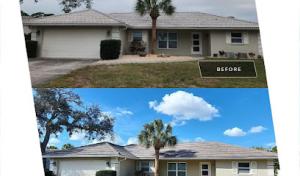
Zoller Roofing
(941) 923-7663 zollerroofing.com
5663 Lawton Dr, Sarasota, Florida
4.9 from 100 reviews
In the Gulf-coast hurricane environment, keeping a paper trail for your roof matters more than you might expect. Start with organized records: keep permit sign-offs, material details, contractor contacts, and dated inspection notes. Store duplicate copies in a weatherproof place, and back them up digitally with the same dates. A clear trail helps underwriters assess your roof's history after a storm and speeds claim decisions. Also note the year and model of the roof system and any coastal upgrades performed.
Build a simple ledger you update after every significant event: installation dates, material batch numbers, warranty certificates, and any repairs or patchwork. Include the latest wind-driven debris or hail damage notes and who performed the work. In Florida's wind and rain scrutiny, integrity of the installation documents often weighs as much as the roof's age. Record where on the house the work occurred (flat roof, hips, skylights) and whether a licensed inspector signed off on the job. Keep receipts and serial numbers for all materials, and note any skylight or vent replacements.
Take dated photos from several angles: street view, eave line, flashing details, vents, and gutters. Do this after completion, after any repair, and at seasonal checks. Store images with the date and a short description. These images travel well with the file and can clarify what was done when the storm pressure rises. Maintain a photo sequence that shows exterior changes over time, especially around flashing and hat tiles or metal panels.
Warranty value depends not just on product but on installation and documentation standing up under coastal wind and rain scrutiny. Choose a contractor who can provide an installation checklist, test results, and a signed completion affidavit. Keep those with the warranty papers and ensure they reference the specific model and color of the roof as installed. Verify that your warranty terms explicitly cover wind-driven damage scenarios common to this coast.
If a storm hits, assemble your records first. Photograph damage before any temporary fixes; record who inspected it and what was recommended. Contact the insurer with the intact file, and be prepared to show prior repairs and material details to avoid disputes about pre-existing conditions. After repairs, file updated records and photos to reinforce the claim trail for future underwriting or policy adjustments.