
Last updated: Apr 19, 2026
Punta Gorda sits on Charlotte Harbor, so roofs face tropical-storm wind and rain patterns coming off open water. That unique exposure means roofs take blasts from shifting wind directions, sudden downpours, and a quick turnover between dry spells and squalls. The outcome is not a once-a-year concern but a recurring, year-round responsibility. When a storm approaches, think of your roof as the first line of defense for your home and your family-no overstatement, just practical reality. In this climate, wind resistance isn't optional; it's an immediate safety and investment priority.
Your choices should center on wind performance, fast installation realities, and a roof that can be reliably inspected after a storm without costly complications. In our market, shingles and tiles that seal well, resist uplift, and shed water quickly after a rainfall are the practical baseline. Look for systems that emphasize secure fasteners, reinforced edges, and a proven track record in hurricane-prone environments. If a roof type feels light on wind performance or requires extensive underlayment to meet local storm expectations, treat it as a red flag. The goal is a roof that holds together under wind-driven spray, that dries quickly after a heavy rain, and that makes post-storm inspection straightforward rather than a scavenger hunt for hidden leaks.
Dry-season reroofing becomes a critical scheduling decision here because summer teardown can be interrupted by frequent rain and tropical weather during the Atlantic hurricane season. Plan ahead to avoid windows when storms are most likely, and build in buffer time for weather delays. If you're weighing a reroof, aim for a stretch with predictable sunny days and cooler afternoons, but remain adaptable. A well-timed job minimizes exposure to both the heat and the afternoon storms that roll in off the water. Coordinate closely with your crew to lock in a sequence that preserves ventilation and roof deck integrity, since a rushed job in a monsoon window can leave you with loosened edges, improper sealant cure, or exposed fasteners.
After a storm passes, the first move is to perform a disciplined exterior check from the ground and, when safe, from the roof edge. Look for curling shingles, lifted edges, dented metal, missing ridge caps, and any soft spots on the decking. If you see damage, document with photos and identify a trusted contractor who can prioritize tarping and temporary containment while arranging a full roof repair or reroof. A proactive plan for wind-driven debris, rain intrusion around penetrations, and gutter damage helps you limit water intrusion before it travels into attic spaces or ceilings. Keep a fragile roof line cleared of debris, and address any obvious gaps promptly to prevent hidden rot or mold growth.
Even a roof that performed well under a hurricane or tropical storm deserves a post-action evaluation. Expect to examine flashing around chimneys, vents, and skylights for wind-driven separation. Check fasteners along hip and ridge lines and look for any irregular settlement in the eaves or soffits that could signal underlying deck movement. Create a simple, repeatable routine: one quick exterior inspection after every major storm, followed by a more thorough professional assessment within the first warm, dry week. A disciplined, local-first approach to post-storm care minimizes escalation, preserves the life of the roof, and protects the home from further weather-related damage.
The dominant local material mix includes asphalt shingles, metal roofing, clay tile, concrete tile, wood shingles/shakes, and synthetic/composite shingles. In this market, your choice should align with how these materials handle the coastal humidity, frequent summer rain, and the wind-driven debris common after storms. Asphalt shingles are widespread and familiar, but a long-lasting roof here often leverages the durability and wind resistance of metal or tile. Understanding how each option behaves in this exposure helps you avoid a reroof that only lasts a season.
Hot, humid conditions and persistent rain demand careful moisture management under the roof covering. For shingles, consider a waterproof underlayment with proven tropical-year performance and ensure proper ventilation to curb heat buildup inside the attic. Tile options-clay or concrete-bring excellent water shedding and long life, but require a solid deck and precise underlayment to handle wind-driven rain. Metal roofs shed water quickly and can reduce heat transfer, but require careful installation around penetrations and fasteners to prevent leaks. Whichever choice you select, insist on a continuous, well-sealed closed-cell barrier and a vented, balanced attic to keep humidity from rotting sheathing or encouraging mold.
Tile and metal roofing are especially relevant here because contractor specialization signals show strong local prevalence for both. When a roof is designed for Charlotte Harbor exposure, the fastener schedule, panel laps, and edge details must endure high winds and flying debris. Metal roofs often excel in wind uplift performance when installed by crews experienced with coastal conditions. Tile roofs can be superb for impact and longevity, but require precise framing, proper underlayment, and skilled installation to avoid cracks or leaks in storm debris blows. If you choose one of these, verify the installer's coastal track record and request color and profile options that minimize wind uplift risk.
Older, hurricane-tested stock may respond well to metal or clay/concrete tile, both of which can retrofit onto existing decks with careful assessment. Asphalt shingles remain common, but ensure the product is rated for high-wind zones and that the roof deck is in solid condition to support the load and prevent moisture intrusion. Wood shingles and shakes offer a traditional look but demand meticulous maintenance and robust moisture sealing to prevent rot in humid summers. Synthetic/composite shingles provide a balanced option, often blending resistance with weight concerns and faster installation.
You should evaluate the existing roof's structure, the deck's condition, and the level of coastal exposure for your home. Speak with local contractors who regularly handle hurricane-season reroofs and ask for evidence of wind performance ratings and successful projects with each material type. Prioritize systems that deliver reliable moisture control, strong wind resistance, and proven coastal performance to maximize your roof's resilience for the next decade-plus.
After a major storm passes through Charlotte Harbor, the insurance landscape in this area shifts quickly. Florida's wind and hail-focused claim environment is active, and Punta Gorda homeowners should expect a weather history review as part of the claim process. That means insurers will look at how the storm behaved locally-timing, wind speeds, rainfall intensity-and how your roof performed during those conditions. Be prepared for the possibility that a claim will hinge on documenting not just what happened, but when it happened and how your roof responded in the storm's peak moments. Rely on the specifics of your property's exposure, including the roof's age, its current condition, and any previous wind-driven events that may influence how an adjuster views the claim.
In practice, carriers often request a clear project scope, a set of recent photos, and a damage assessment from a licensed professional. They may also ask for engineering or wind mitigation information to substantiate the necessary repairs or replacement. For Punta Gorda homeowners, this means you should have a concise, organized record ready: dated photos of all suspected damage, a professional assessment that clearly links the observed damage to the storm event, and any wind mitigation features that improve a roof's resilience. If you can, gather inventory of roofing components, gutter condition, and any nearby property impacts that corroborate the scope of work. Providing a coherent, professional package helps avoid protracted back-and-forth with insurers and reduces the risk of a dispute over what constitutes storm-related damage.
Because some carriers have reduced or changed coastal-area coverage in recent years, Punta Gorda homeowners often need stronger documentation before reroof decisions. Local storms arrive with distinctive wind patterns and rain bursts that stress roofs differently than inland areas. A well-documented claim helps demonstrate that the roof damage is a direct result of the incident, not preexisting wear. It also supports any engineering or wind mitigation data you may need to satisfy an adjuster's expectations. In practice, organize documentation by storm event, not by repair season. Keep a running log of weather dates, observed damage right after the storm, and follow-up inspections. This approach reduces ambiguity and can streamline a difficult, emotionally charged process into a focused, evidence-based conversation with your insurer and your roofing contractor.
Connect with contractors who help homeowners navigate the claims process from damage assessment to final approval.

Triumph Roofing, Restoration & Reconstruction
(941) 293-0604 www.triumphrrr.com
265 E Marion Ave #119, Punta Gorda, Florida
5.0 from 30 reviews
Right Now Roofing & Solar - Port Charlotte
24690 Sandhill Blvd Unit 603, Punta Gorda, Florida
4.7 from 61 reviews

Shea Roofing
(239) 744-6082 shearoofingllc.com
6025 Taylor Rd #107, Punta Gorda, Florida
5.0 from 77 reviews
Shea Roofing is a top-rated roofing contractor based in Punta Gorda, Florida, proudly serving Bradenton, Sarasota, Englewood, Fort Myers, Naples, and nearby areas. We specialize in shingle, tile, metal, and flat roofing systems for both residential and commercial properties. Our licensed and insured team is known for quality craftsmanship, honest pricing, and fast turnaround. Whether it’s a full roof replacement, storm damage repair, or detailed inspection, we provide roofing solutions built for Florida’s weather. Count on us for dependable service and lasting results.
Prestige Roofing Company
(239) 944-6172 www.prestigeroofing.co
Punta Gorda, FL
5.0 from 60 reviews
Prestige Roofing Company is a trusted roofing contractor serving all of Southwest Florida. We specialize in tile roof installations, roof repairs, and replacements using top-quality materials. Our expert team offers reliable, timely service for all your roofing needs, including emergency roof repairs. We pride ourselves on honest estimates and customer satisfaction. Choose Prestige Roofing for quality craftsmanship that lasts. Call today for a free consultation and discover why Southwest Florida homeowners rely on us for their roofing solutions!
Triumph Roofing, Restoration & Reconstruction
(941) 293-0604 www.triumphrrr.com
265 E Marion Ave #119, Punta Gorda, Florida
5.0 from 30 reviews
Triumph is a 24/7 Roofing and Mold Removal company located in Punta Gorda Fl. Give us a Call Today for any Roof Leaks, Roof Repairs, or Mold in your Home. We Service both Residential and Commercial clients. Available for emergency services, day or night.
Certified Roofing Solutions
(941) 445-0779 www.certifiedroofingsolutionsllc.com
3941 S Tamiami Trl Space 3123, Punta Gorda, Florida
4.8 from 79 reviews
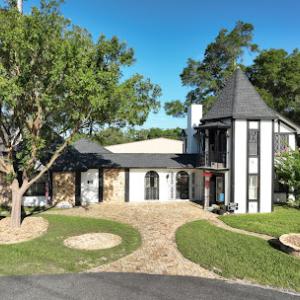
Certified Roofing Solutions, LLC is a locally owned and operated residential and commercial roofing company. With over 30 years of experience in the industry, our team of skilled professionals provide high-quality roofing services tailored to meet the unique needs of our clients. We use only the highest quality materials and cutting-edge techniques for installations, repairs, and maintenance. We are a GAF Master Elite roofing contractor. Our services include asphalt shingles, metal roofing, tile roofs, flat roofs, GAF Energy Solar Roofing, TPO, PVC, EPDM, gutter and siding installation, and more. We are committed to providing exceptional customer service and transparency throughout the entire roofing process. CCC1326502 CGC058533
Right Now Roofing & Solar - Port Charlotte
24690 Sandhill Blvd Unit 603, Punta Gorda, Florida
4.7 from 61 reviews
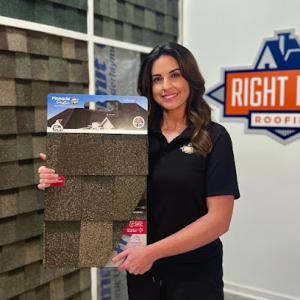
Right Now Roofing Port Charlotte is the leading roofing company in Florida providing roofing services to Port Charlotte, Punta Gorda, Fort Myers, North Fort Myers, Cape Coral, Sanibel, Rotonda West, Cleveland, Charlotte County and Lee County markets and have locations nationwide. We have created a plan and process that is organized and repeatable giving our customers excellent results. Your roofing experience will include a dedicated roofing project manager, a production team, and our roofers have been hand picked by our ownership. We are a full service roofing contractor, services we provide (but not limited to): asphalt shingle roofing, tile roofing, metal roofing, residential roofing, commercial roofing, wind damage, and roof repairs.
APC Roofing
(941) 336-7037 www.apcroofing.com
1700 Steadley Ave, Punta Gorda, Florida
4.8 from 40 reviews
First-Class Roofing Solutions for Residential and Commercial Properties. APC Roofing is the premier Roofing Contractor in Central Florida providing First-Class Roofing Solutions that you can trust for residential and commercial properties. Whether you’re a homeowner, business owner, property manager, or HOA representative, APC Roofing has the knowledge and experience to handle your next project. Call us today and learn how you can save money protecting your Investment!
Guy Brothers Roofing
(239) 244-8899 www.guybrothersroofing.com
28041 Airpark Dr Unit 110, Punta Gorda, Florida
4.6 from 55 reviews
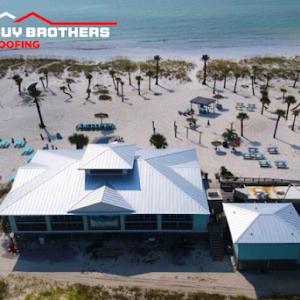
"In South Florida, Guy Brothers Roofing has been the top choice for professional Roof Installation for over 50 years. Florida homeowners have depended on Guy Brothers Roof Inspection & Roof Damage Repair to install the highest quality products, correctly, on-time, and at the best value. We finance and warranty all of our work and are the top Roofing Contractor in South Florida.
R & L Building Construction
(941) 815-0404 www.rlbuildinginc.com
24630 Sandhill Blvd Unit 301, Punta Gorda, Florida
4.7 from 32 reviews
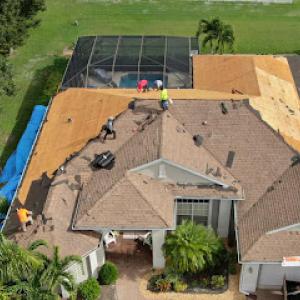
R&L Building Construction proudly serves Charlotte County, FL, and surrounding areas, providing exceptional roofing, remodeling, and aluminum structure solutions backed by over 32 years of experience. Our team is committed to delivering quality craftsmanship on every project, whether it’s restoring a storm-damaged roof, transforming a home’s interior, or building functional outdoor spaces like carports and sunrooms. We focus on combining durability, style, and attention to detail to create results that stand the test of time. At R&L Building Construction, your vision is our mission, and we work hard to bring it to life with professionalism and care.
Kuykendall Roofing
(941) 637-0588 www.kuykendallroofing.com
3000 Acline Rd, Punta Gorda, Florida
4.5 from 53 reviews
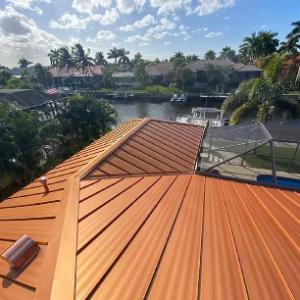
Kuykendall Roofing, based in Punta Gorda, Florida, has been a leading roofing contractor in the area for over 40 years. Specializing in a wide range of roofing services, they cater to both residential and commercial clients, offering expertise in shingle, tile, metal, and flat roofing systems. The company is renowned for its dedication to quality workmanship, customer satisfaction, and reliable service. As a BBB-accredited business with an A+ rating, Kuykendall Roofing has built a strong reputation in Southwest Florida for delivering durable and aesthetically pleasing roofing solutions that stand the test of time

Rain Roofing & Solar Florida
(941) 946-7246 rainroofingandsolar.com
25173 Marion Ave, Punta Gorda, Florida
4.5 from 13 reviews
Welcome to Rain Roofing and Solar! I'm George Rain, and I'm excited to announce our new Punta Gorda, Florida location. With 67 years of industry experience, we're your trusted destination for top-quality roofing and green energy solutions. Count on our skilled team of general contractors for insurance restoration, including wind, hail, and tornado damage. We serve residential, commercial, and industrial clients, delivering exceptional results for roof repairs, soffit, fascia, and more. Looking to go green? Our knowledgeable staff can guide you in transitioning to solar panels. Experience prompt service, craftsmanship, and customer satisfaction with Rain Roofing and Solar. Contact us today!
Higher Power Roofing | Punta Gorda
(941) 344-2634 higherpowersolar.com
615 Cross St Suite 1000c, Punta Gorda, Florida
5.0 from 5 reviews
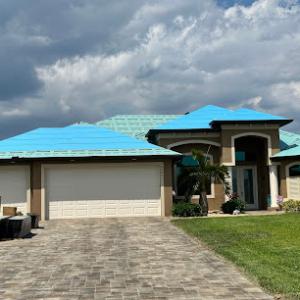
Higher Power Roofing; A Dependable Roofing Contractor in Punta Gorda With over a decade of experience, Higher Power Roofing has been the local beacon of high-quality roofing services in Punta Gorda, FL. We are committed to delivering first-rate customer service from inception to completion, striving for 100% customer satisfaction on every project. Here's why you should entrust your roofing needs to this reputable Punta Gorda roofing contractor. We are Licensed In the world of roofing, it's critical to select a licensed and insured company for your peace of mind, ensuring you're covered if anything goes awry during the repair or replacement process. Higher Power Roofing is fully licensed and insured.
Robert Mallory Roofing
2942 Cardiff St, Punta Gorda, Florida
5.0 from 4 reviews
3rd Generation Florida Roofing Contractors that have served the state of Florida for more than 65 years and currently serving Charlotte and surrounding counties for 40 years. We are a Full Service Roofing Company specializing in roof repairs and re-roofing on all types of roof coverings. We offer maintenance programs on commercial roofs, roof coatings and custom metal fabrication. Our work is generally residential roofing repairs with experts to find that darn leak that others find difficult to locate and repair. Robert Mallory Roofing is locally owned and operated with thousands of satisfied customer. We look forward to serving you and all your roofing needs with honesty, integrity and respect.
Most reroofs in Punta Gorda require a building permit issued by the City of Punta Gorda Building Department. Before any tear-off begins, verify that a permit is in place and that the project scope matches what the department will approve. Reroofs tied to insurance storm-repair work often require documentation that shows the existing structure's condition and the planned material and fastening methods. Have the contractor submit the plan and wind-rated details early, because a permit review that stalls at the last minute can push project timelines into the next tropical cycle.
Reroof inspections are scheduled at milestone stages after tear-off, after underlayment installation, and at final completion. The first inspection confirms the old roof has been removed and that any sheathing damage has been addressed and repaired properly. The second inspection ensures the underlayment is correctly installed, fastened, and that any required flashing, drip edge, and code-specific fascia work meet local standards. The final inspection validates that roofing materials are properly installed, wind-rated components are in place, and all penetrations meet code requirements. Expect the inspector to look closely at how hips, ridges, and valleys are tied into the rest of the system, because Punta Gorda's wind patterns demand tight, uniform fastening and proper nailing patterns.
Wind mitigation documentation may be requested for older homes, and the city issues final sign-off only after code requirements are met. If your home predates newer Florida amendments, have your contractor prepare the wind-rated installation details and any required contractor certifications. The city may ask for photos or stamped documents showing that the roof-to-wall connections, attic access, and secondary water resistance meet the current mitigation expectations. Keep a ready file of these documents; it speeds up the final sign-off and reduces the risk of post-inspection callbacks.
Before starting, call the Building Department to confirm permit conditions and to reserve inspection slots that align with your project timeline. When your contractor submits the plan for permit review, request a copy of the approved scope and the expected inspection dates. After tear-off, arrange access for the inspector to all attic and roof areas, and ensure underlayment installation is complete and visible from the roof deck. If a deficiency is found, address it promptly, then request the re-inspection as soon as possible to keep the project on track for final sign-off.
In this city, storm-season demand spikes can affect reroof pricing and scheduling because emergency work and post-storm rebuild demand compete for crews. When a major storm passes, availability tightens and prices can jump for quick-turnaround projects. Dry-season installation windows are often preferable locally because fewer weather interruptions can reduce exposure risk during tear-off and underlayment stages. Plan ahead for a reroof if the forecast shows tropical activity, and lock in a crew during the calmer months when schedules align with typical dry days.
Local average installed costs for asphalt shingles run about $350 to $700 per square. This material often remains a practical, budget-friendly option for many hurricane-tested homes in older neighborhoods that have rebuilt after storms. If a reroof is part of a quick storm-response package, highway speeds on crew availability can influence the per-square price, especially during the late summer and early fall. A mid- or low-slope roof with good ventilation keeps the cost closer to the lower end, while upgraded underlayment or starter courses can push costs toward the higher end.
Metal roofing typically installs in the $700 to $1,200 per square range here. Metal is favored for hurricane resilience and wind-rated performance, but supply and scheduling pressure after a storm can tighten timelines and raise the price. For metal, consider color and coating options that resist salt air and humidity, which are common along the harbor. Dry-season windows help avoid weather delays that would otherwise extend tear-off and fastening time.
Clay tile runs roughly $800 to $1,400 per square, and concrete tile around $900 to $1,500 per square. These materials offer strong wind resistance but add weight and require careful structural assessment. Post-storm demand can stress crews skilled in tile work, so booking early in the dry season improves the likelihood of one-visit reroofing with fewer call-backs. If water intrusion concerns exist, tile systems paired with proper underlayment become a priority.
Wood shingles or shakes average $500 to $900 per square here. They can be vulnerable to humidity and wind-driven rain, so proper installation and maintenance matter in this climate. During hurricane season, pricing can spike as specialists are scarce; dry-season scheduling helps maintain predictable costs and fewer weather-related delays.
Synthetic or composite shingles typically range from $450 to $850 per square. They offer versatility and faster installation. In peak storm months, expect tight calendars and occasional price adjustments, but the dry season often presents steadier scheduling and fewer interruptions for underlayment and tear-off work.
Don't let upfront costs delay a critical repair - these contractors offer payment plans to fit your budget.
Shea Roofing
(239) 744-6082 shearoofingllc.com
6025 Taylor Rd #107, Punta Gorda, Florida
5.0 from 77 reviews
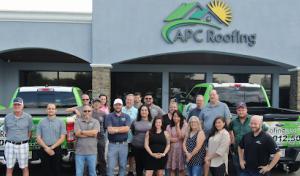
APC Roofing
(941) 336-7037 www.apcroofing.com
1700 Steadley Ave, Punta Gorda, Florida
4.8 from 40 reviews
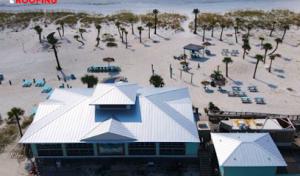
Guy Brothers Roofing
(239) 244-8899 www.guybrothersroofing.com
28041 Airpark Dr Unit 110, Punta Gorda, Florida
4.6 from 55 reviews
During Punta Gorda's summer, heavy afternoon thunderstorms soak uncovered decking as tear-off crews pull back shingles. The water hits wood and underlayment just as heat dries the surface; that combo invites warping, mold, and days of drying. If your deck sits near the roof edge, plan for extra tarping and quick staging to keep moisture from soaking into plywood. Without careful coverage, you risk delaminated deck boards and delayed reassembly.
Shoulder-season moisture is a real wrinkle. Short exposure windows between roof tear-off and new installation can stall progress if humidity spikes or sudden rains close the job site. In practice, crews may need to pause to dry-out framing or tarp multiple times, extending the project and elevating the chance of wind-driven moisture intrusion. Have a contingency plan for delays and ensure your crew uses breathable, well-secured coverings that shed rain rather than trap humidity.
Winter is the better installation period locally, though UV exposure remains a year-round roof-aging factor. Cooler, drier days reduce decking warping risk and keep underlayment dry during fastened membrane work. Even so, hot sun rebounds on your decking after the end of a storm season, so check for sustained moisture before re-covering. A deliberate pace in winter helps especially if neighboring homes have ongoing storm repairs.
Before a tear-off starts, inspect decking for soft spots and gaps, and arrange a solid, weatherproof tarp plan that covers not just the roof line but the outer deck edge and any steps down to the yard. Use 2x lumber or sturdy panels to create a dry work platform and minimize direct rain contact on the sheathing. When rain returns, pause operations and remove standing water promptly to prevent mold growth and staining, then resume only after the decking is dry to a test with a moisture meter.
Asphalt shingles in Punta Gorda face accelerated aging pressure from heat, UV, humidity, and repeated storm exposure. In the harsh sun and tropical mix, shingles can fade, curl, or lift sooner than expected, especially after back-to-back hurricane seasons. Granule loss gradually exposes the underlying asphalt, increasing the risk of rapid sun blistering and leakage at fasteners. Local homes often show accelerated wear around edges, valleys, and vent openings where moisture and heat concentrate. Periodic inspection should focus on hail-impacted areas and any missing or curling shingles after storms, with attention to fastener integrity and flashing performance in coastal winds. Timely replacement becomes crucial as color fading and surface brittleness worsen, making restoration more challenging when adjacent shingles have already degraded.
Tile roofs are common locally, but replacement planning can be more complex because matching and repairing storm-affected tile systems is a recurring regional issue. When tiles crack or break during a hurricane or tropical storm, finding exact color, profile, and thickness can be difficult, and mismatches are more noticeable on the roofscape's skyline. Local crews often encounter interlocking or proprietary tile systems where replacement pieces are discontinued or regional suppliers run low. Beyond color, the weight and substrate compatibility matter: station-ready reroofing may require structural checks and, in some cases, reinforcement to preserve wind performance. Routine maintenance should prioritize gentle handling of tiles to prevent cracking during wind-driven debris events.
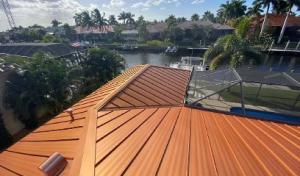
Metal roofing is a major local specialty, reflecting homeowner demand for wind-focused reroof options in a hurricane-prone coastal market. Panels must resist salt spray, fasteners, and sealants that degrade under heat and humidity. Common failures include seam leaks, degraded sealants, and loose fasteners after high-wind gusts. Proper ventilation underneath the metal and attention to foam closure strips help prevent condensation and ice-dams-like condensation in shoulder seasons. In a storm-prone setting, the ability to reseal or retrofit wind-rated edge details quickly is a practical advantage, but it requires a proactive maintenance mindset and reliable local workmanship to sustain long-term performance.
In this market, flat-roof specialization exists alongside dominated pitched-roof residential stock. When a home has additions, lanais, porches, or attached structures, those low-slope areas are common and often connected to the main roof with transitions that look simple but behave very differently during storms. Understanding this difference helps you plan for a durable reroof.
During Punta Gorda storm events, low-slope sections tend to channel water differently than the main roof. Water can back up at drain details or at the bulkhead connections where a flat or low-slope surface meets a steeper pitched roof. Pay close attention to edge flashing, terminations around parapets, and any penetrations that cross from the main roof to these attached areas. A leak path that starts on a lanai or porch may travel horizontally before you notice on the interior, so look for staining and soft spots along transition strips after heavy rains.
When planning reroofs, treat transitions as separate work zones with their own flashings and drainage considerations. Confirm that deck or substrate for low-slope areas is dry and sound before installing any membrane or insulation layer. Ensure that flashing at skylines, parapets, and parapet-to-sloped roof junctions is continuous and integrated with the main roof's weatherproofing. If a low-slope section shares a drain, verify the drain pan and scupper connections are robust enough to handle Florida rain bursts without overloading the system.
Choose materials and detailing that encourage rapid shedding of water at those transitions. In practice, this means pairing a reliable membrane or single-plap system on the low-slope portion with compatible flashing that resists wind-driven rain. Pay particular attention to edge conditions where the flat surface adjoins the main roof: even small misalignments can become focal points for leaks under tropical storm rain.
After storms, inspect exposed transitions first. Look for lifted edge details, blistering, or any pooling near the interface. Regular maintenance should include resealing vulnerable flashing seams and rechecking fastener patterns to preserve a continuous rain seal across both roof types.
Find specialists in TPO, EPDM, and built-up flat roofing systems for residential and commercial properties.
Shea Roofing
(239) 744-6082 shearoofingllc.com
6025 Taylor Rd #107, Punta Gorda, Florida
5.0 from 77 reviews
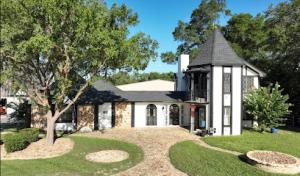
Certified Roofing Solutions
(941) 445-0779 www.certifiedroofingsolutionsllc.com
3941 S Tamiami Trl Space 3123, Punta Gorda, Florida
4.8 from 79 reviews
Kuykendall Roofing
(941) 637-0588 www.kuykendallroofing.com
3000 Acline Rd, Punta Gorda, Florida
4.5 from 53 reviews