
Last updated: Apr 19, 2026
Brandon sits inland from Tampa Bay, so roofs face tropical-storm and hurricane wind fields without the salt-heavy beachfront conditions seen on the immediate coast. That means wind-driven rain punches through in bursts, while humidity and frequent thunderstorm activity keep roofs vulnerable year-round. Asphalt shingles, metal, and tiles each respond in their own way, but the risk is the same: a sudden gust or heavy downpour can expose weak seams, loose flashing, or dented panels within minutes. The combination of inland exposure, stacked storms, and a suburban mix of homes means neighbors are often sharing the same damage patterns-fast leaks, rapid interior moisture, and pressure on crews to reach multiple sites after a surge.
The June to November window brings the highest threat, and it overlaps Brandon's wettest stretch. Heavy rain and strong winds don't just threaten the roof; they delay replacement scheduling because demand spikes after storms. If a storm triggers wind-driven leaks, interior damage can begin before a crew can safely access the roof. Be prepared for back-to-back weather events that squeeze inspection windows, push temporary fixes, and complicate long-term repairs. In practice, that means you may need to act quickly on small issues to prevent larger, more expensive damage when the next system rolls through.
Wind-driven rain from tropical systems often turns small flashing or shingle failures into interior leaks before full replacement crews can get on site. Common weak points include valleys, chimney flashing, vent collars, edges of roof decks, and any penetrations that aren't fully sealed. In many homes, gutters and downspouts clog during storms, directing water toward vulnerable seams rather than away from the roof. Damaged or loose ridge caps, palm-frond debris catches, and wind-lifted shingles are telltale signs that the next storm could carry water into living spaces. If you notice damp ceilings or exterior staining after a rain, don't wait for a cure-all fix-address the most exposed points first.
Before the next storm season, walk the roof with a careful eye: check for missing shingles, lifted edges, loose flashing around vents, chimneys, and skylights. Tighten or reseal any suspect flashing with weatherproof sealant compatible with your roofing material, and secure loose gutters and downspouts so water is directed away from the fascia. Clear debris from roof surfaces and eaves to reduce water weight and wind lift. If a storm is approaching, protect vulnerable areas with temporary patches only if you know how to apply them correctly and safely, then schedule a professional inspection as soon as the weather allows. Quick, targeted fixes now can stop a small problem from turning into a widespread interior leak once a storm passes.
Brandon's frequent afternoon thunderstorms can interrupt tear-offs and dry-in work the same day, making temporary waterproofing and scheduling discipline especially important. A leak response plan must assume that a sudden downpour can flood exposed decking and attic spaces within minutes. If a storm hits during a repair window, every exposed seam or vent connector becomes a potential entry point for wind-driven rain. The homeowner should treat any active leak as urgent, not cosmetic, and expect that a small breach can escalate quickly with the next wave of moisture.
When rain starts, you should stop work only long enough to secure the most vulnerable areas: roof penetrations, skylights, valleys, and edges where wind-driven rain seeks shelter. Use heavy-duty tarps or reinforced plastic to cover the most exposed sections until a temporary patch can be applied by a pro. Document the condition with photos and timestamps, since time-stamped records help coordinate speedy follow-up. If the forecast shows an approaching storm, arrange a temporary waterproofing plan in advance with the contractor, so crews can deploy cover panels and fastenings the moment work pauses. In practice, crews on site should have a ready kit of tarps, sealants, and fasteners to minimize delays when the weather shifts.
Wet-season storms in Brandon can delay decking evaluation because exposed wood may need time to dry before installation can continue. When decking is soaked, fasteners can corrode, adhesives may fail, and planks can warp. Plan for a measured dry-out window after storms pass, and align this with the sequencing of removing damaged decking, applying underlayment, and re-sealing. If a critical step must occur during damp conditions, choose temporary impermeable coverings and vented drying strategies to accelerate humidity reduction while keeping rain out. This approach helps prevent repeated delays and keeps the project on a realistic schedule once skies clear.
Quick-response leak service is especially relevant in Brandon because repeated summer storm cycles can reopen vulnerable areas between estimate, replacement, and any interim work. Arrange a dedicated contact for urgent leaks, so a crew can be dispatched within hours when rain leaks into the roof line. Ensure that the response plan includes curb-side access for materials, a clear staging area, and a simple, repeatable set of steps to assess, tarp, seal, and document. Clear escalation steps reduce downtime and limit the window of exposed decking and attic spaces, protecting your home from successive storm cycles.
When you can't wait, these contractors offer fast response times to stop leaks and prevent further damage.
JD Contractors
(813) 662-4755 jdc-roofing.com
207 E Robertson St Suite E, Brandon, Florida
5.0 from 32 reviews
Lifetime Quality Roofing & Storm Restoration Tampa
(813) 522-8699 www.lifetimequalityroofing.com
510 Vonderburg Dr # 306, Brandon, Florida
4.7 from 390 reviews
Pro Seal Roofing
(813) 760-4728 www.prosealroofing.net
2301 Bell Shoals Rd, Brandon, Florida
5.0 from 17 reviews
Top Line Roofing
(813) 710-6074 toplineroofingflorida.com
1219 Millennium Pkwy, Brandon, Florida
5.0 from 134 reviews
Top Line Roofing is one of the leading roofing companies in Brandon, FL, and your trusted source for all your roofing needs. We specialize in quality roof repair, new roof installation services, storm damage roof repair and replacement, and restoration. Whether you need a minor repair, a complete roof replacement, or durable roof coating solutions to enhance longevity, our experienced team of professionals has the expertise to handle any project with precision and care. We provide exceptional residential roofing services, commercial roof replacement, and reliable roofing solutions tailored to your specific needs. Contact us today for a free inspection!
Reese Roofing & Construction
(727) 677-3373 www.reeseroofing.com
710 Oakfield Dr suite 205, Brandon, Florida
5.0 from 93 reviews
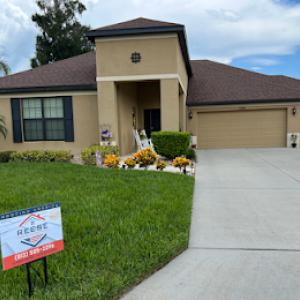
Reese Roofing & Construction is the premier choice for roofing, gutter, and solar installation needs in Brandon, FL. With unparalleled expertise and dedication to excellence, we deliver top-notch craftsmanship and unparalleled customer service. From roof repairs to full installations, we handle every project with precision and care. Our team is committed to using the highest-quality materials and the latest techniques to ensure lasting results that exceed expectations. Trust Reese Roofing & Construction for all your roofing and construction needs, and experience the difference that quality and reliability make. Proudly owned by US Military Veterans.
Harbor Roofing
(813) 330-7022 harborroofing.com
644 E Bloomingdale Ave, Brandon, Florida
5.0 from 76 reviews
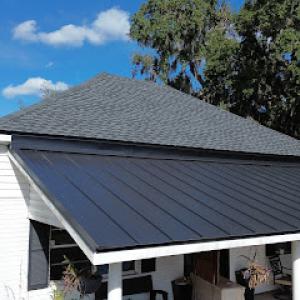
Family-Owned Roofing Company, USMC Veteran-Owned, and Locally-Owned by Tampa Bay Natives | BBB A+ Rated Roofing Contractor | Owner involved in Every Roof Installation | GAF Master Elite Roofer providing the best roof warranties in roofing industry | Owens Corning Preferred Roofer | Authentic 5 Star Reviews | Fair Priced Roof Replacements Always | Roofing Valrico FL, Brandon FL, Seffner FL, Dover FL, Plant City FL, Riverview FL. and surrounding areas. Roofing services we provided are residential roofing and commercial roofing, Roof Replacement, Roof repairs, & roof inspections for all types of roof systems including shingle roofs, tile roofs, metal roofs, flat roof systems, stone coated metal roofs. 33527, 33594, 33595, 33596, 33511, 33510
J&M Roofing
(813) 981-7427 www.jandmroofing.com
915 Oakfield Dr D, Brandon, Florida
4.9 from 64 reviews
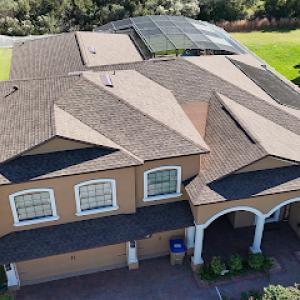
When it comes to your roofing needs, J&M Roofing stands out as a trusted choice in Tampa. Our dedicated team is committed to providing tailored solutions for every type of roof, ensuring you get the best care possible.
JD Contractors
(813) 662-4755 jdc-roofing.com
207 E Robertson St Suite E, Brandon, Florida
5.0 from 32 reviews
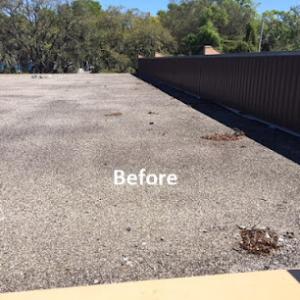
For over four decades, JD Contractors has been safeguarding businesses across Central Florida with expert roofing solutions. Based in Brandon, FL, our State of Florida certified team delivers unparalleled commercial roofing services throughout Tampa, Clearwater, and St. Petersburg. Trust JD Contractors to protect your investment with quality craftsmanship and lasting reliability.
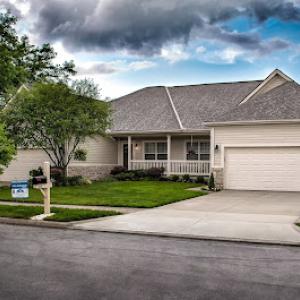
Lifetime Quality Roofing & Storm Restoration Tampa
(813) 522-8699 www.lifetimequalityroofing.com
510 Vonderburg Dr # 306, Brandon, Florida
4.7 from 390 reviews
Protect your Florida home with Lifetime Quality Roofing, proudly serving Tampa with professional residential and commercial roofing services in Brandon, FL, and nearby areas. Serving Tampa since 2018, we specialize in roof replacements, storm damage repairs, solar services, and high-performance gutter installations. Our skilled, licensed, and insured team ensures every roof stands up to Tampa’s unpredictable weather. From detailed inspections to efficient installations, our roofing solutions are made to last. Count on us for fast, reliable service and lasting results. Schedule your free roof inspection today with our Tampa experts and see why Floridians choose Lifetime Quality Roofing.
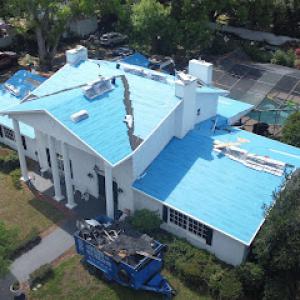
Quick Quote Roofing
(813) 851-4808 quickquoteroofing.com
1208 Bell Shoals Rd, Brandon, Florida
4.8 from 55 reviews
Quick Quote Roofing is a licensed and insured Roofing Contractor servicing Florida home owners. We offer residential and commercial repair and replacement services. Financing is available.
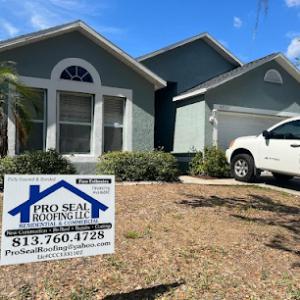
Pro Seal Roofing
(813) 760-4728 www.prosealroofing.net
2301 Bell Shoals Rd, Brandon, Florida
5.0 from 17 reviews
Pro Seal Roofing, established in 2017, is a trusted roofing contractor serving Brandon, FL, and its neighboring areas. Specializing in residential and commercial roof repair and maintenance, our experienced team ensures lasting solutions for properties of all sizes. With a focus on professionalism and attention to detail, Pro Seal Roofing handles every aspect of home roofing service, from roof installation to addressing framing or sheathing issues. You can rely on Pro Seal Roofing for expert care and quality craftsmanship to protect your homes for years to come.
Universal Roofing Company
1463 Oakfield Dr #101, Brandon, Florida
5.0 from 17 reviews
Florida's Premier Roofing Contractor specializes in sustainable roofing systems, commercial roofing, and solar panel systems.
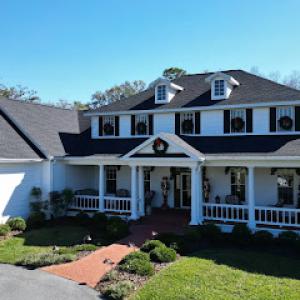
Tampa Bay Roofing Services
(813) 680-4870 tampabayroofing.com
329 Pauls Dr Suite 107, Brandon, Florida
4.2 from 20 reviews
When the worst is yet to come, the best protects! We’re a 3rd Generation, Florida Roofer. As a family owned business, we handle every customer like family and each roofing project as if it were for our own home. We offer roof replacement, installation and roof repair primarily for tile and shingle in Brandon. We’re the only roofer in the Tampa Bay area that offers 160 MPH wind protection! You can count on our roofs every rainy season for years and years to come, thanks to our exceptional, experienced craftsmen. Should you have any storm damage, our roof claim process is easy and painless without the long wait. See why we’re the best roofing contractor in Tampa Bay by contacting us now for a free, no obligation roof evaluation and estimate.
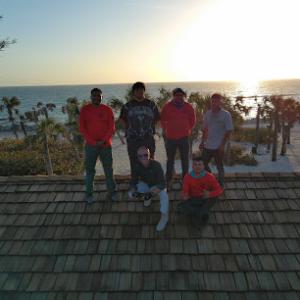
ProBuild Roofing & Restoration of Florida
(813) 797-0101 www.probuildroof.com
106 Limona St, Brandon, Florida
4.1 from 23 reviews
ProBuild Roofing & Restoration of Florida is a reliable and experienced roofing contractor dedicated to providing a wide range of residential and commercial roofing services. With years of expertise, we are committed to fulfilling your roofing needs, from small repairs to extensive renovations. We pride ourselves on our versatility, extending our services to include exterior renovation and painting, assuring a cohesive and refreshed look for your property. Our attention to detail and unwavering commitment to excellence make ProBuild Roofing & Restoration of Florida an unparalleled choice for all your roofing and exterior renovation endeavors.
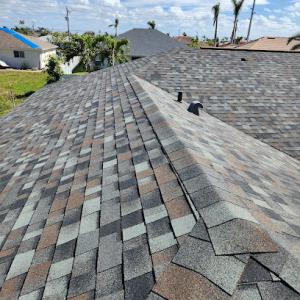
Center Point Roofing & Sheetmetal
(656) 248-4666 centerpoint-roofing.com
401 Bracken Ln, Brandon, Florida
3.9 from 15 reviews
Center Point Roofing and Sheetmetal is headquartered at 401 Bracken Ln, Brandon, FL 33511, proudly serving Hillsborough County, Pasco County, and Pinellas County for over a decade. We provide high-quality roofing and sheetmetal solutions. As trusted roofing contractors, we provide complete roofing services focused on protection and long-term value. Our work includes roof repair, roof replacement, reroof projects, roof installation, roof inspection, roof leak repair, and all sheetmetal needs. Among local roofing companies, our experienced roofers are known for refined craftsmanship and consistent results. Center Point Roofing and Sheetmetal is the best roofing and sheetmetal company in Brandon and the surrounding area.
Brandon homeowners commonly choose among asphalt shingles, metal roofing, clay tile, concrete tile, wood shingles or shakes, and synthetic or composite shingles, so material comparison needs to reflect that actual local mix. Asphalt shingles stay a practical, readily available option for many subdivisions, balancing ease of installation with proven wind and rain performance. Metal roofing brings strong resistance to wind-driven rain and rapid cooling from afternoon storms, but it's less forgiving when thermal movement is involved if installed on marginally framed or older structures. Clay and concrete tile offer long life and a classic look in many Brandon neighborhoods, yet their weight means structural checks and appropriate accessories are essential. Wood shingles or shakes provide unique curb appeal but can demand higher ongoing maintenance in a humid climate with heavy rainfall. Synthetic or composite shingles aim to blend the best attributes of traditional types-lighter weight, decent wind resistance, and good moisture performance-without some of the specific drawbacks of natural materials. The local mix means a homeowner often ends up weighing appearance and wind tolerance against weight and the age of the underlying structure.
Extreme summer heat and humidity accelerate aging differently across materials. Asphalt shingles can suffer from thermal cycling-sun on hot days, cooler nights-leading to micro-cracking and granule loss over time, increasing leak risk around edges and penetrations. Metal panels expand and contract with daily heat swings, which can loosen fasteners and create fastener and seam wear if not properly engineered for Brandon's heat profile. Tile systems handle heat well and shed water efficiently, but they respond to thermal movement with potential cracking if support structures aren't solid or if edges and ridges aren't adequately vented. Wood shakes tolerate the heat when well-protected by finishes, yet moisture and humidity raise the chance of warping, mold, and rot unless regularly treated. Synthetic or composite options often provide better resistance to sun exposure and moisture absorption, though installation details-overheating fasteners, proper underlayment, and venting-still dictate long-term performance. In any case, the humid air and frequent thunderstorms mean you should prioritize roofs with robust waterproofing details at hips, valleys, penetrations, and skylights, plus reliable drainage to keep water moving away from the attic.
Tile and metal are visible options in many Brandon-area suburbs, but heavier systems drive structural calculations and add costs for roof deck reinforcement, fasteners, underlayment, and potentially higher wind-rated accessories. Standard shingle replacements are lighter and generally less intrusive for typical Ray City framing found in late 20th-century to mid-2000s homes. If choosing heavier materials, plan for a professional load assessment and consider whether updates to trusses, attic ventilation, and drip edge are needed to sustain performance in the long term.
For asphalt shingles, focus on wind-rated bundles and a solid underlayment to manage rapid rain cycles. Metal roofing benefits from precise panel alignment, proper fastener placement, and sealant compatibility at overlaps and penetrations to withstand Brandon's storm-driven rain. Clay or concrete tiles require a reinforced roof deck and attention to weight distribution, plus matching flashing details around chimneys and vents. Wood shingles or shakes demand high-grade moisture protection and periodic treatment to fend off humidity-related decay. Synthetic or composite shingles often deliver consistent performance with less weight, but verify manufacturer recommendations for tropical climates and ensure compatible underlayment and ventilation. Each option benefits from a well-sealed perimeter and a robust guttering strategy to direct heavy rain away from the eave line and foundation.
A full roof replacement in Brandon typically requires a permit through Hillsborough County, not just a contractor work order. The homeowner or a licensed contractor must apply, and the permit traces the project from start to finish. This isn't something you can skip with a quick sign-off from your roofer; the county tracks inspections and compliance, especially for wind-driven rain events common to the area. Expect the process to align with county business hours and standard plan-check timelines, not a hurry-up private timeline.
The local review and inspection process commonly includes milestone inspections such as rough-in and final inspection before the reroof is fully closed out. Rough-in verifies sheathing, nailing patterns, and ventilation are correctly installed before shingles or tiles go on. The final inspection confirms the completed roof matches the approved plan, including wind-rated materials and proper flashing around penetrations. If the project hits weather delays or inspector backlogs, you may see timing shifts that affect when the job is considered fully complete.
Brandon reroof permits are reviewed for wind-resistance and code compliance, and timing can vary based on county workload and inspector availability. Expect detailed scrutiny of underlayment, nailing schedules, and edge securement, given the local exposure to hurricane-season wind and rain. If a proposed roof system includes taller or heavier materials, ensure structural readiness and connector details meet Hillsborough standards. Clear communication with the permit reviewer can prevent back-and-forth amendments that stall approval.
Coordinate with your contractor to align the replacement schedule with permit review windows, especially during peak season when county staff may be busier. Keep a centralized set of documents: permit number, approved plans, and any amendments. Before starting, confirm who is responsible for scheduling each required inspection and who will be present for the inspection fields. After approval, ensure the site remains accessible for inspectors and that material shipments won't block streets or driveways during the window the permit is active.
When choosing a roof in this area, prices move with the material you pick and with how the Tampa Bay region responds after a hurricane or a major thunderstorm. Asphalt shingles run roughly from 350 to 700 USD per square, a common starter choice for homes with modest budgets or if you're replacing loose or failed shingles after a heavy rain season. Metal roofs sit higher, about 650 to 1200 USD per square, and they're favored for wind resistance and a longer life in the humid climate. For heavier systems, clay tiles land around 1100 to 1900 USD per square and concrete tiles hover near 900 to 1500 USD per square, both common on newer builds and on homes designed with taller eaves or Mediterranean styling. Wood shingles or shakes typically run 600 to 1200 USD per square, while synthetic or composite shingles land in the 500 to 900 USD range, offering a mix of resilience and lower maintenance.
In Brandon, costs can rise after hurricanes and major thunderstorm events when regional demand surges across the Tampa Bay area and crews are booked for emergency dry-ins and insurance work. If your home needs a roof immediately after a storm, expect bidding to tighten and schedules to compress, which can push prices modestly higher on both materials and labor. Having a planned replacement window or a calm off-season evaluation can help you lock in more stable pricing, especially for lighter, easier-to-install options like asphalt or synthetic shingles.
Asphalt shingles are the most common and typically the easiest to source quickly, but they may require more frequent replacement in a first-front-center hurricane cycle. Metal roofs offer excellent wind resistance and a longer lifespan, which pays off in this climate but at a higher upfront cost. Clay and concrete tiles bring long service life and a distinctive look; they also add weight and may require structural checks, which can influence overall project timing and cost. Wood shingles provide a traditional appearance but can demand more maintenance in humidity, while synthetic shingles aim to balance price with durability and ease of installation.
The wet season can introduce decking moisture delays, particularly with heavier tile systems or less familiar crews. If a reroof project overlaps with Florida's soggy months, expect a few additional days of work from moisture-related staging and decking assessments. Planning for a slightly longer project timeline can help prevent price surprises and keep crews moving efficiently once clear weather returns.
Don't let upfront costs delay a critical repair - these contractors offer payment plans to fit your budget.
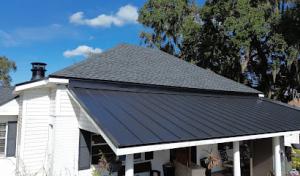
Harbor Roofing
(813) 330-7022 harborroofing.com
644 E Bloomingdale Ave, Brandon, Florida
5.0 from 76 reviews
Lifetime Quality Roofing & Storm Restoration Tampa
(813) 522-8699 www.lifetimequalityroofing.com
510 Vonderburg Dr # 306, Brandon, Florida
4.7 from 390 reviews
Quick Quote Roofing
(813) 851-4808 quickquoteroofing.com
1208 Bell Shoals Rd, Brandon, Florida
4.8 from 55 reviews
In this market, storm-related roof claims receive close scrutiny, and documentation matters more than ever. Florida's claim environment is tight, and in Brandon the combination of hurricane exposure and high humidity means insurers look for clear, consistent evidence of the roof's condition before a loss. If a claim moves toward coverage questions, the focus will be on how the roof componentry held up and whether prior maintenance or damage history is well documented.
When you're shopping for a new policy or renewing, expect insurers to want detailed roof condition records and wind-mitigation-related documentation. Having professional assessments, maintenance logs, and photos that chronicle the roof's age, material type, and any enhancements can smooth the process. Store these records in a centralized, date-stamped folder so showing the roof's history isn't a guessing game during underwriting.
After a storm, take thorough notes of any visible damage, interior leaks, and even small stains, because claim reviews may zero in on roof condition and component-specific evidence. Photograph the attic and ceilings, capture rain-driven drips, and save receipts for temporary repairs you undertake to prevent further interior damage. Clear, timestamped documentation reduces ambiguity if the claim needs explanation later.
If a claim is filed, you'll want a coherent chain of evidence. Have a licensed roofer's assessment ready that addresses shingles, underlayment, and flashing, plus any wind-related fastener issues. Explain how recent weather events could have affected the roof, and ensure your contractor's findings align with the insurer's questions. Consistency between technician notes and claim forms minimizes delays.
Maintain a current photo log of the roof from multiple angles, updated annually or after major storms. Keep records of any wind-mmitigation features installed, like reinforced fasteners or upgraded flashing, and document routine maintenance. By having a meticulous digital archive, you'll reduce the likelihood that a claim is questioned for lack of supporting evidence.
Connect with contractors who help homeowners navigate the claims process from damage assessment to final approval.
Harbor Roofing
(813) 330-7022 harborroofing.com
644 E Bloomingdale Ave, Brandon, Florida
5.0 from 76 reviews
J&M Roofing
(813) 981-7427 www.jandmroofing.com
915 Oakfield Dr D, Brandon, Florida
4.9 from 64 reviews
JD Contractors
(813) 662-4755 jdc-roofing.com
207 E Robertson St Suite E, Brandon, Florida
5.0 from 32 reviews
Although pitched residential roofs dominate the area, the local contractor market shows meaningful demand for flat and low-slope roofing on additions, porches, multifamily sections, and commercial properties. In Brandon's climate, repeated heavy summer downpours test drainage systems quickly. Ensure that each low-slope section has clearly defined drainage paths, with properly sized gutters and scuppers and a level surface that maintains a positive slope toward drainage outlets. Regularly remove debris in the rainy season, because clogged lines turn a small pond into a roof problem. Consider scupper placement that aligns with expected rainfall patterns and nearby flatter sections to reduce water back-up behind parapets.
Low-slope roofs rely heavily on seams and flashing. In a humid inland Tampa Bay environment, sealants can degrade faster with heat and rain when exposed to sun, salt spray, and thunderstorms. Inspect all seam tapes, membrane laps, and edge details for signs of lifting after intense storms. Use high-quality flange flashings and continuous edge clips where possible. A careful inspection schedule after major rain events helps catch slow leaks before interior damage occurs. For additions and porches, match membrane systems to the surrounding roofing so transitions stay watertight during heavy rain.
Wet-season installation timing matters more on low-slope sections in Brandon because trapped moisture and interrupted dry-in can complicate successful completion. Schedule installations to minimize wet work during peak storm windows, and ensure that temporary waterproofing is in place if delays occur. Dry-in should be completed promptly after rain gaps, with prompt protection over exposed edges and penetrations to keep interior spaces dry during the storm season.
Find specialists in TPO, EPDM, and built-up flat roofing systems for residential and commercial properties.
Harbor Roofing
(813) 330-7022 harborroofing.com
644 E Bloomingdale Ave, Brandon, Florida
5.0 from 76 reviews
Quick Quote Roofing
(813) 851-4808 quickquoteroofing.com
1208 Bell Shoals Rd, Brandon, Florida
4.8 from 55 reviews
Brandon's strong sun exposure means roof penetrations for solar arrays and skylights are stress points from day one. When planning or upgrading components, choose mounting hardware and flashing that resist thermal cycling and corrosion in humid heat. Warranties should explicitly cover long-term sun exposure and salt-tinged humidity, with sealants rated for high UV and heat.
In the thunderstorm pattern, leaks often show up first at penetrations and transitions rather than across unbroken roof fields. Pay attention to step flashing where the roof meets chimneys, vent pipes, skylight flanges, and solar racking. Use continuous waterproofing membranes under flashing, and confirm that seals are compatible with asphalt, tile, or metal surfaces present on your roof.
Skylights should be sized and oriented to minimize excessive glare while maintaining daylighting benefits. For Brandon, prioritize flashing details that tolerate frequent wind-driven rain and rapid temperature swings. Ensure curb or deck-mount skylights have robust sealants and backer materials that resist movement during gusts, and consider wind-rated skylight components if local wind histories show higher peak speeds.
When adding solar-related components, plan around the dry late-fall to winter window to reduce interruption risk. Schedule roof work during a stretch of cooler, drier weather to allow resealing and flashing checks to cure without competing with heavy afternoon storms. Communicate expected rain-free days well in advance to align installations with crews and inspections.
Establish a twice-yearly inspection cadence focused on penetrations, transitions, and flashing integrity. After major storms, inspect around skylights and solar mounts first, then evaluate the overall roof field. Address signs of wear promptly to prevent membrane degradation or gutter overflow from accelerated weathering in Brandon's humid climate.
Find contractors who integrate solar panels or solar shingles into your roof for long-term energy savings.
Reese Roofing & Construction
(727) 677-3373 www.reeseroofing.com
710 Oakfield Dr suite 205, Brandon, Florida
5.0 from 93 reviews
J&M Roofing
(813) 981-7427 www.jandmroofing.com
915 Oakfield Dr D, Brandon, Florida
4.9 from 64 reviews
Lifetime Quality Roofing & Storm Restoration Tampa
(813) 522-8699 www.lifetimequalityroofing.com
510 Vonderburg Dr # 306, Brandon, Florida
4.7 from 390 reviews