
Last updated: Apr 19, 2026
Hurricane-season winds and hot, afternoon thunderstorms routinely test roofs in this inland Central Florida storm belt. Shingle lifting, tile displacement, flashing failures, and sudden water intrusion are common, even when there isn't coastal salt spray to contend with. In intense summer downpours, small roof openings can become interior leaks in a matter of minutes if protection isn't put in place quickly. The risk is highest on older roofs, or roofs with flashing that has aged out of its seal, so keep a close eye on drip edges, valley flashing, and sealant around vent pipes after each major storm. If you notice any lifted shingles or gaps in underlayment, treat it as an active issue rather than a cosmetic concern.
This region's weather patterns drive predictable failure points. Wind-driven lift is common on elevations exposed to multi-directional gusts, and tile roofs show displacement or broken fasteners after strong squalls. Valleys and roof penetrations are frequent failure sites, as are incorrect step and counter-flashing details on older installations. Because Florida storms can roll in quickly, micro-leaks often start as isolated patches that grow with each new shower. A roof that's already showing wear in the late afternoon sun is far more vulnerable to a rapid deterioration during a thunderstorm.
Florida's high-claim environment means carriers often request detailed photo documentation, wind mitigation records, and post-installation observations before finalizing roof-related claims. Start a thorough, organized record after every significant event: dated photos from multiple angles (shingles, flashing, penetrations, gutters, and the edge of soffits), a simple roof-damage timeline, and notes on observed wind-driven movements or leaks. If a claim is filed, expect a professional assessment to align with photos and notes that verify wind damage or impact events. Retain dates of storms, access routes to the attic if safe, and keep any temporary measures documented with dates and times.
When afternoon storms or a fast-moving squall hits, act quickly to prevent interior damage. If you observe roof openings or visible light through attic insulation, place a sturdy tarp or plastic sheeting over the affected area from the exterior, securing edges to prevent flapping in wind. Do not delay: temporary protection is essential to slow water intrusion while a professional assessment is arranged. If a leak is active, place drip buckets only where they won't create electrical or slip hazards, and avoid walking on a hot, slick roof during peak heat hours. After the storm, inspect exterior vents and flashing at a safe distance, noting any changes in the edges of the shingles or tiles. When ready, bring in a licensed roofer or a trusted inspector to perform a thorough evaluation and document findings for insurance, focusing on lift, displacement, flashing integrity, and any water intrusion pathways.
Prepare a simple, portable storm-damage kit: a camera or smartphone with time-stamped photos, a notebook for quick observations, and a contact list for trusted local roofers who understand the seasonal patterns here. Having an organized set of images and notes will streamline the claim process and reduce back-and-forth with insurers. In this climate, rapid, photo-backed documentation paired with clear notes on observed wind-driven damage can make a decisive difference when negotiating repairs and post-storm protections. Stay proactive, stay observant, and prioritize immediate protection to minimize interior loss and further damage.
Find local contractors experienced in assessing and restoring roofs after hail, wind, and severe weather events.
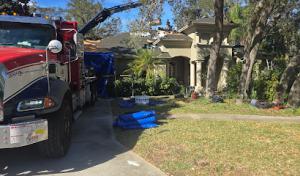
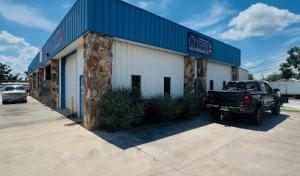
True Pro Roofing
(863) 289-9343 trueproroofingllc.com
1225 5th St SW, Winter Haven, Florida
4.9 from 69 reviews
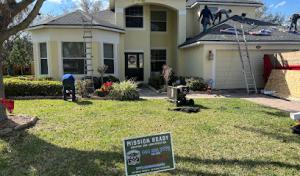
Mission Ready Roofing & Construction
(863) 692-6278 www.missionrrc.com
543 Ave K SE, Winter Haven, Florida
5.0 from 38 reviews
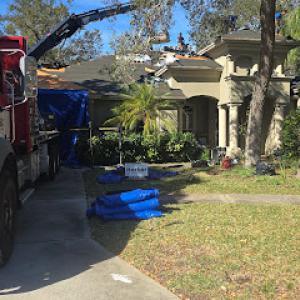
Harbor Roofing
(813) 727-0427 harborroofing.com
Winter Haven, FL
5.0 from 106 reviews
Harbor Roofing is a veteran-owned, family-operated roofing company in Lakeland, Florida, proudly serving all of Polk County—including Bartow, Winter Haven, Auburndale, Mulberry, Polk City, Haines City, Lake Wales, and Davenport. We specialize in roof replacement, roof repair, roof inspections, and storm damage restoration for homes and businesses. As a GAF Master Elite® Certified Contractor, BBB A+ rated, licensed and insured, we use GAF Timberline HDZ shingles, StormGuard underlayment, and our own in-house crews—never subcontractors. For trusted, high-quality roofing in Polk County, choose Harbor Roofing—quality first, every time.
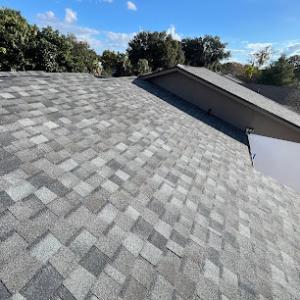
RIG Roofing
2001 Havendale Blvd NW, Winter Haven, Florida
4.8 from 576 reviews
RIG Roofing is a faith based, family owned, award winning, Florida roofing contractor serving the greater Polk, Hillsborough, Orange, Lake, & Osceola County area of Central Florida. Franchising Nationwide. We service residential & commercial customers shingle, metal, tile roof systems, as well as tpo / pvc flat roof systems. No project is unimportant to us; whether it is a simple repair or an entire new roof. Our team will care for your roofing needs with honesty and integrity, as if it were our very own. When our highly trained roofing experts take on your project, you can trust that your roof is in the best hands. Inquire online or call today for a free roof assessment or to subscribe to our annual roof maintenance service.
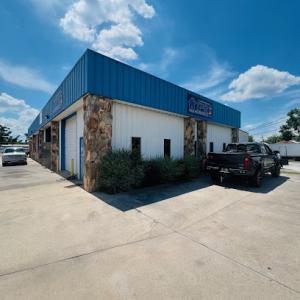
True Pro Roofing
(863) 289-9343 trueproroofingllc.com
1225 5th St SW, Winter Haven, Florida
4.9 from 69 reviews
Family Owned and Operated Roofing Company covering the central Fl area. We offer top quality roofing services while accommodating all budgets
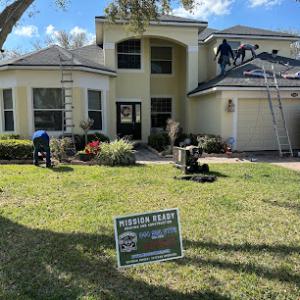
Mission Ready Roofing & Construction
(863) 692-6278 www.missionrrc.com
543 Ave K SE, Winter Haven, Florida
5.0 from 38 reviews
Mission Ready Roofing and Construction is a veteran-owned roofing company based in Winter Haven, FL. We focus on roof replacement Winter Haven and offer a variety of roofing services, including tile, asphalt shingle, metal, and flat roofs. Our team is dedicated to providing high-quality, reliable, and affordable roofing solutions for both homeowners and businesses. Whether you need a new roof or a replacement, we ensure every project is completed with attention to detail and a focus on customer satisfaction. At Mission Ready Roofing and Construction, we value honesty, integrity, and hard work. Reach out today to learn how we can help with your next roofing project.
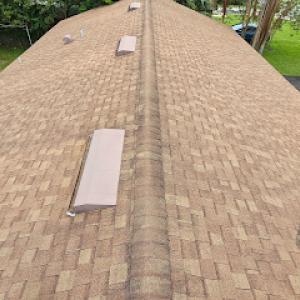
American Roofing FL
(863) 224-1837 www.americanroofingfl.com
415 20th St SW, Winter Haven, Florida
4.8 from 100 reviews
Since its establishment in late 2022, American Roofing FL has provided the Central Florida community with premier residential and commercial roofing services. As a fully licensed and insured contractor, they specialize in durable roofing solutions, offering both new installations and reliable repairs. Their commitment to quality and craftsmanship ensures every project is completed to the highest standards. Serving a wide area including Polk, Brevard, Volusia, Osceola, and Orange counties, American Roofing FL is dedicated to protecting homes and businesses with exceptional, long-lasting results.
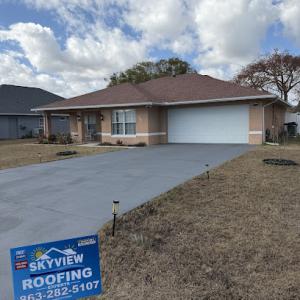
Skyview Roofing Experts
(863) 282-5107 www.skyviewroofingexperts.com
221 6th St SW, Winter Haven, Florida
5.0 from 27 reviews
Skyview Roofing Experts is a family-owned roofing company proudly serving Eagle Lake, Winter Haven, Lakeland, and surrounding areas in Polk County, Florida. We specialize in residential roof repairs and replacements, including shingles, metal, and flat roofing systems. Our experienced team is committed to delivering dependable workmanship, honest service, and customer satisfaction on every project. With a dedication to safety, transparency, and lasting results, Skyview Roofing Experts is your trusted choice for roofing services in Eagle Lake, Winter Haven, Lakeland, and beyond
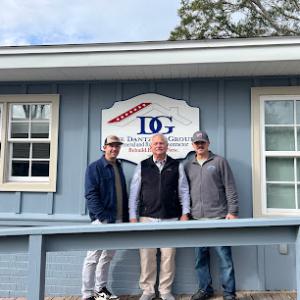
The Dantzler Group, Inc. Roofing & General Contractor
(863) 210-2803 dantzlergroup.com
332 Ave B SW 300 31, Winter Haven, Florida
4.8 from 61 reviews
The Dantzler Group, Inc. is a versatile general and roofing contractor, dedicated to delivering high-quality construction services across a range of sectors. Our expertise spans residential roofing, commercial construction, and comprehensive remodeling projects. We specialize in handling insurance claims with meticulous precision, ensuring maximum benefits for our clients. Furthermore, we've built a reputation for designing and constructing top-tier amenity centers, enriching commercial spaces with functional and aesthetic appeal. Our commitment to excellence in every project, large or small, sets us apart in the construction industry. 31+ years in Business. Family Owned and Operated.
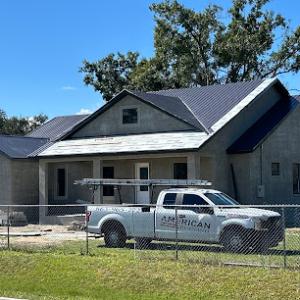
American Roofing & Construction FL
(863) 965-2727 www.americanroofing.construction
2219 31st St NW, Winter Haven, Florida
5.0 from 23 reviews
American Roofing and Construction FL is a locally owned roofing company based in Winter Haven, Florida, conveniently located off Havendale Blvd, right off 31st. We specialize in residential and commercial roofing, including new construction, reroofs, roof repairs, and roof inspections. Our team works with a wide range of roofing systems such as TPO roofing, modified bitumen,metal roofing, tile roofing, and shingle roofing. Driven to provide the best service to our customers, our goal is to deliver reliable, high-quality roofing solutions that stand the test of time. American Roofing and Construction FL is built upon Integrity in every decision and action, Quality in every roof we build, and Commitment to every customer we serve.
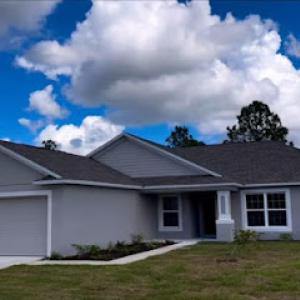
Providencia Roofing & Construction
(863) 304-1312 www.providenciaroofingconstruction.com
120 W Central Ave Suite 13, Winter Haven, Florida
5.0 from 20 reviews
Providencia Roofing & Construction, located in Winter Haven, FL, specializes in comprehensive roofing services tailored to meet your needs. Our experienced team is dedicated to delivering high-quality workmanship and reliable solutions for both residential and commercial projects. We prioritize customer satisfaction, ensuring every job is completed on time and within budget. Contact us today for a consultation and experience professional service you can rely on.
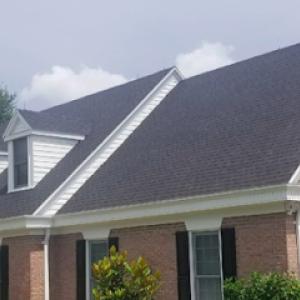
EZ Roofing Systems
(863) 875-1033 www.ezroofingsystems.com
120 W Central Ave, Winter Haven, Florida
4.8 from 24 reviews
EZ Roofing places emphasis on full-service. From repairing leaking roofs to inspecting problem roofs to installing a new roofing system. Commitment to Safety EZ roofing has ongoing education and safety procedures which include: • Field personnel to take a 10-hour OSHA safety course • Employees learning CPR and First Aid Training • Continued education in roofing and safety Warranties We offer a 10-year labor warranty on all new roofs. All roofing materials is warranted by manufacturer. Our Services • New Roofs • Roof Repairs • Roof Coating • Roof Replacement • Roof Leak Control Our History We are a family owned and operated business with years of expert experience with attention to detail and prompt project completion.
A.O. Roofing Services
(863) 656-4258 aoroofingservices.com
3535 Lake Alfred Rd, Winter Haven, Florida
5.0 from 14 reviews
A.O. Roofing Services is a roofing contractor based out of Central Florida. We serve Polk County, Florida, and surrounding areas.
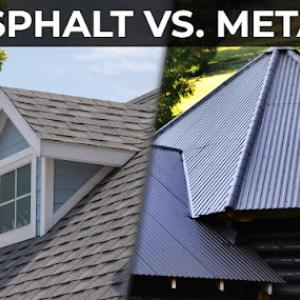
Polk Roofs
(863) 875-3436 polkroofsllc.com
5577 Commercial Blvd, Winter Haven, Florida
5.0 from 14 reviews
Polk Roofs is an locally owned and operated roofing company, we serve all of Polk, and Central Florida Counties roofing for residential customers. Offering quality services using the best rated materials, we include warranty's on our materials and services. Reasonable costs with timely installations call for a FREE ESTIMATE for new roofs, reroofs, roof repairs, and roof inspections metal slate and shingles. Manufacturer and color of customers choice.
In Winter Haven, dry and cooler late fall through early spring usually offers the most predictable re-roof scheduling window compared with the wetter, stormier summer pattern common across Central Florida. This is the period when you're more likely to secure a solid stretch of weather for tear-offs, underlayment, and shingle work without repeated heat-driven interruptions. Planning around that window helps keep projects on track and minimizes the risk of weather-driven delays that can push a job into the next season.
During the cooler months, you'll notice a steadier pace from crews who can work through daylight hours without the scorch of peak summer heat bearing down. Typical installers favor mid-fall to late winter for major roof refreshes, especially on aging shingle roofs or structures with multiple penetrations that require careful sealing. If you've got a steep pitch or multiple roof angles, this season becomes even more practical, since equipment and materials aren't fighting against intense afternoon glare and humidity. You'll want to coordinate a small buffer for unexpected cold snaps, which can briefly slow material curing or adhesive set, but those pauses are usually short and predictable.
Summer roofing in this area is often interrupted by heat buildup and frequent afternoon thunderstorms, which can pause tear-offs, underlayment work, and inspection timing. If a storm rolls in, plan for a temporary hold on roof work and schedule a quick on-site review once skies clear. The pattern of afternoon thunderstorms also means longer days on site to make up lost time, and it can magnify the impact of heat on workers and materials. If a project must begin in summer, build in flexibility for weather days and expect occasional shifts in crew availability as thunderstorms ripple across the region. Early planning with your contractor for potential rain delays helps prevent last-minute rescheduling chaos.
Post-storm demand spikes in Polk County can tighten contractor availability and extend lead times after tropical systems or widespread wind events. When a hurricane season event or a significant wind event occurs, the nearest reputable crews tend to be booked for days or weeks as neighbors scramble to secure roof repairs and replacements. If a storm has impacted the neighborhood, communication with the contractor should emphasize your preferred sequencing, access needs, and any special disposal or debris considerations. Having a clear window for inspection after a storm helps identify leaks, wind-driven damage, or compromised underlayment before further weather exposure compounds the issues. In this scenario, prompt documentation of damage and accurate leak tracing become valuable tools for prioritizing response and ensuring a smooth transition from assessment to repair.
When you're ready to move forward, secure a real-time weather outlook for the planned work period, and build a contingency plan with your contractor for rain days and heat surges. For early spring re-roofs, start with a thorough inspection of shingles, flashing, and attic ventilation to catch heat-related wear before it accelerates. If summer work is unavoidable, arrange for daily start times that align with cooler morning hours and ensure materials are protected from midday heat and sudden storms. After a storm, rapid on-site evaluation and a clear safety plan help minimize exposure to further damage and expedite the repair process.
Asphalt shingles are a common sight around cul-de-sacs and intro-level feeders here, thanks to their relative affordability and straightforward installation. In this climate, however, the Central Florida heat and humidity can shorten appearance life and accelerate granule loss, sealant fatigue, and algae staining compared with milder climates. You'll want to choose a high-quality shingle with good UV resistance and a robust granule mat, and consider a cooling, reflective shingle option if you're pursuing energy performance. Look for a warranty that covers both adhesion and wind performance, since Florida storms reward more secure attachment. When diagnosing leaks on a shingle roof after a thunderstorm, expect that heat-driven expansion and contraction can open minor seams or nail pops first, often near the edges and near penetrations.
Tile roofs fit much of Florida's residential architecture, and you'll see plenty of clay and concrete tile on familiar familiar neighborhoods. In this market, the field tiles may outlast the underlayment beneath them, making leak diagnosis and partial repairs more specialized than on simple shingle roofs. The underlayment can fail before the visible tiles, especially after a few hot summers and quick, soaking Florida storms. If you have tile, pay attention to flashing where the tiles meet hips and ridges, and inspect the transitional areas around chimneys and vents for moisture intrusion. Tile roofs excel at heat reflectivity, but the weight requires solid structural support and careful maintenance of the underlayment-any soft spots or sagging can be a signal for more invasive checks. For repairs, expect that replacing a section of underlayment under a field tile may be necessary to restore a dry test, rather than simply resealing a small tile crack.
Metal roofing is especially relevant in this market because Winter Haven homeowners often weigh wind performance, lower maintenance, and heat reflectivity against higher upfront cost. A metal roof typically behaves well under wind loads and can shed rain quickly, which is advantageous during hurricane-season storms. The reflective surface helps reduce attic heat gain, contributing to lower cooling loads in the hottest months. However, installation quality matters: improper seam seals or flashing can become stubborn failure points in a landscape of frequent afternoon downpours. When considering metal, assess coating longevity and the system's ability to withstand thermal cycling in intense sun. If choosing reflective finishes, verify color stability and coating warranty, particularly around southern and western exposures where sun exposure is strongest.
Given Central Florida's tendency for intense, quick-moving thunderstorms, every roof type benefits from proactive maintenance. Schedule seasonal inspections after the spring and fall storm seasons to catch wind-driven damage, loose fasteners, and hairline cracks that can evolve into leaks. For tiled roofs, pay close attention to the condition of underlayment and hip-to-ridge transitions. For asphalt, monitor granule loss and sealant integrity around vents and edge tiles. For metal, check for paint peel, worn coatings, and exposed fasteners where corrosion can start. When you do find trouble after a weather event, document the damage with photos, note dates, and keep a log of the mitigated steps and temporary patches to support any insurance documentation-especially where wind-driven leaks are suspected and a more complex diagnosis is needed.
Storms in this area often require clear, organized records. After a weather event, take comprehensive photos from multiple angles, including attic spaces if accessible, to demonstrate moisture intrusion and the scope of damage. Maintain a timeline of the event, temporary repairs, and subsequent professional assessments. If a contractor identifies hidden damage beneath tiles or underlayment, get written findings and scope of work to support claim requests. A well-documented file makes the claim review smoother and helps ensure coverage aligns with the actual condition of the roof after the storm.
Explore specialists in steel, aluminum, and standing seam metal roofs built to last 50 years or more.
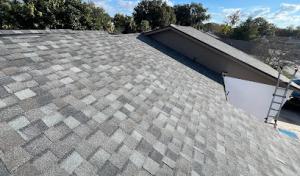
RIG Roofing
2001 Havendale Blvd NW, Winter Haven, Florida
4.8 from 576 reviews
Mission Ready Roofing & Construction
(863) 692-6278 www.missionrrc.com
543 Ave K SE, Winter Haven, Florida
5.0 from 38 reviews
Skyview Roofing Experts
(863) 282-5107 www.skyviewroofingexperts.com
221 6th St SW, Winter Haven, Florida
5.0 from 27 reviews
In this area, material choice drives most of the price swing. Asphalt shingles run roughly from 350 to 650 USD per square, a common option for mid-market homes with standard framing and simple rooflines. Asphalt remains the most budget-friendly path, but expect the total to climb quickly if you add upgraded underlayments, better warranties, or some light architectural features. Clay tile bands the high end, roughly 800 to 1800 USD per square, with concrete and synthetic options landing between 750 and 1700, and metal typically between 600 and 1200. Tile and metal projects often bring additional labor needs, particularly when the roof has complex angles, hips, or valleys common to Florida suburban layouts. Those labor costs show up in the final price as waste removal and flashing work add-ons.
Costs in this Polk County market swing with storm seasons. After major weather events, tear-offs, dry-ins, and full replacements can surge as crews ramp up to meet demand. In practical terms, a late-summer or early-fall spike is not unusual, even for standard re-roofs. If you're considering a replacement in the weeks following a hurricane or strong tropical storm, set expectations for pricing to climb and for scheduling to extend. Proactive planning with your contractor-especially for tile or metal-can help you lock in materials and labor during quieter windows.
Tile projects tend to require more specialized labor than shingles. Clay or concrete tiles demand careful handling, precise underlayment preparation, and meticulous flashing around penetrations. In Winter Haven, the heat and humidity can affect working conditions and crew efficiency, which translates to longer installation times and, consequently, higher labor totals. Metal roofing, while offering longevity, also introduces unique steps: clean substrate preparation, seamless flashing, and precise fastening to accommodate Florida expansion. These factors explain why metal and tile can appear costlier even when material price gaps are narrower.
For a straightforward estimate, start with the material range that best fits your home's roof type, then add an anticipated labor premium for a potentially complex roofline. If a full replacement is on the table after a storm, reserve a contingency of 5-15% for debris removal and unexpected waste. When scheduling, consider time windows away from peak storm season to minimize price spikes and keep crews available. Finally, document existing conditions with photos-especially around penetrations and flashings-so the bid reflects necessary work rather than assumptions.
Don't let upfront costs delay a critical repair - these contractors offer payment plans to fit your budget.
The Dantzler Group, Inc. Roofing & General Contractor
(863) 210-2803 dantzlergroup.com
332 Ave B SW 300 31, Winter Haven, Florida
4.8 from 61 reviews
For a full re-roof in Polk County, a building permit is typically required, processed through the City of Winter Haven building department or the applicable county authority depending on jurisdiction. That means your project will start with a formal review rather than a casual DIY or a quick neighborhood favor. The permit package often asks for plans or a description of the replacement method, expected materials, and sometimes wind-load considerations tied to local codes and insurer expectations. Missing or incomplete paperwork can stall a project, so gather the necessary approvals before any tear-off begins. If your home has an existing structure like a flat deck, ridge vent, or roof penetrations for plumbing and HVAC, the permit review will scrutinize how those details are treated in the new design to minimize future leaks.
Winter Haven-area re-roof projects are typically inspected at key milestones during removal and after installation, with a final inspection required to close out the permit. The early inspection often happens during the tear-off phase to verify that the underlying deck and decking are sound and that there are no hidden structural issues before new underlayment is laid. A mid-point check looks at fastener patterns, underlayment installation, and flashing around chimneys, skylights, and vent stacks. The final inspection confirms compliance with code, proper fastening, and that ventilation and moisture control are in place. Inspections are not just bureaucratic hurdles; they're a chance to catch issues that can lead to leaks during the next Central Florida thunderstorm. Plan the timing of inspections to avoid weather-induced delays and ensure crews aren't left waiting under hot sun or pop-up storms.
Wind mitigation considerations can affect a Winter Haven roofing project depending on the scope of work and insurer requirements, so permit records and final documentation matter beyond code compliance alone. If the project includes upgrades like improved nailing patterns, secondary water barriers, or upgraded flashing around perimeters and penetrations, those changes can influence insurance credits or claims process after a storm. Keep copies of all permit approvals, inspection reports, and photos from each milestone. These records can be essential when addressing post-storm damage, negotiating with insurers, or proving that a proper, code-compliant installation was performed. If a contractor suggests skipping a permit to save time, remember that the combination of wind-prone weather and Florida's storm season makes thorough documentation a practical safeguard for both you and your home.
In heavy-rain climate, roof penetrations and transitions often become the first places homeowners notice leaks once sealants and flashings age under heat and UV exposure. Valleys, vent stacks, and chimney seams demand close inspection after summer storms, while skylight rims and corner flashings can fail quietly, letting moisture travel along sheathing and into attic spaces.
Tile roofs in this market can be difficult to troubleshoot because visible tile damage is not always the true leak source when the underlayment below has aged or been punctured. A single broken tile may mask a softened underlayment or a punctured deck membrane. Pay attention to eave edges, perimeter transitions, and any delamination in the underlayment where moisture can trap and wick upward during rapid downpours.
Fast emergency response matters locally because repeated summer downpours can worsen decking moisture and interior damage between the first leak and the next available dry work window. If a leak is suspected, seal the area temporarily using a clean, waterproof patch and limit traffic across the affected area to prevent further damage while you arrange professional evaluation.
Document every affected area with photos, especially around penetrations and transitions. Note the time of day and intensity of rain, then contact a licensed roofer promptly for a targeted assessment. Ask for a moisture test in the attic and a close inspection of underlayment condition to locate hidden intrusion paths before more interior damage develops.
When you can't wait, these contractors offer fast response times to stop leaks and prevent further damage.
True Pro Roofing
(863) 289-9343 trueproroofingllc.com
1225 5th St SW, Winter Haven, Florida
4.9 from 69 reviews
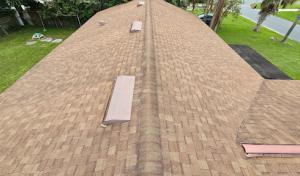
American Roofing FL
(863) 224-1837 www.americanroofingfl.com
415 20th St SW, Winter Haven, Florida
4.8 from 100 reviews
A.O. Roofing Services
(863) 656-4258 aoroofingservices.com
3535 Lake Alfred Rd, Winter Haven, Florida
5.0 from 14 reviews
Flat-roof specialization is active in this market, reflecting local demand from commercial buildings and residential low-slope sections such as porches, additions, and transitions. When evaluating a flat or low-slope roof, prioritize proven drainage design: adequate slope, clear secondary drains, and unclogged scuppers. In Polk County's frequent thunderstorm cycles, a small pooling area can become a persistent problem. Ensure that edge details, seams, and penetrations are configured for rapid water shedding and reliable run-off between rain events.
Heat and UV exposure in this region accelerate aging of coatings and seam seals. For low-slope roofs, a coating may provide a temporary maintenance bite, but it should be weighed against the expected life of the roof assembly and the remaining substrate condition. Coatings are most effective on clean, sound surfaces with a stable substrate and minimal ponding. If blistering, lifted seams, or significant UV chalking appears, plan for targeted restoration rather than universal, indefinite coating cycles. In practice, coordinate coating cycles with an inspection schedule rather than treating every issue as a universal fix.
Residential low-slope roofs often use single-pply membranes or built-up systems over a suitable substrate. Commercial applications may include modified bitumen or single-ply variants with carefully designed edge details and flashing. Each system benefits from a robust inspection routine that focuses on seam integrity, edge detailing, and penetrations. Wind-driven rain from seasonal storms can stress corners and transitions, so reinforce these zones during any restoration plan.
Develop a regular cadence for checking drainage paths after major storms, and inspect for standing water within 48 hours of heavy rainfall. Look for seam separation, coating wear, and accessory failures around HVAC curbs and skylights. Document issues with photos and keep a simple repair log to guide timing decisions between maintenance and full replacement.
Find specialists in TPO, EPDM, and built-up flat roofing systems for residential and commercial properties.
RIG Roofing
2001 Havendale Blvd NW, Winter Haven, Florida
4.8 from 576 reviews
Mission Ready Roofing & Construction
(863) 692-6278 www.missionrrc.com
543 Ave K SE, Winter Haven, Florida
5.0 from 38 reviews
In Winter Haven, homeowners operate in Florida's difficult roof-insurance market, where frequent storm losses have led some carriers to tighten underwriting or adjust roof-related terms. The consequences can show up as higher deductibles, more frequent denials for certain retrofit options, or stricter timelines for claiming wind damage. This reality means that each storm event or write-up after a major repair may be reviewed with extra scrutiny.
Wind mitigation documentation can influence how a roof project is viewed by insurers, especially after replacement or major storm repairs. Insurers are increasingly looking for verifiable evidence that a roof is resilient to the region's notorious afternoon thunderstorms and seasonal wind gusts. A well-documented improvement can translate into smoother claim handling and better coverage posture during policy renewal.
Keeping permit records, inspection sign-offs, dated photos, and contractor scope details is especially important locally because adjusters may request them during claim review or policy renewal discussions. Start organizing a focused folder early: before work begins, during the project, and after completion. Clear, dated evidence helps establish what was done, when, and to what standard, reducing back-and-forth when a storm test comes.
When planning repairs or a replacement, request a simple, itemized narrative from the contractor that highlights wind-rated components, sealing details, and fastener patterns appropriate to Central Florida exposure. After work wraps, photograph roof penetrations, flashing, and edge details from multiple angles and times of day. Finally, review your insurer's wind mitigation guidance and align documentation so that future claims or renewals proceed with fewer delays and less guesswork.
Connect with contractors who help homeowners navigate the claims process from damage assessment to final approval.
True Pro Roofing
(863) 289-9343 trueproroofingllc.com
1225 5th St SW, Winter Haven, Florida
4.9 from 69 reviews
Mission Ready Roofing & Construction
(863) 692-6278 www.missionrrc.com
543 Ave K SE, Winter Haven, Florida
5.0 from 38 reviews