
Last updated: Apr 19, 2026
June through November brings a relentless rhythm of wind-driven rain and tropical-storm gusts that can bite roofs even when the home isn't facing a direct coastal surge. This inland North Florida pattern means missing a night of heavy rain can turn into a sudden leak the next afternoon. When those tropical-downpour days arrive, you need to act fast: a shingle out of place or a loose flashing can funnel water into the attic and then into living spaces before a full replacement can be scheduled. In short, the risk is real, and timing matters.
Every summer storm in this area can shift from a quick drizzle to a wall of wet chaos in a matter of minutes. Frequent afternoon thunderstorms during the wet season often expose marginal flashing or small roof cracks. These issues, which might seem minor at first, become active interior leaks once the sun drops and the roof cools-especially if you've already had several storm events in a row. Because response times in the heat and humidity can lag, you must treat any newly noticed roof vulnerability as urgent, not optional.
In this inland humid storm belt, rapid tarping becomes a lifeline after summer wind and rain. The goal is to prevent further interior damage while you arrange a longer-term repair plan. When a storm hits, your first move is to get a sturdy tarp in place over the affected area, ensuring edges are secured and the tarp extends beyond the damaged zone. Then, move to thorough photo documentation: wide shots of the entire roof, close-ups of damaged flashing or missing shingles, and interior photos showing any signs of moisture on ceilings or walls. Date and time stamps on the photos help you establish a clear damage trail for insurers and contractors.
Insurance documentation in Lake City hinges on fast, organized evidence. After a significant wind or rain event, collect the following without delay: multiple angles of the roof from ground level if safe, higher-resolution shots of any visible damage, and interior photos showing water intrusion. Create a simple timeline: event date, tarping date, subsequent inspection dates, and any temporary repairs. If you experience a delay between the storm and a professional inspection, keep the tarps secure and maintain notes of ongoing leaks. The sooner you complete the photo log and the tarp, the higher the chance of a smooth claim process.
Immediate concerns pop up during and right after storms. If shingles are buckling, flashing is visibly displaced, or you notice active leaks with rainfall continuing, contact a licensed roofing contractor at once. Do not climb onto the roof during or just after a storm; aggressive winds and slick surfaces create serious safety hazards. For the longest-lasting protection, schedule an assessment as soon as the weather allows, but avoid delaying critical temporary repairs that keep water out of the home in the interim.
Keep a sturdy ladder secured, a tarp kit, and a camera ready during peak storm months. After any heavy rain or visible wind damage, perform a quick exterior check from ground level-look for missing shingles, lifted edges, or flashing that looks misaligned. If you see suspect areas, tarp before the next wave of storms, and document every step you take. In Lake City, staying ahead of the clock can save the interior and simplify the path to a proper repair plan.
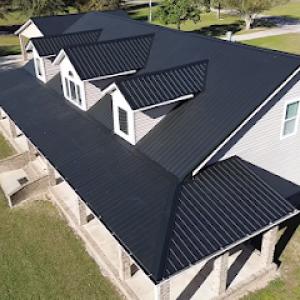
Southeastern Roofing & Coatings
2875 SW Pinemount Rd, Lake City, Florida
5.0 from 107 reviews
Southeastern Roofing & Coatings proudly serves Lake City and surrounding North Florida communities including Macclenny, Live Oak, Mayo, McAlpin, Branford, and Lake Butler. With a commitment to quality and reliable service, we’re your trusted local partner for residential and commercial roofing and coating solutions. We’re here to protect what matters most — your home and your business. Contact us today for a free estimate.
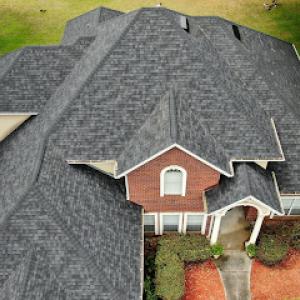
TMT Roofing
(352) 888-4676 tmtroofingllc.com
180 NW Amenity Ct, Lake City, Florida
4.8 from 125 reviews
North Florida’s top roofing company at TMT Roofing deliver storm-ready roofs in Lake City, Alachua, High Springs, Gainesville, and Live Oak. As Owens Corning Preferred Contractors, we’ve installed thousands of roofs on time and on budget. Call now for a free roof inspection! Roofs That Stand Strong!
Florida Roof Masters
(386) 639-7663 www.floridaroofmastersllc.com
268 SE Press Ruth Rd, Lake City, Florida
4.8 from 84 reviews
As a premier roofing company specializing in residential metal roofing services, we are dedicated to providing customer service that is second to none. Whether you have a new construction project or need to replace an old or damaged roof, we offer roofing repair and replacement services. Reach out to our team today to work with one of the most reputable roofing contractors in the area. We are based in Lake City, but also service Alachua, Live Oak, and Gainesville. Call us for an estimate on your new or damaged roof.
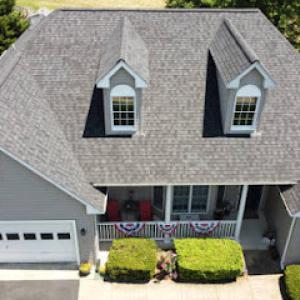
352 Roofing & Gutters
(352) 715-2651 www.tripleddd.com
453 Hammock Hill Cir, Lake City, Florida
5.0 from 17 reviews
We are a full home service company that specializes in roofing for residential and commercial properties. They offer a variety of services including installation, repair, and maintenance to keep your home looking its best.
Energy Roofing Companies
(855) 766-3852 www.energyroofingco.com
562 NW Orange St, Lake City, Florida
4.5 from 41 reviews
Energy Roofing Companies, located at 562 NW Orange Street, Lake City, FL, is your trusted roofing contractor offering superior roofing solutions in Florida, Georgia, and Alabama. With expert services in roof repair, roof replacement, and emergency roof repair near you, we ensure quick and reliable service to protect your home and business. Our skilled team specializes in residential and commercial roofing, including storm damage roof repair, flat roof systems, and thorough roof inspection. As a leading roofing company, we guarantee high-performance installations featuring durable metal roofs, GAF HDZ shingles, and tailored TPO solutions. Contact us for quality craftsmanship backed by licenses #CCC1329523 and #CGC1508382.
Huber & Associates
(386) 487-1040 www.huberroofing.com
186 SW Ring Ct, Lake City, Florida
4.6 from 9 reviews
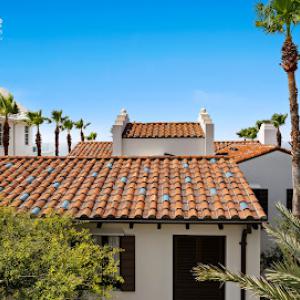
Huber & Associates is an award-winning Roofing Company, specializing in Clay Tile, Slate, Cedar Shakes and Shingles and Copper. Headquartered in Florida with an office in South Carolina, our expert roofing team specializes in high-quality craftsmanship for residential and commercial roofs alike, with an emphasis on historical roofing projects. If you're looking for a top-rated, award-winning Roofing Contractor, contact us today.
K&H Construction Roofing
(386) 867-0155 www.khconstructionroofing.com
Lake City, Florida
5.0 from 3 reviews
K&H Construction/Roofing has been providing top-notch roofing services for over 20 years. Indoor or outdoor, commercial or residential, at K&H Construction/Roofing our team of experts have you covered. Whether you need new roofing, ready to tackle that kitchen or bathroom renovation, a home addition, or ready to build your dream home, we do it all. Licensed and Insured, call us today and let us build your dreams.
Oquinn METAL Specialties
(352) 562-9554 www.oquinnhomeimprovements.com
305 Thompkins Loop, Lake City, Florida
5.0 from 1 review
home improvments of all kinds made affofdable and easy
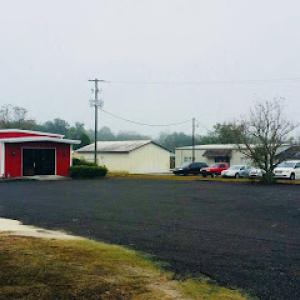
Ogles Roofing
(386) 364-4838 www.facebook.com
Serving
4.6 from 56 reviews
We are a third generation family-owned and operated Roofing company proudly serving the north Florida area for over 50 years. Licensed and insured; we install and repair shingle, metal, and flat roofing systems. Email address: OglesRoofing@gmail.com
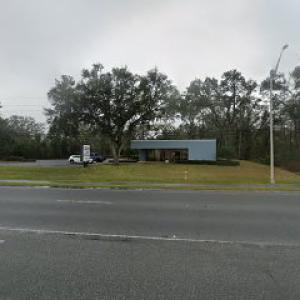
Revere Roofing
(386) 320-6033 www.revereroof.com
Serving
5.0 from 4 reviews
Revere Roofing, a trusted name in roofing, brings decades of experience and expertise to homeowners across North Florida. With our unparalleled craftsmanship and unwavering commitment to customer satisfaction, we'll transform your roof into a haven of protection and beauty. Our lifetime workmanship guarantee ensures that your investment will stand the test of time, providing you with peace of mind for years to come.
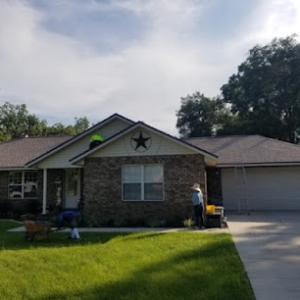
RJH Roofing
725 SE Baya Dr suite 103, Lake City, Florida
From Shingle Roofs to TPO we do it all.
RWL Roofing
(386) 623-0178 www.rwlroofingllc.com
316 SW Erin Glen, Lake City, Florida
Roofing Contractor All types installation and repairs
When a North Florida storm rolls in with wind and hail, Lake City homeowners often find themselves navigating a tighter insurance environment than they might expect. Claims related to roof damage are scrutinized more closely, and the way a claim is documented can influence the outcome just as much as the damage itself. In this climate, carriers are more cautious about repair versus replacement decisions, and choices about longer-life materials can be affected by underwriting position. The result is that how you present a case to your insurer matters, and timing matters just as much as the damage itself.
After a significant storm event, adjusters commonly want date-stamped photos that clearly show the condition of the roof at the time of the visit. Photos should capture both the overall roof and close-ups of damaged areas, plus any existing previous-repair evidence. Repair invoices for spot fixes or temporary tarps can help establish the sequence of events and the extent of actual loss. Wind-mitigation information is frequently requested as well, such as the presence of impact-resistant shingles, hip-to-gable transitions, or reinforced attic attic access and roof deck attachments. Collecting this material promptly and organizing it clearly reduces back-and-forth and speeds the evaluation process.
In practice, meticulous documentation often shifts the claim's direction more than homeowners expect. Keep a dated log of every storm event that affects the roof, noting wind speeds if available, observed leaks, and any temporary measures taken to protect the interior. Before and after pictures are essential, but so are invoices for temporary repairs and any contractor assessments that describe recommended work. Consider obtaining a professional wind-mitigation report when the storm season is approaching or soon after a damaging event; this can provide independent evidence that supports the severity and cause of the damage, which helps insurers separate wind-related damage from aging or hail-only concerns.
If damage is suspected, contact the insurer promptly and insist on a written claim number and a confirmation of the scope of the inspection. Do not delay documenting the roof while the scene is fresh. If you notice significant shingles lifting, granule loss, or leaks inside, start compiling your file immediately-earlier documentation reduces the risk of disputes over when damage occurred. When speaking with adjusters, be precise about when the storm happened and what you observed, and present your organized photo and invoice packet as a single, cohesive narrative. In the broader Florida market, carriers may reassess coverage terms after large events; maintaining a transparent, well-documented file helps you navigate any shifts in underwriting that affect whether repairs, a full replacement, or a longer-life material makes the most sense.
Storms are a recurring challenge for Lake City homes, and insurers do adjust their stance in response to larger trends in the state. Keeping a current, well-documented roof profile and a history of timely, quality repairs strengthens your position if another claim is needed down the line. If a claim leads to a recommendation for a material upgrade or a longer-life product, you will benefit from having collected wind-mitigation information and independent assessments to support the choice. Remember: the goal is not only to respond to the immediate damage but to position the home for more predictable coverage and fewer post-event surprises.
Connect with contractors who help homeowners navigate the claims process from damage assessment to final approval.
Southeastern Roofing & Coatings
2875 SW Pinemount Rd, Lake City, Florida
5.0 from 107 reviews
TMT Roofing
(352) 888-4676 tmtroofingllc.com
180 NW Amenity Ct, Lake City, Florida
4.8 from 125 reviews
Florida Roof Masters
(386) 639-7663 www.floridaroofmastersllc.com
268 SE Press Ruth Rd, Lake City, Florida
4.8 from 84 reviews
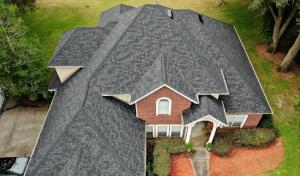
Asphalt shingles are common in Lake City, and that familiarity matters when you're weighing options after a storm. The hot, humid summers can accelerate granule loss, curling, and aging compared with milder climates. If asphalt is your choice, look for a 30-year or higher shingle with a reinforced or dimpled edge to resist curling under heavy afternoon downpours. In practice, you'll want a contractor who emphasizes proper attic ventilation and a solid underlayment strategy, because moisture in the attic amplifies heat and can speed deterioration of older shingles. When debris and pine needles accumulate in the gutters after a quick thunderstorm, a proactive cleaning plan helps preserve the shingle life, especially on the southern exposures that bake in the sun. Consider applying UV-grade protective sealant or reflective shingles if your roof faces constant sun; these details matter more here than in cooler regions.
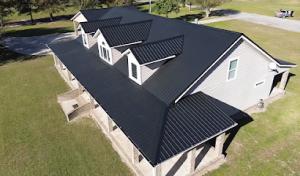
Metal roofing is especially relevant in this market because local contractors actively specialize in it, and homeowners often consider it for storm durability and rain-shedding during the wet season. Metal roofs shed rain quickly, resist wind uplift better than many other options, and stand up to repeated thunderstorms with fewer fastener failures when installed with proper sealing. In practice, choose panels with corrosion-resistant coatings suitable for coastal air or Florida humidity, and ensure fasteners are sealed for the long haul. A standing-seam metal system provides fewer exposed joints, which reduces opportunities for leaks during heavy rains. You'll benefit from a professional who understands attic condensation dynamics with metal, because a cool attic paired with a properly vented roof helps prevent moisture-related issues beneath the panels. If you live near trees or a shaded yard, think about color and finish that minimize heat absorption, since hotter roofs can shorten the life of any roofing material in this climate.
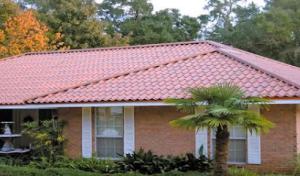
Tile, wood, and synthetic roofs appear in the market but must be evaluated against Lake City's repeated summer moisture exposure, algae potential, and the structural demands of heavier systems. Clay and concrete tile deliver longevity and a distinct look, yet weight and installation requirements can demand a reinforced structure. In humid conditions, algae and moss can take hold on light-colored tiles or shaded roofs, so you'll want a cleaning plan and, if possible, a surface treatment that resists organic growth. Wood shingles and shakes offer a natural aesthetic but can suffer from rot, insect exposure, and warping under high humidity unless you invest in high-grade, treated material and a meticulous ventilation and drainage system. Synthetic shingles mimic the appearance of wood or slate while offering improved moisture resistance and weight control, but check that the product carries a proven track record in Florida's heat and rain cycles and that the warranty addresses algae and UV exposure. When evaluating these heavier options, ensure your roof framing is prepared for added load and that installation teams follow Florida-suitable underlayment and ventilation practices.
Begin by assessing your roof's current exposure to sun and storm force. Note the most sun-worn faces, the east and south elevations, and the attic's ventilation status. In the final choice, prioritize systems that balance storm resistance with moisture management and ease of maintenance. Work with contractors who can demonstrate a plan for rapid leak response after a storm, including a dependable method for temporary protection and swift boarding if shingles lift or tiles crack. Finally, when you review warranties, confirm coverage for Florida's heavy humidity and algae risk, and verify that the installation method aligns with Lake City' s typical storm patterns.
In Lake City, asphalt shingles run roughly $350-$700 per square, and that band reflects decent quality but not luxury options. Metal roofs sit higher, generally $600-$1100 per square, offering durability against tropical storms and long Florida summers. Clay tile stretches from $900-$1800 per square, with concrete tile a bit below at $700-$1300 per square. Wood shingles or shakes span $550-$900 per square, while synthetic or composite shingles tend to land in the $350-$800 per square range. These ranges map to the common housing stock in inland North Florida, where moderately weathered roofs are common but not always completely tumbling with heavy tile or metal systems. Your exact price will hinge on roof complexity, existing decking, and labor availability in the season you choose to start.
Lake City sees its sharpest price and schedule shifts after tropical-storm and thunderstorm periods. Re-roof demand surges across inland North Florida, and contractor calendars tighten as crews swing from one high-priority storm job to the next. If you're planning a roof project in late summer or early fall, expect longer wait times and tighter crew margins. That pressure often pushes up material handling costs and the premium for expedited scheduling. In practical terms, a storm-recovery window can add days to weeks on a project timeline and modestly elevate the total price, especially for larger homes or complex replacements.
The size of the home matters in Lake City, because more square footage means more shingles, flashing, underlayment, and decking work. Heavier materials such as clay or concrete tile require stronger structural considerations and could trigger more extensive decking or flashing corrections, which push costs higher. Longer eaves, steep pitches, unusual roof shapes, or numerous chimneys and vent penetrations also add to labor time and waste disposal. Because local pricing already reflects the inland Florida climate, any extra weatherproofing or wind mitigation steps you opt into will show up as line items on the final bill. A practical approach is to layer on only the needed upgrades, balancing long-term performance with current outlay.
If the goal is rapid leak resistance through a humid season, metal or concrete/clay tile offer durability advantages but at higher upfront costs. Synthetic shingles provide a middle path with decent resilience and lower price points. Asphalt remains the baseline option for value, especially on simpler roof geometries. In a storm-prone market like this, you'll gain the most benefit from paying attention to underlayment quality, proper ventilation, and secure fasteners, since these details substantially affect real-world performance and long-term maintenance costs.
Get a clear picture of your project costs upfront - no commitment required.
Southeastern Roofing & Coatings
2875 SW Pinemount Rd, Lake City, Florida
5.0 from 107 reviews
Florida Roof Masters
(386) 639-7663 www.floridaroofmastersllc.com
268 SE Press Ruth Rd, Lake City, Florida
4.8 from 84 reviews
A full roof replacement in Lake City typically requires a building permit issued by the local building department. This isn't just a formality: the permit ties your project to fire safety, wind resistance, flashing details, and venting protocols that are tested against Florida's climate realities. The process often starts with a straightforward plan submittal showing roof type, underlayment, fasteners, and venting strategy. Because Lake City sits at a humid, storm-prone crossroads, the code review will scrutinize wind-rated elements and flashing transitions around areas like chimneys, skylights, and dormers. Getting the plan right from the start reduces the risk of delays during inspections and helps you avoid a stop-work order after a heavy storm.
Lake City roofing inspections commonly occur at pre-underlayment or decking stage and again at final, with attention to flashing, ventilation, and overall code compliance. The first visit confirms roof deck condition, nailing patterns, and underlayment compatibility with your chosen shingles or panels. Inspectors will verify that mechanical and roof penetrations are properly flashed and that ventilation calculations align with local requirements for attic moisture control. The final inspection focuses on overall workmanship: nail patterns, proper sealing around vents, and that the finished roof mirrors the approved plan. Given the region's exposure to tropical-season winds and thunderstorms, expect close review of edge detailing and wind-rated fasteners. Coordinate access with your contractor to ensure the roof is safe to inspect and that any temporary protection remains in place during the process.
Because fees are based on project value, homeowners in Lake City should expect permit cost to vary with scope rather than a one-size-flat fee. Start by selecting a contractor who is familiar with local wind and drainage considerations and who can provide stamped plan drawings that align with Florida Building Code expectations. Before submitting, double-check that the plan includes all flashing details, vent placements, and attic exhaust strategies. Schedule the pre-underlayment inspection early in the project window, and maintain a clear line of communication with the building department and the contractor so any adjustments can be incorporated before the final inspection. Keep a folder of all permit-related correspondence and product specifications in one place to streamline review, especially after a storm event when documentation may be critical for insurance and code compliance.
In this inland North Florida crossroads, metal roofing is a visible staple in the contractor market, signaling stronger local availability and homeowner interest than many inland towns of similar size. The material's quick install pace, plus its resilience against strong summer downpours, makes it a practical choice when long humid seasons and tropical-storm winds are the norm. If you're weighing options, metal often pairs well with older homes that have shallow roof pitches or smaller add-ons that need swift protection from leaks during peak storm months.
Re-roofing is a major part of the local market because aging asphalt roofs in the area frequently endure repeat wet-season exposure. A re-roof can restore shedding performance and reduce maintenance calls after heavy rain events. When planning, align the project with a concrete or wood deck inspection, since underlying decking can be stressed by repeated moisture intrusion. Choosing a metal system can reduce ongoing maintenance needs compared with repaired patches on aging asphalt, especially after back-to-back storm seasons.
During storm season, the ability of a roof to shed heavy rain quickly matters. Metal roofs typically provide fast rain-off and fewer loose-vented-off panels than some shingle configurations when hit by wind-driven rain. Your choice should factor in snow here, but in this climate, fast shedding and reduced susceptibility to wind-driven leaks are key. If a leak appears, address it promptly with a temporary tarp and document the area for insurance purposes.
Leaky contact points and wind-damaged edges should be photographed immediately, with clear timestamps and close-ups of flashing and fasteners. Keep a simple log of storm dates, rainfall totals, and any interior moisture reach. When meeting adjusters, you'll want to show deck integrity, attic ventilation status, and a simple before/after mapping of the roof's surface. This local pattern emphasizes fast leak response and solid documentation to support timely claims.
Explore specialists in steel, aluminum, and standing seam metal roofs built to last 50 years or more.
Southeastern Roofing & Coatings
2875 SW Pinemount Rd, Lake City, Florida
5.0 from 107 reviews
TMT Roofing
(352) 888-4676 tmtroofingllc.com
180 NW Amenity Ct, Lake City, Florida
4.8 from 125 reviews
Florida Roof Masters
(386) 639-7663 www.floridaroofmastersllc.com
268 SE Press Ruth Rd, Lake City, Florida
4.8 from 84 reviews
In this inland North Florida crossroads, low-slope roofs are a common sight on many commercial builds and aging apartment complexes. Local signals point to real low-slope expertise among contractors here, even as the market remains active with commercial work. The recurring wet season means afternoon storms can redevelop over several days, putting drainage-focused failures and clogged outlets at the top of the worry list. Homeowners with low-slope sections should pay careful attention to drainage paths, scuppers, and membrane integrity after each storm cycle.
Low-slope roofs rely on gravity and proper pitch to move water toward drip edges and downspouts. In practice, Florida's humidity and summer downpours push water quickly toward any sagging areas or debris-clogged scuppers. A practical routine is to walk the roof after the heaviest rains of a storm series and again after a few calm days. Check for standing water near end walls, around penetrations, and along seams. Look for granule loss on modified bitumen or granule-free patches on single-pply membranes, which signal potential trouble spots. Document any drainage changes with photos and map where water pools appear so a local contractor can verify whether mitigation is needed or if a re-seal is appropriate.
During the wet season, repeated storms can push leaks from the same drainage corridor. If water enters through parapets or seam lines after consecutive storm days, the first response is a targeted water test from the roof edge to the interior. Keep the interior, attic, and ceiling areas dry by placing towels or buckets beneath suspected ingress points, and move valuables away from affected zones. Promptly calling a local low-slope specialist helps establish whether the issue is a membrane seam, flashing at penetrations, or a drainage component that needs reseating or re-grouting.
Roof coatings are a niche but active service here, used by some Lake City owners to extend the life of aging low-slope systems instead of pursuing immediate full replacement. A coatings plan typically involves surface cleaning, seam sealing, and a topcoat designed to resist UV and weathering. For this climate, a coating can buy time between larger repairs, especially on flat or near-flat sections, but it is not a substitute for addressing structural or membrane failures. If a coating is considered, insist on a clear assessment of compatibility with existing membranes, plus a maintenance schedule for re-coating intervals.
Find specialists in TPO, EPDM, and built-up flat roofing systems for residential and commercial properties.
TMT Roofing
(352) 888-4676 tmtroofingllc.com
180 NW Amenity Ct, Lake City, Florida
4.8 from 125 reviews
Energy Roofing Companies
(855) 766-3852 www.energyroofingco.com
562 NW Orange St, Lake City, Florida
4.5 from 41 reviews
In the thunderstorm-heavy wet season, flashing failures often surface before a broad field failure of the roof covering becomes visible. You'll notice water tracking along fastened seams and around edges where flashing meets the deck, especially after quick, intense gusts. Inspect after every major storm, not just after steady rain.
The local inspection emphasis on flashing and ventilation mirrors the real vulnerabilities homeowners repeatedly face after summer storms. Poor attic ventilation compounds condensation and lets heat and humidity soften sealants, accelerating deterioration of roofing penetrations. Look for gaps around louvers, soffits, and exhaust vents, and ensure proper bird stops to prevent nesting debris from sealing moisture in.
Skylight and chimney penetrations deserve extra attention in Lake City because repeated heavy rain events can expose sealant and flashing weaknesses quickly. Inspect the perimeter seals for signs of drying or cracking, and verify that step flashing transitions are continuous and properly tied to the flashing around the skylight or chimney. A small leak here often signals a larger, creeping intrusion.
After storms, run a careful hands-on inspection along ridge lines, valleys, and any area where two planes meet. Focus on fasteners that have worked loose, and test the integrity of sealants around vents and pipe penetrations. If moisture is present, address it promptly to prevent widespread interior damage while you arrange professional help.
Find contractors experienced in skylight installation, flashing, and leak repairs to bring natural light into your home.
TMT Roofing
(352) 888-4676 tmtroofingllc.com
180 NW Amenity Ct, Lake City, Florida
4.8 from 125 reviews