
Last updated: Apr 19, 2026
Jacksonville homeowners face both direct tropical impacts from the Atlantic and broad wind-field storms that can damage roofs even when the storm center makes landfall elsewhere in Florida or along the Southeast coast. That means your roof must be prepared for sudden, high-velocity winds, driving rain, and flying debris from storms that can surge into the interior. Because the area combines coastal exposure with a large inland footprint, wind risk and post-storm response can differ noticeably between beach communities and neighborhoods farther west and south in Duval County. The timing of events matters: a storm can strike quickly, and the aftermath can stretch days or weeks as crews move through a sprawling service area. This reality makes proactive readiness not a luxury but a necessity.
Your best defense is a disciplined pre-season inspection plan that you can act on the moment a named storm looms. Start by securing any loose shingles, edge caps, and vulnerable fasteners, focusing on areas where exterior transitions meet the roof deck-chimneys, vents, skylights, and dormers. In beach-adjacent zones, wind-driven spray and salt can accelerate fastener corrosion and underlayment wear, so check those interfaces with extra attention. In inland sections, wind uplift can create subtle deck warping or lift on older shingles that may not look dramatic at first glance. Create a simple, documented photo log of the roof condition, including attic insulation coverage, attic venting, and the state of any ridge lines. When you notice curled edges, flashing gaps, or granule loss, treat those as red flags that demand prompt repair before the next storm cycle.
When a storm warning becomes imminent, prioritize temporary protections that are practical for Jacksonville's mix of coastal and inland roofs. Use temporary tarps or roof cement only where you can secure a water-entrance seal quickly, paying close attention to the roof's low-slope sections and valley areas where water tends to pool. For beach-area homes, reinforce impact-resilient measures where possible, recognizing that sustained wind exposure can drive gusts that exploit small vulnerabilities. In inland neighborhoods, secure any loose hardware and ensure that gutters and downspouts are clear to prevent backflow and water intrusion during heavy rain bands. After the storm passes, move swiftly to assess the roof's condition from a safe vantage point: look for missing shingles, lifted flashing, and any visible water stains inside the attic. Delays in inspections can lead to hidden damage escalating into costly repairs later, especially in a city with a broad service footprint.
Post-storm documentation is not optional here; it directly affects the speed and scope of response. Photograph all visible roof damage from multiple angles, including close-ups of flashing, vents, and ridge lines. Keep a running log of dates, times, and weather conditions tied to each observation. If your attic shows signs of water intrusion, capture interior selfies with a timestamped camera to establish the timing of ingress. Build a concise damage narrative you can share with your insurer or roofing professional: describe the storm's track, the areas most affected (coastal vs. inland), and how damage correlates to wind exposure patterns. In Jacksonville, where demand spikes after named storms and major wind events, having this evidence ready helps you secure timely assessments and minimizes the risk of scheduling delays that can stretch repairs across weeks.
Tearing off and replacing a roof in this area is not a straightforward spring or fall project. The pronounced summer rainfall makes tear-off scheduling riskier than in the drier part of the year, so replacement planning is strongly shaped by seasonal rain windows. You will find that the window between the last spring storm and the onset of the heavy summer showers is the most reliable period to move ahead with a full replacement. If a project is pushed into the heart of the rainy season, you are likely to face days lost to downpours, mud, and delays in material delivery. Planning around a dry spell helps keep the project on track and reduces the chance of weather-related setbacks.
High heat and humidity during the warmer months can affect installation pace, crew scheduling, and how sealants and fasteners perform on exposed roof systems. In practice, expect workers to slow down during the peak sun and humidity, especially on larger or more complex roof layouts. Materials can expand slightly with heat, and sealants may cure faster or unevenly if exposed to direct sun longer than planned. For a dry-season replacement, aim for mid-mpring to early summer or late fall when temperatures are more forgiving for long days on sloped surfaces. Consider coordinating with crews who have experience managing heat-related fatigue and who implement midday shading or scaled-wip cycles to keep workmanship consistent.
Spring thunderstorms and summer storm patterns can interrupt multi-day roofing jobs in Jacksonville more often than homeowners expect, especially during peak storm season. Thunderstorm cells rolling off the Atlantic can pop up with little warning, bringing gusty winds and sudden rain. That means anchors for a dry-season schedule should include flexible contingency days and clear expectations for temporary protection if a storm approaches mid-run. A practical approach is to target a block of consecutive dry days, with a backup plan for a handful of reserve days that can absorb a weather delay without derailing the overall timeline. If a storm pushes into a critical phase of the tear-off, having a plan to secure exposed roof edges and protect interior spaces helps minimize water intrusion.
Start with a weather-focused calendar that tracks typical dry windows plus a two-week buffer for unexpected rain. Communicate openly with the contractor about the likelihood of rain during the planned period and confirm how they handle partial days-whether work resumes the same day or the next viable window. Align on daytime start times that maximize shade and reduce heat exposure for crews, and confirm the availability of temporary coverings or tarps to protect unfinished sections if a sudden shower arises. On larger or multi-area roofs, coordinate phased approach windows to minimize exposure of underlayment and decking to the elements while progress remains steady.
If your preferred dry-season slot becomes unavailable due to an unusual weather pattern, prioritize a shift to the nearest upcoming dry week rather than forcing work into a wetter stretch. Retain the option to stage a mid-season project during a cooler lull in late fall if the summer cycle proves untenable. In all cases, ensure the plan accounts for ventilation and attic temperature, since sustained high heat can accelerate interior humidity buildup once the roof is partially removed. A well-structured schedule with built-in buffers reduces risk and helps keep the project moving toward a solid, long-lasting replacement.
Get a clear picture of your project costs upfront - no commitment required.
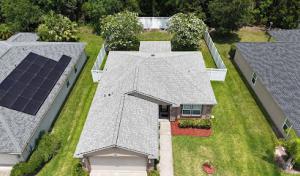
First Coast Roofing Company
(904) 685-9384 fcroofingcompany.com
11341 Distribution Ave E STE 6, Jacksonville, Florida
5.0 from 179 reviews
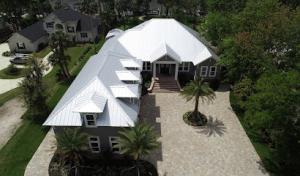
Jacksonville Roofing USA
(904) 759-1037 jacksonvilleroofingusa.com
6215-1 Wilson Blvd Building 1, Jacksonville, Florida
5.0 from 206 reviews
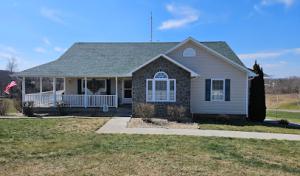
Model City Roofing
(904) 552-1009 www.modelcityroofing.com
3830 Williamsburg Park Blvd # 7, Jacksonville, Florida
4.9 from 269 reviews
In beachside and river-adjacent neighborhoods, salt air and open wind patterns put shingles, metal, and tile to different tests. Asphalt shingles remain common across Jacksonville, and they work reasonably well when paired with a wind-rated installation and proper underlayment. For homes facing salt spray or frequent tropical winds, metal roofing offers durability and wind resistance that can outperform traditional shingles, especially when installed with concealed fasteners and corrosion-resistant coatings. Tile systems-whether clay or concrete-tend to appear more often on newer or higher-end homes, and they deliver a heavier, drought-tolerant look that can hold up well in exposed corridors, provided the roof structure and attic ventilation are up to the load and the geometry accommodates its weight.
inland subdivisions often feature varied rooflines, steeper pitches, and structural layouts that influence which materials rise to the top. The mix of older homes and newer suburban development means structural capacity and roof geometry matter as much as aesthetics. Some inland homes may have HOA standards that favor architectural consistency, which can steer decisions toward architectural shingles or metal that matches neighboring homes' profiles. In these settings, clay and concrete tiles can be a good match if the attic space and support framing are reinforced to carry the weight, and if the roof's plan allows for proper drainage and venting. In short, inland shelters benefit from considering load, span, and how the roof interacts with attic circulation and energy efficiency.
Your coastal or inland exposure should guide the choice more than style alone. For homes with frequent wind-driven rain or direct salt exposure, metal roofs with corrosion-resistant coatings and standing-seam designs minimize fastener exposure to corrosive air and reduce risk of panel lift during storms. Tile roofs, while attractive and long-lasting, demand careful flashing details where walls meet the roof and where penetrations occur, to prevent water intrusion in heavy downpours. Asphalt shingles remain practical for many inland areas, especially when wind-rated shingles are used and the roof deck is solidly prepared to resist uplift. The goal is to align the roof's weight, wind performance, and drainage with the home's location and seasonal patterns.
The city's housing mix means that structural capacity and roof geometry can vary widely, and HOA appearance standards can influence feasible materials. If a home's framing or rafters aren't sized for heavier tile, upgrading calibration or choosing a lighter option becomes necessary. For communities under stringent HOA guidelines, metal or architectural shingles can offer a balance of performance and curb appeal without triggering cosmetic restrictions. On newer builds, tiles often align with contemporary lines and long-term durability, while in older inland areas, asphalt shingles may remain the most straightforward option that still meets local performance expectations.
Prepare for hurricane season by ensuring the chosen system has a solid installation pedigree, especially where salt air and high winds are a factor. Regular inspections after storms or heavy rainfall help catch lift, flashing failures, or nut-and-bolt loosening before interior damage occurs. For metal, inspect seams and coatings for exposed edges; for tile, look for cracked or displaced pieces and ensure underlayment remains intact; for shingles, check for curled edges or lifted tabs and address promptly. A proactive maintenance approach keeps the roof resilient through Jacksonville's unique mix of exposure and weather.
While not a substitute for professional advice, maintaining a clear record of roof materials, installation dates, and any upgrades can streamline claims if storm damage occurs. Keep photos of the roof from multiple angles, notes on material type and warranty information, and copies of any prior inspection or maintenance reports. In flood-prone corridors or highly wind-impacted zones, having a well-documented reliability story for the chosen roof system helps support documentation during insurance adjustments or negotiations after a storm.
In this market, hurricane-season demand surges can tighten labor and push lead times for materials. After active storms, you'll often see bids come in with longer turnaround and, at times, higher labor rates. That reality matters whether you're replacing a simple shingle roof or upgrading to a heavier system. Concrete tile, clay tile, and slate deliveries and crews may face extra scheduling constraints when crews are juggling beach communities, urban neighborhoods, and outer suburban areas of Duval County.
Asphalt shingles present the most flexible option for many Jacksonville homes, with typical costs in the range of 300 to 700 per square. They usually move faster in the field, which can help when labor is tight, but note that a storm-driven spike can still occur. Metal roofing ranges from about 600 to 1200 per square and often sells well in newer coastal and suburban layouts where long runs and lighter frames are common. Heavier systems like clay tile (900-1700 per square) and concrete tile (800-1500 per square) may require structural review on older homes; this is not just a price item but a feasibility one, since some existing rafters and trusses weren't designed for these loads. Slate sits at the high end, roughly 1500 to 3000 per square, and will almost always trigger engineering checks and longer timelines.
The city's large geographic footprint means you might pay more for crews traveling between beach communities, dense urban blocks, and sprawling outer suburbs. If you're in a high-demand area after a hurricane, expect not only elevated material costs but potential delays in crew rotation. In practice, metal and standard shingle installations tend to move faster in typical suburban layouts, while tile and slate jobs are more sensitive to crew availability and structural assessments.
When you're choosing material, balance the upfront cost with the likelihood of quicker installation and fewer structural surprises. Heavier systems require a careful look at current roof support, especially on older homes, while lighter assemblies can generally progress with less disruption even in peak storm season. Keep a flexible schedule for timing after storms, and set expectations for possible lead-time differences across Duval County.
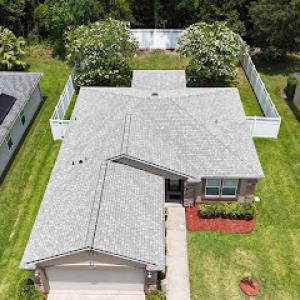
First Coast Roofing Company
(904) 685-9384 fcroofingcompany.com
11341 Distribution Ave E STE 6, Jacksonville, Florida
5.0 from 179 reviews
First Coast Roofing Company is a roofing contractor in Ponte Vedra serving Nocatee, Jacksonville, St. Augustine, St. Johns County, Duval County and nearby areas. Our roofing company offers residential roofing, roof repair, asphalt shingle roofing, tile roofing and more.. Customers love us because of our comprehensive roof warranties and our affordable roof financing options. If you want to experience how your most trusted Ponte Vedra roofing company embraces our motto “Family owned, Community Driven.", call us now for a free estimate!
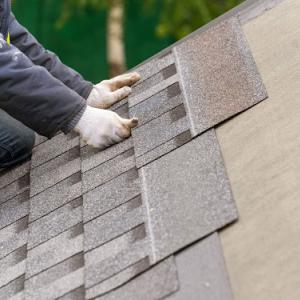
Red Fox Roofers
(904) 906-4087 redfoxroofers.com
11235 St Johns Industrial Pkwy N #1, Jacksonville, Florida
5.0 from 326 reviews
Red Fox Roofers is a trusted roofing company in Jacksonville, FL, providing top-quality roofing services. Our team specializes in a wide range of roofing solutions, including shingle, metal, tile, cedar, EPDM, slate, flat, and TPO roofing for both residential and commercial properties. We also offer expert roof repair and replacement services. Additionally, we provide professional gutter installation and maintenance. As a GAF and Genflex certified contractor, we guarantee exceptional workmanship and customer satisfaction. For reliable, affordable roofing in Jacksonville, FL, trust Red Fox Roofers for all your roofing needs.
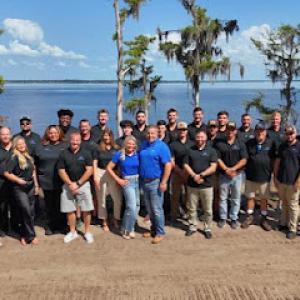
Trinity Restoration & Roofing
(904) 763-2006 trinityrestoration.com
12627 San Jose Blvd STE 502, Jacksonville, Florida
4.9 from 1146 reviews
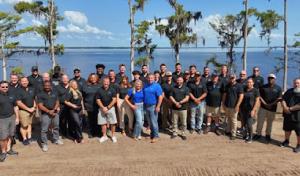
Established in 2019, Trinity Restoration and Roofing is a premier roofing service dedicated to the Jacksonville community. They specialize in both full-service roof repair and complete replacement, ensuring that every project is handled with professionalism and expertise. Their commitment to quality craftsmanship and customer satisfaction has made them a trusted name in the industry. For reliable and comprehensive roofing solutions, Trinity Restoration and Roofing is the local expert you can depend on.
SEC Roofing & Construction Group
(904) 230-9175 www.secconstructiongroup.com
12724 Gran Bay Pkwy W Suite 410, Jacksonville, Florida
5.0 from 164 reviews
SEC Roofing & Construction Group provides trusted roofing services across Northeast Florida for both homeowners and businesses. We specialize in residential roofing, offering roof replacements, repairs, storm damage restoration, and inspections with dependable workmanship and honest service.
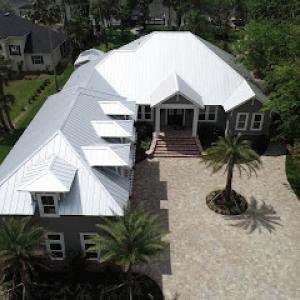
Jacksonville Roofing USA
(904) 759-1037 jacksonvilleroofingusa.com
6215-1 Wilson Blvd Building 1, Jacksonville, Florida
5.0 from 206 reviews
Jacksonville Roofing USA proudly serves the greater Jacksonville, FL area with reliable, high-quality roofing services you can trust. We’re known for honest work, skilled craftsmanship, and a strong commitment to customer satisfaction. Our team specializes in shingle roofing, standing seam metal roofs, and torch-down roofing systems, built to perform in Florida’s climate. As a Tamko PRO Certified Roofing Contractor, we use top-quality materials and expert installation, and we can source any shingle brand to fit your style and budget. We offer free estimates, fast service, and clear communication from start to finish. Trust Jacksonville Roofing USA to protect your home—call today. Call for your Free online estimate.
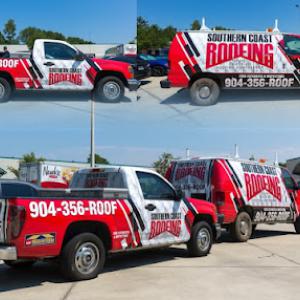
Southern Coast Roofing
(904) 356-7663 www.southerncoastroofing.us
2214 University Blvd W, Jacksonville, Florida
4.9 from 287 reviews
GAF Master Elite Residential and Commercial Certified Roofing Contractor

Ecobuild Roofing
(904) 643-3686 ecobuildjax.com
13475 Atlantic Blvd Unit 8-875, Jacksonville, Florida
5.0 from 155 reviews
We've been handling roofing work in Jacksonville and surrounding areas for over 7 years. At Ecobuild Roofing, we know roof problems are stressful - whether it's storm damage, leaks, or needing a full replacement. That's why we work to make the process smooth. We offer 24/7 emergency repairs because damage won't wait for business hours. We also do maintenance, repairs, complete replacements, and new construction. Our free inspections help catch problems before they become major headaches. If severe weather has damaged your property, we respond quickly with storm restoration services. We use quality materials and proven techniques because your roof needs to protect your home for years. At Ecobuild Roofing, we prioritize exceptional servic.
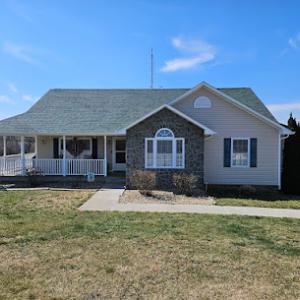
Model City Roofing
(904) 552-1009 www.modelcityroofing.com
3830 Williamsburg Park Blvd # 7, Jacksonville, Florida
4.9 from 269 reviews
Model City Roofing, located at 3830 Williamsburg Park Blvd Ste #7, is your top-rated roofing company in Jacksonville FL, dedicated to delivering top-quality roof repair, roof replacement, and roof inspection services. As an experienced and licensed roofer, we specialize in both residential and commercial roofing, including metal roofing solutions. Our skilled team ensures each project is completed with precision, addressing roof leaking repairs promptly to secure your home or business. Choose us as your trusted roofing company and experience unparalleled service in craftsmanship and customer satisfaction. Open 24/7, contact us today or visit our website for a free in-person or online estimate!
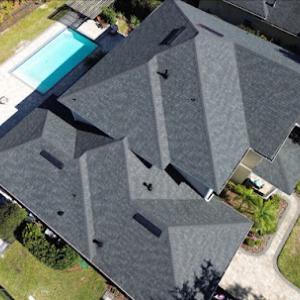
Brelbay Roofing
(904) 419-8390 brelbayroofing.com
5875 Mining Terrace #101, Jacksonville, Florida
5.0 from 90 reviews
Brelbay Roofing is a licensed and insured roofing contractor serving Jacksonville and the surrounding Northeast Florida area. We specialize in residential roof replacement, installing code-compliant roofing systems designed for Florida conditions. Our team follows disciplined installation practices, maintains clean and controlled job sites, and communicates clearly throughout each project. Brelbay Roofing provides detailed written estimates for full roof replacement projects across the Jacksonville area.
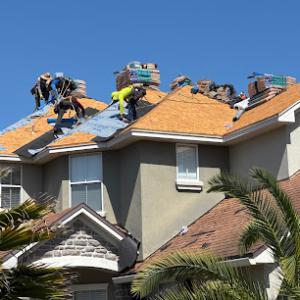
Avenue Roofing
(904) 467-8813 avenueroofing.com
6251 Philips Hwy Suite #5, Jacksonville, Florida
5.0 from 87 reviews
Avenue Roofing is a local, family- and veteran-owned residential roofing contractor proudly serving Jacksonville and Northeast Florida, including many jacksonville northeast communities, with honest, no-pressure roofing leak inspections supported by attic checks, drone photos, clear evidence, and detailed documentation. We are a CertainTeed SELECT ShingleMaster, a Directorii-approved contractor with protection guarantees, and active members of the Roofing & Solar Reform Alliance. Our team follows higher installation and quality standards than typical roofers. We offer premium roofing systems, roof replacements, dependable warranty support, and consistent craftsmanship that helped us earn a top 1% contractor ranking in Florida on BuildZoom.
Advocate Roofing & Restoration
(904) 707-6546 www.advocaterestorationfl.com
5105 Buffalo Ave Suite 2, Jacksonville, Florida
5.0 from 124 reviews
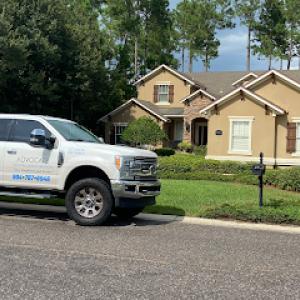
Your #1 Roofing Company in Jacksonville, FL. Our team provides free roof inspections to our customers. Our roofing services include roof repairs, roof maintenance, and roof replacements in North East Florida. We're proud to be your neighborhood roofer. Started in 2019 by Jessie Ladson and Bryan Kinser, Advocate Roofing and Restoration has provided service to over 1,000 homes in Jacksonville, Florida. Our team is built of members of the community who value the work they do. We're here to help protect your biggest investment.
Baldwin Roofing Company
(833) 217-7663 baldwinroofing.com
8638 Philips Hwy Suite 12, Jacksonville, Florida
4.9 from 125 reviews
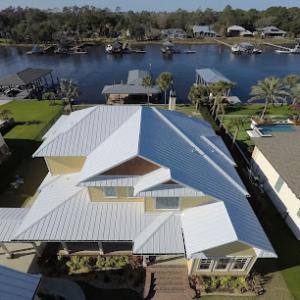
Baldwin Roofing Company is a residential and commercial roofing company dedicated to providing high-quality products with superior customer service and workmanship. As a third-generation contractor in Florida, Spencer Baldwin founded BRC with a vision for providing stunning, reliable roofs for homeowners and commercial property owners throughout the state. Since its establishment in 2018, Baldwin Roofing Company has grown substantially. In addition to adding more talent to the team, we've been able to expand our areas of service, allowing us to supply high-quality materials for residential and commercial roofs and gutters for customers from Jacksonville to Tampa Bay.
A full roof replacement typically requires a building permit, and the process is handled through the local city-county building system serving Duval County. Your project will go through the permit office that coordinates with the planning and zoning departments, and the timing can hinge on current workload and any neighborhood-specific requirements. Before pulling permits, confirm whether additional approvals are needed for setbacks, slope, or tile and underlayment choices common to coastal and inland Duval neighborhoods. Expect the process to involve plan review, a permit issuance, and a structured schedule for inspections tied to project milestones.
In Jacksonville, roofing work is commonly reviewed through an in-progress inspection during installation and a final inspection after completion rather than a single sign-off at the end. The in-progress check is typically scheduled after major framing and underlayment work to verify that components meet local code and wind-resistance expectations. A second, final inspection confirms that flashing, ventilation, and gutters are properly installed and that the roof is watertight. Work delays or rescheduling can occur if inspector notes call for corrective actions, especially when upgrades or coastal considerations come into play. Coordinate with your contractor to align every major step with the inspection calendar so that weather windows and permit timelines don't conflict.
Wind mitigation considerations can become part of the roofing conversation in this market because installation details and documentation may later be reviewed by insurers. Jacksonville's exposure to Atlantic storms means that inspectors and insurers often scrutinize underslayment choices, nailing patterns, and attachment methods for wind resistance. When planning, ask the contractor how the chosen roofing system and fastener strategy align with local wind mitigation expectations, and request a detailed ledger of materials and installation steps. Keeping thorough records now can smooth potential insurance interactions afterward, especially if you later need to file a claim related to storm exposure.
Document everything from permit approvals to inspection sign-offs, including weather-related delays or changes ordered by inspectors. Retain roof system specifications, product types, installation dates, and contractor credentials in a dedicated file. For storm-relevant records, preserve photos of anchor points, flashing, and edge details as installed, because insurers may review these during wind-related claims. If you anticipate working through a claim after a hurricane season, having the permit and final inspection packets organized will help your adjuster verify the installation's compliance with local requirements and wind-mmitigation standards.
The insurance picture is shaped by Florida's high-claim environment. Storm-related roof claims are common, and carriers scrutinize roof age, condition, and documentation closely after a flood or hurricane season. In practice, that means a roof that's a few years old or showing wear can trigger questions about remaining life, maintenance history, and prior repairs. Honest, up-to-date records help avoid surprises when you file a claim or seek renewal.
Prepare wind mitigation records that document protective features. In this market, homeowners often need proof of underlayment quality, shingle or tile attachments, and any secondary water barriers to support premium credits or underwriting answers. Keep a binder with manufacturer specs, installation dates, photos of ridge vents, sealed penetrations, and visible fasteners. When a contractor completes work, request a receipt that lists what was replaced and what was added to the structure for wind resistance.
After active storm seasons, Florida market instability can affect Jacksonville homeowners through premium changes and tighter terms. insurers may tighten definitions of wind zone upgrades or adjust how settlement is calculated after a damage event. Rely more on written documentation than memory, and be prepared to present a chronology of repairs, service calls, and maintenance that demonstrates ongoing wind readiness.
Smart planning means building resilience into your roofing strategy before a storm arrives. If a claim is possible, photograph the roof from multiple angles, note shingle granule loss, and document any existing leaks. In the aftermath, use dated records to communicate with your insurer and to support any requests for adjuster visits or remediation requirements.
Connect with contractors who help homeowners navigate the claims process from damage assessment to final approval.
First Coast Roofing Company
(904) 685-9384 fcroofingcompany.com
11341 Distribution Ave E STE 6, Jacksonville, Florida
5.0 from 179 reviews
Trinity Restoration & Roofing
(904) 763-2006 trinityrestoration.com
12627 San Jose Blvd STE 502, Jacksonville, Florida
4.9 from 1146 reviews
SEC Roofing & Construction Group
(904) 230-9175 www.secconstructiongroup.com
12724 Gran Bay Pkwy W Suite 410, Jacksonville, Florida
5.0 from 164 reviews
In Jacksonville, wind-driven rain can expose weaknesses at roof-to-wall transitions, flashing details, and penetrations even when the main field of the roof appears intact after a storm. The most fragile zones are where the roof meets the fascia and where flashing turns the corner from high wind surfaces to vertical walls. If flashing is lifted or improperly seated, a fast drip can become a slow seep that escapes notice behind attic insulation or ceiling drywall. Regular checks should prioritize these edges after storms.
Frequent summer moisture creates conditions where small installation defects can turn into active leaks quickly, especially around skylights, chimneys, and low-slope transitions common on additions and porches. Skylight flashing and sealant degrade with heat cycles, while chimney cricket gaps and mortar joints can widen with time. Low-slope sections carry runoff differently, so minor pooling can exaggerate leakage during storms. A steady eye on caulking, sealant color changes, and raised shingle edges helps catch trouble before it cascades.
Older Jacksonville roofs may show accelerated wear from repeated storm cycles rather than a single catastrophic event, making cumulative damage an important local inspection issue. Granule loss on shingles, rusted metal edge details, and tile cracks accumulate silently. Over years, these small faults borrow trouble from every new shower, turning into multiple small leaks or a single larger failure during a heavy rain event. The key is recognizing that gradual decline often outpaces visible, dramatic damage.
Develop a habit of post-storm audits that focus on transitions, penetrations, and older sections. After a severe weather event, walk the roof only if safe; otherwise, inspect from attic or using a drone with a careful eye on flashing, sealants, and vent boot connections. If moisture traps or damp spots appear on ceilings, trace them to the highest risk zones first-flashing corners, skylight perimeters, and chimney bases. Quick confirmation with a professional can prevent a minor issue from becoming a costly repair.
Find contractors experienced in skylight installation, flashing, and leak repairs to bring natural light into your home.
Red Fox Roofers
(904) 906-4087 redfoxroofers.com
11235 St Johns Industrial Pkwy N #1, Jacksonville, Florida
5.0 from 326 reviews
Legion Roofing & Construction
(904) 612-3599 legionroofingfla.com
12724 Gran Bay Pkwy Suite 410, Jacksonville, Florida
4.9 from 135 reviews
Shingle or tile roofs can extend into low-slope sections that cover porches, room additions, garages, or rear extensions. These areas often age differently from the main pitched roof, leaving mismatched flashing, seam treatments, and drainage details. In Jacksonville, these zones are especially susceptible to the bite of summer storms because water can travel from the higher roof and pool on the lower section before finding an exit. Regular checks should focus on the transition edges where the slope changes and where parapets tie into the main roof.
Heavy summer rainfall makes drainage performance crucial on low-slope areas. Ponding water and standing moisture can stress flashing corners, seam tapes, and edge transitions. The result is recurring leaks along slow-draining zones that may not show up after a dry spell. Pay particular attention to deck-like felt, underlayment failures beneath the low-slope skin, and any clogged or undersized scuppers and downspouts that back up during downpours.
Start with a visual walkaround after a rain event. Look for areas where water pools longer than a day, then inspect the seam beneath the flashing for signs of hairline leaks or lifted sealant. Check the edge metal and parapet counterflashing for corrosion or gaps. Verify that flashing laps are intact and that any penetrations (vents, skylights, or plumbing stacks) have proper weep protection. Inspect gutters and downspouts feeding these zones and ensure drainage paths remain clear.
During storms, monitor for new staining or damp spots that appear on ceilings beneath these zones. If leaking shows up, document the exact location and time, and note whether pooling was visible on the surface. Have a plan ready to bank temporary water diversion if a leak threatens interior finishes, and plan a follow-up inspection after the next heavy rain event.
When leaks originate from low-slope areas, collect detailed photos of the affected zones, including transitions, flashing, and downspout connections. Record dates of rain events and visible water entry points, and keep a written log of repairs or temporary measures taken between storms. This documentation helps establish a pattern and supports claims related to storm-related intrusion on secondary roof areas.
Find specialists in TPO, EPDM, and built-up flat roofing systems for residential and commercial properties.
Red Fox Roofers
(904) 906-4087 redfoxroofers.com
11235 St Johns Industrial Pkwy N #1, Jacksonville, Florida
5.0 from 326 reviews
Jacksonville Roofing USA
(904) 759-1037 jacksonvilleroofingusa.com
6215-1 Wilson Blvd Building 1, Jacksonville, Florida
5.0 from 206 reviews
FLA Roofing & Restoration
(904) 853-3009 flaroofingandrestoration.com
4600 Touchton Rd Building 100, Suite 150, Jacksonville, Florida
5.0 from 104 reviews
When a post-storm window opens, the market in this area flips quickly. Homeowners often sort contractors by how fast they can respond, how thoroughly they handle cleanup, and whether the crews are set up for a full re-roof rather than just small repairs. Look for a company with a defined on-site arrival window, a dedicated cleanup plan (including nail和 debris removal and tarping where needed), and a project team experienced in stripping, tarping, and replacing mixed materials common on inland shingle roofs as well as coastal metal and tile installations. If a contractor's field crew is clearly oriented toward emergency work and long-term roofing projects, that's a strong signal they won't vanish after the first rain.
The local market mixes long-established, family-run firms with high-volume, storm-response operators. The crucial distinction is who handles permits, inspections, and final cleanup, not just the estimate. Ask who will coordinate the permit-scoping (even if you're not handling permits), who reviews the inspection checklist, and who conducts the final sweep and debris haul. A company that assigns a single project manager to your job tends to stay accountable through completion rather than handing off tasks to rotating crews.
In a city as large as this, service-area coverage matters. Some contractors market citywide but actually respond faster in certain parts of Duval County. When you call, mention your neighborhood and expected travel time for crew arrival and material staging. Prefer a contractor who can reliably reach your section of town with a local office or field supervisor nearby. That proximity translates into fewer delays, clearer communication, and a smoother post-storm experience overall.
Get a clear picture of your project costs upfront - no commitment required.
First Coast Roofing Company
(904) 685-9384 fcroofingcompany.com
11341 Distribution Ave E STE 6, Jacksonville, Florida
5.0 from 179 reviews
Jacksonville Roofing USA
(904) 759-1037 jacksonvilleroofingusa.com
6215-1 Wilson Blvd Building 1, Jacksonville, Florida
5.0 from 206 reviews
Model City Roofing
(904) 552-1009 www.modelcityroofing.com
3830 Williamsburg Park Blvd # 7, Jacksonville, Florida
4.9 from 269 reviews