
Last updated: Apr 19, 2026
Orange Park homeowners facing tropical storms know wind-driven rain and lifted shingles are a leading roofing concern. When a storm hits, act as if every hour counts: pull back from damaged areas to avoid further intrusion, and do a rapid outdoor reconnaissance to flag loose flashing, missing shingles, or damp underlayment. Take clear, timestamped photos from ground level and from the eaves, documenting the visible damage before temporary tarps or protective measures are installed. Keep a simple log of dates and weather conditions, and note any interior signs of water intrusion-drips on ceilings, staining, or musty odors. This precise documentation becomes the backbone of a swift claim and a safer recovery path.
The local storm environment makes temporary repairs essential to limit further damage while awaiting a contractor and an insurer's review. If shingles are blistered or torn, or if fascia or underlayment appear exposed, stabilize the roof edge with a quick, weatherproof temporary cover and secure it firmly so it cannot become windborne. Prioritize vulnerable zones such as valleys, vents, and chimney flashings where wind-driven rain tends to concentrate. Keep the storm window of opportunity in mind: a prompt, professional assessment can prevent widespread water intrusion and reduce downstream interior damage, which is a common driver of extended claim timelines in this market.
Florida insurers commonly require detailed photo records, prior-condition evidence, and prompt timelines, which is especially important in a storm-active market like Orange Park. When reporting damage, provide a concise summary of observed issues, the dates of the events, and the most impacted areas of the roof. Request a dedicated claim number and a point of contact, and confirm whether temporary repairs qualify as covered mitigation or require separate authorization. If an adjuster cannot visit promptly, arrange a reasonable window for a quick prescheduled inspection, and ensure all communications are in writing. Keep copies of all correspondence, receipts for temporary materials, and contractor notes, as these items simplify the claim review and help avoid back-and-forth delays.
A dependable contractor signal mix here centers on storm damage, emergency repair, and insurance-driven work. Seek a local roofer with proven experience in post-storm responses and a track record of clear, documentation-heavy estimates. Ask for a pre-storm reference set from neighbors who recently navigated a similar event, and confirm the contractor can provide detailed before-and-after photos, material specifications, and a written scope of work aligned with insurer expectations. Once work begins, require daily progress updates and photos, plus a signed change-order process to manage any unforeseen weather-related discoveries.
After temporary repairs are in place, schedule a professional leak check within 48 hours of each significant rain event, and again after the first full dry spell. Develop a short maintenance plan focused on high-risk features: roof penetrations, flashing around vents, and the edge of the eaves. Keep a log of all weather-driven events and subsequent roof responses, so when the next storm season rolls in, you have a ready, robust record to support timely claim resolutions and smoother post-storm service.
Find local contractors experienced in assessing and restoring roofs after hail, wind, and severe weather events.
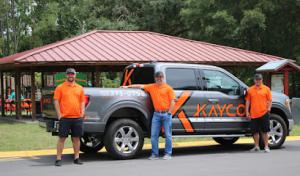
Kayco Roofing
(904) 852-8456 kaycoroofing.com
1014 Blanding Blvd, Orange Park, Florida
4.9 from 371 reviews
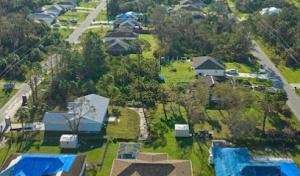
Beaver Home Services
(904) 726-7080 beaverhomeserv.com
216 Industrial Loop S Ste 101, Orange Park, Florida
4.7 from 445 reviews

Alan Taylor Roofing
(904) 291-8438 alantaylorroofing.com
1029 Blanding Blvd Unit 705, Orange Park, Florida
4.9 from 38 reviews
Kayco Roofing
(904) 852-8456 kaycoroofing.com
1014 Blanding Blvd, Orange Park, Florida
4.9 from 371 reviews
At KayCo Roofing, a family-owned business, we've been proudly serving Orange Park, Florida, since 2008. We offer a wide range of roofing services, including roof repairs, replacements, residential roofing, and multi-family roofing. We also specialize in roofing claims, storm damage restoration, roof leak repair, shingle repair, and handling hail and wind damage. Our team provides thorough roof inspections to ensure your home is well-protected. As a trusted roofing contractor, we are dedicated to delivering expert solutions and quality craftsmanship for all your roofing needs. Call us today for a free estimate at (904) 375-0798!
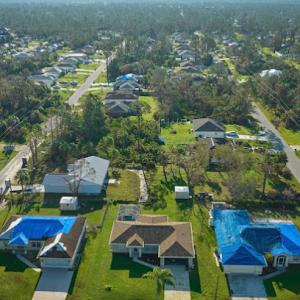
Beaver Home Services
(904) 726-7080 beaverhomeserv.com
216 Industrial Loop S Ste 101, Orange Park, Florida
4.7 from 445 reviews
Beaver Home Services is a trusted roofing contractor in Orange Park, FL, providing roof inspections, roof repair, roof maintenance, roof installation, chimney repairs, gutter installation, and emergency tarp service. Our roofing contractor team delivers quality work, honest estimates, and fast solutions to keep your home protected. We handle insurance claims with expertise. Contact Beaver Home Services today for a reliable roofing contractor you can trust.
Roof It Right
(904) 541-1191 roofitrightfl.com
344 Milwaukee Ave, Orange Park, Florida
4.6 from 223 reviews
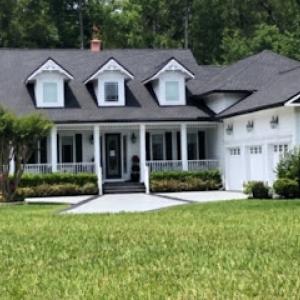
Roof it Right is a MasterElite roofing contractor proudly serving NE & Central Florida for nearly 16 years. Renowned for excellence, the company has consistently demonstrated its commitment to quality and customer satisfaction, earning the prestigious GAF President's Club Award for 14 consecutive years. Roof it Right is in the top 1percent of all MasterElite roofing contractors.

Alan Taylor Roofing
(904) 291-8438 alantaylorroofing.com
1029 Blanding Blvd Unit 705, Orange Park, Florida
4.9 from 38 reviews
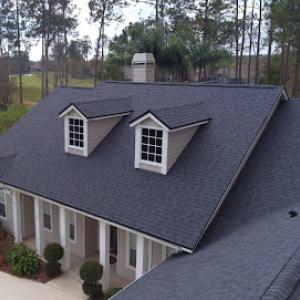
Alan Taylor Roofing is a family-owned roofing company based in Orange Park, FL, proudly serving Fleming Island, FL. With over six decades of experience across three generations, our team provides comprehensive roofing services, including roof replacements, repairs, skylight installations, ventilation solutions, chimney repairs, inspections, and ongoing maintenance. We also assist with insurance claims to simplify your roofing projects. As proud members of the Florida Roofing & Sheet Metal Contractors Association (FRSA), we combine local expertise with trusted industry standards. Whether you need reliable roof repairs or a full replacement, our local roofers in Orange Park, FL, are ready to help. Contact us to schedule a free estimate.
Dubo Roofing & Construction
(904) 396-1889 duboroofing.com
830 Kingsley Ave, Orange Park, Florida
4.6 from 95 reviews
Dubo Roofing and Construction is known for its commitment to quality and excellence in roof repair and replacement. As your trusted local expert, we specialize in roof repairs, home restoration, and storm damage repairs. With over 25 years of experience, we’ve been helping homeowners and businesses with their roofing needs. A locally-owned family business, Dubo Roofing and Construction has a showroom and offices in Orange Park, serving all of Northeast Florida. Our expanding team of roofing professionals is ready to guide you in choosing the right roofing style, color, and budget for your home or business. Safety is our top priority, ensuring the well-being of both our staff and customers.
Keith Stern Roofing
(904) 272-0244 www.keithsternroofing.com
656 Blanding Blvd, Orange Park, Florida
4.7 from 36 reviews
Keith Stern Roofing has been serving the Orange Park, FL area since 1989 providing roofing services. From new roof installation, to roof repairs, gutter and downspout installation, roof ventilation, and even skylight installation - we focus on quality work and customer satisfaction! Call the roofing experts and get your roof issues resolved today!
Moore Roofing & Designs
(904) 376-5712 www.mooreroofinganddesigns.com
752 Blanding Blvd STE 100, Orange Park, Florida
5.0 from 9 reviews
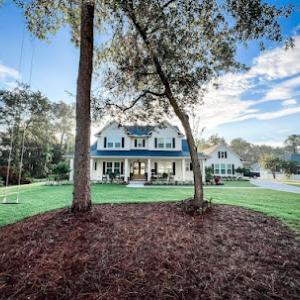
At Moore Roofing and Designs, Inc., we specialize in high quality residential and commercial roofing solutions, offering expert roof repair, replacement and installation services. With over Ten years of experience, we're committed to providing durable, weather-resistant roofing systems that protect your property and enhance curb appeal. Our licensed and insured team is skilled in handling various materials, including asphalt shingles, metal, tile and flat roofs. We are locally owned and operated, providing roofing services throughout Northeast Florida. We pride ourselves on exceptional customer service, communication, cleanliness, competitive pricing and lasting results. Contact us today to schedule your free, no obligation consultation.
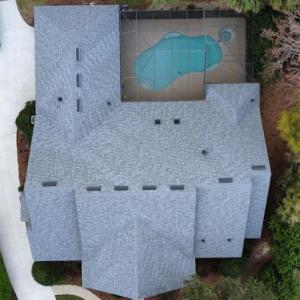
Worthmann Roofing & Gutters
(352) 306-2961 www.worthmannroofing.com
999 Blanding Blvd STE 13, Orange Park, Florida
4.1 from 14 reviews
As a family-owned business, Worthmann Roofing & Gutters understands Florida homeowners' and businesses' unique needs. Worthmann has been serving the Jacksonville area for years, but now you can visit their new office minutes away from your Jacksonville home. The company's new office in Jacksonville is a testament to its commitment to providing top-quality roofing solutions to a wider audience. With a proven track record of exceptional service in High Springs, Gainesville, and Ocala, the company is excited to extend its reach and serve the Jacksonville community with the same dedication and professionalism.
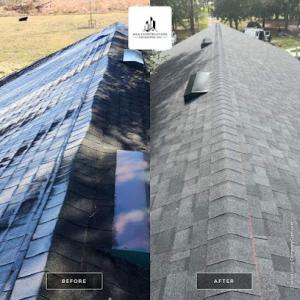
HCA Construction & Roofing
(904) 204-9598 hcaconstructionandroofingfl.com
Serving
5.0 from 75 reviews
HCA Construction and Roofing, Inc. is a trusted, locally owned company serving Middleburg, Florida. We prioritize honesty, integrity, and high-quality service, treating your home or business as if it were our own. Specialising in installations and roof replacement Middleburg, we offer personalized solutions tailored to each project. Whether you need a new roof or a replacement, our team is dedicated to delivering excellent results and ensuring customer satisfaction. With a focus on lasting relationships and quality craftsmanship, HCA Construction and Roofing, Inc. is here to meet all your roofing needs. Contact us today for reliable service!
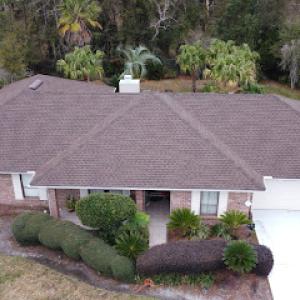
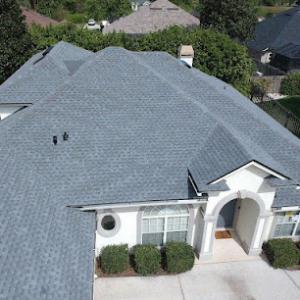
Skinner Roofing
(904) 588-6496 www.skinnerroofingjax.com
Serving
5.0 from 60 reviews
At Skinner Roofing, LLC our team quickly became a cornerstone in Jacksonville, FL, St. Johns, FL, and the surrounding areas. With over 20 years of industry experience, our founder, Cody Skinner, personally oversees each project, ensuring unparalleled quality and customer satisfaction. Predominantly referral-based, our business thrives on strong, lasting relationships built on trust and local expertise.

Maxxim Construction & Roofing
(904) 402-0101 www.maxximroofing.com
Serving
4.8 from 22 reviews
At Maxxim Construction and Roofing, we offer top-tier roofing and construction services and work diligently to meet our customer’s needs while adhering to industry standards in quality and safety. We are committed to completing our work with diligence and with extreme attention to detail. Maxxim Construction and Roofing is your top choice when it is time to inspect, repair, or replace your roof or construction. Contact us today, our team is waiting to assist you!
In the hot, humid subtropical climate of Orange Park, roof replacement timing hinges on weather windows that protect exposed decking and underlayment from repeated heavy rain. The rhythm of storms and tropical rain bands means a tear-off can be delayed or re-scheduled if a forecast shows consecutive wet days. Planning around the calendar matters: the goal is to finish the tear-off, underlayment, and the dry-in before the next round of heavy rainfall can compromise new materials or leave decking vulnerable. If a storm front has lingered for several days, it's prudent to pause planning and confirm a clear window before the project resumes.
Peak rainy season can delay tear-off and dry-in because exposed decking and underlayment are vulnerable during repeated heavy rain events. When moisture levels stay elevated, there is a real risk of leaks, warped decking, or curing issues with asphalt or metal applications. Scheduling during this period requires close coordination with the crew for back-to-back containment, tarping, and rapid material handling. If a storm pattern is forecast to hold for more than a few days, you may need to delay until consecutive dry days are projected, even if that pushes the timeline by a week or two. In practice, that means keeping a flexible start date and having a contingency plan with your contractor for post-storm gaps.
The dry season usually offers more predictable installation windows in Orange Park, but extreme heat can still slow crews and affect curing or material handling. Between late fall and early spring, crews can push through a full tear-off, underlayment, and shingle or tile installation with fewer interruptions from rain. High daytime temperatures, however, can cause rapid drying of adhesives or sealants and strain crews in the field. Plan for early start times to beat the heat, with a staggered pace to avoid heat-related delays. Keep hydration, shade, and safety protocols in place so crews can maintain steady progress without compromising workmanship. If roofing materials require specific curing conditions, discuss these needs with the installer to align the schedule with the most reliable dry spells.
Storm damage response adds another layer of timing considerations. After a tropical event, immediate assessment and temporary repairs to stop leaks are essential, but a full replacement should wait for a solid dry-in forecast unless a leak is actively threatening structural components. Document all damage promptly for insurance purposes, photographically track affected areas, and share precise measurements and roof sections with the contractor to accelerate the post-storm timeline once conditions improve. In practice, coordinate with your insurer and contractor to lock in a target start date right after a window of several dry days, with a plan to address any debris removal, tarping, or temporary fixes that may be necessary in the interim. This approach minimizes exposure to weather while keeping replacement on a steady, predictable track.
The dominant residential roofing materials in Orange Park are asphalt shingles, metal roofing, clay tile, concrete tile, wood shingles or shakes, and synthetic or composite shingles. The area's humidity, frequent rain, and tropical storm exposure make wind resistance, water shedding, and moisture-related aging more important than in drier inland markets. Heavier tile systems and lighter shingle systems create different structural and repair considerations in a storm-prone North Florida setting. When choosing a roof type, you're weighing how each material handles wind uplift, roof deck moisture, and seasonal rain patterns, while also factoring in the typical attic ventilation and underlayment setup that North Florida homes rely on.
Asphalt shingles are common for many reason: ease of installation, repair familiarity, and available styles that suit a wide range of homes. In this climate, a high-quality package with modern wind-resistant courses and proper underlayment can hold up well under tropical rain bands when paired with good ridge and drip-edge detailing. A down-to-earth maintenance mindset helps here: keep gutters clear, address minor exposed fasteners or loose edges quickly, and watch for shingle lifting after severe gusts. If your home's roof geometry includes long eaves or multiple transitions, ensure the sealant lines around valleys and penetrations are robust, since those zones are more prone to wind-driven water intrusion.
Metal roofs offer strong wind resistance and fast shedding of rain, which is a boon during tropical storms. They can be superbly durable when installed with a properly sealed valley, edge, and seam system, and with an appropriate underlayment to manage condensation and warm-season moisture. In North Florida, metal often shines on roofs with complex contours or steeper pitches, because its durability tolerates rapid weather changes and heavy rainfall. The key is a meticulous installation that ensures panels align with existing roof penetration points, that fasteners are correctly sealed, and that the eave edging and flashing are designed to avoid water pooling at transitions. Regular inspections after storm events can catch loose panels or compromised seals before leaks form.
Clay tile and concrete tile bring distinctive benefits in our climate: natural high water shedding and long service life. Clay tiles tend to be heavier and more brittle in cold snaps, while concrete tiles can flex a bit more under load. In a storm-prone setting, tile roofs must be installed with solid battens, proper fastener patterns, and secure ridge and hip details to resist uplift. Individual tiles can crack during hail or impact, creating pathways for water if not addressed promptly. If your home already uses concrete or clay, plan for periodic inspections of curved or broken tiles after major weather events, and consider upgrading underlayment to a modern, water-impervious layer to maintain a dry roof deck.
Wood shingles and shakes offer a classic look but demand rigorous maintenance in humidity-rich climates. They can weather quickly if moisture management isn't first-rate, leading to rot or mold alongside potential insect concerns. When used in storm-prone areas, ensure a tight, gap-free installation and sufficient attic ventilation to minimize condensation. If your structure's framing isn't designed for heavier loads, confirm that roof sheathing and supports can handle the combined weight of wood and moisture exposure. Regular cleaning and prompt replacement of any warped or water-stained pieces help preserve performance.
Synthetic or composite shingles blend resilience with light weight and design flexibility, making them well-suited to roofs exposed to frequent rain and tropical weather shifts. These materials can offer strong wind resistance and can mimic other aesthetics while delivering consistent performance in humid environments. Look for products with reinforced cores and proven wind uplift ratings, along with compatible underlayment and flashing details that safeguard moisture infiltration at transitions, penetrations, and around skylights.
Regardless of the primary material, roof longevity in this market hinges on a robust underlayment, sound attic ventilation, and timely storm damage response. After a tropical system, conduct a thorough inspection focusing on flashing around chimneys, vents, and valleys, plus any signs of lifted edges or cracked tiles. Maintain your gutters and downspouts, ensuring water has an unobstructed path away from the eaves and foundation. If damage is detected, address it promptly to minimize infiltration and structural risk.
Orange Park's re-roof market is active, and storm-driven demand can tighten scheduling and push pricing upward after major weather events. When a tropical system rolls through St. Johns County, crews pile up on local jobs, sometimes delaying less urgent work and nudging material costs higher. If you're eyeing a re-roof in the wake of a storm, plan for a tighter window and a potential premium for expedited scheduling. Knowing this helps you align timing with calmer weeks and avoid peak-demand surges.
Costs vary by the city's common material choices. Asphalt shingles sit in a broad range from about 350 to 550 USD per square, making them a practical option for many Orange Park homes, especially when funds are tight. For higher-end or longer-lived systems, metal roofing runs substantially higher, roughly 600 to 1200 USD per square, while concrete and clay tiles push well above asphalt, with concrete typically in the 650 to 1200 range and clay from 850 to 1700 USD per square. Wood shingles and synthetic/composite shingles land between these extremes, with roughly 500 to 900 USD per square for wood and 450 to 900 USD per square for synthetic options. These bands reflect both material durability against tropical rain bands and the labor intensity of installation.
Project pricing in Orange Park is also shaped by the labor needed to dry-in quickly during unsettled weather. When storms loom or after a rapid-advance rain spell, crews may need to accelerate the process to protect interior spaces, which can add to labor time and staffing costs. Conversely, dry, sunny stretches can reduce time-on-job and help keep pricing closer to the lower end of the range. If you expect unsettled weather, discuss a staged or staged-dry-in approach with the contractor to balance protection, cost, and project pace.
For a homeowner weighing options, start with asphalt as a baseline given its practical pricing and quick-equipment turnover, then dimension higher-cost materials by desired lifespan and curb appeal. Re-roof projects in this market commonly factor in trash disposal and cleanup as a distinct line item, so confirm how the contractor handles debris removal. Finally, compare a couple of bids that clearly itemize material costs, waste handling, and labor hours to avoid surprises when the project kicks off after a storm.
Don't let upfront costs delay a critical repair - these contractors offer payment plans to fit your budget.
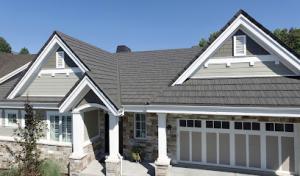
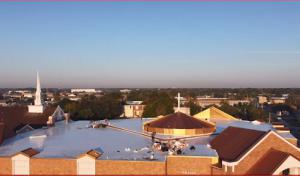
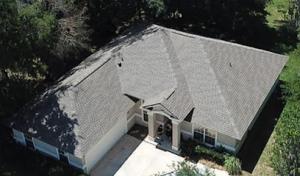
A full re-roof in Orange Park typically requires a permit through the City of Orange Park Building Department. This isn't something to treat as a formality; the permit ties directly to inspections, weatherization requirements, and proper documentation for insurance and future resale. The process can feel bureaucratic, but rushing it often leads to delays or penalties if a passing inspection isn't secured. The permit is the backbone that keeps the project compliant with local codes, especially for roofs exposed to Florida's tropical rain bands and high-wloathed wind days.
Permit applications are commonly submitted by either the contractor or the homeowner, depending on who is taking responsibility for the job. If the contractor handles it, keep a copy of the submission confirmation and any issued permit number on site. If you're the one coordinating the work, be prepared to supply contractor details, project scope, and any required wind mitigation components. In either case, the city will expect clear access to the worksite and a predictable timeline so the inspector can verify that sheathing, underlayment, and material choices meet local standards for this climate and housing stock.
Orange Park inspections are generally scheduled at rough-in and final, and the department may require wind mitigation documentation when applicable. Rough-in inspection checks framing, underlayment, flashing details, and roof penetrations before covering with final roofing material. The final inspection confirms that all installed components align with approved plans and energy or wind-related specifications. If wind mitigation is required, gather and present the necessary documentation-this can come from your roofer or a specialized inspector and helps support insurance considerations after a tropical event.
Wind mitigation features-such as hip or gable configurations, roof decking quality, and fastener patterns-can influence the paperwork the department requests. Have your contractor's statements ready about nailing patterns, ridge venting, and the overall roof system's wind resistance. In a market focused on storm response and insurance-driven work, solid wind mitigation documentation reduces friction with claims or future policy adjustments after heavy weather.
Plan for potential weather-related delays that are common during the storm season. A permit does not grant blanket protection against code changes or evolving local requirements, so stay in touch with the Building Department for any updates. If a weather event occurs, the inspector may request additional notes or photos to verify that repairs meet current standards rather than old assumptions about how roofs perform in tropical rain bands.
In this riverfront area, storms arrive in bands that push roofs to the test and insurance companies to scrutinize every seam. The combination of exposure and heavy rains means that a well-documented roof can influence underwriting more than you might expect. Missing or sloppy records are not just paperwork-they affect how quickly a claim proceeds and whether a settlement reflects the roof's true condition.
Keep a detailed file that includes the age of the roof, the type of fasteners, any hurricane clips, and attic ventilation. Have a licensed professional complete a wind mitigation inspection when you reach milestones or after repair work. For Orange Park homeowners, the small choices-strap ties, nailing patterns, conditional vents-can shift the risk picture in ways insurers notice. Photos of fasteners, attic decking, and edge detail help when a claim lands during a tropical squall season.
Florida's roof insurance environment is especially relevant in Orange Park because storm activity drives frequent claims and stricter underwriting scrutiny. When a system tracks inland, document any damage immediately with timestamped photos and a clear narrative of what failed and why. If a contractor recommends repairs, insist on written confirmation of what each fix achieves, not just cosmetic patching. Recent insurer pullbacks and tighter coverage availability in Florida mean homeowners often have to think about insurability alongside roof age and condition. Wind mitigation details and clean records move you toward more predictable outcomes when a claim is filed, delayed, or re-opened.
Keep your records organized and accessible, since insurers frequently request documentation after a storm. Small improvements, such as secure attic access, proper drip edge, and clearly labeled retrofit components, can matter during review. If a claim stalls, request a written explanation and a path to reinstatement before you commit to further work. Being prepared reduces surprises.
Local contractor signals show meaningful demand for skylight work, and repairs often center on flashing and curb details. In roofs that host skylights, the cheapest quick fix can become a bigger problem if the flashing around the curb is not integrated with a proper waterproof transition. When inspecting a skylight, check for hairline gaps where the curb meets the roof surface, as well as any staining along the curb edge that points to slow leaks. A durable flashing setup uses a continuous metal channel, sealed with a high-quality sealant compatible with the roofing material, and a curb sleeve that maintains drainage away from the opening. If a skylight frame shows signs of movement or corrosion, anticipate a targeted repair rather than a full replacement.
Flat and low-slope roof specialization is active in this market, reflecting the need for different drainage and waterproofing approaches on non-steep sections. Look for scuppers, edge detailing, and may-be neglected transitions where the roof meets walls or parapets. Liquid-applied membranes and adhesive-based waterproofing systems can provide a seamless layer, but any seam or joint requires careful detailing with appropriate countersunk fasteners and bedded terminations. In areas where penetrations intersect low-slope planes, confirm that all penetrations have proper collars, boot connections, and a continuous seal around them. Periodic maintenance should prioritize checking membrane edges at least once per storm season.
In tropical rains, transitions around penetrations and low-slope areas are more likely to become urgent leak points during storms. Prioritize the drip edges, flashing pans, and saddle details around vents, plumbing stacks, and conduits. Look for scuffing or puncture marks along these transitions, which indicate movement or moisture intrusion. During leaks, you may notice a path following a vertical line from a penetration down to the eave, then spreading along a ceiling joist. A practical repair plan focuses on re-sealing at the flashing, re-epoxying fastener penetrations, and upgrading with compatible sealants that resist sun exposure and salt air, if applicable.
Maintenance in this climate means proactive checks before the wet season and after any tropical disturbance. Keep an eye on sealant wear near skylights, vents, and edge details on flat areas. If accessories or flashings show aging or corrosion, address them promptly rather than waiting for a full roof replacement. A methodical approach-surveying all transitions, testing flashings with a light spray, and recording any damp spots-helps homeowners document storm-related issues for insurance discussions and repair prioritization.
Find specialists in TPO, EPDM, and built-up flat roofing systems for residential and commercial properties.
Dubo Roofing & Construction
(904) 396-1889 duboroofing.com
830 Kingsley Ave, Orange Park, Florida
4.6 from 95 reviews
Moore Roofing & Designs
(904) 376-5712 www.mooreroofinganddesigns.com
752 Blanding Blvd STE 100, Orange Park, Florida
5.0 from 9 reviews
When the last tropical band rolls through, a reliable local roofer can make the difference between a small leak and big interior damage. In this market, you'll notice an emphasis on quick response and cleanup, because open roofs during unstable weather invite more water and debris inside fast. Look for crews that can be on site within 24 to 48 hours after a weather event and that bring a tarp and ladder-ready setup for immediate mitigation.
Re-roofing dominates the field, so many companies shine at replacement rather than niche restoration. If you have to choose, prioritize a contractor with a solid track record on full roof installs, proper underlayment, and flawless shingle or tile transitions. Ask specifically about weather-rated installation steps, ventilation, and how they handle roof-to-wall seams in your climate.
Establishing, family-owned, locally rooted, and manufacturer-certified firms all have a visible presence in town, giving you options that balance personal service with solid warranties. Check how long the company has been operating locally and whether they maintain an office or on-site supervisor during a project. For storm or insurance-related work, confirm they have staff who can document conditions clearly for filings.
Start with a written agreement that outlines scope, materials, and a clear timeline. Request recent local examples similar in size and style to your home. Visit a completed job if possible, paying attention to how they protect landscaping and handle cleanup. Confirm they are equipped to respond promptly to weather changes and to follow up on care.