
Last updated: Apr 19, 2026
Ocala homeowners often plan full replacements in the region's distinct dry season because June through November hurricane season brings heavy rain and wind that can interrupt tear-off and dry-in scheduling. Knowing this cadence helps you lock in a realistic timeline with your contractor, so there are fewer surprises when a storm front rolls in or when an afternoon shower sprints across the inland Central Florida sky. The goal is to align material delivery, tear-off, and dry-in to a window that minimizes exposure to wet weather while keeping the new roof protected long enough to cure properly.
In practice, preparation for a full replacement happens best when you're outside the peak of summer humidity and the most volatile storm risk. The dry season offers longer, more predictable stretches of dry weather, which reduces the chance that you'll have lapses in underlayment protection or mis-timed inspections. Work with your contractor to set a staged plan: tear-off first, then a careful, material-safe dry-in, followed by the final sealants and finish work. This staggered approach helps you ride out any late-season rain without compromising the roof's performance before the next storm season begins.
Frequent afternoon summer thunderstorms in inland Central Florida create short daily work windows that affect underlayment exposure time and same-day dry-in planning. If a front rolls in around mid-afternoon, crews might need to pause to secure exposed areas or relocate materials, which can extend the project timeline. Expect some days to run lean on daylight, especially during July and August. A practical approach is to plan the most labor-intensive tasks-tearing off, decking inspection, and underlayment placement-during the morning hours when heat and humidity are high but the chance of a pop-up storm is lower. This minimizes the amount of time the underlayment is exposed before protection is in place, reducing the risk of moisture intrusion and potential adhesive setbacks.
Hot, humid summers in Ocala accelerate wear on some roof systems and can affect sealant and adhesive cure times during installation. Heavy sun can stress newly applied surfaces, so covering or flashing sensitive areas during peak heat can help. When possible, schedule asphalt, synthetic, or metal installations for the cooler parts of the day, and coordinate with your crew to avoid long stretches of sun exposure on sealants and fasteners. If your project includes concrete or clay tile, expect brief pauses if heat softens or softens some components that need proper curing conditions. Your contractor should monitor adhesive temperatures and adjust application timing accordingly, keeping cure integrity as a priority to prevent premature failure.
Start with a shared calendar that marks potential storm days and typical dry spells. Confirm with the contractor which dry-in milestones are weather-dependent and which can proceed in light rain with protective measures in place. Have a clear plan for securing materials during brief thunder showers and for protecting interior spaces from any incidental moisture during tear-off. Discuss window preferences for the dry season in your neighborhood, and set expectations for staged inspections so you aren't waiting on unplanned weather gaps. By aligning your schedule with the region's storm rhythm, you reduce the risk of weather-related delays and ensure your new roof ages well through the coming years.
Florida's high wind, hail, and storm claim environment squeezes Ocala homeowners through tighter underwriting and reduced coverage availability from some insurers. When a thunderstorm rips through fall or mid-summer, the sudden spike in claims can trigger more stringent review and faster-ticketing of file notes. That means every storm-related issue you report will be weighed against the risk profile that carriers carry for your neighborhood. A damaged roof today can become a larger scheduling and payment hurdle tomorrow if documentation trails aren't solid and timely.
After storm damage in Ocala, expect insurers to require prompt photo documentation, detailed condition notes, and coordination with adjusters before repairs progress too far. Start a storm file the moment you can safely inspect from ground level or with a professional. Photograph all affected sections-edges, penetrations, flashings, and attic signs of moisture or daylight. Keep dated photos that show both the pre-storm condition and the current state; this helps avoid disputes about what existed versus what was caused by the recent weather. Maintain a simple log of when you called your insurer, when an adjuster was scheduled, and who inspected which areas. If you have wind-driven damage, capture high-resolution images of any lifted shingles, sealant gaps, or loose soffit materials. Coordinating with the adjuster early, and sharing a clear, organized packet, reduces back-and-forth and speeds up the claim process.
Wind mitigation documentation can influence premiums in this market, making roof attachment details and code-compliant replacement work especially important. Gather product labels, installation manuals, and any documentation that proves the roof deck, underlayment, fasteners, and flashing meet current wind resistance standards. If a roof replacement is pursued, insist on a complete package that demonstrates weather-resilient attachment methods and proper sealants around penetrations. Insurers will scrutinize attic ventilation, deck condition, and secondary water barriers, so ensure those elements are visible in your notes and photos. When you hire a contractor, request a written plan that highlights wind-rated components and notes how the installation adheres to current building science for our climate.
Delay in presenting documentation creates room for adjusters to request additional inspections or defer payments. Do not rely on memory to recount storm details months later; your file should tell a precise story with dates, names, and locations of damage. If gaps appear between inspection milestones, proactively reach out to your insurer with updated photos and notes. In this market, a well-documented, timely claim package protects not just the roof, but your entire home's resilience against the next front that rolls through.
Connect with contractors who help homeowners navigate the claims process from damage assessment to final approval.
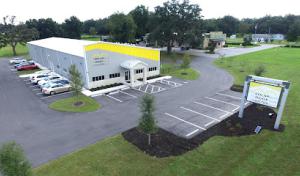
The Roof Guys
(352) 605-7513 theroofguys.com
120 SE County Hwy 484, Ocala, Florida
5.0 from 262 reviews
Roofing Pros USA
(352) 581-7333 roofingprosusa.com
6650 S Pine Ave, Ocala, Florida
4.9 from 1137 reviews

Certified Roofing Solutions
(352) 304-6441 www.certifiedroofingsolutionsllc.com
737 N Magnolia Ave, Ocala, Florida
4.9 from 629 reviews
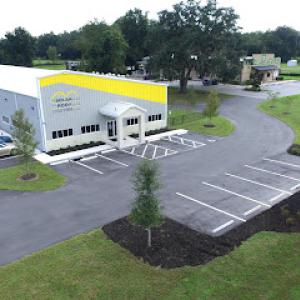
The Roof Guys
(352) 605-7513 theroofguys.com
120 SE County Hwy 484, Ocala, Florida
5.0 from 262 reviews
A licensed, insured, family-owned roofing contractor serving Ocala, The Villages, and Central Florida since 2001. We specialize in asphalt shingle roof replacement, repair, and full system upgrades using top brands like GAF, Owens Corning, and Atlas. We’re a GAF Master Elite® Contractor and proud recipient of the GAF President’s Club Award. All crews are background-checked, factory-trained, and committed to honest, high-quality work. Over 40,000 homeowners trust us to protect their homes with durable, energy-smart roofing systems built for Florida homes. We offer flexible financing, top-rated warranties, and fast turnaround on repairs and replacements. Get an instant quote online now!
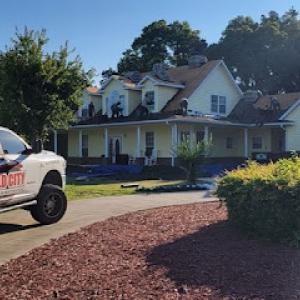
Bold City Roofing & Solar
(888) 994-3277 boldcityroofing.com
2018 E Silver Springs Blvd, Ocala, Florida
5.0 from 176 reviews
Welcome to Bold City Roofing and Solar, your premier roofing contractor in Ocala, Florida. With 35 years of experience in the industry, we specialize in providing top-notch roofing services, including roof replacement, roof repair, metal roofing, flat roof installation, and both commercial and residential roofing solutions. Our commitment to quality and integrity backed for life has made us the best Ocala roofing company.
Thomas Roofing of Central Florida - Ocala Roofing Contractor
(352) 625-7663 tomtheroofer.com
233 SW 3rd St unit 2, Ocala, Florida
4.9 from 347 reviews
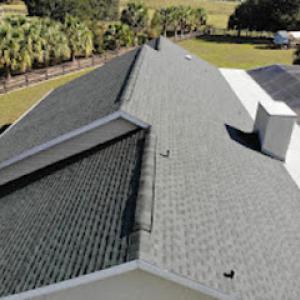
Thomas Roofing of Central Florida is a trusted, family-owned roofing company proudly serving Ocala and surrounding areas since 1995. With thousands of successful projects across Marion County, Lake County, and The Villages, we bring over 30 years of hands-on experience to every job. We specialize in residential re-roofing, roof repairs, inspections, and flat deck services, offering the best solutions for shingle and tile roofing systems. Our team is made up of skilled roofers—not just salespeople, who provide honest assessments and practical recommendations. As a state-certified and BBB A+ rated contractor, we prioritize quality craftsmanship and old-school customer service. Our phones are always answered, and calls are always returned.
Roofing Pros USA
(352) 581-7333 roofingprosusa.com
6650 S Pine Ave, Ocala, Florida
4.9 from 1137 reviews
Our goal is to provide our customers with the highest quality customer service in the industry, while offering the greatest value and quality. We help with re-roofing, roof damage claims, roof storm and hail damage and much more. We service most areas in Central Florida and with the opening of our new location in Ocala, we can better serve Marion county and surrounding areas.
Certified Roofing Solutions
(352) 304-6441 www.certifiedroofingsolutionsllc.com
737 N Magnolia Ave, Ocala, Florida
4.9 from 629 reviews
Certified Roofing Solutions, LLC is a locally owned roofing company that takes pride in servicing the communities in need of quality roofing services! We are an experienced roofing contractor that provides custom solutions for all of your roofing needs. Whether you require re-roofing, new roof construction, general repair, or restoration, we are here to help. We are knowledgeable in all types of roofing installations, and we offer high-quality roofing services at affordable prices.
Sentinel Roofing
(352) 290-3631 sentinelroofingfl.com
1730 NE 23rd Terrace, Ocala, Florida
4.9 from 119 reviews
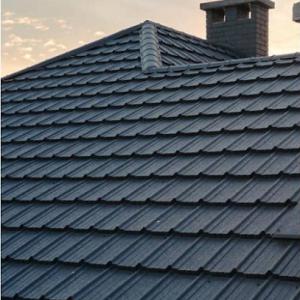
Looking for reliable roofing repairs, inspections, or installations? At Sentinel Roofing, our team of seasoned experts delivers professional service at every step with over 15 years of experience. As a family-owned and operated business, we are committed to protecting your property with top-quality workmanship and honest communication. We are fully licensed and insured, ensuring the highest standards of safety and quality. We specialize in both commercial and residential roofing, offering expertise in any kind of roofing material. Our dedication to excellence is is reflected in the satisfaction of our clients, who consistently praise our efficient and reliable service. Trust Sentinel Roofing for all your roofing needs. Contact us today!
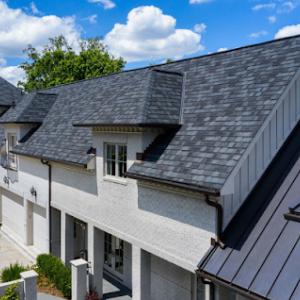
Layfield Roofing & Construction
(352) 274-5889 layfieldroofing.com
4045 S Pine Ave, Ocala, Florida
5.0 from 51 reviews
Layfield Roofing & Construction is a trusted, family-owned roofing and construction company based in Ocala, Florida. We specialize in high-quality residential and commercial roofing services, including roof installations, repairs, storm damage solutions, metal and shingle roofing, and exterior construction. Layfield Roofing serves Ocala, The Villages, Belleview, Dunnellon, and the wider Marion County area with dependable craftsmanship, transparent communication, and free roof inspections. Whether you need a new roof, routine maintenance, or storm repair, our experienced team delivers reliable, long-lasting results you can count on.
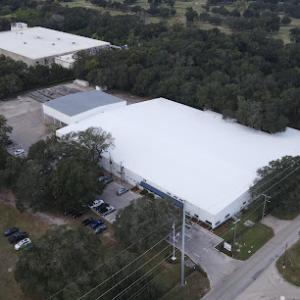
Emc Roofing
(813) 535-1481 www.emcroofing.com
2501 SW 57th Ave Unit 202, Ocala, Florida
4.9 from 74 reviews
Professional Roofing Service, Residential, Commercial and Industrial
3MG Roofing & Solar
1721 N Pine Ave, Ocala, Florida
5.0 from 43 reviews
Looking for the best roofing company near you in Ocala? 3MG Roofing handles both insurance and retail roofing needs with expert craftsmanship. We offer personalized plans for shingle, tile, and metal roofs—whether you’re replacing due to damage or age. As Ocala’s best local roofer, we guarantee satisfaction and work closely with insurers and homeowners alike.
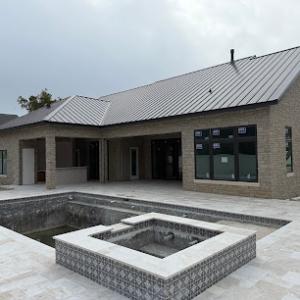
Brehm Roofing & Restoration - Ocala
(352) 664-8887 brehmroofing.com
1729 E Silver Springs Blvd Suite 5, Ocala, Florida
5.0 from 37 reviews
Brehm Roofing & Restoration - Ocala is committed to providing efficient and high-quality roofing services. Our team of experienced roofing contractors specializes in roof replacements, reroofs, and roof repairs in Ocala, FL. We prioritize clear communication and a streamlined process to ensure every project is completed smoothly and on schedule. Our goal on every job is to deliver a 5-star experience while "Building Stronger Roofs!"
Big D Don Stauss Roofing Services
3145 NE 36th Ave, Ocala, Florida
4.7 from 327 reviews
Big D Roofing Services has been in business since 1981 serving the roofing needs of North and Central Florida and providing quality roofing. We are a State Certified Roofing Contractor and are licensed with each city and county in which we work. Don Stauss Roofing Services is fully insured for liability and workers’ compensation. We are bondable for larger projects. When you hire Big D Roofing Services for your roofing needs, you are hiring a professional roofing contractor capable of providing your roofing needs in an effective and efficient manner.
United Roofing
(352) 347-8211 unitedroofingcompany.com
5978 SE 68th St, Ocala, Florida
4.8 from 105 reviews
Standing strong since 1995, installing roofs for Ocala families for over a quarter century, our family-owned and operated roofing company takes pride in providing expert roof repair and replacement for both residential and commercial properties. With over 25 years of experience, we understand the unique challenges that Ocala, FL roofs face and are committed to using only high-quality materials while delivering exceptional service. Whether you need affordable roof repair or durable re-roofing solutions, our skilled team is here to meet your needs. As a GAF Master Elite roofing contractor, we ensure that your project benefits from the backing of North America’s largest and most reputable roofing manufacturer. This certification allows us t...
Asphalt shingles are a familiar sight across Ocala's neighborhoods, and they fit well with the area's typical home styles. The combination of inland Central Florida heat and humidity means that prolonged exposure can shorten the appearance life of a shingle roof. Look for options labeled as wind-rated and designed for higher wind speeds, since Ocala's summer thunderstorms can push shingles and underlayment to their limits. When selecting asphalt, prioritize thicker shingles with better granule adhesion and a sturdy underlayment system, because repeated storm cycles can lift edges and accelerate wear around hips, valleys, and penetrations. If replacing during the dry season, ensure the chosen shingles and fasteners are compatible with a staged inspection process and any necessary wind uplift testing to maintain a durable, visually clean roof line after the final inspection.
Metal roofing stands out as a strong fit for the local climate because it balances storm resilience with intense summer heat. Metal reflects more sunlight than many traditional coverings, which helps reduce attic temperatures and can attenuate heat-related wear on the decking and insulation. In practice, the best metal choices for this area are panels or shingles with corrosion-resistant finishes and appropriate coatings to resist the humidity. Look for exposed-fastener or standing-seam systems that demonstrate reliable wind performance and a track record of maintaining seal integrity under frequent afternoon thunderstorms. For homes with older eaves or overhangs, metal can also offset the weight considerations associated with retrofit replacements when compared to heavier tile options. In high-wind zones, verify panel overlaps, sealant durability, and panel-to-hip connections to minimize the risk of wind-driven water intrusion after a storm.
Clay and concrete tile appear in parts of the housing stock, lending a classic, durable exterior. However, weight and repair complexity matter more when replacing older roofs that must still meet current wind-related attachment expectations. Clay tiles, in particular, demand a careful assessment of the roof structure's capability to carry the load, especially if the structure has experienced prior tropical-season cycling. Concrete tiles offer excellent weather resistance but can be heavier and more prone to breakage during hail or hard impacts if not properly supported. In reroof situations where wind resistance is a central goal, pay attention to the tile shape and fastening system, ensuring fasteners and the underlayment work in harmony with the original deck's condition. If replacement occurs during the dry season, coordinate with an installer who can stage the installation-tile roofs benefit from precise alignment and secure anchoring to resist gusts from passing storms.
Wood shingles and shakes bring a distinctive character, but their performance under Ocala's heat and humidity is more nuanced. In high-humidity environments, wood seeks proper ventilation and a robust protective finish to minimize moisture-related warping and rot. If choosing wood in a storm-prone area, select treated or naturally durable species, and ensure a sealed, water-shedding edge detail along rake and eave lines. Replacement projects should emphasize a wind-conscious attachment method and a design that tolerates expansion and contraction without compromising the seal around penetrations and vents. For homes facing frequent summer downpours, plan for more frequent inspections of flashing and ridge caps to catch water intrusion early.
Synthetic or composite shingles blend various material technologies to mimic traditional looks while delivering enhanced resistance to heat, humidity, and storm-induced stress. In this climate, prioritize products with proven UV stability and strong dimensional stability to resist warping in intense heat. Look for warranties that reflect the region's wind and weather expectations, and ensure installation practices support long-term attachment integrity across all roof slopes. These options can offer a practical compromise when wind performance and indoor comfort are priorities in reroof decisions during Ocala's dry-season window.
The provided local cost ranges run per square from about $250-$450 for asphalt shingles, $500-$900 for metal, $700-$1100 for clay tile, $650-$1000 for concrete tile, $350-$700 for wood shingles or shakes, and $320-$700 for synthetic or composite shingles. In practice, you'll see the asphalt tier dominate quick replacements, but you'll notice metal and tile options rise sharply when a storm surge or elderly roof needs replacement in Marion County. Across Ocala, the base price reflects not just the material but the underlying system you choose-ventilation, underlayment, and the wind-rated assembly that local crews expect to install for a durable finish.
Weather-driven demand spikes can push prices higher as storm activity increases across Central Florida. When a cluster of storms hits Marion County, labor becomes tighter and scheduling shifts. If you're planning a replacement during a peak storm season, expect longer lead times and potential price adjustments for crews who stress-test high-wind components and staged inspections to protect your investment. The same storm-driven pressure can prompt suppliers to run out of favored profiles or colors, nudging you toward alternatives that still meet performance goals.
Replacement timing matters locally because dry-season scheduling is in demand, while summer heat, thunderstorms, and humidity can slow production and increase staging or protection needs. If you can line up work for late fall or winter dry spells, you're more likely to experience steadier crews, fewer weather-caused pauses, and more predictable timelines. In practice, this means paying attention to heat buildup on hot days, which can shorten daily window allowances and extend overall project duration. Your chosen material can influence this: asphalt goes in and out quickly in dry windows, while clay or concrete tile may require longer curing or more careful handling in humid air.
When budgeting, start with the per-square ranges and add a cushion for storm season disruption. If you're weighing metal versus tile, factor in long-term durability against short-term install complexity and the unique weight considerations of tile systems. For replacement timing, target dry-season slots to minimize delays and staging needs, but don't dismiss a well-ordered summer project if the crew has a clear plan to shield landscaping, pool enclosures, and HVAC equipment.
Get a clear picture of your project costs upfront - no commitment required.
The Roof Guys
(352) 605-7513 theroofguys.com
120 SE County Hwy 484, Ocala, Florida
5.0 from 262 reviews
Certified Roofing Solutions
(352) 304-6441 www.certifiedroofingsolutionsllc.com
737 N Magnolia Ave, Ocala, Florida
4.9 from 629 reviews

Ocala Roofing
(352) 622-5235 ocalaroofing.com
2550 NE 36th Ave Suite A, Ocala, Florida
4.7 from 103 reviews
A full re-roof in Ocala or Marion County typically requires a permit filed with the local building department, and homeowners usually rely on the contractor to submit it. That process is not optional theater-it's how inspections are scheduled, how code compliance is tracked, and how a roof replacement actually gets official approval. If the permit never gets filed, you risk a stopped project, fines, or trouble when you try to sell or insure the home. In practice, the permit creates a record that the county can refer to if a future storm or warranty question arises.
Inspections are conducted during the job and again at completion, with attention to underlayment, flashing, and anchor attachments rather than only the finished surface. In Central Florida's heat and humidity, the underlayment and flashing are where moisture and wind can begin to show up first. The county expects the roof assembly to be robust against your area's thunderstorm patterns, not just to look right from the ground. If the inspector looks only at the visible shingles, you'll likely face a reinspection or a delay. Expect a couple of staged checks: one during the process and a final sign-off when the roof is in place and securely tied into the walls and gutters.
Wind-rated materials may be required by code in this jurisdiction, so permit approval and inspection signoff are tied to the roof assembly chosen, not just the visible roofing product. That means the selected underlayment, fasteners, and flashing must meet the current Marion County standards for wind resistance, regardless of what the shingles or tiles look like from the street. If a contractor promises a quick finish, remember that the permit and inspections are the safeguard that pushes the install to actually meet those wind and moisture-resistance goals. Poorly coordinated documentation or skipped steps can delay approval and leave you with a non-compliant roof that's expensive to remedy once the dry-season window closes.
After back-to-back summer storms, flashing and underlayment are the first lines to show wear. In this climate, wind-driven rain can slam against hips and ridges while the sun pounds exposed areas, pushing sealants to their limits. A roof that looks solid from the ground may be leaking at the flashing around chimneys, vents, or wall interfaces where moisture finds tiny gaps. You'll notice that these weak points often begin as slow, almost unnoticeable leaks that creep along the underlayment before puddling inside the attic or ceiling. The takeaway is simple: your earliest warning signs live at the edges, not in the middle of a bare deck.
Humidity in this region compounds damage once a minor leak starts. Wet decking and damp insulation can degrade faster than expected, and humid air slows the drying process. That means a small drip today can turn into a larger, more damaging intrusion tomorrow if moisture lingers near vulnerable joints. In practice, this makes it crucial to inspect after major downpours, especially around penetrations and along the eave line where wind-driven rain can wick under the edges. If you spot staining or feel a musty odor after a storm, address it quickly, because moisture can spread through the attic faster than you might anticipate.
Older roofs in this area benefit from targeted scrutiny of flashing and anchor attachments. Look for loose or separated metal around vents, chimneys, and skylines, and test for loose fasteners along the eaves and rakes. Check the underlayment where possible for any signs of delamination or wear, such as exposed fibers or cupping shingles underneath. If the attic shows any signs of condensation or hidden leaks, treat those areas as priority for repair or reinforcement. Missing or compromised anchor attachments are a warning flag, since wind uplift can exploit even tiny gaps during the next storm.
Find contractors experienced in skylight installation, flashing, and leak repairs to bring natural light into your home.
The Roof Guys
(352) 605-7513 theroofguys.com
120 SE County Hwy 484, Ocala, Florida
5.0 from 262 reviews
Bold City Roofing & Solar
(888) 994-3277 boldcityroofing.com
2018 E Silver Springs Blvd, Ocala, Florida
5.0 from 176 reviews
Sentinel Roofing
(352) 290-3631 sentinelroofingfl.com
1730 NE 23rd Terrace, Ocala, Florida
4.9 from 119 reviews
After a storm, Ocala homeowners are navigating a market where re-roofing and rapid response dominate contractor offerings. Speed matters, not just to secure a sensible schedule but to limit further damage and exposure to heat and humidity. In practice, you'll notice that the best crews field calls quickly, show up with a capable crew, and can mobilize within a short window. Look for teams that emphasize a clear plan for tying the tear-off and installation to a dry-season cadence, so your replacement stays on track despite Florida's sudden showers.
In this market, cleanup-inclusive service is common and expected. Homeowners often plan around tear-off and replacement as a single package, not a premium add-on. When you speak with a contractor, confirm that debris removal, site protection, tarping of exposed areas, and a responsible disposal plan are included. A contractor who dedicates attention to attic ventilation checks, drip edge restoration, and gutter cleanliness as part of the package saves you time and reduces post-job surprises.
You will encounter a mix of affordable operators, established firms, and family-owned companies. Responsiveness should be your first filter: how quickly do they return calls, provide a written assessment, and outline a staged plan for inspection, tear-off, and installation? Prioritize firms with storm-season experience, as they understand temporary repairs, wind-rated assemblies, and the sequence that minimizes exposure to heavy rain between removal and re-cover.
A practical approach is to secure a firm that can commit to a staged schedule during the dry-season replacement window. Ask for a detailed timeline with milestones: mobilization, scaffold setup, permit-inspection checkpoints (where applicable), tear-off, underlayment replacement, and final inspection. Confirm contingency plans for weather delays and how they'll keep you informed as plans shift. The right crew makes communication as steady as their workmanship.