
Last updated: Apr 19, 2026
Gainesville experiences its heaviest pattern of afternoon thunderstorms from May through October. That means tear-off and dry-in scheduling are less predictable than during the winter dry season. Your roof plan should assume frequent rain interruptions, with the strongest certainty that delays will show up in the form of sudden downpours rather than predictable calendar dates. If you're aiming to complete a full tear-off before the next storm, you'll need a contingency plan for work stoppages and temporary protective measures to keep the interior dry between forecasted rain events.
In practice, a typical sequence starts with a careful removal window followed by a dry-in phase that prioritizes weatherproofing gaps quickly. Since Gainesville's hot, humid summer conditions slow installation pace and complicate material handling, you should build in extra time for crews to dry-fit under high humidity and to manage moisture-sensitive components. The dry-in should be treated as a pivotal milestone, not a preliminary step. If a stretch of dry weather breaks late in the season, you may gain a window to push ahead, but don't overbook toward the tail end of the wet period, when the odds of rain come back strong.
Rain-driven interruptions often happen in the afternoon, but a passing front can bring unforecasted showers at any hour. Every morning, review a local forecast with confidence in the short term, and have a clear plan for what constitutes a go/no-go decision for that day. If a storm line is rolling through, prioritize securing open edges, tarping vulnerable areas, and safeguarding underlayment where already installed. The goal is to limit the amount of exposed material on the roof during those high-precipitation days, reducing the risk of moisture intrusion and reuse complications later.
Hot, humid summer conditions slow installation pace because handling asphalt, metal, and composite products becomes physically taxing for crews and can affect adhesive performance and material behavior. You'll notice slower nail-driving, longer cure times for sealants, and more careful management of underlayment to prevent warp or blister. Plan for shorter daily shifts during peak heat and schedule the most critical, weather-dependent tasks for the cooler mornings and late afternoons when feasible. Keep a short, practical on-site decision log to capture what worked in real-time for quick adjustments if a sudden storm is forecast.
Although Gainesville is inland rather than coastal, tropical-storm interruptions and wind-driven rain still appear on the radar. The project should include a clear trigger for pausing work if sustained wind or driving rain threatens exposed decking or newly installed components. Have a plan for securing materials and temporary coverings, and coordinate with the crew on how to re-sequence activities once the weather clears. When a storm hits, the priority is to protect interior spaces and settled components, then resume with a sensible, staged re-entry once conditions stabilize.
During the wet season, interior comfort and moisture management become intertwined with roofing work. It helps to align with HVAC and attic ventilation schedules to minimize humidity buildup in the home as the roof is exposed. If attic ventilation can be adjusted to accommodate the temporary moisture shifts during tear-off and dry-in, coordinate those adjustments to avoid condensation and related issues on warm days. Practically, keep a buffer of time-ready days to accommodate delayed deliveries or weather-driven pauses without forcing a tight, month-long window that could stretch into the next rain cycle.
Florida's elevated wind and storm claim activity means you should expect closer documentation review when filing roof claims. In turbulent seasons, insurers tighten their lenses on what constitutes sudden storm damage versus long-term wear. In Gainesville, where tropical-storm winds can whip through on short notice and heavy rain can saturate roofs quickly, the distinction matters. A claim filed after a rapid, high-wind event may be investigated more aggressively than one filed after a slow, chronic leak. The outcome hinges on whether damage is attributed to an isolated gust or ongoing deterioration that predates the storm. Understanding this nuance helps you frame the claim so it's treated as promptly as possible and with the right scope.
Carrier tightening and non-renewal patterns in Florida affect owners deciding whether to repair, replace, or proactively document an aging roof. Before any claim, assemble a tight bundle of evidence: clear, date-stamped photos of roofing surface and interior leaks, a chronological log of weather events, and notes from any temporary fixes. After a tropical-storm wind event or heavy-rain leak, insurers often want to see a connection between the weather and visible damage. Photos should include close-ups of lifted shingles, wind-driven debris damage, and attic or ceiling stains with dates. An inspection note from a licensed roofer or a reputable contractor that cites observed wear, prior repairs, and the roof's age can carry weight. Keep digital copies with metadata showing when the images were captured. Pack the claim with this disciplined record so adjusters can quickly verify what happened and when.
In a storm-prone environment, an aging roof may present a window to replace rather than repair. If the roof is near the end of its expected life and shows widespread granular loss, widespread leaks, or recurring failures, replacement often reduces future claim friction and moisture intrusion. Document condition changes over time; a pattern of repeated leaks from the same area can indicate system-wide failure rather than a one-off repair. For Gainesville homes with asphalt shingles, metal, or concrete/clay tiles, assess whether the cost of ongoing repairs adds up versus the value of a full roof replacement. Your goal is to avoid a cycle of temporary fixes that leave you vulnerable to subsequent storms, especially when tropical-storm activity is forecast.
If a tropical storm or heavy rains arrive, protect interior spaces and stabilize the roof surface as soon as safely possible. Use tarps or temporary coverings to limit further water intrusion, then photograph the affected areas immediately after stabilization. Time-stamped images showing the sequence from event to mitigation help insurers see a direct link between the storm and the damage. Keep any contractor receipts for emergency measures-these documents often prove the immediacy of response and the severity of the leak.
Once the weather subsides, schedule a thorough roof inspection with a qualified roofer within days, not weeks. Obtain a written inspection report that clearly notes condition, cause of damage, and recommended next steps. If you believe the damage is storm-related, present the report alongside your photo packet to the adjuster, emphasizing any sudden onset of leaks after the storm and distinguishing it from long-term wear. If delays or disputes arise, request a formal written rationale from the insurer and, when appropriate, seek a second opinion. Staying organized with dated records and precise damage descriptions helps secure timely, fair resolution even through the most aggressive claim reviews.
Connect with contractors who help homeowners navigate the claims process from damage assessment to final approval.
Energy Roofing Companies
(855) 766-3852 www.energyroofingco.com
507 NW 60th St STE C, Gainesville, Florida
4.9 from 164 reviews
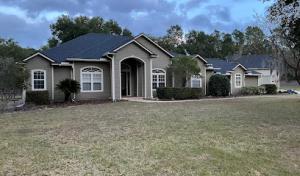
J & S Roofing & Construction
(352) 672-2048 www.jandsconstruct.com
5216 SW 91st St Suite A, Gainesville, Florida
4.9 from 97 reviews
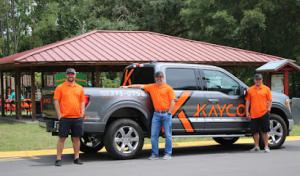
KayCo Roofing
(352) 261-6354 kaycoroofing.com
2708 NE 21 Way, Gainesville, Florida
4.9 from 108 reviews
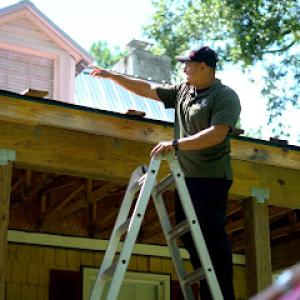
True Force Roofing
(352) 618-2489 www.trueforceroofing.com
2420 NW 66 Ct STE B, Gainesville, Florida
5.0 from 711 reviews
Founded by an Air Force Veteran, our mission is to serve you. We pledge to deliver a customer experience that focuses on integrity, attention-to-detail, and service. Based in Alachua, we provide roofing services in Gainesville & surrounding areas.
Energy Roofing Companies
(855) 766-3852 www.energyroofingco.com
507 NW 60th St STE C, Gainesville, Florida
4.9 from 164 reviews
Energy Roofing Companies, located at 507 NW 60th St STE C, Gainesville, FL, is your premier choice for top-tier roofing solutions. As a leading roofing contractor, we specialize in roof repair, replacement, and inspection for both residential and commercial properties. Our expert team excels in installing durable metal roofs, energy-efficient flat roofing, and stylish asphalt shingles. Whether you're searching for a "Roofing Contractor Near Me" or need urgent "Roof Repair Near Me," our commitment to quality and client satisfaction sets us apart. Visit our showroom, call +1 855 766 3852, or request a quote online to experience our unmatched service and expertise today.
J & S Roofing & Construction
(352) 672-2048 www.jandsconstruct.com
5216 SW 91st St Suite A, Gainesville, Florida
4.9 from 97 reviews
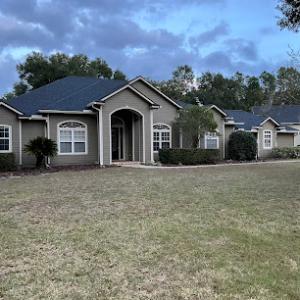
Florida State Certified Roofing Contractor- Metal Roofs-Shingles Roofs-Flat Roofs-Repairs We offer free quotes so give us a call today!
KayCo Roofing
(352) 261-6354 kaycoroofing.com
2708 NE 21 Way, Gainesville, Florida
4.9 from 108 reviews
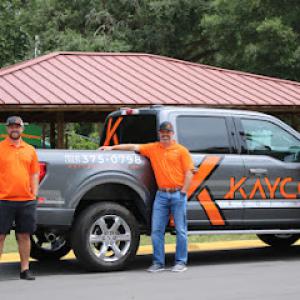
Florida weather takes a toll on your home. At KayCo Roofing, we have helped homeowners in Gainesville protect their properties since 2008. As a family-owned business, we focus on honest assessments and durable results for both residential and multi-family buildings. Our team handles everything from minor leak repairs to complete roof replacements. We specialize in storm damage restoration and understand the specific wear and tear caused by local wind and hail. If you need to file an insurance claim, we guide you through the process to make it as simple as possible. Don't wait until a water spot appears on your ceiling. We offer comprehensive roof inspections to catch issues early. Contact us for reliable roofing services in Gainesville.
Haven Roofing
(352) 346-1536 haven-roofing.com
3320 NW 29th Ave, Gainesville, Florida
5.0 from 35 reviews
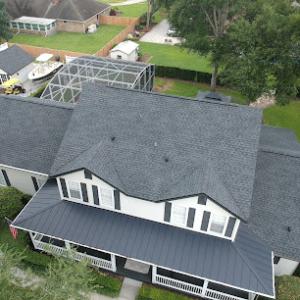
Haven Roofing is a trusted roofing contractor proudly serving Gainesville, FL and the surrounding areas. We provide expert roof replacement and roof repair services for both residential and commercial properties, along with professional inspections and storm damage restoration. As a licensed and locally owned company, we also offer emergency roof repair and reliable solutions for businesses as a dedicated commercial roofer. With a focus on quality workmanship, integrity, and customer care, Haven Roofing is committed to protecting what matters most: your home, your business, and your family. Call or visit our website today to schedule a free estimate and experience roofing services you can trust.
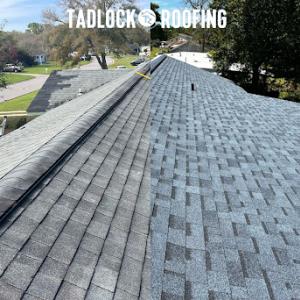
Tadlock Roofing
(352) 658-7117 tadlockroofing.com
5111 NW 13th St, Gainesville, Florida
4.9 from 67 reviews
Here at Tadlock, our residential services include re-roofing (roof replacement), roof repair, roof preventative maintenance, skylight, and sun tunnel installation, storm damage repair, standing seam metal roofing systems, steep slope roofing systems, tile roofing systems, low slope/flat roofing systems, gutter installation, maintenance, attic insulation and asbestos roofing replacement. We are also granule experts, protecting the integrity of your shingles from the elements. If you’re in need of predetermined payments to allow you to fit the purchase into your budget, Tadlock Roofing can offer a variety of financing options to fit your needs. We are proud to partner with Commerce Connect from First Commerce Credit Union and Ally Bank.
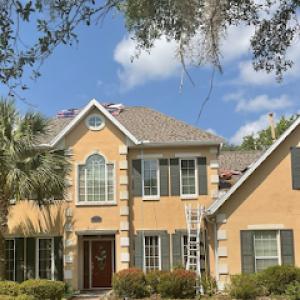
North Wood's Roofing
(352) 554-4932 northwoodsroofing.com
4577 NW 6th St, Gainesville, Florida
4.8 from 59 reviews
At North Wood’s Roofing, we specialize in dependable roof replacements homeowners throughout Gainesville and the surrounding North Central Florida areas can rely on. We offer both metal and shingle roofing options, tailored to fit your home’s style, budget, and long-term needs. Our experienced team is committed to quality craftsmanship and attention to detail, ensuring every roof is installed correctly the first time. Whether you’re replacing an aging roof or upgrading to a more durable roofing system, we provide long-lasting solutions designed to protect your home and enhance its value. If you’re in Gainesville or nearby communities and need a trusted roofing contractor, contact North Wood’s Roofing today.
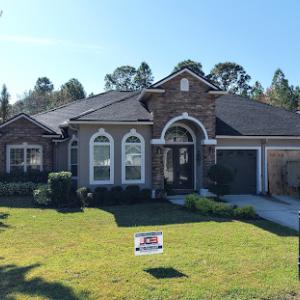
JCB Roofing & Construction
(352) 354-3687 www.jcbroofs.com
6616 NW 32nd St, Gainesville, Florida
5.0 from 27 reviews
At JCB Roofing and Construction, we understand the importance of treating every home like our own. As a family-owned business based in Gainesville, FL, we're proud to serve our local community and surrounding areas throughout North Central Florida. We use top-tier materials from trusted manufacturers and back every job with reliable warranties. Our team of experts brings honesty, craftsmanship, and care to every project—whether it’s a small repair or a full roof replacement. From your first call to the final walk through, we’re here to make the process smooth every step of the way. That’s why our core values are right in our slogan: Committed to Quality, Guided by Integrity, Founded by Family
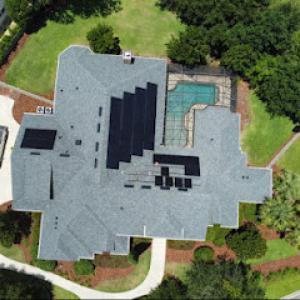
Worthmann Roofing & Gutters
(352) 306-2923 www.worthmannroofing.com
1731 NW 6th St Suite A3, Gainesville, Florida
4.7 from 178 reviews
Worthmann Roofing and Gutters is a customer-focused roofing company providing excellent service and quality materials in the Gainesville, Florida area. We offer a wide variety of roofing solutions including shingles, metal, tile, and slate roof installations and repairs. Our inspection process is extremely thorough, using photographs and documentation to clearly show homeowners every and any issues. We provide detailed and transparent quotes outlining all materials and costs. Worthmann has a streamlined production process that keeps customers informed through automated emails at every stage. This ensures jobs move smoothly from scheduling to completion. Organized production and supervision to deliver you a positive customer experience.
Systems Roofing
systems-roofing-inc.ueniweb.com
111 SE 1st Ave, Gainesville, Florida
4.9 from 23 reviews
Systems Roofing offers high-quality roofing design and services in Gainesville. We are seasoned roofers who deliver top quality and budget-friendly roofing services. Get in touch with us on +17866521523. When you hire us, you know you’re getting skilled, passionate technicians you can trust to do the best job possible. And, as a bonus, we always feature competitive pricing on our services.
McFall Residential Roofing
(352) 415-9098 mcfallroofing.com
4635 NW 53rd Ave STE 204, Gainesville, Florida
4.6 from 111 reviews
We are an experienced roofing company serving the residents of Gainesville for over 3 decades. We provide roof installation and repair services.
Best Choice Roofing
(352) 649-3765 bestchoiceroofing.com
4001 W Newberry Rd A1, Gainesville, Florida
4.6 from 110 reviews
Best Choice Roofing is a roofing contractor in Gainesville serving Alachua, Ocala, The Villages, and nearby areas. Our roofing company offers residential roofing, roof repair, and asphalt shingle roofing, and more. Customers love us because of our comprehensive roof warranties and our affordable roof financing options. We also have industry affiliations and certifications such as Owens Corning Platinum. If you want to experience how your most trusted Jacksonville roofing company embraces our motto “You Chose The Best!", call us now for a free estimate!
Asphalt shingles are common in Gainesville, but the city's heat, humidity, and frequent summer rain can shorten service life compared with milder climates. If asphalt is your choice, look for higher wind resistance and better algae resistance, and plan for more frequent checks on flashing, valleys, and edges. In high-humidity environments, a well-vented attic and a continuous ridge or soffit intake help keep decks and underlayment dry, which slows degradation. Pay attention to color choices, as darker shingles absorb more heat and can accelerate aging in sunny Florida summers. A good installation foundation-dry, clean sheathing and properly sealed penetrations-matters as much as the shingles themselves.
Metal roofing has strong local traction in Gainesville and is often considered for faster water shedding and durability under repeated storm exposure. Metal panels shed rain quickly and handle wind loads with less risk of surface damage. If choosing metal, consider additional coatings that resist salt spray and humidity-related corrosion, especially for homes closer to coastal humidity pockets or storm-prone parts of town. Ventilation remains important; metal roofs can feel hotter on attic spaces, so pairing the system with proper soffit and ridge venting helps keep interior temperatures down and reduces condensation risk in cooler spells. Seams and fasteners should be maintained to prevent leaks after heavy downpours, and contractors should ensure proper integration with existing gutters to manage sudden surge flows.
Clay tile, concrete tile, wood shakes, and synthetic shingles all appear in the Gainesville market, but heavier tile systems and moisture-sensitive materials require careful evaluation for local structure, ventilation, and maintenance demands. Clay and concrete tiles bring durability and a classic look, but their weight can require structural verification and may limit roof retrofits on older homes. Tiles and shakes are vulnerable to cracking during freeze-thaw cycles or when attic ventilation is inadequate, so ensure a solid deck and an expanded, well-ventilated attic to manage humidity-driven expansion and contraction. Wood shakes offer a distinctive aesthetic but demand rigorous moisture management and periodic treatment to resist mold and rot in wet seasons. Synthetic shingles can provide a middle ground, combining some moisture resistance with lighter weight, but still benefit from good underlayment and ventilation to counter Florida's damp air.
Across all types, Gainesville homes benefit from robust ventilation to counter humidity-driven moisture in the attic and roof deck. Adequate soffit intake and ridge exhaust keep the underside of the roof closer to dew-point equilibrium, slowing mold growth and protecting underlayment. Proper drainage is critical during the area's intense summer storms and tropical-downpour events; make sure gutters are secure, downspouts are clear, and the roof pitch complements drainage paths to prevent water pooling near eaves and penetrations. A well-planned maintenance routine-seasonal inspections after heavy rain, prompt repair of any flashing or seam issues, and attention to vent seals-extends the life of any roof type chosen for the local climate.
Typical Gainesville pricing ranges run about $350-$750 per square for asphalt shingles. You'll find this material is often the most practical choice when a dry winter window doesn't line up with storm-season walls of time, since installation can be quicker and less weather-sensitive than heavier options. If summer rain stretches labor, costs can creep up due to extended mobilization or short-notice rescheduling. Patchwork is rarely the path here; most homeowners opt for full replacement to avoid recurring leaks on an aging roof surface.
Metal roofing runs roughly $600-$1600 per square. In Gainesville, metal can pay for itself with longer life and better performance during the wet season, especially if storm-driven debris risks are high. Weather delays during summer rains can extend crews at the job site, nudging labor charges higher. Heavier metal panels or complex roof geometries also require more coordination and may raise both material and labor costs compared with lighter systems.
Clay tile typically falls in the $800-$2500 per square range. The weight and installer requirements mean you'll see cost jumps if the structure needs reinforcement or if the roof layout is intricate. Wet-season rain can slow progress, and tropical-storm activity may squeeze scheduling windows. Given the tendency for clay to crack under impact or thermal swings, a full re-roof is commonly favored over piecemeal repairs.
Concrete tile is usually $900-$1900 per square. This option balances durability with relative installation complexity. Gainesville's storms can extend installation timelines, contributing to higher labor costs when crews must return due to weather interruptions. Structural check and coordination remain essential, as concrete tile systems often demand careful sequencing and long lead times for materials.
Wood shingles or shakes run about $900-$2000 per square. In this market, weather-driven delays during the wet season can push crews to slow rates. Wood's sensitivity to moisture adds risk of longer installation times and potential material waste if rain interrupts work. Expect higher local labor coordination costs when replacing aging wood with a full roof, rather than patching an existing surface.
Synthetic or composite shingles are usually $500-$1200 per square. This option tends to install faster and with less seasonal sensitivity than some heavier substrates, which helps during Gainesville's wet stretches. Tropical-storm scheduling pressures can still tighten crew calendars, but synthetic materials often bring a cleaner, more uniform result that ages well under humid conditions.
Get a clear picture of your project costs upfront - no commitment required.
True Force Roofing
(352) 618-2489 www.trueforceroofing.com
2420 NW 66 Ct STE B, Gainesville, Florida
5.0 from 711 reviews
J & S Roofing & Construction
(352) 672-2048 www.jandsconstruct.com
5216 SW 91st St Suite A, Gainesville, Florida
4.9 from 97 reviews
Haven Roofing
(352) 346-1536 haven-roofing.com
3320 NW 29th Ave, Gainesville, Florida
5.0 from 35 reviews
A full re-roof in Gainesville typically requires a permit issued by the City of Gainesville Building Department. That permit is not a nod to bureaucracy alone; it is your shield against structural and moisture problems that can flare up after a heavy summer storm. Before any shingles come off or new underlayment goes down, you need to verify that the project has the green light from code officials. The permit process anchors the work to the city's standards for wind resistance, fastener depth, and flashing details that matter when those inland Florida humidity cycles collide with sudden afternoon downpours.
Gainesville re-roof projects commonly involve plan review followed by inspection scheduling with the building department. This means the contractor should submit plans that show roof framing, underlayment choice, and fastener pattern, as well as any structural repairs tied to the new roof. Plan review can reveal mismatches between existing rafters and the chosen roofing system, prompting adjustments before a single mat of underlayment is laid. Expect that document review to inform the project calendar, not derail it entirely, but it does require timely communication between you, the contractor, and permit staff to keep the job moving.
Homeowners should expect inspections at the rough or underlayment stage and again at final, so contractor timing needs to account for municipal scheduling. The rough inspection checks that the roof deck is sound and the underlayment is properly installed, which is crucial in a climate where sudden summer deluges and tropical-storm remnants can stress a roof early in its life. The final inspection confirms that everything complies with local wind, drainage, and fire-safety requirements. If either inspection lags, it can stall the project and leave you with exposed decking or unsheathed portions overnight during tropical humidity spikes.
Coordinate closely with the contractor to obtain the permit number and expected inspection windows before buy-in of any materials. Keep clear lines of communication with the Building Department about access during inspections, and plan for weather-related project pauses that may shift the inspection schedule. In this city, the permit-driven re-roof timeline is as much about aligning with municipal calendars as it is about choosing the right roof system for Gainesville's wet season and storm calendar.
Wind mitigation credits may apply for some Gainesville-area policies, making installation details and documentation more important during replacement. If your shingle or tile upgrade includes enhanced nailing patterns, hip-and-ridge detailing, or reinforced underlayment, document these features clearly. Insurers will want to see attic ventilation, secure eave edges, and valley protection that stands up to our typical spring gusts and tropical thunderstorm bursts. A careful installer checklist and photos from different stages of the project can translate into real savings if a claim is needed later.
Florida insurers have tightened underwriting in recent years, and Gainesville homeowners often need better roof-age records and permit history when shopping or keeping coverage. Keep a simple, durable log that notes when work began, when materials were delivered, and any upgrades to fasteners or underlayment. Collect receipts, product data sheets, and a dated original warranty card. If a storm damages the roof, that documented trail can help support your claim and clarify the roof's remaining service life for the next renewal.
A properly permitted Gainesville re-roof can matter not just for code compliance but also for future underwriting and claim support. The wet season can throw delays, and tropical-storm disruptions are unpredictable. Plan replacements during the drier winter window when possible, but have a contingency plan for sudden leaks or wind-driven shingle loss. For homes with older roofs, consider staged upgrades to reduce exposure during heavy rain periods, while keeping a watertight temporary cover in place if weather turns rapidly.
In Gainesville, repeated summer downpours make low-slope sections more vulnerable to recurring leak complaints if drainage and flashing details are weak. When storms roll through and the humidity soaks the attic, shallow slopes can pool and back-draft water toward seams and penetrations. Focus on the gutter-to-flat transitions and confirm that surface water is carried away quickly by properly pitched, debied drainage paths. If water sits near edging or transitions, you are looking at accelerated wear on any sealant or lap joints. Every time a storm hits, that weak link becomes a reminder to verify slope consistency and reliable channeling of rainwater off the roof.
Skylight penetrations in Gainesville roofs need close attention because wind-driven rain during thunderstorm season can expose flashing defects quickly. During strong gusts, even small laps in flashing or improper flashing bends invite sneaky seepage around the skylight curb. Check that the curb sealant is intact, the flashing is locked down at every corner, and that the shingles above the skylight shed water toward the flashing rather than into it. If you notice stains on ceiling drywall near a skylight after a storm, treat it as a high-priority leak risk and re-seal promptly with durable, wind-resistant flashing.
Mixed rooflines on homes and small additions can create leak-prone transitions where steep-slope roofing meets low-slope areas. The abrupt shift in drainage and flashing geometry is a common fault point, especially where old gutters butt up against new low-slope sections. Inspect flashing at every transition-valleys, edge fascias, and where shingles meet membrane or metal bases. Pay particular attention to fastener patterns near transitions, and ensure that sealants and metal kick-outs direct water away rather than into concealed gaps. In practice, plan targeted maintenance soon after heavy rains and after any wind event that rattles flashing.
Find specialists in TPO, EPDM, and built-up flat roofing systems for residential and commercial properties.
Energy Roofing Companies
(855) 766-3852 www.energyroofingco.com
507 NW 60th St STE C, Gainesville, Florida
4.9 from 164 reviews
J & S Roofing & Construction
(352) 672-2048 www.jandsconstruct.com
5216 SW 91st St Suite A, Gainesville, Florida
4.9 from 97 reviews
Tadlock Roofing
(352) 658-7117 tadlockroofing.com
5111 NW 13th St, Gainesville, Florida
4.9 from 67 reviews