
Last updated: Apr 19, 2026
During Atlantic hurricane season, Rockledge homes endure frequent wind-driven rain that can expose the roof to rapid interior damage. The most time-sensitive issues are lifted edges, missing shingles, displaced ridge caps, and water intrusion. If you hear wind or see blowing rain, assume vulnerable spots are active and dangerous. Prioritize inspecting for lifted shingle tabs along the eaves and in shallow roof valleys, plus any shingles that have curled or shifted from their nails. A carpeting of granules in gutters or downspouts is a telltale sign shingles have been compromised. If you find any edge lift or obvious gaps near penetrations, treat it as an urgent leak risk and seal or cover the area to block moisture ingress until a professional can assess and repair it.
Summer thunderstorm frequency in inland-central Brevard County can interrupt active tear-offs and delay dry-in, so emergency tarping and rapid leak response are especially relevant during the wet season. When storms spit rain, do not wait for a dry hour to act. Lay heavy-duty tarps secured with roof nails or weighted down with boards along all affected lines, especially over skylights, chimneys, and any exposed valleys. Keep a tight tarp seal at the edges to avoid wind-driven blow-off. If you cannot reach the roof safely, prioritize interior containment: place buckets or towels under active drips and create a dry path to a single exterior outlet to direct water away from electrical or insulation interfaces. Document the exact time and extent of intrusion as you seal, so you can react quickly when crews arrive and an insurer adjuster comes to assess subsequent damage.
Displaced ridge caps and damaged valleys are common aftermaths of storms in this area. A missing ridge cap invites rain intrusion directly beneath the roof deck, amplifying the risk of ceiling staining and structural deterioration. If you notice any displaced caps, exposed nail lines, or creased ridge lines, treat it as a high-priority repair target. Temporary plastic or metal closures should be used only when a secure method is available to prevent wind uplift. Do not let a compromised ridge or valley go unaddressed, especially when tropical systems push through and threaten additional rounds of heavy rain. A prompt assessment by a licensed roofer is essential to restore the deck's waterproofing and to prevent ongoing attic moisture and mold concerns.
Because insurer scrutiny is high after Florida storm events, homeowners benefit from date-stamped photos, interior leak documentation, and prompt adjuster communication immediately after a storm. Take clear, timestamped photos from multiple angles of all lifted edges, missing shingles, displaced ridge caps, and any interior water staining. Photograph extensions into attic spaces, ceiling bulges, and any mold or musty odors that indicate concealed intrusion. Keep a written log of all storm-related symptoms, including the time of first notice, the locations affected, and the steps taken to mitigate damage. When you contact an insurer, share your documentation promptly, provide a concise summary of observed conditions, and request an adjuster visit within the first 24-48 hours if possible. This rapid, organized approach helps protect your property and reduces the risk of disputed repairs later on.
The roof you choose here faces hot, humid summers with strong UV that ages cheaper systems quickly, while the Atlantic-facing winds push many homeowners to weigh storm resilience first. Asphalt shingles, metal roofing, clay tile, concrete tile, wood shingles or shakes, and aluminum are all common options, each with its own strengths and trade-offs when storms roll in and hurricane-season hits. The material mix in this market is notably broad, so the best pick isn't about a single "standard" system but about how each roof type behaves under coastal exposure, heavy rainfall, and long-term sun. In this city, material choice isn't just about curb appeal; it's about how a system tolerates salt-tinged air from the Space Coast corridor, resists wind uplift, and how insurers view its condition after a storm.
When evaluating a roof for resilience, you're balancing wind uplift resistance, sealing against driven rain, and the likelihood of post-storm leaks. Metal roofing generally handles wind well and sheds water quickly, but it can be dented by hail and may require careful flashing to stop salt-laden air from corroding exposed edges. Clay and concrete tile resist uplift better than many other options when properly installed, yet weight, underlayment compatibility, and fastener corrosion matter in this climate. Asphalt shingles are the most common and economical choice, but in hot, humid summers they age faster unless a higher-performance shingle is used and the attic is well vented. Wood shingles or shakes offer a distinctive look but require careful maintenance to resist moisture and mold in high-humidity summers. Aluminum roofs provide corrosion resistance and light weight, but reflectivity and aesthetic fit should be considered in coastal neighborhoods.
Installation detail matters as much as material choice. Roofs in this area benefit from a continuous underlayment with proper water-shedding battens and sealed joints at eaves and penetrations to fend off driving rain. Ventilation is crucial; hot air trapped in the attic amplifies aging and can accelerate shingle curl or tile debonding. For tile systems, ensure a reinforced roof deck and appropriate fasteners to handle wind loads, especially on exposed ridges. Seams and penetrations should sport corrosion-resistant flashings, with edge metal and valley flashings treated to resist salt corrosion. A well-sealed attic or cabinet space reduces heat gain that can stress any roofing system during peak sun.
After a storm, inspect for lifted shingles or displaced tiles, flashing gaps at transitions, and any standing water on flat sections where membrane still sits. Look for curb damage on vent pipes and roof penetrations, as salt air can corrode fasteners and sealants in a shorter window than expected. If you see signs of significant wind uplift or missing sections, contact a local roofer promptly; small issues left unattended can become expensive leaks once the skies clear. Keep outdoor photos of the roof before and after storms for insurers or adjusters to reference, since visible wear or prior patches can influence claim handling.
In the heat of summer, proactive measures pay off: ensure adequate attic ventilation, check gutter and downspout flow, and keep trees trimmed away from the roof to minimize debris buildup in storms. Seasonal cosmetic upkeep-cleaning salt residue, resealing flashings, and addressing any minor leaks early-extends the life of the roof and preserves its performance when the next storm arrives.
Replacement timing in Rockledge is commonly steered toward the drier, cooler part of the year because summer rainfall and thunderstorms complicate tear-off, underlayment exposure, and inspection scheduling. If your roof is nearing the end of its service life, aim for late fall or winter installations when storms are less frequent and the crew can keep a steady pace. Scheduling in this window minimizes exposure of raw sheathing and reduces the likelihood of weather-related delays that push a project past the typical storm season. Expect some flexibility around holiday breaks, but the clearer, cooler months tend to yield the most reliable workdays and cleaner shutdowns at night.
Hurricane season can create sudden demand spikes across Brevard County, which may lengthen lead times for materials, crews, and municipal inspections after major weather events. If a replacement is planned to align with drier months, be prepared for potential reprioritization if a tropical system triggers a county-wide surge. Proactive communication with the contractor about anticipated storm-season windows helps secure a preferred start date and buffers for delays. In practice, this means signing the timeline with built-in contingency days and confirming arrival windows well ahead of the earliest favorable weather forecast.
Installer productivity and material handling are affected by Rockledge's intense summer heat, so project planning often needs to account for slower work windows and weather holds. Heat can slow tear-off, impact underlayment sealing, and shorten daily productive hours. If a replacement runs into late summer, schedule early starts and plan for midday pauses to protect crews and materials from heat stress. Consider prioritizing critical phases-dry-in of underlayment, roof deck inspection, and flashing layout-during the cooler mornings. For lighter interruptions, maintain a contingency plan that covers possible afternoon rain breaks, ensuring the crew can resume promptly when storms pass.
In anticipation of hurricane-season pulses, coordinate a staging area that keeps materials off the ground and away from potential flooding points. Designate a lead contact at the site who can respond quickly to sudden weather advisories, ensuring tarps and temporary coverings are in place before rain bands arrive. After a major storm, expect inspection scheduling to extend, and prepare for a staged approach: first secure critical deck and underlayment areas, then complete flashing and final sealing once conditions stabilize. This approach minimizes rework and supports a steadier progression through the replacement window.
Get a clear picture of your project costs upfront - no commitment required.
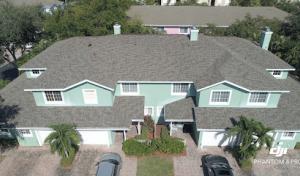
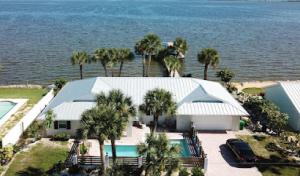
Typical Rockledge pricing spans about $350 to $700 per square for asphalt shingles. In practice, asphalt remains the most common and accessible option for many neighborhood homes, especially those with standard ridges and simpler geometry. When tropical storms roll through, costs can drift upward as local crews are stretched thin and disposal becomes a logistical hurdle. If you're aiming for a smooth winter install window, plan for potential mid-season price bumps and book early to lock in a zone-friendly crew.
Metal roofing sits in the $700 to $1300 per square range. This material pays off into longer life and better wind performance, which matters on the Atlantic side where gusts test fasteners and edge seals. In Rockledge, metal installs often require careful staging due to humid conditions and occasional heavy rain during scheduling. Post-storm demand spikes can push lead times and pricing, so you'll want to align your project with a dry spell and confirm crew availability well in advance.
Clay tile costs run from about $900 to $2300 per square. Heavier tile systems demand extra structural checks, longer installation times, and specific wind-focused fastening details that breeders value highly for space-coast homes. After tropical storms, expect both material and labor costs to rise as crews balance multiple tile jobs and the need for careful handling of brittle pieces during cleanup. If you're considering clay, factor in potential staging delays and a contingency for delivery timelines in the peak hurricane season.
Concrete tile is generally in the $650 to $1500 per square band. It offers strong wind resistance and a substantial roof mass, which influences both pricing and the required crew skill. Rockledge's humidity and storm activity can slow crews during humid or rainy periods, increasing staging time and logistics. Post-storm days tend to tighten schedules, so a cushion in both budget and calendar helps keep the project on track.
Wood shingles or shakes run roughly $450 to $900 per square. They bring a distinctive look but require more precise maintenance and fasteridious sealing to resist salt air and humidity. In the wake of storms, wood systems may see price swings as specialty crews are booked up and debris removal adds to the job, so expect modest upticks in peak windows.
Aluminum roofing typically falls between $500 and $1100 per square. It pairs well with coastal climates and lighter framing, offering a balance of cost and performance. Post-storm demand on the Space Coast can squeeze supply chains and drive scheduling delays, so verify lead times and secure a fallback plan if the dry season window shifts.

Platinum Roofing & Construction
(321) 381-4760 platinumroofingandconstruction.com
1700 Cedar St, Rockledge, Florida
5.0 from 172 reviews
Platinum Roofing & Construction is Brevard County’s trusted roofing expert, proudly serving Melbourne, Palm Bay, Rockledge, and surrounding areas. As a fully licensed and insured local contractor, we specialize in roof replacements, roof repairs, storm damage restoration, and preventative maintenance. With a reputation built on quality craftsmanship, fast response times, and over 170 five-star reviews, our in-house team delivers roofing solutions that last—using premium materials and adhering to Florida’s strict building codes. When your home or business needs reliable protection from the elements, count on the roofer Brevard County trusts.
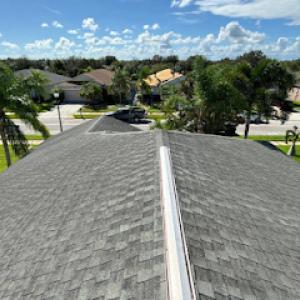
Local Roofing Experts
(321) 487-5424 www.localroofingxperts.com
881 Barton Blvd, Rockledge, Florida
5.0 from 63 reviews
We'd like to thank you for inviting our company to give you an estimate for your roofing project. We are grateful for the opportunity to help homeowners find the best roofing solution for their homes. We look forward to working with you and doing everything possible to earn your business. Once again, thank you from your Local Roofing Experts family.
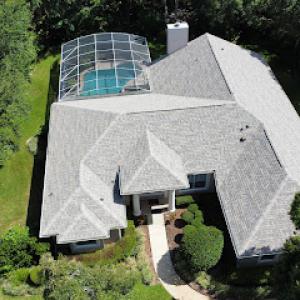
Maverick Roofing
(321) 349-0050 www.maverickroofingfl.com
1535 Cogswell St # C18, Rockledge, Florida
4.9 from 90 reviews
Maverick Roofing is a licensed & insured roofing contractor proudly serving Brevard County, Orlando, and communities across Central Florida. Our expert team specializes in shingle, tile, metal, and flat roof systems—offering complete roof replacements, reliable repairs, and emergency storm damage services. We provide free, no-obligation roof inspections to protect homes and businesses from Florida’s intense sun, heavy rain, and hurricane-force winds. With local expertise, quality craftsmanship, and a commitment to customer satisfaction, Maverick Roofing delivers roofing solutions built to last.
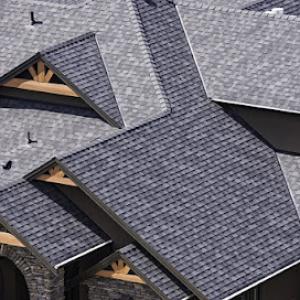
Space Coast Roofing
(321) 626-4420 spacecoastroofingllc.com
1290 US-1 Ste 103, Rockledge, Florida
4.9 from 44 reviews
roofing service
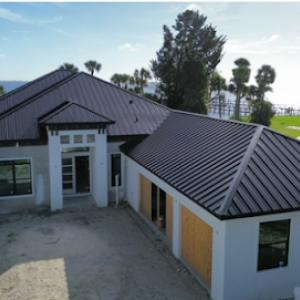
Corvex Roofing
(321) 338-3105 corvexroofing.com
456 Gus Hipp Blvd, Rockledge, Florida
4.6 from 408 reviews
Corvex Roofing, formerly G&G Roofing, provides local expertise that you’ve trusted for decades but now with enhanced resources and leadership built for long-term stability. Our team specializes in high-quality roof repair, full roof replacement, storm damage restoration, and more throughout the Space & Treasure Coasts. Whether you are looking for the timeless durability of tile roofing or the modern efficiency of metal roofing, we provide uncompromising craftsmanship for both residential and commercial properties. Give us a call today so we can help with your roofing needs!
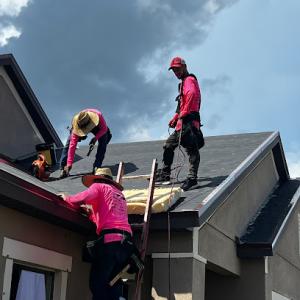
Gotcha Covered Roofing
(321) 758-1758 gotcharoofcovered.com
3810 Murrell Rd Suite 308, Rockledge, Florida
4.7 from 29 reviews
Florida’s Best Roofing Contractor - Reliable, Trusted, Professional Gotcha Covered Roofing is a leading roofing company based in Rockledge, Florida. As the only Veteran & Woman Owned roofing contractor in the area, we specialize in top-quality roofing services for both residential and commercial properties. What We Do: Roof Repair Roof Inspection Roof Maintenance Roof Replacement Gutter Repair Gutter Replacement Stucco Repair Service Areas: Rockledge, Melbourne, Cocoa, Merritt Island, Palm Bay, Viera, and nearby areas. For all your roofing needs, we’re here to help! Whether you need a quick repair or a full roof replacement, we’ve Gotcha Covered. Fully Licensed & Insured: CCC1334072 | CRC1333927
Fred Fein Roofing & Construction
(321) 463-3016 fredfeinconstruction.com
1739 Huntington Ln, Rockledge, Florida
5.0 from 6 reviews
We are a veteran-owned roofing and construction company located in Rockledge, FL with over 45+ years of expertise, proudly serving Brevard County and neighboring areas. Our comprehensive services include roofing, roof repairs, roof replacements, roof maintenance; as well as general contractor work for replacing and installing windows, doors, decks, docks, and seawalls. With a commitment to quality craftsmanship and customer satisfaction, we deliver durable, reliable solutions to protect and enhance your home or property. Trust our experienced team to handle all your needs, ensuring every project is completed with precision and care.
Waypoint Roofing & Construction
(321) 343-1900 www.waypointroofing.com
212 Hardee Ln, Rockledge, Florida
4.5 from 8 reviews
Roofing Contractor providing services in Central Florida. Specializing in Shingles, Metal, Tile and Flat Roofing for both residential and commercial projects.
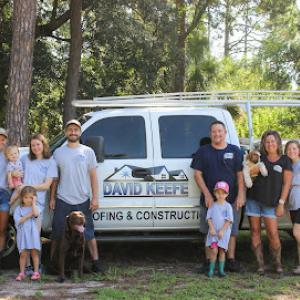
David Keefe Roofing & Construction
(321) 639-3283 davidkeeferoofing.com
Serving
5.0 from 98 reviews
Roof Replacement Specialist
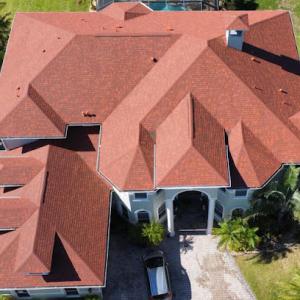
IRC Roofing & Construction
Serving
5.0 from 71 reviews
Focused on the very best in customer service and quality workmanship, IRC Roofing & Construction is a comprehensive building contractor servicing Brevard, Volusia, Orange, and Indian River Counties. Given the area’s volatile weather conditions and its potential damaging impact on your roof, we use only the best materials to insure your home is weather-proof, come rain or storm. Our mission is to provide the highest quality products, workmanship, and service to our customers – ensuring 100% satisfaction. The work doesn’t end when the job ends – we pride ourselves on being there for customers before, after, and during the storm.
Crawford Roofing & Construction
(321) 218-4060 www.crawfordroofingfl.com
Serving
5.0 from 48 reviews
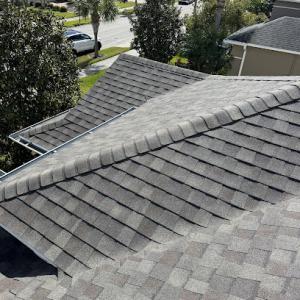
Crawford Roofing & Construction provides roofing services to the Brevard County, FL area.
RWC Roofing & General Contracting
Serving
5.0 from 13 reviews
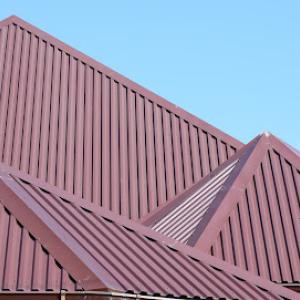
Over 20 years experience as roofers in Melbourne installing metal, tile & shingle roofs on the Space Coast. Licensed & insured, serving Melbourne, Cocoa Beach, Merritt Island, Satellite Beach, Indian Harbour Beach, Indialantic, Melbourne Beach, Palm Bay, Cocoa, and Titusville
For a full roof replacement in this area, a roofing permit is typically required, and the contractor usually handles both permit pulling and inspection coordination. This means you'll want to confirm with the contractor upfront that all necessary documents-permits, plans, and any required notices-will be filed in a timely manner. In Rockledge, the timeline can hinge on weather and local staff availability, so a proactive scheduling plan with the contractor helps avoid last-minute delays. Keep a clear line of communication with the permit office and the contractor to ensure any follow-up items are addressed promptly.
The local process generally includes a rough inspection during installation and a final inspection after completion, rather than a single closeout visit. Expect an inspector to visit at key milestones, such as after roof sheathing, underlayment, and pre-sheathing stages, to verify structural integrity and material compliance. Because this area experiences humidity, wind loads, and storm exposure, inspectors will look closely at fastener patterns, nailing schedules, and sealant details. Plan for the contractor to be present at each milestone and to respond quickly to any corrections that come up to keep the project on track.
Rockledge-area approvals may include wind mitigation verification and Florida code compliance checks, with weather and backlog sometimes delaying inspection timing. Wind mitigation is particularly important here due to hurricane-season considerations, so make sure the project timeline accounts for the potential need to document feature upgrades like reinforced fastening, underlayment choices, and roof-to-wall connections. If inspections are delayed by storms or backlog, coordinate with the contractor to keep you informed about any revised appointment windows and required documentation. When planning post-storm work, expect a careful review of code compliance along with any local amendments that protect against wind-related damage.
Ask the contractor to provide copies of submitted permit applications and inspector appointment letters, and maintain a simple calendar of anticipated inspection dates. Have a clean, accessible area around the home for inspectors to move safely around the roof and eaves, especially during high-humidity periods when working conditions can be more challenging. If weather changes or delays occur, request proactive updates and an adjusted schedule to minimize downtime and keep the project moving toward final compliance.
Rockledge sits in Florida's high-claim storm environment, where insurers have tightened underwriting and may closely review roof age, visible wear, and storm documentation. The message is plain: a roof that looks near its end or shows inconsistent maintenance is more likely to trigger scrutiny, and that scrutiny can influence how quickly a policy responds after a major event. When a storm hits, insurers will comb for signs that damage came from a current event versus long-term deterioration. Your records matter.
Homeowners may be asked for wind mitigation information, updated appraisals, or other proof that the roof meets current expectations for storm resistance. In practice, that means keeping a tidy folder: photos from the last few years showing shingle or tile condition, any retrofit work, and proof of recent inspections or maintenance. If a contractor has installed upgraded underlayment, fasteners, or hips and ridges that improve wind performance, document those specifics with receipts and dates. Clear, dated evidence helps separate immediate storm damage from age-related wear when a claim is filed.
Detailed pre-loss and post-loss records are especially important in Rockledge because claim outcomes can hinge on how clearly storm-related damage is separated from age-related deterioration. After a hurricane, take wide, timestamped photos of the roof from multiple angles, noting soffits, fascia, and any flashing. Collect meteorological data for the event and keep utility-cut power or temporary repair receipts. If you suspect composite wear or hidden damage, seek a licensed roofer to reinspect promptly; a timely, documented assessment can make the difference between a straightforward claim and a complicated, disputed one.
Connect with contractors who help homeowners navigate the claims process from damage assessment to final approval.
Local Roofing Experts
(321) 487-5424 www.localroofingxperts.com
881 Barton Blvd, Rockledge, Florida
5.0 from 63 reviews
Maverick Roofing
(321) 349-0050 www.maverickroofingfl.com
1535 Cogswell St # C18, Rockledge, Florida
4.9 from 90 reviews
Space Coast Roofing
(321) 626-4420 spacecoastroofingllc.com
1290 US-1 Ste 103, Rockledge, Florida
4.9 from 44 reviews
Rockledge's contractor market shows strong demand for metal and tile work, signaling homeowners frequently need specialists for fastening, flashing, and matching on these systems. When a storm blows through, even a small miss on a fastener pattern or a mismatched tile seam can become a larger leak quickly. Homeowners should plan for proactive maintenance with a skilled metal or tile contractor who understands the unique coastal-fastening challenges and salt-air impacts common here.
Flat and low-slope sections are a meaningful local service category, which matters on additions, porches, and mixed-roof homes where drainage and ponding management differ from steep-slope areas. In practice, standing water can creep toward penetrations, flashing, or edge details after heavy rains. Regular checks for ponding, smooth transitions at transitions to higher slopes, and prompt resealing after seasonal rains help minimize shallow-water leaks that undermine interior ceilings and attic insulation.
Skylight-related leak points deserve attention in a heavy-rain climate because flashing failures can show up quickly during summer downpours. Skylights sit at the intersection of multiple roof materials, and even small gaps can channel water into ceilings if not properly sealed. Inspect skylight curb flashings, sealants, and shingle or tile integration annually, especially after mid-summer storms when heat expands and contracts materials.
After a storm, prioritize inspecting the most vulnerable areas first: metal and tile fasteners and flashings, low-slope transitions, and skylight areas. If a leak is suspected, address it promptly before water penetrates insulation or structural decks. In Rockledge, the combination of humidity, wind-driven rain, and rapid post-storm shifts means a timely assessment by a qualified contractor is not optional-it's a safeguard against escalating damage and more extensive repairs.
Find specialists in TPO, EPDM, and built-up flat roofing systems for residential and commercial properties.
Maverick Roofing
(321) 349-0050 www.maverickroofingfl.com
1535 Cogswell St # C18, Rockledge, Florida
4.9 from 90 reviews
Waypoint Roofing & Construction
(321) 343-1900 www.waypointroofing.com
212 Hardee Ln, Rockledge, Florida
4.5 from 8 reviews