Last updated: Apr 19, 2026
Satellite Beach sits on a narrow Atlantic barrier island in south Brevard County, so homes are exposed to both oceanfront salt air and lagoon-side humidity. This unique position means roofs endure a double whammy: potent salt spray that corrodes metals and relentless coastal humidity that invites mold, alga, and moisture infiltration. In practice, every major roof decision-material, fasteners, flashing, and edge details-must be assessed through a hurricane-ready, salt-resistant lens. A roof that might seem fine in inland Brevard could fail sooner on these dunes-and-waterfront blocks if corrosion and wind exposure aren't addressed head-on.
The city's coastal stance means wind loads are a constant reality, not a seasonal concern. Strong gusts from passing tropical systems or backdoor hurricanes stress rafter ties, hips, valleys, and edge components in ways inland homes rarely see. Salt-heavy air accelerates corrosion at fasteners, flashing, edge metal, and rooftop accessories. What this means for you: choose fasteners and metal components with high corrosion resistance, ideally stainless steel or hot-dipped galvanized coatings rated for coastal environments. Inspect metal edge trim, drip edges, and cresting after storms; any sign of rust or looseness is a red flag that needs immediate attention to prevent water intrusion.
On barrier island homes, missteps around flashing can turn a minor leak into a major repair. Salt makes calcium and mineral buildup more likely where water sits against seams and closures. Your roof-delivery plan should prioritize continuous, corrosion-resistant flashing at all penetrations, vents, and transitions between roof planes. Valley and rake areas deserve extra attention because these sections catch wind-driven spray and can trap moisture. Consider sealed or mechanically fastened flashing with corrosion-resistant materials, and ensure edge metal is continuous and securely fastened without gaps. Edge and rake details often become failure points during hurricane winds if not properly integrated with the roofing system and drip-edge protection.
Given the hurricane and salt exposure, material selection should emphasize durability against both wind uplift and corrosion. Roofs in this area commonly benefit from systems that offer robust wind resistance and longer service life under salty conditions. When evaluating options, you'll want to prioritize assemblies that minimize exposed fasteners, feature corrosion-resistant coatings, and provide reliable wind ratings for local standards. The right choice balances ongoing maintenance ease with proven performance in salt-laden coastal air, reducing the chance of premature deterioration after a storm.
Coastal roofs require more frequent checkups than inland equivalents. After every hurricane season, or after a major coastal storm, perform a targeted inspection focusing on fasteners, flashing seams, edge metal, and rooftop accessories. Look for loose components, corrosion around fasteners, paint peeling on metal, and any signs of moisture intrusion around penetrations. Schedule a biannual walkaround that includes checking for salt spray damage along the eaves, around exhaust vents, and at roof-to-wall interfaces. Address issues promptly-salt corrosion compounds quickly if left unchecked, and small problems can escalate into leaks that follow the profile of a storm event.
When planning a replacement, adopt a hurricane- and salt-driven mindset from day one. Your approach should be to minimize exposed fasteners, maximize corrosion resistance, and ensure the system's wind performance aligns with local expectations for barrier islands. Hard-wearing coatings, corrosion-resistant hardware, and continuous edge protection should be non-negotiables. Choose detailing that helps shed salt-laden spray away from critical joints and reduces the likelihood of capillary leaks at seams. Finally, build a maintenance plan into your homeowner routine so you can act quickly when salt exposure or storm activity reveals itself in wear and tear. This is not a "set-it-and-forget-it" climate-it's a shoreline reality that demands vigilance and decisive updates to keep your roof resilient year after year.
The local material mix is led by asphalt shingles, metal roofing, clay tile, concrete tile, synthetic/composite shingles, and EPDM on low-slope sections. In this niche, your choice isn't just about style; it's about how each option stands up to salt spray, high winds, and rapid changes in coastal weather. Asphalt shingles stay common for mid-century ranch homes because they're familiar, easy to repair, and cost-conscious. Metal roofing provides a memory of strong performance when tropical downpours and salt-laden air push on the coastal zone. Clay and concrete tiles bring long service life and a weathered, coastal look that pairs with canal-front homes or upgraded rebuilds, but they demand a sturdy deck and careful framing for wind uplift. Synthetic or composite shingles offer a lighter weight option that can mimic traditional textures while delivering enhanced wind resistance. EPDM on low-slope sections gives a reliable, watertight seal in flat or nearly flat areas without creating heavy weight on the structure. Your roof plan should balance the existing roof shape, structural capacity, and the local microclimate that tends to push moisture and salt toward the eaves and parapets.
Satellite Beach features a mix of mid-century ranch homes, canal-area properties, and coastal rebuilds. That creates a real split between shingle re-roofs, tile systems, and metal upgrades. If your home sits on a canal or has a higher exposure to salt spray, you'll notice that metal and tile options often ride out the salt better than some asphalt systems, especially when the roof is older or prone to granule loss. For mid-century ranches with simple lines, asphalt shingles or synthetic shingles can deliver straightforward repair and straightforward replacement with a compatible underlayment. On coastal rebuilds, clay or concrete tiles provide a robust, long-lived shell that resists wind-driven debris better than standard shingles, given proper installation and seam integration. In newer sections or homes with higher wind design requirements, a standing-seam metal roof may deliver superior uplift resistance and easier maintenance between storms. The balance point here is aligning your roof profile with how the home's structure handles wind loads and how accessible repairs will be after a tropical event.
On this barrier island, material decisions are closely tied to wind resistance, salt tolerance, and how easily damaged sections can be repaired after tropical weather. Tiles-clay or concrete-offer excellent wind performance when correctly installed with appropriate fasteners and underlayment; their mass can also help resist flying debris. Metal roofs excel in wind uplift resistance and ease of sealing penetrations, but installation quality matters: improper ridges or fastener spacing can invite leaks after a hurricane. Asphalt and synthetic shingles are convenient and repair-friendly, yet they can be more vulnerable to prolonged salt exposure and hail impacts if not upgraded with higher-performance underlayment and sealants. EPDM on low-slope areas remains a practical choice where maintaining a tight seam against water intrusion is the priority, though chemical compatibility with coastal air and UV exposure should guide selection. For homeowners, the practical takeaway is to evaluate wind uplift ratings, salt spray durability, and the ease of on-roof repairs when planning a replacement, with a preference for systems that offer a clear path to resealing and patching after storm events.
Start with the home's structure: assess whether the framing can support heavier tile systems or if a lighter modern option better suits the rafter span. Next, map exposure: roofs facing open water or canal breezes tend to benefit from metal or tile, while shaded, lower-exposure sides may tolerate asphalt or synthetic styles if you value ease of repair. Then check installation quality, because even the best material loses performance when poorly installed, particularly under salt-laden conditions. Finally, align your choice with future maintenance ease: a system that invites annual inspections and straightforward repairs will save time and frustration after the next tropical front.
Peak hurricane season from June through November is the defining risk window for a roof in this barrier-island setting. Thunderstorms roll in daily along the Brevard coast, and a quick pop-up storm can saturate roofing materials and push tear-off schedules past promises. That means planning must assume wind-driven rain and salt spray can arrive on any day, not just during named storms. When planning replacements or repairs, align timelines with that seasonality so crews aren't caught in a weather-driven crunch without a dry-in plan.
Coastal Florida is a high-claim environment, and photos are your first line of defense. Before any storm season, walk the roof with a careful eye for cracked shingles, lifted edges, rusted fasteners, and evidence of prior repairs. Take clear, dated photos from ground level and from the attic if accessible. Document gutters, fascia, and edge flashing as well, since salt exposure accelerates corrosion and wear. Keep a digital archive ready to share with the insulation team and with the insurance carrier if a claim becomes necessary.
When a claim becomes likely, the clock starts ticking faster than the storm winds. Have a reputable contractor pre-screened who understands Barrier Island conditions, including corrosion-prone metal flashings and fastener coatings. Notify the insurer promptly if imminent damage appears likely, not after water intrusion begins. Share the pre-season photos and a simple notes log detailing observed issues by date. The goal is to establish a clear baseline so the claim isn't contested on condition discrepancies or undocumented pre-existing damage.
Summer afternoon thunderstorms along the Brevard coast can interrupt tear-off and dry-in schedules even outside named storms. Build contingencies into the project plan: water protection that actually holds up to salt air, corrosion-resistant fasteners, and a strategy for delaying or rescheduling work during heavy downpours. Coordinate with crews to secure the site at the end of each day, especially given gusty sea breezes that can whip loose materials.
If damage is suspected post-storm, start with a rapid, documented assessment. Photograph affected sections from multiple angles, note any interior evidence of roof leaks, and snapshot nearby soffits and vents for salt exposure clues. Contact a trusted local contractor for an on-site inspection, and compare findings against the pre-season baseline. The Space Coast's unique exposure demands an aggressive, documented approach to protect both the home and the claim process.
Connect with contractors who help homeowners navigate the claims process from damage assessment to final approval.
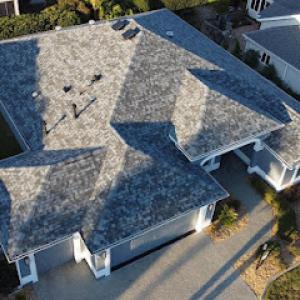
Premium Roofing Systems
(321) 344-0083 www.premiumroofingsys.net
Serving
5.0 from 133 reviews
Your Local Roofing Contractor and Roofing Company who specializes in both residential and commercial roof installations, roof replacements and repairs. We offer free roof inspections and estimates. If you are a homeowner looking for architectural shingles, standing seam metal, 5v metal, tile or flat roof systems- we are your trusted roofing contractor to protect your home. Commercial Property owners, we have the solutions for you! Locally owned and operated roofing company. "Protecting family comes first; we build roofs to protect yours."
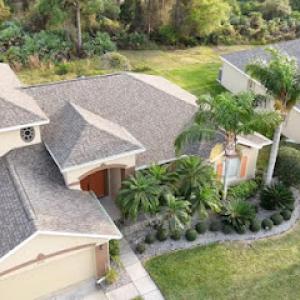
Hippo Roofing
(321) 951-2500 www.hipporoof.com
Serving
4.8 from 637 reviews
Hippo Roofing, based in Melbourne, provides comprehensive roofing services and storm restoration for homes and businesses. They handle roof replacements, repairs, and emergency services with speed and expertise. As factory-certified experts, they use top-tier materials and proven techniques to deliver reliable, long-lasting results. Their team specializes in hurricane-ready roofing systems, offering added protection and peace of mind for Florida homeowners. With exceptional warranties—including lifetime coverage on select systems—they ensure lasting value and customer satisfaction. Known for their professionalism and no-pressure approach, they’re a trusted name in quality roofing solutions throughout the region.
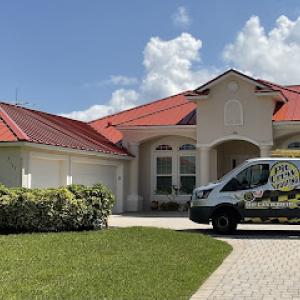
Pit Crew Roofing
(321) 316-6771 pitcrewroofing.com
Serving
4.7 from 318 reviews
Pit Crew Roofing, an acclaimed veteran-owned roofing contractor, serving Melbourne & Brevard County since 2009. Understanding Florida’s unique challenges: hurricane resilience, intense sun. They offer exceptional products (industry-leading materials) and comprehensive knowledge & expertise in installation, repair, maintenance. Committed to high-caliber service: meticulous craftsmanship, clear communication, efficient project completion. Providing peace of mind, roofs offer superior reliable protection and durability against all weather. Consistently recognized as "Best Roofing Contractor in Brevard County" by Florida Today (2013, 2022), solidifying their reputation for quality & satisfaction.
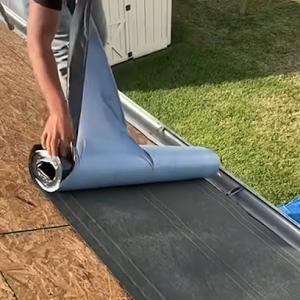
Quality Solutions Roofing Melbourne FL
Serving
5.0 from 31 reviews
Quality Solutions Roofing Melbourne FL offers trusted, top-tier roofing services across Melbourne, FL and surrounding areas. We specialize in residential and commercial roofing, including roof repair, roof replacement, new roof installation, metal roofing, shingle roofing, flat roofing, and emergency roof leak repair. Our expert team is fully licensed and insured, delivering high-quality workmanship 7 days a week. Whether you need a small repair or a full roof replacement, we provide honest estimates, durable materials, and outstanding customer service. Your roof protects what matters most—trust Quality Solutions Roofing Melbourne FL for reliable, affordable roofing solutions that last. Call today for a free quote!
Patrick Roofing
(321) 728-7865 www.patrickroofing.com
Serving
5.0 from 164 reviews
Residential Roofing Experts
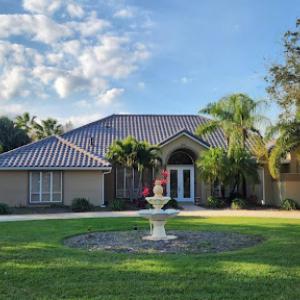
American Masters Roofing & Restoration
(321) 428-8823 www.mdmland.com
Serving
5.0 from 60 reviews
Since 2013, American Masters Roofing & Restoration has been a pillar of the Melbourne community, offering premier roofing and general contracting services. Specializing in both residential and commercial projects, we are trusted storm repair specialists dedicated to safeguarding Florida homes and businesses. Our expertise spans a wide range of roofing materials, including asphalt shingles, metal, tile, and more, ensuring top-tier craftsmanship for every client. We proudly serve Melbourne and surrounding areas, including Palm Bay, Cocoa, and Vero Beach, delivering exceptional quality and reliability.
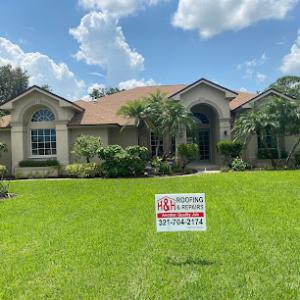
H&H Roofing & Repairs
(321) 704-2174 www.hhroofingandrepairs.com
Serving
5.0 from 22 reviews
Roofing Experts in Melbourne, FL – H&H Roofing & Repairs provides top-quality residential and commercial roofing services, including roof repairs, leak services, new roof installations, and roof maintenance plans. Our team specializes in tile roofs, metal roofs, shingle roofs, and flat decks, ensuring durable craftsmanship and fast turnarounds. We also handle fascia and soffit replacement, gutters and drainage systems, skylight installation and repairs, siding repairs and replacements, and offer emergency roof repairs, insurance-claim assistance, and flexible financing options. Protect your home or business with trusted professionals focused on quality and reliability. Schedule your free estimate and experience expert roofing care.
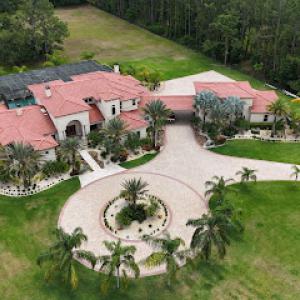
Sun Coast Roofing & Solar
(321) 749-7663 www.suncoastroofing.com
Serving
4.3 from 62 reviews
Sun Coast Roofing & Solar is your Florida based full-service Residential & Commercial Roofing Contractor. Specializing in re-roofs, repairs, storm damage and insurance claims! Experienced in all types of roofing from tile, slate, shake, specialty & custom metals to shingles and we now proudly offer our customers the option to go solar. Family-owned and operated with over 10 years of experience. Local, Licensed & Insured. Give us a call to set-up an appointment for a FREE estimate! The Last Roof You'll Ever Need!
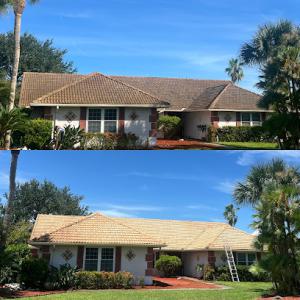
Cox roofing
Serving
4.9 from 31 reviews
Professional Roofing company that specializes in Roof replacements, roof repair, roof inspections, and storm damage.
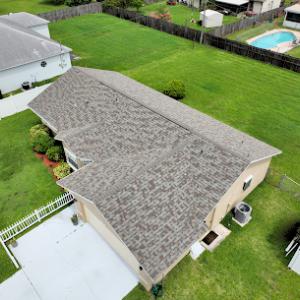
Advanced Roof Technology
(321) 253-5081 www.advancedrooftechnology.com
Serving
4.5 from 28 reviews
Our roofers will support you and your project from the consultation phase through to its completion - on time, professionally and at a reasonable price.
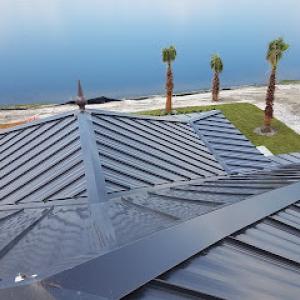
David Swihart Roofing
(321) 757-3866 davidswihartroofing.com
Serving
5.0 from 22 reviews
Whether you need a new roof or suspect you have storm damage to your roof, David Swihart Roofing can help. David Swihart Roofing has the depth of experience, resources and financial strength to handle residential, commercial and multi-family projects. We are a Licensed Roofing Contractor that is fully insured with General Liability, Workman’s Comp and Auto insurance.
Storm Guard Roofing
Serving
4.2 from 10 reviews
Storm Guard Roofing is Central Florida's most trusted roofer. Trained in house project Managers on site 24/7 All crews in house trained to our very rigid expectations to ensure your Lifetime no hassle Roof not only looks the part but performs the part. See what Storm Resistant Roofing can do for you. 100% Financing -5 Star Rated on Google-5 Star Rated on Home Advisor and Angie's List - Lifetime Warranty on new roofs
Pricing in this barrier island setting is tightly tied to the salt air, hurricane risk, and rapid weather shifts that define daily life on the island. Local replacement pricing should be framed around these ranges: asphalt shingles at 350 to 650 USD per square, metal at 700 to 1200, clay tile at 900 to 1800, concrete tile at 800 to 1600, synthetic/composite at 550 to 900, and EPDM at 4 to 8 USD per square foot. When evaluating reroof plans, let these bands guide your expectations for both material choice and overall project budgeting.
After tropical events, costs in Satellite Beach can rise as Brevard-area demand spikes for tarping, dry-in crews, and full re-roofs. The flood of calls, temporary protective work, and rushed scheduling can push both material and labor charges upward for a short window, especially for coastal neighborhoods where access is constrained and securing supply chains becomes more competitive. Plan for a modest premium in the weeks following a named storm or after a local surge in repairs, and build a contingency to cover expedited services if timelines get tight.
Barrier-island logistics shape pricing in practical ways. Corrosion-resistant components are not luxuries here; they're a baseline expectation for metal systems, fasteners, and flashings that face salt spray and humid air. Tile and metal upgrades are common on coastal homes, often increasing the price point versus inland equivalents. If a home has thin or delaminated underlayment, expect additional costs for coastal-grade underlayment and corrosion-resistant fasteners. These factors can nudge project totals above what someone might anticipate if comparing inland bids.
Choosing a roof type for durability and long-term value matters. Asphalt remains the most budget-conscious entry point, but metal, clay tile, and concrete tile offer performance advantages under salt exposure and high-wind scenarios typical of this location. Synthetic/composite shingles provide a middle ground, while EPDM is a practical option for flat-to-low-slope sections or additions. Weigh the long-term resilience against the upfront price, and align the selection with the house's exposure, coastal aesthetics, and the anticipated post-storm maintenance cycle.
Get a clear picture of your project costs upfront - no commitment required.
A full roof replacement in this jurisdiction requires a permit processed through the City of Satellite Beach or the Brevard County building system. Start by confirming which authority handles your property; coastal homes in this area may fall under either local city permit channels or county-level reviews depending on zoning and municipal boundaries. When you apply, have a complete project scope: proposed materials, roof plan, and any structural changes. Expect the permitting office to verify hurricane-resilience details, wind-driven rain protection, and compatibility with existing eaves, fascia, and soffits. In practice, the fastest path often comes from coordinating early with your contractor to assemble the required documentation before submission.
Roofing inspections are scheduled at milestone stages to verify progress and compliance. Typical checkpoints include an initial review of the permit package, a mid-progress inspection as decking, underlayment, and flashing are installed, and a final inspection after the new roof is completed and visually inspected from street level. In a coastal climate, inspectors pay particular attention to securement per wind-load requirements, proper sealant application at roof penetrations, and corrosion-resistant hardware. Work with your contractor to schedule inspections promptly; delays can cascade if a milestone isn't signed off, especially when crews are juggling multiple projects.
Because this is a coastal jurisdiction in Brevard County, permit timing matters more during storm season and post-storm surges in applications. The department workload tends to spike after tropical activity or a major storm, which can slow initial intake, plan review, and final approvals. If your roof needs replacement following a storm, expect a longer wait for inspections and permit issuance and prepare for possible extended timelines. To minimize disruption, submit permits early, keep plan sets updated, and maintain open lines of communication with both the permitting office and your contractor about any weather-related scheduling shifts.
Before starting, confirm the project address, tax parcel details, and any homeowners' association requirements that might intersect with the permit. Keep electronic copies of all documents, and request confirmation receipts for each submission and inspection appointment. On the day of an inspection, ensure access is clear, the site is safely organized, and any temporary tarps or wind-driven protection are in place. If weather imposes delays, contact the inspector promptly to reschedule within the permitted windows to avoid noncompliance.
Satellite Beach sits in a sensitive coastal Florida insurance market where wind-related roof claims are common and underwriting scrutiny is high. The combination of salt air, exposure to hurricanes, and rapidly changing weather means carriers watch every storm event closely. When a claim hits, the evaluation span expands beyond condition alone into history of prior repairs, maintenance cadence, and the context of the damage. This environment can push insurers to tighten their stance, sometimes making even straightforward repairs more complex to approve.
Carriers serving this part of Brevard often want detailed contractor estimates, clear storm-date documentation, and evidence separating old wear from new storm damage. If estimates blur these lines, or if documentation doesn't convincingly tie a claim to a recent event, approval can stall. A locally experienced contractor who can present a precise scope, photograph damage transition points, and provide a dated, storm-specific appraisal helps move the process along. Expect questions about salt exposure, wind zones, and attic ventilation, all of which can influence underwriting judgments.
Premium changes, tighter underwriting, and carrier availability concerns can influence whether homeowners repair, replace, or upgrade materials after damage. In practice, that means the choice after a roof impact isn't purely about current needs-it's about long-term coverage stability. A roof that uses coastal-grade materials and proven wind-resistant configurations may offer better insurance continuity than a quick repair with less durable components. The decision carries lasting consequences for future claims, maintenance cycles, and the ability to secure coverage after the next storm season.
Work with a storm-savvy contractor who understands how insurers assess coastal damage. Maintain meticulous records: storm dates, repair timelines, and before/after condition photos. If a claim involves multiple open storms, coordinate a unified narrative that aligns with the most recent event. Communicate early with your agent about planned material choices and wind-resistance upgrades to reduce surprises during underwriting reviews.
In this salt-spray environment, metal flashing, exposed fasteners, and edge details take a hard hit from corrosion. Salt-laden air accelerates rust on nails, laps, and corner beads, and a small leak at a seam can grow quickly with seasonal storms. After a hurricane or strong wind event, inspect metal details at gutters, vents, and parapets; if you see white residue, staining, or looseness, address it before you notice drips inside. Choose fasteners and flashings rated for coastal use, and consider upgrading edge metal to thicker gauges or advanced coatings, since replacement choices in Beach-adjacent homes often come in limited runs. Proactive sealing and timely resealing joints can buy you valuable weeks of protection during hurricane season.
Tile roofs common in parts of coastal Brevard can develop localized breakage that is harder to match when repairs are delayed after storms. A cracked or displaced tile can let wind-driven rain sneak in and cause creeping moisture damage underlayment and sheathing. When replacement tiles are needed, getting an exact color and profile match fast becomes the bottleneck. Keep a small spare stock from a local supplier and plan for quick patchwork if a storm hits. If you notice chips along the ridge, or broken interlock sections, address them promptly before there is a wider leak path.
Low-slope sections on porches, additions, and mixed-roof homes in Satellite Beach need special attention because ponding and wind-driven rain can exploit transitions between roof types. Check for settled flashing, improper gravel stops, and mis-aligned step-ups at the interface between flat and pitched areas. Ensure proper drainage with kept-out leaf channels and timely caulking at perimeter edges; poor transitions invite moisture migration and faster deterioration during tropical downpours.
Find contractors experienced in skylight installation, flashing, and leak repairs to bring natural light into your home.