
Last updated: Apr 19, 2026
Leesburg's hot, humid climate and frequent thunderstorms are the main local forces shortening roof life. Heat repeatedly expands and contracts roof materials, while humidity feeds accelerated deterioration of underlayment, fasteners, and sealants. When heavy moisture lingers in attic spaces, shingles and flashing can fail sooner than expected, creating hidden leaks that quietly undermine structure from the inside. If a roof looks decent from the ground but feels damp or muggy in the attic, that tension between heat and moisture has already taken a toll.
Heavy spring and early summer storms bring wind and rain that commonly delay tear-off and dry-in scheduling in Leesburg. Wind gusts can curl shingles, lift edges, or blow in moisture-prone gaps before any new roof is fully secured. Persistent downpours complicate tarping, staging, and the crucial dry-in window, increasing the chance that moisture penetrates the roof deck or attic.
For homeowners, this means a reroof project may stretch beyond the ideal weather day. Storm-driven delays can shorten daylight hours for workers and push ventilation and insulation checks into already warm, humid evenings. The risk is not just a day-of disruption; it's a potential cascade of moisture issues if the dry-in is rushed or compromised. Planning assumes a slower pace and tighter coordination with crews to ensure the roof system is truly sealed before heat and humidity return in force.
The local climate makes trapped attic moisture and roof ventilation performance especially important during reroof inspections. In Leesburg, attic temperatures can soar rapidly, driving humidity into the decking and insulation. Poor ventilation magnifies heat buildup, which accelerates adhesive and shingle aging while promoting condensation that rots sheathing from the inside out. A reroof inspection that ignores attic dynamics risks missing signs of moisture saturation, mold-prone pockets, or failed underlayment that won't be visible from the attic hatch alone.
During a reroof inspection, pay close attention to how the soffit, ridge, and gable vents are functioning with the new system. Look for balanced airflow that pulls warm, moist air up and out rather than pushing it around the attic corners. If the attic feels temperate yet humid, or if insulation shows damp patches after a rainstorm, the ventilation plan needs immediate adjustment. After a storm-heavy season, the most vulnerable problems surface as air leaks around penetrations, poorly sealed flashing, or insufficient attic baffles that trap moisture rather than vent it.
Before any tear-off begins, survey the current venting strategy and note any attic hot spots or visible condensation. Ask for a ventilation-focused plan that includes ridge and soffit coordination, proper baffle placement, and a tested attic pressure balance. Ensure the roof deck is dry and that any remaining old underlayment is removed so new material can be installed with a clean, dry surface. If storms are imminent during the project window, insist on a solid dry-in protocol: tarps properly secured, vent openings protected, and a clear plan for rapid rain response.
After installation, schedule a follow-up inspection within weeks of completion to verify there are no lingering moisture pockets or ventilation blind spots. In this climate, the best protection is proactive monitoring and a system that breathes properly-especially during the first humid summer after a roof replacement.
Replacement windows in Leesburg are best planned around the spring and fall windows. Those seasons help minimize heat stress on you and on the materials during installation, and they keep moisture exposure lower than in the peak of summer storms. In this climate, summer heat and humidity can accelerate wear on window flashing and sealants, so scheduling outside the hottest weeks reduces the risk of adhesive or caulk failure. If a plan slips into late spring or early autumn, the crew can still establish a solid weather break before the next round of soaking thundershowers. Think of your window job as a companion project to your reroof: avoiding the peak heat and the wettest months keeps both trades moving more predictably.
In South Georgia heat and humidity, you want a window system that resists warping, sweating, and seal failure. Multi-point locking hardware and reinforced sash construction help resist wind-driven rain and the pounding of summer storms. Consider a vinyl or fiberglass frame with a low-conductivity spacer and a high-performance low-E coating to cut heat ingress without sacrificing natural light. For homes with older rooflines or vented attic systems, look for windows with improved flashing kits and compatible drip edges so integration with existing roof drainage remains seamless. In the hot, humid season, you'll notice savings from better seal integrity, while in winter the same seals prevent condensation that can sneak through a marginal installation.
Installations benefit from dry days and moderate temperatures. When rain creeps in during winter, adhesive-backed products may slow curing or fail to set properly, so schedule with a weather forecast mindset. If a cold front arrives with freezing nights, crews may need to protect exposed flashing and use sealants rated for below-freezing application. In spring and fall, you get a predictable sequence: install the window, then wrap with flashing and a compatible roof line flashing detail that matches the existing shingles or tiles. This approach reduces the risk of leaks at the intersection of roof and window and minimizes post-install moisture concerns that can arise from a humid season's start.
A well-chosen window in this climate should stay airtight for years with minimal maintenance beyond routine cleaning. Plan for a seasonal inspection cycle: once after the winter wet season ends and once after the heat peak subsides, focusing on flashing seals around the window perimeter and the ridge-to-wall transition where roof and wall meet. For homes with metal or tile roofing, ensure the window flashing detail matches the roofing type to avoid mismatched expansion or contraction. A careful inspection and a well-timed reseal when humidity drops protect the window's performance through Leesburg's long humid season.
The dominant roofing materials used in Leesburg are asphalt shingles, metal roofing, clay tile, concrete tile, wood shingles or shakes, and synthetic or composite shingles. Each of these options has a place in the local housing mix, from newer all-metal homes to classic asphalt-detached rooflines. Asphalt shingles are common because they balance initial value with practical performance under South Georgia's heat and humidity. Metal roofs appear on homes seeking long-term durability and a wind-resilient profile, especially where storms pack sustained wind gusts. Clay and concrete tiles offer a traditional look with strong fire resistance and heat tolerance, while wood shingles or shakes bring a distinctive curb appeal that can handle Leesburg's warm, humid seasons when properly protected against moisture. Synthetic or composite shingles provide a versatile alternative, aiming to blend durability with weight and installation flexibility. The local mix reflects a response to climate pressures and homeowner preferences, but the right choice hinges on how moisture, wind, and heat interact with the roof system year after year.
Leesburg's humidity and thunderstorm pattern make material choice less about snow load and more about moisture tolerance, wind resistance, and heat exposure. The high humidity can push condensation and cupboard-dried moisture into roof assemblies if ventilation, underlayment, and insulation are not chosen with care. Roofs face repeated exposure to driving rain and driving heat, which can accelerate aging of shingles and expose fasteners to stress. For asphalt shingles, pay attention to edge sealing and good attic ventilation to reduce heat buildup that can soften materials over time. Metal roofs benefit from proper underlayment and a robust seam system to handle heavy rain and the occasional hail typical of spring storms. Clay tile and concrete tile bring excellent durability in heat and sun exposure, but their greater weight demands a solid structural assessment and precise installation to weather storm loading. Wood shingles or shakes can deliver charm, yet require careful moisture management to prevent warping and water penetration in humid cycles. Synthetic or composite shingles aim to combine resilience with ease of installation, yet still rely on appropriate attic ventilation and an effective underlayment to keep moisture out.
Heavier systems such as clay and concrete tile are present locally but require attention to structure and installation quality in a storm-prone South Georgia setting. If a heavier roof is pursued, the house must be ready to bear the load, and fastener patterns, battening, and underlayment must be installed to resist uplift during strong thunderstorms. Tile roofs tend to be more fragile during hail events, so neighboring homes with similar profiles often choose tile in combination with reinforced deck and proper edge protection. Regardless of material choice, installation quality matters more in Leesburg than in milder climates. A proper nailing pattern, correct staggering, and high-quality sealants and flashing around vent pipes, chimneys, and roof-to-wall connections are essential for resisting moisture intrusion and wind-driven water during the local storm season. Periodic inspections after storms help catch hairline cracks or shifting fasteners before leaks appear.
When evaluating options, consider how each material tolerates moisture, heat, and wind in this climate. Look for ventilation strategy in the attic that prevents heat buildup and reduces moisture-related issues. Prioritize underlayment and flashing that are rated for resistance to heavy rains and wind-driven spray. If choosing heavier tiles, ensure structural capable support and confirm installer credentials for high-wind performance. For asphalt or synthetic shingles, select products with strong warranties and wind resistance ratings appropriate to the area's typical storms. For metal, verify seam durability and corrosion resistance in salt-air-adjacent properties or heavy humidity settings. Each home presents unique roof geometry and exposure, so a local pro who understands the storm patterns and building practices in this area can tailor recommendations to align with the house's existing structure and homeowner goals.
Typical onsite installed costs in this area follow recognizable bands by material. For asphalt shingles, expect about $350 to $600 per square. Metal roofs run roughly $600 to $980 per square. Clay tile projects commonly land in the $900 to $1500 per square range, while concrete tile is typically $800 to $1200 per square. Wood shingles or shakes usually fall between $700 and $1100 per square, and synthetic or composite shingles sit around $600 to $1000 per square. These ranges reflect the local climate and the way crews size and stage work for steep-slope residential roofs that are common here.
In spring and early summer, storm activity drives short-term demand spikes that can affect scheduling and pricing after notable wind and rain events. When a big storm hits, crews often shift from new projects to urgent repairs, which can push estimates and timelines out by days or even a week or two. Homeowners should plan for potential gaps between a roof assessment and the start of work, especially after a damaging weather cycle. If you're weighing options, building in a small cushion for timing can help avoid rushed decisions when crews become scarce or prices trend upward in a tight market.
Most homes in this area are steep-slope roofs built for durability in South Georgia heat and humidity. That means material choices are balanced against heat-related wear, wind resistance, and long-term performance. Asphalt remains a practical default for many Leesburg homes, but metal or tile options can be appealing where longevity and energy performance are priorities. When you size a project, match the material's performance profile to the long, humid season and the tendency for sudden storm-driven demand to sway scheduling. Consider coordinating delivery windows and crew availability to minimize weather-related interruptions and keep project flow steady.
S&S Roofing & Construction
(229) 439-9995 www.sandsroofingpros.com
336 GA-32, Leesburg, Georgia
4.6 from 248 reviews
S&S Roofing is a customer service-driven company offering comprehensive solutions for all your roofing and window needs. With a focus on quality workmanship, we specialize in roof replacement, installation, repairs, and window services. Our team works closely with your insurance company to ensure you receive the entitled roof replacement. We excel at assessing and identifying weather damage, including wind and hail damage, which may require repair or replacement. As Haag-certified experts in residential and commercial roofing, we are also proud to be certified platinum installers for Owens Corning shingles. Whether you're in need of roofing or window services, give us a call and experience the assurance of being "covered" by our expertise.
Life Style Roofing
(229) 407-7663 lifestyleroofing.com
Serving
4.8 from 41 reviews
Life Style Roofing, LLC provides come construction, home remodeling, and roofing installation and repair to the Albany, GA, area.
Strategic Roofing Solutions
(229) 881-1712 strategicroofs.com
Serving
4.5 from 35 reviews
Strategic Roofs provides quality roof replacement and repair in Albany, GA, Leesburg, GA, Valdosta, GA, Tifton, GA and the surrounding area. Our roofing contractors take pride in timely, precision craftsmanship that has earned us a stellar reputation throughout southwest Georgia. A fully licensed and insured roofing company, Strategic Roofs offers the following services: -Asphalt & metal roof repair and replacement -New roof installation -Storm damage repair -Commercial and residential roofing Call our team of professional roofers today for an estimate! We look forward to serving you! -Mike S., owner
Roof Services
(229) 603-8086 www.roofservicesllc.net
Serving
5.0 from 92 reviews
Roof Services has been satisfying customers since 2014. We are a TAMKO Mastercraft Pro Certified Contractor, the highest level of certification available. We specialize in residential and commercial shingle roofing, TPO flat roofs, and gutter system installation. We have a dedicated in-house repair division that can handle smaller jobs and repairs quickly. We also have financing options available. Our goal is to provide you with the best customer service and get it right, the first time
Shiver Installed Sales
(229) 496-1369 www.shiverinstalls.com
Serving
5.0 from 3 reviews
Local and Family owned and operated roofing contractors serving Albany, Leesburg, and surrounding areas!
Pyramid Roofing Company
(229) 300-9983 pyramidroofingcompany.net
Serving
4.2 from 22 reviews
Roofing contractor, roofing company ,Roofer
Anderson Contracting & Roofing
(229) 434-9497 www.albanyroofs.com
Serving
3.9 from 13 reviews
We're a family business offering residential and commercial roofing services and honest passion for helping our neighbors.
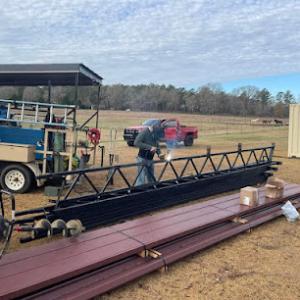
Johnson Roofing Service
Serving
5.0 from 13 reviews
Roofing and Remodeling Let Us Use Our Experience to Help You Roofing experience installing a variety of types of roofs, and all types of remodeling including: Pole Barns ans Welding service we can fab anything. -Asphalt shingle roofs -Metal roofing -Standing Seam -Anything you need done just give us a call we will take care of you. Sheetrock,Floors,Wood work, vinyl siding, Hardy plank, window replacement, Bathroom remodeling, All types of Roofing Call today for the best price in town.
PRA Roof Contractors
Serving
We are an award winning Owens Corning ``Platinum” Contractor with over 20 years in business. Offering Residential Roofing services , Roof Repair and Roof Replacement. We also provide Commercial Roofing, Commercial Roof Repair and Commercial Roof Installation.
DJ's Roofing & Repairs
140 Birchwood Dr, Leesburg, Georgia
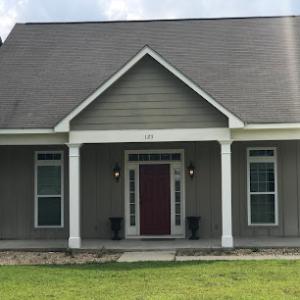
We also do Home Maintenance and all types of carpentry work. You got rotted wood around your home, call us and we will make it new again.
Reroof projects in this area are typically overseen by the Leesburg or Lee County Building Department. The local process hinges on not starting work until the right paperwork is in hand, and that means a permit application tied to the project scope and contractor information. If a contractor tries to begin without that permit, the risk isn't just a fine-it can complicate insurance, create zoning questions, and leave you with a noncompliant roof that's hard to sell or remodel later. Plan for a short lead time to line up the permit review before any screw turns on the roof deck.
Before work begins, you should expect to submit a clear project scope that describes the roofing materials, the number of layers to be removed, venting plans, and the proposed underlayment. The contractor's license details and contact information also need to be part of the package. In this climate, accurate ventilation details matter just as much as the shingles themselves, because moisture control is a central factor when the heat and humidity push through long summers. If the documentation isn't precise, the permit office may send the project back for corrections, which can delay the start date and extend exposure to weather for vulnerable roof decks.
Inspections are commonly performed at pre-roof and final stages. The pre-roof check focuses on the plan for ventilation, attic insulation, and the alignment of the venting system with the attic space. This is not just a box to tick-it's a safeguard against humidity buildup that can rot sheathing or invite mold in the long, humid season. The final inspection verifies that installation details match the approved plan and that the chosen venting strategy is in place and functioning. If inspectors find gaps between the plan and the actual work, a hold can be placed on the final approval, and that delay can threaten warranty coverage and the ability to pass a future resale inspection.
Keep copies of every permit application, contractor license, and correspondence from the Building Department. Schedule the pre-roof inspection after underlayment and any ventilation components are installed, but before shingle installation begins, to minimize back-and-forth. If a tweak is needed, address it promptly with the contractor and the permit office. Staying ahead of the documentation curve helps protect against moisture and heat-related issues that can emerge during Leesburg's long, humid season.
Georgia's homeowners insurance market has seen periodic volatility, with some carriers tightening underwriting in wind and hail risk areas that affect Leesburg homeowners. That means a storm-driven roof claim may be scrutinized more closely for how damage is documented, when it happened, and what was done to limit further moisture intrusion.
Your claim file should start with a clear, dated sequence of photos showing each exposure: the attic, decking, flashing, and the different elevations of the roof as storms pass through. Include close-ups of cracked shingles, lifted granules, and any visible rot. Attach a detailed estimate from a licensed roofer, plus notes about mitigation features such as temporary tarping or tarp over vents.
Adjusters reviewing area roof claims may also look at prior claim history when making coverage or renewal decisions. If your home has a history of weather-related claims, be prepared for closer questions about repair timelines, cumulative damage, and the effectiveness of prior fixes. Clear records help keep the focus on current damage rather than past events.
After a major storm, start gathering evidence within days. Save weather reports if available, note wind speeds, and document any interior signs of moisture that appear on ceilings or walls. Timely reporting helps establish the sequence and severity of damage.
Show proof of mitigation measures you implemented, such as tarping, temporary repairs, or sealing to keep wind-driven rain out of vents. The South Georgia climate makes late-season moisture a persistent risk, so proactive care can influence an adjuster's assessment of urgency and scope. Document dates and contractor contact info in one file for quick reference during claims.
In this area, repeated thunderstorm exposure makes wind-lifted shingles and rain-driven water entry a recurring concern. Stubborn wind gusts can peel edges and loosen fasteners, especially on older roofs or those with aging underlayment. Look for lifted tabs after storms, dark stains along eaves, and new dark streaks where rainwater infiltrated. Address any lifted zones promptly with secure re-nailing and careful resealing to prevent further intrusion during the next downpour.
The long humid season accelerates moisture work inside the attic, stressing vents, baffles, and attic insulation. You may notice more condensation, musty smells, or warm pockets near the ridge line. Poor ventilation shortens roof life by trapping humidity that rots decking and invites mold. Inspect every fall for clogged soffit vents, sagging attic baffles, and signs of moisture on the underside of sheathing. Replace or repair deteriorated vent components before heat and humidity carve deeper damage.
Scheduling mistakes during wet periods can leave underlayment and decking exposed longer than intended. Prolonged exposure weakens waterproofing and invites early rot, especially on roofs with multiple penetrations or complex flashings. During dry spells, verify that underlayment sections are fully shingled and flashings are secure. If any decking shows soft spots or wavy sections, treat them as red flags and repair before continuing with seasonal roofing work.
Storms drive water into vulnerable joints around chimneys, vent pipes, and transitions to walls. Rusted or compressed flashing allows slow seepage that can travel unseen for months. Inspect flashings after heavy rains, looking for gaps, lifted corners, or corrosion. Replace compromised pieces and seal with compatible metal or synthetic sealants, ensuring a continuous rain barrier.
Intense sun combined with sudden deluges can strip granules and expose asphalt layers, reducing UV protection and accelerating degradation. Look for accelerated granule loss around the drip edge and on backs of shingles after storms. Early replacement of severely worn shingles keeps the roof from failing at the overlaps where water tends to seep.