
Last updated: Apr 19, 2026
Hinesville homeowners face a June-September hurricane season when tropical systems and coastal winds can disrupt tear-off schedules even though the city sits inland from the Georgia coast. The risk isn't abstract: a sudden squall can derail a carefully planned roof replacement, leaving exposed underlayment and vulnerable decking to heat, humidity, and shifting winds. Planning around the clock of coastal weather means treating the calendar as a growing part of the project, not a trailing afterthought. If a storm watch or warning is issued, expect adjustments to sequencing, staging, and access. The more you anticipate, the better your crew can protect the interior during weather shifts and keep the project moving once conditions allow.
Local replacement timing is strongly affected by southeast Georgia's pattern of summer heat plus frequent afternoon thunderstorms, which can interrupt underlayment exposure windows and installation sequencing. The heat pushes work into earlier start times, increases worker fatigue, and can compromise delicate underlayment if exposed too long. Afternoon lightning and sudden deluges bring temporary halts that cascade into scheduling conflicts with crews, material deliveries, and inspections. By targeting a window with fewer weather interruptions, you limit exposure risk and maintain consistent installation quality. The best bet in practice is to align with days that promise morning cool, predictable dry spells, and a clear path for back-to-back stages-sheathing, underlayment, then final roof coverings-without abrupt stoppages.
Spring and fall are typically the best replacement windows in Hinesville because temperatures are more moderate and rainfall is generally lower than in peak summer and wetter winter periods. In spring, dry fronts and gentler humidity help underlayment stay secure, nails seat cleanly, and attic ventilation to establish a stable sequence. Fall offers cooling temps and fewer intense storm threats than late summer, which translates to fewer disruptions to tear-off and retraction of weather-sensitive steps. If a spring appointment slides into late May or a fall slot shifts into late November, the project can still proceed with fewer risk factors than mid-summer or winter windows, provided the crew can establish a consistent daily rhythm and protect exposed surfaces from sudden heat bursts or storms.
Begin coordination with the roofing crew to lock a preferred replacement window at least two to three weeks ahead of the anticipated start. Build in a flexible fallback plan for the heart of hurricane season, including a defined cutover date where the crew will pause if a tropical system threatens, then re-schedule efficiently once conditions clear. Prioritize locations with maximum sun exposure and minimal tree shade for daytime work during cooler spring and fall days to accelerate drying and sequencing. Communicate a clear contingency for underlayment exposure: if a stretch of dry days cannot be secured, consider temporary protective measures such as efficient tarping or wind-vented coverings to protect the interior while waiting for stable weather. Align material deliveries to the most predictable weather pockets, avoiding heavy traffic near storm fronts. And finally, stay in touch with the crew about daily forecasts and potential adjustments, so a minor weather shift doesn't derail the entire plan. For a homeowner navigating the hurricane-season reality, readiness and adaptable scheduling are the project's strongest protections.
In this southeast Georgia setting, the combination of inland heat and humidity with occasional coastal storm exposure shapes every roofing decision. Summers push attic heat loading higher than in cooler Georgia markets, which means ventilation and insulation performance matter more in practice. The roof system must be able to shed heat effectively to keep attic temperatures in check and protect shingles from premature aging. This climate also means weather windows for work can be tighter in late fall and winter, when humidity remains high and frequent rain becomes more possible, even if snow is rarely a concern. The goals are simple: maintain ventilation to reduce heat buildup, ensure fasteners and underlayment stand up to high humidity, and plan projects so rain doesn't interrupt critical stages like tear-off and dry-in.
Hot, humid summers accelerate heat loading in attics, which translates into higher indoor temperatures and more stress on the roof deck and underlayment. In Hinesville, ventilation performance isn't just a comfort feature; it's a practical reliability issue. A well-ventilated attic keeps the roof deck closer to outside air temperature, slows moisture buildup, and reduces the risk of condensation that can lead to wood decay or mold growth in roof sheathing. In homes with compact soffits or limited attic access, consider upgrades such as vented soffit intake paired with ridge or gable vents, or even powered attic fans when ceiling height and wiring allow. If insulation was last updated during a period of humid summers, reviewing the air-permeance of attic baffles and gasketed bents can make a noticeable difference. The objective is to keep peak attic temperatures down without sacrificing moisture control or creating negative pressure that pulls humid air into the ceiling assemblies.
Hinesville sits on Liberty County's coast-influenced terrain, where storm risk demands a roof built to endure high winds and driving rain. Material choices should consider wind uplift performance and edge protection against flying debris. For asphalt and metal options, proper nailing patterns, adhesive applications, and edge fastener placement are essential to resisting blow-off in strong gusts. Roof assemblies that pair high-wind-rated underlayments with secure, corrosion-resistant fasteners tend to perform better during hurricane-season events. Coastal exposure also emphasizes the importance of rain-tight dry-in phases; choosing a roof system that can be quickly sealed during a wind-driven rain can prevent interior water intrusion while crews complete sheathing and flashing. The timing of installations, especially the sequence from tear-off to dry-in, should align with short periods of dry weather to minimize exposure to shifting humidity and occasional tropical moisture.
Mild winters reduce severe snow and ice concerns, but persistent winter rain and humidity can still slow work. In practice, this means tear-off and dry-in tasks may be delayed or paused when dew points are high or rain is forecast for several days. Planning around these damp spells helps protect plywood, underlayment, and shingles from moisture during the critical stages of roof replacement. If a project spans late fall into winter, contingency windows for installation should be identified in advance, prioritizing weather forecasts that predict dry, moderate-wind days. Builders often prioritize ridge vent installation and underlayment sealing during clear stretches to lock in a weather-tight envelope before any seasonal weather turn.
In this climate, the best approach blends heat-aware ventilation upgrades, wind-resilient fastening strategies, and a flexible schedule that leverages dry spells. For homes with attic access constraints, prioritize ventilation improvements and insulation balancing before any new roof installation begins. When planning a replacement, coordinate with crews to tackle tear-off during windows of predicted dry weather, and stage dry-in work promptly to minimize moisture exposure on interior spaces. This city's unique mix of heat, humidity, and storm risk makes proactive ventilation, moisture control, and wind-ready detailing essential elements of a durable, long-lasting roof.
The dominant residential roofing materials in Hinesville are asphalt shingles, metal roofing, clay tile, concrete tile, synthetic/composite shingles, and fiber cement shingles. Each option sits on a slightly different balance of durability, weight, and installability for the local stock of homes. Asphalt shingles remain common and familiar, but metal offers strong wind resistance and lighter schedules, while tile systems bring long life and a distinct look. Synthetic and fiber cement shingles provide moderate weight and flexible design choices. In this climate, the selection should be guided by how the system handles moisture, attic ventilation, and wind exposure during tropical weather.
In a humid climate, the effectiveness of any roof starts with the attic and the ventilation strategy under the deck. Materials that breathe well, or that pair with vented underlayment and ridge ventilation, help mitigate condensation and mold risk inside the attic. Metal roofs tend to shed humidity quickly but can trap heat if the attic space isn't properly vented. Clay and concrete tiles add substantial mass and can require careful underside engineering to avoid moisture buildup within the roof assembly. Synthetic/composite and fiber cement shingles offer a middle ground, provided the underlayment and ventilation plan are matched to the chosen material. The placement of intake and exhaust vents, plus proper flashing at valleys and penetrations, matters more here than in drier markets.
hurricane-season wind exposure shapes every installation decision. For asphalt shingles, ensure a high-wire fastener pattern and proper nailing in the correct zones to resist uplift. Metal roofs generally perform well in gusts, but installation must consider panel overlap and sealants that won't become brittle in humidity. Tile systems, particularly clay and concrete, are heavier and require a reinforced roof deck and properly spaced supports to resist wind-driven movement. If choosing tile, confirm that the substrate and fasteners are rated for uplift in tropical winds. Synthetic and fiber cement shingles can blend wind performance with installation flexibility, provided flashing and edge detailing are executed with the same care as heavier systems.
Heavier systems such as clay and concrete tile can change installation complexity in a market where many homes are otherwise roofed with asphalt shingles or metal. Structural checks, deck reinforcement, and accurate weight loading must be considered before replacement. For homes with existing shingle roofs, a transition to heavier tile may require framing adjustments or a staged approach to avoid overburdening the structure. In Hinesville, planning around storm timing means coordinating with crews so that critical components-underlayment, ventilation, and flashing-are installed to withstand tropical weather windows. If a quick turnaround is needed, synthetic or fiber cement shingles offer a more install-friendly path without sacrificing performance in wind and moisture handling.
Roof systems in this area bear the brunt of tropical systems and coastal gusts rather than long-duration snow loads. When the next hurricane-season wind event approaches, the weakness in attic ventilation, improper fasteners, or inadequate sealants becomes a headline fault after the fact. You may see lifted shingles, loose flashing, or gutters that pull away during a high-speed gust. The lesson is practical: choose products and installation practices that anticipate sudden wind bursts and the shifting pressure they create on roof edges, hips, and ridges. If your roofer talks about a "wind-ready" underlayment or a storm-fastening plan, listen closely, because the difference shows up as fewer exposed nails and stronger edge detail when the first squall hits.
Southeast Georgia's humidity does not retreat with the season; it lingers and invites trouble once a roof is in place. Trapped moisture under shingles or in the attic can contribute to accelerated deck rot, mold, and trapped heat that ages seals prematurely. Ventilation must be designed to move moist air out efficiently, and underlayment needs to be breathable enough to shed humidity without sacrificing protection from rain. If a replacement skips on ridge vents, soffit balance, or a moisture-vent strategy, you're betting on a recurring issue that will surface after the storm season ends. Look for systems that clearly address attic intake, exhaust outlet, and a continuous moisture barrier that stands up to Georgia heat.
Summer installation in this region brings two ongoing hurdles. First, shingles and underlayment expand with the heat, which can complicate sealing during warm afternoons and shorten the window for precise staging. Second, daily thunderstorm interruptions can interrupt careful sealing and cooling-off periods, leaving flashing and fasteners less than perfectly set. A practical approach is to plan installation when conditions are predictably dry enough for a complete seal, with attention to phase-by-phase work that avoids reworking already-sealed sections. The result is a roof that stays tight under wind pressure and resists the moisture-driven stresses that accompany the southeast Georgia summer.
In Hinesville, typical pricing by material runs about $350-$650 per square for asphalt shingles, $700-$1300 for metal, $1000-$1800 for clay tile, $800-$1400 for concrete tile, $550-$900 for synthetic/composite shingles, and $600-$1000 for fiber cement shingles. Those ranges reflect the coastal Southeast Georgia climate, where engines of wear include hot sun, humidity, and the threat of tropical systems that can press crews for days or weeks. When you're budgeting, you'll notice metal and tile options push well above asphalt, but they also bring longer life and better wind resistance, which matters during the hurricane season.
Hurricanes and tropical storms can shift the timing of a roof replacement. In practice, if a storm window overlaps your project, crews may accelerate start dates or delay nonessential steps to protect your home, driving both scheduling pressure and occasional price spikes. If you're aiming for a replacement between late spring and early fall, you'll want to build contingency into material availability and crew timing. In this market, you should expect some volatility in lead times for metal and tile products, especially after a major storm event that mobilizes regional demand.
Local inspection expectations around ventilation, underlayment, attic access, tear-off disposal, and code compliance can add scope items that materially affect final replacement pricing in Liberty County. A typical replacement isn't just laying shingles; it often includes upgrading attic ventilation or baffles, verifying a solid underlayment, and ensuring proper roof deck condition. Attic access logistics and disposal fees for old materials can add several hundred dollars to the bill, depending on roof complexity and the number of layers to remove. If a project involves roof-to-porch or turret features, expect additional labor and potential material upcharges for specialty components.
Start with a material preference that aligns with your climate resilience and long-term value. Asphalt remains the most economical, while metal or clay/concrete tile offers enhanced wind performance and a longer service life. Plan for possible price shifts during hurricane season and factor in a modest contingency for expedited scheduling if a storm threatens the region. Finally, confirm that your chosen contractor inventories the required underlayment and ventilation products ahead of time to avoid last-minute substitutions that erode value.
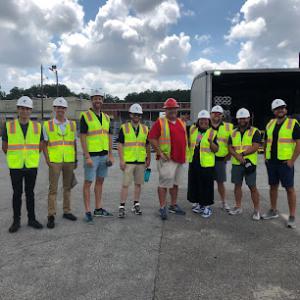
South Shore Roofing
(912) 559-5764 www.southshoreroof.com
719 Robin Hood Dr, Hinesville, Georgia
4.9 from 66 reviews
South Shore Roofing is a local, fully licensed and insured roofing contractor in Hinesville, GA. With a combined experience of more than 50 years in the roofing industry, we have developed a significant local presence, servicing our Hinesville clients with high-quality products, and providing them with premier customer service. We offer both residential and commercial roofing services, roof replacement, roof repair, new roof installations, and deal with all types of roof systems and materials. Additionally, our highly skilled and trained team of professional roofers will conduct free roof inspections and estimates per your request. With personalized treatment for each client, we guarantee customer satisfaction.
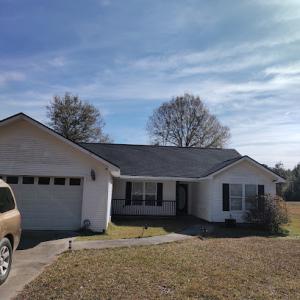
All American Restoration
(912) 271-4729 allamericanrestorationusa.com
908 S Main St, Hinesville, Georgia
4.8 from 48 reviews
Offering top services including roof installation, A/C services, and general construction, we specialize in everything from flooring and drywall installation to plumbing fixture installation and repair. Whether it’s roof repair, storm damage restoration, or sewer line repair, our 24/7 emergency restoration services are designed to address fire & water damage, mold remediation, and flood damage. We handle pipe leak repair, clogged drains, and water heaters, ensuring efficient plumbing maintenance and repairs. Our team excels in structural repairs, odor removal, flooring LVP, painting, tile for residential, commercial, and new construction projects. Trust us for reliable commercial plumbing, mold testing, and water damage rest.
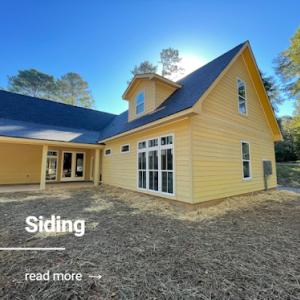
Supreme Roofing & Reconstruction
(470) 573-6405 supremeroofingandreconstruction.com
319 W General Screven Way Suite D2 Office 111, Hinesville, Georgia
4.8 from 45 reviews
When it comes to protecting your home or business, the roof is your first line of defense against the elements. Ensuring that your roof is in optimal condition is essential to maintain the structural integrity of your property and safeguard your investment. If you’re in Hinesville, GA, and in need of a new roof installation, look no further than Supreme Roofing and Reconstruction. We can also help with gutters, roof repairs, roof installation, roof replacements, and other roof-related issues.
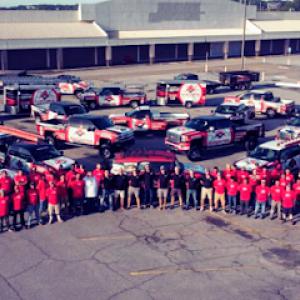
Integrity Roofing Solutions
(877) 676-6373 www.roof-crafters.com
229 W General Screven Way Suite S, Hinesville, Georgia
5.0 from 10 reviews
Our mission is to provide job opportunities for others to thrive, grow, and make a meaningful impact in our communities. We do so by helping guide you through your investment and providing an exceptional roof service experience. Our commitment is to provide you with an exceptional customer experience with the highest quality installations and warranties, at a fair price.
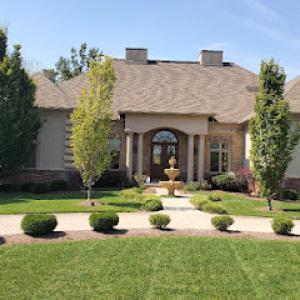
E&L Roofing
(912) 777-9104 eastgeorgiaroofing.com
756 Madison Dr, Hinesville, Georgia
5.0 from 8 reviews
E&L was established in March 2009 through the collaboration of a seasoned roofing production manager and leading insurance recovery specialists. Since then, the E&L team assists homeowners and businesses in Chatham County, Liberty County, Long County, and Bryan County, in repairing storm-damaged roofs, siding, and gutters.
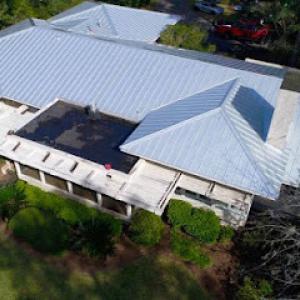
Elite Roofing & Consulting
202 E General Stewart Way, Hinesville, Georgia
3.8 from 10 reviews
Elite Roofing is a locally owned and operated roofing company serving Savannah and the surrounding areas. We are company that is built on trust and customer satisfaction. We stand behind our work 100% and we make customer satisfaction our number one goal. We treat every roof as if it is our own. We use only the highest quality materials and skilled craftsmen in the business. We are proud to offer top-notch roofing services such as residential roof repair, new construction, and commercial roofing.
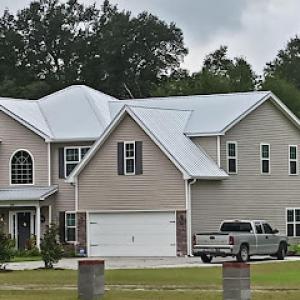
MD Simmons Consulting
Serving
5.0 from 60 reviews
"Was your roof badly damaged during a thunderstorm? Are your roof shingles starting to curl and fall off? MD Simmons Consulting is a roofing contractor that completes residential and commercial roofing projects. If you’re building a new home or need to replace your old roof, we can help. We can tear off your damaged roof and replace it with a new shingle, metal or TPO roof. Hire a roofing company that has the experience necessary to install your roof the right way. "
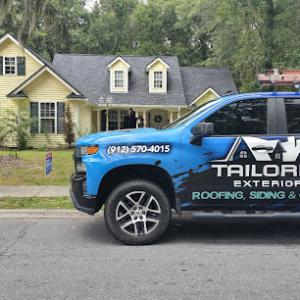
Tailored Exteriors
(912) 570-4015 tailoredroofs.com
Serving
5.0 from 89 reviews
Keeping your roof in great condition is easy with a professional team on the job. Tailored Exteriors provides comprehensive roofing, siding and gutter services in liberty county and the surrounding areas. Call today for a free quote
Ridgeway Roofing
(912) 777-2339 ridgewayroofingco.com
Serving
4.9 from 143 reviews
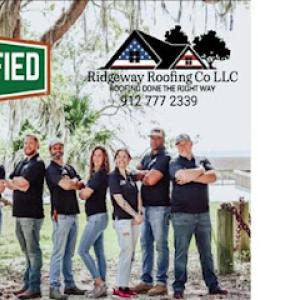
Ridgeway Roofing LLC delivers dependable roofing services as a trusted commercial roofer in Richmond Hill, GA, and a skilled residential roofer. We provide residential roofing and commercial roofing backed by transparent guidance, exceptional workmanship, and a commitment that stands behind every nail. As a veteran-owned, family-run team, we apply discipline and integrity to every project, ensuring protection for years to come. Contact us today to schedule your roofing service.
Allegiance Roofing & Exteriors
(912) 388-1176 www.allegianceroof.com
Serving
5.0 from 150 reviews
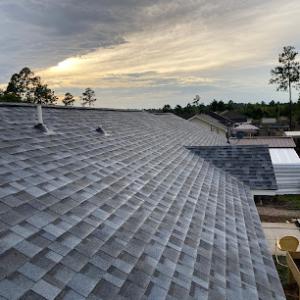
Allegiance Roofing & Exteriors is a locally owned and operating out of Richmond Hill Georgia. We service the entire Georgia coastline, from Brunswick to Savannah and we are even licensed to do business is South Carolina and have worked on several homes and businesses in Bluffton, Beaufort, and Hilton Head Island. Our vision is simple we just want keep a roof over your head. We focus primarily on exterior restoration, replacing your rusty cruddy old roof, siding, or gutters with brand new industry leading products leaving your home leak free and curb appealing. We also give back to our military community by donating to Elder Hearts Mission 22 program, a charitable organization that helps veterans seek treatment for traumatic brain injuries.
DBM Roofing
(912) 454-3694 www.dbmroofing.com
Serving
4.9 from 203 reviews
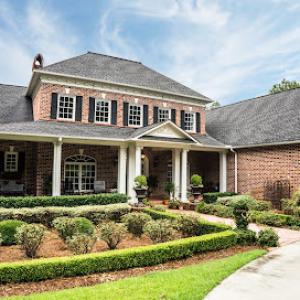
DBM Roofing, located at 518 Edsel Dr, Richmond Hill, GA, is your premier roofing contractor serving Georgia and the South Carolina Low Country. As a GAF Master Elite Certified contractor, we excel in roof replacement, roof repairs, and new roof installation, making us a top roofing company for both residential roofing and commercial roofing needs. Our expertise includes metal roofing and durable shingle options with a variety of styles and colors to fit your taste. Whether you need a roofing contractor near you or tailored commercial solutions like TPO and PVC systems, trust us for unparalleled service and the most inclusive warranties, ensuring your peace of mind and satisfaction.
Gulliver Roofing
(912) 876-4401 gulliverroofing.com
Serving
5.0 from 20 reviews
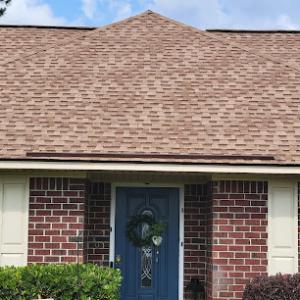
Gulliver Roofing provides expert roof repair and full-service roofing solutions in Hinesville, GA. Our team specializes in residential roofing, managing everything from minor repairs and roof inspections to complete roof replacements. We work with a variety of materials, including asphalt shingles, durable metal roofing, and long-lasting tile options, ensuring every home receives quality protection and enhanced curb appeal. Serving Hinesville and surrounding communities, we focus on delivering personalized solutions that fit each homeowner’s needs. Contact us today to schedule a professional roof inspection or repair and experience the difference of working with a trusted roofing company.
In Hinesville and Liberty County, a building permit is generally required for a full roof replacement. Begin with a permit application through the local building department, and have your contractor submit roof specs, ventilation details, and material selections for review. The process is designed to ensure projects align with wind resilience standards and local storm-safety requirements. Plan reviews may take a little time, so start early to avoid delays during hurricane-season windows. Once approved, the permit stays with the project and must be visible on the job site until completion.
The local department treats roof replacement as a controlled project with inspections at rough-in and final. Rough-in inspections verify that structural components, underlayment orientation, fastener patterns, and ventilation paths meet code before the new roof deck is fully concealed. The final inspection confirms all work complies with current codes and the project matches the approved plans. Scheduling both inspections promptly helps keep the project on track and minimizes interruptions from weather, which matters in a climate that faces seasonal wind and humidity.
Inspectors specifically verify proper attic ventilation and intake/exhaust balance, the type and installation of underlayment, and accessible attic entry for future maintenance. Tear-off disposal is reviewed to ensure waste is managed safely and keeps the site clean, especially in breezy conditions that can complicate debris control. Overall code compliance, including nailing patterns, flashing details, and wind-resistance provisions, is checked. If any item fails, expect a clear path for correction with a defined timeframe to re-inspect and move toward final approval.
Hinesville sits in a southeast Georgia insurance environment where coastal winds and hail create intermittent roof-claim activity. Hurricanes and summer lightning keep adjusters busy at times, and that means your roof's age, condition, and ventilation details may come under sharper scrutiny when a claim surfaces. The seasonality of storms can push claim timing to moments when your roof has already endured several years of wear, so understanding how the weather pattern affects damage is essential for a fair assessment.
Some carriers have tightened underwriting in high-wind areas affecting this region, which can influence material choice, roof age acceptability, and documentation requirements. If your roof is older or uses wind-sensitive fastenings, you may encounter stricter review during renewal or after a loss. Being prepared with a concise maintenance log, recent photos, and a clear record of past repairs helps insurers see the roof's true performance under stress rather than guessing from a single event.
When a loss is filed in the Hinesville area, homeowners should expect insurers to want prompt adjuster coordination, photo documentation, and in some cases professional roof certifications after replacement. Coordinating promptly with the adjuster reduces back-and-forth delays. Photos should document the entire roof surface, any interior damage, and the surrounding area. If a professional certification is requested, arrange for a licensed roofer to verify installation quality, underlayment, and ventilation improvements that support long-term storm readiness.
In hurricane-season risk zones, replacing a roof during a lull can speed claim processing and reduce exposure to weather delays. When planning, talk with the contractor about wind-resistance upgrades-stronger fasteners, double underlayment, and proper ventilation-as these details matter for long-term performance and may affect how a claim is reviewed after replacement.
Before storms, inspect for loose shingles, lifted edges, clogged gutters, and flashing around pipes. After a storm, prioritize safety and take timestamped photos of any new damage, especially along hips and valleys. This helps separate pre-existing wear from wind damage and keeps the claim review focused for clarity.