
Last updated: Apr 19, 2026
Bluffton sits in the South Carolina Lowcountry where heavy summer storms and hurricane season create recurring wind-driven roof damage concerns. The mix of salt-influenced coastal air, blazing heat, and soaking rains means every storm edge can lift shingles, loosen flashing, or drive water into vulnerable seams. When a storm is rolling in or has just passed, the clock starts ticking on moisture intrusion. The faster you act, the less interior damage you'll fight later.
After a windy blow or a heavy rain, look for lifted shingles, cracked sealants, torn gutters, and flashing gaps along chimneys and vents. In the humid climate, even small openings can turn into big problems quickly-condensation indoors, musty smells, and discoloration on ceilings. If you notice any wet spots, peeling paint, or blistering paint inside the attic or upper walls, treat it as a red flag. Do not hesitate to locate a tarp or temporary cover and secure it over the affected area to slow water entry until a professional can assess. Delays invite mold growth and hidden structural deterioration that will complicate later repairs.
First, document with photos the exterior damage: damaged shingles, lifted drip edge, missing or misaligned flashing, and any roof-to-wall joints that look stressed. Then, manage the interior risk: place buckets under active leaks, lay down towels in damp spots, and ensure electrical panels and outlets stay dry. If you have attic access, inspect for signs of moisture or penetrating daylight and mark the spots. Contact a local storm-response contractor who handles emergency repairs and insurance documentation; they are tuned to this climate and the typical post-storm needs here. The goal is to create a temporary shield that minimizes further water intrusion while a plan with your insurer is formed.
A dependable team will arrive with tarps, temporary flashing, and fast-response tools tailored for storm damage. They will seal the most vulnerable areas without delaying a full assessment, preserving your interior spaces from rain and humidity. In this environment, a prioritization of roof-to-wall transitions, chimney flashing, and vent penetrations is common, because those spots are the most prone to leaks during heavy downpours. Expect a clear written scope that differentiates temporary fixes from more permanent repairs, along with realistic timelines so you know when additional work is scheduled.
Black-and-white documentation matters here. Photograph everything-before-and-after shots of the exterior damage, interior leak paths, attic moisture, and visible mold risk. Keep a dated log of each weather event, each contact with the contractor, and every assessment note. When you file, your claim should reflect the storm-driven cause, the resulting interior exposure, and the urgency of preventing further damage. Your insurer will want to see a professional assessment outlining temporary progress and a plan for permanent restoration. Having a local contractor who understands Bluffton's wind patterns, rainfall, and coastal air improves the odds of a smooth claim process and timely funding for repairs.
Once the initial emergency tarping is settled, you'll want a prioritized repair plan that addresses the most critical leak paths first-often around penetrations, valleys, and damaged roof edges. After that, the focus shifts to restoring waterproofing with properly installed flashing, underlayment, and a suitable roofing material for Bluffton's climate. A steady hand on this schedule minimizes second-round leaks and reduces long-term exposure to humidity. In the meantime, maintain regular checks for any shifting tarps or exposed roof deck, especially after new storms, and keep a quick-access contact list for your insurer and your chosen storm-response contractor.
If interior staining expands, or if multiple roof sections show movement or unexpected noise during wind, you should secure a full-roof evaluation. Bluffton's housing stock-ranch or two-story, with varied eave lines and numerous penetrations-demands a seasoned eye to map every potential weak point. A thorough assessment will determine whether temporary fixes suffice or if a fuller replacement plan is warranted, always guided by the current storm history and the house's exposure to salt-saturated air. Acting decisively now saves you from more extensive damage tomorrow.
Salt-laden coastal air speeds up corrosion on exposed metal roof components and fasteners. That means flashing and connectors matter more here than in drier inland climates. In Bluffton's humidity-heavy months, tiny rust spots can migrate, weakening sealants and creating leak pathways where a wind-driven rain can sneak in behind the edge of the roof. The takeaway is simple: choose metal details and fasteners with a proven coastal-grade coating, and inspect flashing where it meets walls, chimneys, and vent pipes at least twice a year. If flashing shows discoloration, pitting, or looseness, address it promptly before a surge of rain forces a larger repair.
Hot, humid summers shorten roof life when ventilation, underlayment condition, and routine maintenance are neglected. In Bluffton, attic ventilation isn't optional; it preserves shingle performance, slows heat buildup, and protects underlayment from accelerated breakdown. If attic spaces feel muggy or have stagnant air, air changes need improvement. Underlayment that remains damp or compressed loses its waterproofing capability over time, inviting hidden leaks that only show up after a heavy rain. Regular checks of soffit vents, ridge vents, and any gable-end openings help you maintain a cooler, drier roof deck and extend the effective life of shingles and other surface materials.
Wood-based roofing such as cedar shakes faces added degradation pressure in this coastal-humid environment, which helps explain why cedar-shake specialization is rare in the local market. Cedar reacts to salt spray and high humidity with faster aging, color changes, and potential fungal growth if ventilation and drying are inadequate. If cedar is installed, expect more meticulous maintenance: proactive cleaning of surface mildew, timely replacement of any split or warped shingles, and attention to fastener corrosion at exposed edges. Alternatives that perform well here-without pretending to be universal solutions-often provide better reliability in the salt air, especially when maintenance routines are inconsistent or long gaps occur between inspections.
Explore specialists in steel, aluminum, and standing seam metal roofs built to last 50 years or more.
Lowcountry Roof Repairs
(843) 258-2716 lowcountryroofrepair.com
193 Burnt Church Rd, Bluffton, South Carolina
4.9 from 69 reviews
Tillotson Roofing Solutions
(843) 252-1674 blufftonroofer.com
Palmetto Way, Bluffton, South Carolina
5.0 from 11 reviews
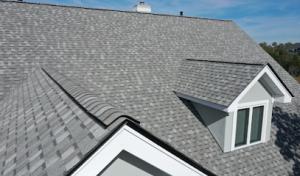
Bluffton's housing stock shows a real mix: asphalt shingles, metal roofing, clay tile, synthetic/composite shingles, slate, and cedar shakes. This isn't a one-material market, so choosing a roof type isn't about finding a single best option. It's about identifying which materials perform best under coastal wind exposure, high humidity, and salt-air corrosion, while still meeting the Lowcountry aesthetic that neighbors expect. Asphalt remains common because its price and ease of repair align with many Bluffton neighborhoods, but performance in hurricane-season wind, while not absolute, should steer a careful buyer toward well-sealed, wind-rated installations.
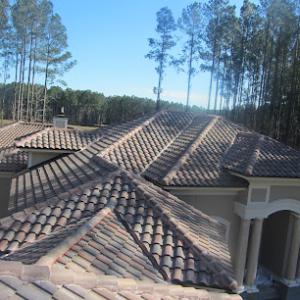
Coastal wind and salt air push every roof toward two shared priorities: fast, robust fastening and a finish that resists corrosion. Metal roofing shines here because of its wind performance and longevity; modern panels and proper edge detailing can handle Bluffton's gusts more consistently than some lighter options. Clay tile, with its weight and interlocking profile, can perform exceptionally in wind when correctly installed, but it demands a solid roof deck and professional alignment to avoid lift in heavy blowouts. Synthetic/composite shingles often strike a balance, offering wind resistance close to asphalt with improved impact tolerance. Slate and cedar shakes deliver traditional curb appeal but bring maintenance considerations in a windy, humid climate-slate is durable but brittle under impact, while cedar needs regular treatment to resist moisture and rot.
High humidity accelerates wear on organic or porous surfaces. Cedar shakes are lush in appearance and can weather gracefully when properly sealed and kept dry, but they incur ongoing maintenance to prevent rot and salt-induced decay. Slate, while iconic, can crack with hail or shifting deck conditions and requires professional repair if chips or fractures occur. Clay tile handles moisture well and can be very long-lasting, yet its weight and expansion-contraction cycle demand solid framing and careful workmanship. Metal roofing resists corrosion better when coatings are chosen for salt exposure, but edge flashings, fasteners, and penetrations must be corrosion-resistant to preserve performance over decades.
Homeowners often weigh appearance against performance since Lowcountry architecture favors broad, low-slope lines, barrel tile-inspired curves, and natural textures. Asphalt shingles can mimic some traditional profiles while keeping a pragmatic maintenance profile. Metal roofs offer clean lines and modern contrast that still nods to coastal design when finished in muted, weathered tones. Clay and synthetic tiles provide that classic, sun-washed elegance with a strong, horizontal rhythm that suits Bluffton's larger lot scales. Cedar shakes deliver texture and warmth, pairing beautifully with live oaks and palm-filled vistas for a quintessential Lowcountry look. Slate remains a statement option for upscale homes with careful detailing.
When evaluating options, prioritize a roof with proven wind performance in your line, installed by crews familiar with Bluffton's coastal climate. Ask about deck preparation, underlayment quality, and fastener systems rated for hurricane-season conditions. Consider maintenance plans that address humidity-driven mold and mildew, salt spray buildup, and routine inspections after heavy storms. Finally, align your choice with the house's architectural language so that function and curb appeal advance together, rather than competing for attention in a single Bluffton spectrum.

South Shore Roofing
(843) 806-0304 www.southshoreroof.com
797 Cattle Run Way #31, Bluffton, South Carolina
4.9 from 132 reviews
Whether you need residential or commercial roofing service in Bluffton, SC, South Shore Roofing is your #1 choice. Call us anytime and we will provide you with the best quality work on your roof, whether it is roof repair, roof replacement, or new roof installation. We are fully licensed and insured and offer comprehensive warranties and coverage for our work. Clients are always our number one priority and our work is never done until they are completely satisfied.

JP Contractors - Roofing of All Types
(843) 290-4753 www.jpcontractorsroofing.com
7 Lost Hollow Ln, Bluffton, South Carolina
5.0 from 79 reviews
JP Contractors INC is a family owned and operated roofing company located in the low country of South Carolina with 30+ years of experience! We specialize in roofing of all types ranging from residential to commercial roofs. Feel free to give us a call or visit our website to view our gallery.
Lowcountry Roof Repairs
(843) 258-2716 lowcountryroofrepair.com
193 Burnt Church Rd, Bluffton, South Carolina
4.9 from 69 reviews
Lowcountry Roof Repairs is a locally owned and operated with over 35years experience in roofing insulation and Roofing Repairs. We offer free estimates and written warranties. We offer 24hr Emergency services 7 days a week. Lowcountry Roof Repairs specialize all types of roof repairs from Shingles, PVC, TPO, Wood Shake, Metal,Tourch Down, Built Up, Slate,Tile, and much more. We also offer Flashing Repairs, Skylight Repairs, Chimney Repairs, Fascia and Sub-Fascia Repairs, Carpentry Work, Replace Wood Rot, Stucco Repairs, Gutter Repairs and Gutter Covers, Power and Soft washing, leaf debris, Roof Inspection, Painting, thorough job clean up and much much More.
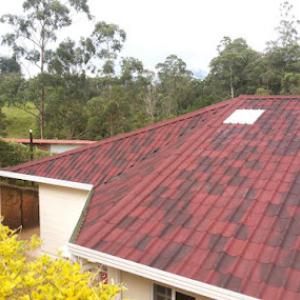
Safe Plus Roofing Bluffton
(843) 212-1587 safeplusroofing.com
394 Gardners Cir, Bluffton, South Carolina
5.0 from 33 reviews
Safe Plus Roofing Bluffton is a premier roof replacement and roofing repair contractor located in Bluffton, SC. As your go-to roofing company, we have the necessary tools and equipment along with the proper know-how, to keep your home safe & dry all year round. Each of our roofers specialize in all types of roofing projects from commercial to residential in order to meet your house's every need. No one likes an emergency, so we offer prompt service. We also provide complimentary roof inspections to guarantee your roof is working at its optimal level. Our top priority is to make our customers happy. With Safe Plus Roofing Bluffton, you can rest assured knowing that we are here to keep comfortable in the heat and dry through the storms.
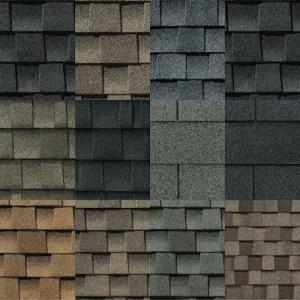
Integrity Roofing Solutions
(877) 676-6373 www.roof-crafters.com
77 Grovewood Dr, Bluffton, South Carolina
4.7 from 101 reviews
Our mission is to provide job opportunities for others to thrive, grow, and make a meaningful impact in our communities. We do so by helping guide you through your investment and providing an exceptional roof service experience. Our commitment is to provide you an exceptional customer experience with the highest quality installations and warranties, at a fair price.
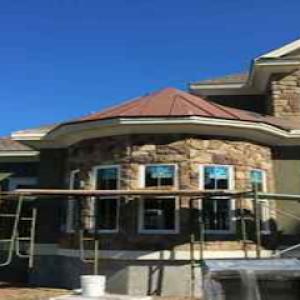
M & S Roofing Company
(843) 757-6180 www.msroofingcompany.com
124 Bluffton Rd, Bluffton, South Carolina
4.9 from 28 reviews
Welcome to M & S Roofing! We count on a team of expert roofers to take on all of our customers’ projects and plans. We work with honesty and respect to deliver the quality customer service and results you deserve.
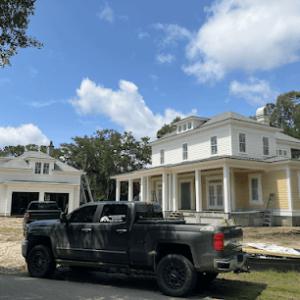
Tillotson Roofing Solutions
(843) 252-1674 blufftonroofer.com
Palmetto Way, Bluffton, South Carolina
5.0 from 11 reviews
Tillotson Roofing is a professional roofing company in Bluffton, SC, offering high-quality roof replacement, roof repair, maintenance, and shingle repair. We specialize in residential asphalt, metal, and tile roofing, flat roof systems, and full-service commercial roofing. As a trusted roofing company in Bluffton, SC, our team serves Bluffton, Hilton Head Island, Beaufort, and the surrounding Lowcountry areas with dependable, high-quality roofing services. Whether it's minor damage or a complete roof replacement, we deliver expert workmanship and prompt, reliable service. Contact us today to schedule your free estimate and discover why property owners throughout the region trust Tillotson Roofing as their roofing company in Bluffton.
D2R Builders LLC Lowcountry
(843) 612-1997 d2rbuildersllc.com
20 Towne Dr, Bluffton, South Carolina
5.0 from 7 reviews
D2R Builders specializes in roofing and siding repair and replacement, providing top-quality services to ensure your home’s exterior is both durable and visually appealing. Our licensed and insured team delivers expert craftsmanship, whether you need a minor repair or a full replacement. We also offer free roof inspections to assess any damage and provide tailored solutions. With a focus on exceptional customer service, D2R Builders is dedicated to keeping your home protected and looking its best. Contact us today to schedule your free inspection
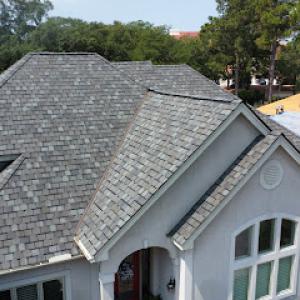
Voted # 1 Adda Roofing
211 Goethe Rd, Bluffton, South Carolina
5.0 from 4 reviews
Adda roofing services will always work in your best interest, utilizing top quality materials, state-of-the-art techniques and equipment, comprehensive insurance programs and the most experienced and skilled craftsmen in the industry.
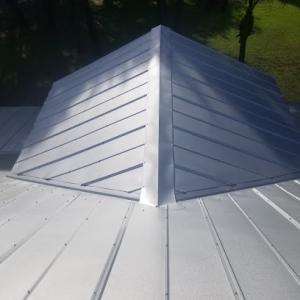
BC Roofing Service
11 Ashbourne Ct, Bluffton, South Carolina
5.0 from 2 reviews
Whether it’s time for a new roof, roof repairs, or roofing on a custom-built home, you can rest assured BC Services are the roofers for the LowCountry
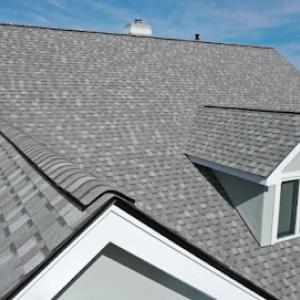
Polar Roofing
(843) 227-0062 www.polarroofingllcsc.com
Serving
5.0 from 20 reviews
Our company specializes in providing top-quality roofing services for residential and commercial properties. Our team of experienced professionals is dedicated to delivering exceptional results and ensuring customer satisfaction. From new roof installations to repairs and maintenance, we have got you covered.
Roofing & Wood Repairs
34 Brunson St, Bluffton, South Carolina
5.0 from 1 review
Roofing and Wood Repairs is a company that aims to serve all of your needs as best as possible. We are experienced professionals dedicated to providing our clients with quality service at competitive prices. We are passionate about what we do and always go above and beyond to ensure you get the best results. Each project is tailored to the unique needs of the client, so you can be certain you’ll be getting a product that is perfect for you. If you’re ready to work with the best, call us today!
Provided local cost ranges run from 320 to 650 USD per square for asphalt shingles, 700 to 1200 for metal, 900 to 1800 for clay tile, 420 to 900 for synthetic/composite, 1200 to 2500 for slate, and 640 to 1250 for cedar shakes. In practice, choices here hinge on resisting the Lowcountry heat and humidity, as well as salt-laced coastal air. A basic asphalt replacement on a standard two-story Bluffton home typically lands in the low-to-mid range, while metal or clay tile will push costs higher but offer longer life and better wind performance. Synthetic or composite shingles sit between asphalt and higher-end options, often delivering a good balance of durability and cost. Cedar shakes and slate tend to be the premium routes, especially on homes with style that calls for a natural look or extreme wind resistance.
In Bluffton, costs can rise after major coastal storms when demand surges for emergency repairs and full re-roofing across Beaufort County. The price spike can show up in hauling, disposal, and expedited material delivery, as crews and suppliers scramble to restore roofs quickly after high winds and heavy rain. If a storm creates urgent needs, expect some premium to cover expedited scheduling, on-site safety measures, and temporary protective work to prevent further damage. Planning ahead for a storm season window can help you lock in material and labor pricing before demand spikes.
Corrosion-resistant accessories, upgraded flashing, and wind-oriented installation details can add cost in this coastal market compared with inland South Carolina jobs. In Bluffton, salt exposure and higher wind speeds mean flashing upgrades (stainless or primarily galvanized metals), reinforced ridge and hip caps, and additional nailing patterns for wind uplift resistance. Expect to pay more for underlayment with superior moisture resistance and fasteners designed for coastal salt conditions. If your home uses a roof pitch or history of leaks at penetrations, budgeting for extra sealants, vents, and boot replacements is prudent.
Choosing a roof means balancing upfront cost with long-term performance. Asphalt shingles keep initial cost predictable but may require more frequent replacement in harsh coastal seasons. Metal roofs resist wind and salt better and can justify higher upfront costs with longevity and reduced maintenance. Clay tile offers superior longevity and heat resistance but adds weight and installation complexity. Synthetic/composite shingles provide improved durability over standard asphalt without the price leap of tile or slate. Slate and cedar shakes are desirable for beauty and resilience but carry the highest price tag and specialized installation needs. Consider local roof geometry, attic ventilation, and long-term goals when selecting a material to optimize both performance and resale value.
Get a clear picture of your project costs upfront - no commitment required.
Lowcountry Roof Repairs
(843) 258-2716 lowcountryroofrepair.com
193 Burnt Church Rd, Bluffton, South Carolina
4.9 from 69 reviews
Tillotson Roofing Solutions
(843) 252-1674 blufftonroofer.com
Palmetto Way, Bluffton, South Carolina
5.0 from 11 reviews
A full roof replacement in Bluffton typically requires a permit handled through the Beaufort County Building Department or the Town of Bluffton when applicable. The local landscape features overlapping county and municipal authorities, so that means you must confirm which office has jurisdiction before scheduling any work. If the project is tied to a specific lot or subdivision, check with your HOA as well, since some associations require their own review or additional wind-resistance standards. Before you hire a contractor, pull the permit desk contact information and outline which agency will issue the permit in your case. Missing the right office can delay permits, rain out scheduling, and complicate post-storm repairs when hurricane-season damage occurs.
Inspections in this area aren't just a final ground-level glance. Typical local inspections occur during and after installation to verify nailing, underlayment, flashing, and final completion rather than only checking the finished roof from the ground. A field inspector will walk the roof edge-to-edge, often using a ladder or roof hatch to spot fastener patterns, underlayment overlaps, and proper flashing around chimneys, vents, and valleys. In coastal, humid climates, inspectors pay particular attention to how the ridge ventilation and condensation controls are installed, since moisture management and attic airflow directly impact long-term performance. Expect at least one mid-project inspection to verify compliance with wind-rated components and any local amendments for hurricane-season readiness.
Because Bluffton sits within overlapping county and municipal jurisdiction patterns, you need to confirm which office has authority before scheduling work. Reach out early to the correct permit office to obtain application forms, required plan check evidence, and any weather-related holdbacks tied to hurricane season. A licensed contractor should submit the plan set, confirm the installation method meets Beaufort County or Town of Bluffton wind-resistance requirements, and coordinate inspection dates with you. Keep a detailed log of inspection notices and re-inspection fees, and store all permit numbers and official approvals with your roof project records. In storm-prone months, plan for potential scheduling delays and ensure temporary protections-like tarping-are in place if a storm threat looms while a permit is in process.
Bluffton sits in a wind-rich coastal belt where a squall can become a claim. After major storms, insurers serving coastal South Carolina may tighten underwriting and ask for documentation, photos, and proof that roofing materials meet wind-resistance expectations. Properties with faded granules, lifted shingles, or corroded flashings draw closer inspection and heavier scrutiny. Having solid evidence helps prevent delays that complicate quick repairs and recovery.
In the wake of a blow from a hurricane-season gust, a homeowner's photo sequence matters. Capture roof condition before and after, close-ups of fasteners, flashing, hips, and ridges, and the overall roof line. Records, contractor estimates, and material specs support the narrative. A dated maintenance history, including recent reseals or vent replacements, makes the claim file more credible and reduces back-and-forth with adjusters.
Use a consistent photo routine. A timeline with dates helps adjusters see progression and verify that a repair plan aligns with wind-resistance expectations. Store images in cloud backup and keep copies of mobile shots that show interior leaks or attic humidity. The goal is to prove both the storm impact and the readiness of the roof to withstand future events.
Adjusters in this market often rely on contractor estimates and public records, so you benefit from keeping permit records, dated photos, and maintenance history. Be prepared to present a concise narrative that ties observed damage to wind patterns and storm timing. Clear communication reduces guesswork and accelerates the path to a fair resolution.
Coastal humidity and salt airflow can accelerate corrosion and hidden leaks. After a storm, perform a quick exterior check for lifted tabs and bent drip edges, then document interior signs like dark spots and musty odors. Quick tarp placement and temporary containment can reduce further damage while awaiting an adjuster.
Connect with contractors who help homeowners navigate the claims process from damage assessment to final approval.

JP Contractors - Roofing of All Types
(843) 290-4753 www.jpcontractorsroofing.com
7 Lost Hollow Ln, Bluffton, South Carolina
5.0 from 79 reviews
Safe Plus Roofing Bluffton
(843) 212-1587 safeplusroofing.com
394 Gardners Cir, Bluffton, South Carolina
5.0 from 33 reviews
Integrity Roofing Solutions
(877) 676-6373 www.roof-crafters.com
77 Grovewood Dr, Bluffton, South Carolina
4.7 from 101 reviews
Replacement windows are typically drier in spring and fall, making those seasons more favorable for planned tear-offs and installations. If you're eyeing a full roof change, aim for those windows when inland humidity eases up and rainfall is less aggressive between storms. Scheduling during these steadier periods helps crews move efficiently, minimize moisture exposure, and reduce the risk of shingle damage from sudden downpours.
High summer heat and humidity can affect shingle performance and installation conditions, so scheduling and material handling matter more in Bluffton summers. On hot days, shingle adhesion and nail setting behave differently, and vents or underlayment can overheat if left exposed. Plan early-day work when temperatures are manageable, and make sure crews have shaded staging areas and plenty of water to keep materials within spec.
Fall and spring heavy rains can expose weaknesses in aging roofs even outside peak hurricane periods, which often turns maintenance issues into active leak calls. If your roof shows shingles cupping, curling, or missing granules after a stormy season, assess quickly. Consider replacements when the roof shows consistent moisture intrusion or persistent leaks that resist temporary tarps and patches.
If you're torn between options, align tear-offs with the drier parts of the shoulder seasons, and avoid peak heat weeks when possible. Factor into the plan the proximity of coastal squalls and the likelihood of sudden storms that can disrupt a long installation. A well-timed replacement minimizes wind exposure on exposed edges and reduces the chance of weather-related setbacks mid-project.
Flat and low-slope roofs are a meaningful part of Bluffton's housing mix, and this market clearly prioritizes drainage and membrane-focused work over simple steep-slope shingle fixes. In the humid Lowcountry climate, even a small standing water issue can lead to accelerated wear on underlayment and flashings. When you inspect a flat or low-slope section, look for pooling after a rain, blisters in membrane sheets, and any membrane edges that appear lifted or cracked. Pay special attention to transitions where the roof meets parapets, walls, and HVAC curbs; these are common failure points after heavy rain or hurricane-season wind. If anything looks questionable, address it sooner rather than later, because delayed attention compounds the risk of interior moisture intrusion and mold.
Skylight repair is a recurring local specialty, aligning with leak vulnerability at penetrations during wind-driven rain events typical of the Lowcountry. The combination of salty air and gusty fronts can corrode flashing, sealant, and fasteners around skylights faster than you expect. When a leak appears near a skylight, don't treat it as only a ceiling issue-check the flashing ring, sealant joints, and the surrounding roof deck for signs of deterioration. In wind events, edges of skylight units are particularly prone to lift and micro-tears. A careful, methodical resealing or flashing upgrade, matched to the skylight type and age, can stop recurring leaks before damage spreads across the ceiling or into attic spaces.
In Bluffton's humid climate, low-slope ponding and poorly flashed penetrations can escalate from nuisance leaks to interior moisture problems much faster than inland markets. The combination of heat, humidity, and frequent rain means long-term water exposure can yield hidden mold, warped sheathing, or compromised insulation. Regular proactive checks after heavy rainstorms or hurricane-season events help catch issues early. If a leak is suspected near the roof, treat it with urgency: trace the path of water from the interior leak back toward the roof line, and inspect likely problem spots first-around skylights, vent boots, and along low-slope seams. Early, targeted repairs save more trouble down the road.
Find specialists in TPO, EPDM, and built-up flat roofing systems for residential and commercial properties.
Lowcountry Roof Repairs
(843) 258-2716 lowcountryroofrepair.com
193 Burnt Church Rd, Bluffton, South Carolina
4.9 from 69 reviews
Integrity Roofing Solutions
(877) 676-6373 www.roof-crafters.com
77 Grovewood Dr, Bluffton, South Carolina
4.7 from 101 reviews
Tillotson Roofing Solutions
(843) 252-1674 blufftonroofer.com
Palmetto Way, Bluffton, South Carolina
5.0 from 11 reviews
In a coastal market like Bluffton, the value of a roof warranty hinges on whether corrosion-prone accessories, flashing details, and wind-oriented installation practices were included from the start. Look beyond the label and ask specifically about how coastal salt air, high humidity, and hurricane-season wind exposure are accounted for in the warranty scope. A bond that ignores these local factors can leave you with gaps when salt corroded metal or wind-driven leaks appear.
Local contractor signals show warranty-offered firms are present but not universal, so homeowners should not assume every roofer provides the same manufacturer-backed protections. Favor manufacturers and installers who document enhanced corrosion resistance, impact-rated components, and explicit wind-resistance testing for Bluffton's exposures. Verify whether flashing of valleys, step-flashing at chimneys, and roof-to-wall transitions carries the same warranty coverage as the shingles or panels themselves. If possible, obtain written confirmation that coastal-grade sealants, fasteners, and underlayment are included in the warranty terms.
Because insurers and future buyers may look for documentation after storms, keeping warranty paperwork alongside permit and inspection records is especially useful in Bluffton. Create a centralized file that includes the manufacturer warranty, installer warranty, product data sheets, and any service records. Note any storm-related workmanship claims and the dates of repairs, plus who performed them. When talking with an insurer or a prospective buyer, show that the warranty was reviewed for coastal-specific concerns and that installation followed wind-rated guidelines. This prep helps streamline claim processes and strengthens confidence in the roof's long-term performance under Bluffton's humid, salt-laden climate.