
Last updated: Apr 19, 2026
Beaufort sits on the South Carolina coast where late-summer tropical systems and coastal storms bring the combination of wind-driven rain and uplift that most often turns small roof weaknesses into interior leaks. The salt air accelerates corrosion on metal flashings and fasteners, while coastal thunderstorms batter exposed seams and joints. This isn't a quarterly maintenance issue-it's a hurricane-season stress test. Your roof must tolerate unpredictable wind bursts, shifting rain, and the sea's persistent dampness, especially on roofs that blend historic designs with modern retrofit needs.
During the calm weeks before hurricane season, map every potential water entry point on the roof: broken shingles, lifted edges, cracked sealant around vents, and flashing at chimneys or dormers. In Beaufort, tarping and emergency dry-in demand surge quickly once a storm warning hits, so pre-positioned tarps, fasteners, and a dry-in kit become part of the home's readiness plan. When a storm window opens, your first goal is to preserve the deck and attic: secure loose components, reseal penetrations with exterior-grade sealant, and verify that fascia and soffit closures won't catch wind-driven debris. This is not cosmetic work; it's about keeping wind-driven rain from finding interior channels.
Because Beaufort roofs are exposed to both strong winds and frequent coastal thunderstorms, homeowners here need roof systems evaluated for attachment details and water-entry points, not just surface shingle appearance. Focus on effective wind uplift resistance: verify that underlayment transitions are continuous, that roof deck fasteners are appropriate for the deck material, and that edge restraints keep shingles from peeling in gusts. Flashings around vents, skylights, and chimneys must be continuous, corrosion-resistant, and secured with sealants compatible with salt spray. Pay special attention to valleys and transition zones where moisture can pool and then surge during a downpour. If flashing shows any pinholes, corrosion, or detachment, treat it as an urgent priority.
Beaufort's historic housing stock often sits on age-worthy roofs with architectural complexity. In these systems, even small gaps can become big leaks under hurricane wind and rain. Choose flashing and sealants that respect the roof's character while delivering first-rate water sealing. Where metal details exist, inspect for corrosion, loose fasteners, and gaps at seams. Where clay or concrete tiles are used on period homes, ensure batten and underlayment align to modern standards without compromising the structure's historic look. The goal is a secure, continuous envelope that remains faithful to the design while meeting today's storm demands.
Create a semiannual inspection plan that targets pre-season (late spring) and post-storm readiness checks. After a major coastal thunderstorm, perform a rapid appraisal focusing on fasteners, sealants, and flashings-these are the failure points that translate into interior leaks quickly. In the off-season, verify that attic ventilation supports a dry roof deck; stagnant humidity invites rot and mold, which weakens the deck and invites further moisture intrusion. Maintain a documented checklist you can reference during urgent storm-response windows so you don't scramble blindly when wind speeds climb.
If your inspection finds lifted shingles, degraded sealants, corroded flashings, or any sign of water intrusion, treat it as a priority repair. On roofs with historic features, communicate clearly with contractors about preserving the aesthetic while upgrading the structural details for wind uplift. In Beaufort, readiness means not just looking good from the curb, but ensuring every seam, joint, and edge can resist the next tropical event. When a storm warning sounds, you want a roof that can shed rain quickly, seal out wind-driven moisture, and keep the interior dry despite outside chaos.

South Shore Roofing
(843) 941-5275 www.southshoreroof.com
1008 Charles St, Beaufort, South Carolina
4.9 from 94 reviews
South Shore Roofing is a leading roofing company in Beaufort SC, providing our locals with full and high-quality roofing services. Whether you need residential or commercial roofing services, don’t hesitate to call us today! We will take care of all your needs and make sure you are completely satisfied with your roofing project. Our customer service is unrivaled in Beaufort and the quality of our work unsurpassed. South Shore Roofing is a local roofing company that puts great emphasis on values and trust. Our clients are at the very center of our business, and our main goal is their satisfaction. Our professionalism, as well as our open and friendly approach, are unrivaled, and our clients receive the best customer experience.

Harper Roofing Company of Beaufort
(843) 631-3496 harperroofingbeaufort.com
924 Belleview Cir W, Beaufort, South Carolina
5.0 from 57 reviews
Established in 2009, Harper Roofing Company of Beaufort serves the Beaufort, Bluffton, and Hilton Head Island area with top-quality roofing solutions. They take pride in using high-quality materials and delivering exceptional customer service.
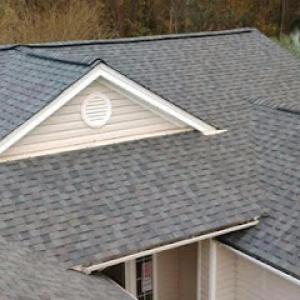
Apex Roofing of the Lowcountry
(843) 757-2739 www.apexroofingtlc.com
Beaufort, SC
5.0 from 62 reviews
Apex Roofing of the Lowcountry is a residential roofing company specializing in all types of residential roofing solutions. Our name is our philosophy. Apex Roofing of the Lowcountry is committed to only the "best of" in roofing materials and craftsmanship. From the time we say hello through completion of your project our service is built around customer convenience and creating a "team like" relationship with our customers.
Integrity Roofing Solutions
(877) 676-6373 www.roof-crafters.com
330 Robert Smalls Pkwy Ste 24, Beaufort, South Carolina
4.9 from 49 reviews
Our mission is to provide job opportunities for others to thrive, grow, and make a meaningful impact in our communities. We do so by helping guide you through your investment and providing an exceptional roof service experience. Our commitment is to provide you an exceptional customer experience with the highest quality installations and warranties, at a fair price.
BC Roofing & Handyman Services
10 Sams Point Way, Beaufort, South Carolina
4.6 from 27 reviews
BC Roofing and HandyMan Services specialize in Shingle and Metal Roofs: New roofs or Small Roof Repairs, Carpentry, interior and exterior repairs, wood rot, kitchen and bath remodels, light plumbing and electrical, doggie doors, window and door replacements and more!
Two Brothers Roofing
(843) 295-0491 www.twobrothersroofingsc.com
14 SC-128 #23, Beaufort, South Carolina
4.3 from 71 reviews
To keep your home safe and your belongings dry, let Two Brothers Roofing be your roofing contractor of choice. With over 18 years of experience in roof repairs, roof replacements, and more, we know how to keep customers happy. Our team has repaired and maintained roofs for commercial and residential clients alike. We can handle roofs of all kinds, including shingle roofs, Spanish tile roofs, flat roofs, and more. And we do it all with superior customer service. Let us know if you need a roofing expert, and we'll be there. Contact our roofing contractor in Beaufort, SC, today!
JW Roofing
(854) 683-0827 www.roofsbyjw.com
Serving
5.0 from 724 reviews
Whether your roof needs repairs after a heavy storm or you're looking to install a new roof, trust the experts at JW Roofing for all your roofing needs. Our friendly and professional team is fully licensed and insured to help you. We work on both commercial and residential roofs, spreading our knowledge and expertise throughout Hilton Head Island, South Carolina and the surrounding areas of Bluffton, Beaufort County, Jasper County, Charleston, down through the Savannah, Georgia area..Our teams use a wide variety of strategies, materials, and techniques to repair and install roofs.
RainTight Roofing
(843) 683-0199 raintight-roofing.com
Serving
5.0 from 44 reviews
Rain Tight Roofing's Owner is a 3rd Generation Roofing Contractor. We have an impeccable track record on Hilton Head Island with references to back it up. "We believe in doing it right the 1st time ! " We are a Local Roofing Contractor on Hilton Head Island and Not a Storm Chaser! Here since 2006 and will be here when the other guys are gone. "Poor quality is remembered long after low prices are forgotten ! " You’ve tried the rest now try the best!!

Hilton Head Roofing Company
(843) 258-8446 www.hiltonheadroofingcompany.com
Serving
5.0 from 35 reviews
Looking for a reliable roofing contractor in Hilton Head, SC? Then Hilton Head Roofing Company is the one you're need. We provide commercial and residential roofs and repairs to meet your unique needs. We have the best equipment and our roofers have decades of experience to be sure that your home stays safe and dry. We offer free roof inspections to ensure that your roof is sustained at optimal levels. Our main priority is to take care of our great clients. Whether you need a new roof or need help picking the right shingles, we are always here to help. We also provide gutter repairs and servicing. You will be able to rest well knowing that Hilton Head Roofing Company is there for you so you to enjoy your house or office year round.

Alliance Roofing
(843) 689-9400 allianceroofingpros.com
Serving
4.9 from 95 reviews
Alliance Roofing has proudly served Hilton Head, Bluffton, Okatie, and the Lowcountry since 1995. As an Owens Corning Platinum Preferred Contractor, we provide expert roof inspections, repairs, and full replacements with trusted craftsmanship and 5-star service. From storm damage to aging shingles, our team delivers solutions that protect your home and give you peace of mind. We also offer professional siding and painting services to refresh your home’s look, enhance curb appeal, and add long-term value. Alliance brings the same dedication and quality that has made us the Lowcountry’s trusted choice for decades.

JP Contractors - Roofing of All Types
(843) 290-4753 www.jpcontractorsroofing.com
Serving
5.0 from 79 reviews
JP Contractors INC is a family owned and operated roofing company located in the low country of South Carolina with 30+ years of experience! We specialize in roofing of all types ranging from residential to commercial roofs. Feel free to give us a call or visit our website to view our gallery.

Monarch Roofing
(843) 491-0544 monarchroofing.biz
Serving
4.9 from 1371 reviews
Monarch Roofing is your trusted expert for residential roofing services, including repairs and installations. Serving the Low Country, including Hilton Head, Bluffton, Beaufort, Savannah, the Carolinas and Georgia. We are committed to delivering the best experience from start to finish. Since 2007, we have built a reputation for excellence, ensuring every roofing project is completed with precision and care. As a GAF Master Elite Contractor, we uphold the highest standards of quality and craftsmanship. From your first call to the final inspection, we prioritize your satisfaction every step of the way. Contact Monarch Roofing today and experience the difference!
Beaufort's hot, humid summers and marine air accelerate wear on exposed metal components, sealants, flashing edges, and fasteners compared with inland South Carolina markets. That salty kiss isn't charming for your roof's hardware. Metal flashings can corrode faster, fasteners can loosen, and sealants lose elasticity sooner when faced with constant salt spray and humidity. The result is more frequent corrosion-driven leaks around edges, around vent pipes, and at roof-to-wall junctions. Practical action focuses on proactive inspection of visible metalwork after storm season and close attention to any staining or small rust halos that appear along flashings. Replacing compromised metal and resealing joints before they fail keeps water out and reduces cascading damage to attic and interior spaces.
Persistent coastal humidity in Beaufort increases the chance that trapped moisture in roof assemblies shows up as decking deterioration, algae staining, or recurring leak complaints after storms. Moisture can linger in attic spaces, between decking layers, or under poor sealant seams, especially where ventilation is uneven. You may notice warped decking, soft spots, or a musty odor after heavy rains. Algae growth on shingles or tiles isn't just cosmetic; it can mask underlying moisture issues and contribute to faster wear by retaining dampness against substrate. Tighten up on ventilation, ensure baffles and soffits aren't blocked, and address any roof-void condensation with a simple, steady airflow that reduces damp pockets. If decking shows any softness or softness progresses after storms, treat it as a warning flag and pursue a targeted evaluation of the roof assembly to prevent deeper rot or structural concerns.
Roofs near waterfront areas and tidal marsh exposure face a harsher corrosion environment than homes farther inland in the county. Salt-laden air, high humidity, and frequent wind-driven moisture create a microclimate where seals and edges face constant assault. Shingles or tiles near the sea can endure accelerated wear at ridges, valleys, and around gutters where spray and splash occur. In practical terms, that means more frequent maintenance checks for round joints, transition points, and debris buildup that traps moisture. It also heightens the importance of choosing materials and protective coatings known for resisting salt corrosion in exposed spots. When storms roll through, secure cracked sealants, reflash vulnerable joints, and consider re-sealing or replacing components sooner rather than later to guard against water intrusion that can undermine the entire roof structure.
Explore specialists in steel, aluminum, and standing seam metal roofs built to last 50 years or more.
BC Roofing & Handyman Services
10 Sams Point Way, Beaufort, South Carolina
4.6 from 27 reviews
Two Brothers Roofing
(843) 295-0491 www.twobrothersroofingsc.com
14 SC-128 #23, Beaufort, South Carolina
4.3 from 71 reviews
Spring arrives with mild days and low humidity, which helps seal in asphalt, metal, or tile layers without the stress of peak summer heat. The shoulder season lets crews work at a steady pace, reducing the risk of heat-related fatigue and product handling issues. Fall follows with comfortable temperatures and a more predictable drying-in window before winter fronts move in. If you're planning a replacement, align the project with these moderate months to minimize weather-related delays and keep the new roof performing as intended from the start.
Hot summer conditions in Beaufort can affect material handling and curing, especially for shingles and coatings that cure or set in hot, direct sun. Schedule critical stages like tear-offs and underlayment installation for cooler parts of the day, such as early morning or late afternoon, and keep shaded staging areas if possible. Afternoon thunderstorms are common and can force short-notice stoppages that complicate dry-in planning. Build in buffer time for weather holds, and consider protective tarps or temporary enclosures during storm clusters to minimize wind-driven debris at exposed roof edges.
Occasional winter fronts and freezes can slow installation even though winters stay generally mild. Freezing mornings can stiffen sealants and complicate fastener driving, while rapid temperature swings may affect material handling. If a winter installation is unavoidable, plan for slightly longer uninterrupted work blocks when daytime temperatures rise above freezing, and stage materials in sheltered areas to prevent moisture buildup or cold-soaked coatings. Keep crews aware of potential wind chill effects that reduce productivity and plan material deliveries accordingly.
Beaufort's historic districts and sea-island neighborhoods often feature roofs with unique profiles and delicate surroundings. When windows of opportunity open in spring or fall, coordinate with existing project inventories to minimize scaffold time and protect surrounding brickwork or masonry accents. In the heat of summer, be mindful of high-wattage attic spaces that can accelerate heat buildup in older homes; consider early insulation checks or venting upgrades as part of the roof replacement plan to reduce long-term moisture and heat stress.
Aim to complete tear-off and dry-in during the mild seasons, then schedule shingle or tile installation for a time when temperatures sit comfortably between 50 and 85 degrees Fahrenheit. Build in contingency days for afternoon storms and potential heat-induced delays, especially for coastal locations where sea breeze patterns shift daily. Finally, communicate with crews about wind-prone afternoons so protective measures-such as securing loose materials and staging-are ready to deploy the moment a storm approaches.
Asphalt shingles remain a common Beaufort choice because they fit a wide range of residential budgets, but coastal wind exposure makes installation quality and edge detailing especially important here. When selecting asphalt, opt for thicker, fiberglass-backed varieties rated for wind uplift and ensure each course is fastened with the correct number of nails per local wind-ratings. Pay attention to hip and ridge cap installation, since proper sealing of edges reduces wind-driven lift along exposed rooflines facing tidal air. Regular maintenance-clearing debris from eaves and ensuring valleys remain clear-helps prevent moisture intrusion in salty coastal mornings. For historic or seaside homes with tighter eave profiles, a seam- and shingle-edge detail that minimizes wind catching is a smart, durable choice.
Metal roofing is a strong fit in Beaufort's storm-prone coastal setting, yet homeowners need to account for marine-environment corrosion resistance and flashing durability near salt air exposure. Coatings matter: choose mills and alloys with corrosion-resistant finishes, and verify that fasteners and intersection flashings are compatible with salt-laden air. Standing-seam metal systems offer clean lines and strong wind performance, but ensure panel edges are sealed and fasteners are properly integrated into the concealed-closure design to reduce air ingress. In areas with dense salt spray or near marsh edges, consider sealants and coatings that maintain flexibility to tolerate thermal movement and hurricane-season winds. Regular inspection of flashing around chimneys, skylights, and dormers pays dividends when wind-driven moisture is a concern.
Clay tile, concrete tile, and synthetic equivalents appear in Beaufort's architectural mix, especially where coastal or historic aesthetics guide the look. Heavier tile systems require careful structural assessment to confirm the roof can bear the load without softening or deflection under heat and wind. If living under a tile canopy near waterfront properties, inspect underlayment compatibility with salt moisture and ensure proper nailing patterns that resist lift in hurricane winds. Tile edges and hip/valley transitions should be detailed to shed moisture quickly, since prolonged exposure to coastal humidity accelerates staining and potential freeze-thaw issues in occasional cool periods. Replacement logistics should account for the weight and inventory of matching profiles to preserve the coastal character.
Wood shakes and shingles offer a coastal, historic look but require careful maintenance against salt air and moisture. Ensure that the wood species chosen handles humidity and resists rot, and verify that fasteners are corrosion-resistant. Edge detailing should resist wind-driven uplift, with secure fastening along rakes and eaves. In shoreline or marsh-adjacent blocks, plan for periodic treatments and resealing to minimize moisture penetration that can lead to cupping or splitting. When replacing shakes in districts with historic preservation requirements, matching grain, texture, and color becomes essential for long-term curb appeal.
Synthetic and composite shingles blend the best of durability and appearance with coastal resilience. The benefit here is a lightweight, wind-friendly profile that can mimic traditional textures while offering enhanced resistance to salt exposure and moisture. Check for UV stability and flexible underlayment compatibility to handle Beaufort's humidity swings. Edge detailing should mirror high-performance installs, especially at transitions and penetrations, to keep moisture out during heavy rain and hurricane events. In settings where historical rhythm is important, synthetic options can closely match the look of more traditional materials while providing easier replacement logistics later on. Regular inspection of seals around vents, skylights, and ridge lines keeps coastal moisture from finding its way into the roof assembly.
Beaufort's nationally recognized historic character means some homes are subject to local historic district or design-review expectations that can affect visible roofing material and appearance choices. When plans call for a replacement, the roof often isn't a simple swap to a modern product. Colors, textures, and profile shapes may be restricted to preserve historical lines and street-scene rhythm. The consequence is that a homeowner may need to align material selections with exterior treatment beyond performance, balancing coastal durability with the town's architectural character.
Older Beaufort homes often have architectural details, rooflines, and penetrations that make replacement more specialized than a standard suburban re-roof. Valleys, dormers, chimneys, skylights, and flat parapets can complicate underlayment, flashing, and ventilation choices. In hurricane-season winds and salty air, improper detailing around chimneys and near the ridge line becomes a vulnerability. A roofing approach that works on a sheet-metal ranch may fail on a steeply pitched historic gable if it doesn't respect the original massing and the way water and wind interact with the roof.
Homeowners in older Beaufort neighborhoods may need to confirm not only building permit requirements but also whether exterior changes trigger additional local review before ordering materials. The timing and scope of that review can influence material availability and lead times, so coordination with a contractor who understands the review process is essential. In practice, this means you may be navigating a two-step path: select a material that satisfies performance needs and architectural constraints, then ensure the plan aligns with the neighborhood's design expectations to avoid delays or later tweaks. This is not about sacrificing resilience, but about safeguarding the neighborhood's distinctive silhouette while still aging gracefully against salt air and wind.
Find contractors experienced in skylight installation, flashing, and leak repairs to bring natural light into your home.

Harper Roofing Company of Beaufort
(843) 631-3496 harperroofingbeaufort.com
924 Belleview Cir W, Beaufort, South Carolina
5.0 from 57 reviews
Apex Roofing of the Lowcountry
(843) 757-2739 www.apexroofingtlc.com
Beaufort, SC
5.0 from 62 reviews
Integrity Roofing Solutions
(877) 676-6373 www.roof-crafters.com
330 Robert Smalls Pkwy Ste 24, Beaufort, South Carolina
4.9 from 49 reviews
For Beaufort-area projects, the local pricing ranges you'll see are approximately $350 to $650 per square for asphalt shingles, $700 to $1200 for metal, $900 to $1700 for clay tile, $800 to $1500 for concrete tile, $750 to $1200 for wood shingles or shakes, and $550 to $900 for synthetic or composite shingles. The field material itself is only part of the picture; shipping coastal materials, dealing with salt spray, and matching historic aesthetics can tilt projects toward the higher end even when the product seems standard. In historic districts or homes with complex rooflines, crews may need custom flashings, corrosion-resistant fasteners, and more detailed underlayment work, which pushes costs up from the low end.
Coastal moisture and hurricane-season wind exposure mean higher quality underlayment, better ridge venting, and enhanced fastener systems are often recommended. These upgrades protect against salt corrosion and uplift, but they add to the bill. After coastal storms, emergency demand, scheduling backlogs, and insurance-related work compete for the same labor pool, so you may see prices creep upward and lead times lengthen.
Historic-area homes with slate-like profiles or very steep, irregular roofs tend to require contractors with specialized experience, which can push totals above the basic material price ranges. If you have integrated coping, coastal accessories, or custom flashing patterns, budget a cushion for additional costs. When storms threaten, expect temporary price shifts, and plan for a broader bidding window to secure a trustworthy crew.
A full re-roof in the City of Beaufort typically requires a permit submitted to the City of Beaufort Building Department for plan review and permit issuance. Before you lift the first shingle, ensure your project scope, roof geometry, material choices, and fastener schedules are clearly documented. In historic districts, the department may request additional details to verify compatibility with existing architecture and dimensional constraints. If your roof line touches a historic feature or a protected accent, be prepared to supply photos or sketches showing how the replacement preserves the character of the structure. Submitting a complete package up front reduces back-and-forth and helps avoid delays once the project moves into actual construction.
Beaufort inspections commonly occur after roof removal and again after final installation, so project timelines need to account for inspection coordination rather than treating replacement as a one-day swap. Plan for access windows that accommodate the inspector, scaffold or ladder setup, and any required safety measures for workers and neighbors. If a latent issue surfaces during removal-such as hidden rot or sheathing damage-the permit may require revised plans and a new inspection cycle. Communicate early with your contractor and the Building Department about anticipated inspection dates, especially during hurricane season when scheduling windows can be tighter and weather-related delays are more likely.
The Beaufort building department may request wind-mitigation documentation, and permit approval can take several business days to a couple of weeks depending on workload. Gather relevant wind-resistance details for the chosen roofing system, including fastening patterns, nailing schedules, and the presence of any hurricane-rated components. If a contractor already prepared wind-mitigation data for a similar project nearby, verify its applicability to your home's construction and age. Because approvals hinge on documentation completeness and current review queues, plan for potential sequenced steps: initial submittal, plan review, any requested revisions, and final permit issuance before ordering materials or beginning removal.
Beaufort's sea-salt air and hurricane-season winds mean insurers scrutinize roof age, condition, and maintenance history more closely than inland markets. A roof that looks aged or shows irregular maintenance can trigger deeper review and higher scrutiny on wind-related claims. If your home sits on a waterfront lot or near tidal creeks, expect an even more careful assessment, since exposure toward the open Atlantic amplifies wind-driven damage scenarios.
In practice, insurers in this market commonly request roof photos, installation records, and post-installation documentation as part of the claim review. Gather before-and-after images, material specifications, underlayment details, and any recent repairs by licensed pros. If you replaced a section after hail or wind events, keep the vendor's report and warranty terms. Post-disaster documentation helps the adjuster verify what existed before the loss and what was done to restore it.
Adjuster site visits are a common part of the process. Be prepared to walk the roof with the adjuster or share access to attic spaces to demonstrate ventilation, decking condition, and moisture signs. Point out latent issues such as fastener corrosion on salt-tinged metal components or shingle lift from wind-driven rain. If you've kept maintenance logs-cleanings, debris removals, and minor repairs-present them during the visit. A well-kept record often translates to smoother recovery and clearer scope.
Wind-mitigation credits can matter in this region, and documentation gathered during permitting and final inspection can support both underwriting and future claims. Have your installation contractor's notes on roof-to-wall connections, bracing, and roof deck fastening ready. Demonstrating upgraded fasteners, spray foam sealing at penetrations, or reinforced edges can influence both current adjustments and long-term premium considerations. Keep those technical details organized for quick sharing.
Connect with contractors who help homeowners navigate the claims process from damage assessment to final approval.

South Shore Roofing
(843) 941-5275 www.southshoreroof.com
1008 Charles St, Beaufort, South Carolina
4.9 from 94 reviews
Harper Roofing Company of Beaufort
(843) 631-3496 harperroofingbeaufort.com
924 Belleview Cir W, Beaufort, South Carolina
5.0 from 57 reviews
Integrity Roofing Solutions
(877) 676-6373 www.roof-crafters.com
330 Robert Smalls Pkwy Ste 24, Beaufort, South Carolina
4.9 from 49 reviews
After a storm with strong winds, leak complaints tend to crop up where water finds its way through flashing transitions, along ridge lines, and around roof penetrations. In Beaufort, those failures often show up not because the main field roof is failing, but because the drip edge, step flashing at transitions, and penetrations have been stressed by wind and salt-laden moisture. When days stay damp, you may notice moisture tracing along seams that seemed solid months ago, then finding its path into attic assemblies or ceiling boards. The practical takeaway is to treat any sudden damp spot near a chimney or vent as a symptom, not a diagnosis, and to trace potential water entry back to the flashings and seals rather than assuming the roof plane is the sole culprit.
Skylights are a recurring specialty in the Beaufort market, reflecting the need to inspect curb, flashing, and seal details after coastal storms rather than blaming the field roof alone. The curb area often bears the brunt of wind-driven rain, pushing water up and around the base where the unit seats. After a storm, look for loose or deteriorated sealant, pulled or bent flashings, and any staining along the interior edge where light wells meet the roof. A thorough check should include the flashing transitions from skylight curb to surrounding shingles, plus the seal beads around the glass and, if present, the venting components integrated with the unit.
Short, intense thunderstorms common in this area can expose intermittent leaks that do not appear during lighter rain. These flashes, sometimes invisible in the moment, reveal themselves as slow drips hours later or after a second shower. The pattern often involves minor gaps widening under rapid rainfall, then drying briefly before a second burst. To catch these, keep an eye on loft or attic areas for sudden temperature-driven condensation and inspect ridge vent lines and their sealants, where rapid rain impacts can erode small protective layers unnoticed.
After any coastal storm, carry out a targeted, methodical check rather than a broad, opportunistic peek. Start at the attic access and trace moisture toward visible plumbing stacks, vents, and chimney transitions. Then move to the roof edges, ridge caps, and any previously repaired sections that might have hidden weaknesses. If moisture appears along a seam or around a skylight, reassess the corresponding flashing details, curb connections, and sealants rather than jumping to conclusions about the entire roof. Regular, careful inspections build resilience against the particular wind and moisture patterns seen in this area.
Find contractors experienced in skylight installation, flashing, and leak repairs to bring natural light into your home.
Harper Roofing Company of Beaufort
(843) 631-3496 harperroofingbeaufort.com
924 Belleview Cir W, Beaufort, South Carolina
5.0 from 57 reviews
Apex Roofing of the Lowcountry
(843) 757-2739 www.apexroofingtlc.com
Beaufort, SC
5.0 from 62 reviews
Integrity Roofing Solutions
(877) 676-6373 www.roof-crafters.com
330 Robert Smalls Pkwy Ste 24, Beaufort, South Carolina
4.9 from 49 reviews