Last updated: Apr 19, 2026
Richmond Hill sits in coastal Bryan County, so roofs endure hurricane-season wind-driven rain from June through November rather than inland hail-driven loss patterns. That real-world pattern means shingles can lift, flashing can fail, and lateral water intrusion can travel across attic decking in minutes after a storm gust or squall line. Your priority is to treat each significant event as an urgent wind-and-rain scenario: get eyes on the roof within hours, not days, and prepare for rapid water intrusion control. If you notice wind-driven rain that seems to penetrate under edges or along roof penetrations, assume the worst and act accordingly. Early action buys time for interior spaces and reduces secondary damage like mold growth in humid air.
Local replacement and repair demand can spike after tropical systems affecting the Savannah-area coast, which can lengthen scheduling and inspection timelines. When a storm rolls through, you may see a backlog of calls, longer wait times for crews, and limited immediate access to materials. Plan for this by initiating damage assessment the moment safety allows. Take detailed photos from ground level and attic access points, note any sagging or loose shingles, and document every affected area. If a contractor cannot arrive the same day, arrange temporary measures such as tarping vulnerable areas and removing loose debris that could become projectiles in subsequent wind events. Maintain a clear line of communication with your chosen contractor, and confirm an on-site plan for when crews arrive, so there is no wasted time once conditions improve.
Hot, humid summers with frequent thunderstorms make same-day leak stabilization especially important because trapped moisture can spread quickly in roof decks and attic spaces. If a leak is detected, address it immediately with temporary shoring or tarping, and use absorbent materials to catch dripping water while a permanent fix is arranged. In attic spaces, ventilation becomes a double-edged sword: keep airflow to reduce condensation, but avoid driving more moisture into already compromised areas during interim repairs. When dampness is seen around penetrations-vent stacks, chimneys, skylights, or HVAC duct penetrations-prioritize rapid containment. The goal is to stop the moisture from saturating decking, insulation, and interior finishes before mold concerns become structural and financial headaches.
In this market, thorough documentation matters. Create a damage log with timestamps, weather conditions, and a sequence of observed failures. Capture close-up photos of damaged flashing, lifted shingles, gutter misalignment, and any signs of water intrusion on ceilings or walls. Save communications with your insurer and contractor, including written estimates, written timelines, and any photos or videos tied to claim dates. If you experience temporary repairs, keep receipts and notes about materials used and labor undertaken. A concise, organized file reduces back-and-forth with adjusters and supports faster approvals for essential repairs while the storm season remains active.
Start with immediate safety: check for loose shingles or flashing edges, and move people and valuables away from affected areas. Stabilize leaks the same day with tarps or temporary coverings if you can safely do so. Document everything before professional teams begin work to avoid confusion later. When you contact a contractor, ask for a clearly staged plan: what areas will be addressed first, expected timelines, and fall-back steps if weather interrupts progress. Finally, reserve mental bandwidth for coastal-specific risks: every storm can redefine the roof's vulnerable points, so reassess after each event and reinforce or replace compromised components promptly to protect the home's interior and value.
Allegiance Roofing & Exteriors
(912) 388-1176 www.allegianceroof.com
82 Edsel Dr Ste. C, Richmond Hill, Georgia
5.0 from 150 reviews
Allegiance Roofing & Exteriors is a locally owned and operating out of Richmond Hill Georgia. We service the entire Georgia coastline, from Brunswick to Savannah and we are even licensed to do business is South Carolina and have worked on several homes and businesses in Bluffton, Beaufort, and Hilton Head Island. Our vision is simple we just want keep a roof over your head. We focus primarily on exterior restoration, replacing your rusty cruddy old roof, siding, or gutters with brand new industry leading products leaving your home leak free and curb appealing. We also give back to our military community by donating to Elder Hearts Mission 22 program, a charitable organization that helps veterans seek treatment for traumatic brain injuries.
Ridgeway Roofing
(912) 777-2339 ridgewayroofingco.com
7270 US-17 Unit #1, Richmond Hill, Georgia
4.9 from 143 reviews
Ridgeway Roofing LLC delivers dependable roofing services as a trusted commercial roofer in Richmond Hill, GA, and a skilled residential roofer. We provide residential roofing and commercial roofing backed by transparent guidance, exceptional workmanship, and a commitment that stands behind every nail. As a veteran-owned, family-run team, we apply discipline and integrity to every project, ensuring protection for years to come. Contact us today to schedule your roofing service.
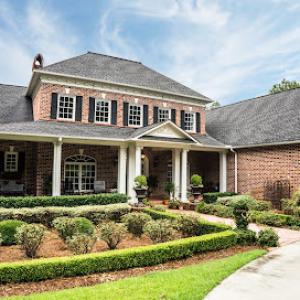
DBM Roofing
(912) 454-3694 www.dbmroofing.com
518 Edsel Dr, Richmond Hill, Georgia
4.9 from 203 reviews
DBM Roofing, located at 518 Edsel Dr, Richmond Hill, GA, is your premier roofing contractor serving Georgia and the South Carolina Low Country. As a GAF Master Elite Certified contractor, we excel in roof replacement, roof repairs, and new roof installation, making us a top roofing company for both residential roofing and commercial roofing needs. Our expertise includes metal roofing and durable shingle options with a variety of styles and colors to fit your taste. Whether you need a roofing contractor near you or tailored commercial solutions like TPO and PVC systems, trust us for unparalleled service and the most inclusive warranties, ensuring your peace of mind and satisfaction.
South Shore Roofing
(912) 421-2913 www.southshoreroof.com
126 Teal Lake Dr, Richmond Hill, Georgia
5.0 from 48 reviews
If you require expert residential or commercial roof repair, re-roofing, roof installation or replacement, South Shore Roofing is your number one choice. We are an experienced local roofing company in Richmond Hill, GA, specializing in all types of roofing systems and working with high quality materials and products.
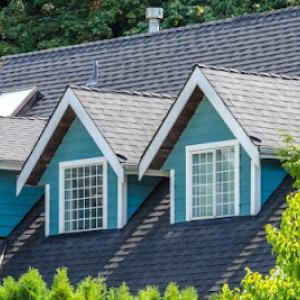
Richmond Hill Roofing
(912) 737-6021 richmondhillroofingco.click
11250 Ford Ave, Richmond Hill, Georgia
5.0 from 18 reviews
In search of a roofing company you can depend on in Richmond Hill? Look no further than Richmond Hill Roofing We specialize in both residential and commercial roofing services. Backed by years of experience, we offer complimentary roof inspections to identify any potential issues before they escalate. Whether it's a minor repair or a complete roof replacement, our skilled roofers are ready to handle it all with precision and expertise. In the unfortunate event of storm damage, we're your trusted contractor for swift and reliable repairs. We understand the urgency of such situations and strive to provide prompt assistance to restore your home. Trust Richmond Hill Roofing to protect your investment and keep your property protected.
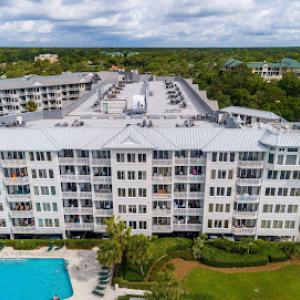
RPI Roofing
429 Longwood Dr, Richmond Hill, Georgia
4.6 from 70 reviews
RPI Established in 2000, Roofing Professionals (RPI) offers comprehensive roofing services for commercial property owners in the southeast. We were created with the simple philosophy of “DO RIGHT.” We still stick to that goal today, furthering our mission of being the trusted and preferred contractor in the area by delivering professional solutions. We have three locations, two in Georgia and one in South Carolina. Our office in Richmond Hill is located at 429 Longwood Dr. Richmond Hill, GA. Our second location is in Augusta Georgia, 505 CDP Industrial Blvd, Grovetown, GA. Our third location is at 4458 Augusta Road, Ste 2-A Lexington SC 29073.
A Plus Quality Contracting
(912) 656-0968 www.aplusquality.biz
62 Taylor Ct, Richmond Hill, Georgia
5.0 from 12 reviews
A Plus Quality Contracting of Richmond Hill, GA specializes in gutter installation, gutter repairs and cleanouts, waterproofing, and screen rooms.
A Good Roofer Near Me
(912) 344-6900 agoodroofernearme.com
102 Orleans Way, Richmond Hill, Georgia
4.7 from 15 reviews
A Good Roofer Near Me, specializes in residential and commercial roof replacements, repairs, storm damage assessments, insurance claims, emergency tarping, remediation services, gutters, gutter guards, gutter cleaning, roof blow offs, relator pre and post listing inspections and much more. Years of experience in insurance claims and retail markets allows us to help homeowners and business owners understand in full the process of property claims and upgrades. It is our goal to serve the Low Country and provide the BEST customer service experience in all of our services provided. The education experience and knowledge that we share with our customers is vital to the success of our business and the protection to your properties.
Gulliver Roofing
(912) 876-4401 gulliverroofing.com
Serving
5.0 from 20 reviews
Gulliver Roofing provides expert roof repair and full-service roofing solutions in Hinesville, GA. Our team specializes in residential roofing, managing everything from minor repairs and roof inspections to complete roof replacements. We work with a variety of materials, including asphalt shingles, durable metal roofing, and long-lasting tile options, ensuring every home receives quality protection and enhanced curb appeal. Serving Hinesville and surrounding communities, we focus on delivering personalized solutions that fit each homeowner’s needs. Contact us today to schedule a professional roof inspection or repair and experience the difference of working with a trusted roofing company.
Professional Roofing Solutions
(912) 667-2225 roofingsolutionpros.com
Serving
5.0 from 80 reviews
Professional Roofing Solutions is the top Georgia roofing company serving Savannah GA, Statesboro GA, Richmond Hill GA, and Hinesville GA markets. Our roofers specialize in Asphalt Shingles and Metal Roofing System. Our contractors are proficient at dealing with hail damage, and wind damage repairs as well as the installation of Gutters and various kinds of Siding projects.
Roy's Roof Repair
(912) 429-6069 roysroofrepair.com
Serving
4.9 from 19 reviews
Roy's Roof Repair is a roofing contractor servicing the Savannah, GA area. Our services include residential and commercial roofing, roof repair, and more! Contact us for more information.
JCB Roofing
(912) 920-4364 www.jcb-roofing.com
Serving
4.7 from 269 reviews
We provide Residential & Commercial Roofing Services for New Installations, Roof Repairs, Metal Roofs, Flat Roofs, TPOs, Skylights & much More! JCB Roofing has offered outstanding roofing services to our customers throughout the Savannah, Georgia & South Carolina Low Country areas for more than 20 years. We are fully licensed, bonded and insured to handle both residential and commercial projects in Low Country, Savannah, Brunswick, Statesboro, Hilton Head, Bluffton, Charleston and the surrounding areas. We are proud to say we use only the best materials & highly trained installers for every roofing project. Whether you are interested in a shingle, metal or flat roof, our team has the skill and experience necessary to get the job done right!
Coastal Georgia is a higher-claim roof market, so Richmond Hill homeowners should expect insurers to scrutinize roof age, prior repairs, and wind resistance more closely than in lower-storm areas. When inspectors come, they'll look for documented history of wind-related damage, shingle granule loss, and any patches or substitutions that might suggest preexisting issues. Your goal is to present a clear, consistent story about the roof's condition before the event, backed by dates, photos, and contractor notes that align with what the adjuster will see on-site.
After major coastal storm events, adjuster response times can stretch across the Savannah coastal corridor, making dated photos and pre-loss condition records especially valuable. Gather a concise folder: dated roof photos taken over the last year, notes on prior repairs, and any permits or warranty information from previous work. If a windstorm happened weeks or months earlier, include weather data and local traffic or tree-fall reports from your neighborhood. The goal is to show a consistent baseline that helps the adjuster distinguish new damage from old, preexisting conditions.
Wind-rated replacement materials and clear documentation of whether damage came from a named storm can materially affect claim handling in this market. When you file, specify if wind or hail is the primary cause and reference the storm name if applicable. If your contractor recommends wind-rated shingles or underlayment, request written confirmation that those materials meet the specific wind zone requirements for your area. Take close-up photos of damaged fasteners, edges, vents, and eave lines, and keep a log of when and how damage was observed and protected to prevent water intrusion.
Insurance adjusters will compare your current claim to the roof's age and documented condition before the loss. Have a straightforward summary ready that lists the roof's age, any known prior repairs, and how the current damage aligns with typical storm-related failure patterns in coastal environments. If a contractor notes that certain sections show earlier wear consistent with age rather than a single event, present that analysis proactively with photos and a brief narrative. Consistency between your notes, photos, and the contractor's report helps the claim move efficiently.
Expect a stepwise process: initial call, assignment of an adjuster, field review, and then a determination or request for additional information. Because response times can be longer after major events, stay proactive. If you notice a leak or active water intrusion, contact your insurer promptly and document the dates and times of the events. Maintain open lines with the adjuster and your contractor, sharing the same information so interpretations remain aligned across parties.
A local roof professional who understands coastal humidity and wind patterns can provide the documentation and notes that strengthen a claim. Ask for a written summary that ties observed damage to storm-related causes, and includes wind-resistance ratings where applicable. This contractor's report should clearly state whether observed issues stem from wind-driven events or other long-standing conditions, helping the adjuster evaluate the scope and cost of repairs or replacement.
Connect with contractors who help homeowners navigate the claims process from damage assessment to final approval.
Allegiance Roofing & Exteriors
(912) 388-1176 www.allegianceroof.com
82 Edsel Dr Ste. C, Richmond Hill, Georgia
5.0 from 150 reviews
Ridgeway Roofing
(912) 777-2339 ridgewayroofingco.com
7270 US-17 Unit #1, Richmond Hill, Georgia
4.9 from 143 reviews
DBM Roofing
(912) 454-3694 www.dbmroofing.com
518 Edsel Dr, Richmond Hill, Georgia
4.9 from 203 reviews
Asphalt shingles dominate many newer suburban homes in Richmond Hill, but coastal humidity and intense summer heat can accelerate granule wear, algae staining, and shortened service life if ventilation is poor. In this market, you'll want shingles with a solid bend toward moisture resistance and good solar reflectivity. Look for products with algae-resistant granules and a design that promotes airflow beneath the roof deck. A well-ventilated attic helps keep the attic temperature and moisture in check, reducing rapid granule loss and helping the underlayment and deck last longer. For homes with limited attic space or older ventilation layouts, consider upgrades like soffit vents paired with a ridge vent to maintain consistent air exchange through the hot months and hurricane season.
Clay tile, concrete tile, synthetic/composite shingles, slate, and fiber cement all appear in this market, but heavier systems require attention to structure and fastening because coastal wind uplift matters here. In homes with traditional lumber framing, confirming the roof's structural capacity before installation is essential when selecting heavier options. Clay and concrete tiles offer excellent longevity and heat resistance, yet their weight and fastening needs are more demanding, especially on coastal lots with higher wind exposure. Synthetic or composite shingles provide a middle ground: they mimic the look of natural products with lighter weight and often improved impact resistance, though correct nailing patterns and wind-rated underlayment remain critical. For slate and fiber cement, confirm professional installation that accounts for wind zones and roof pitch, since improper fastening or insufficient edge protection can lead to rapid damage under storm conditions.
Salt exposure from the Georgia coast can affect fasteners, flashings, and accessory metals even when the field roofing material itself is durable. Corrosion-resistant hardware becomes a practical choice, particularly for attic vents, metal flashings, ridge caps, and any exposed metal components. In addition to choosing coated or stainless options, ensure that flashing details around chimneys, valleys, and roof-to-wall transitions are tied into proper waterproofing and sealant strategies. Regular inspections after hurricane-season events help catch minor corrosion or loosened fasteners before they become leaks or wind-driven failures. For a coastal humidity market, a proactive maintenance mindset-biting into cleaning, resealing, and tightening after storms-often preserves performance longer than any single material choice.
In this coastal Georgia city, asphalt shingles run about $300 to $550 per square, clay tile $900 to $1500, concrete tile $700 to $1200, synthetic/composite shingles $450 to $800, slate $1000 to $2500, and fiber cement shingles $420 to $700 per square. Those figures reflect typical local installs rather than just material price, and they assume standard roofing square measurements. For most homes on the coast, the actual cost tends to include fasteners, underlayment, and corrosion-resistant accessories that hold up to salt air and humidity.
Costs in this market can rise during spring and fall because those seasons concentrate replacement activity between summer thunderstorm disruptions and wetter winter conditions. If you see a storm calendar filling up, expect prices to shift upward a bit as contractors juggle schedules and supply lines. Plan for a longer decision window in late winter to early spring if you want to lock in a smoother window before the spring surge.
Coastal storm surges in demand, permit processing through Bryan County, and the need for corrosion-resistant accessories can all push local project pricing above a simple material-only estimate. Even when the roof deck is solid, expect modest uplifts for higher-wumidity environments, salt exposure, and the extra care required around existing eaves, flashings, and coastal hardware. If a project involves roof transitions to clay or slate, the labor component will grow noticeably due to weight and siting, so budget accordingly.
Start with a clear inspection focusing on fasteners, venting, and flashing. Ask for a written scope that includes underlayment type, drip edge, corrosion-resistant starter strips, and attic ventilation improvements. Request a material breakdown to compare apples-to-apples across bids, and factor in seasonal timing when comparing contractor timelines. For coastal reliability, consider a modest premium for upgraded fasteners and sealants designed to resist salt-laden humidity.
Get a clear picture of your project costs upfront - no commitment required.
Allegiance Roofing & Exteriors
(912) 388-1176 www.allegianceroof.com
82 Edsel Dr Ste. C, Richmond Hill, Georgia
5.0 from 150 reviews
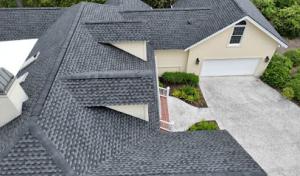
A full roof replacement requires a building permit through the Bryan County building department rather than treatment as permit-free maintenance. This is a practical reality in our coastal market where storm exposure and fast re-roof cycles intersect with county oversight. The process is designed to ensure materials, tie-ins, and venting meet local codes and hurricane-season expectations. Before any shingle tear-off or new deck goes on, you should have the permit in hand.
The plan review step is where details matter. You'll need to submit project plans that show the proposed roof system, fasteners, underlayment, and any venting or skylight work. A clear, line-by-line description helps the county reviewer confirm code compliance and hurricane-resilience intent. In Richmond Hill, plan reviews often consider coastal humidity and wind load factors, so include any necessary wind mitigation notes or manufacturer specifications. If your contractor handles the submission, verify they've included all required drawings and products.
Before the first nail goes in, an on-site permit inspection is typically required. This confirms that the work scope matches the approved plans and that safety precautions are in place. Expect the inspector to verify roof framing, deck attachment, underlayment type, and any new mechanicals or roof penetrations. Communicate clearly with the inspector about access, staging, and any changes from the submitted plan. Delays can occur if the site isn't ready or if an unapproved modification is proposed.
A final inspection wraps the process, ensuring the installation aligns with approved plans and local code. The inspector will look at flashing integration, venting, attic access, and moisture barriers. Have documentation ready for the inspector, including product specifications and a summary of installed materials. Once the final seal is approved, your permit is closed and you're cleared to move forward with any warranty confirmations or HOA notifications.
Permit turn times can slow during peak storm season when weather disruptions and workload increase across the county. Plan for potential delays and coordinate with your contractor to align weather windows with inspections. If a weather-front delays the start, stay in close contact with the building department and your contractor to keep the permit status current and avoid rework.
Richmond Hill's hot, humid summers and frequent thunderstorms can interrupt tear-off schedules and raise the risk of moisture intrusion during open-roof phases. When a pop-up storm sweeps through Bryan County, tarps and exposed decking must be secured quickly to prevent leaks. The crew may need to pause work, reschedule equipment access, or adjust ladder angles, all of which can stretch timelines and complicate drying-in.
Spring and fall are often the busiest replacement windows locally because crews try to avoid the worst summer heat and the most active part of hurricane season. That pressure can squeeze project start times and bump up coordination needs with neighbors for street access and dumpster placement. If you're planning ahead, align expectations for delayed start dates and confirm crew arrival windows a few days out.
Wet winter and rainy periods can create access and material-handling issues on local job sites even when temperatures are workable. Mud, saturated ground, and soggy crawlspaces slow material deliveries and complicate teardown. Portable heaters, job-site drainage, and proper staging become essential to keep crew safety and material integrity intact during damp spells.
On a local street, small delays ripple through neighboring schedules. Clear advance notes about expected start times, weather contingencies, and daily wrap-up plans help minimize conflicts. Have a designated contact point for weather-related changes, and review contingency plans for open roofing days to protect interior spaces without overreacting to every shower.
In Richmond Hill's coastal environment, flashings, exposed fasteners, and roof penetrations can age faster than homeowners expect because salt and humidity attack metal components. Copper and aluminum flashings can corrode, while galvanized or steel parts may rust at the seams where salt spray settles. Regular checks should focus on the edges of the chimney, dormers, and any pipe penetrations. If a seal looks pinched or a fastener head shows greenish staining, pull back any surrounding shingles and reseal or replace before leaks gain a foothold. Remember that even seemingly minor corroded spots can lead to water tracking along rafter tails during a passing storm.
Skylight perimeters, chimney flashing, and valley metal deserve closer inspection here because wind-driven coastal rain can exploit small seal failures. Look for lifted shingles near skylights and along valley intersections after strong gusts. Hail or heavy spray can push moisture under seams that once seemed solid, so edge caulks and sealants should be checked annually and re-sealed promptly if any cracking appears. If metal around these areas shows dulling, flaking, or white powder, it's a sign that the protective coating is breaking down and needs attention before it progresses to leaks in the attic.
Long-term performance in this market depends not just on the field material but on whether accessories and repairs are suited to coastal exposure. Consider tie-downs, face-nailing patterns, and flashing designs that resist salt buildup and wind-driven spray. Regular, targeted inspections after hurricane season help catch early trouble spots before they become costly repairs. Treat skylight and chimney interfaces as high-priority zones, because a small failure there often signals wider moisture intrusion.
Find contractors experienced in skylight installation, flashing, and leak repairs to bring natural light into your home.
Allegiance Roofing & Exteriors
(912) 388-1176 www.allegianceroof.com
82 Edsel Dr Ste. C, Richmond Hill, Georgia
5.0 from 150 reviews

In this coastal Bryan County market, dominant residential materials skew toward shingles and tile, yet the local contractor scene shows meaningful demand for metal roofing services. Metal systems respond well to the salt-laden humidity and hurricane-season wind exposure, offering improved wind resistance and longer life under coastal conditions. When choosing a metal option, you'll find a range from standing-seam panels to peel-and-stick panel profiles, with performance tied closely to installation quality and proper fastener spacing. The best results come from crews with a track record of metal work on varied roof layouts, not just new construction.
The local signal set also shows active flat and low-slope specialization, reflecting commercial presence and some residential sections that need membrane-style expertise. If a low-slope or flat roof is part of the project-whether on a carport, porch, or rear addition-expect membrane systems to be a practical choice. In these conditions, membrane details matter: edge detailing, transitions between walls and parapets, and penetrations for vents or HVAC units must be executed with precision to prevent moisture wicking and slip hazards in humid air. Roofing crews that routinely handle commercial projects often bring the discipline needed for careful seam detailing and robust flashing.
These roof types demand contractor selection based on system-specific experience because coastal wind and moisture exposure punish detailing mistakes. For metal roofs, critical aspects include accurate condensation control, proper underlayment choice for coastal humidity, and secure fastening patterns that resist gale-force winds without compromising panels. For low-slope or membrane systems, attention to substrate readiness, seam integrity, and edge termination is essential, especially where salt spray can accelerate corrosion or degrade flashings. In practice, you'll benefit from interviewing prospective contractors about their hands-on experience with both coastal wind loads and humid environments, as well as their method for inspecting and testing completed seams after installation. Choosing the right specialist reduces the risk of leaks and helps the system perform as intended through storm season.
Explore specialists in steel, aluminum, and standing seam metal roofs built to last 50 years or more.
DBM Roofing
(912) 454-3694 www.dbmroofing.com
518 Edsel Dr, Richmond Hill, Georgia
4.9 from 203 reviews