
Last updated: Apr 19, 2026
The humid subtropical pattern around here means summer downpours show up with little warning, and hail can slam a roof faster than you expect. When a thunderstorm rolls through, you're not just dealing with moisture-you're dealing with potential interior leaks, saturated attic spaces, and the kind of wind-driven shingle lift that triggers insurance inspections. This is not a "wait and see" situation; a prompt response protects your home, your insulation, and your claim.
Tarping is your first line of defense after a damaging storm. As soon as it's safe to access the roof, cover exposed areas with a sturdy, weatherproof tarp anchored securely. If you're missing the right materials, a local contractor can stage a rapid temporary dry-in, but you should not delay. A few hours of tarp deployment can prevent rain from turning a minor repair into a costly interior problem. Document every step: take wide, daylight photos showing the tarp's edges, the damaged valleys, and any debris that could cause subsequent leaks. Insurance adjusters respond more quickly when you can prove you attempted to stabilize the roof, especially during spring thunderstorms and fall windy fronts when weather windows close fast.
In the days after a storm, expect a flurry of activity around insurance claims and emergency repairs. You'll notice a higher concentration of contractors advertising storm damage and emergency repair services, and that means competition for your project. Screen responders for licensing, references, and a track record of quick, on-site inspections. A trusted local contractor will prioritize a rapid roof assessment, secure tarping if needed, and a documented dry-in plan that aligns with the insurance claim process. If you're presented with a rushed, high-pressure inspection, pause to verify the scope of work; a clear, written scope helps prevent scope creep and unplanned out-of-pocket costs.
Active weather windows in spring, summer, and fall complicate scheduling. Spring thunderstorms and summer afternoon storms are common, and fall windy fronts can push roofs into a last-minute scramble. When a storm hits, you should request an on-site assessment within 24 hours if possible. If you're told access is unsafe due to wind or lightning, confirm a plan to secure the roof as soon as conditions permit, followed by a documented photo log and a temporary dry-in. Your goal is to minimize exposure to rain between the moment damage is found and the final repair start date, not to wait for perfect conditions that may never come.
Documentation is your claim's backbone. Keep a dated, time-stamped record of every step: photos of the damage from multiple angles, pictures of hail hits on shingles or metal panels, and an itemized list of interior leaks observed after storms. If you've recently endured a hail event, capture evidence of granule loss in gutters and downspouts, and note any attic staining or mold risk. This evidence helps the adjuster understand the scope and urgency, especially when your leak calls come in alongside neighbor reports.
Communication with your insurance company should be concise and proactive. When you report a claim, reference the storm's timing, the exact location of leaks, and any immediate actions you've taken-like tarping or staged dry-ins. If a contractor pressure-pitches an accelerated repair plan, insist on a neutral, written estimate and a scheduled inspection window that allows for proper documentation. In this market, timely, accurate information keeps your claim moving and your home protected during the storm season's most volatile periods.
Georgia Roofing & Restoration Services
(470) 580-2839 garoofingrestoration.com
5250 Redan Rd, Stone Mountain, Georgia
5.0 from 29 reviews
Georgia Roofing & Restoration Services is a family-owned and operated business,licensed and insured.We have a team of highly experienced roofing contractors that have a reliable and professional work ethic.
McKay Construction
(404) 399-6900 www.mckayconstructioninc.com
966 Forest Trce, Stone Mountain, Georgia
5.0 from 19 reviews
McKay Construction, Inc offers homeowners much more than exceptional residential roofing services the Greater Atlanta Area. Our roofing company provide elite craftsmanship built on over a century of providing roofing services in Georgia. We provide free estimates to our clients to help them make an informed decision about any of the residential work we can complete. We are quality, dependability and integrity since 1995. We pride ourselves in our work by completing projects that are organized and done in a timely fashion. Feel free to contact us, we also do short term financing! Over 30 years of experience of roofing .
Braswell Construction Group
(678) 283-2551 www.braswellconstructiongroup.com
1835 E Park Pl Blvd #104, Stone Mountain, Georgia
5.0 from 4 reviews
Platinum accredited top Georgia Roofer, Braswell Construction Group is an award-winning, full-service Commercial & Residential Roofing & Restoration company. We focus on all styles of roofing, cedar shake, slate, metal, synthetic shake (DaVinci, Brava & CeDUR), slate tile and standard asphalt shingles. Braswell has been locally owned and operated since 2002, and prides itself on its high-quality craftsmanship, exceptional customer service, and professional acumen. We have extensive knowledge when it comes to Insurance claims and the claim process, we are here to help and to insure that our clients get fully covered for their loss. Braswell Construction Group operates from four Georgia locations.
The Cowboy Roofer Stone Mountain
Serving
5.0 from 5 reviews
We are experts in a Roof Leak Repairs, Chimney Leak Repairs, Roof Replacements, Metal Roof Repairs, Siding Repairs and Replacement, Gutter Repairs and Replacement, We help with insurance claims and much more. We offer a free evaluations and a free estimates.
Excellent Top Roofing
(678) 683-3452 excellenttoproofing.com
Serving
5.0 from 91 reviews
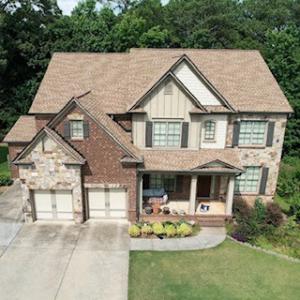
Here at Excellent Top Roofing, We are committed to delivering the highest quality materials and craftsmanship, ensuring that every roof we install not only protects but also adds value to your home. Our dedication to customer satisfaction drives us to exceed expectations and build lasting relationships within the community.
Atlanta Expert Roofing Solutions
(404) 382-7707 atlantaersroofing.co
Serving
5.0 from 119 reviews
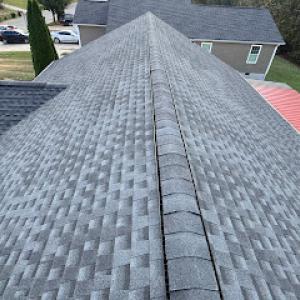
GAF CERTIFIED RESIDENTIAL ROOFING CONTRACTOR A+ BBB Rated 5 Stars guaranteed Licensed and Insured One Day installations on most roofs Offer full scale residential restoration 50 year GAF System Plus warranty Insurance Recovery Specialists Locally owned and operated 15 years experience Free storm damage inspection
HEO Restoration Services
(678) 799-1572 www.heorestorationservicesllc.com
Serving
5.0 from 29 reviews
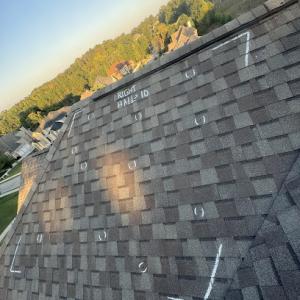
HELPING EACH OTHER
Furman Quality Roofing
(404) 957-6601 furmanroofing.net
Serving
5.0 from 146 reviews
Furman Quality Roofing is a family owned and operated local roofing company . We specialize in roof repairs,roof replacements and insurance claims ! We offer a wide range of roof systems to fit your budget ! Our team is on standby ready to take care of all your roofing problems! call today for your free estimate!

American Eagle Roofing & Renovations
(404) 820-4443 www.americaneagleroof.com
Serving
5.0 from 44 reviews
American Eagle Roofing and Renovations provides professional residential roofing,siding,gutters, renovations( interior, exterior painting) bathroom remodeling, kitchen) in the Atlanta area.
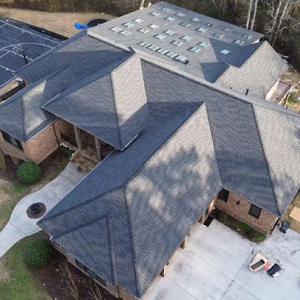
Gmg Roofing Division
(678) 469-6634 www.gmgroof.com
Serving
4.9 from 37 reviews
GMG Roofing Division, located in Tucker, GA, offers comprehensive roofing services for both residential and commercial clients. Our licensed and insured team specializes in roof installations, repairs, and replacements, ensuring quality craftsmanship and long-lasting results. Dedicated to customer satisfaction, we provide personalized solutions to meet your roofing needs. Trust GMG Roofing Division for reliable, efficient, and expert roofing services. Contact us today for a free estimate!
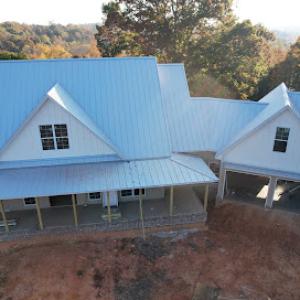
Georgia Roof + Exteriors
(770) 659-7620 georgiaroof.com
Serving
4.9 from 180 reviews
Georgia Roof + Exteriors is a licensed and insured roofing contractor serving the Metro Atlanta area. We specialize in both residential and commercial roofing solutions, offering services from roof repairs and replacements to siding, gutters, and more. Our team is dedicated to providing honest, reliable, and professional service, ensuring quality materials and timely project completion.
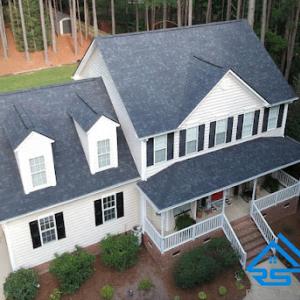
RST Roofing & Renovations
(404) 548-8901 rst-roofing.com
Serving
4.9 from 95 reviews
RST Roofing and Renovations provides the highest quality roof repair and replacement services in Atlanta, Georgia. Our expert team at RST Roofing has years of experience and specializes in handling all of your roofing, gutter, and exterior siding needs for residential and multi-family homes.
Neighborhoods around Stone Mountain commonly have mature tree canopy that shades roofs for much of the day. That favorable shade comes with a hidden cost: drying cycles take longer after rain, so shingles stay damp longer than in sun-exposed homes. Over time, persistent moisture can shorten shingle life, especially on the southern and western slopes that catch more late-day moisture from passing storms. If your roof is a couple of decades old, expect the aging process to show up first as dark staining, minor granule loss, or softer feel along the edges of shingles where shade keeps moisture linger longer. Plan for a slower response to any small leaks and be prepared for more frequent cleaning and inspection after storms or heavy rains.
High humidity in the area makes algae staining and moisture retention more relevant than in drier markets. In shaded planes, algae can take hold on lighter shingles, creating green or black streaks that not only look unsightly but can indicate moisture staying against the surface longer than ideal. Algae is more than cosmetic; it can trap moisture and contribute to accelerated wear on the roof. On roofs with deep eaves or near dense tree lines, expect more pronounced staining after the wet season. Regular attention to cleaning or professional treatment of algae-prone zones can help maintain both the aesthetic and the underlying roof integrity, but it should be done with care to avoid damaging shingles or flashing during this process.
After storms, branches and leaf debris can trap water in valleys and around flashing details, making cleanup and follow-up inspections important even when shingles are not visibly missing. In neighborhoods with mature oaks and maples, minor debris can accumulate in valleys where water would otherwise shed, creating standing moisture that can promote softening or moss growth over time. Valleys, rake-up points, and vent penetrations deserve particular attention after each storm. A thorough, careful clearing of debris prevents moisture from seeping under shingles, around drip edges, and near flashing layers. If debris sits for several days, it may delay drying and encourage staining, which in turn can complicate insurance documentation if a storm claim becomes necessary.
Give attention to shingles near tree lines, where shade and moisture converge. After a thunderstorm, perform a focused inspection along the ridge and valley lines to spot small granule loss, lifted edges, or micro-cracks that can invite water intrusion during the next rain. When cleaning gutters or performing routine maintenance, use a soft-bristle brush or a low-pressure rinse to avoid disturbing the protective granules. If algae staining is visible, address it with a roof-safe treatment specifically designed for shingles, following label directions to protect roofing components and nearby landscaping. In areas with dense canopy, consider extending the seasonal inspection window to catch creeping moisture problems before they escalate, and coordinate a professional assessment if any signs of moisture intrusion show up on the interior ceiling or attic.
Spring and fall are the preferred windows for a re-roof in this area, because they dodge the worst of the summer heat while offering more workable installation conditions. Concrete tile, clay tile, and metal respond well to steady autumn temperatures, and asphalt or synthetic shingles benefit from milder spring days when ventilation and ladder work are easier. If your roof is already showing visible wear after a long winter, aim for late spring or early fall to minimize heat stress on crews and material handling. In a neighborhood with dense tree cover, timing also matters for scheduling after leaf drop but before the first heavy storms, so you're not fighting debris on the roof during install.
Summer scheduling is often disrupted by extreme heat and afternoon storms, which can affect shingle handling, crew pace, and same-day dry-in planning. If a summer job cannot be avoided, plan with buffers: expect brief work stoppages if heat indexes push into the danger zone or if thunderstorm cells roll through a block in the early afternoon. Asphalt and synthetic installations can proceed in heat if crews keep hydration and temporary shade ready; however, rising humidity and sudden downpours can stall roofing tarps and fasteners, so a two- to three-day window is more realistic for completion. Consider prioritizing projects that require multiple trips or specialized materials for early in the season to reduce liability from late-season weather changes.
Winter is milder than northern markets, but occasional cold snaps and rain can still slow access and extend project timelines. Freezing mornings can stiffen sealants and complicate venting, while steady rain will halt work for safety and warranty reasons. If a winter re-roof is necessary, plan for a slower pace, with daily targets adjusted to daylight hours and weather forecasts. In Stone Mountain's climate, late winter installations sometimes benefit from warming days that allow sealants and underlayment to acclimate before crews tackle the final shingle finish. Have a contingency plan for shorter workdays and ensure crews can secure the site promptly when a chill snap or rain moves in.
Storms demand a practical, proactive stance. After a summer thunderstorm, a rapid assessment is essential to catch hidden leaks and wind damage before interior issues escalate. Schedule a post-storm inspection within 24 to 48 hours of a notable event, focusing on flashing around chimneys, vents, and eaves where water can penetrate quickly. If hail is detected, coordinate with your roofer on a prompt, insurance-friendly assessment and documentation protocol, so that repairs or replacements can proceed without delays. For homes with heavy tree cover, plan proactive gutter and debris management during the chosen replacement window to keep the roof clean and the installation pace steady.
Get a clear picture of your project costs upfront - no commitment required.
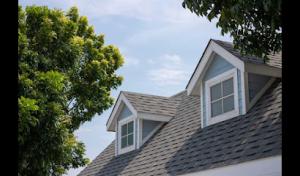
McKay Construction
(404) 399-6900 www.mckayconstructioninc.com
966 Forest Trce, Stone Mountain, Georgia
5.0 from 19 reviews
Asphalt shingles remain the dominant practical choice for this market because they fit the mainstream residential stock and the local contractor base has the strongest specialization in this material. In neighborhoods with dense tree cover and frequent summer thunderstorms, asphalt delivers reliable performance, straightforward repairs, and familiar warranty pathways. When choosing this option, you'll notice the most installer options, consistent for both quick leak response after a storm and for insured restoration work. This material also pairs well with standard underlayment and flashing details that most local crews have refined over years of storms and hail events.
Metal roofing is a meaningful secondary option for homeowners prioritizing durability against heavy rain and hail exposure. It shines where a project demands rapid leak containment and long-term resilience, especially on exposed elevations or homes with tall, vulnerable eaves. The trade-off is installer availability: you'll encounter fewer metal specialists than asphalt-focused crews, so planning ahead matters. Metal can handle the area's thunderstorm cycles, but ensuring the correct gauge, panel profiles, and proper sealant choices is essential for enduring performance in this climate.
Clay tile and concrete tile appear in the market as premium, weight-heavy choices that bring distinct aesthetics and long service life. They require crews familiar with their weight, attachment methods, and the repair details that align with the Atlanta-area housing mix. Wood shakes offer a classic look, but they demand meticulous maintenance to resist moisture and growth in a humid climate. Synthetic or composite shingles provide versatility and often lighter weights, yet still rely on local installers who understand how these materials respond to heat, humidity, and hail. In all cases, confirmation of local experience with these materials helps ensure that detailing, flashing, and repair strategies align with nearby homes and typical storm patterns.
Across all options, the emphasis is on effective water control, robust flashing at valleys and chimneys, and choosing a roof system with a shared understanding of the region's moisture cycles. When a hail event or fast-moving rain arrives, the quickest path to restoration is a crew that can document damage promptly, access the attic, and coordinate with insurers using standard local practices. The right material choice balances weight, durability, and compatibility with existing roof geometry, especially on homes with tree-induced debris channels or complex ridge lines.
In this market, asphalt shingles stay the most common choice for speed and price, with typical costs in the lower end of the range. In Stone Mountain, storm-driven demand spikes can push wait times and labor pricing higher across DeKalb County, so labor can run toward the upper part of the listed range during after-storm hotspots. Steep pitches, multiple valleys, and crews coordinating hail-related inspections can increase overall material plus installation timing, even if the shingle itself is affordable.
Metal is favored when a quick, durable upgrade is needed, but it can swing higher during post-storm peaks due to demand from neighborhood storm repairs. In practice, you'll see costs near the middle or upper portions of the range when the roof has a complex shape or if attic and decking work is required after hail damage. If metal is chosen, expect sharper price shifts when storms flood the market with replacement jobs and longer scheduling windows for coordinating inspections.
Clay tile brings a distinctly long-term look but carries premium installation considerations. In storm-prone months, the price range can tilt toward the higher end as crews juggle multi-day schedules and ensure proper tile layout over valleys and skylights. Homes with steep pitches or older decking exposed to wind-driven debris tend to land near the upper end, reflecting the extra care required to preserve tile integrity after hail events.
Concrete tile sits between clay and asphalt in durability and cost, but the same storm-driven demand dynamics apply. Expect price pressure during peak season when multiple homes in DeKalb County push crews to the limit. Complex roof lines with several hips, valleys, and venting packages-common in Stone Mountain homes-often approach the upper range as crews coordinate with roof decking repairs and weather-related delays.
Wood finishes offer a distinct look but require more careful moisture management. In storm cycles, costs can drift higher as repairs to damaged decking and moisture-related treatments pile onto the project. Steep pitches and numerous projections increase installation complexity, nudging bids toward the upper end of the range when hail impact is suspected or confirmed.
Synthetic or composite options blend resilience with cost efficiency, yet storm surges can still push prices up during busy periods. When hail or wind events occur, expect tighter scheduling and potentially higher labor rates that push bids toward the upper portion of the range. For homes with complicated roof geometry, these materials can still be a practical, durable choice if the project aligns with a shorter or more predictable replacement timeline.
Don't let upfront costs delay a critical repair - these contractors offer payment plans to fit your budget.
McKay Construction
(404) 399-6900 www.mckayconstructioninc.com
966 Forest Trce, Stone Mountain, Georgia
5.0 from 19 reviews
Before any shingles come off, verify the correct permitting authority for your exact address. Most Stone Mountain and DeKalb County municipalities require a building permit for a full roof replacement rather than allowing major re-roofs to proceed informally. Your address may fall under a county or a city-adjacent jurisdiction, so confirming the right office prevents delays when the project is underway. Gather basic project details, including the roofing contractor's license, insurance, and a written scope of work describing underlayment, ventilation, and finish materials. Having this information ready helps when you contact the permit office.
The typical local process involves submitting contractor information and project details, paying a fee, and then scheduling inspections tied to underlayment, ventilation, and final installation compliance. Expect the permit packet to request the roof replacement plan, drainage considerations, and attic ventilation details. If the contractor uses a storm-damaged or emergency response approach, have documentation ready that explains the timing and sequence of underlayment installation, starter course, and drip edge placement. The county or city clerks will check that the proposed materials and methods align with local codes and wind considerations common to storm-prone summers.
After approval, inspections are staged along key milestones: initial underlayment installation, ventilation and feel of attic soffits, and final installation compliance. Be prepared for a mid-project check to verify eave detailing, flashing around chimneys and vents, and proper sealing of penetrations. Final inspection confirms that the roof meets safety and performance standards and that all permit conditions are satisfied. If a problem arises, the inspector will outline corrective steps and a reasonable timeline to finalize the project.
Because different addresses fall under separate oversight, coordinate with the contractor to align permit application timing with weather windows and storm-related schedules. Missing a required inspection or misidentifying the correct authority can trigger permit holds, delaying valuable repairs after hail or heavy rain. Keeping the permit path clear reduces the risk of miscommunication and speeds up the return to a weather-ready roof.
In this market, carriers routinely weigh roof age, shingle type, and wind-mitigation details when a storm-damaged roof is on the table. A typical Stone Mountain home with an aging roof or older asphalt can face stiffer scrutiny, especially after a summer hail event or a sequence of heavy storms. The insurer's goal is to avoid a repeat claim, so the condition and expected remaining life of the roof matter as much as the visible damage.
Wind and hail claims are common enough that insurers often want detailed photos, date-stamped damage records, and adjuster verification before approving major work. You should prepare a clear sequence of the storm timeline, close-up shots of damaged shingles, flashing, and any visible leaks, and keep track of dates. If a claim is approved, the adjuster will likely request corroboration from a third party, so having organized visuals up front can speed the process and reduce back-and-forth.
Some carriers place added emphasis on updated underlayment and flashing during replacement, so Stone Mountain homeowners should keep permit records, inspection signoffs, and installation photos available. While the goal is to restore function and curb appeal, carriers may question whether the newer materials were installed to modern standards. Being ready with a complete, orderly set of documentation can prevent delays and surprises in recovery timelines.
Document any storm impact promptly and maintain a steady file of every communication with the insurer. If a claim is filed, you may be asked for specific installation details and product choices. Understand that photos, dates, and verifications are not extra steps but the currency that moves a storm-related claim toward a timely resolution.
Storm-prone summers push up quick-turn re-roof needs. In this market, crews that can arrive fast and clear out after a storm are nearly as valuable as the roof itself. Insurance documentation, inspection records, and timely leak control hinge on rapid mobilization, especially after heavy afternoon downpours that expose attic and ceiling vulnerabilities. Look for a crew with predictable arrival windows, a defined on-site communication plan, and a documented process for addressing shingle lift, hail impact, and tarping needs before rain returns.
Letter-of-proof matters in this town. The reliable option tends to be long-established, family-owned outfits that are licensed, insured, and manufacturer-certified. Those markers signal accountability and a proven track record with local houses and older neighborhoods where tree debris and shade complicate access. When evaluating, ask for licensing and insurance details, confirm manufacturer certification, and request references from recent Stone Mountain projects. Verify that the crew has experience with common local materials-whether asphalt, metal, or tile-and that they understand how to protect landscaping, driveways, and mature trees during the job.
Cleanup dominates post-storm work in established streets where driveways and ornamental plantings are tight. A competent crew should arrive with tarps, magnet sweepers for nails, and a plan to protect hedges and lawn edges from dropped debris. Require a written cleanup protocol: debris removal after each day, disposal methods, and final site touch-ups. Clarify how waste will be contained during removal and where dumpsters or hauling will be placed, ensuring access routes won't damage curbs or landscape.
Choose a crew using a clear, written scope of work and a defined storm-damage protocol. Insist on a detailed project timeline, emergency contact options, and a documented process for addressing weather-related setbacks. A solid contract will spell out sequence, warranty coverage, and what happens if weather or supply delays occur, reinforcing credibility in a market where responsiveness and proof of legitimacy are essential.