
Last updated: Apr 19, 2026
Spring hail and summer thunderstorms drive a surge in roofing damage across Gwinnett County, and Lawrenceville sees the pattern firsthand as neighborhoods shift from routine maintenance to urgent emergency work within days of a storm. The timing is tight: insurers expect documentation, and local contractors with storm-damage and fast-tarp capabilities are booked quickly after a regional storm sweeps through, especially when hail is involved. Aparetly staged response can prevent secondary damage from wind-driven leaks and exposed decking, which translates to safer interiors and fewer claim delays. If a storm just passed, the clock is ticking on your ability to capture evidence, secure a dry-in, and set expectations with adjusters and contractors.
Georgia insurers in this market commonly ask for roof age documentation, condition records, and storm-date evidence after hail or wind events. That makes photo logs and prompt inspections essential for homeowners and for Lawrenceville's typical housing stock, which features shingle-heavy roofs shaped by years of weather exposure. After a storm, take timestamped photos from multiple angles: roof face, ridge lines, penetrations, vents, and any visible interior staining near ceilings or attic spaces. If safe, inspect the attic for moisture trails, soggy decking, or darkened fibers. Keep a simple, dated log of all observations and any leaks you observe inside the home. Scheduling a rapid, professional inspection within 24 to 72 hours greatly improves the accuracy of the damage assessment and supports a smoother claim process. When you request an inspection, specify that you need a storm-damage evaluation with attention to wind-driven uplift areas and potential water intrusion through vents, skylights, or improperly sealed penetrations.
Temporary dry-in measures often matter before full replacement slots open. A tarping job guards the interior from further weather exposure during the claim period and while permits, schedules, and material availability align. In the wake of a hail or wind event, you should arrange tarping as soon as a professional can safely access the roof. The goal is to cover all exposed areas, especially over damaged valleys, hips, and any roof penetrations. If your attic shows active moisture, prioritize tarping near those zones to minimize interior damage. Ensure tarps are anchored securely and overlapped adequately at seams to resist wind uplift. Document the tarping with photos and notes on the tarp's placement, size, and any edge vulnerabilities. A clear record helps with claim timing and sets expectations for the next inspection.
After a storm, adjusters in Gwinnett County will want to verify the date and extent of the damage. Be ready with your photo log, the tarp status, and a written summary of observed issues, including interior moisture signs and attic conditions. Contact reliable local contractors who specialize in insurance claims, storm damage, and emergency repair, and confirm their ability to perform both the temporary dry-in and the eventual full replacement. Clear communication about diagnostic findings, the scope of repairs, and the expected sequence of work helps prevent misaligned expectations and costly delays. If multiple storms are possible in the season, establish a plan for prioritizing high-risk areas first-typically the roof valleys, skylights, and flashlight-check zones around the chimney and vents.
As the Gwinnett weather cycle continues, the next window for a full replacement often aligns with contractor backlog and insurer scheduling. Have your documentation ready, maintain the tarps until replacement work begins, and stay in touch with your insurer and contractor for updated timelines. In Lawrenceville, the combination of spring hail damage and summer storm activity means the best results come from rapid documentation, prompt inspections, secure temporary protection, and a clear, proactive communication loop with all parties involved.
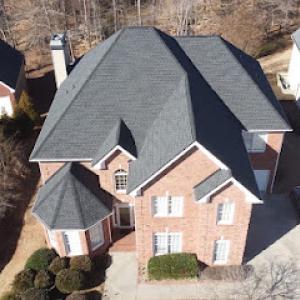
Bellsouth Roofing Construction
(678) 241-4951 bellsouthroofing.shop
460 Canterbury Ln, Lawrenceville, Georgia
5.0 from 130 reviews
Family owned business 15 plus years of experience. We fight for you to not pay out of pocket for your roof. We handle the whole process for you!
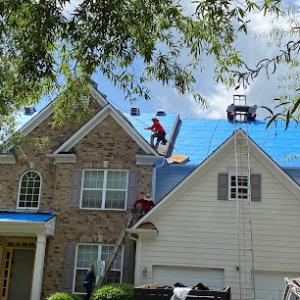
Hail or High Water Roofing & Restoration
333 Swanson Dr #121, Lawrenceville, Georgia
5.0 from 192 reviews
We understand that no one looks forward to the day their roof needs repair. It can seem like a daunting situation with unfamiliar processes and vague costs. That is why we founded Hail or High Water Roofing! We decided it was time for a roofing company to assist clients with 100% transparency. We aim to educate and empower our clients with the answers and information they need to make the wisest decisions for their homes. At Hail or High Water Roofing, we are committed to providing outstanding work, unheard of customer service, and ultimately an unmatched roofing experience. “Come hail or high water, we are here for you” 🦬Owens Corning Preferred Contractor 🦬Directorii Approved 🦬IKO Shield info@hohwrr.com 770-299-1322 📍Metro Atlanta
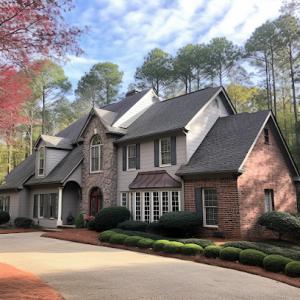
Legacy Family Roofing
(404) 946-9936 legacyfamilyroofing.com
1067 Quiet Waters Ln SE, Lawrenceville, Georgia
5.0 from 102 reviews
Legacy Family Roofing is a premier roofer in Atlanta, GA, known for its commitment to excellence in service, quality, and craftsmanship. With years of experience, they offer expert services for roof repair, replacement, and any other roofing companies. Unlike most home improvement companies, we provide a free aerial drone inspection with a digital analysis report of your roof without stepping foot on it. This means that we guarantee and prove not to cause any additional damage to your roof.We give back to our local community as we sponsor events that provide hot meals, clothing, and eco-friendly housing solutions for the unsheltered. Check out our latest highlight video on our website! We also provide Energy Efficiency as a Service (EEAAS)
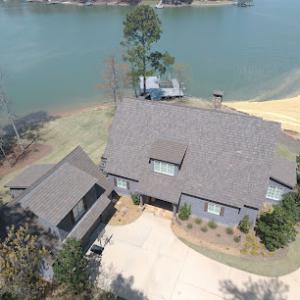
RoofLab
585 Old Norcross Rd Suite C, Lawrenceville, Georgia
4.9 from 230 reviews
Our Atlanta team brings a wealth of experience to protecting your home or business. At RoofLab, and we're proud to serve the Atlanta area with expert roof repair, replacement, and maintenance. From the scorching summer sun to the occasional winter freeze, Atlanta's weather can be tough on roofs. That's why we use only top-rated materials and proven methods to ensure your roof stands strong. Whether you have a minor leak or need a complete roof overhaul, RoofLab is here to give you peace of mind.
FGA Roofing
(770) 209-3823 firstgaroof.com
120 Culver St N, Lawrenceville, Georgia
5.0 from 93 reviews
For over twelve years we have committed ourselves to be great at what we do. We are a family owned and operated business that values the community we serve above all things else. We pledge to always provide our customers with the best roofing experience possible. Going beyond the quality of our work on the roof, our project together is a partnership between you and our company. Our staff will behave with the utmost professionalism, knowledge and most importantly integrity when dealing with our valued customers. We care as much about your roofing experience as we do the end result.
Grace Mountain Renovations
(404) 750-6715 www.gracemountainrenovations.com
480 Pike Park Dr D, Lawrenceville, Georgia
5.0 from 92 reviews
Grace Mountain Renovations, owned and operated by Angel with over 10 years of experience, specializes in transforming homes with top-quality roofing and renovation services. Based on a commitment to craftsmanship and customer satisfaction, we provide expert Roof Installation, ensuring durable and long-lasting protection for your home. Our Roof Repair & Maintenance services help keep your roof in optimal condition, addressing leaks, damaged shingles, and wear. We also offer complete Home Renovations, enhancing interiors and exteriors to match your vision and style. For a polished look and increased curb appeal, we provide Siding Installation & Repair, using premium materials like vinyl and wood.
WaterTite Exteriors
(678) 597-8493 watertiteexteriors.com
928 Pierce Ivy Ct NE, Lawrenceville, Georgia
4.9 from 136 reviews
Founded in 2005, WaterTite Exteriors has provided commercial roofing solutions in Lawrenceville, GA, including roof repairs, maintenance, installations, and storm damage restoration. Equipped with over 20 years of experience and licensed, insured professionals, the company specializes in metal roofing and offers 24/7 emergency roofing services, ensuring seamless execution for any roofing need. WaterTite Exteriors also conducts thorough free roof inspections to catch issues early and prevent expensive fixes later. For reliable, high-quality commercial roofing solutions with attention to customer care, trust WaterTite Exteriors, proudly serving Lawrenceville, Buford, Johns Creek, and surrounding areas.
Gateway Exteriors
5 Hurricane Shoals Rd NE Ste A, Lawrenceville, Georgia
4.9 from 156 reviews
Gateway Exteriors (formerly Georgia High Quality Construction & Roofing) Established in 2018, Gateway Exteriors is your trusted roofing and exterior specialist. Based in the state of Georgia, we’ve expanded into multiple cities and states while continuing the same reliable service that built our reputation. We specialize in exterior remodels and design, Roofing, Water & Fire damage Insurance claims while continuing to deliver high-quality workmanship with seamless project management, from free inspections to project completion. Property Owners choose us for professionalism, care, and results that protect and enhance their homes. Gateway Exteriors, Committed to Building and Protecting Properties.
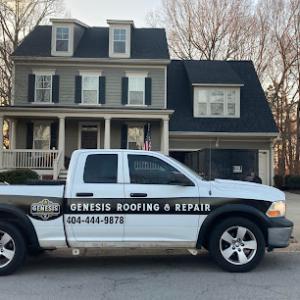
Genesis Roofing & Repair
(404) 444-9878 www.genesisroofrepair.com
Lawrenceville, GA
4.9 from 135 reviews
Genesis Roofing & Repair proudly serves Buford, and surrounding areas with top-notch roofing solutions. With years of experience, our skilled team tackles everything from minor roof repairs to complete replacements. Whether you need emergency roof repair after a storm, a new roof installation for your home or business, or a thorough roof inspection, we’ve got you covered. We specialize in residential and commercial roofing, offering expertise in shingle, tile, metal, flat, TPO, and EPDM systems. Facing storm damage or a pesky leak? We’ll handle the repairs and even assist with insurance claims to make the process stress-free. Trust us to protect your property—call Genesis Roofing & Repair today for a free consultation!
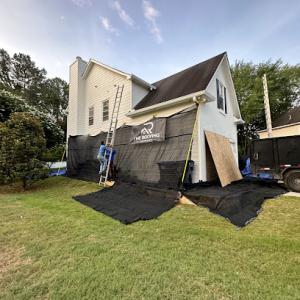
The Roofing Company
(470) 664-2334 theroofingcousa.com
279 W Crogan St, Lawrenceville, Georgia
5.0 from 52 reviews
Welcome to The Roofing Company where we pride ourselves on delivering high-quality roofing services to both commercial and residential clients. Our team of experienced roofing professionals is dedicated to providing you with the best possible service, using the latest technology and materials to ensure your roofing project is completed to the highest standards. At our company, we understand the importance of having a safe and reliable roof over your head. That's why we offer a wide range of roofing services, including repairs, replacements, and installations. Whether you need a small repair or a complete roof replacement, we are here to help. Contact your reliable Atlanta roofing company for a free estimate!
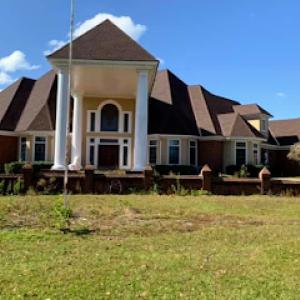
MDJ Roofing & Construction
(404) 405-5701 www.mdjroofing.com
561 Grayson Hwy, Lawrenceville, Georgia
5.0 from 50 reviews
We are a Christian based roofing business located in Lawrenceville GA. We take pride in your exceptional quality work and integrity.
GA TOP Roofing Solutions
(470) 938-5050 www.gatoproofingllc.com
250 Langley Dr #1304, Lawrenceville, Georgia
4.9 from 69 reviews
Providing High Quality Roofing Replacement
For Lawrenceville homes, a full re-roof typically requires a building permit through Gwinnett County's Department of Planning & Development rather than a city-only roofing office. The county-level process is standard for substantial roof work and ties into the county's wider code enforcement framework. Before any shingles come off or a crew picks up nails, a permit must be applied for, and the plan should show the scope of work, material type, and any structural or waterproofing details that impact the deck, fascia, and underlayment. The county's portal will guide the documentation you need, and staff can clarify whether a project requires a structural review based on the roof's span, loads, or any alterations to attic ventilation or rafter assembly.
Gwinnett's permit-and-inspection sequence is designed to catch issues early, especially after spring hail and summer storms. The process typically includes multiple inspection stages once a permit is issued. Early visits often focus on framing work and underlayment installation to ensure proper nailing patterns and roof deck integrity. A wind-related review can come into play to verify that roof-fastening and edge detail meet local wind design requirements. An energy-related review may assess attic ventilation, insulation, and radiant barriers to prevent heat gain and condensation problems once the new roof is complete. A final inspection is performed after completion to confirm that all components are installed per code and the project matches the permit scope. Expect the inspector to verify roof penetrations around chimneys, vent stacks, skylights, and any transition points between roof planes. Being prepared with a clean, accessible staging area and readily available documentation will help keep inspections moving smoothly.
Because the county-administered permitting structure governs timing, permit timing and inspection scheduling can directly affect when crews can dry-in and close out jobs. Dry-in typically requires a permit-approved sequence; any delays in obtaining or posting required documents can push back weatherproofing and the point at which the crew can remove temporary tarps or complete interior work around the attic access. Plan for inspection windows and leave yourself a small buffer after each inspection, since rescheduling or re-inspection days are a possibility in Gwinnett's system. If a storm recovery scenario drives expedited timelines, coordinate closely with the contractor to align the permit status with the planned pace of roof removal, decking checks, and shingle installation, so the project remains compliant and the timeline minimizes exposure to the next round of weather.
Typical local pricing runs about $350 to $550 per square for asphalt shingles. In the aftermath of spring hail and summer thunderstorm seasons, you'll often see a spike in bids as crews try to fit in emergency leak work and rapid triage. For homeowners planning ahead, this material remains the most common choice in the suburban North Metro Atlanta stock, especially when steadier schedules are possible. You'll want to factor in the cost of tear-off and disposal if the old roof needs to go, and expect that steeper or more complex roof sections can push labor slightly higher than the base range. In Lawrenceville, the widespread use of shallow- to mid-pitch roofs with multiple valleys means some crews charge extra for flashing and valley work, even within the asphalt category.
Metal roofing runs about $900 to $1600 per square here. Metal often appeals after a storm due to durability and the potential for longer life, but scheduling pressure after hail events can compress lead times and push up labor costs. In practice, expect higher installation times on multi-level, cut-up layouts common to Lawrenceville homes, with flashing and edge details taking careful, precision work. If your plan includes attaching battens or integrating with existing ventilation, those steps can add to the price but may pay back in reduced maintenance in storm-prone seasons. For homeowners weighing metal, it's wise to consider the impact of rapid post-storm demand on availability and overall project timeline.
Clay tile is typically in the $1400 to $2800 per square range. In neighborhoods with steep, uneven rooflines and many changes in direction, tile installation becomes a meticulous job that can extend project duration and labor hours. After hail events, supply and scheduling bottlenecks can push these projects further, given the weight and delicacy of tile systems. If the existing structure requires additional reinforcement or careful tile removal and reinstallation around skylights or dormers, expect costs to creep toward the higher end of the range. Clay tile advocates should plan for careful moisture management and long-term wear considerations, especially in rain-intensive seasons.
Concrete tile clocks in around $1200 to $2200 per square. It shares similar structural demands with clay tile, often amplifying labor costs in a hurry because of weight, handling, and the need for precise underlayment support. Post-storm triage can slow concrete-tile projects if crews are pressed to address multiple homes in quick succession, and steep, cut-up roofs common in the area add to tear-off and flashing labor. Concrete tile can be a durable choice in this climate, but budgeting extra time and resources for installation detail is prudent during peak demand.
Wood shingles or shakes typically run $550 to $900 per square. In storm-driven periods, sourcing specialty craftsmen who work with wood can tighten schedules and influence pricing. Roofs with intricate silhouettes, heavy shade, or ornamental detailing found on many Lawrenceville homes increase tear-off labor and the need for careful weatherproofing around edges and chimneys. If the structure has existing wood elements that require treatment or decay repair before install, expect the price to reflect those prep steps.
Synthetic or composite shingles fall in the $600 to $1000 per square range. They offer good hail resistance and a lighter install compared with some heavier materials, which can help with scheduling during busy seasons. For homes with numerous transitions or complex geometry, the installation is still a workmanship-heavy job, so plan for a precise fit around dormers and edges. In busy spring and summer windows, the triage nature of storm response can push crews to balance speed with thoroughness, influencing final pricing in the local market.
Get a clear picture of your project costs upfront - no commitment required.
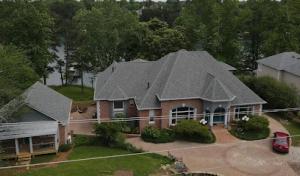
FGA Roofing
(770) 209-3823 firstgaroof.com
120 Culver St N, Lawrenceville, Georgia
5.0 from 93 reviews
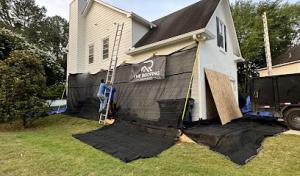
The Roofing Company
(470) 664-2334 theroofingcousa.com
279 W Crogan St, Lawrenceville, Georgia
5.0 from 52 reviews
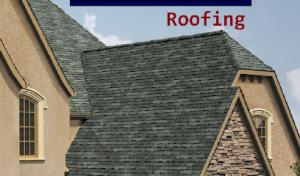
Asphalt shingles dominate the local market, fitting the large stock of detached suburban homes you'll see across Lawrenceville. They pair well with typical roof pitches and aging neighborhoods, but after spring hail and summer thunderstorms, you'll commonly notice granule loss, lifted tabs, and bruising on inspection. This means rapid inspection after storms, a close eye on sealant and shingle integrity, and ready plans for quick repairs to limit water intrusion. When choosing asphalt, prioritize high wind resistance and good granule retention, and look for shingles with robust granule attachment that hold up under direct hail impact. For homeowners, a practical, first-step post-storm approach is to check for exposed felt, lifted edges, or unusual granule buildup in gutters, which often signals localized damage rather than full replacement.
Metal roofing has a meaningful local specialty presence and is often considered by homeowners trying to improve performance against repeated thunderstorms, heat, and long-term maintenance cycles. In this market, metal options vary from standing-seam systems to more panel-style profiles, each with a distinct fastener pattern and flashing detail set. A metal roof can resist wind-driven hail better than many shingle systems, yet the fasteners, edge terms, and valley flashing need meticulous installation to prevent leaks under the weight of rapid temperature changes and humid air. If choosing metal, emphasize corrosion-resistant alloys, proper sealants at penetrations, and a roofing contractor who explicitly documents fastener Type, spacing, and sealant choice for Georgia's climate.
Tile, wood shake, and synthetic products exist in this market but are more specialized in Lawrenceville, where humid summers and storm exposure make underlayment, fastening, and flashing details especially important. Clay and concrete tiles bring durability and a distinctive look, yet require a reinforced deck, precise substrate, and careful installation around chimneys and vents to avoid cracking and leaks during heavy storms. Wood shakes offer natural beauty but are sensitive to humidity and hail bruising, demanding a robust underlayment and treated lumber to resist rot. Synthetic or composite shingles blend some of these traits, offering lower weight and better weather resistance, but still rely on solid underlayment, secure fasteners, and flashing that holds up under mulch of pine needles and storm debris common to this area. For any of these materials, ensure the contractor provides a detailed fastening plan, venting strategy, and flashing details that match the local exposure patterns.
In this climate, the choice hinges on how well the system handles hail impacts, wind uplift, heat cycles, and humid air that can affect seals and fasteners. Regardless of material, insist on proper underlayment, corrosion-resistant fasteners, and flashing at all roof penetrations. After storms, prioritize rapid triage: document with photos, secure temporary patches, and schedule a deeper assessment before the next weather event.
Summer in this area brings hot, humid afternoons that shrink workable hours at the ridge line and eave. When a crew shows up, expect the hottest part of the day to slow routine steps like shingle sealing and nail driving. Afternoon thunderstorms are common, and a sudden downpour can interrupt tear-off or the moment when the deck is being re-sealed. Plan for a tight schedule with a clear contingency: if a storm pops up, a quick dry-in plan that covers underlayment and immediate ventilation needs reduces the risk of interior intrusion. Have tarps and fasteners ready for a same-day dry-in when skies darken.
Heat is a real constraint in the attic and on the roof deck. Asphalt products in the peak heat tend to be more pliable, which affects alignment and tab seating. Materials stored on-site should be shaded and staggered to avoid overheating in the sun. A temporary windbreak or shade tarp over the edge can help personnel handle bundles safely and maintain steady nailing patterns. Keep a cool-down routine for crews working in the exposed sun, and schedule the most demanding tasks for morning or late afternoon when temperatures are lower.
Afternoon rain is not a rare event; it can disrupt even well-planned sequences. The dry-in phase becomes critical in this climate, especially when a storm interrupts the day. A practical approach is to stage underlayment installation and attic ventilation checks so they can proceed quickly if weather holds. If rain interrupts, prioritize securing penetrations, flashings, and the open roof deck to minimize exposure time. A same-day dry-in sketched plan helps avert moisture intrusion and speeds up post-storm turnover.
Mild winters allow work to continue, but cold snaps can still slow adhesive setting and push back certain phases. If a cold spell is forecast, plan adhesive-dependent steps for warmer daytime windows and prepare for potential resealing in mornings when temperatures are higher. Keep a flexible sequence that can shift from full shingle installation to focusing on flashing and vent connections during the colder periods to maintain steady progress without compromising the roof's integrity.
Georgia's insurance landscape after spring hail and summer storms is active, and Lawrenceville sits squarely in the middle of it. Roof condition documentation before and after storms can materially affect how a claim is handled, so having a clear record helps avoid disputes about what was or wasn't damaged. If a claim drops in on your door after a big event, the insurer will want to see proof that the roof was in a specific state prior to the incident, and that the damage aligns with the storm's timing rather than gradual wear.
Homeowners here may be asked for proof of roof age, maintenance history, and current condition, especially on older roofs or when damage is not obvious from the ground. That means you should be ready with inspection notes, dated photos, and any contractor reports that describe underlying issues such as loose shingles, granule loss, or compromised underlayment. A simple, honest file started before trouble hits can prevent ambiguity during a claim review and speed up the process.
Because claim volume rises after regional storm events, Lawrenceville homeowners benefit from dated photos, inspection reports, and records showing whether damage was sudden storm loss versus prior wear. Take high-resolution photos showing both the roof surface and interior signs of leaks. Have a professional roof inspection soon after a storm to generate a report that clearly differentiates new damage from preexisting conditions. Clear, contemporaneous records can tilt the assessment in your favor if the claim is challenged later.
In Lawrenceville, repeated thunderstorm exposure makes ridge, hip, valley, and flashing areas common leak points after wind-driven rain events. Shingle edges and underlayment over these intersections take the brunt of heavy weather, and even small gaps can turn into slow drips that spread behind fascia and soffits. If a roof feels rigid but shows sudden damp spots near the peaks, the culprit is often compromised valley or ridge flashing that shifted during a storm. The consequence is not just a stain-water can travel along the deck and into attic spaces, quietly rotting sheathing or inviting mold before a homeowner realizes something is wrong.
The local contractor market shows notable demand for chimney and skylight-related roof work, reflecting how penetrations and wall intersections often become problem areas on older suburban homes. Chimneys, vent stacks, and skylights create seam lines where roof membranes must bend and seal. Over time, fasteners loosen, mastic dries out, and flashing deteriorates, especially after seasonal temperature swings. If flashing around a chimney or skylight lifts, wind-driven rain can seep into the valleys between the roof and wall, then behind fascia boards or into attic vents. Regular checks around these features help catch hairline leaks before they become costly fixes.
Autumn wind and debris add cleanup and gutter-edge exposure concerns in this area, which can worsen drainage and hide storm damage until the next heavy rain. Clogged gutters and misaligned downspouts push water toward the fascia and under the eaves, where it can back up into soffits or seep at roof-to-wall junctions. In homes with older or softer decking, repeated damp patches near the eaves can signal edge rot or batten deterioration. Keeping gutters clear and ensuring proper slope helps prevent these slow-moving failures from sneaking up after a strong storm.
Find contractors experienced in skylight installation, flashing, and leak repairs to bring natural light into your home.
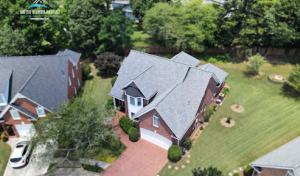
United Group
(678) 608-2772 unitedgroupllc.net
250 Langley Dr Ste 1302, Lawrenceville, Georgia
4.3 from 98 reviews
In this market, homeowners should expect contractors to emphasize turnaround time and cleanup after hail and thunderstorms. Look for a firm that can dispatch quickly, document damage, and outline a clear plan for temporary protection, roof removal, and debris removal. A responsive crew reduces the window of exposure to weather and helps prevent secondary damage from leaks or wind-driven debris. If a contractor can't commit to a rapid first-visit and temporary cover, keep looking.
Drone inspections and complimentary assessments are common here and serve as a practical way to compare what different suppliers see versus what actually needs replacement. Request a digital report that includes photos, a mapped damage checklist, and an itemized repair plan. Favor firms that provide objective, itemized findings rather than broad, impressionistic notes. This documentation will help you compare bids, insurance scope, and post-install maintenance expectations.
The market features many long-established, family-owned, licensed, insured, and manufacturer-certified companies. Those firms tend to offer visible post-install service and more robust warranty support, which matters after a storm when claim-based repairs are common. Check for a consistent local presence-shop for contractors with nearby shops, recognizable fleet markings, and local references. Strong post-install service is worth prioritizing over a low upfront quote.
As storms pass, insurers will scrutinize the scope of work and the timeline. Ensure the contractor provides detailed weather-grade work plans, a sequence of staged repairs, and a written warranty that covers both workmanship and material performance. Set expectations for site cleanliness, tarping, daily progress updates, and a clear end-of-job walkthrough. Clear, ongoing communication reduces miscommunications with the insurer and minimizes delays during claim processing.