
Last updated: Apr 19, 2026
Alpharetta homeowners face a two-part weather threat that directly shapes how you protect and replace your roof. First comes spring, when fast-moving thunderstorms bring high wind risk that can rip shingles, lift flashing, and drive hail into vulnerable edges. If those impacts go unchecked, the roof can enter the summer heat already stressed, accelerating delamination and reducing adhesion for asphalt or other shingles. Then, as the calendar turns to fall, tropical-storm remnants sweep through, bringing heavy rain, prolonged wind exposure, and moisture intrusion that can expose weaknesses caused earlier in the year. The combination means any repair plan must consider both the immediate storm damage and the potential for later wind-driven or water-related issues from tropical systems.
Georgia's storm-claim environment rewards meticulous photo documentation of wind and hail damage before repairs move forward. Local adjusters expect a clear, comprehensive record that shows the extent of damage across the entire roof line, including perimeters, valleys, vents, and flashing. Take wide-angle shots to establish context, then close-ups of lifted shingles, granule loss, dents, and granule wash-down in gutters. Include attic photos that reveal insulation staining, daylight through decking, or condensation patterns, because hidden damage can emerge as the claim progresses. If a contractor has already removed decking or flashing during temporary protection, keep those pieces labeled and photographed to demonstrate the sequence of events from assessment to repair. In Alpharetta, this disciplined documentation often correlates with faster insurer approvals and fewer back-and-forth requests.
Because replacements are commonly steered into spring or fall, storm-driven demand surges can compress contractor availability at exactly the moment you need temporary protection and insurer approvals. When a major storm ends, you may find contractor calendars filling quickly, and delays in material shipments or crew scheduling can push your project into a narrow window. The best approach is to initiate the conversation with a trusted roofer as soon as possible after initial damage verification, even if you're waiting on an adjuster's decision. Having a prepared plan-covering tarping for temporary protection, material choice compatibility, and a realistic outage timeline-helps avoid being caught mid-storm without protection or facing a rushed replacement during peak demand. If you already carry an ongoing claim, coordinate closely with your insurer and contractor to align approvals, scope, and sequencing before any significant weather pivots into another storm season.
Act quickly to secure temporary protection once damage is documented. A sturdy tarp or roof-to-ground cover can buy critical time and prevent further water intrusion, especially if attic ventilation is compromised or decking shows signs of moisture exposure. Communicate explicitly with your contractor about the expected weather window and the likelihood of a staged replacement-Alpharetta homes often rely on staged work to manage storm-season risk, but staging should never leave you without reliable protection for long. Keep a running photo log from the initial assessment through the end of repairs, updating the insurer with new images if additional damage becomes evident after a storm event. If the forecast calls for tropical-fed winds or heavy rain, coordinate contingency plans with your roofer to ensure temporary protection remains intact while full replacement proceeds within the approved scope. In this climate, proactive planning and precise documentation can determine whether a claim progresses smoothly or becomes delayed by storm-season bottlenecks.
Atlanta Metro Roofing
(770) 220-7263 www.atlantametroroofing.com
1061 Cambridge Square STE A, Alpharetta, Georgia
5.0 from 138 reviews
About Atlanta Metro Roofing: Whether you need a total roof replacement or repairs Atlanta Metro Roofing can provide an estimate with no obligation. No job is too big or small. Atlanta Metro Roofing has been in business approximately 15 years with a 5 star rating across multiple platforms. We also provide many exterior services, painting, skylights, gutters, gutter guards, chimney concerns, decks, soffit and facia repairs, flashing repairs, siding and a host of other exterior services. As far as roof replacements go, we are experts in working with your homeowner's insurance to try and save you money. However, we do make sure you are qualified so you don't waste a claim. Please feel free to give us a call with any concerns.
Transcend Roofing Systems
(470) 291-4395 transcendroofing.com
1740 Grassland Pkwy Unit 205, Alpharetta, Georgia
5.0 from 119 reviews
At Transcend Roofing Systems, we are dedicated to providing top-quality roofing services with an uncompromising commitment to excellence. With years of experience and a team of skilled professionals, we pride ourselves on delivering superior craftsmanship and exceptional customer service. As a GAF Master Elite® Contractor, a distinction earned by only a small percentage of roofing companies nationwide, our dedication to quality is evident in every project we undertake. Whether it’s a minor repair or a complete roof replacement, we use the highest-quality materials and the latest techniques to ensure your roof is built to last. Get in touch to bring your vision to life today.
Inspector Roofing & Restoration
(678) 287-7169 www.inspector-roofing.com
1875 Lockeway Dr STE 701, Alpharetta, Georgia
5.0 from 238 reviews
Inspector Roofing & Restoration is Alpharetta’s top-rated expert in residential and commercial roofing. We don't just guess—we verify. Specializing in storm damage restoration and insurance claims, we provide homeowners across Metro Atlanta with data-driven inspections, Xactimate-ready documentation, and master-level roof replacements.
Georgia Roofing & Repair
(678) 639-7663 www.garoofingandrepair.com
4555 Mansell Rd Suite 301, Alpharetta, Georgia
5.0 from 94 reviews
We are the #1 rated Alpharetta Roof Repair, Roof Replacement & Roof Cleaning company. Georgia Roofing & Repair, Inc. is very well known for excellence in roofing throughout Alpharetta and surrounding cities. We offer Residential & Commercial Roofing, Roof Cleaning, Gutters, Siding, Carpentry, Pressure Washing, Exterior & Interior repairs. From Home Improvement to New Construction, there is no project too big or too small for us to handle. We stand on top of our work and pass all top rated manufacturer warranties on to you the consumer. Call us to see why we are the #1 Alpharetta roof repair company. We are fully Licensed, Insured & Bonded as well as A+ BBB Accredited and 5 Star Rated! Click on our Website to learn more.
Mighty Dog Roofing of North Atlanta
(770) 824-9212 www.mightydogroofing.com
12600 Deerfield Pkwy suit#100, Alpharetta, Georgia
5.0 from 175 reviews
Mighty Dog Roofing of North Atlanta, located at 12600 Deerfield Pkwy Suite 100, is your go-to roofing contractor specializing in roof repair, roof replacement, and shingle roofing. Our expert team offers comprehensive services, including metal roofing, storm damage roof repair, roof inspections, and re-roofing services to ensure the protection of your home. Serving Alpharetta and surrounding areas, we're committed to quality workmanship and swift service, offering solutions from asphalt roofing to routine inspections. With cutting-edge technology and flexible financing, Mighty Dog Roofing is the "roofer near me" that homeowners trust for all their roofing needs. Call us today!
Go Roofing Atlanta
(770) 224-0480 goroofingatl.com
Alpharetta, Georgia
5.0 from 132 reviews
Shield Your Home With Reliable Roofing HIRE A LOCAL ROOFING CONTRACTOR TO REPLACE YOUR ALPHARETTA, GA ROOF A strong, reliable roof is important to protecting your home or rental property. If your roof starts to leak, it can cause serious damage to your property. Go Roofing Atlanta, LLC of Alpharetta, GA is your local roofing contractor. Our licensed roofers specialize in new installation and replacements for single- and multi-family homes. Rest assured that Go Roofing Atlanta will provide you with top-quality services that guarantee your roof will remain strong for years to come. We now offer affordable financing options for all new construction and roof replacement installations.
Roof Maxx
1068 Union Center Dr d4, Alpharetta, Georgia
4.9 from 126 reviews
Roof Maxx is your answer for saving money, protecting your home, and being environmentally responsible. Your roof is your home’s first and perhaps most crucial protection. When it begins to fail, the results can be devastating. It starts with small leaks and rapidly spreading water damage, costing you thousands of dollars. It also brings high risks of wood rot, fungus, mold, and other unhealthy home invaders. Don’t put off roof repairs for fear of the cost. Let Roof Maxx help you maximize the life of your existing roof without sacrificing high-quality protection for your home. It’s safe, easy, and effective.
Rackley Roofing & Supply
(770) 771-8802 rackleyroofingandsupplyga.com
6345 Elmshorn Way, Alpharetta, Georgia
4.9 from 139 reviews
We are the trusted local source for your roofing installation, roofing repair and gutter repair services in Alpharetta, GA and surrounding areas. Rackley Roofing and Supply is a 5-Star rated roofing and gutter contractor, and our experienced professionals also provide exterior and interior painting services. Our highly-skilled contractors have a reputation of being reliable, fair and honest, and strive for customer satisfaction. We will inspect your roof and gutters for signs of a leak or deterioration from either storm damage or time worn issues. Call us today to have one of our experienced contractors provide a free estimate and discuss our financing options.
Whitaker Roofing Company
6110 McFarland Station Dr Suite 1005, Alpharetta, Georgia
4.9 from 78 reviews
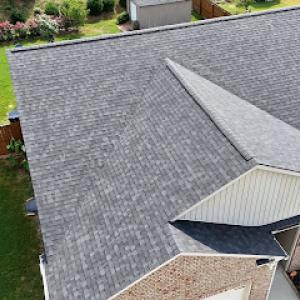
Whitaker Roofing Company specializes in residential roofing and commercial roofing solutions. From roof repair, roof installation, roof replacement, storm damage restoration, and more, we provide reliable, expert services tailored to your needs. Whitaker Roofing Company has been proudly offering local roofing services in Alpharetta and the Metro Atlanta community since 2017. Our team of professional roofers has quickly earned a reputation for trustworthy and reliable professional roofing services by installing and repairing thousands of roofs in the Alpharetta and Metro Atlanta area.
TruCare Restoration & Roofing
(678) 661-2702 trucarerestoration.com
11175 Cicero Dr Suite 187, Alpharetta, Georgia
4.9 from 88 reviews
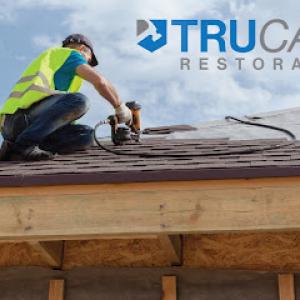
TruCare Restoration & Roofing is the preferred roofing contractor in Alpharetta GA and nearby area, dedicated to providing high-quality roofing services to the local community. With over 20 years of experience, we offer a range of services including roof installation, roof repair, roof replacement, roof inspection, restoration, coatings, and more. We are a licensed and insured Alpharetta roofing contractor in Georgia using only the best materials and equipment to ensure your roof is built to last. From the initial consultation to the final inspection, we work closely with you to ensure that your roofing project is completed on time, on budget, and to your satisfaction. Call us today for a free estimate on your next roofing project!
Georgia Roofing & Gutter Contracting
(770) 527-3624 garoofandgutter.com
6730 Atlanta Hwy, Alpharetta, Georgia
4.9 from 69 reviews
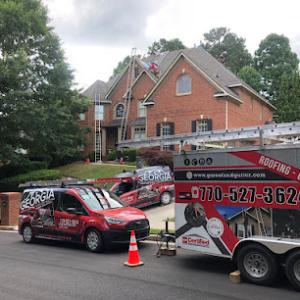
Georgia Roofing and Gutters is a leading provider of roofing services in Alpharetta, specializing in roof repair, roof replacement, gutter installation, and gutter cleaning. Our experienced team delivers high-quality solutions for residential and commercial roofing with a focus on durability, safety, and customer satisfaction. Whether you need storm damage roof repair, shingle roof replacement, flat roofing, gutter guards, or seamless gutter installation, we provide reliable and affordable services tailored to your needs. We are committed to keeping your home safe and protected with expert roof inspections, leak repairs, and gutter maintenance. 📍 Serving Alpharetta and nearby areas, Georgia Roofing and Gutters is your trusted choice for
Pinnacle Home Improvements
(470) 828-0907 pinnaclehomeimprovements.com
1220 Old Alpharetta Rd Suite 300, Alpharetta, Georgia
4.7 from 1044 reviews
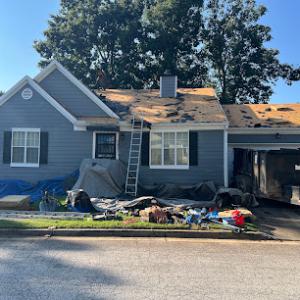
Established in 1988, Pinnacle Home Improvements is an Atlanta and Alpharetta-based general contractor specializing in exterior renovations. They offer window, siding, gutter, and roof replacement services, ensuring a home's beauty, comfort, and resilience.
The hot, humid summers push attic temperatures upward, intensifying moisture retention and expanding the risk of adhesive failures on many roofing materials. In roofs with insufficient attic ventilation, heat builds quickly, softening asphalt shingle adhesives and stressing sealant zones around vents, flashing, and penetrations. When a storm rolls through, the heat amplifies the damage potential from hail and wind-driven moisture, making timely inspection and targeted repairs essential. The outcome is that installation and replacement windows in this market hinge as much on attic conditions and weather windows as on the material chosen.
A well-ventilated attic is your first line of defense against heat damage and premature wear. In Alpharetta, attic vents, soffit intake, and ridge or turbine vents should balance to create continuous airflow that carries humidity out before it soaks decking. If decking shows signs of moisture staining, cupping, or mold, assess whether ventilation, insulation depth, or air sealing has fallen short. During full replacements, decking, underlayment, and flashing must be examined with care, since the permit-and-inspection process closely checks for proper attic airflow and secure decking. Ignore the attic at your peril: weak ventilation accelerates shingle curling, blistering, and accelerated degradation of adhesive seams, especially around the eaves and penetrations.
Summer handling conditions can affect shingle sealing and other adhesive-dependent components more than in cooler markets. Planning a replacement during a window of milder heat-early morning or late afternoon in shoulder seasons-often yields better sealant performance. Schedule crews to minimize prolonged exposure to peak afternoon heat, which can cause faster curing of sealants and irregular adhesion patterns. Ensure the crew uses proper ventilation of the attic space during installation and avoids overdriving nails or improper nailing patterns that can compromise adhesive zones. In humid weather, moisture on roofing felt and underlayment can trap heat and slow the drying of sealant, so timing and weather forecasting matter.
Thunderstorm activity that leads into tropical patterns brings sudden roof damage risks, especially after strong downbursts or hail. When damage is suspected, document debris, lifted shingles, granule loss, and flashing displacement promptly, since rapid documentation supports a clearer path through the restoration process. The mild winters here reduce long windows of idle scheduling, but cold snaps and freezing rain can interrupt winter plans without offering a sustained off-season for full installs. If a storm damages the roof, prioritize a temporary protective cover and a swift, staged replacement plan that respects attic ventilation checks and flashing resealing as part of the final replacement. In all cases, ensure the chosen crew prioritizes clean edge sealing around penetrations and a proper attic-to-exterior flashing transition to hold up under Alpharetta's weather cycles.
The most popular roofing material in the US. Find pros who install, repair, and replace asphalt shingles.
Mighty Dog Roofing of North Atlanta
(770) 824-9212 www.mightydogroofing.com
12600 Deerfield Pkwy suit#100, Alpharetta, Georgia
5.0 from 175 reviews
Georgia Roofing & Gutter Contracting
(770) 527-3624 garoofandgutter.com
6730 Atlanta Hwy, Alpharetta, Georgia
4.9 from 69 reviews
Alpharetta's dominant residential roof mix centers on asphalt shingles, and for good reason. They offer dependable performance, a broad range of styles, and straightforward maintenance. When you're choosing asphalt, pay attention to the granular coverage and the warranty terms, especially for hot, humid summers that push shingles to shed heat and endure long, wet seasons. Look for dual-layer or architectural designs that add width and curb appeal while maintaining solid wind resistance. In this climate, a quality underlayment and proper attic ventilation are essential companions to asphalt, helping manage moisture and keep attic temperatures in check during rain-driven storms.
Metal remains a strong option for homeowners seeking longevity and a distinct look. In this region, metal panels perform well against heavy rainfall and can shed moisture quickly, reducing the chance of standing water near the eaves. The key to success with metal is choosing panels with a proven sealant system and an installation that emphasizes precise flashing at hips, ridges, and transitions. Because Alpharetta experiences rapid changes in humidity and sudden downpours, the flashing quality and the integration with ventilation details become paramount. Metal can be paired with a breathable underlayment and an optimized attic vent strategy to prevent condensation buildup.
Clay and concrete tiles offer an eye-catching, durable option for homes with a more pronounced architectural statement. They excel in longevity and weather resistance, but Alpharetta's storm pattern requires careful attention to flashing, underlayment, and deck integrity. Tile systems demand meticulous alignment and solid fasteners to resist wind uplift, and the weight requires a skilled assessment of structural support. Humidity can affect tile adhesion and substrate movement, so an experienced installer should verify deck condition, implement compatible underlayment, and design a ventilation approach that helps manage heat transfer from the attic to the living spaces.
Wood shingles or shakes bring a warm, classic look that fits many suburban homes in the area. They demand excellent attic ventilation and a well-sealed underlayment to combat moisture that travels with heavy rainfall. Alpharetta's climate invites a careful selection of treated or naturally durable woods, along with regular maintenance to prevent moisture-related warping or mold. Synthetic or composite shingles provide a low-maintenance alternative that can mimic wood while offering enhanced resistance to humidity and swelling. When comparing these, ensure the product is rated for high-precipitation environments and pairs with a ventilation plan that minimizes heat buildup in attic spaces.
The city's material mix reflects a suburban housing stock where steep-slope re-roofing is far more common than large flat-roof replacement. This means the decision often comes down to how well a roof line integrates with the chosen material, how flashing and ventilation are executed on the slopes, and how the system supports effective moisture management during Alpharetta's thunderstorm-to-tropical-storm weather pattern. In every case, prioritize a coherent strategy: a well-sealed deck, a continuous ventilation path, and flashing that transitions cleanly between pitches and roof-to-wall interfaces.
Typical pricing here runs about $350 to $700 per square for asphalt shingles, $700 to $1300 for metal, $1000 to $1800 for clay tile, $900 to $1600 for concrete tile, $500 to $900 for wood shingles or shakes, and $550 to $1100 for synthetic or composite shingles. These numbers reflect local material choices and the way Alpharetta homes blend into North Fulton's neighborhoods - many roofs sit on older decking with attic ventilation that needs careful attention during replacement. When you start with a mid-range shingle, you'll often see final numbers move a bit higher once decking and flashing are reviewed during the city process or if there is hidden damage behind the fascia or around skylights. The goal is to get a realistic total that accounts for the full scope rather than a price tag that only reflects the top surface.
In Alpharetta, costs can rise when storm demand spikes across North Fulton and nearby metro Atlanta communities, tightening labor availability during the preferred spring and fall replacement seasons. It's common to see higher bids after a major thunderstorm event when crews are stretched thin and supply chains tighten for both materials and skilled labor. If a contractor can secure the schedule in a lull between mid-September and mid-April, you often avoid the most aggressive price pressures, but you still need to be prepared for potential pricing adjustments tied to decking, flashing, or ventilation corrections identified during the city process.
Permit requirements for full replacements, inspection coordination, and any decking, flashing, or ventilation corrections identified during the city process can push final project totals above base material pricing. If decking is warped or there is poor attic ventilation that requires reinforcement or new soffit vents, the added labor and materials will show up as a higher overall figure. In addition, severe storm aftermath can create demand-driven delays or temporary price bumps for expedited scheduling. When budgeting, plan a contingency for these scenarios to avoid sticker shock and ensure the project remains on track.
Get a clear picture of your project costs upfront - no commitment required.
Rackley Roofing & Supply
(770) 771-8802 rackleyroofingandsupplyga.com
6345 Elmshorn Way, Alpharetta, Georgia
4.9 from 139 reviews
TruCare Restoration & Roofing
(678) 661-2702 trucarerestoration.com
11175 Cicero Dr Suite 187, Alpharetta, Georgia
4.9 from 88 reviews
Team Roofing & Construction
(470) 517-7929 www.teamroofing.com
13010 Morris Rd Suite 300, Bldg 1, Alpharetta, Georgia
4.7 from 76 reviews
A permit is typically required for a full roof replacement, and the filing is generally handled through the City of Alpharetta Building Department by the contractor. That means you won't be digging through forms yourself in most cases; your chosen roofer should initiate the permit, attach required documents, and schedule necessary reviews. If a contractor skips this step or promises it's "not necessary," you're inviting delays, potential code violations, and trouble when you try to sell or insure the home later. Verify up front that the contractor has an active permit application and a clear timeline tied to inspections. In Alpharetta, addressing this correctly up front helps keep the project moving and avoids last-minute scrambles when storm season looms.
Inspections are performed during and after installation, with attention to ventilation, roof decking, and flashing rather than only the finished shingle surface. Because North Fulton storms can stress attic airflow and moisture control, the inspection team will scrutinize attic ventilation pathways, ridge vents, soffit intake, and the balance between intake and exhaust. Decking must be sound and properly fastened, with no exposed or damaged boards that could compromise the roof's long-term performance. Flashing around chimneys, skylights, and wall interfaces needs precise installation to resist wind-driven water intrusion. Expect pauses in progress if inspectors find gaps, improper nailing patterns, or inadequate underlayment. This is not just a checkmark before shingle color is applied; it's a critical review that directly affects your roof's resilience to the next thunderstorm.
Final approval comes only after completion and inspection signoff, so homeowners should confirm that permit closure is part of the contractor's scope rather than assuming the job ends at installation. If the permit is not closed, you could face lingering compliance issues, potential remedial work, or delays in insurance claims following storm damage. Your checklist should include a formal confirmation from the contractor that all required inspections are completed and that permit closure has been filed. Keep copies of inspection reports and the final clearance notice in your project file. In practice, treat the permit finalization as the definitive stamp that the work meets Alpharetta's building codes and storm-resilience expectations, not merely a decorative badge on a completed roof.
Alpharetta sits in a Georgia insurance environment with regular wind and hail claim activity, which directly affects how quickly homeowners need to document damage after storms. When a thunderstorm-to-tropical-storm pattern rolls through, the clock starts ticking on evidence you'll need for claim decisions and underwriting reviews. If damage isn't documented promptly, there's a real risk that a carrier will question the extent of loss or the viability of a full replacement.
Some carriers in Georgia have tightened underwriting in parts of the market, influencing whether homeowners repair, partially replace, or move forward with full replacement after a loss event. In practice, that means the decision is not purely about what's visible on the roof; it hinges on how the damage reads in photos, in the attic, and along flashing lines. Damage that seems minor at first can become a larger underwriting question once moisture movement is considered.
Because local adjusters may request detailed photos and condition records, Alpharetta homeowners benefit from documenting shingles, flashing, penetrations, and interior leak evidence before temporary repairs alter the scene. Start with exterior photos from multiple angles, close-ups of lifted edges, and any granule loss. Then move indoors: note any staining, ceiling or wall leaks, and attic moisture indicators. Keep a dated log of every storm event and subsequent inspections. If a roof is temporarily shingled or tarped, preserve untouched areas as much as possible to provide a clear before-and-after trail for the adjuster.
Skylights are a frequent source of leaks in Alpharetta's storm-prone market. The most vulnerable area is where the skylight unit meets the roof plane. Pay close attention to the curb or curb-mounted skylight flashing, along with the end joints where the glazing meets the shingles. In heavy rains, even a slight elevation difference or a compromised seal can channel water onto the interior ceiling. During a full roof replacement, insist on precise termination of the skylight flashing with the surrounding roofing membrane, plus a tight seal against both the curb and the shingles. Verification during inspection should include a water test or simulated rainfall check around the skylight perimeter.
Chimney flashings are another high-risk penetration point. The joint where the chimney meets the roof deck is a familiar failure zone, especially if the original counter-flashing has deteriorated or the step-flashing has pulled away. In a high-humidity climate, moisture can seep behind the brick veneer and travel along the chimney wall, creating hidden rot and interior dampness. For full re-roof scenarios, ensure the chimney flashings are replaced or re-seated with proper counter-flashing and a continuous crust of sealant that remains pliable in heat. The goal is a continuous, corrosion-resistant metal layer that ties into the roof deck and sheds water outward.
Look for dried-out or cracked sealant around both skylights and chimneys, loose shingles near penetrations, and any staining on interior ceilings beneath these areas. In the attic, inspect for signs of moisture along the furring strips, as heat and humidity can accelerate leakage paths at these penetrations. Any observed warped decking around a penetration warrants attention during replacement rather than a quick-fix patch.
During a full roof replacement, ensure the penetrations are re-flashed in a way that integrates with the new underlayment and roofing stack. The flashing must be properly lapped, sealed, and tied into the new drip edge and venting system. Contractors should provide a step-by-step plan for skylight and chimney work, including penetration depth, flashing type, and materials used. An inspection-focused eye will verify that these details align with the rest of the roof assembly and meet the city's expectations for a complete, leak-free installation.
Find contractors experienced in skylight installation, flashing, and leak repairs to bring natural light into your home.
Atlanta Metro Roofing
(770) 220-7263 www.atlantametroroofing.com
1061 Cambridge Square STE A, Alpharetta, Georgia
5.0 from 138 reviews
Mighty Dog Roofing of North Atlanta
(770) 824-9212 www.mightydogroofing.com
12600 Deerfield Pkwy suit#100, Alpharetta, Georgia
5.0 from 175 reviews
Future Roof & Restoration
(404) 509-4192 www.futureroof.us
440 Majestic Cove, Alpharetta, Georgia
4.2 from 51 reviews
Alpharetta's market includes a meaningful set of manufacturer-certified and warranty-offering contractors, which matters in a city where storm repairs and full replacements are both common. When a shingle or metal roof has to endure rapid temperature swings, heavy rains, and coastal-style humidity, the warranty becomes a practical signal of durable materials paired with reliable support. Look for a warranty that covers both the product and the workmanship for an extended period.
Because city inspections look at ventilation and flashing, Alpharetta homeowners should treat workmanship quality as a warranty issue, not just a code-compliance matter. A roof is a system: proper attic venting, correctly flashed penetrations, and solid deck preparation under the new layer prevent premature leaks and panel failure. A contractor who stands behind their installation with a transferable workmanship warranty offers added peace of mind when tropical-pattern weather or severe thunderstorms strain the roof's seams.
In a competitive local market with many long-established and family-owned firms, warranty terms can be one of the clearest ways to separate low-bid re-roofing from higher-accountability installation. Look for installers who provide clear documentation of their deck-ventilation checks, flashing configurations, and attic airflow verification as part of the project. A credible warranty should specify how failures are diagnosed, who performs remedial work, and the turnaround expectations after a claim is filed.
Ask for written confirmation of the exact components covered, including material defects, workmanship flaws, and hail-related impacts if applicable. Verify the duration of both the materials and workmanship portions, and ensure the coverage is fully transferable to future owners. Finally, confirm the process for making a claim, including required photos, inspections, and timeline, so you know what to expect when weather stress tests your roof.