
Last updated: Apr 19, 2026
In Snellville, spring hail and severe storms are a primary trigger for roof inspections, temporary repairs, and insurance-driven replacements. When those afternoon storms roll through, you should inspect the attic for sudden moisture, and check ceilings for new brown spots or paint peeling from hidden leaks. If hail hit your roof, call your roofer or claims adjuster within 48 hours to document damage before the next storm season takes its toll. Quick, targeted inspections can prevent wind-driven leaks from spreading across multiple rooms and framing.
Georgia's hot, humid summers with regular rainfall make post-storm drying time, shingle sealing, and crew scheduling more difficult than in drier markets. After a claim is filed, expect longer drying times for roof decks and attic spaces, especially if insulation got waterlogged. Delays in drying can lead to mold growth and delayed sealant set, compromising the longevity of any temporary fix. Your best defense is scheduling drying windows as soon as weather allows, and choosing a contractor who can stage a controlled, stepwise dry-in that prioritizes ventilation and moisture barriers.
Summer afternoon thunderstorms in the Snellville area can interrupt tear-off and dry-in windows, which is why many full replacements are pushed into spring or fall when possible. If a replacement is unavoidable in summer, plan for extended, weather-monitoring timelines and flexible crew availability. Have a contingency plan for potential rain delays, including how often the job site will be tarped and how temporary waterproofing will be maintained. Coordination with your insurer and contractor should emphasize minimizing exposure to rain during critical stages of roof removal and installation.
Storm claims move fast, but the clock can be unforgiving. Start with a documented, dated assessment from a licensed roofer right after the storm. The report should clearly distinguish pre-existing damage from new storm damage to support the claim. Insurers often approve expedited repairs to mitigate further damage, so prioritize temporary repairs that stabilize the roof without delaying the full replacement plan. Maintain consistent communication with the insurer, your contractor, and, if applicable, the property manager, to align on a unified schedule that respects weather windows and avoids back-and-forth delays.
Create a weather-forward action plan that marks high-risk weeks in late spring and early summer. If a storm hits, you should have a ready-to-activate timeline: immediate mobilization, quick-on-site assessment within 24 to 48 hours, temporary repairs to seal leaks, and a clear path to a full replacement or re-shingle when conditions permit. Prioritize roofs with advanced moisture barriers and properly vented attic spaces to reduce drying time and prevent interior moisture damage. Remember, the best choice during hurricane-season-level thundershowers is to protect the interior first, then restore the exterior once reliable dry periods surface.
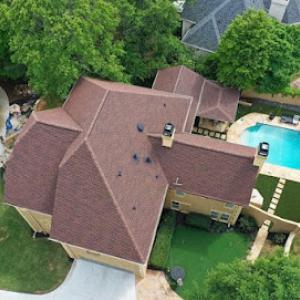
High Quality Roofing
(770) 609-6586 www.highqualityroofingatl.com
1381 Scenic Hwy N, Snellville, Georgia
5.0 from 301 reviews
High Quality Roofing is a residential and commercial roofing service department that can handle any commercial or residential roofing repair, replacement or new roof installation that you and your neighbors might have. Our Service management staff offers FREE roof evaluations and will work with you for the best possible solution for your individual needs. Whatever your roofing needs, large or small, you need a professional roofing contractor you can trust. A contractor who will provide you with sound advice on products, reasonable explanations of procedures, and most important – SOLID RESULTS. For all of these reasons, High Quality Roofing is your best choice. Don’t wait, call us today to speak with one of our service managers.
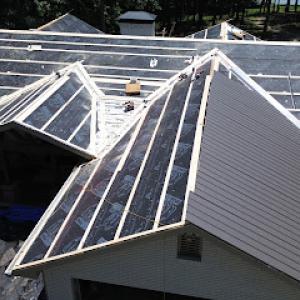
Legends Restoration Group
3190 Lenora Church Rd Suite 100-201, Snellville, Georgia
5.0 from 76 reviews
Legends Restoration Group has proudly served Snellville, GA since 2010, delivering trusted solutions in construction, roofing, remodeling, and full-scale restoration. Our mission is to provide swift, expert care for water, fire, mold, and storm damage—combining certified teams, advanced equipment, and insurance support to restore homes and peace of mind 24/7. From roofing services, drip edge and gutter installations to kitchen and bathroom renovations, we set the standard in craftsmanship and reliability. With features like same-day appointments, maintenance plans, we stand out as your dependable local partner. Contact Legends Restoration Group today and let’s restore, rebuild, and protect your property with confidence!

Atlanta Premier Roofing
(404) 738-7227 atlantapremierroofing.com
2245 Wisteria Dr SW Suite 344, Snellville, Georgia
4.9 from 130 reviews
At Atlanta Premier Roofing, we’re your first line of defense—protecting your home or business from whatever the weather brings, both here at home and beyond. While we're proud to serve our local community, we also extend our expertise to areas outside our immediate neighborhood. Our mission is to provide peace of mind, reliable protection, and top-quality workmanship wherever it’s needed. Your property deserves the best—and that’s exactly what we deliver.
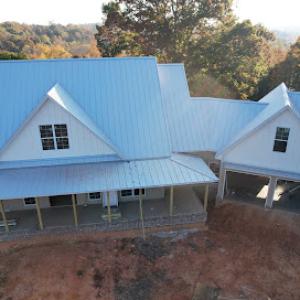
Georgia Roof + Exteriors
(770) 659-7620 georgiaroof.com
Snellville, GA
4.9 from 180 reviews
Georgia Roof + Exteriors is a licensed and insured roofing contractor serving the Metro Atlanta area. We specialize in both residential and commercial roofing solutions, offering services from roof repairs and replacements to siding, gutters, and more. Our team is dedicated to providing honest, reliable, and professional service, ensuring quality materials and timely project completion.
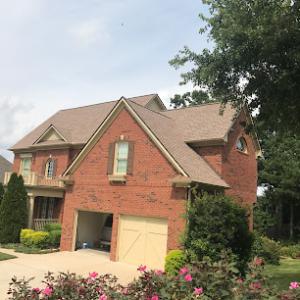
Frank Roofing
(404) 644-8585 www.frankroof.com
2907 Pebble Ln SW, Snellville, Georgia
5.0 from 57 reviews
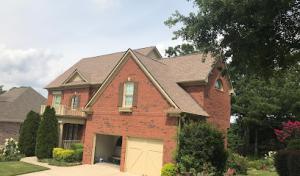
We have over 10 years in the business. With a crew of experienced craftsmen and top-rated quality materials, backed up by 2/5/10 years of labor warranty, we are the area's best resource for your roofing needs. We offer hail damage free inspection and free estimates, we have plenty experience working with the most popular home insurances companies: All State, State Farm, Nationwide and others. You don't have to worry about anything, we do all the process, so you can get your leaks and stained roof fixed and replaced by the best hands.
Girard Roofing
(770) 476-3539 www.girardroofing.com
1825 Windburn Ct SW, Snellville, Georgia
4.9 from 76 reviews
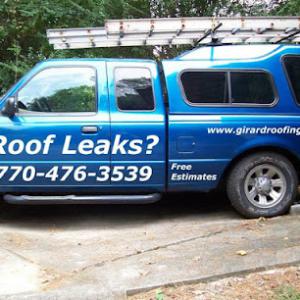
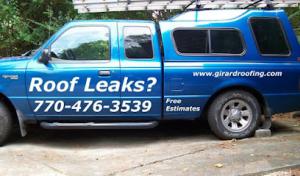
Based out of Snellville Ga but work all over Atlanta and suburbs. We stop and repair all roof leaks properly, do roof maintenance, brick and sided chimney leak repairs, skylight repairs or replacements, and much much more for decades. Girard Roofing is a long time well established roofing contractor that you can trust to do a good work. Free estimates.
Generation Roofing Company
(770) 733-3517 www.generationroofingcompany.com
Snellville, GA
5.0 from 28 reviews
Generation Roofing Company, established in 2016, brings over four decades of experience to every roofing project in the Atlanta area. Combining expertise in roofing, siding, gutters, skylights, and decks, our team is dedicated to meeting our clients' needs while maintaining the highest quality and safety standards. With a focus on superb craftsmanship, genuine customer care, and treating each project as our own, we've earned numerous referrals through our commitment to excellence. Trust Generation Roofing Company, the solution to any roofing need.
Armor Guard Roofing
(404) 392-6259 armorguardroofs.com
3581 Spring Creek Cir, Snellville, Georgia
5.0 from 1 review
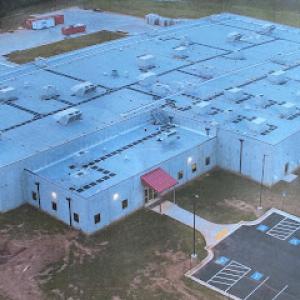
For over 27years, Armor Guard has been the go-to commercial roofing company in Atlanta, GA, and surrounding areas. Our extensive experience and expertise make us the trusted choice for all your commercial roofing needs. From installations and repairs to maintenance and replacements, we deliver top-quality solutions that stand the test of time. Contact us today for reliable, professional, and efficient commercial roofing services in Snellville, GA.

True Quality Roofing
(770) 554-1229 www.truequalityroofing.com
Serving
5.0 from 137 reviews
True Quality Roofing, LLC is your go-to roofing contractor in Loganville, GA. We specialize in top-notch roof replacement, repairs, and maintenance services. Our team is dedicated to providing the highest level of craftsmanship and customer service. In addition to roofing, we also offer full home renovation and remodeling services to transform your space into the home of your dreams. Trust True Quality Roofing for all your roofing and home improvement needs.

Fraser Roofing
(678) 835-4163 www.fraserroofingllc.com
Serving
4.9 from 2343 reviews
Fraser Roofing in Lilburn, GA delivers dependable roof repair, replacement, storm response, and gutter service. Our primary offering is CertainTeed architectural shingles, installed by a Select ShingleMaster team for proven performance and strong warranties. For premium looks and durability, we selectively offer DaVinci composite roofing and F‑Wave synthetic shingles. Contact us for a free estimate.
Tom's Home Repair
(770) 979-2367 tomshomerepairinc.net
3749 Centerville Rosebud Rd, Snellville, Georgia
3.5 from 4 reviews
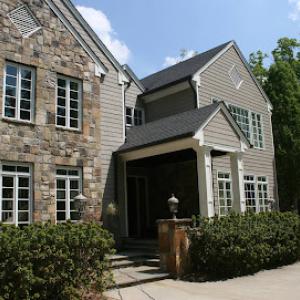
Bring Back the Luster of Your Property CALL OUR SHEET METAL, SIDING AND GUTTER CONTRACTORS IN SNELLVILLE & LAWRENCEVILLE, GA Does your home need some TLC? Tom’s Home Repair, Inc. will restore the appearance of your home. We can fabricate custom sheet metal, install new gutters and replace your siding. Our lead specialist has over 40 years of experience in the industry. By providing hands-on service, Tom and his team offer hassle-free assistance for any exterior residential project. Call Tom’s Home Repair as soon as possible for a free estimate on your service.
Anchor Roofing
(678) 463-6612 anchorroofing.net
Serving
4.9 from 137 reviews
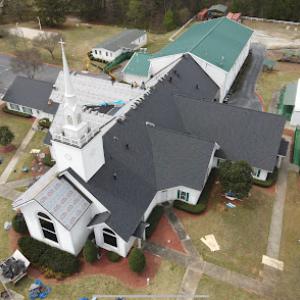
Located in Loganville, Bethlehem, Conyers, and Lawrenceville, GA, Anchor Roofing is a trusted Roofing Contractor dedicated to providing high-quality roofing solutions for both residential and commercial properties. We specialize in full roof replacements, roof repairs, and inspections, using top-grade materials and expert craftsmanship. In addition to roofing, we offer professional gutter services to protect your property from water damage and ensure long-term performance. Our team is committed to honest service, clear communication, and lasting results. If you're looking for a reliable Roofing Contractor in Loganville, Bethlehem, Conyers, or Lawrenceville, Anchor Roofing is your go-to source for expert roofing and gutter services.
For a full roof replacement in Snellville, a building permit is typically handled through Gwinnett County rather than a separate city roofing office. This means your project will follow Gwinnett's permitting and inspection workflow, with county staff coordinating review, issuance, and inspections. Understanding this help ensures scheduling aligns with county timelines and reduces surprises during the process.
Begin by confirming the project scope with your contractor and coordinating a Gwinnett permit application. You'll file the plan with the county, and a project envelope will track approvals, inspections, and any required corrections. Because Gwinnett handles the permit, you'll likely rely on the permit coordinator assigned to your county district rather than a Snellville-specific contact. Expect an initial review for code compliance, material selection, and site impacts. Once the permit is issued, your project can proceed, but coordinates with the county schedule remain essential for a smooth process, especially during storm-driven spring windows when weather and insurance timelines tighten.
Inspections are commonly scheduled through the Gwinnett County Department of Planning and Development at key milestones. The typical sequence includes an inspection before roofing begins to verify framing and deck integrity, another inspection after decking or underlayment is installed to confirm proper attachment and moisture control, and a final inspection at project completion to verify overall workmanship and code compliance. In practice, these inspections help catch moisture and ventilation issues early, which is critical in a climate with humid summers and spring severe weather. Stay in close contact with your contractor to align the inspection dates with weather windows and to ensure you have access for the county inspector.
Snellville homeowners should confirm who holds the permit because local process quirks can affect permit transfer and re-inspection if corrections are required. If the permit is tied to a specific contractor, ensure that your agreement clearly states who is responsible for supplying permit documentation, scheduling inspections, and addressing any county-required corrections. If a change in contractor occurs mid-project, verify the county's transfer procedures and ensure the new builder is properly added to the permit to avoid delays or re-inspection fees.
Weather and storm-driven spring conditions can compress inspection windows, so plan ahead for possible weather-related hold days. Have a clear communication channel with the roofing crew and the county inspector, and keep copies of all permit-related documents accessible on-site. If corrections are requested, address them promptly to minimize downtime between milestones. By coordinating timing with Gwinnett County's process and staying aware of transfer rules, you can keep a Snellville roof project moving smoothly from permit approval through final sign-off.
In Snellville, the practical path for most homeowners starts with the mainstream asphalt shingle because it aligns with the local housing stock and budgets. You'll see asphalt shingles making up the majority of replacements and new roofs, with metal showing up in a solid minority and higher-end projects occasionally featuring tile, slate, or copper. When you map out a project, expect asphalt shingles to dominate both supply options and crew scheduling, especially after a spring storm when the demand spikes.
Asphalt shingles carry a broad installed-range in this market, typically between 350 and 750 USD per square. That wide spread reflects a mix of shingle quality, underlayment choices, and the local labor envelope. In neighborhoods with mature trees and higher moisture exposure, a premium underlayment and improved ventilation package can push the price up modestly, but the majority of Snellville homes will land in that lower-to-mid portion of the range. If you're balancing budget against future maintenance, a mid-range shingle with a solid warranty often yields the best long-term value in our climate.
Metal roofing sells at a higher per-square price, generally 600 to 1100 USD. You'll encounter metal more often as homeowners upgrade or replace features for longer lifespans and a different visual; it's common in higher-end or spec-driven projects where hail resistance is a priority. In Snellville's humid summers and storm-prone springs, metal can offer advantages in durability and wind performance, but the upfront investment is noticeably larger. If you're weighing options after a hail event, metal's longer-term durability can help justify the gap in cost, particularly on homes with long roof runs or prominent elevations.
Clay tile and concrete tile are far less common on the typical Snellville street than they are on luxury or custom builds, yet they do appear. Clay tile generally runs 900 to 1700 USD per square, while concrete tile sits from about 800 to 1500 USD per square. These options bring distinctive aesthetics and excellent longevity, but they require structure-ready support and careful condition assessments-especially in storm-impacted neighborhoods. If your home has existing tile or you're chasing a certain curb appeal, tile choices can be compelling, but be prepared for higher installation complexity and the associated scheduling considerations.
Slate and copper are the occasional high-end choices that pop up on style-forward homes or renovations where longevity and premium performance matter. Slate typically runs 1200 to 2400 USD per square, and copper can range from 1800 to 4200 USD per square. The combination of material rarity, weight considerations, and longer lead times for specialty crews means these options often align with longer planning horizons and tighter budget buffers for weather-driven delays and inspection windows in Gwinnett County coordination. Storm-driven demand spikes can push labor scheduling and pricing upward after hail or severe weather events, so set a conservative timeline if a storm has recently moved through the area. Coordinating with local crews and inspections-without tying to a fixed permit timeline-helps you anticipate soft costs that ride on top of the material price per square.
In Snellville's humid climate, trapped moisture after repeated rain events can turn small flashing or decking issues into larger leak and rot problems if roofs are not dried in quickly. When rain-saturated decking sits under a shaded or poorly vented roof, the moisture can seep into seams and fasteners, hiding behind gutters and under shingles. This slow, creeping damage often surfaces after a few dry spells, sometimes months later, making small problems look suddenly bigger and more expensive to repair. The local pattern is a reminder to watch for damp attic smells, lingering condensation on the underside of sheathing, and occasional soft spots that grow when heat pressurizes trapped moisture.
High summer heat in north-central Georgia accelerates aging on exposed roofing surfaces, especially on older asphalt systems common in suburban Gwinnett neighborhoods. You may notice gradual color fade, increased brittleness at the edges, and more rapid granule loss after several hot seasons. The consequence is not just aesthetics; aged shingle surfaces surrender to ultraviolet exposure faster, risking edge curl, lifted tabs, and vulnerable underlayment if wind or hail comes through. In practical terms, those shingles don't shrug off heat the way newer materials do, so retired or weathered layers are prime sites for leaks when a storm hits mid-summer or early fall.
Wet late-fall and winter conditions around Snellville can slow installation and extend the time roofs remain vulnerable during replacement. Prolonged exposure of an open roof deck or lagging underlayment invites moisture intrusion during cold or wet spells, and that window of weakness often overlaps with spring storm season. If a roof is left partially exposed, even a brief passing thunderstorm or a heavy late-season rain can push moisture deeper into the attic, complicating drying and increasing the risk of wood rot and mold when sunny days finally return.
Given these patterns, you should prioritize rapid drying after weather events and timely inspections after any storm. Look for indicators of moisture lingering in the attic, check ventilation efficiency, and address signs of aging on older asphalt sooner rather than later. When a replacement is planned, anticipate the challenge of working through lingering wet conditions in late fall and winter, and set expectations for a drying-in period that minimizes exposure to additional moisture.
Asphalt shingles dominate the Snellville market because they fit the area's large stock of suburban single-family homes and are widely serviced by local crews. They handle the Georgia heat and spring humidity without demanding specialized installation crews, making them the most practical choice for many homeowners here. For a typical Snellville lot with moderate closet eaves and standard attic ventilation, asphalt provides reliable service life, straightforward repair work, and a broad local service network. In storm season, shingles are easier to inspect, patch, and reseal after hail or wind events, helping you keep the roof watertight as insurance adjustments get sorted out. When choosing asphalt, focus on a weather-appropriate granule strip and a shingle thickness that aligns with your roof pitch and attic conditions to minimize moisture-driven issues.
Metal roofing has a meaningful local presence in Snellville and is often considered by homeowners looking for longer service life under Georgia heat and rain. Metal panels shed water quickly and resist impact better than standard shingles, which can be a boon after severe spring storms. The reflective surface helps reduce cooling loads in hot summers, and many metal systems come with integrated underlayment for moisture control, a practical feature in humid conditions. Installation requires experienced crews who understand flashing around chimneys, skylights, and vent stacks-especially on steep or multi-run roofs common in the area. If your home experiences repeated wind events or you plan to stay in place for a long time, metal can offer dependable performance with careful detailing to manage condensation and attic ventilation.
Clay tile, concrete tile, slate, and copper are available in the Snellville market but require crews familiar with heavier or specialty systems that are less common than shingles. Clay and concrete tiles bring distinctive curb appeal and long life, but their weight necessitates structural checks and reinforced decking. Slate offers excellent durability and a refined aesthetic, yet installation and repair demand highly skilled tradespeople and precise underlayment design to preserve moisture control. Copper, while striking and durable, remains a premium choice with unique flashing and expansion considerations in Georgia's heat and humidity cycles. For homes in older neighborhoods or those with unique roof lines, these materials can complement the architecture, but the project should be approached with a plan for loads, ventilation, and close coordination with specialty crews to ensure reliable storm performance and moisture balance.
In spring storms and humid summers, the priority is a roof system that seals quickly, sheds moisture, and allows for prompt mitigation of any wind or hail damage. Asphalt provides a straightforward, serviceable route for many Snellville homes, while metal offers longer life with careful installation. Heavier or specialty options should be reserved for homes with appropriate structural support, historical considerations, or a specific architectural vision, and only when a qualified local crew is engaged.
Georgia insurers serving Snellville have raised rates in some cases after severe weather, making roof age, condition records, and maintenance history more important during underwriting and renewal. Your home sits in a climate where spring storms and humid summers push cosmetic and structural issues to the forefront. A well-kept history isn't a luxury; it can be the difference between a smooth claim and a drawn-out battle.
Snellville homeowners should expect adjusters to request photos and documentation after storm events, especially when hail or wind damage is part of the claim. Clear, timestamped images of every rooftop surface, along with attic notes showing moisture or staining, help establish the extent of damage quickly. If you have lingering leaks or attic condensation after a storm, document with date-specific photos and keep a simple log of when you first noticed it.
Coverage restrictions in this market may vary by roof age and material type, so replacement decisions in Snellville often involve both claim strategy and future insurability. When a claim leads to a replacement, insurers may review how the chosen material will affect premium class and long-term coverage options. A conservative approach that aligns with known roof age and condition can reduce the risk of unexpected declines later on.
Begin a file that pairs receipts for maintenance with seasonal inspections and any hail or wind reports from neighbors or the weather service. Photograph roof lines, vent stacks, and flashings from multiple angles after storms. Keep a simple summary of any prior repairs, including dates and contractors, so you can present a cohesive history if an adjuster needs context.
Skylight leaks are a common snag in Snellville homes, where heavy spring rains meet hot summer humidity. The leak paths around skylights aren't always the glass itself-often the issue is how the curb, flashing, and local sealing meet the roof deck. Because skylight work is a meaningful specialty among nearby contractors, you'll often find a phased approach: first confirm that the skylight frame is square and the sealant around the flashing is intact, then trace any suspected moisture back to the crown of the curb where water tends to settle. In practice, that means a careful inspection after a rain event, paying attention to interior spots around the skylight hub and any staining along the ceiling drum above.
In a rain-prone Gwinnett climate, the critical failure points around skylights are flashing joints and misaligned transitions. Look for hairline gaps at the base of the skylight where the metal flashing meets the shingles, and for deteriorated roof sealants that have turned brittle from sun exposure. When hiring, prioritize contractors who demonstrate a methodical flashing audit: they should reveal where the water is entering, how they'll seal or replace the flashing, and how they'll integrate with the surrounding shingles to prevent backflow during heavy storms. If you notice persistent condensation between panes after storms, that can indicate a compromised seal on the skylight itself, which often goes hand-in-hand with flashing concerns.
Chimney flashing transitions are a frequent service need in older and mixed-age homes around here. The shared path of moisture climbs up the exterior wall and finds the chimney flashing, especially where brick and shingle meet. Common failures include loose step flashing, deteriorated counter-flashing, and mortar cracks that trap water. A practical approach is to schedule a focused chimney inspection after a significant rainfall, then address any loose shingles above the chimney, ice dam tendencies in shoulder seasons, and the integrity of the cap and crown. For ongoing reliability, ensure that the chimney line is well-integrated with the roof's drainage plane so any moisture has a clear path away from the interior.
When inspecting, start with visible gaps around skylight and chimney flashing, then check interior ceilings for sudden damp patches after a storm. Document date-stamped photos of flashing seams and any warped shingles near penetrations, so a contractor can quickly assess. If a leak persists, a targeted test drill or infrared moisture scan, done by a local pro, often pinpoints the hidden channels before broader roof work is proposed. In Snellville, where penetrations often lead the way to interior moisture, addressing skylight and chimney transitions promptly saves more invasive fixes later.
Find contractors experienced in skylight installation, flashing, and leak repairs to bring natural light into your home.

Atlanta Premier Roofing
(404) 738-7227 atlantapremierroofing.com
2245 Wisteria Dr SW Suite 344, Snellville, Georgia
4.9 from 130 reviews
Frank Roofing
(404) 644-8585 www.frankroof.com
2907 Pebble Ln SW, Snellville, Georgia
5.0 from 57 reviews
Girard Roofing
(770) 476-3539 www.girardroofing.com
1825 Windburn Ct SW, Snellville, Georgia
4.9 from 76 reviews