
Last updated: Apr 19, 2026
Ewa Beach sits on Oahu's leeward coast, so homes endure marine salt air that can shorten the life of fasteners, flashings, and unprotected metal roof components. The practical takeaway is to favor systems with corrosion-resistant fasteners and durable flashing details. When evaluating a roof, look for corrosion-resistant metals in the fasteners and through-fasteners, and confirm that flashings are stainless steel or hot-dipped galvanized with a high-quality sealant system. For concrete or clay tile, verify that the underlayment and fasteners are rated for coastal environments and that the fastener lengths reach stable substrate without exposing threads to salt shear. In any system, a robust drip edge and continuous eave flashing help channel salt-laden spray away from seams and ridge lines.
Compared with wetter windward parts of Oahu, the area is sunnier and drier overall, which increases UV stress on shingles, sealants, and exposed underlayments between rain events. The practical implication is to prioritize products with proven UV resistance and long-lasting sealants. For asphalt or synthetic shingles, choose options with heat- and UV-stable granules and compatible asphalt binders that resist chalking in strong sun. For tile systems, ensure color choices offer high solar reflectance and low UV-induced degradation, and confirm that bedding mortars and sealants remain flexible under prolonged sun exposure. Consider reinforcing underlayments with UV-stable membranes that maintain integrity when cycles of sun and brief showers occur.
The coastal exposure means wind-driven rain during tropical systems can exploit weak ridge, edge, and flashing details even when annual conditions feel relatively dry. The emphasis is on wind uplift resistance and continuous edge protection. In practical terms, inspect the roof edge details: secure ridge cap, continuous eave fascia, and wind-rated integrated flashing around chimneys, vents, and skylights. For metal roofs, ensure panels have factory-installed clips or concealed fasteners with proper sealants and that any exposed fasteners have stainless steel or aluminum hardware with corrosion-resistant coatings. For tile roofs, look for mechanically fastened or adhesive-sealed systems that meet wind uplift requirements, and confirm that battens and underlayment systems are rated to handle wind-driven moisture intrusion without loosening. Avoid loose-to-the-edge components and ensure all parapets, vent flashings, and transitions are sealed with a wind-tolerant detailing approach.
Even during the drier stretches, tropical downpours can arrive abruptly. Details that improve moisture management include robust underlayments with proven waterproofing capabilities and drainage-friendly roof profiles. Ensure the roof deck is properly vented to prevent moisture buildup under the underlayment, which can compromise both wood and synthetic decking materials. For flat or low-slope sections, confirm that transitions between planes maintain positive drainage and that flashing terminations terminate into a dry, well-sealed gutter or drip edge. In all cases, consider a system with a continuity approach: continuous flashing around perimeters, penetrations, and skylight openings, with every seam caulked or sealant-bonded using products designed for coastal salt exposure.
Maintenance frequency should align with salt air exposure and seasonal rain events. Visual checks after tropical systems or strong winds are essential, focusing on fastener integrity, flashing condition, and sealant flexibility. Replace any degraded sealants and corroded fasteners before they advance into more costly leaks or corrosion. A proactive approach also means inspecting gutters, downspouts, and eave lines for salt build-up that can impede drainage or accelerate wear on metal components. For homeowners choosing a roof system, prioritize suppliers and installers with proven coastal experience and a track record of long-lasting performance in salt-spray environments.
In Ewa Beach, corrosion resistance matters not just for the roof covering but for clips, nails, valleys, drip edge, vents, and other metal accessories exposed to salt-laden air. When you're choosing any system, inspect the fasteners and flashings for corrosion resistance ratings, and favor coated or stainless options for exposed metal. Ask contractors to source corrosion-resistant sealants and gaskets that stay resilient in heat and humidity. In practice, plan for premium fasteners and ensure every metal sleeve, chimney flashing, and ridge vent is matched to a salt-spray environment. A roof that looks good but uses cheap or uncoated hardware tends to show wear sooner, even if the surface materials hold up well.
Concrete and clay tile are common in Oahu subdivisions and can perform well in coastal heat, but their weight makes structural compatibility a key reroof planning issue during Honolulu permit review. If you're leaning toward tile, have a structural assessment done early to confirm the existing framing can carry the load with a safe factor for wind uplift. Concrete tiles tolerate UV and salt air well when properly installed, but they still need solid underlayment and careful valley and drip-edge detailing to shed salt-laden water away from the deck. Clay tiles offer excellent longevity and color stability, yet they can be brittle if mis-handrailed during installation or after impact. In both cases, align with a licensed installer who understands coastal wind zones and can specify corrosion-resistant clips and ridge caps built for salt exposure. If your home has an incomplete typhoon of wind uplift potential, you may need to add bracing or reframe key areas to avoid future issues.
Asphalt shingles remain a lower-cost option locally, but algae staining, granule wear, and heat-related aging are more relevant in this humid, high-UV coastal environment than in inland mainland markets. When choosing asphalt, select a high-performance, algae-resistant shingle with a saturated, fiberglass mat and UV-stable ceramic granules. In this environment, you'll want a reputable warranty and a coating on the exposed face that resists fading and granule loss after intense sun. Pay attention to the edge and valley details because salt air can accelerate granular shedding if the substrate isn't properly sealed. Venting behind the shingles should be planned to minimize moisture buildup and warm attic temperatures, which can shorten the life of the roof surface and degrade fasteners.
Regardless of which main roof material you pick, prioritize corrosion-resistant vent gaskets, drip edges, and valley liners. Salt air can creep into seams and cause premature deterioration if metal components aren't matched for coastal exposure. Ensure metal accessories-drip edge, step and boot flashings, and vent collars-are coated, or made from stainless or polymer composites designed for salt spray. Have the contractor confirm a full underlayment plan that resists salt intrusion and maintains a watertight, UV-tolerant shield under the chosen surface.
Explore specialists in steel, aluminum, and standing seam metal roofs built to last 50 years or more.
Tulba's Roofing
(808) 888-0945 www.tulbasroofing.com
91-1469 Noelo St, Ewa Beach, Hawaii
4.2 from 5 reviews
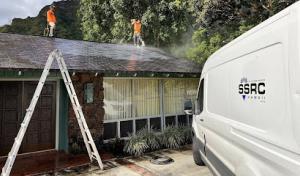
Surface Shield Roofing Company
(808) 739-9599 www.surfaceshieldroofing.com
Serving
4.3 from 27 reviews
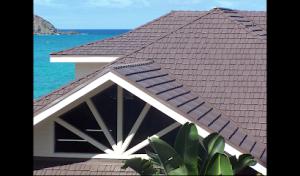
Roof edges, hips, ridges, and older mechanically attached components take the brunt of persistent trade-wind exposure. In this coastal setting, uplift resistance isn't optional-it's essential. If your roof relies on legacy fasteners or passive edge details, you may be inviting wind-driven failure during storm events. You should verify that edge metal, flashing, and hip/ridge cap details are corrosion-resistant and securely anchored with appropriate fasteners for salt air and high winds. Consider upgrading to edge systems with concealed fasteners or higher-grade sealants designed for tropical conditions, and insist on true wind uplift testing during installation. This local terrain makes proactive edge reinforcement a non-negotiable safeguard.
Wind-driven rain in this coastline environment becomes a moisture thief through small flashing defects around penetrations. Even when the roof looks fair-weather fine, a storm can expose tiny gaps that funnel water into the attic or ceiling. Inspect around chimneys, vent pipes, skylights, and transitions where roof planes meet walls. Use corrosion-resistant flashings, silicone or sealants rated for salt spray, and step-flashing that integrates with self-sealing membranes. If the roof uses older mechanically attached components, upgrade to more rain-shedding configurations and confirm that sealants remain flexible under UV and salt exposure. Your goal is to create a continuous, watertight barrier that does not rely on cosmetic appearance during a downpour.
Wet-season rains can delay tear-off and dry-in work, so storm-related roof damage often requires temporary protection before full replacement scheduling opens up. Prepare a robust temporary barrier-sturdy tarps or netting secured with corrosion-resistant hardware-to hold back rain while you secure contractor access and coordinate a faster dry-in when the window opens. Plan for rapid removal of temporary protection as soon as workers are able to proceed, and ensure temporary coverings do not trap moisture against fascia or underlayment. In this climate, proactive protection buys critical time and reduces interior misery when a tropical system approaches.
Find local contractors experienced in assessing and restoring roofs after hail, wind, and severe weather events.
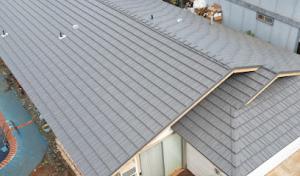
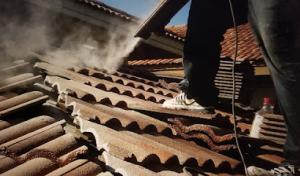
Tulba's Roofing
(808) 888-0945 www.tulbasroofing.com
91-1469 Noelo St, Ewa Beach, Hawaii
4.2 from 5 reviews
Tulba’s Roofing is owned and managed by Ernie Tulba. With over 10 years of roofing experience. I will make sure that your projects are completed correctly and on time while saving you money. We are Reliable Roofing Professionals. We Offer Individualized Roofing Options. Satisfaction and Quality Guaranteed
New Era Roofing
91-1036 Waihuna Pl, Ewa Beach, Hawaii
5.0 from 1 review
NEW ERA ROOFING BELMOR BAUTISTA AKA BILLY 808 561 3329 91-1036 WAIHUNA PLACE EWA BEACH HI 96706
Kapili Roofing & Painting
(808) 621-7663 www.kapiliroof.com
Serving
4.9 from 376 reviews
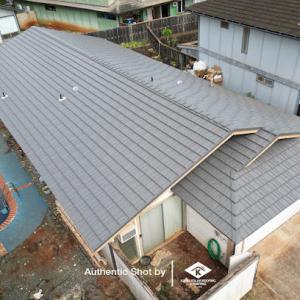
Kapili is a Hawaii roofing contractor that has been serving the island of Oahu since 2007. With generations of experience in the roofing industry, we specialize in providing top-quality services for residential and commercial roofs. We've installed roofs all over Honolulu County, including: Mililani, Waipahu, Wahiawa, Waianae, Kapolei, Ewa Beach, Waialua, Kaneohe, Kailua, North Shore. We are now offering Kauai roofing services to home and business owners. We also offer painting, Whether you need a new roof and exterior/interior painting, Kapili has the expertise to meet your needs.
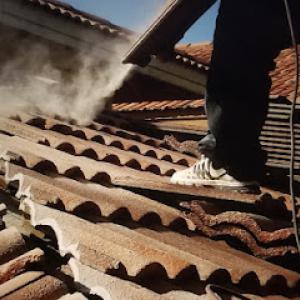
Action Roofing Hawaii
(808) 782-1035 www.actionroofinghawaii.com
Serving
4.8 from 24 reviews
Action Roofing Hawaii is a locally owned and operated roofing service provider with over 35 years of experience catering to the needs of commercial, residential, and industrial clients in Honolulu and across Hawaii Island. Established in 2005, the company offers a comprehensive range of roofing solutions, including waterproofing, sheet metal work, gutter and downspout systems, as well as crane, hoisting, and rigging services. Action Roofing Hawaii is fully equipped to handle roof inspections, maintenance, restoration, conversions, repairs, and insurance claims, providing expert recommendations and delivering exceptional results.
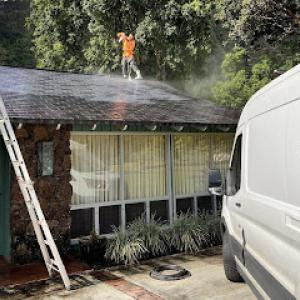
Surface Shield Roofing Company
(808) 739-9599 www.surfaceshieldroofing.com
Serving
4.3 from 27 reviews
Surface Shield Roofing Company delivers expert roofing and remodeling solutions in Waipahu, HI. As a trusted commercial general contractor, we specialize in roof restoration, commercial roofing, metal roofing, residential roofing, and home remodeling. Our experienced team combines advanced tools, proven techniques, and a commitment to quality to ensure durable, long-lasting results. We prioritize safety, efficiency, and customer satisfaction on every project. From routine maintenance to complex installations, Surface Shield Roofing Company protects your property with precision and professionalism. Contact us today to schedule a consultation and experience reliable roofing solutions you can trust.
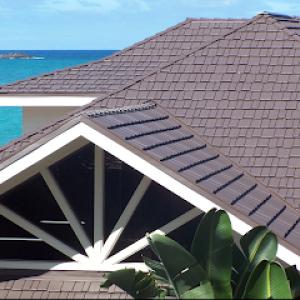
Aluminum Shake Roofing
(808) 847-8885 www.oahumetalroofing.com
Serving
4.9 from 18 reviews
Aluminum Shake Roofing has been providing durable metal (aluminum, copper, and stainless steel) roofs and exterior cladding to Hawaii single-family and multi-family homes, light commercial properties and beautiful buildings since 1989. Licensed in Hawaii (BC-15135), we have the equipment and experience required to fabricate and install special custom metal fabrications for your project. Product and installation warranties are important, and ours are superior...just like our products and workmanship. We promise to communicate with you before, during, and after your project. We are proud to introduce the first wind-resistant, 304 stainless steel bracket for PV rail installations on Aluminum Shake roofing without any external penetrations
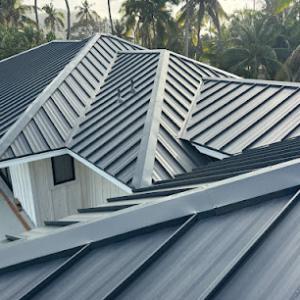
FBC Roofing
(808) 236-0756 www.fbc-hawaii.com
Serving
4.7 from 150 reviews
FBC Roofing, based at 3050 Ualena Street Unit D in Honolulu, is your premier roofing contractor providing top-notch roofing services across the Hawaiian Islands since 2009. Specializing in roof repair, roof replacement, and new roof installation, we cater to both residential and new-build projects. Our expertise includes metal roofing, shingle roofing, and asphalt roofing, ensuring durable and leak-proof solutions. With GAF Master Elite certification, we guarantee premium materials and reliable workmanship. We also offer gutter installation and repair services. Schedule a free roof inspection now—call (808) 236-0756, and let us safeguard your home today!
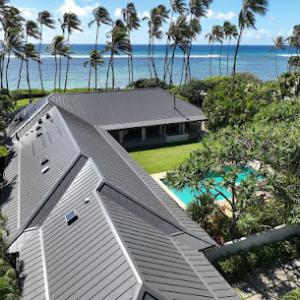
ProBuilt Hawaii Roofing & Rain Gutters - Oahu
(808) 468-8544 probuiltoahu.com
Serving
4.8 from 109 reviews
ProBuilt Hawaii Roofing & Rain Gutters - Oahu - Formerly known as - True Home Hawaii and Ohana Construction - is a full-service roofing company servicing the needs of all residential and commercial roofing systems. Dedicated to providing customers with the highest standard of service and workmanship, True Home Hawaii has served the Island of Oahu one customer at a time. Our goal is not only to meet the roofing needs of our customers, but to leave them with a Superior Experience, one which they will remember for a lifetime and one they will tell others about.

MRC Roofing
(808) 842-4464 mrcroofinghawaii.com
Serving
4.8 from 65 reviews
MRC Roofing is a trusted, locally owned roofing company serving Hawaii’s residential, commercial, and industrial sectors with expert roofing solutions. Specializing in roof installation, repairs, maintenance, and inspections, MRC Roofing provides durable and reliable roofing systems tailored to the unique demands of Hawaii’s tropical climate. Whether it’s installing new roofs, repairing leaks, or providing regular maintenance, their team of skilled professionals ensures top-quality results using the best materials and industry practices. With years of experience, MRC Roofing is adept at handling various roofing types, including asphalt shingles, metal roofs, tile roofing, and flat roofs. They also offer solar-ready roofing systems and en...
Pamalu Roofing
Serving
4.9 from 27 reviews
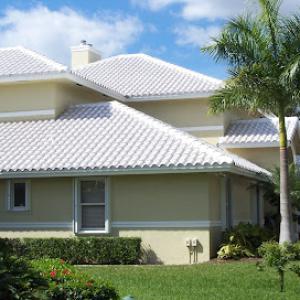
Pamalu Roofing is a family-owned company with 45+ years of experience serving homeowners across Honolulu, Kailua, Ewa Beach, Kapolei, and Pearl City. Our licensed and insured team specializes in roof repair, roof replacement, re-roofing, skylight installation, and gutter services — all built to handle Hawaii’s salt air, heavy rains, and hurricane winds. Known for our expertise in finding and fixing leaks the first time, we’re also trusted to guide Oahu homeowners through the insurance claim process after storm or wind damage. Whether you need a small roof repair or a full replacement, you can count on Pamalu Roofing for quality, reliability, and local care.
Oahu Roofing & Repairs Honolulu
(808) 746-7377 oahu-roofing.com
Serving
5.0 from 84 reviews
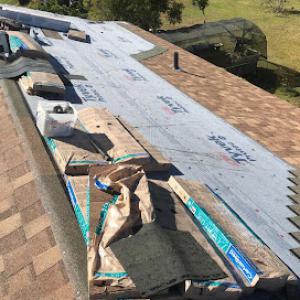
Oahu Roofing & Repairs has our main location in Honolulu. Centrally based we are able to provide roofing services throughout Honolulu and on Oahu. We always recommend you get at least 3 estimates for your roofing project & we hope that Oahu Roofing & Repairs is one of them. We specialize in new roof installations and roof replacements. We can demolish an old existing roof & install the new roof in a matter of a few days depending on the size of your roof. Our prices are extremely competitive as the other roofing companies in Honolulu are skilled & competitive as well. We provide both residential & commercial roofing services & we can handle any type of roofing project. Call us for a free estimate & guidance on your upcoming roofing project.
Protech Roofing & Insulation
(808) 845-1300 www.protechroofinghonoluluhi.com
Serving
4.7 from 34 reviews
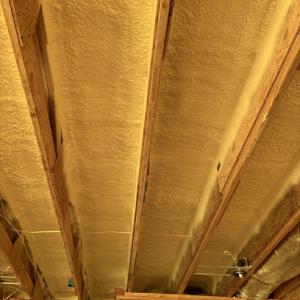
Looking for a roofing contractor in Honolulu, HI? Look no further! At Protech Roofing & Insulation, we pride ourselves on delivering exceptional quality and unparalleled customer service. We offer free roof inspections to ensure your home is in perfect condition. Whether you need residential roofing contractors or spray foam insulation experts, our professional team is here to help you. Plus, we honor our military and seniors with special discounts. Your satisfaction is our priority. Contact us today for all your roofing and insulation needs and experience the Protech difference!
Ewa Beach falls under the City and County of Honolulu Department of Planning and Permitting, which handles reroof permit issuance for this community. The permit process is not a formality to rush through; it is a critical step that ensures the structure can safely carry the weight of the chosen roof system and withstand the local climate. When preparing to reroof, you should expect the plan review to focus on structural compatibility, underlayment choices, and the selected roofing material. The structural review looks at how the new roof interacts with existing framing, purlins, and any retrofits needed to meet current code requirements. Underlayment is evaluated for its ability to resist moisture, salt exposure, and wind-driven rain, which are characteristic of this coastal environment. Material-specific considerations-such as fastener patterns, corrosion resistance, and slope suitability-are also reviewed to prevent premature failure.
In this jurisdiction, submitting complete, code-compliant drawings and product data is essential. Detailed roof plan drawings should indicate joist spans, ridge and eave details, and any shingle or tile overhangs that affect wind exposure and drainage. Product data sheets for the selected roofing material must demonstrate compatibility with the local salt air and UV exposure, including fastener materials and coatings designed to resist corrosion. If the existing roof ties into attic ventilation or radiant barriers, demonstrate how those systems will be preserved or upgraded as part of the reroof. Because the coastal setting can accentuate heat gain, the plan review may request information on attic insulation and ventilation strategies to maintain energy efficiency and moisture control over the long term.
Inspection timing can affect project schedules because Honolulu inspections occur at key stages such as removal, underlayment or installation, and final approval. Scheduling often depends on inspector availability, weather windows, and the pace of material delivery. Plan for potential delays if the removal sequence uncovers structural issues or must be addressed before underlayment can be installed. On the day of each inspection, ensure access to the work area, a clear path for inspectors, and readily available documentation showing permit numbers, material types, and any engineering notices. Coordinating with the contractor for timely pre-inspection walkthroughs helps reduce hold-ups and keeps reroof progression aligned with the island's permitting cadence.
Material pricing in Ewa Beach is influenced by island logistics, where imported roofing products and accessories can add lead-time and availability pressure compared with mainland markets. When you're shopping, expect longer wait times for staples like underlayment, fasteners, and venting components, especially if a product line isn't widely stocked locally. Small deviations in supplier lead times can ripple into project start dates and crew scheduling, so build in a buffer for delivery and be prepared to consider alternative colors or profiles if your first choice is delayed.
Costs can rise when homeowners switch from lighter roofs to concrete or clay tile because Honolulu permit review includes structural compatibility, which can trigger added framing or engineering scope. If your home's existing framing isn't set up for heavier tile systems, you may see additional framing, reinforcing, or even seismic considerations added to the scope. In practice, this can push the project into higher price bands and extend the crew's on-site time, so verify early with a trusted contractor whether your structure needs upgrades to support the weight.
Project timing matters locally because wet-season delays and post-storm demand surges on Oahu can tighten labor availability and extend schedules for reroofing crews. The dry season often brings clearer windows, but trades tend to fill quickly after storms or during peak remodeling months. If you're balancing a busy rental season or trying to minimize disruption, aim for shoulder months and factor in the possibility of weather-induced pauses into your timetable.
Typical costs (per square) span a broad range to reflect material variety and installation complexity. Asphalt shingles commonly fall in the $420-$700 range; metal roofing shows $800-$1,400; clay tile runs $1,100-$1,800; concrete tile is about $1,000-$1,700; wood shingles/shakes come in around $900-$1,500; synthetic or composite shingles typically $800-$1,300. For planning, map your preferred material to these ranges and build a contingency for added framing if you're upgrading from a lighter system.
Start with a realistic contingency for delivery delays and potential heavier-than-expected framing work. Talk through finish options that help resist salt spray and wind-driven debris, and lock in a preferred schedule window early to avoid post-storm surges. Finally, confirm a scope that includes both material costs and the adaptability of the crew to handle local coastal conditions, ensuring you're covered against moisture intrusion and premature wear.
Get a clear picture of your project costs upfront - no commitment required.

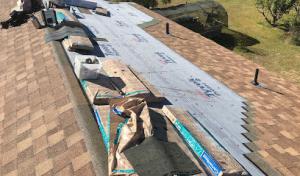
For Ewa Beach homes near the coast, insurers may look closely at roof age, roof type, and documented condition because salt air and humidity can affect expected service life. The combination of salt spray, trade winds, and year-round sun accelerates corrosion on certain materials and can reveal wear in vulnerable joints sooner than inland homes. When a roof has seen a decade or more of exposure, a prior maintenance record and recent professional evaluations become increasingly influential in any claim discussion.
After tropical wind or heavy-rain events, homeowners should document exterior roof areas, interior leak points, and any temporary mitigation because insurers often request updated photos and damage records. Take clear date-stamped photos of the ridge and eaves, sealant joints, vents, and any visible fasteners. Photograph interior ceilings and walls where moisture appears, and keep receipts for tarps or temporary repairs. A simple, contemporaneous log detailing what happened and when helps reset expectations if an adjuster visits after a storm.
Wind-mitigation details and roof material choice can matter in this market, where premiums and claim scrutiny can vary by location and roof system. Some textures and fastener patterns handle salt air better than others, and the presence of coastal-grade coatings or sealants can influence how long a roof remains watertight under salt spray. When selecting materials, think about long-term surface stability, ease of inspection, and the likelihood that fasteners resist corrosion in offshore-driven humidity.
Regular inspections that focus on fasteners, flashings, and coastal-fastening integrity are prudent, especially after high-wind seasons. Keep a simple maintenance log for any re-sealing, rust treatment, or coating renewal, and align inspections with seasonal sun exposure and typical storm cycles. If a claim seems possible, a well-documented, proactive maintenance history can help demonstrate that the roof was cared for and that any preexisting conditions were monitored rather than neglected.
Connect with contractors who help homeowners navigate the claims process from damage assessment to final approval.
Ewa Beach's intense sun makes reflective coatings on eligible low-slope roof sections a practical upgrade when full replacement isn't yet on the table. Look for coatings with high reflectivity and good UV resistance, and choose products rated for salt air exposure. Before apply, clean thoroughly to remove salt residues and dust, then schedule re-coating on a regular cycle to preserve reflectivity and extend the life of the underlying membrane. Focus on flat or low-slope sections that sit closest to the coastline or receive the most afternoon sun, where heat and UV degradation tend to accelerate.
Single-story and mixed-slope homes often feature lanais, additions, or garages with lower-slope roofing. These areas age differently and can be more vulnerable to wind-driven rain and salt exposure. Inspect fasteners, edge detailing, and penetrations specifically on these sections. When choosing coatings or membrane upgrades, ensure the system accommodates the warmer, drier coastal environment and resists wind-driven moisture intrusion around hips, parapets, and transitions to higher-slope roofs.
Solar is a practical consideration on sunny leeward stretches. If panels are planned during reroofing, address attachment details and waterproofing around mounts upfront. Use mounting systems rated for coastal salt exposure and confirm sealants and flashing withstand UV and wind loads. For existing roofs, evaluate whether the current membrane has the strength to support panel hardware without compromising water barrier. In all cases, ensure penetrations through the roof deck are sealed with compatible, long-lasting backer materials and sealants to prevent moisture wicking.
After coatings or solar work, schedule targeted inspections of low-slope areas every 6 to 12 months, with extra attention after tropical showers or strong trades. Look for loose edges, micro-cracks, or fastener corrosion, and address promptly to prevent escalated damage to the roof system.
Extend the life of your existing roof with reflective or waterproof coatings that protect against UV and moisture.
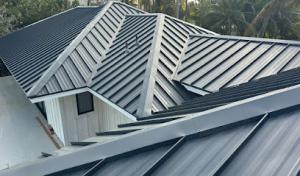
The local market skews toward reroofing rather than only new construction, so you want a contractor who has done tear-off, dry-in, cleanup, and work around occupied homes in the same coastal frame. Look for crews who can explain their process step by step: how they protect landscaping, how they manage salt air exposure during drying, and how they minimize dust and debris that can drift into the house. A contractor who has routinely handled multi-tab shingles, metal, or concrete tile on homes with similar roof lines will navigate standoff distances, fasteners, and flashing details more confidently than a general remodel outfit.
Quick response is a meaningful hiring factor in this market, particularly when leaks appear during the wet-season rain bands or after tropical wind events. Ask for a realistic outage plan: how soon can they stage material, begin removal, and re-shingle if weather changes abruptly? Check whether they offer temporary protection to prevent interior damage and how they communicate during a storm or power interruption. A contractor with a defined emergency contact and a brief, written protocol demonstrates reliability when you need it most.
Given the prevalence of long-established and family-run Oahu roofers, homeowners often prioritize local track record, cleanup practices, and warranty clarity over flashy add-ons. Request references from recent projects in nearby coastal neighborhoods that share your exposure to salt spray and wind. Visit a completed job if possible to inspect material choice, nail patterns, and how cleanly debris was removed from driveways and lawns. A locally trusted crew will have a reputation for thorough cleanup and predictable workmanship, which matters when aging homes rely on careful staging and protection of salty outdoor spaces.
Choose a contractor who can translate material specs into real-world performance against salt air and UV. Ask how they handle fasteners, corrosion-resistant options, and sealants that resist salty breezes. Clarify warranty terms in plain language: what is covered, for how long, and what maintenance is required to keep the warranty valid. Favor providers who offer written warranties with clearly defined service-to-need timelines and a straightforward process for filing any warranty claims.
Finally, evaluate how the crew coordinates with you while you're living under the same roof. In occupied homes, you want steady communication, a documented daily plan, and clear cleanup routines that prevent fasteners and debris from becoming trip hazards. Confirm who will be on-site each day, how they handle material stockpile, and what neighborhood access protocols they follow to minimize disruption in driveways, sidewalks, and HOA-visible areas.